Running Shoes
Brooks Glycerin Flex Review: A Softer, More Natural Take on Max Cushion
Brooks' new flex groove and forefoot cutout design aims to make a cushioned daily trainer move with your foot instead of against it. Here is how it runs.
Introduction
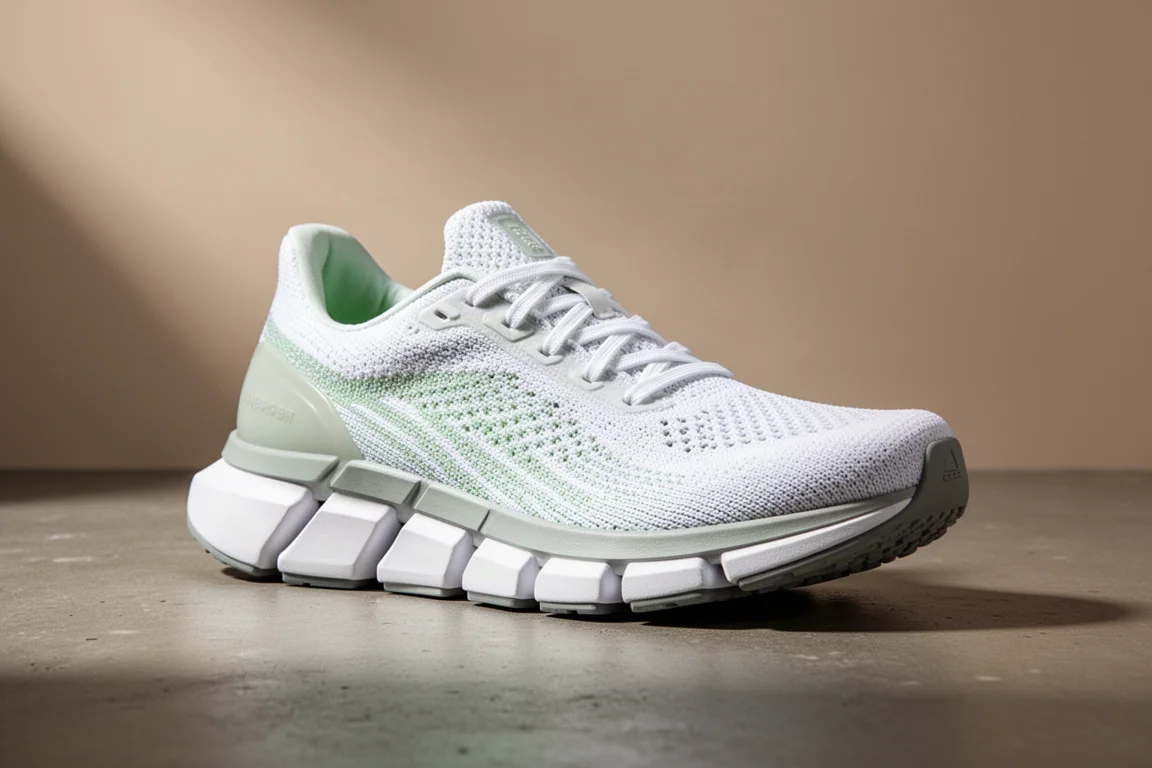
The Brooks Glycerin Flex is a new entry in the Glycerin lineup built around an unusual idea: a max-cushion daily trainer that flexes underfoot rather than staying rigid. Brooks pairs its nitrogen-infused DNA Tuned foam with an asymmetrical S-curve flex groove through the midfoot and a series of forefoot cutouts, all intended to create a more natural, less controlled ride. After our test miles, the picture is of a comfortable, well-built daily trainer with one genuinely interesting design feature that does not always announce itself on the run.
Quick Details and Midsole Design
The stack height comes in at 36mm in the heel and 30mm in the forefoot, for a 6mm drop. Weight lands at 9.6 oz (271g) in a UK men’s 8.5 / US 9.5 test shoe. Pricing is $170 in the US and £165 in the UK.
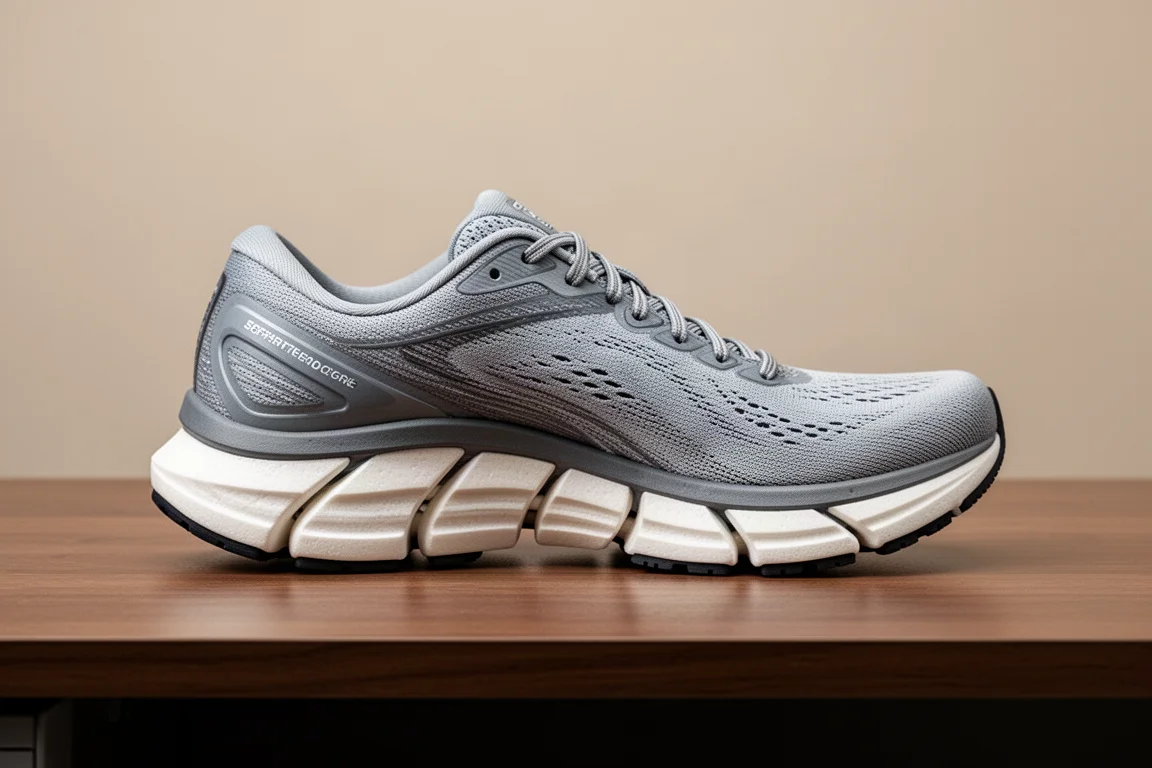
The midsole uses DNA Tuned nitrogen-infused foam in a dual-cell construction: larger nitrogen pockets in the heel for plush landings, smaller ones in the forefoot for snappier toe-offs. It is the same foam family found in the Brooks Glycerin Max 2, though tuned differently here. The standout is the asymmetrical S-curve midfoot flex groove paired with forefoot cutouts, designed to bend with your foot through the stride for a flexible, natural feel.
Fit and Sizing
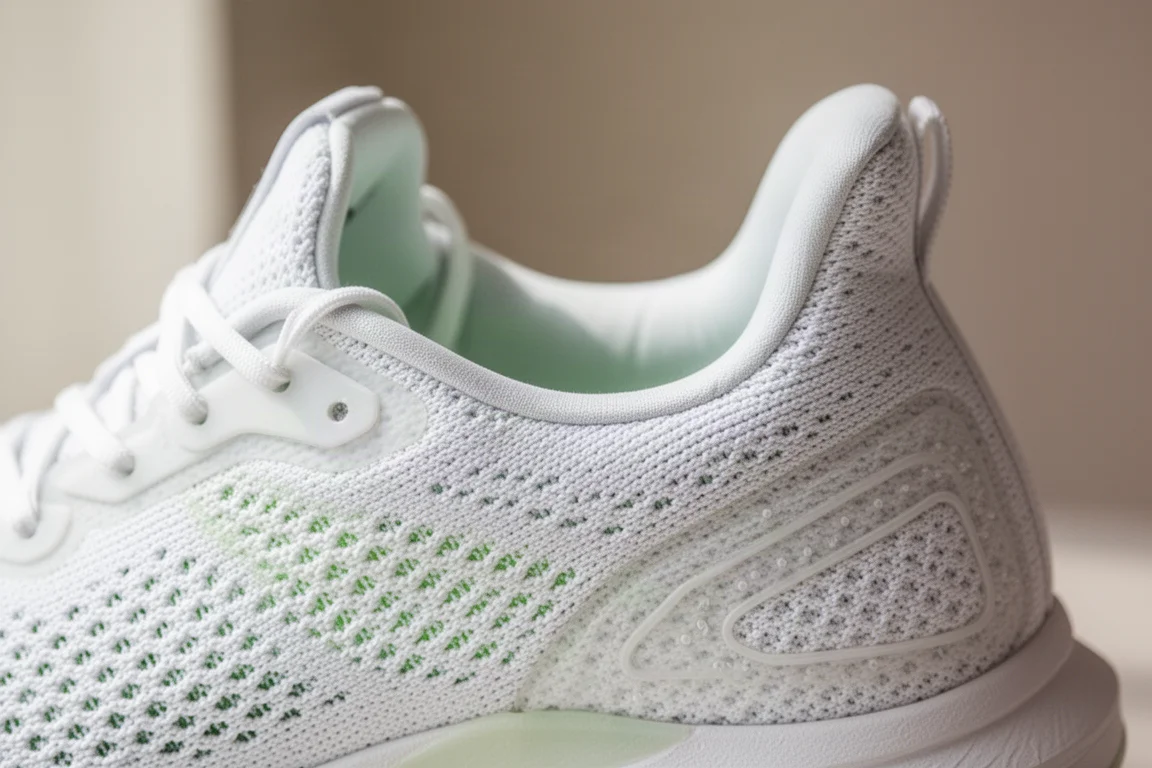
Across our testers, the Glycerin Flex ran true to size, which is broadly the story with Brooks shoes. Toe box room was generous in both width and length, the midfoot locked down well, and the heels held without slipping or irritation. The upper is an engineered flat knit with minimal structure, very malleable and sock-like, reminiscent of the old Nike Free shoes. It moves with the foot rather than guiding it.
The main complaint was the tongue: several testers found they had to reposition it on nearly every run to stop it digging into the top of the foot. It is slightly long at the sides and not heavily padded. Another point worth flagging is the flexible heel. There is little in the way of a firm heel counter compared with most Brooks shoes, so runners who need strong structure or support may find this upper too pliable. The more flexible heel was, however, a positive for one tester who found it less likely to irritate the Achilles.
How It Rides on Easy and Long Runs
At heart, this is still a Glycerin: a stable, controlled, cushioned shoe designed for daily runs, easy runs and long runs rather than hard sessions. The DNA Tuned foam is not the plushest on a max-cushion shoe, but that firmness, combined with the absence of a pronounced rocker, gives it more ground control than the Glycerin Max 2. It feels a little flatter and more connected than the big rocker-equipped max stack shoes, and noticeably lighter than the standard Glycerin.
Where the flex design earns its keep is on longer efforts. On 10K runs, it feels much like any comfortable daily trainer, similar to the Glycerin 23 with slightly less stack. But on a 24K marathon-training run, the later kilometers felt notably natural and comfortable, with room for the foot to run the way it wants to rather than the way the shoe dictates. Easy pace, around 5:00 to 5:20 per kilometre, suits it perfectly, and moderate-paced running is comfortable too. Anything faster than that, up to marathon pace, feels a little sluggish, so this is not the shoe for interval work.

Outsole, Grip and Durability
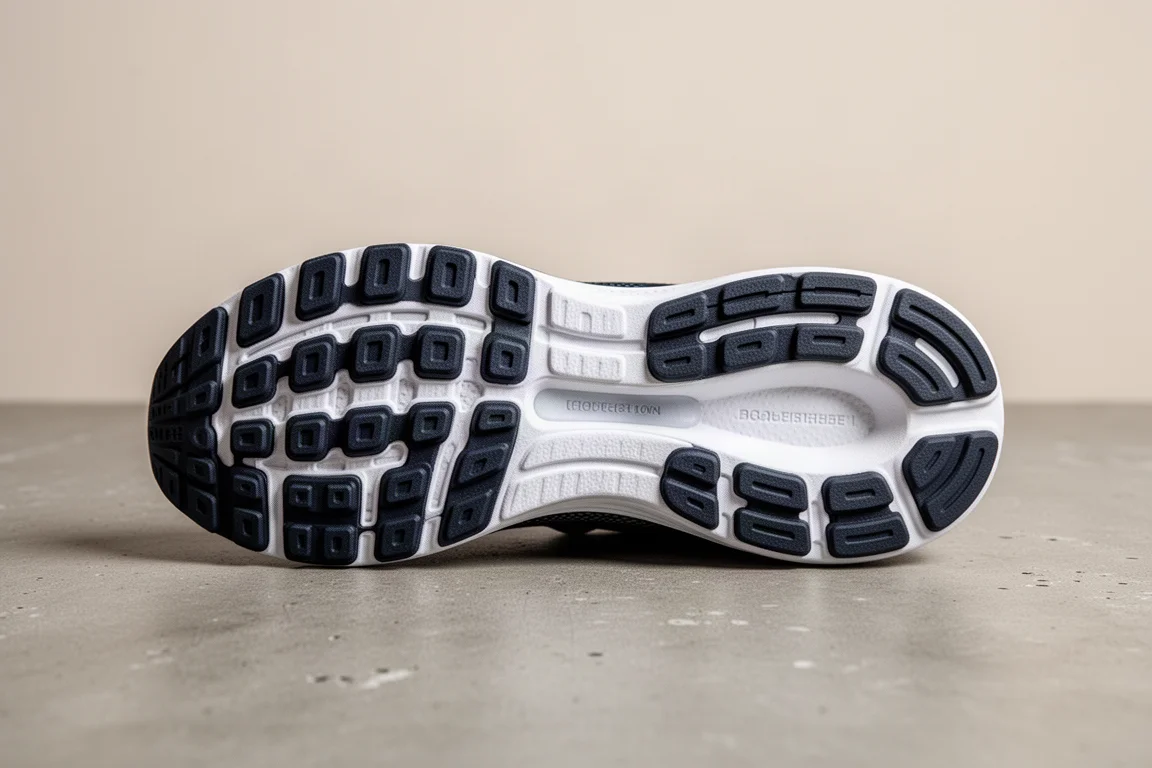
The outsole is one of the shoe’s strongest elements. There is a generous covering of thick rubber across the heel impact zones and the forefoot, and it sticks out far enough that the exposed midsole sections sit quite low. Grip has proven solid in genuinely wet conditions on hilly road runs, with testers reporting no slips at all.
The foam itself is consistent: it feels the same at the end of a run as at the start, with no bottoming out, which points to good durability for big mileage. One design caveat: the gap in the flex groove is quite deep, and it has managed to trap small debris on test runs. A thinner or shallower groove would help.
Things to Consider Before Buying
The Glycerin Flex is a solid, reliable performer rather than a game-changer. The flex concept is interesting and does add a natural, comfortable quality on long runs, but it is not dramatically different from slightly lower-profile cushioned trainers that already exist, including even the stiffer Glycerin 22. The ride is balanced and plush at the heel but not as springy or lively as some competing foams at or below this price point, in shoes such as the Puma Velocity Nitro 4 or the ASICS EvoRide, which are also lighter and better suited to faster runs.
If you want a max-cushion shoe, alternatives like the Nike Vomero 18 or the latest ASICS GEL-Nimbus offer more memorable rides, and the original Glycerin Max is likely cheaper with a similar experience. If you already like Brooks shoes and want something lighter and more flexible, this is an easy fit.
Buying Advice
Buy the Glycerin Flex in your usual running shoe size. It suits beginner runners and anyone intimidated by max-cushion shoes that feel too soft or too wild in the ride, since the Flex is controlled and balanced. It is best deployed for easy days a few notches below marathon pace, long runs, and recovery miles. Runners chasing versatility, faster paces or a livelier foam should look elsewhere, and those who need strong heel structure should be cautious of the flexible upper. As a comfortable, protective, well-made daily trainer that lets your foot move naturally, it delivers on its promise.
Conclusion
The Brooks Glycerin Flex is a good, comfortable daily trainer with a genuinely interesting flexible midsole concept that shines most on long, easy miles. It will not change the direction of running shoe design just yet, and the flex feature is subtler than you might expect, but the cushioning-to-weight ratio, grip and consistent foam make it a dependable option, especially for runners who already like Brooks and want a bit more ground feel.
Product link
View more details for Brooks Glycerin Flex
This product is mentioned in the review. Check the specifications, options, and compatibility before buying.
View more details for Brooks Glycerin FlexFurther reading
Related Reviews

Running Shoes
Best Road-to-Trail Running Shoes: Three Versatile Options for Mixed Terrain
A practical guide to three road-to-trail running shoes that handle both pavement and mild trails, with clear strengths and trade-offs for different runner types.

Running Shoes
Best Running Shoes for Achilles Tendonitis: Three Options Explained
Three running shoes with different heel drops and support features designed to help reduce Achilles tendon pain during walking and running.

Running Shoes
Best Running Shoes for Women: Five Top Choices Ranked
A ranked guide to five women's running shoes, from versatile daily trainers to high-performance racing options, with real strengths and trade-offs for each.