Running Shoes
Brooks Glycerin Flex: The Max Cushion Shoe That Bends the Rules
A closer look at the new Brooks Glycerin Flex, how it compares to the Glycerin 22, ASICS Nimbus 28, On Cloudmonster Hyper, and the discounted Glycerin 22 Stealth Fit.
Introduction
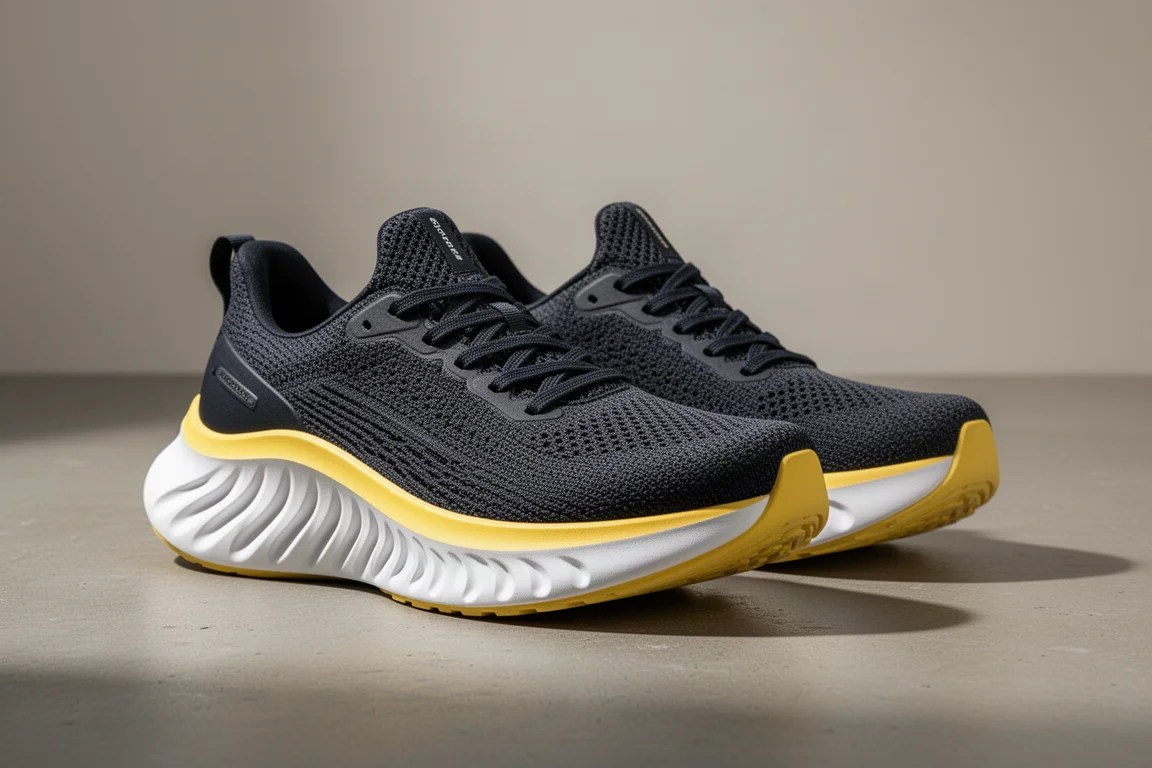
At The Running Event, the big reveal from Brooks was the Glycerin Flex, a super bendy version of the Glycerin. The obvious question is whether the extra flexibility actually does anything, or whether it is just a gimmick. After taking it out on the road, the short answer is that it is not a gimmick. It is a genuinely different kind of Glycerin, and one that is arguably more interesting than the standard model.
This review covers what the Glycerin Flex is, how it rides, and how it stacks up against the Glycerin 22, the ASICS Nimbus 28, the On Cloudmonster Hyper, and the discounted Glycerin 22 Stealth Fit.
Design and Midsole: How the Flex Actually Works
On paper, the Glycerin Flex is a 36 mm stack shoe with a 6 mm drop, giving 30 mm of stack in the forefoot. Technically it uses one midsole compound, DNA Tune, but that compound is more complicated than it sounds. DNA Tune is a supercritical foam system that combines two different foams into a single piece of midsole, visible as two colors at the bottom of the shoe.
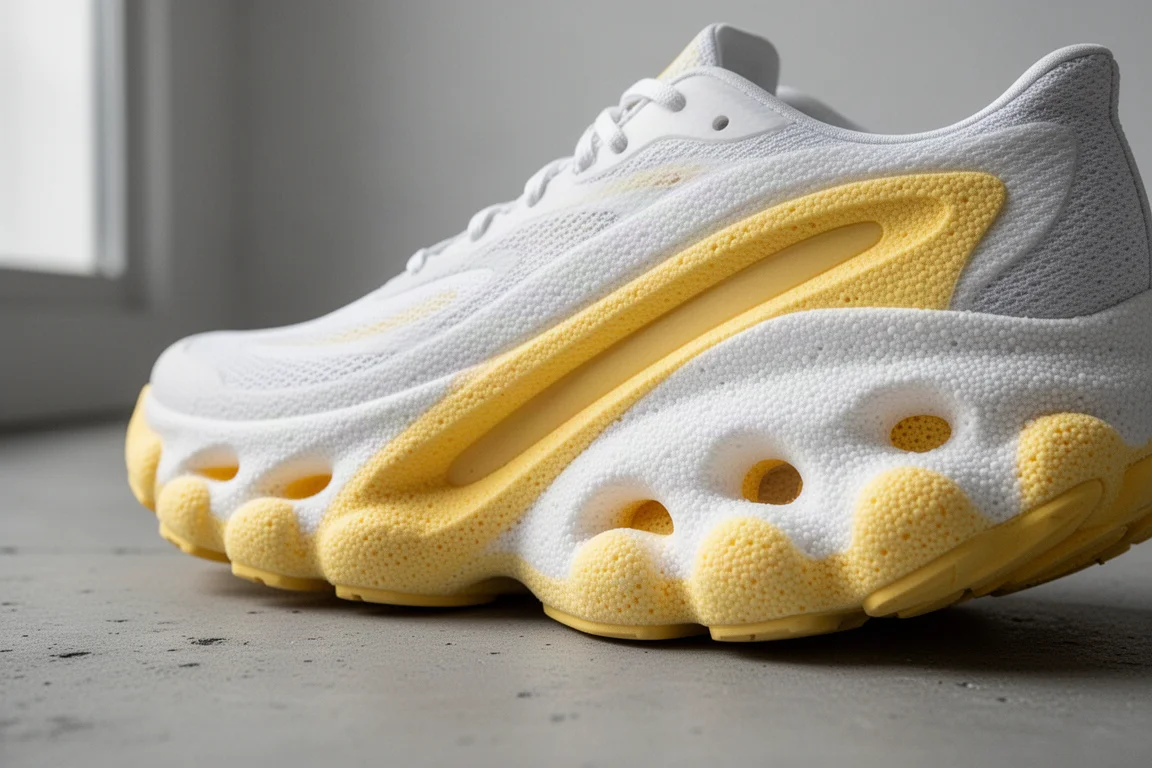
The white foam uses larger beads that expand into a squishy, comfortable landing surface. The yellow foam uses smaller beads that pack more densely, so it feels firmer and more responsive. Put together, it behaves like a dual-foam system inside one midsole.
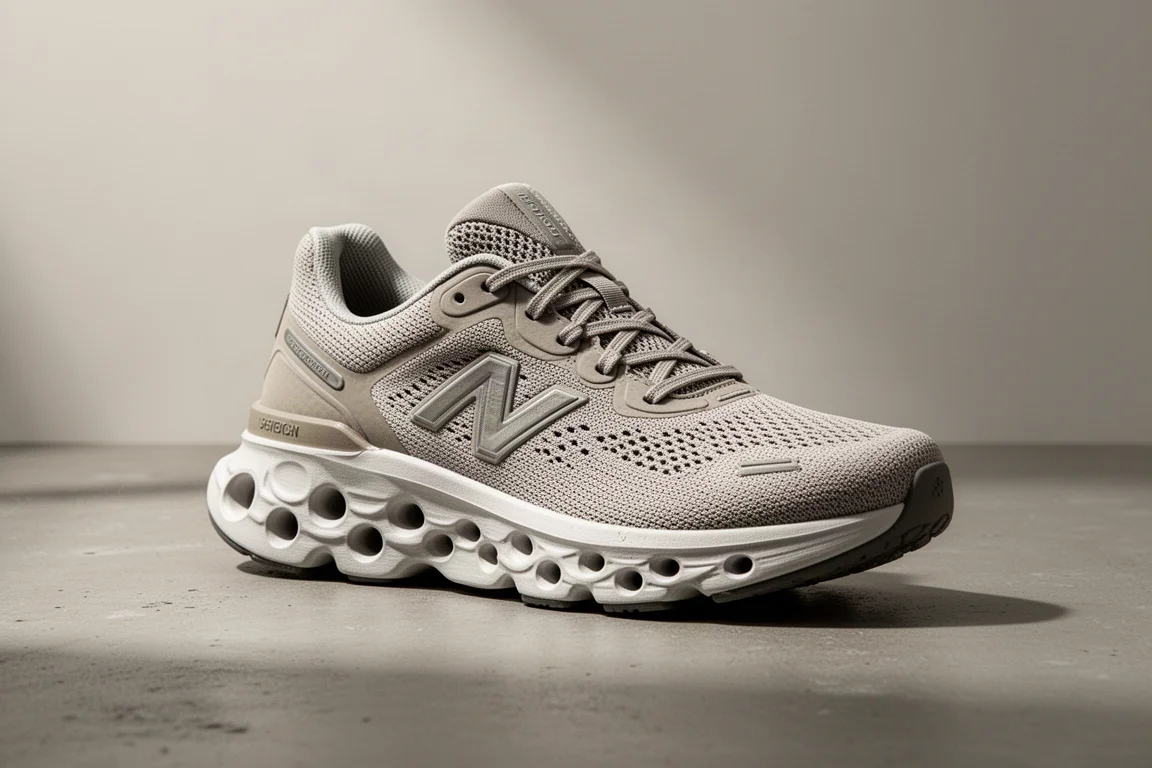
The Flex adds a second wrinkle: aggressive flex grooves cut into the midsole. A large groove runs from the outer portion of the front of the heel toward the pads of the inner foot, under the big toe, and independent foam pods scattered across the forefoot act as islands surrounded by open space. The result is a midsole that bends considerably more than the Glycerin 22, which uses the same DNA Tune white-and-yellow foam but with far less flexibility built into its shaping.
Protecting the midsole is Brooks rubber, and there is plenty of it. The outsole looks like it has less coverage than the Glycerin 22 because the pods and flex groove leave natural gaps, but the rubber that is there appears denser than the standard Glycerin’s. There is less surface area, but likely more rubber overall.
Fit and Upper: Knit Over Mesh
Both the Glycerin 22 and the Flex have plenty of padding in the heel cup, and each finishes the top with a bit of knit that folds over into a pull tab. The rest of the upper is where they differ. The regular Glycerin uses a comfortable, well-fitting mesh with a slightly padded tongue, though far less padded than most max cushion shoes. The Glycerin Flex uses knit material for the rest of the upper with even less tongue padding, which gives it a cleaner, more modern look than the mesh Brooks typically uses.
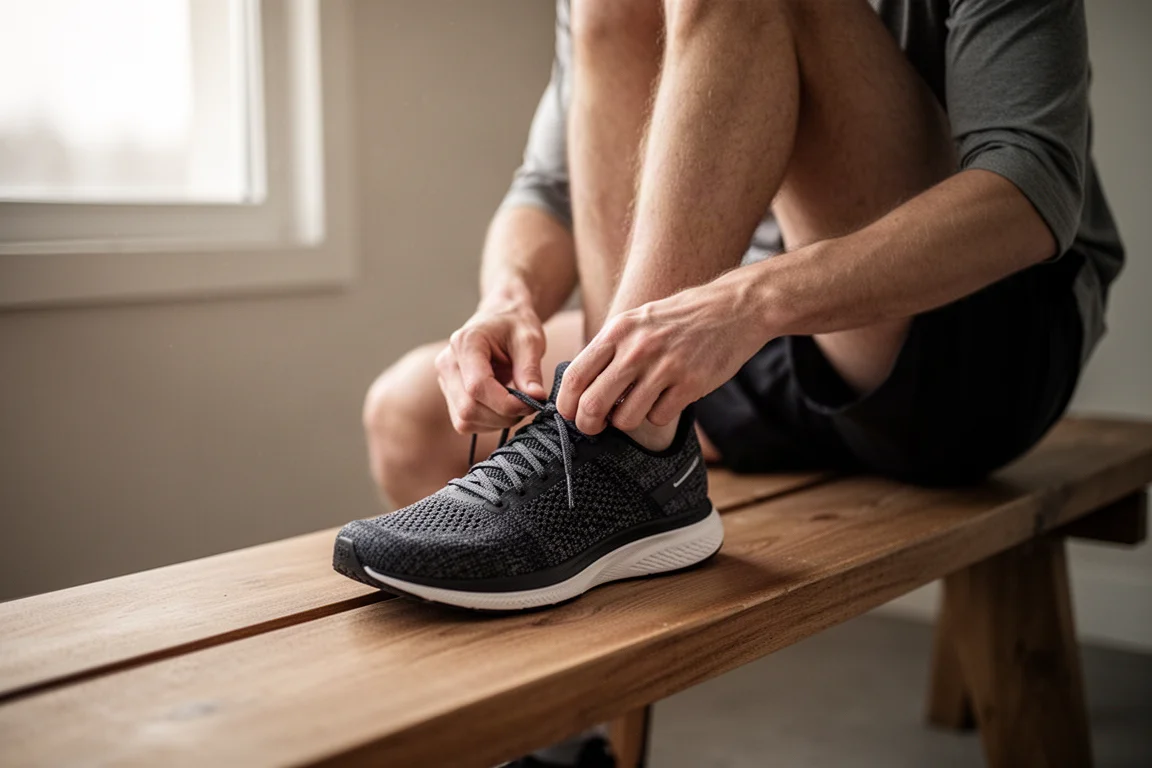
Regular running shoe size worked well in both shoes, with plenty of room and a comfortable fit consistent with other Brooks models. The Glycerin 22 is available in wide and extra wide, while the Flex, at least for now, is only available in a standard width. All in, the Flex comes in more than half an ounce lighter than the Glycerin 22, at 8.8 oz (249 g).
Ride Feel: Not a Gimmick, and Not a Replacement
The Glycerin Flex is definitely not a gimmick. It is more neutral and more energetic than the regular Glycerin 22, and it nudges the max cushion Glycerin platform into the long run shoe category. The main sensation is a lack of torsional stabilization: the big flex groove makes the shoe move naturally with how the foot wants to move, and the shoe feels less clunky overall.

If you want the marshmallowy softness of the Glycerin Max, you will not find it here. The DNA Tune in the Flex feels slightly firmer and denser than the Glycerin 22. The heel density feels similar between the two, but the forefoot feels like it has been stiffened up, possibly to compensate for the lack of structure created by all those islands and grooves.
That forefoot setup becomes apparent when you pick up the pace. Past easy and recovery paces, into steady running, the shoe perks up: the denser foam translates into responsive bounce-back, and the flexibility lets the foam shine in a way it has not really done in the Glycerin before. For a long-time Brooks fan, this is not a Glycerin replacement but a Glycerin supplement. If you use the Glycerin for easy miles and want something similar-feeling that can also handle speedier work, the Flex is a peppy and fun option. It also has strong all-day wear comfort, and the knit upper makes it an attractive shoe off the run.
There is a lineage here worth mentioning: the Aurora BL, a Brooks Labs shoe that used supercritical nitro foam and a midfoot flex groove to create something comfortable, flexible, and more neutral. Part of me wishes this had been called the Aurora BL 2, but Glycerin Flex is far more marketable for both shoppers and retailers. It is also another suffix shoe in a lineup that already includes the Glycerin Max, Ghost Max, and Hyperion Max, so a Ghost Flex or Hyperion Flex may well be coming. Still, it is good to see Brooks continuing to experiment with new foams, even if it moves a little slower than some would like.
Brooks Glycerin 22: The Familiar Baseline
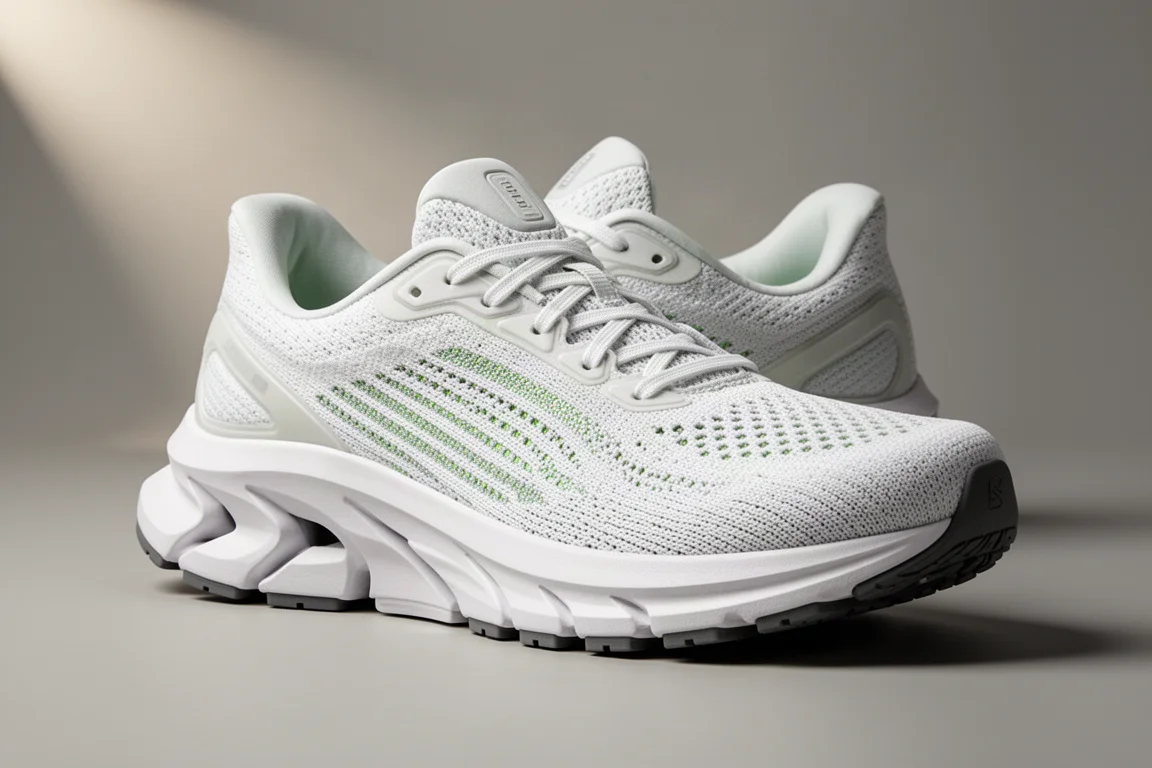
The Glycerin 22 is the shoe the Flex is built from. It uses the same DNA Tune white-and-yellow dual foam, comes in a comfortable mesh upper, is available in wide and extra wide, and offers that classic softer, more cushioned Glycerin feel. If you want the traditional Glycerin experience rather than something up-tempo, this remains the shoe to get.
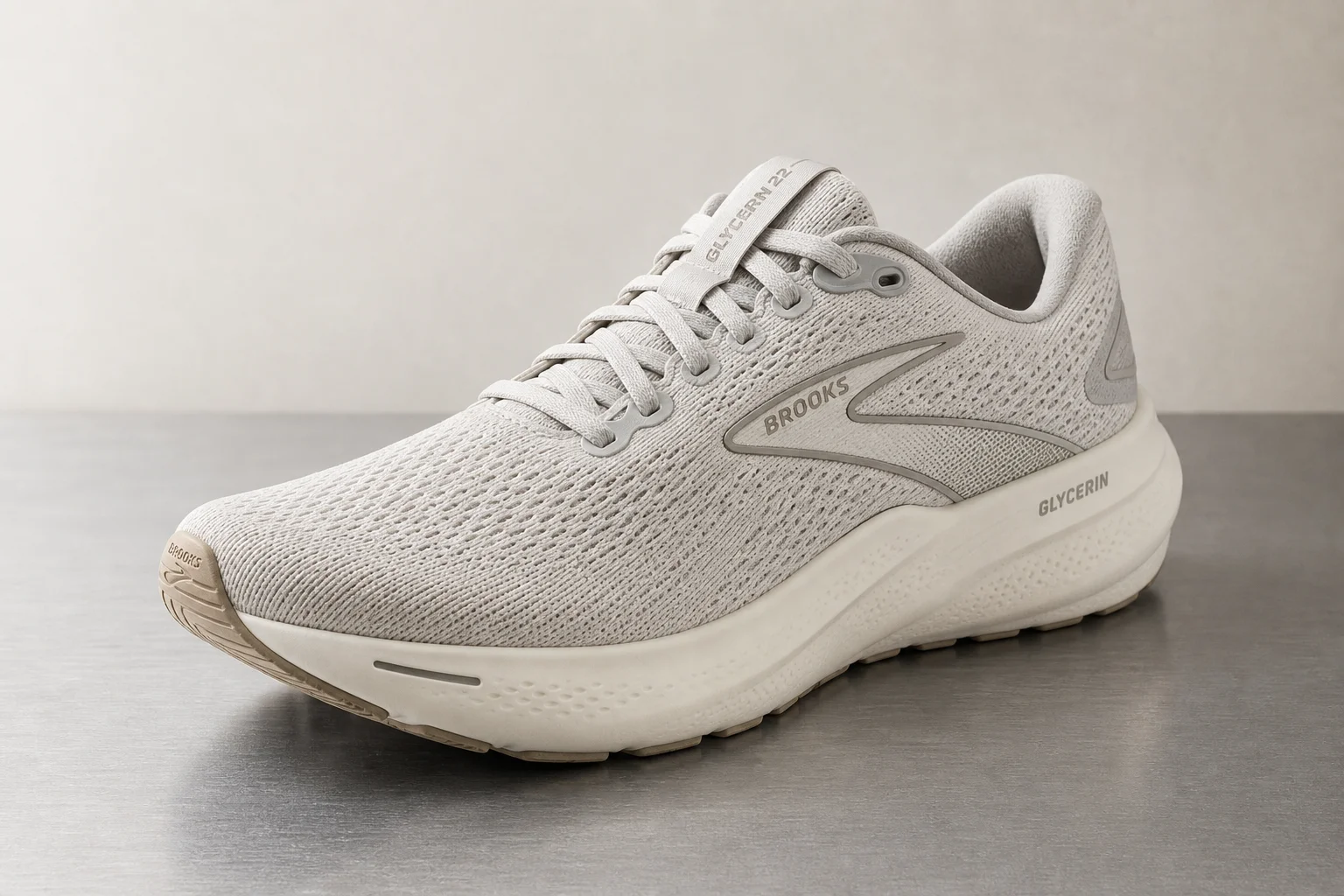
Brooks Glycerin 22 Stealth Fit: The Smart Discount Pick
If you are due for a Glycerin replacement but do not want to pay $170, the Glycerin 22 Stealth Fit is a good bet. It pairs the midsole of the Glycerin 22 with an upper similar to the Glycerin Flex, and it has been on sale for $120. It is not as energetic as the Flex, but at that price it can hold you over until the Flex goes on sale or the Glycerin 23 arrives.
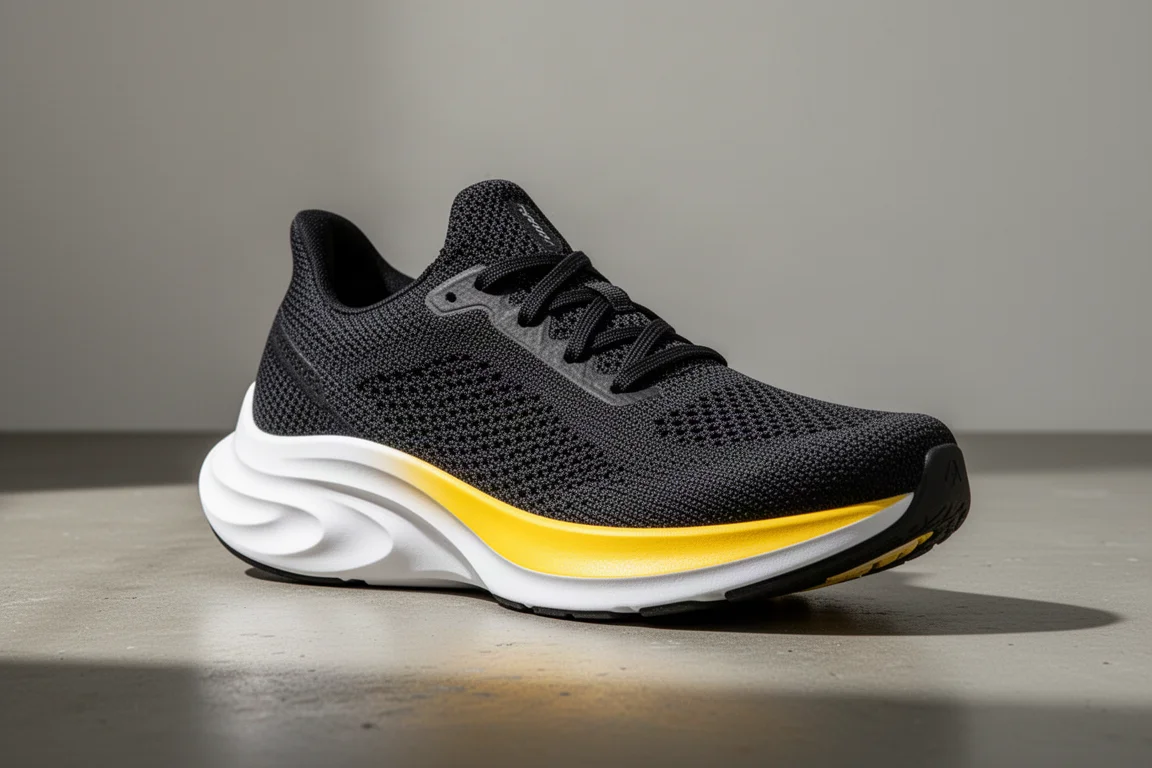
ASICS Nimbus 28: Softer and Better Balanced
The Nimbus constantly tries to go toe-to-toe with the Glycerin, and the Nimbus 28 feels softer and better balanced. Both shoes come in at similar weights, and although the Flex is lighter on paper, the Nimbus runs and feels lighter on the foot. Like the regular Glycerin, the Nimbus 28 is available in regular, wide, and extra wide sizing, and it retails at $170, the same as the Glycerin Flex.
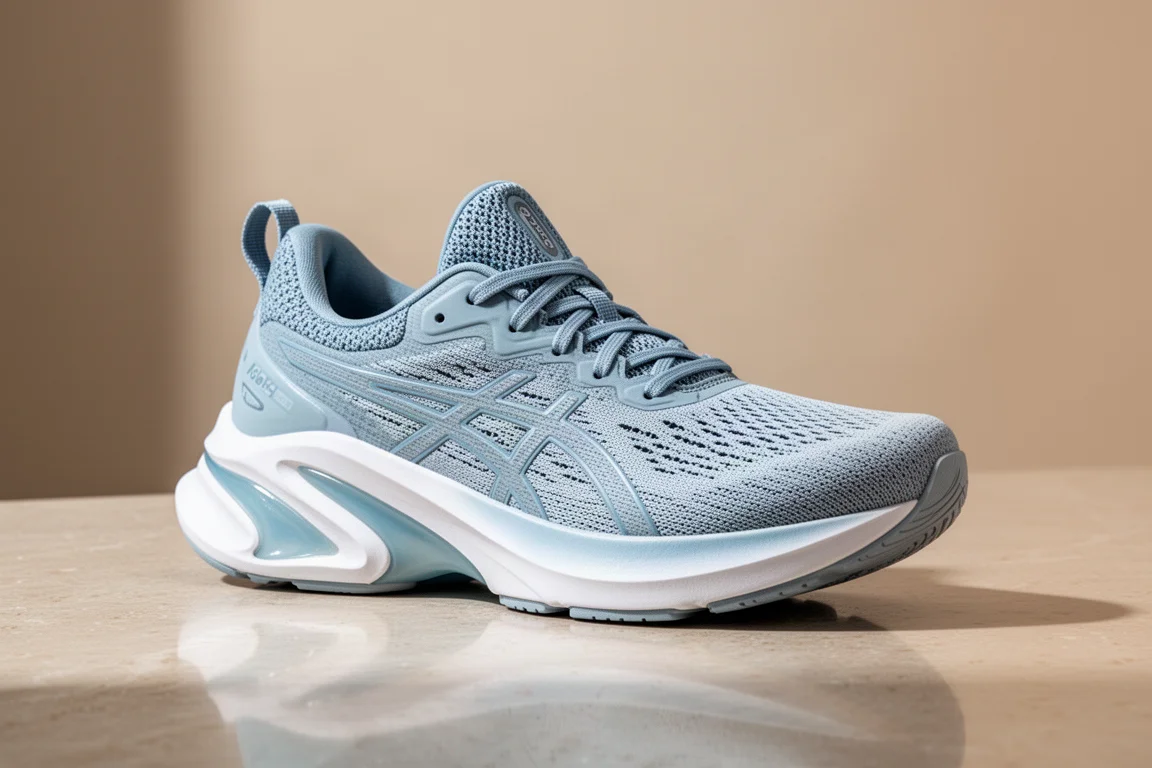
On Cloudmonster Hyper: More Stable, Much Pricier
The Cloudmonster Hyper is another shoe often dismissed as a gimmick because of the cloud-like holes through the midsole. In practice, it is about the same weight, the same stack height, and the exact same drop as the Flex, and it would be used in exactly the same way: a fun long run shoe that doubles as an everyday trainer for a mix of max cushion and up-tempo running.
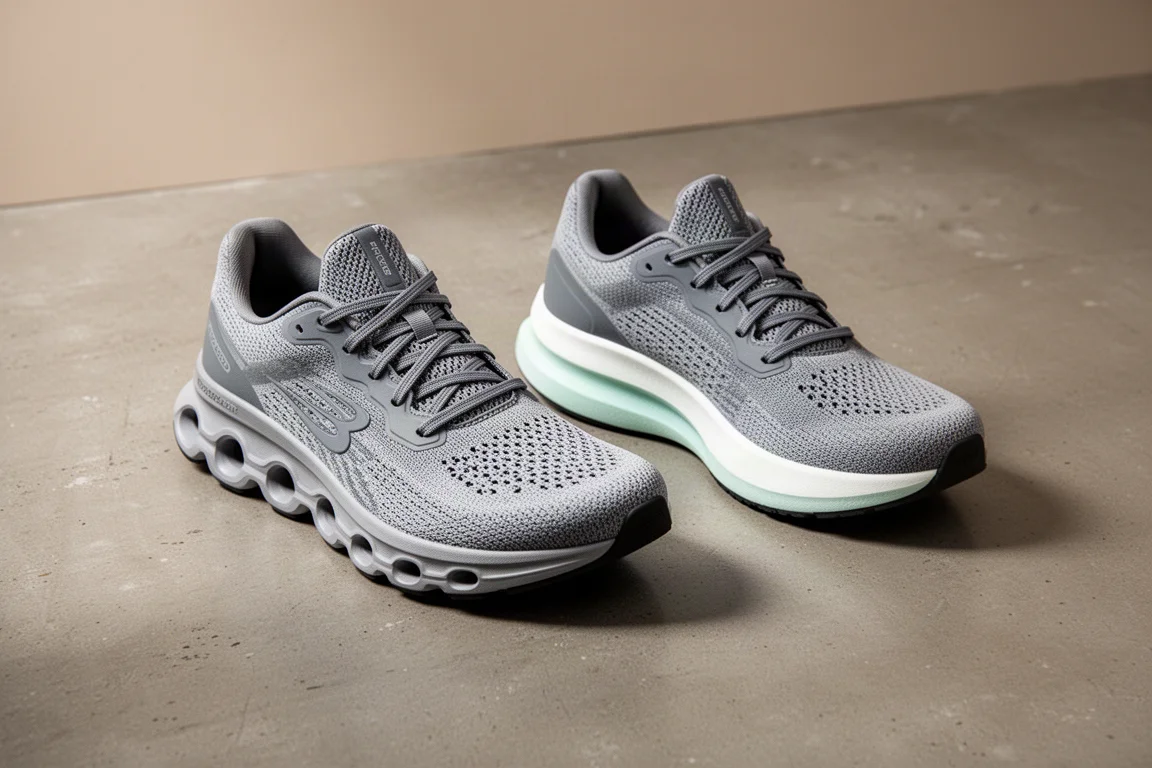
The main feel difference is stability. Because the Cloudmonster Hyper does not have all those flex grooves, it is more stable than the Flex. The other big difference is price: it retails at $220, significantly more than the Flex’s $170. If you are a Brooks fan, go with the Glycerin Flex. If you are an On fan, go with the Cloudmonster Hyper.
Buying Advice
The ideal customer for the Glycerin Flex is a long-time Glycerin fan excited to try a more up-tempo version of the shoe they already love. It is not a gimmick, and it is genuinely enjoyable, but it is not different enough to win over people who have already shied away from Brooks. The shoe arrives January 30 at a retail price of $170, which is $5 more than the regular Glycerin, a price that is hard to argue with.
Conclusion
The Glycerin Flex takes the max cushion Glycerin platform and makes it lighter, more flexible, and more energetic, landing somewhere between a daily trainer and a long run shoe. If you already love Brooks, it is an easy recommendation as a supplement to the standard Glycerin. If you are shopping purely on feel, the softer Nimbus 28 or the more stable but pricier Cloudmonster Hyper are the main alternatives, and the discounted Glycerin 22 Stealth Fit is the value play while you wait for the Flex to hit shelves.
Further reading
Related Reviews

Running Shoes
Best Road-to-Trail Running Shoes: Three Versatile Options for Mixed Terrain
A practical guide to three road-to-trail running shoes that handle both pavement and mild trails, with clear strengths and trade-offs for different runner types.

Running Shoes
Best Running Shoes for Achilles Tendonitis: Three Options Explained
Three running shoes with different heel drops and support features designed to help reduce Achilles tendon pain during walking and running.

Running Shoes
Best Running Shoes for Women: Five Top Choices Ranked
A ranked guide to five women's running shoes, from versatile daily trainers to high-performance racing options, with real strengths and trade-offs for each.