Running Shoes
Brooks Glycerin Flex First Run: Cushioned Daily Trainer With a More Flexible Ride
A closer look at the Brooks Glycerin Flex, a decoupled, flex-focused take on the Glycerin formula with DNA Tuned foam and a slipper-like upper.
Introduction
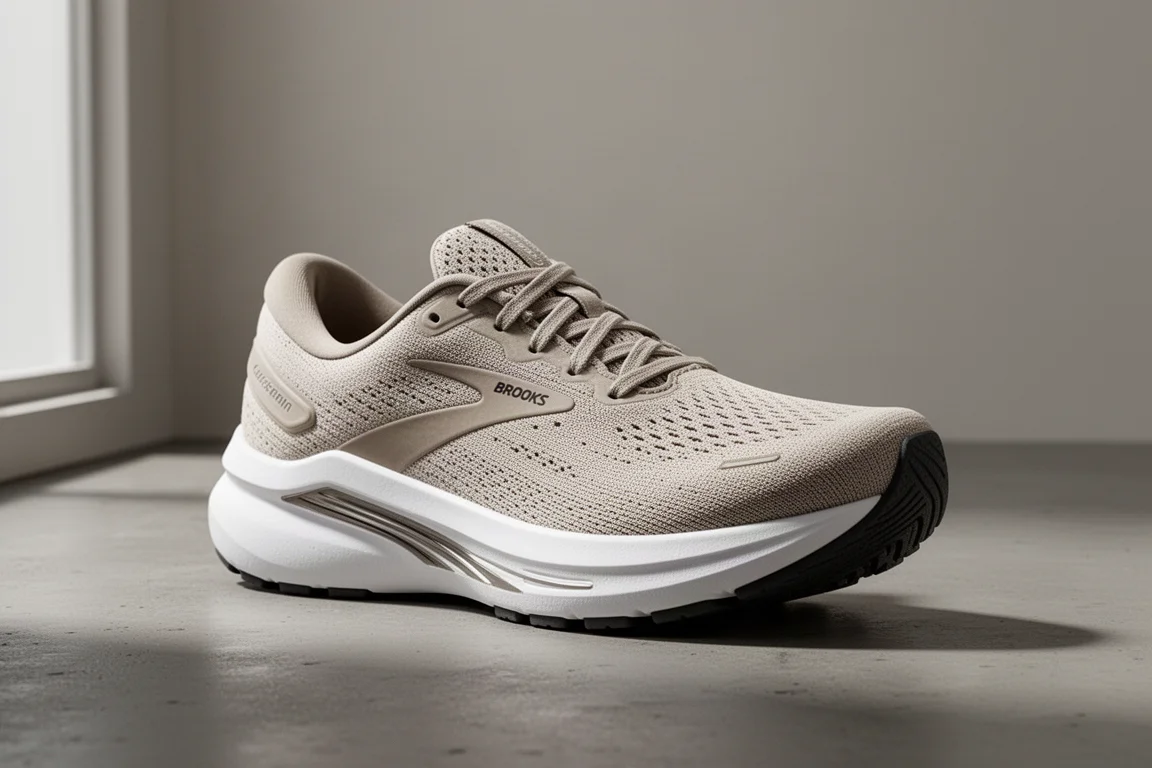
The Glycerin line has always been Brooks at its most protective, but the new Glycerin Flex takes that formula in a slightly different direction. Instead of stacking maximum cushion under a strong rocker, it keeps the plushness and adds a big dose of flexibility, aiming for a more natural, more connected ride. We took it out for a first 10K to see how it performs.
Specs and Availability
The Glycerin Flex comes in at 36 mm in the heel and 30 mm in the forefoot for a 6 mm drop. Weight lands at 9.6 oz (271 g) in a UK 8.5 / US 9.5 test shoe, which makes it lighter than both the standard Glycerin and the Glycerin Max 2. The current US price is $170, with a UK price to be confirmed. It goes on sale on 1 February 2026.
What Makes the Glycerin Flex Different
The key design move is the decoupled midsole. There is a large groove through the midfoot that separates the heel and forefoot, letting the two sections move more independently, while the forefoot itself is noticeably flexible. The idea is to give runners a greater sense of control over their own movement without giving up the cushioning the Glycerin line is known for.
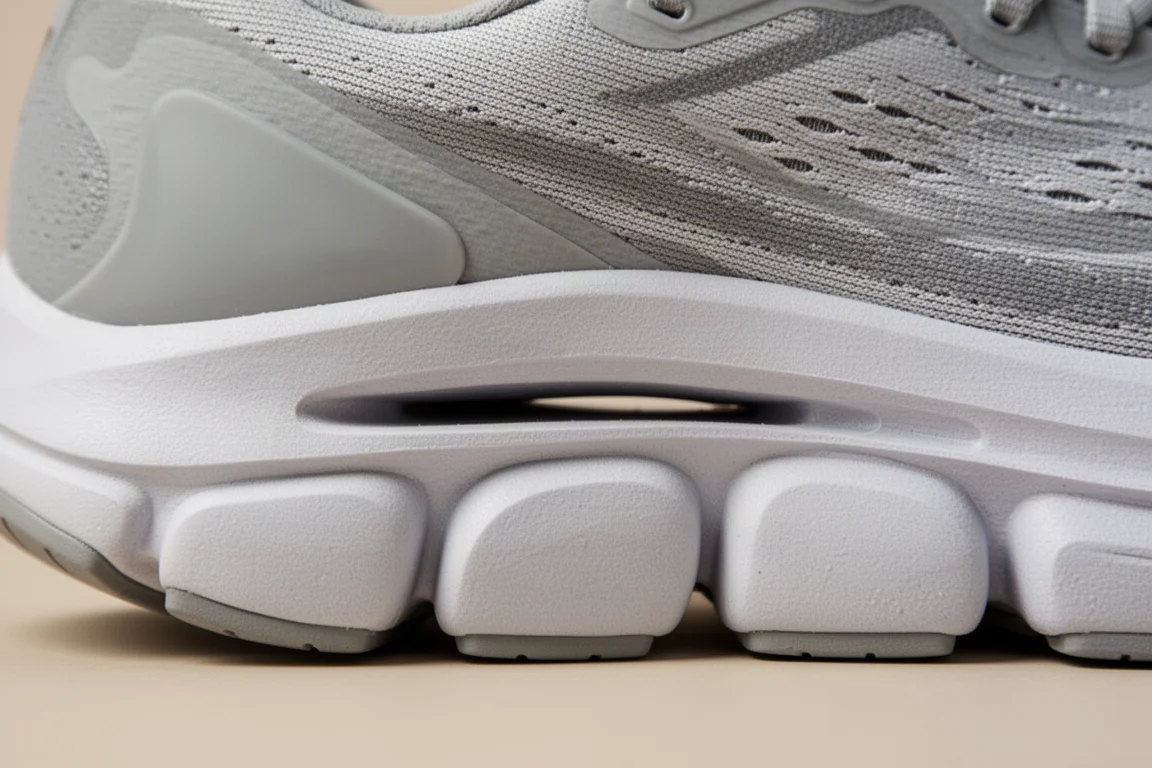
It uses the same DNA Tuned midsole technology as the Glycerin Max, which testers consistently like for its soft heel that does not feel overly squishy. Geometry-wise, the Flex has less rocker than the Glycerin Max 2. The lower stance gives the foot a more natural position and avoids the stodgy feel that low-rockered, high-stack shoes can fall into.
The outsole uses Brooks’ RoadTrack rubber compound, a material the brand has relied on for years across most of its range, valued for traction and durability.
Fit and Upper Feel
The upper is a flat-knit, one-piece construction that Brooks describes as getting as close to the foot as possible, with the goal of a second-skin, slipper-like feel. It is a hugging, flexible fit with good heel hold, though noticeably less structured around the heel than most Brooks cushioning shoes, which fits the whole flexible theme of the shoe. The heel uses internal padding rather than a traditional rigid heel counter.
Testers found sizing consistent with other Brooks shoes and would go true to size, though one noted the wedge of collar cushioning around the back can occasionally be felt in a mildly annoying way.
How It Felt on the Run
The first run covered roughly 10K in San Antonio at a mix of easy and social paces. At very easy paces, the flex design was barely noticeable. The dominant sensation was the big heel wedge of DNA Tuned foam, which feels similar to the Glycerin Max.

Things changed at a cruising easy pace. Testers reported a distinct layering effect under the forefoot, feeling each pod of foam engage one after another, which made them more aware of different parts of the forefoot. It was not clearly better or worse, just different. One tester compared it to feeling each part of the foot working, which some runners will genuinely enjoy.
Push the pace harder, though, and the shoe feels more sluggish. This is not a fast-day shoe. It is a daily trainer, and a comfortable one at that. The heel cushioning feels typical of modern max-cushion shoes, while the forefoot is where the character changes.
Strengths
- Lighter than both the standard Glycerin and the Glycerin Max 2
- DNA Tuned foam stays cushioned and responsive without bottoming out
- Flexible, slipper-like upper that holds well without feeling constrictive
- Solid heel protection for easy miles, with a 36 mm stack in a comfortable range
- A genuinely different feel from the rest of the Glycerin line
Things to Consider Before Buying
The flex effect is subtle rather than dramatic. If you expect a radical ride change, you may come away underwhelmed. It is also not responsive enough for tempo work, and heavier heel-strikers may feel some forefoot discomfort when rolling through quickly at first.
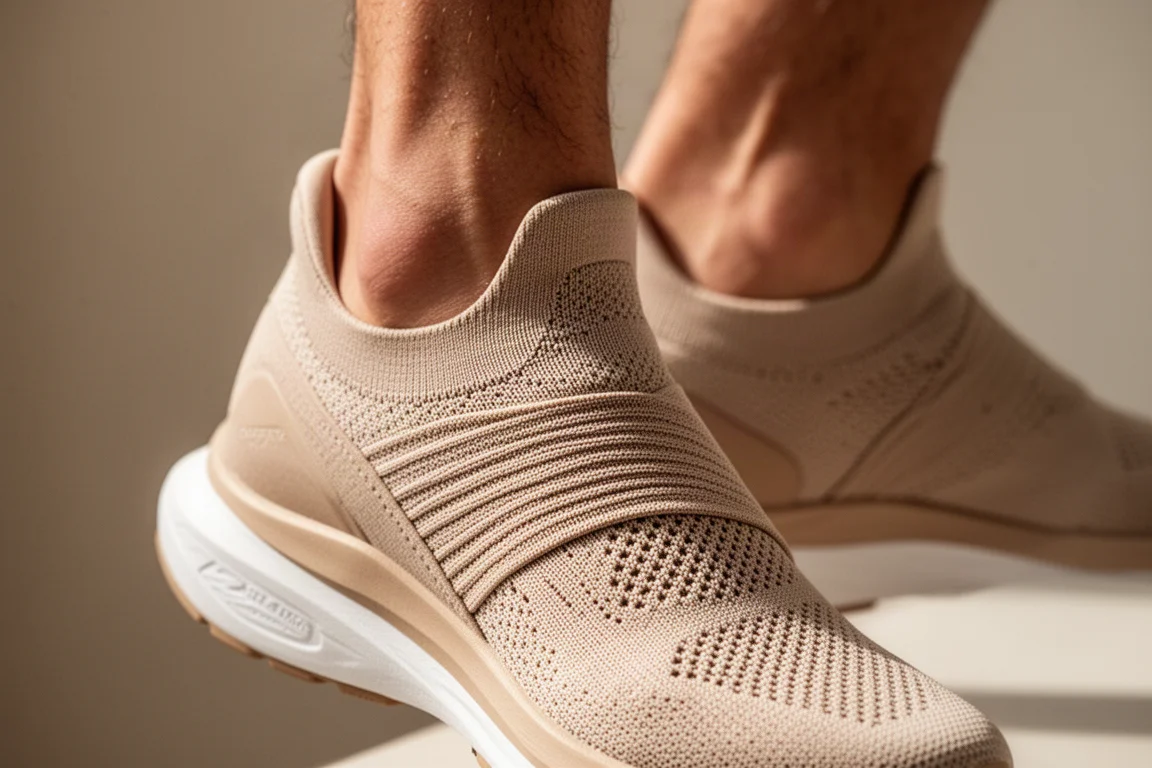
It is also not a minimalist shoe in the classic sense. This remains a well-cushioned trainer with a slightly more connected forefoot, so it is best thought of as a rotation option for a different feel on the same easy runs you would already do in a max-cushion shoe.
Buying Advice
The Glycerin Flex makes the most sense for runners who want Brooks-level cushioning and protection but prefer a more natural, less rockered ride. It is well suited to easy and everyday miles, and could be a comfortable option for very long days where ground feel becomes welcome deeper into a run.
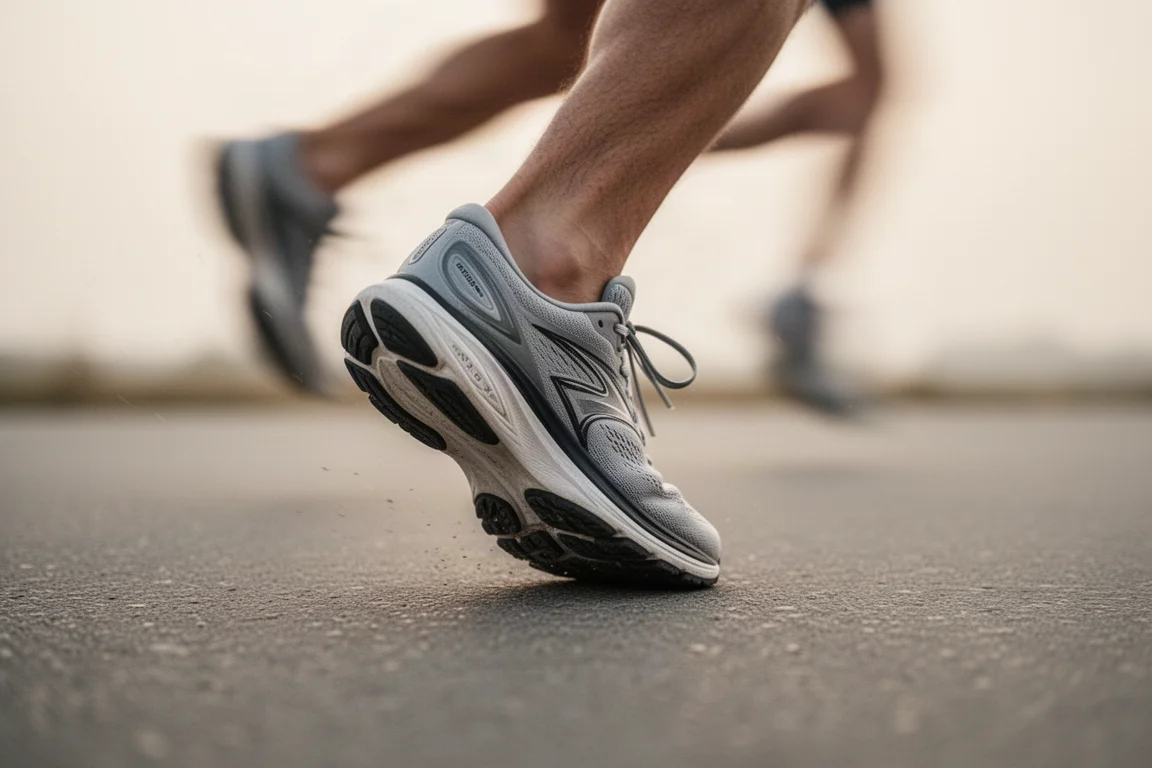
If you love big rockers or want a shoe to push the pace in, other options in the Glycerin range or elsewhere will serve you better. This one is about comfort with a touch more connection, and it delivers that well.
Conclusion
The Glycerin Flex does what it sets out to do: offer the familiar soft, stable, protective Brooks feel with a more flexible and natural forefoot experience. It will not replace a dedicated fast shoe, and the differences from its siblings are nuanced rather than dramatic. But for runners who find modern rockered max-cushion trainers a bit detached, this is an interesting and worthwhile addition to a crowded lineup.
Product link
View more details for Brooks Glycerin Flex
This product is mentioned in the review. Check the specifications, options, and compatibility before buying.
View more details for Brooks Glycerin FlexFurther reading
Related Reviews

Running Shoes
Best Road-to-Trail Running Shoes: Three Versatile Options for Mixed Terrain
A practical guide to three road-to-trail running shoes that handle both pavement and mild trails, with clear strengths and trade-offs for different runner types.

Running Shoes
Best Running Shoes for Achilles Tendonitis: Three Options Explained
Three running shoes with different heel drops and support features designed to help reduce Achilles tendon pain during walking and running.

Running Shoes
Best Running Shoes for Women: Five Top Choices Ranked
A ranked guide to five women's running shoes, from versatile daily trainers to high-performance racing options, with real strengths and trade-offs for each.