Running Shoes
Brooks Glycerin 23 vs Glycerin Max 2: Which Cushioned Trainer Makes More Sense?
Two max-cushion Brooks trainers with very different personalities. We compare fit, ride, weight, and price to help you pick the right one.
Introduction
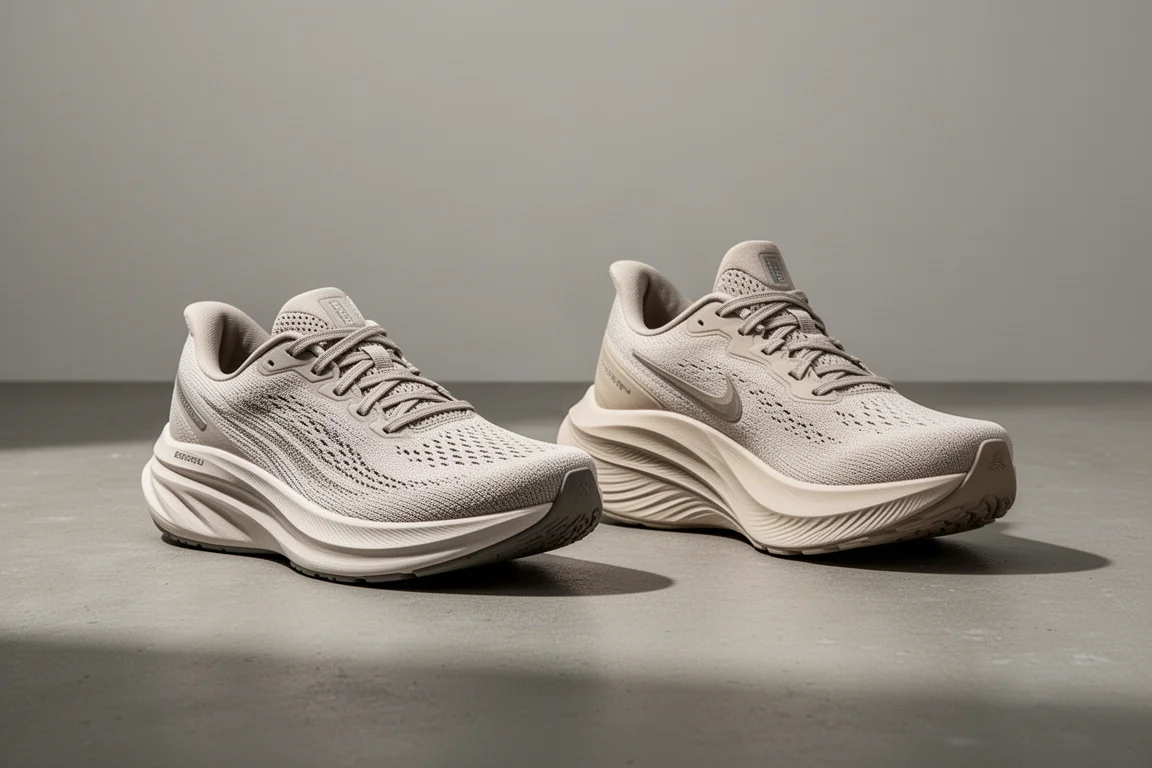
The Brooks Glycerin line has been around for a very long time, and over recent years it has grown into a small family. Alongside the classic Glycerin, which is now on its 23rd version, there is the Glycerin Max, a dedicated big-stack option that has just reached its second version. On paper they share the same nitrogen-infused DNA Tuned foam, but in practice they are aimed at slightly different runners and deliver noticeably different experiences.
Here is how they compare on the basics. The Brooks Glycerin 23 costs £165 or $175, weighs 303 g (10.7 oz) for men in a size 8, and has an 8 mm drop. The Brooks Glycerin Max 2 costs £180 or $200, weighs 332 g (11.7 oz) for men in a size 8, and has a 6 mm drop.
Fit and Comfort
One thing both shoes get right is fit. There is a nice bit of room for the big toe, plenty of space in the midfoot and forefoot, and good padding throughout. Brooks has a long track record of comfortable, forgiving uppers, and neither of these shoes breaks that pattern. If you already wear Brooks, sticking to your usual size is the sensible move in both cases.
Brooks Glycerin 23: The Natural Cushioned Daily
The Glycerin 23 is a neutral road running shoe designed for everyday training and long runs. Its dual-cell DNA Tuned midsole uses nitrogen-infused foam tuned separately in the heel and forefoot. Compared with the Glycerin 22, this version adds 2 mm of cushioning in the forefoot, which changes the drop from 10 mm to 8 mm.
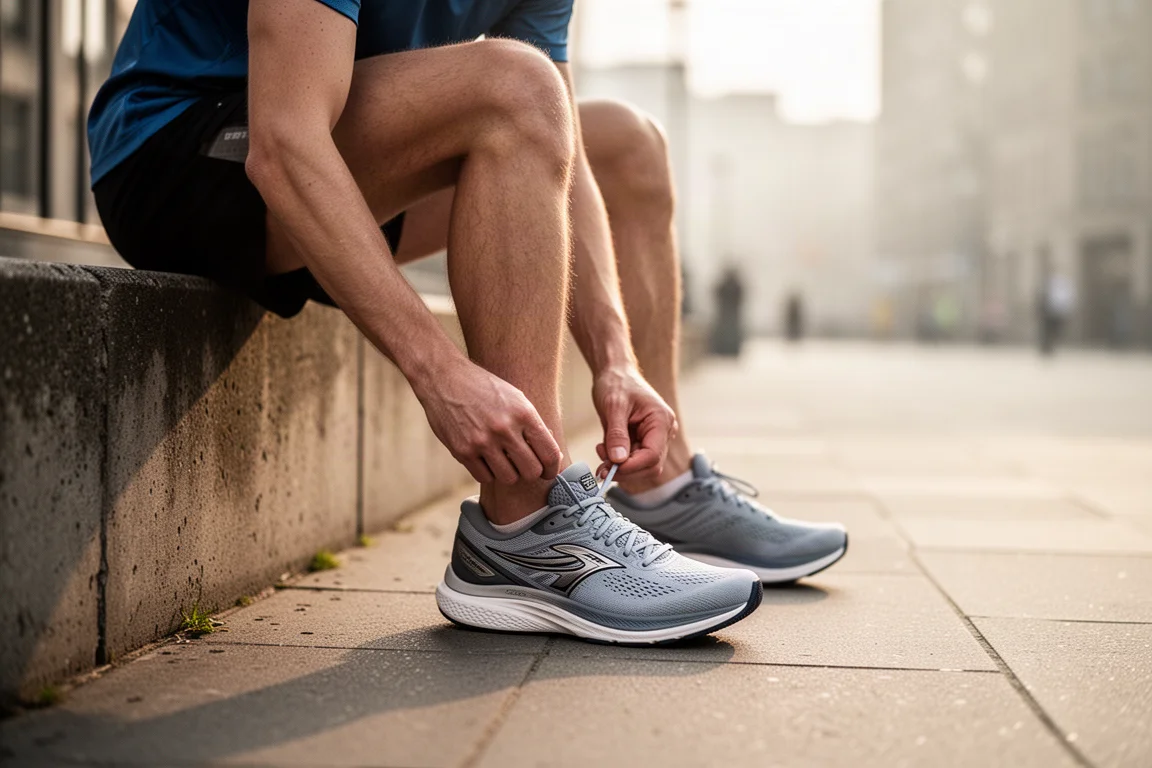
That small change matters. The extra forefoot stack softens the landing and helps the shoe roll you in comfortably, while a secure heel structure and a wide platform keep heel-to-toe transitions steady. The upper is a newly designed engineered knit intended to improve breathability, softness, and overall comfort. The result is a shoe that feels natural rather than forceful: it does not push your foot anywhere it does not want to go, and it has just enough softness to give a little bounce back without feeling overly mushy.
In real training, this version has held up well, including a 32 km marathon-training run that felt smooth and comfortable throughout. It may not be the flashiest cushioned daily available, but it is accessible, natural, and pleasant to accumulate miles in.
Brooks Glycerin Max 2: Big Stack, Mixed Feelings
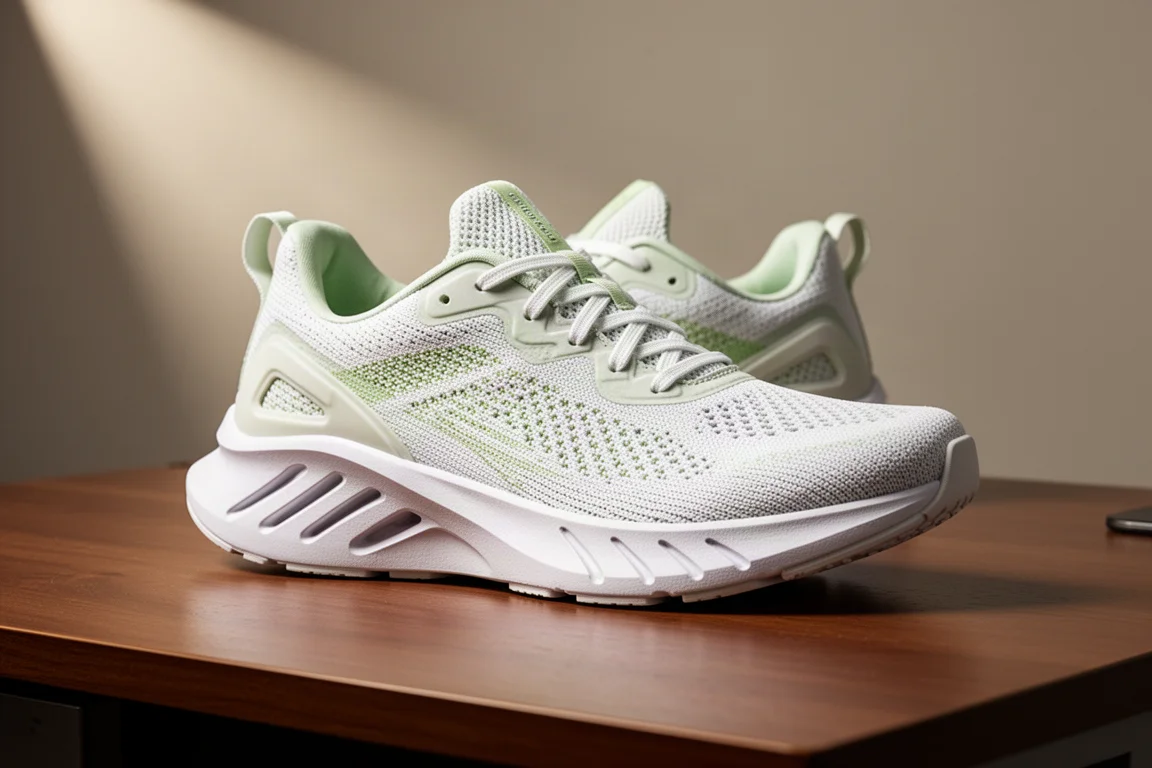
The Glycerin Max 2 targets runners seeking maximum cushioning and impact protection for everyday runs, long runs, recovery runs, and walking. It uses a high-stack midsole built with nitrogen-infused DNA Tuned foam, with a dual-cell structure managing cushioning and responsiveness in a single seamless layer. Brooks has also added its GlideRoll rocker technology, using sculpted bevels and toe spring geometry to assist heel-to-toe transitions. The upper is a triple-jacketed air mesh that provides a secure, breathable fit over longer distances.
The compromise is that the updates have made the shoe feel a bit clunky. It feels heavier and bigger on the foot than the numbers alone suggest, and the pronounced rocker does not seem to work well with the sheer size of the shoe: it tries to roll you into a motion the shoe is not really built for. Easy runs are doable and it remains a comfortable shoe, but for the price there are alternatives with more bounce that make the easy-run experience more enjoyable. Where it does earn credit is stability, which you get here more than in some livelier bouncy options.
Outsole and Durability
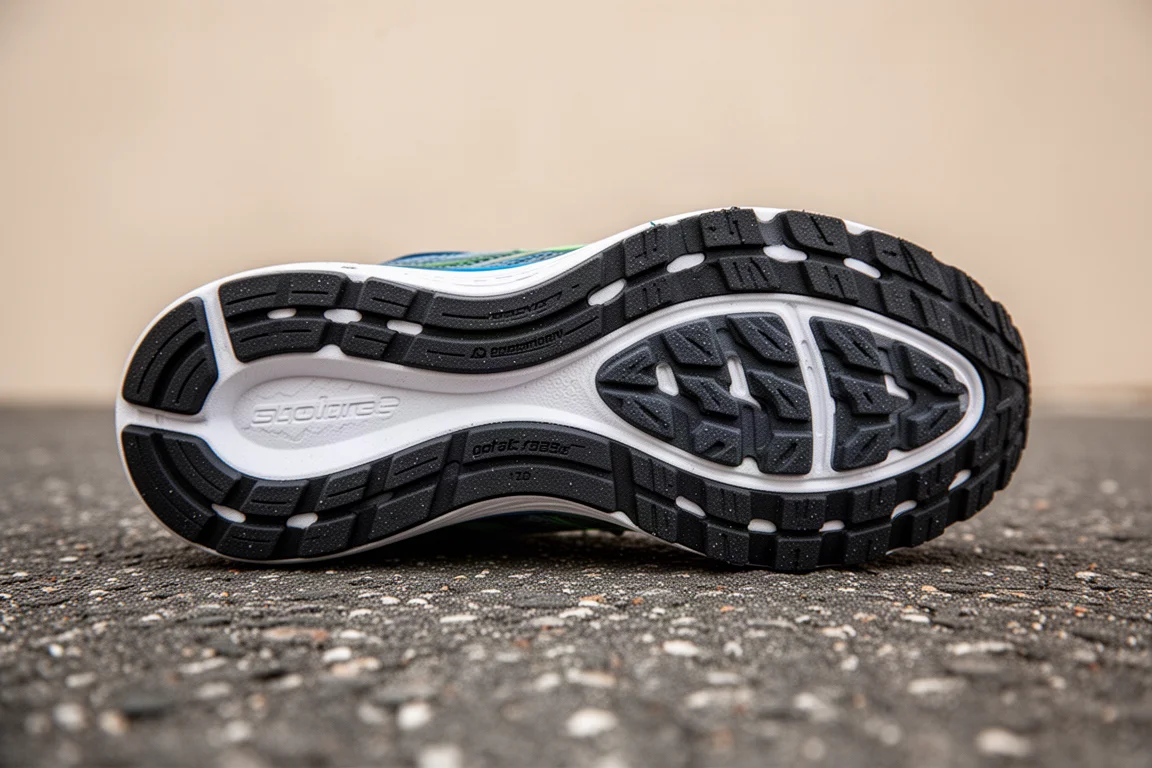
Both shoes bring generous rubber coverage. The Glycerin 23 has a really thick outsole that covers everything and extends well beyond the midsole foam, which is reassuring because the newer midsole foam is a little more delicate than older versions. Grip has been strong on mixed surfaces, including paved footpaths. The Glycerin Max 2 matches that with an equally solid, slightly different-format outsole with genuinely thick rubber, arguably thick enough that some could have been trimmed to save weight.

Either way, these are durable shoes built to keep going for a long time while offering a good level of grip in different conditions.
Which One Should You Buy?
If you are shopping in this corner of the Brooks range, you are likely after a cushioned shoe for easy runs, longer sessions, or possibly a marathon where comfort matters more than a fast time. For all of those purposes, the Glycerin 23 is the stronger pick. It already has plenty of midsole, it feels lighter and more natural, and it does not force your stride. The 32 km long-run experience backs that up: the Glycerin Max 2 would likely feel like a big, heavy shoe in the later stages, without the added bonus of loads of bounce back.

The Glycerin Max 2 is not a bad shoe. It is comfortable and does the job for easy running, and it offers a bit of inherent stability some lighter, bouncier shoes lack. But compared with the Glycerin 23, you are not getting many benefits you cannot already get from the cheaper, lighter shoe. The extra stack and extra cost simply do not add enough value here.
Conclusion
This comparison has a clear outcome. The Brooks Glycerin 23 is the favorite: the extra 2 mm of forefoot cushioning has genuinely changed the ride for the better, making it feel smooth, natural, and versatile enough for easy runs and long efforts alike. It is arguably the most likeable version of the Glycerin line yet. The Glycerin Max 2 remains comfortable and durable, but its clunky feel and higher price make it hard to recommend over the standard Glycerin 23 for most runners.
Further reading
Related Reviews

Running Shoes
Best Road-to-Trail Running Shoes: Three Versatile Options for Mixed Terrain
A practical guide to three road-to-trail running shoes that handle both pavement and mild trails, with clear strengths and trade-offs for different runner types.

Running Shoes
Best Running Shoes for Achilles Tendonitis: Three Options Explained
Three running shoes with different heel drops and support features designed to help reduce Achilles tendon pain during walking and running.

Running Shoes
Best Running Shoes for Women: Five Top Choices Ranked
A ranked guide to five women's running shoes, from versatile daily trainers to high-performance racing options, with real strengths and trade-offs for each.