Running Shoes
Brooks Glycerin 23 vs Glycerin 22: A Welcome Refinement of a Daily Trainer Classic
The Glycerin 23 fixes several of the Glycerin 22's shortcomings with an 8 mm drop and a softer feel, though the forefoot still has limits worth knowing before you buy.
Introduction
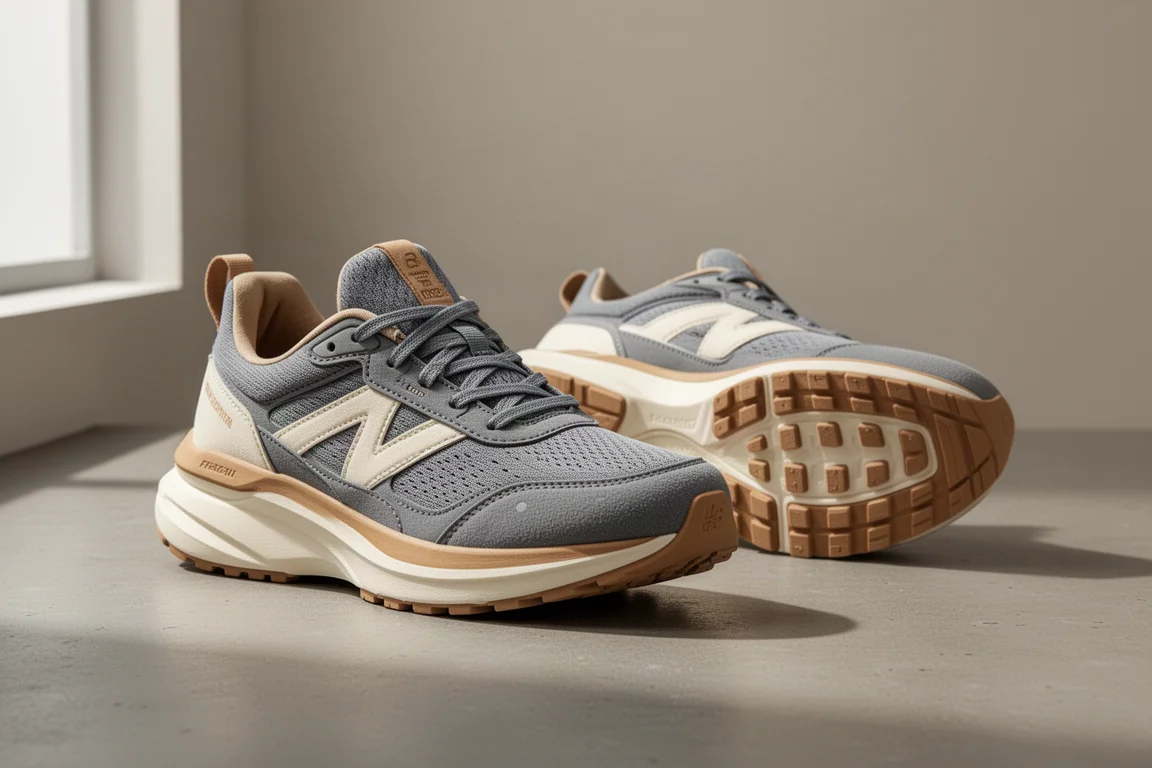
The Brooks Glycerin is one of the most reliable names in the max cushion daily trainer category. It has never been designed to be an exciting shoe, and that is precisely the point: lots of cushion underfoot, a fit built for a wide range of feet, and no nonsense. The Glycerin 23 keeps that spirit intact while making some key changes from the Glycerin 22, a version that did not land well. After putting the 23 through an 11-mile run with hill sprints, here is how the two compare.
Why the Glycerin 22 Divided Opinion
The Glycerin 22 came with a lot of promises: soft, bouncy, tuned for effortless cushion and smooth rides. In practice, much of that did not come through. It felt firm underfoot, the 10 mm drop geometry was divisive, and the price went up from the Glycerin 21, which many people liked. The 22 moved to a tuned foam and the result felt flat compared with expectations, leaving the 22 as one of the more disappointing updates in the franchise.
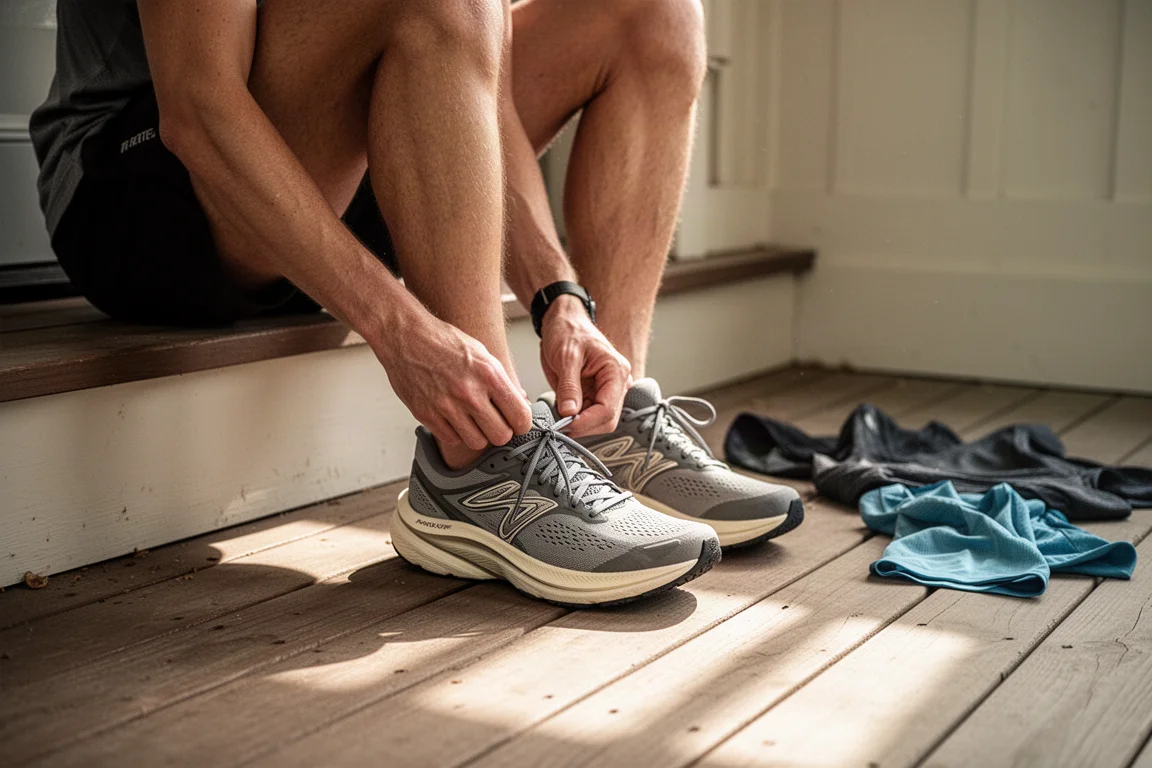
The 23 aims to correct that. It returns to a more conventional approach with an 8 mm drop, potentially softer cushioning, and a design revision that keeps the shoe simple and dependable rather than chasing trends.
What Changed in the Glycerin 23
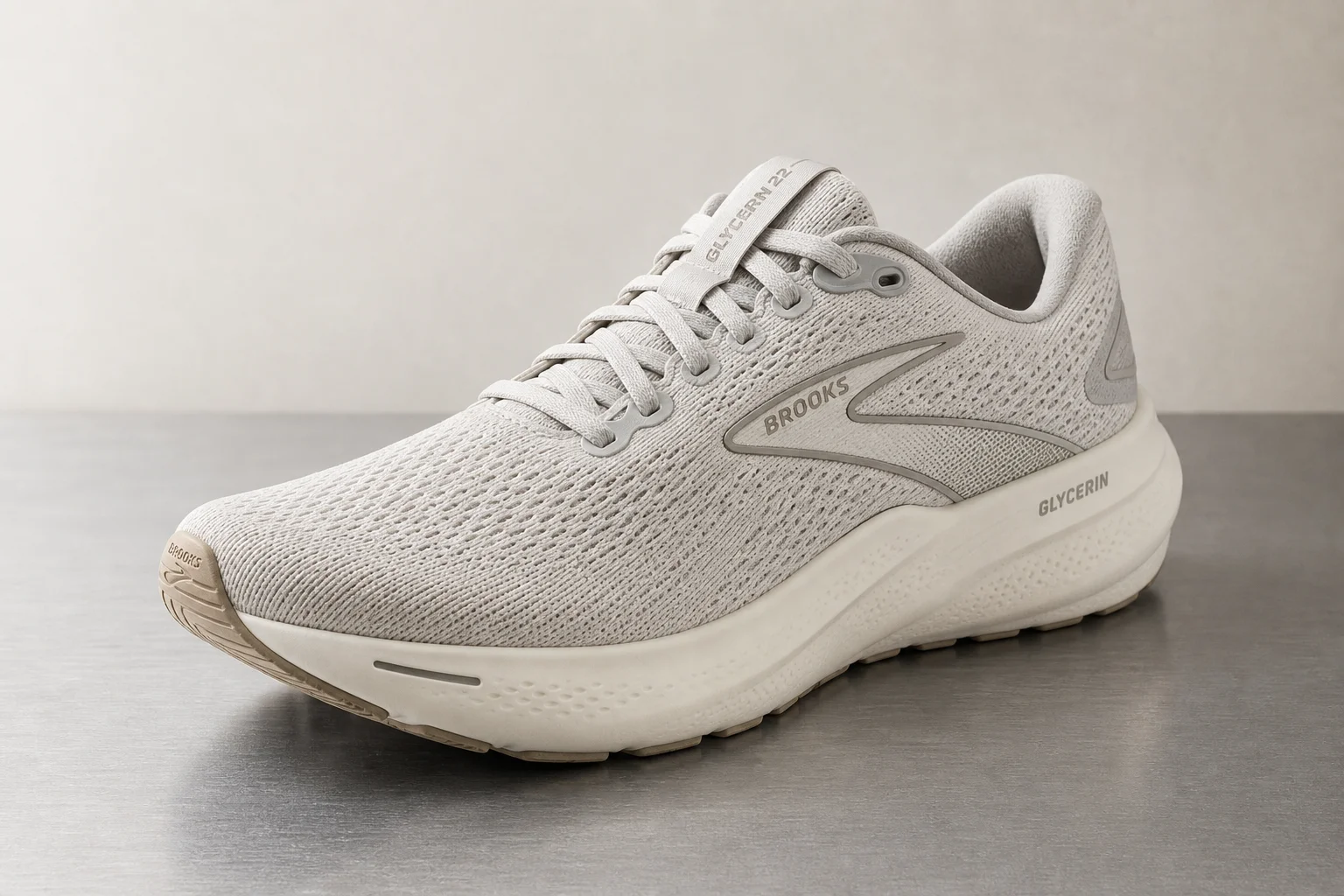
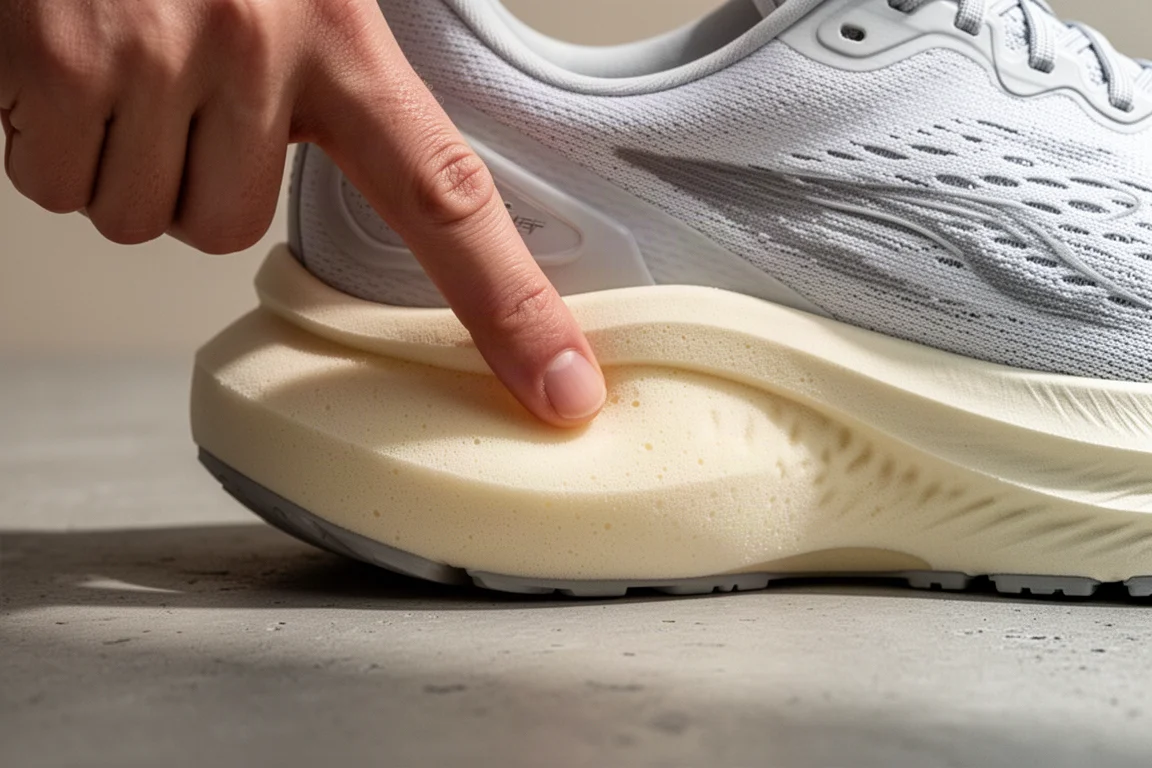
The headline change is the drop. The 23 sits at 8 mm, with a stack just above 40 millimeters in the heel, which puts more foam under the forefoot. A push test suggests the foam feels a bit softer than the 22, likely helped by revisions around the midsole cutouts. The base is decently wide at the heel, and the shoe keeps a large amount of rubber coverage on the outsole, which bodes well for durability even if it influences the weight. It is not a lightweight shoe, but it does not feel heavy in hand or on foot either.
Visually, the shoe leans conservative. The gray-and-cream colorway is clean and works well, but this is not a fashion-forward shoe. It is understated by design, and that matters if looks factor into your purchasing decision.
Fit and Step-In Feel: The Best Part of the Experience
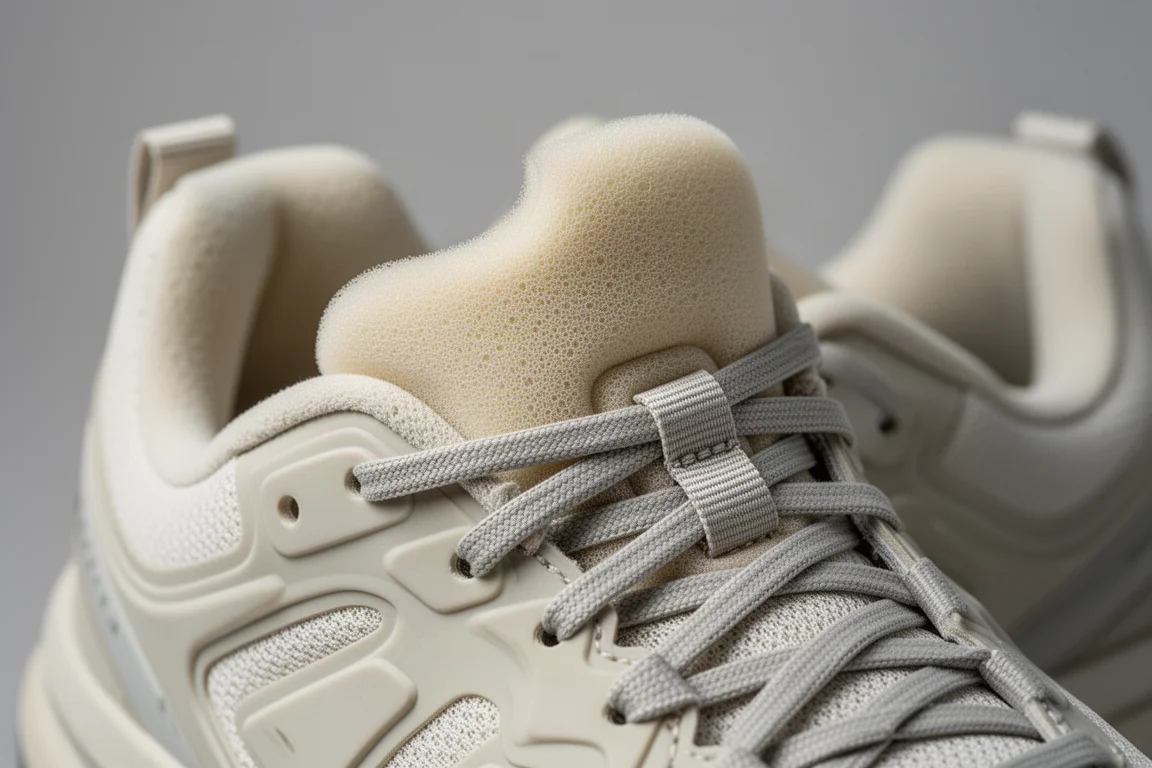
If one thing defines the Glycerin 23, it is the upper. The step-in feel is welcoming and inviting, with a thickly padded tongue, generous padding around the heel, and a smooth, almost one-piece construction vibe. Small tabs at the second-to-last eyelet let you really crank down the laces without any lace bite, since the tongue is so thick. The laces themselves are smooth and easy to adjust.
Sizing is dialed in. A 10.5 fit essentially perfectly with a decent amount of room up front, and stability stepping in feels solid without being restrictive. It is comfortable enough to double as a casual or walking shoe, which fits how many people actually use this franchise, including workers in hospitality and healthcare who spend long hours on their feet.
Ride and Performance: Reliable, Not Exciting
On the run, the Glycerin 23 delivers what the franchise promises: good cushion, decent bounce, smooth geometry, and an easy-to-run-in character. The 8 mm drop is a genuinely good choice. It lets the cushioned heel absorb impact and roll you through the ride without getting in the way, and the ride feels less jarring than the 22’s 10 mm geometry.

There is real bounce to the foam, more energy than expected. A sub-2:20 marathon runner was reported doing progression runs in these, and that is easy to imagine. At relaxed paces of 8:00 per mile and slower, landing on the heel feels nice. From 7:00 to 8:00 pace, midfoot landing still feels good.
The weak spot is the forefoot. When picking up the pace and driving off the front, the shoe feels firm and flat, losing the soft bounce you get when landing on the heel. It is better than the 22, which felt brick-like under the forefoot, but it remains a touch firmer than ideal for faster work. This has always been a heel-striking shoe, and this generation makes that especially clear. Brooks has dedicated speed shoes elsewhere in the lineup; this is not one of them.
How the Glycerin 23 Fits the Category
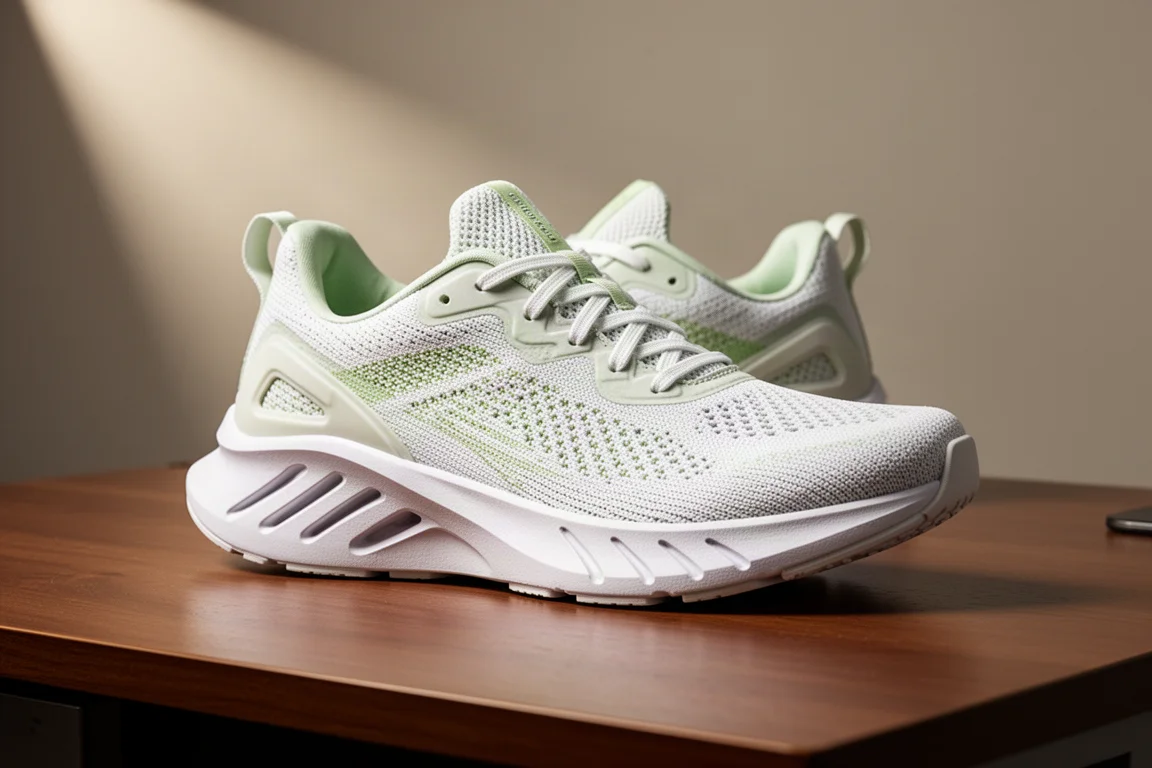
Compared with its direct competitors, the Glycerin 23 sits comfortably in the middle. It is not as squishy as the ASICS Nimbus 28, not as bouncy as the Nike Vomero Plus, and not as soft as the 1080. But it is also more forgiving than the Nimbus can be for some people, and it lacks the stability quirks some find in other max cushion options. The 10 mm drop of some rivals can feel aggressive; there is no aggression or harshness here, aside from the forefoot when pushed.
Priced at around $170, it sits in the standard range for this category, above entry-level options and well below $200-plus super trainers. The price feels appropriate for what it delivers.
Buying Advice: Which One Should You Get?
The Glycerin 23 is the clear pick between the two. The 8 mm drop, slightly softer feel, and improved forefoot character make it a better-rounded shoe than the 22, which felt too firm, too choppy up front, and overpriced for what it offered. If you already own the 22 and enjoy it, there is no urgent reason to switch, but there is little reason to seek it out now either.
Choose the Glycerin 23 if you want a comfortable, durable, reliable daily trainer that gets out of the way and lets you run. It is a B-plus type of workhorse: not transcendent, not a banger for pace-pushers, but the kind of shoe you would happily take on a trip as your only trainer. If you chase fun, exciting rides, look elsewhere in the max cushion category. If you want dependable cushion and a superb upper, this is exactly your shoe.
Conclusion
The Brooks Glycerin 23 is a genuine improvement over the 22. It restores the comfort and reliability the franchise is known for, adds a smoother 8 mm geometry, and pairs it with one of the best uppers in the category. The firm forefoot remains the main compromise, so buy it for easy miles, walking, and long comfortable days on your feet, not for speed.
Further reading
Related Reviews

Running Shoes
Best Road-to-Trail Running Shoes: Three Versatile Options for Mixed Terrain
A practical guide to three road-to-trail running shoes that handle both pavement and mild trails, with clear strengths and trade-offs for different runner types.

Running Shoes
Best Running Shoes for Achilles Tendonitis: Three Options Explained
Three running shoes with different heel drops and support features designed to help reduce Achilles tendon pain during walking and running.

Running Shoes
Best Running Shoes for Women: Five Top Choices Ranked
A ranked guide to five women's running shoes, from versatile daily trainers to high-performance racing options, with real strengths and trade-offs for each.