Running Shoes
Brooks Glycerin 23 First Run Review: A Smarter Neutral Daily Trainer
The Glycerin 23 drops the heel offset to 8 mm and adds forefoot cushioning, but the extra comfort comes with a weight penalty.
Introduction
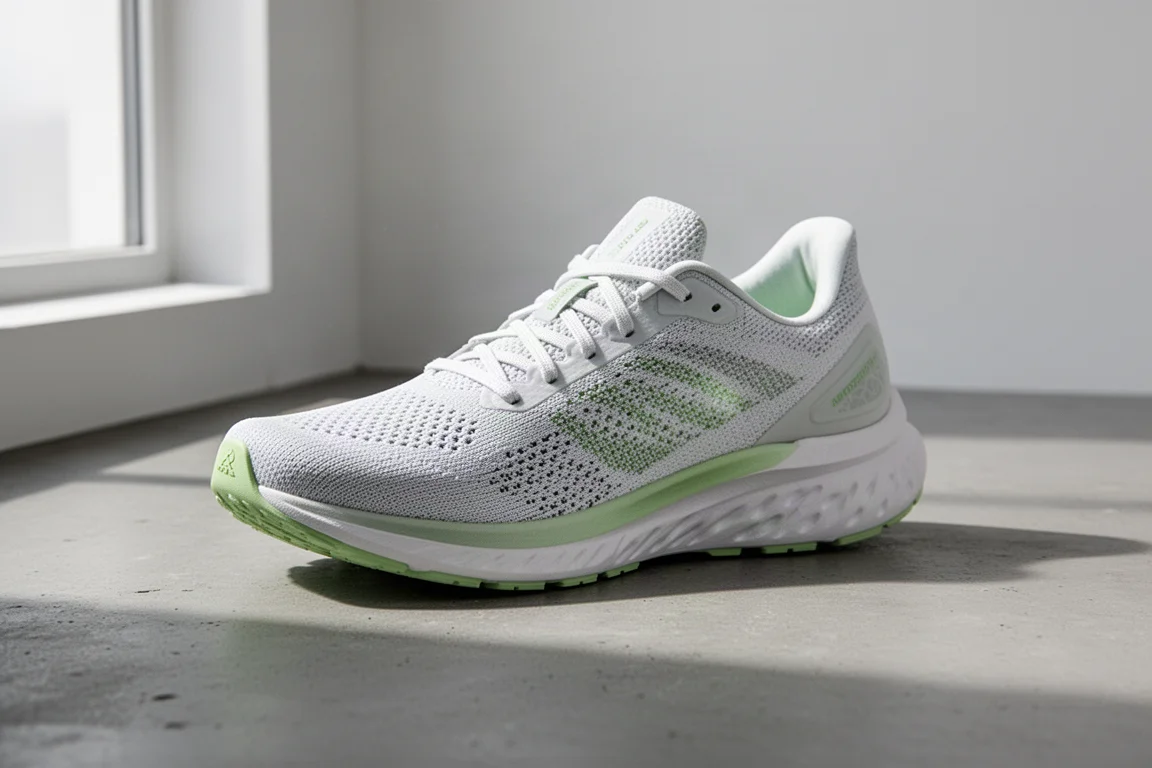
Brooks has been quietly reworking its road lineup, and the Glycerin 23 arrives with changes that matter more than a typical yearly refresh. The heel offset drops from 10 mm to 8 mm, the forefoot gains extra cushioning, and the upper switches to a new engineered knit. After a first run of 7.8 miles, the early picture is positive, even if this is not a shoe designed to put a big smile on your face.
Specs and Construction
The Glycerin 23 retails in the UK for £165, which places it on the expensive side for a neutral daily trainer. A UK 9.5 weighs in at 327 g, so the new version has gained a little weight compared with its predecessor, though the heel offset drops 2 mm to a friendlier 8 mm. Stack height measures 38 mm at the heel and 30 mm under the forefoot.
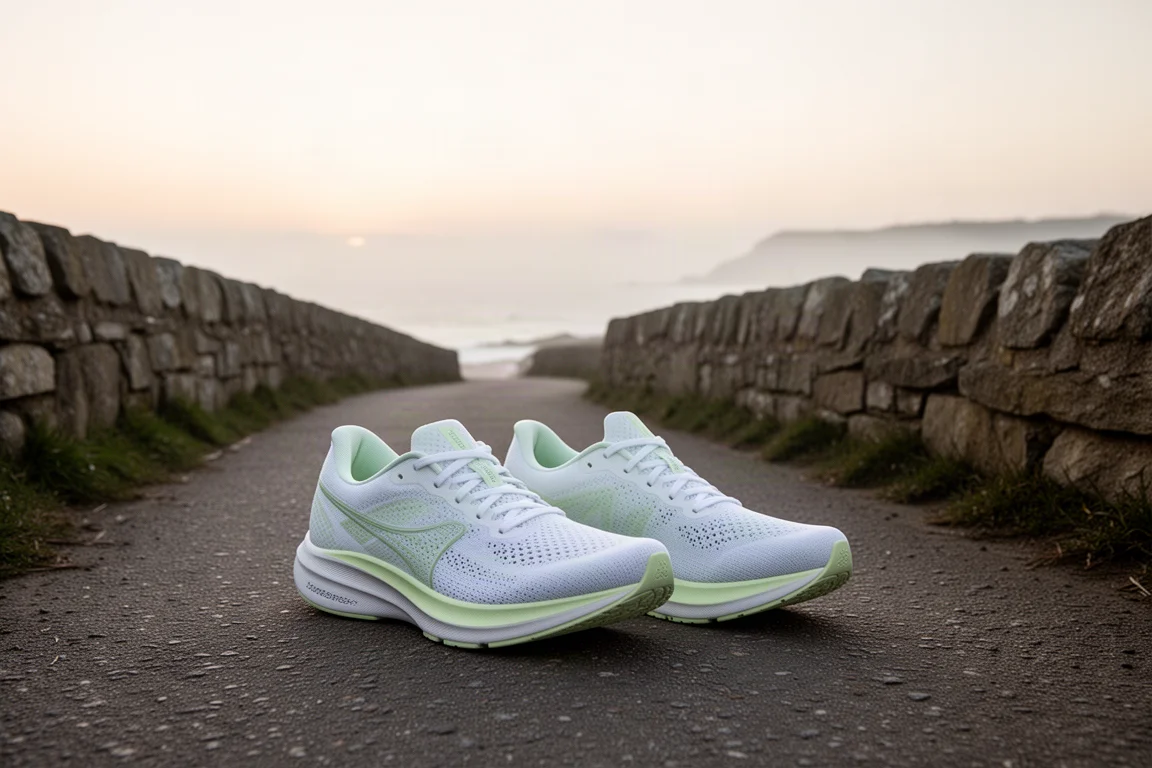
The upper uses a new engineered knit for a softer, more breathable feel, while the overall design stays close to the Glycerin 22. The tongue is well padded and perforated for airflow, but it is a standard design rather than a gusseted one. Reinforcement around the eyelets adds durability, and a small heel pull tab makes the shoes easier to get on and off. The tested pair came in the White Phantom and Green Gecko colorway, one of eight available.
Midsole and Outsole
The midsole keeps the nitrogen-infused DNA Tune foam from the previous model, but Brooks added 2 mm of extra cushioning depth under the forefoot to deliver softer landings and more energy return. On the lateral heel there are cutout grooves that look similar to those on the Glycerin Max 2 midsole.
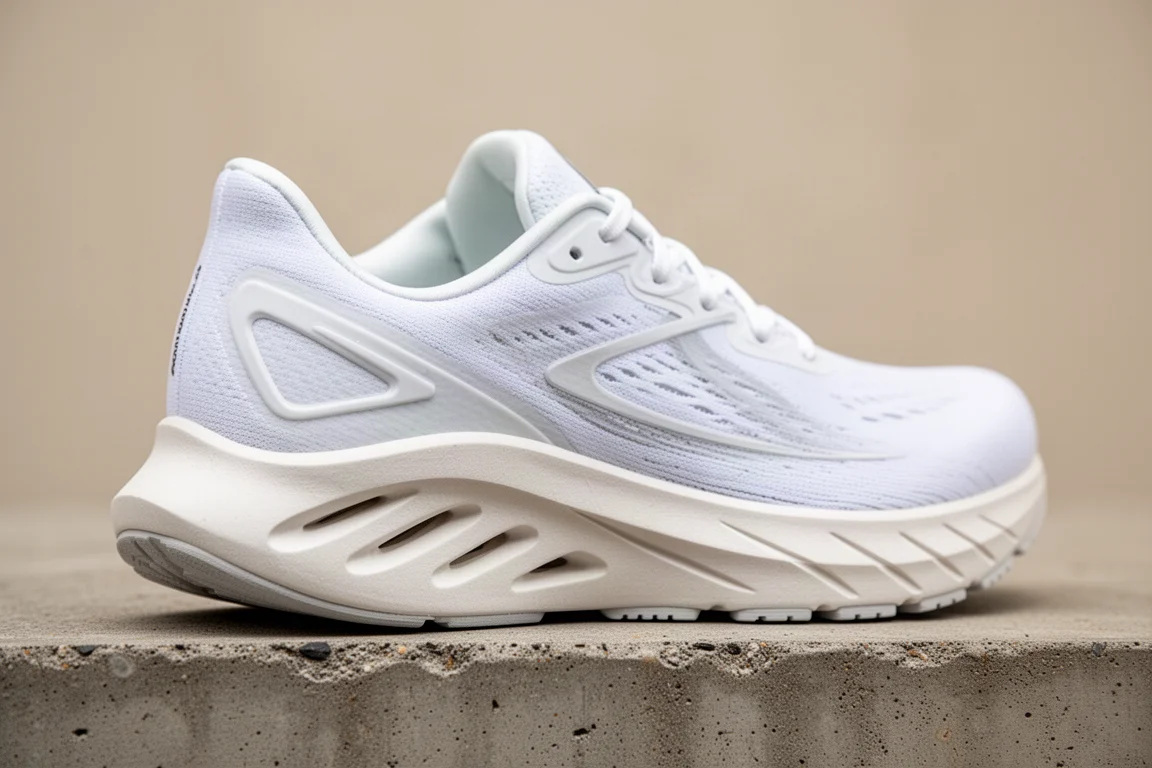
Flipping the shoe over, the midsole runs slightly wider for a stable, planted ride. Flex grooves run across the forefoot and down the center of the midsole, and the result is a deeply cushioned road shoe that feels surprisingly flexible.
How It Ran
The first run covered 7.8 miles, which is decent mileage for a brand-new shoe. The ride felt well balanced, running lighter than its 327 g physical weight would suggest. The extra forefoot cushioning delivered a more comfortable ride, and the 8 mm offset felt like a clear improvement over the old 10 mm setup.

The upper was plush and well padded straight out of the box, with no rubbing or irritation. The flex of the DNA Tune midsole also stood out: for a relatively well-cushioned neutral daily trainer, this is a nicely flexible shoe. Overall, this felt like a better first run than the Glycerin 22, and far more satisfying than the earlier max-cushion version of the Glycerin line.
Fit and Comfort
Sizing runs true to size, in line with most Brooks shoes. The tested UK 9.5 offered good toe length and plenty of wiggle room, though the fit felt slightly wide for a narrow, shallow foot shape. Runners with a bit more width or volume in their feet should get on particularly well here.
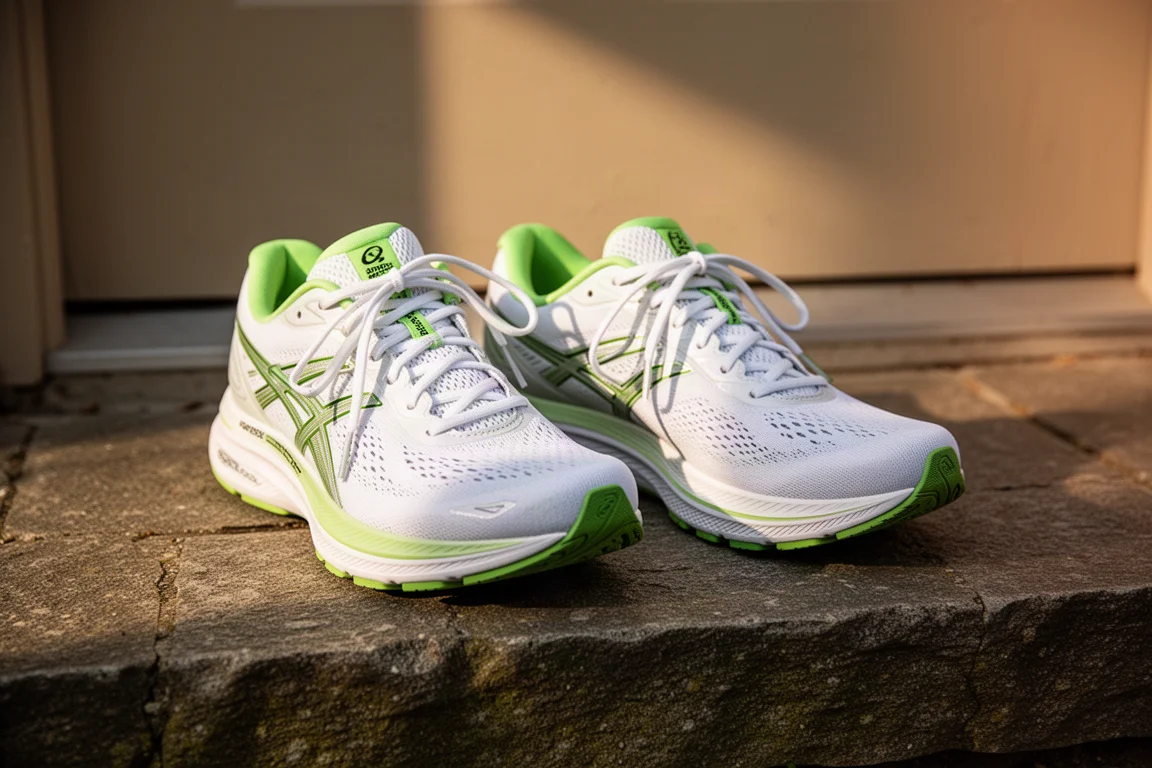
Even without a gusseted tongue, the midfoot hold felt secure. Two small locking loops halfway down the tongue keep it from slipping sideways or downward, which helps a great deal. The heel hold was solid too, though narrow-footed runners may need to pull the laces quite tight to lock things down.
Things to Consider Before Buying
Weight is the main compromise. At 327 g in a UK 9.5, this is a heavier daily trainer than some would like, and getting closer to 300 g would make it a very strong option in the category. At £165, it is also priced high for a neutral daily trainer. And while the updates genuinely improve the ride, the shoe remains comfortable and reliable rather than exciting.
Buying Advice
If you want a plush, stable, flexible neutral trainer for steady daily miles, the Glycerin 23 fits that role with ease and should be a dependable part of any rotation. Runners with average or wider feet will appreciate the volume up front. If you prioritize a low weight or a more energized feel, other options in the same price range may suit you better.
Conclusion
The Glycerin 23 is a sensible, well-executed update. The 8 mm heel offset and extra forefoot cushioning make it a better running experience than the Glycerin 22, the upper is comfortable from the first mile, and flexibility is excellent for the cushioning level. Its main flaws are added weight and a premium price. It may not be thrilling, but as a reliable daily trainer, it does the job.
Product link
View more details for Brooks Glycerin 23
This product is mentioned in the review. Check the specifications, options, and compatibility before buying.
View more details for Brooks Glycerin 23Further reading
Related Reviews

Running Shoes
Best Road-to-Trail Running Shoes: Three Versatile Options for Mixed Terrain
A practical guide to three road-to-trail running shoes that handle both pavement and mild trails, with clear strengths and trade-offs for different runner types.

Running Shoes
Best Running Shoes for Achilles Tendonitis: Three Options Explained
Three running shoes with different heel drops and support features designed to help reduce Achilles tendon pain during walking and running.

Running Shoes
Best Running Shoes for Women: Five Top Choices Ranked
A ranked guide to five women's running shoes, from versatile daily trainers to high-performance racing options, with real strengths and trade-offs for each.