Running Shoes
Brooks Glycerin 22 vs Glycerin Max: Which Cushioned Trainer Should You Buy?
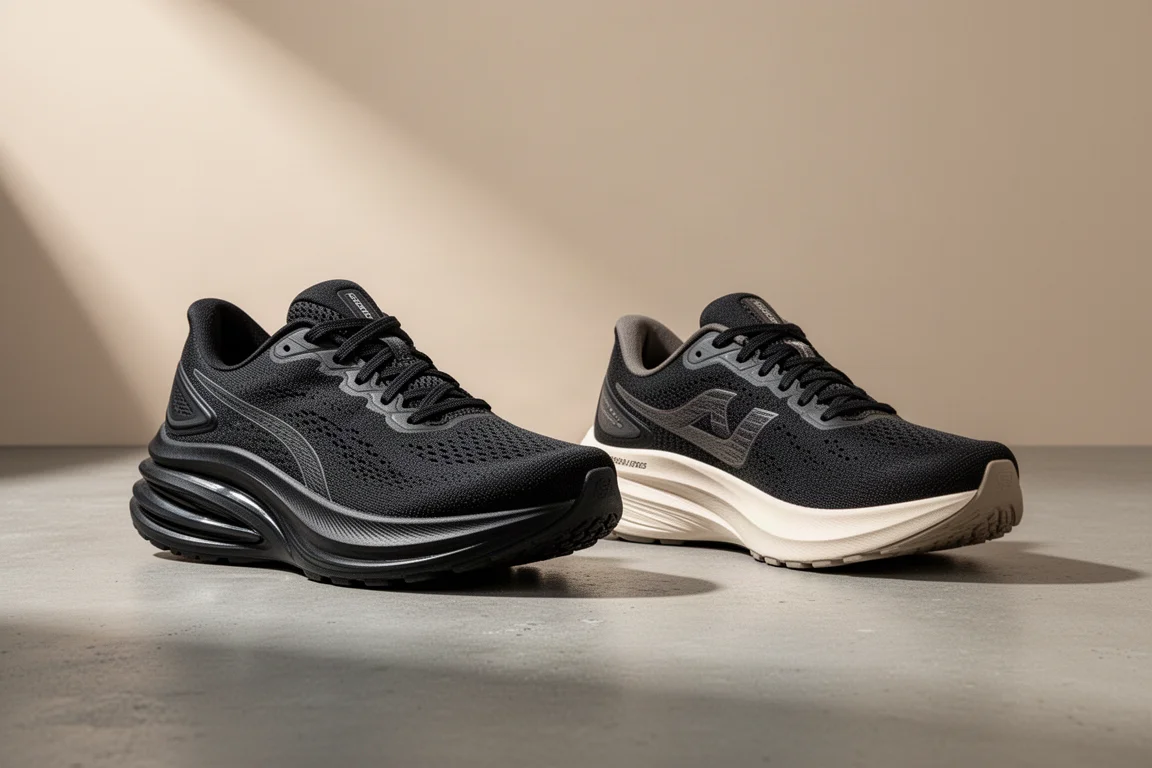
Two Brooks cushioned trainers sharing the same DNA Tuned foam but aimed at different runners. Here is how they compare on ride, fit, grip, and value.
Introduction
Brooks’ Glycerin line has long been a go-to for runners who want a balance of comfort, cushioning, and stability. With the Glycerin 22 and the Glycerin Max, the brand now offers two ways to get that: a refined classic daily trainer and a genuinely big-stack max cushion option.
Both shoes use Brooks’ newest DNA Tuned foam, but they deliver noticeably different rides. The Glycerin 22 costs £165 or $165, weighs 297 g (10.5 oz) for men in a size 8, and has a 10 mm drop. The Glycerin Max costs £180 or $200, weighs 313 g (11 oz) in the same size, and drops to 6 mm. Here is how they stack up.
Brooks Glycerin 22: The Balanced Daily Trainer
The Glycerin 22 is very much a continuation of the line rather than a departure. Its updated midsole uses DNA Tuned foam, the same material found in the Glycerin Max, combining larger foam cells in the heel for softer landings with smaller cells in the forefoot for more energy at toe-off. Up top there is a new engineered double jacquard knit upper, plus a thick layer of outsole rubber for grip and durability.
In testing, the 22 comes across as a capable, nicely balanced shoe. It is not the softest option in its class, and fans of something like the Asics Gel Nimbus 27 may want more plushness for the easiest runs, but it trades a little of that top-end squish for a shoe that can pick up the pace more readily. It comfortably sits alongside rivals like the New Balance 1080 v14, Saucony Ride 17, and Nike Pegasus 41 as a dependable daily trainer.
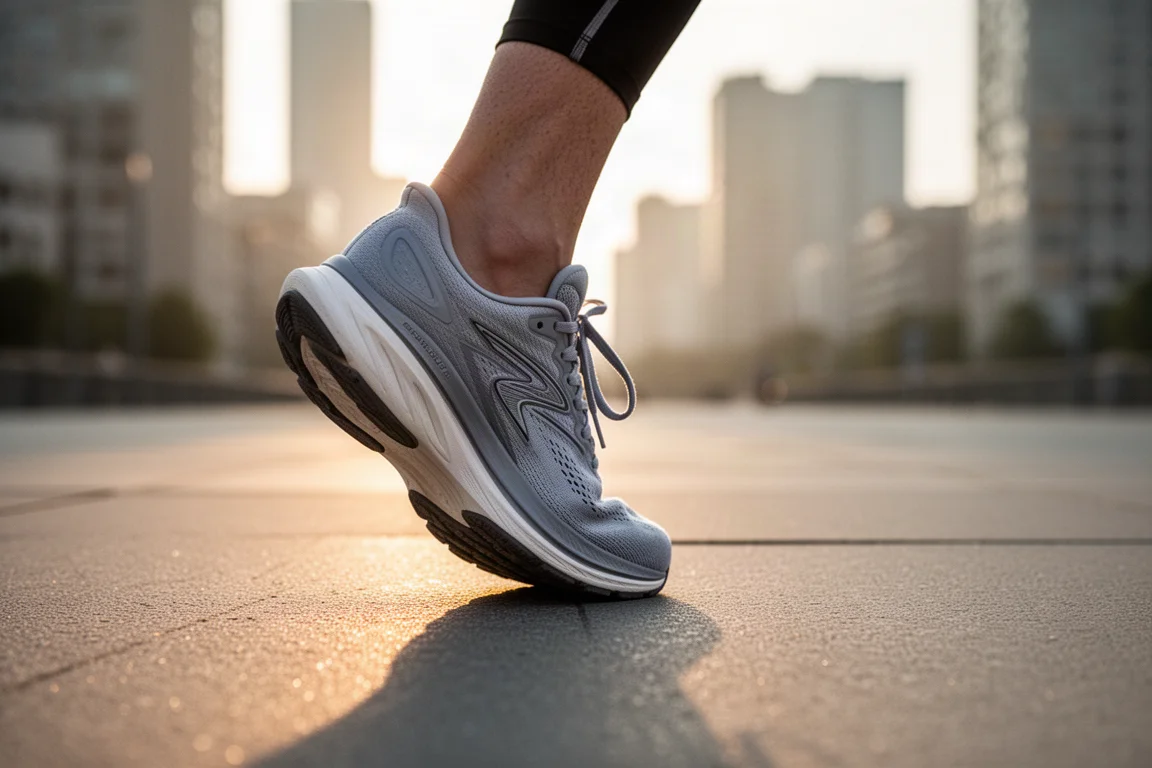
Fit is excellent. Testers found plenty of room in the toe box without excess wiggle, good hold around the heel and midfoot, and generous but not oppressive heel padding. Going true to size is the safe call, and there are more width options here than on the Glycerin Max. The heel collar area is also slightly more accommodating than on the Max, which some runners found more comfortable around the Achilles.
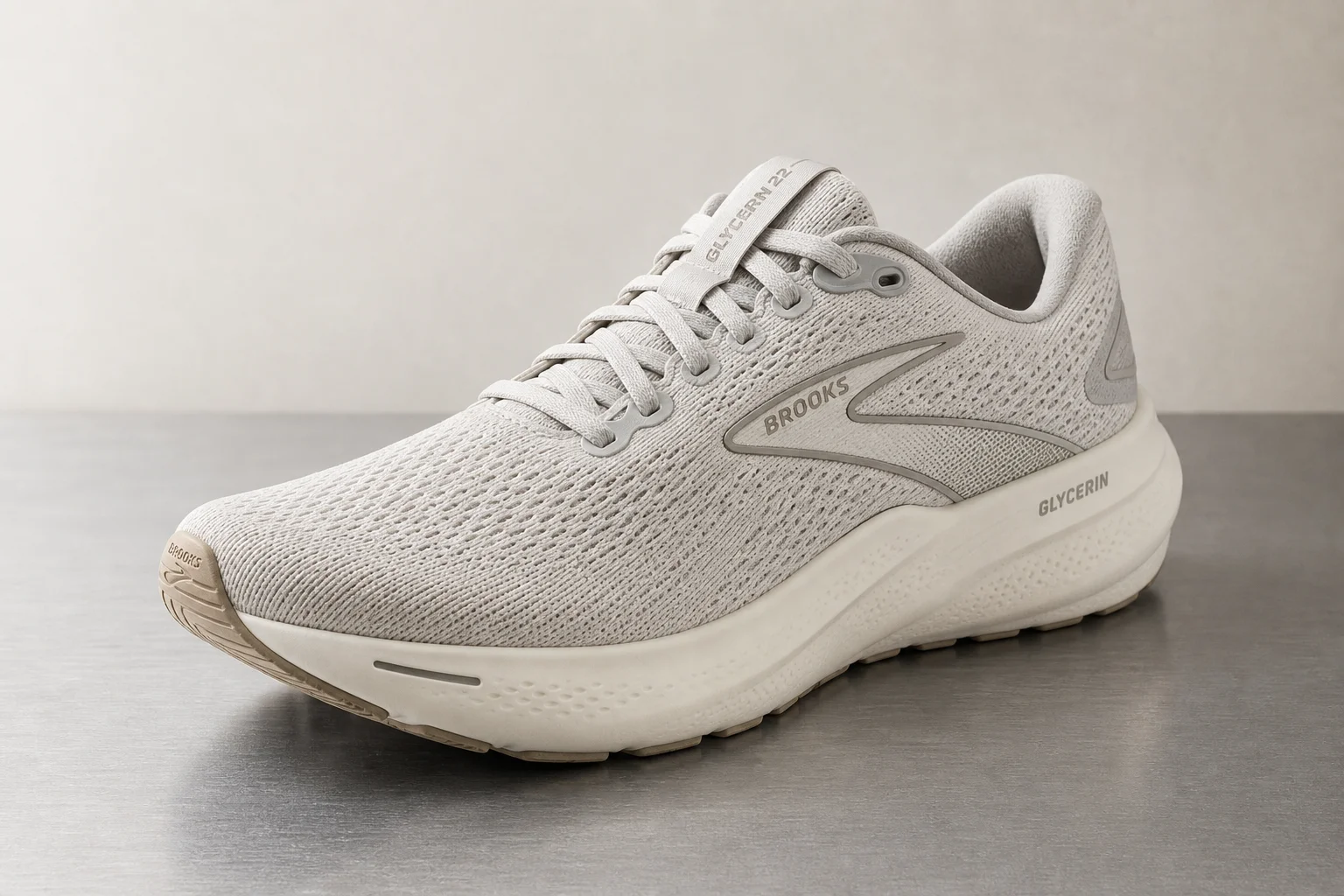
Brooks Glycerin Max: The Big-Stack Cruiser
The Glycerin Max takes the fundamentals of the line and beefs up the midsole. DNA Tuned is a nitrogen-infused foam made with gel-cell technology, with large cells in the heel for soft landings and smaller cells in the forefoot for a springier toe-off. Pair that with Brooks’ noticeable GlideRoll rocker, which pushes the foot forward for a smooth heel-to-toe transition, and you get a shoe that rolls through the gait cycle quicker than the 22.
The Max is the surprise of this pairing. Despite the whopping midsole, it is one of the better massive-stack max cushion shoes available, and it avoids the sludgy, labored feel some heavy soft shoes have. It offers cocooning, protective comfort on tired legs while still giving some energy back when you roll onto the firmer forefoot. Heavier runners looking for protection should definitely give it a look.
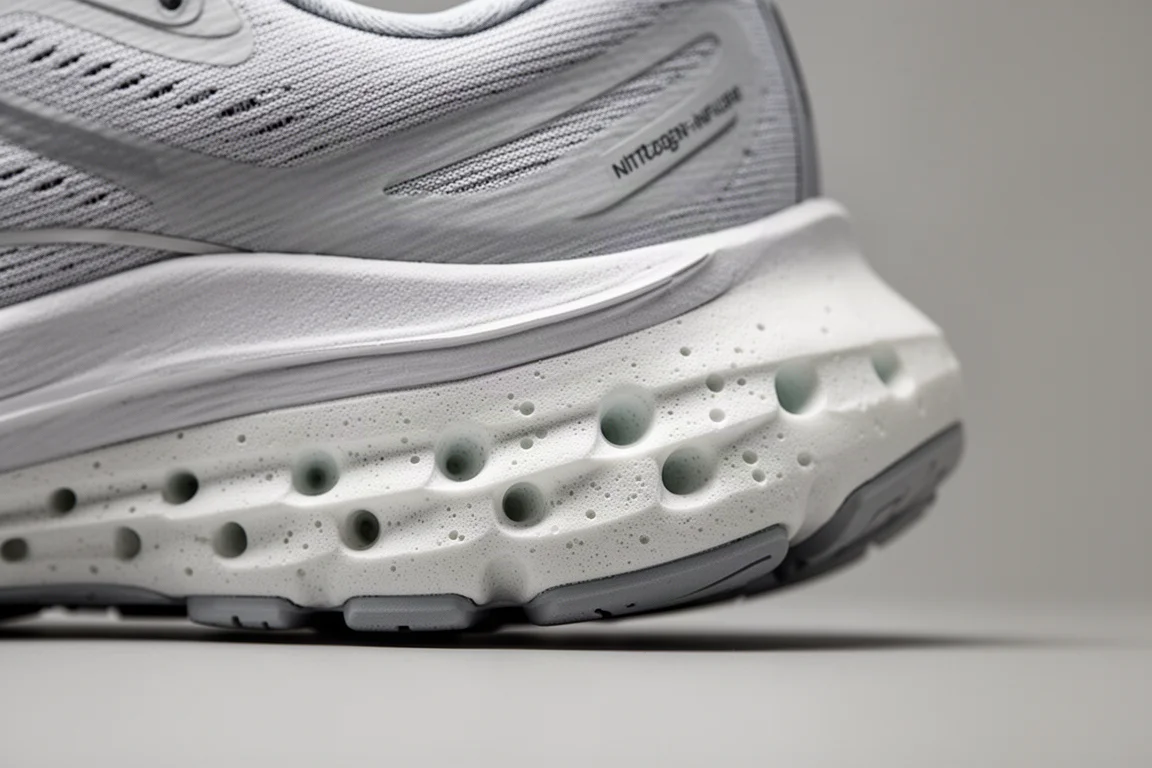
Fit is roomy and accommodating, with a slightly more spacious toe box than the 22, which suits the kind of longer efforts this shoe is built for. It only comes in a standard width, though its broad fit naturally suits most feet. One note: the heel collar is a little narrower around the Achilles area, which some runners noticed as mild irritation. The upper is plush engineered mesh and the lockdown is secure across the midfoot.
Midsole and Ride Feel
Both shoes share DNA Tuned foam, but the amount of it matters. In the Glycerin 22, the foam feels balanced and stable rather than dramatically softer or bouncier than before, keeping the classic 10 mm drop feel: comfortable at the heel, snapping through a forefoot that feels a fair bit thinner underfoot.
In the Glycerin Max, the same foam arguably works better because there is more of it. The ride is softer, slightly bouncier, and more conducive to steady and moderate paces thanks to that more pronounced rocker. On long, comfortable runs, such as a 30k stretch at around 5 minutes per kilometre during marathon training, the Max rolls you forward nicely while staying stable when your legs are tired.
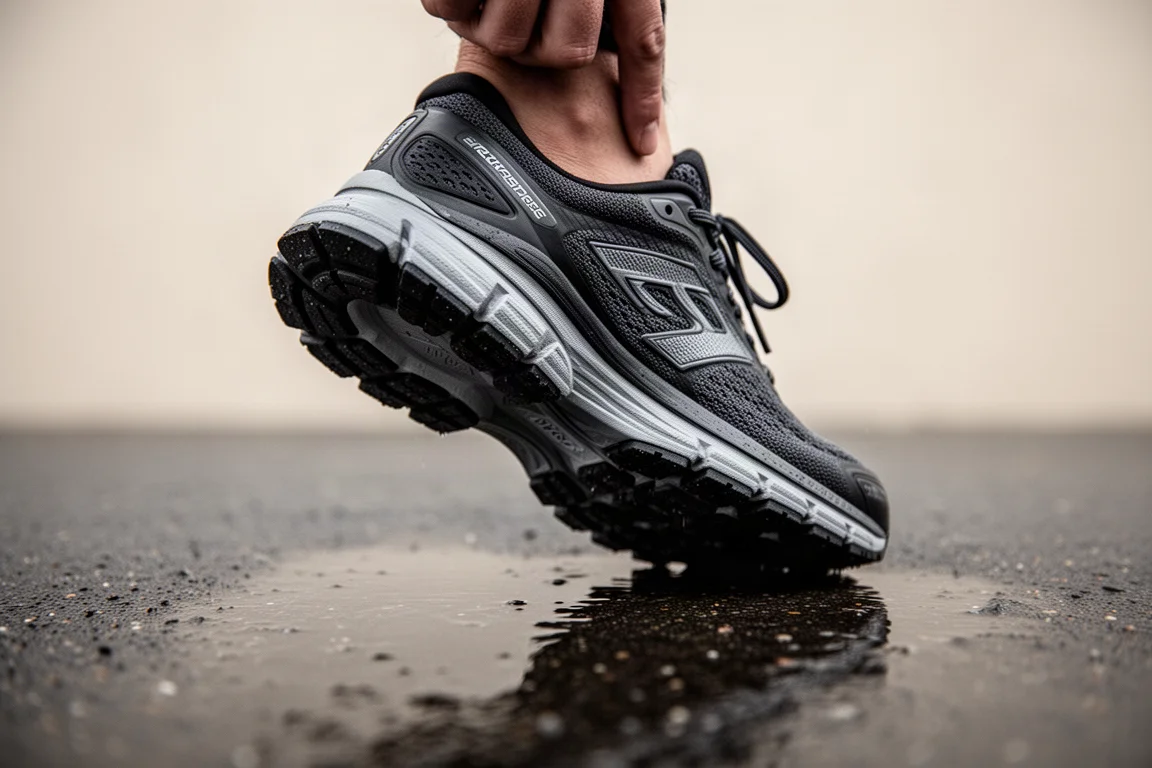
Neither shoe excels at interval sessions, and the Max in particular is too much shoe for faster efforts. But as a long run and easy day shoe, the Max feels smoother and slightly livelier than the 22, which itself works best from slow miles up to around marathon pace.
Outsole, Grip, and Durability
Grip is very good on both, with the Max perhaps holding a slight edge. The Glycerin 22 gets a really chunky layer of rubber with little exposed midsole, while the Max has slightly less coverage but no issues in use. The DNA Tuned foam itself shows no major signs of wear.
These are road and pavement shoes first. They can handle public footpaths and gravel tracks thanks to the solid rubber placement, but heavier trails are not their territory. The extra rubber also adds to the naturally stable feel both shoes deliver.

Which One Should You Buy?
If you want a more traditional, lower-profile shoe with a subtle balance of cushion, stability, ground feel, and a bit of agility, the Glycerin 22 is the pick. It is well balanced, dependable, and works from easy runs through to slightly quicker miles.
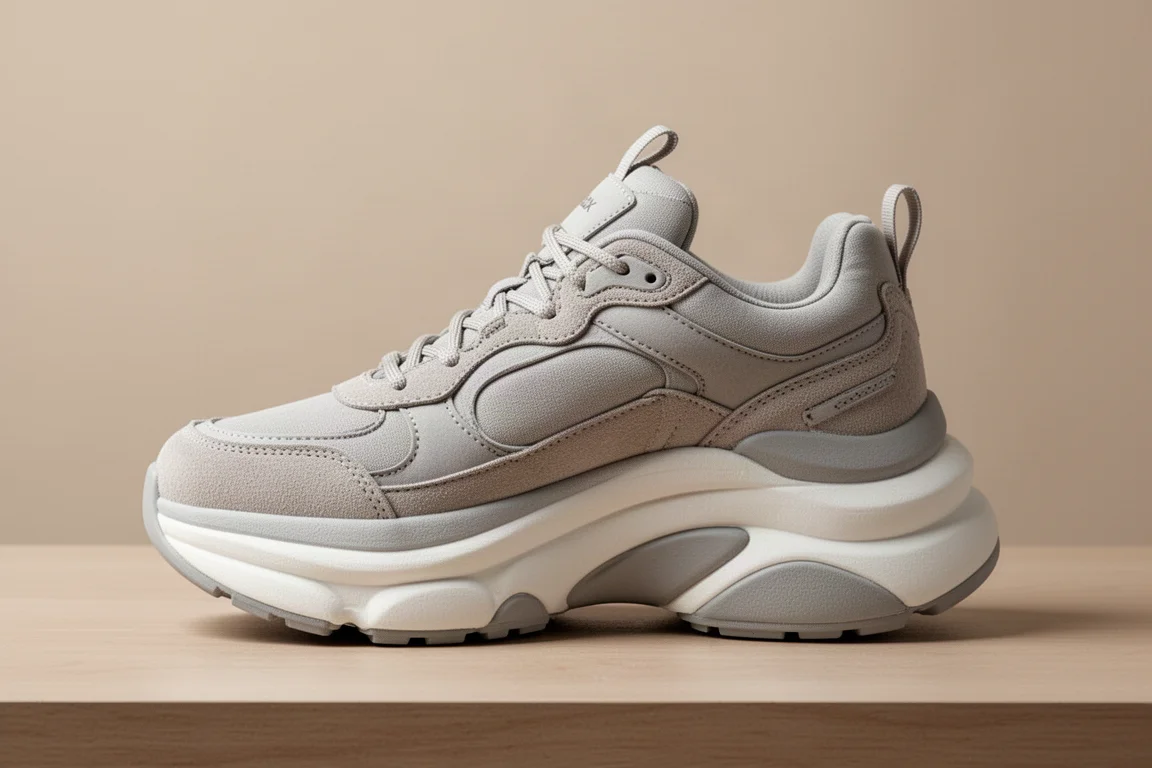
If you prefer the on-trend huge-stack approach with a bigger protective barrier between you and the road, the Glycerin Max is the way to go, and it is at its best from slow miles up to cruising pace. At $200 or £180 it sits at the pricier end, and the UK markup is smaller than the US one, which makes the upgrade easier to justify there. Performance between the two is close, so the decision really comes down to ride feel: classic 10 mm drop daily trainer, or rocker-driven max cushion cruiser.
Conclusion
These are two good cushioned shoes from Brooks that fit neatly into any rotation as easy day and long run options. The Glycerin 22 is the safer, more traditional choice, while the Glycerin Max executes the new DNA Tuned foam better and earns its place as one of the more stable and comfortable big-stack shoes around. Know which ride you prefer, and the right choice is easy.
Further reading
Related Reviews

Running Shoes
Best Road-to-Trail Running Shoes: Three Versatile Options for Mixed Terrain
A practical guide to three road-to-trail running shoes that handle both pavement and mild trails, with clear strengths and trade-offs for different runner types.

Running Shoes
Best Running Shoes for Achilles Tendonitis: Three Options Explained
Three running shoes with different heel drops and support features designed to help reduce Achilles tendon pain during walking and running.

Running Shoes
Best Running Shoes for Women: Five Top Choices Ranked
A ranked guide to five women's running shoes, from versatile daily trainers to high-performance racing options, with real strengths and trade-offs for each.