Running Shoes
Brooks Glycerin 22 vs Glycerin 21: Which One Deserves Your Money?
The Glycerin 22 moves to DNA Tuned foam and gets heavier, firmer, and more expensive, while the discounted Glycerin 21 remains the smoother, more comfortable pick for everyday miles.
Introduction
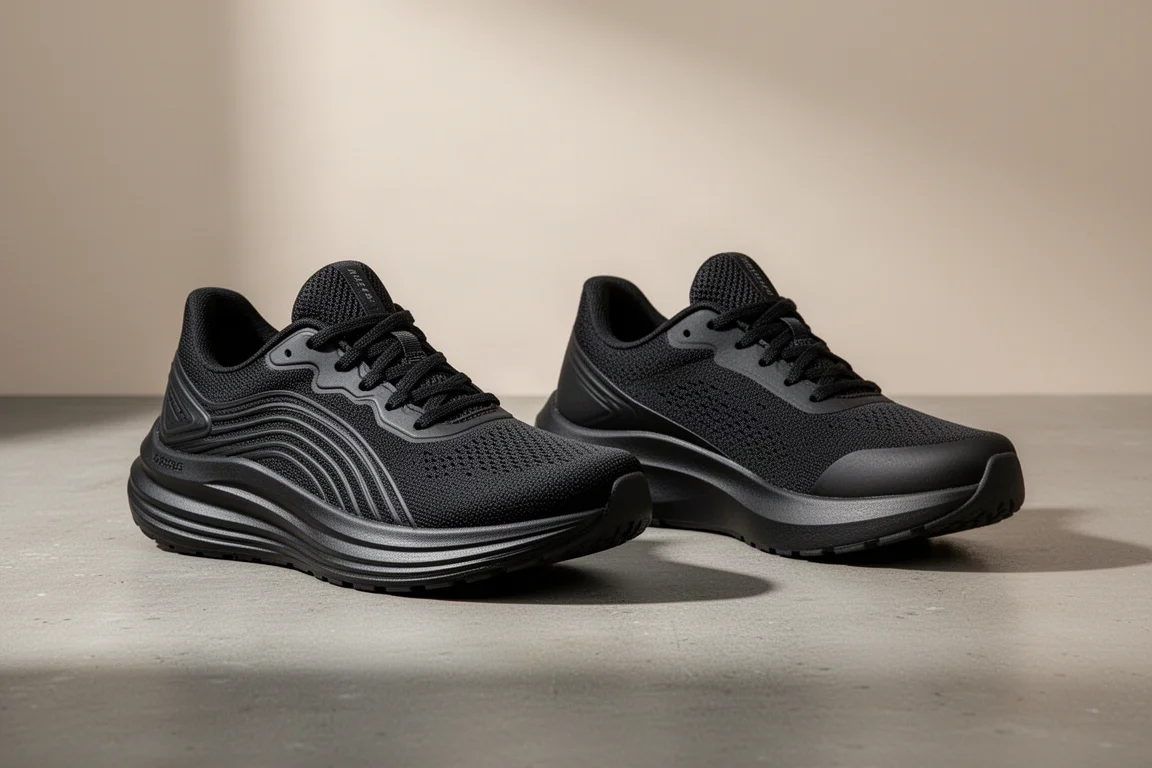
Brooks’ Glycerin line has long been the brand’s comfort workhorse: no frills, plenty of foam, and a reputation for getting the job done. The Glycerin 22 continues that role, but it also introduces the brand’s newer DNA Tuned foam, which changes the feel in ways that matter. Meanwhile, the previous model, the Glycerin 21, is now widely available on discount, which raises an obvious question: is the new version worth the upgrade?
What Changed in the Glycerin 22
The Glycerin 22 is Brooks’ comfort shoe, positioned just below the Glycerin Max in the lineup. It debuts DNA Tuned foam in the standard Glycerin, replacing the DNA Loft v3 foam used in the 21. That previous foam was one of the most reliable and sturdy training foams on the market, and it earned praise in shoes like the Ghost Max 2 and Adrenaline GTS 23. The new DNA Tuned midsole measures about 39.6 mm at the heel with a 10 mm drop, and the shoe weighs roughly 310 g, up from about 299.8 g in the previous version despite a slightly less padded upper.
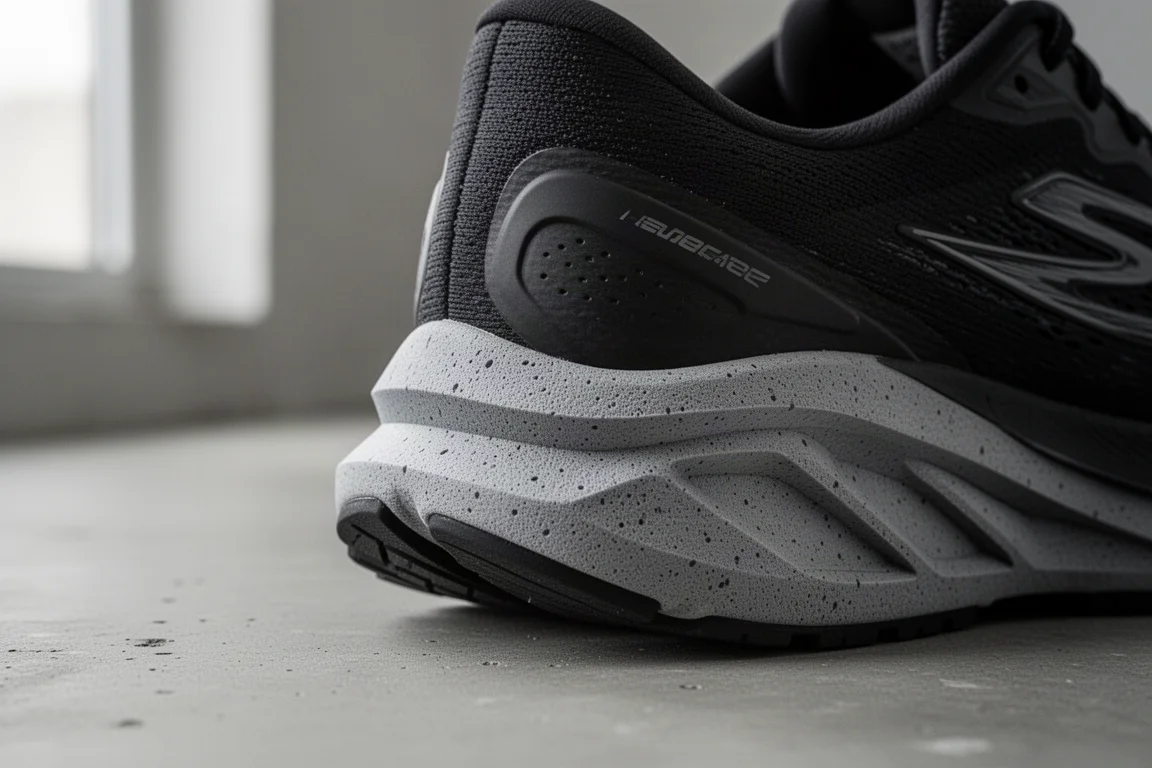
The weight increase is puzzling because there does not appear to be more foam, and the shoe’s price also rose from $160 to $165. If you want maximum comfort from Brooks at this level, the Glycerin Max remains the brand’s softest, tallest option, while the standard Glycerin now sits in a firmer, more supportive space aimed at casual walkers, newer runners, and bigger runners.
How the Glycerin 22 Rides
On step-in, the Glycerin 22 is firmer than its max-cushion reputation suggests. It does not feel like a softer version of the Glycerin Max; instead, it rides closer to the previous model but with a firmer, less smooth forefoot. At easy paces around 7:30 to 8:00 per mile, the ride feels flat and dead, and the 10 mm drop adds a slightly slappy, clunky sensation that the 21 did not have. The shoe comes alive somewhat when you push the pace downhill or below roughly 7:40 per mile, where the firmer foam responds to more force, but that is not the pace most everyday runners will use it for.
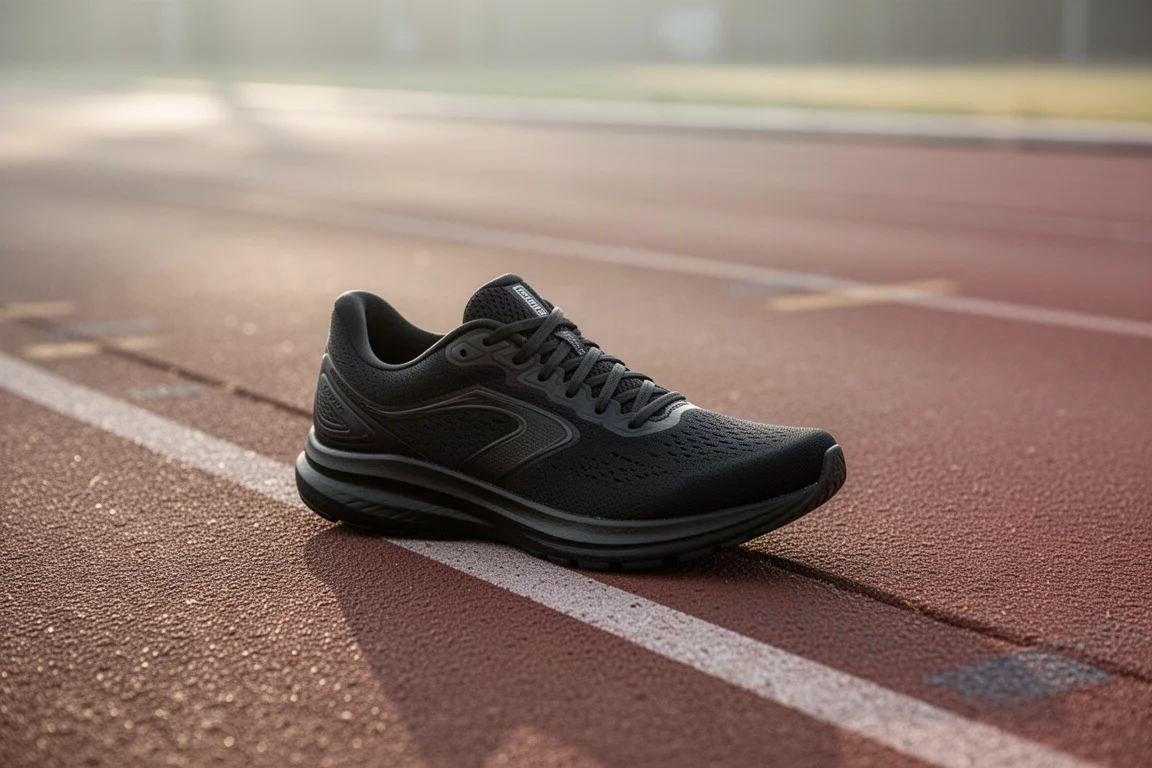
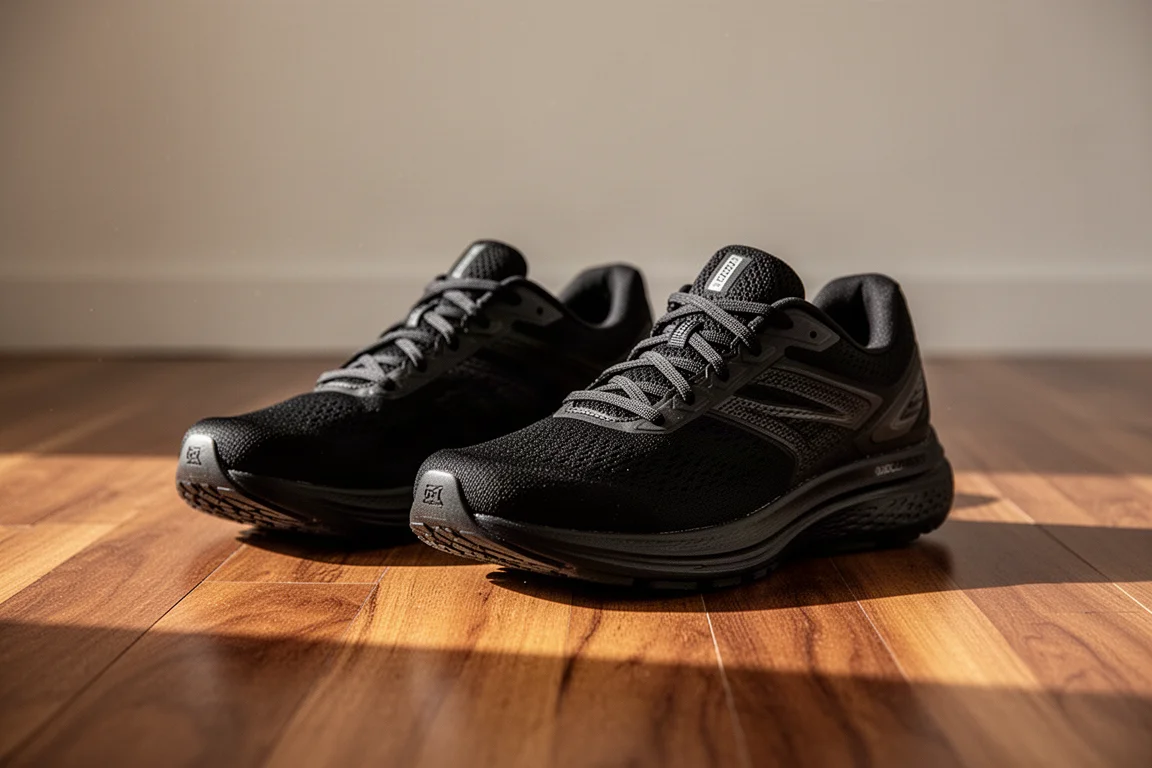
The upper is the best part of the shoe. It is comfortable, well padded at the tongue and heel, and free of hot spots or pinching, with a slightly narrower last than the Ghost Max 2. Brooks offers a wide version if you need it. Grip and rubber coverage are solid, and durability should follow Brooks’ usual standards: the brand’s quality control is famously consistent, with paired shoes weighing within grams of each other.
Weight, Stack and Fit Details
For context, the Glycerin 22 comes in at about 310 g with a 39.6 mm heel and 10 mm drop. The ASICS GEL-Nimbus 27 measures about 316.5 g with a heel above 40 mm and an 8 mm drop, but it leans noticeably softer and squishier, almost Glycerin Max territory. The Hoka Bondi 9, at around 330 g with a 39 mm heel and 5 mm drop, offers a smoother, more reliable ride with a better rocker, though Hoka has had more quality-control inconsistency, including reported stitching placement issues inside the shoe. The Glycerin fits true to length with good padding throughout, making it a strong all-day walking and standing shoe even if the ride is uninspiring.
Where the Glycerin 21 Wins
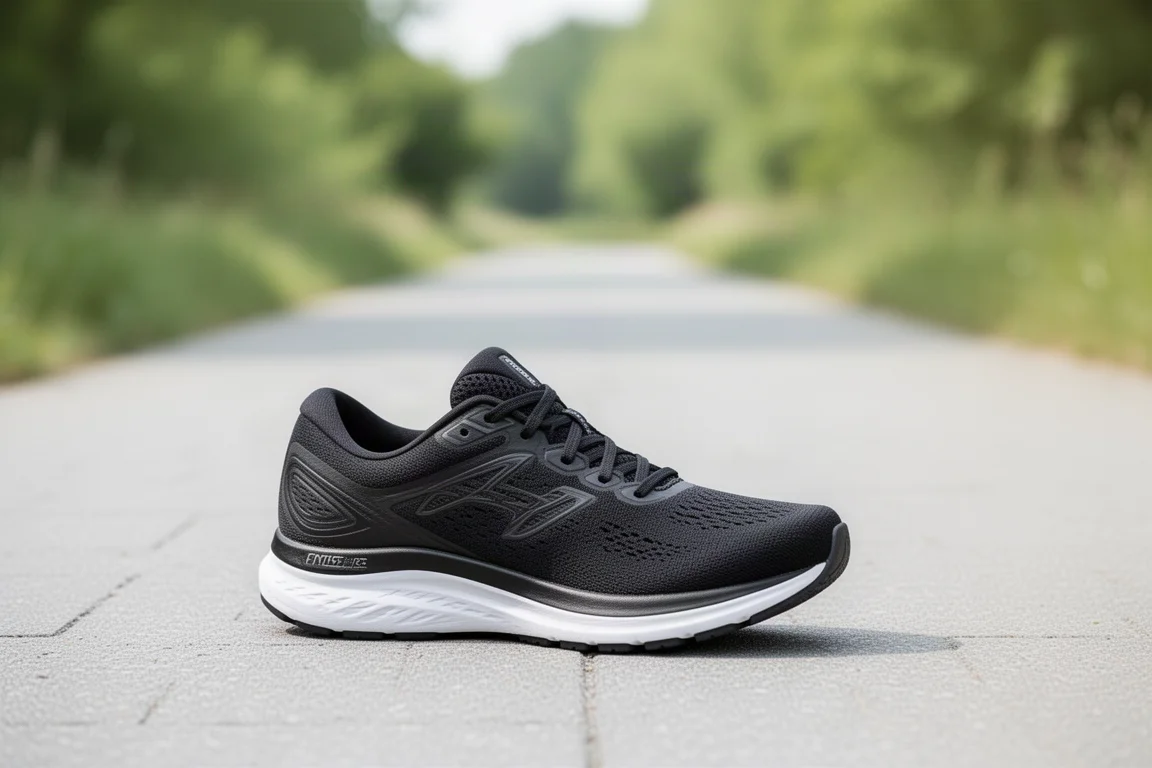
The Glycerin 21 is the shoe the 22 should have been. Its DNA Loft v3 foam is smoother, compresses just right, and delivers great bounce for both easy and slightly faster running. Step-in comfort is better, the upper fits well, and the design is simpler and cleaner. It handles recovery paces and everyday miles without feeling firm or getting in the way, and it remains a great option for bigger runners who need a sturdy, dependable trainer.
The deciding factor is price. The Glycerin 22 launched at $165, while the Glycerin 21 can be found discounted, at roughly $130 and lower with common retailer discount codes. At that gap, the older shoe is the clear value pick and, frankly, the better running shoe of the two.
Buying Advice
Choose the Glycerin 22 only if you specifically want a firmer, supportive platform for walking, standing all day, or casual use, and you do not mind paying full price for it. It will not hurt you, but as a running shoe it is underwhelming for the money. If your goal is comfortable everyday running, the Bondi 9 and GEL-Nimbus 27 both offer better rides in the same category, and the Glycerin Max is the better Brooks choice if pure softness is the priority.
The Verdict: Buy the 21
The Glycerin 22 is not a bad shoe, but it is a disappointing one: firmer than expected, heavier than the previous version, more expensive, and less smooth on the road. The Glycerin 21, with its proven DNA Loft v3 foam and its current discount, delivers the comfortable, reliable Glycerin experience the nameplate is known for. For most buyers, the previous generation is the smarter purchase.
Conclusion
Brooks rarely puts a foot wrong, but the Glycerin 22 is a rare step back: heavier, firmer, pricier, and less comfortable to run in than the shoe it replaces. Unless you find it heavily discounted and only plan to walk in it, the Glycerin 21 remains the Glycerin to buy.
Product link
View more details for Brooks Glycerin 22
This product is mentioned in the review. Check the specifications, options, and compatibility before buying.
View more details for Brooks Glycerin 22Further reading
Related Reviews

Running Shoes
Best Road-to-Trail Running Shoes: Three Versatile Options for Mixed Terrain
A practical guide to three road-to-trail running shoes that handle both pavement and mild trails, with clear strengths and trade-offs for different runner types.

Running Shoes
Best Running Shoes for Achilles Tendonitis: Three Options Explained
Three running shoes with different heel drops and support features designed to help reduce Achilles tendon pain during walking and running.

Running Shoes
Best Running Shoes for Women: Five Top Choices Ranked
A ranked guide to five women's running shoes, from versatile daily trainers to high-performance racing options, with real strengths and trade-offs for each.