Running Shoes
Brooks Glycerin 22 Review: A Familiar Max Cushion Shoe with New DNA-Tuned Foam
The Glycerin 22 brings the DNA tuned midsole to Brooks' flagship max cushion trainer, plus four alternatives worth comparing: Glycerin Max, Glycerin 21, Puma ForeverRun 2, and ASICS Nimbus 27.
Introduction
Brooks took the DNA tuned midsole it introduced in the Glycerin Max and brought it to the flagship max cushion trainer, the Glycerin 22. It is a shoe with a lot of newness and, at the same time, a lot of the familiar. This guide breaks down what the Glycerin 22 does well, where it falls short, and which alternatives make sense at different budgets and for different running styles.
First Look and Specs
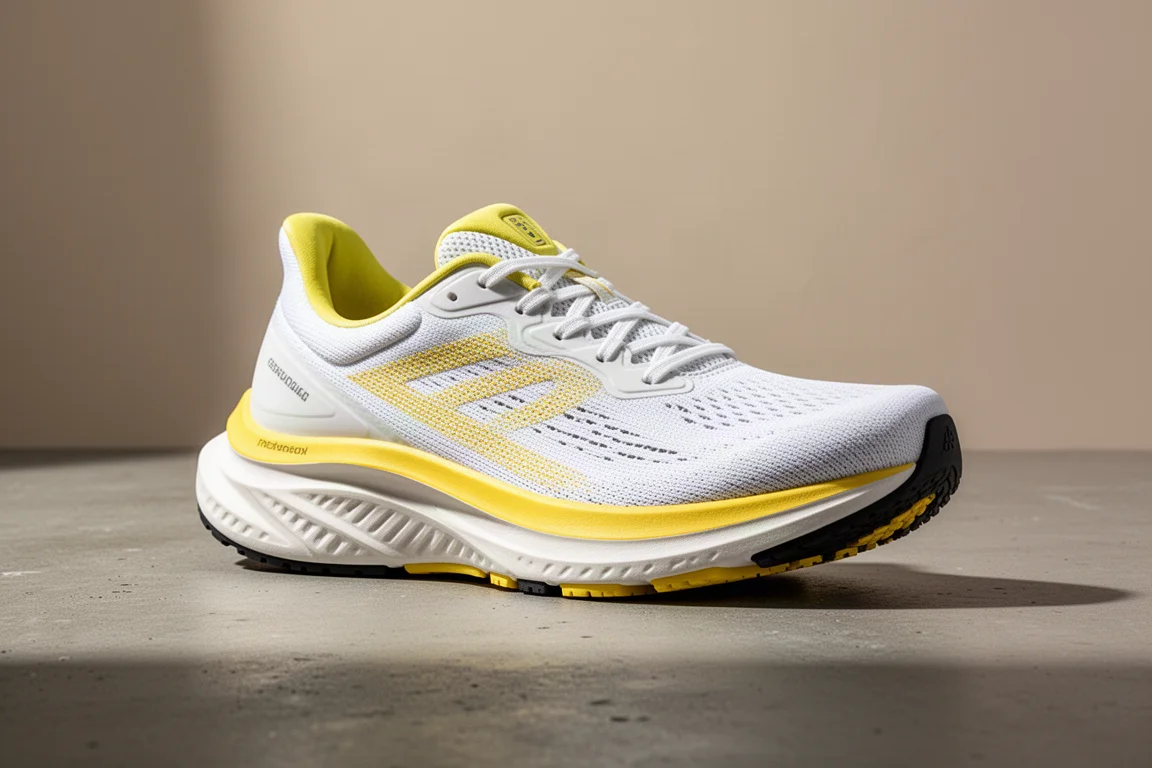
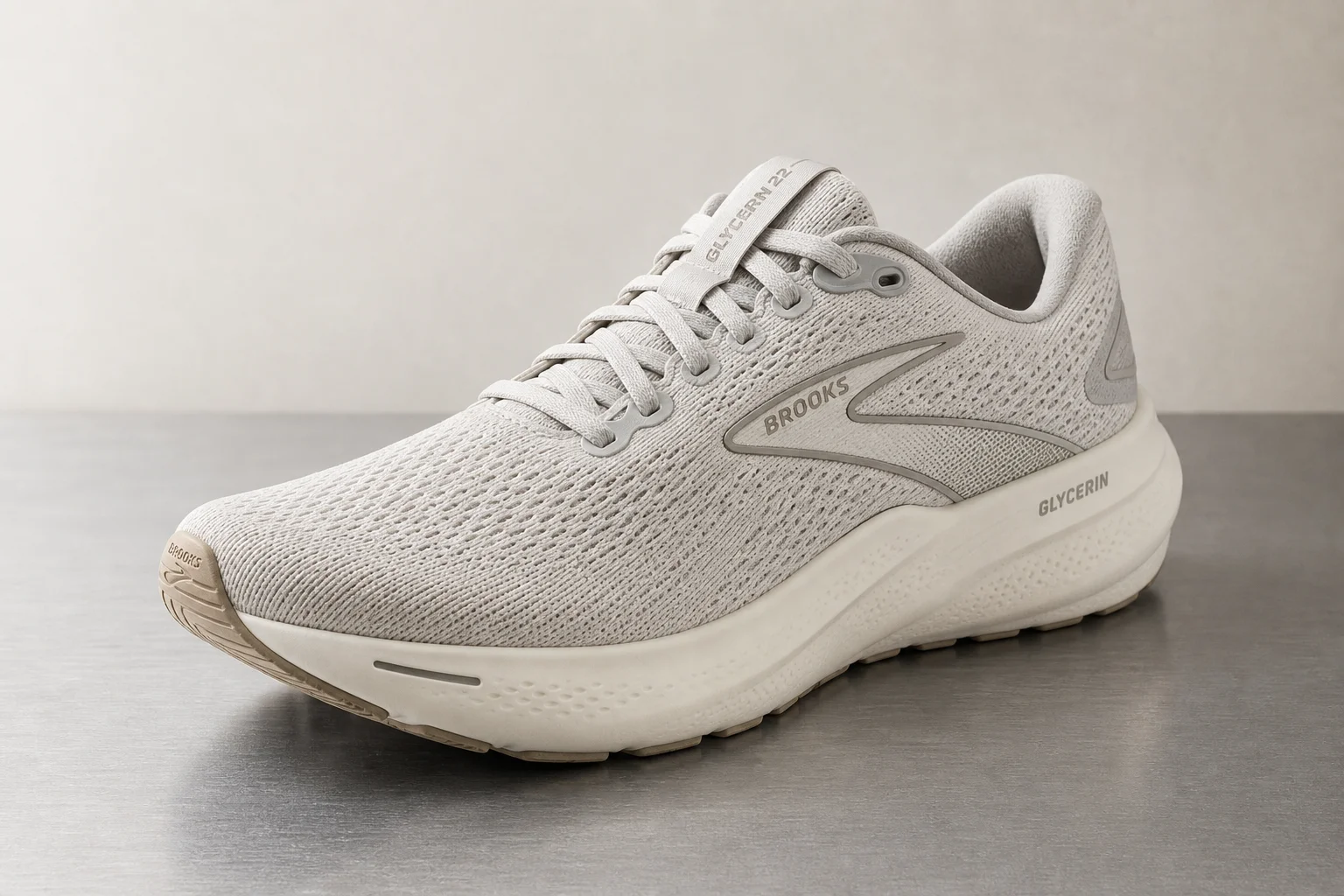
The Glycerin 22 is a 38 mm stack height shoe with a 10 mm drop, giving 28 mm of stack in the forefoot. The midsole uses Brooks DNA tuned, a dual-density supercritical foam system. In simple terms, a firmer outer foam acts like a bathtub around a softer inner foam, and both are processed together so they expand as one piece.
Brooks helpfully color-codes the two foams. The white foam is the firmer outer layer, placed where control matters most: the heel crash zone for heel strikers and the front sides of the foot where supination or overpronation happens. The softer yellow foam runs all the way through from foot to ground, with translucent side rails providing a lighter touch of guidance.
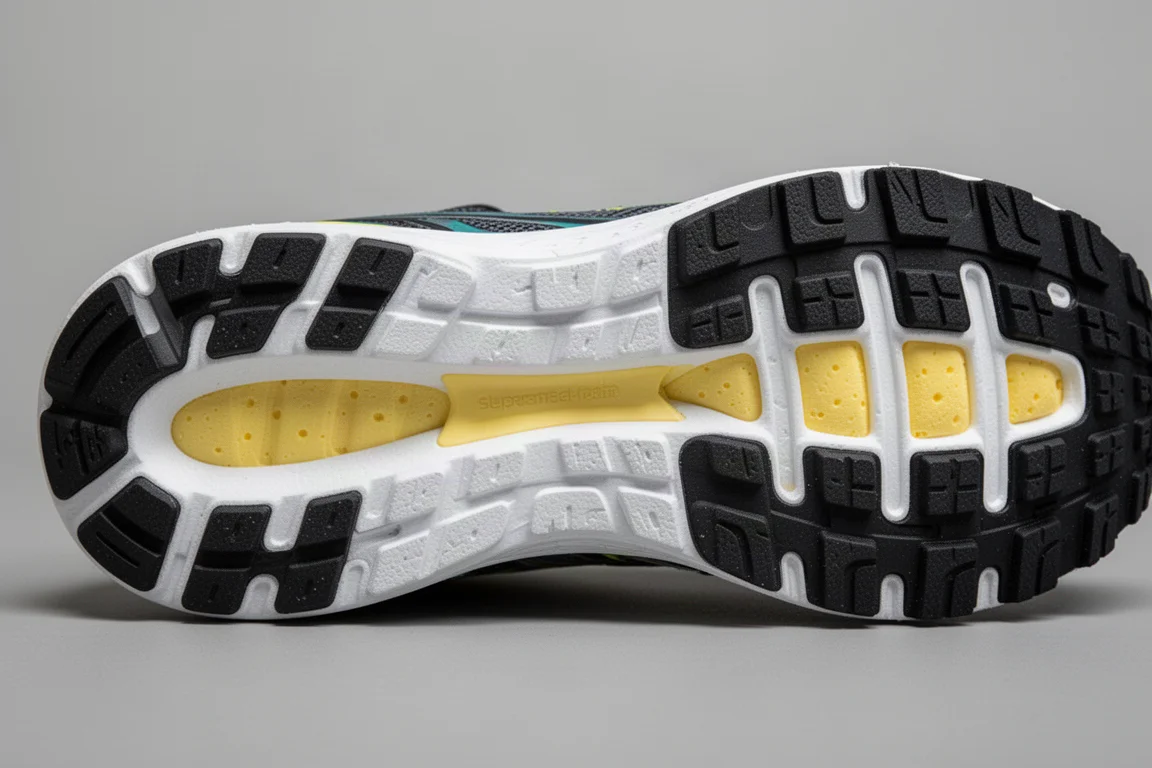
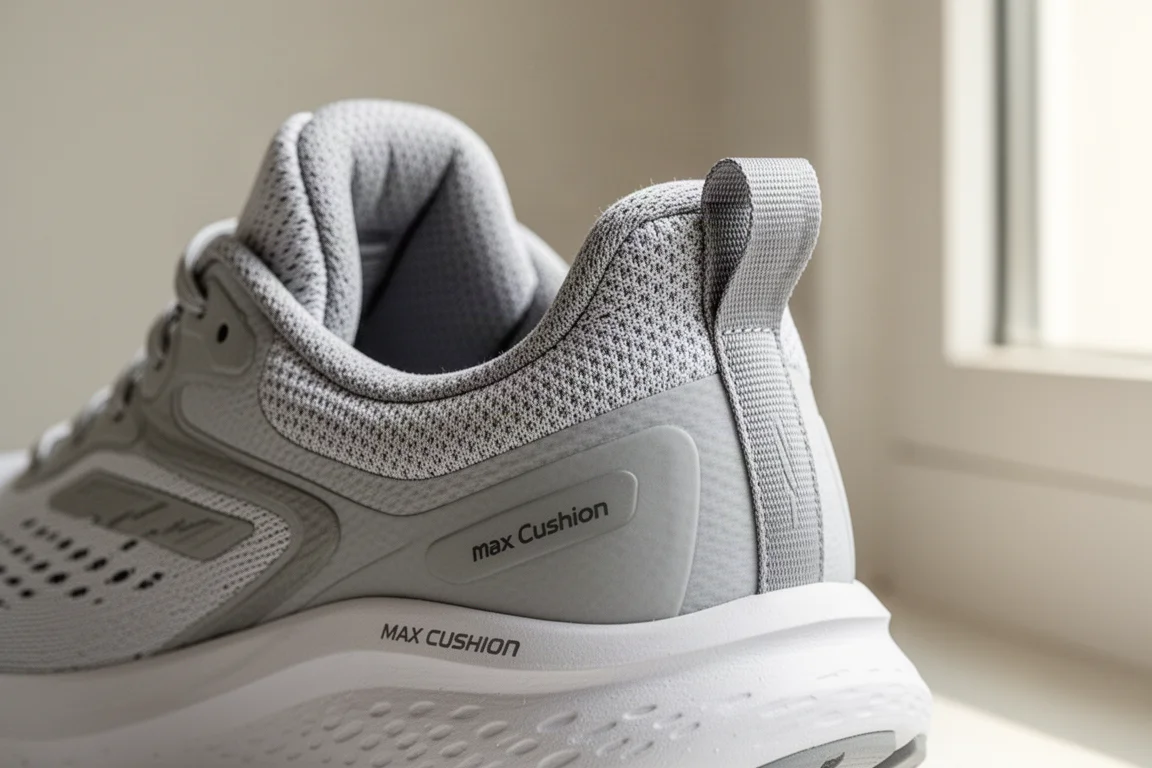
Outsole rubber coverage is close to full, with a thick layer providing strong traction and durability. Brooks shoes are built like tanks for high mileage, and even the small exposed foam areas are nothing to worry about given how durable this type of supercritical foam tends to be. The dual-layer mesh upper is stretchy, breathable, and comfortable, fitting true to size. The tongue is generously padded, arguably more than necessary, and the plushness carries through the heel collar into a knit-lined pull tab.
Stated weight is 10.2 oz, though a US men’s size 9 pair weighed in slightly heavier at 10.5 oz, or exactly 300 g.
How It Runs
On foot, the Glycerin 22 is genuinely comfortable. The plush heel, roomy stretchy toe box, and soft DNA tuned midsole make walking a very pleasant experience. For anyone on their feet much of the day, or doing lots of run-walk sessions, it is an easy recommendation.
Running is a slightly different story. A lot of the softness you might expect from the two-tone DNA tuned design feels tuned down here. There is noticeably less of the softer yellow foam than in the Glycerin Max, and the geometry stays true to the traditional Glycerin: a bit stout, a bit elbows-out at the heel, and built more for motion control than movement. That translates to some clunkiness at the back of the heel for lighter-footed runners, and the transition from foot strike to toe-off feels firmer than expected.
Where the shoe does shine is when you pick up the pace: put more force in and you get more responsiveness back. But at 10.5 oz for a size 9, it is not designed for speed work. This is a shoe best suited to bigger, taller, or heavier runners who put more force into every footstep, and to Glycerin loyalists who value a stable, predictable ride. Even fans of the line should find the 22 still very much a Glycerin, with a giant heel crash pad and a comfortable, stable overall experience.
Where the Glycerin 22 Fits in the Brooks Lineup
Within Brooks, the Ghost is the daily trainer and the centerpiece of most rotations: durable, pace-versatile, and good for most runs on most days. The Glycerin 22 is effectively the max cushion sibling to the Ghost, made for long days on your feet, long-distance PR attempts, or extra comfort after a hard workout. The race end of the lineup is the Hyperion Elite 4 PB with Pebax foam, with the standard Hyperion serving as a tempo option that blends race shoe features with daily trainer durability.
Brooks also runs a parallel mirror lineup: the Max shoes. The Glycerin Max is the same concept executed for a different runner, with far more of the soft yellow foam and a much plusher feel. There is a Ghost Max as an alternative daily trainer, and a Hyperion Max as a squishier, higher-stacked tempo option. If the standard Brooks shoes feel too firm or too controlling for you, the Max line is worth a look.
Alternatives Worth Comparing
Last year’s Glycerin 21 is the budget-friendly path into the family. It uses DNA Loft v3 foam rather than DNA tuned, and the simplest way to describe the difference is that the 21 is essentially built from the firmer white foam only. The geometry, the goals, and the sensations are very similar across the two models, at a much lower price.
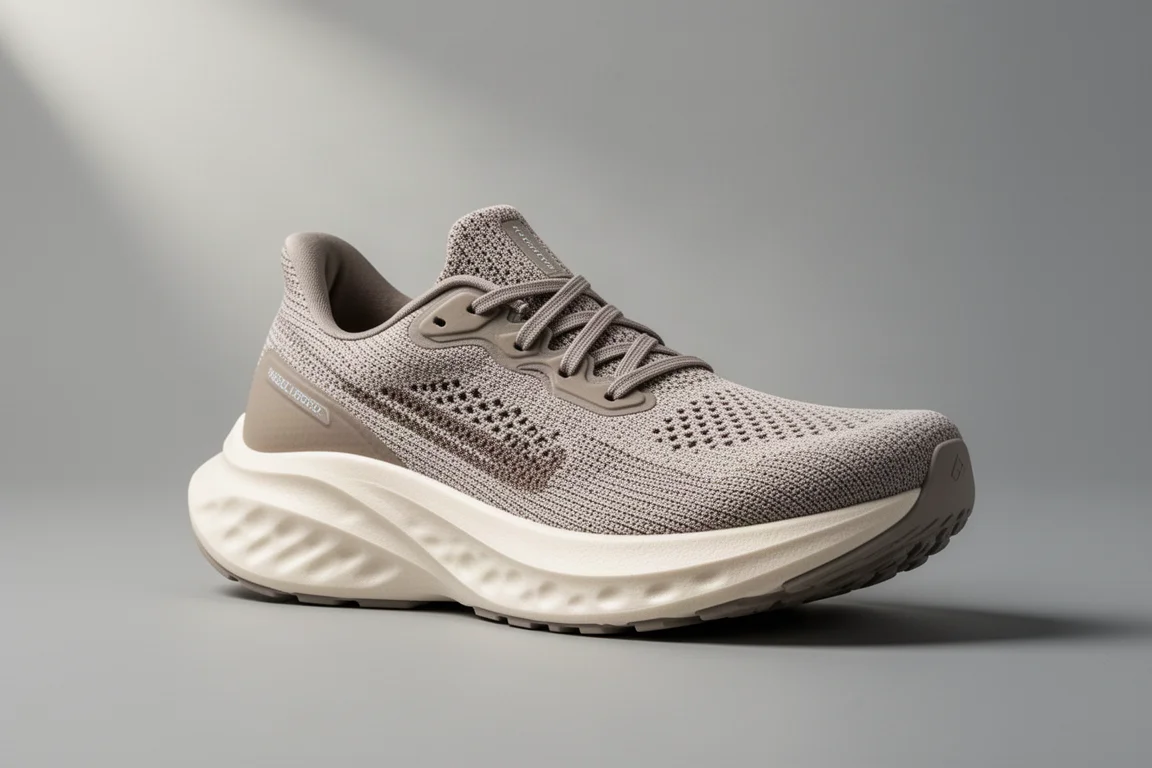
Outside of Brooks, the Puma ForeverRun 2 uses a very similar two-foam supercritical system, with white firmer foam as guide rails along the sides and softer blue foam in the center. The concepts are nearly identical, but the ForeverRun 2 carries a greater proportion of the softer foam, which makes it more comfortable and noticeably less clunky at the heel. It shares the same design language too: a breathable stretchy toe box and an overstuffed heel collar with a pull tab. The choice between the two comes down to character and price: the ForeverRun 2 reads as a slightly stabilized daily trainer, while the Glycerin 22 leans max cushion, and the Puma costs less.
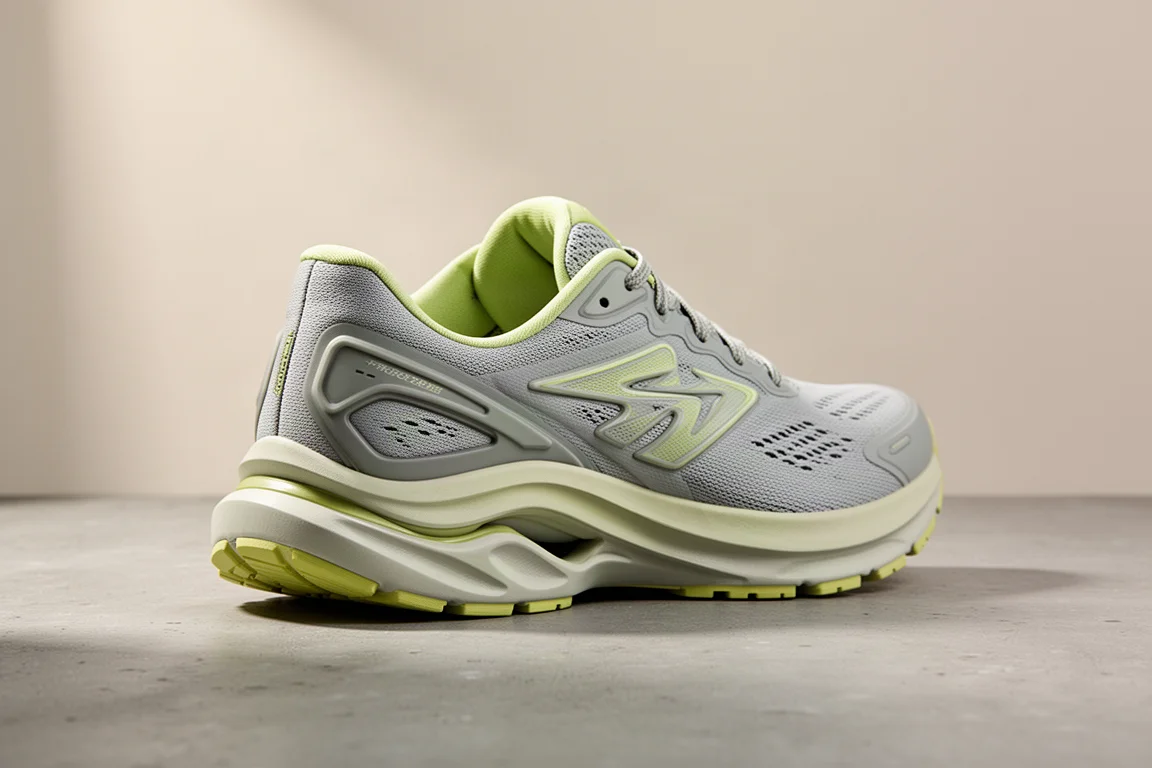
The ASICS Nimbus 27 is another close competitor doing the same things in similar ways. It has the same stretchy toe box, pillowy heel collar, and pull tab design language, but relies on a single foam, ASICS FF Blast Plus, with only a very small amount of PureGel in the heel. That single-foam setup delivers a softer, smoother ride than the Glycerin 22, though it shares a similar wide, chunky heel that can feel a bit clunky. Both shoes are priced identically at $165, so the decision largely comes down to which midsole feel you prefer.
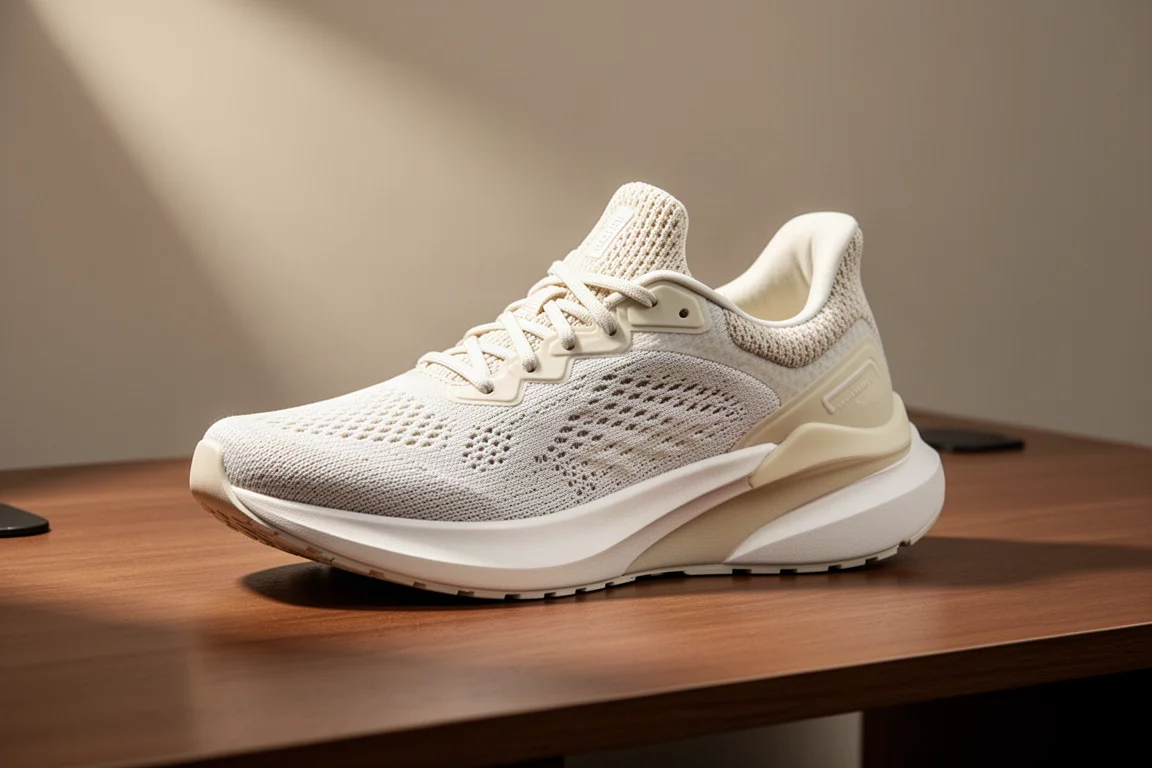
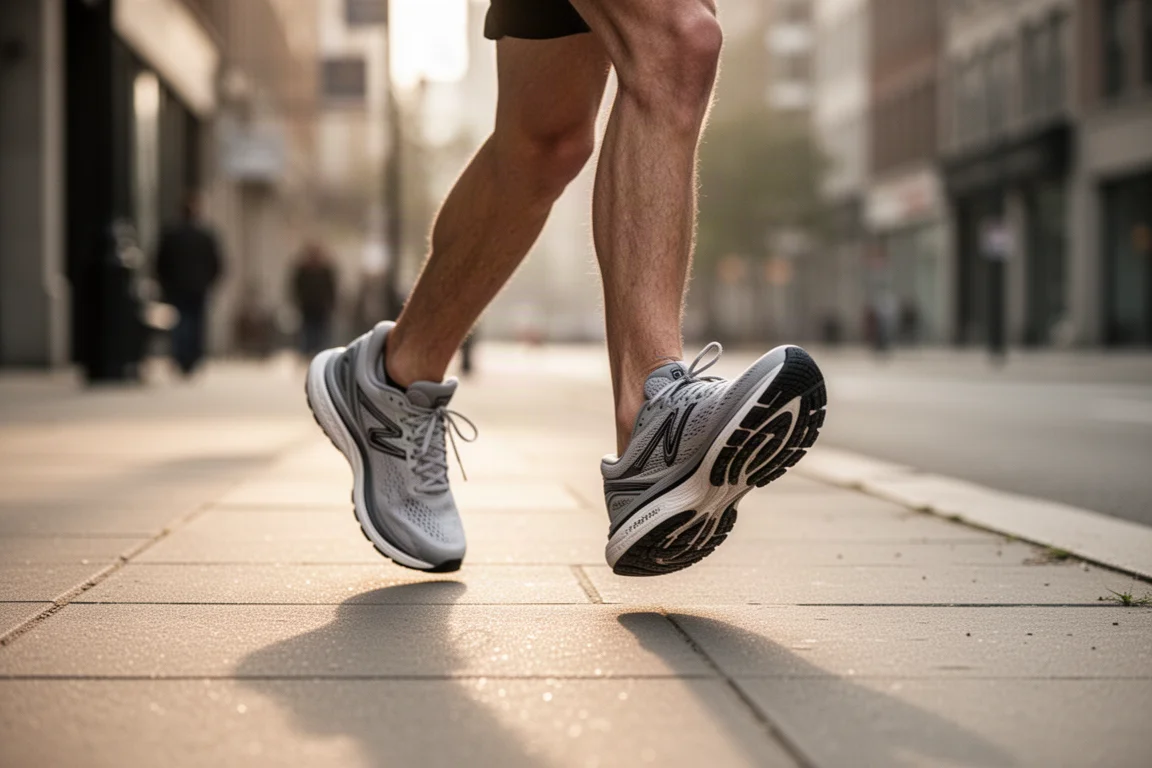
If budget is no object and you want the full softness of the DNA tuned concept, the Glycerin Max remains the most compelling version. It is not merely a nicer Glycerin; it is the same idea tuned for a different runner, with far more of the softer yellow foam and a plusher, more forgiving ride. At $200 it is a serious investment, but for runners who did not get along with the standard Glycerin’s firmer, more controlling feel, it can be the better fit.
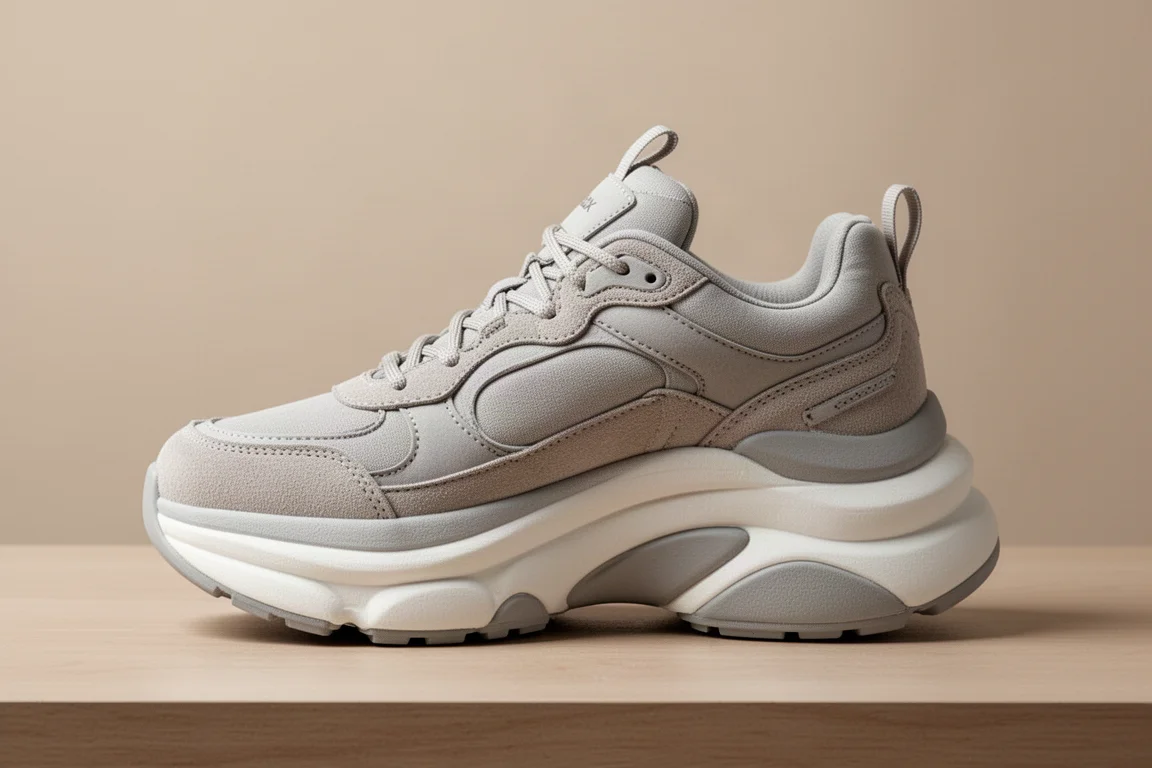
And for those committed to the Glycerin line at its standard price, the Glycerin 22 itself remains a stable, predictable, comfortable max cushion trainer with excellent durability.
Buying Advice
The Glycerin 22 costs $165, which feels about $5 too expensive. If $160 is more than you want to spend, the Glycerin 21 at $110 delivers a very similar experience with last generation’s foam. The Puma ForeverRun 2 undercuts both at $150 with a softer, less clunky feel, while the ASICS Nimbus 27 matches the Glycerin 22’s price and offers a smoother single-foam ride. Heavier or harder-striding runners, and those who value stability above all, will get the most out of the Glycerin 22; everyone else should compare it carefully against the softer-riding alternatives before committing.
Conclusion
The Glycerin 22 successfully brings DNA tuned to Brooks’ flagship max cushion trainer, and it remains a great Glycerin: stable, predictable, durable, and comfortable. It is simply tuned firmer and more controlling than the Glycerin Max, which means lighter runners may prefer the Max version, the softer Nimbus 27, or the cheaper ForeverRun 2. Match the shoe to how hard you hit the ground and how much softness you actually want, and the right pick becomes fairly clear.
Further reading
Related Reviews

Running Shoes
Best Road-to-Trail Running Shoes: Three Versatile Options for Mixed Terrain
A practical guide to three road-to-trail running shoes that handle both pavement and mild trails, with clear strengths and trade-offs for different runner types.

Running Shoes
Best Running Shoes for Achilles Tendonitis: Three Options Explained
Three running shoes with different heel drops and support features designed to help reduce Achilles tendon pain during walking and running.

Running Shoes
Best Running Shoes for Women: Five Top Choices Ranked
A ranked guide to five women's running shoes, from versatile daily trainers to high-performance racing options, with real strengths and trade-offs for each.