Running Shoes
Brooks Glycerin 22 First Run Review: Familiar Comfort With a New Foam
Early running impressions of the Brooks Glycerin 22, the new dual-size-cell DNA tuned midsole, updated upper, and why it still feels like a classic Glycerin.
Introduction
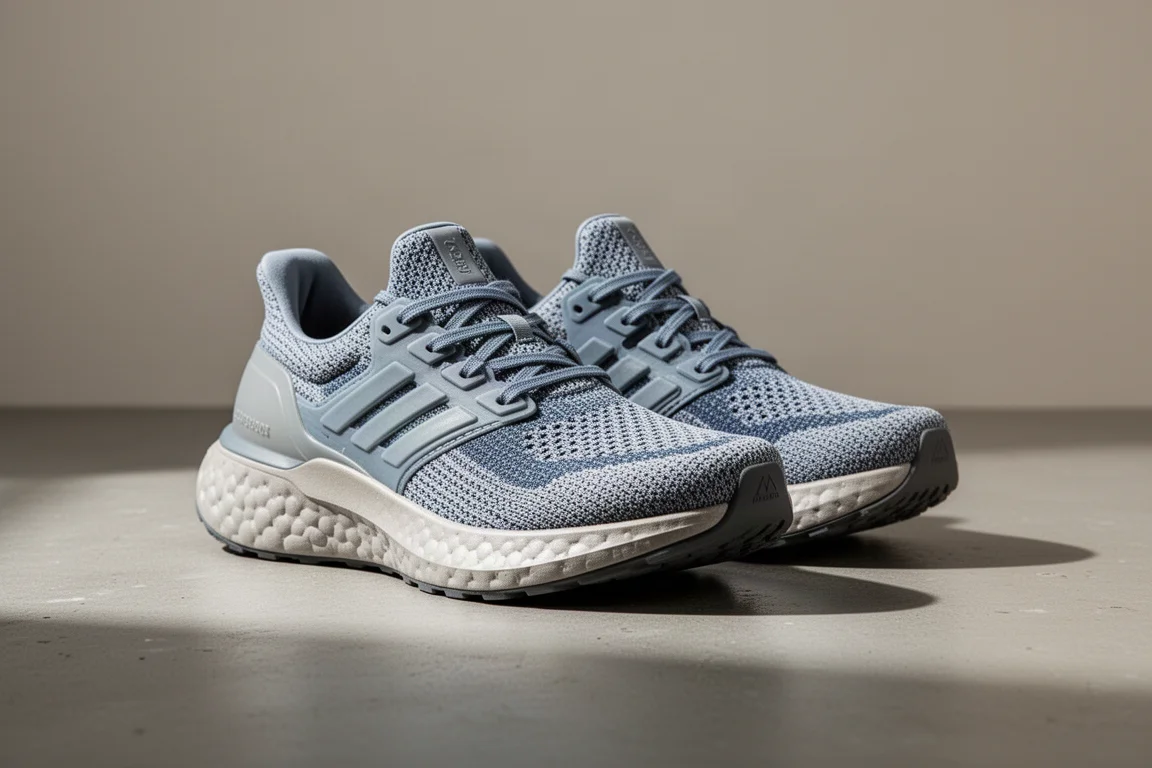
The Brooks Glycerin 22 arrives with one substantial change and a handful of smaller refinements. The headline update is the midsole: Brooks has swapped the DNA Loft v3 cushioning used in the Glycerin 21 for its new dual-size-cell DNA tuned foam, the same technology that debuted in the Glycerin Max. Elsewhere, there is a new double jacquard upper with extra padding, and more rubber on the outsole for durability.
We have had early running time in the shoe at an easy pace, and this first-run review covers what has changed, how it fits, and who the Glycerin 22 still makes sense for. The short version: it remains very much a Glycerin, but with a slightly livelier ride and a little more weight.

What’s New in the Glycerin 22
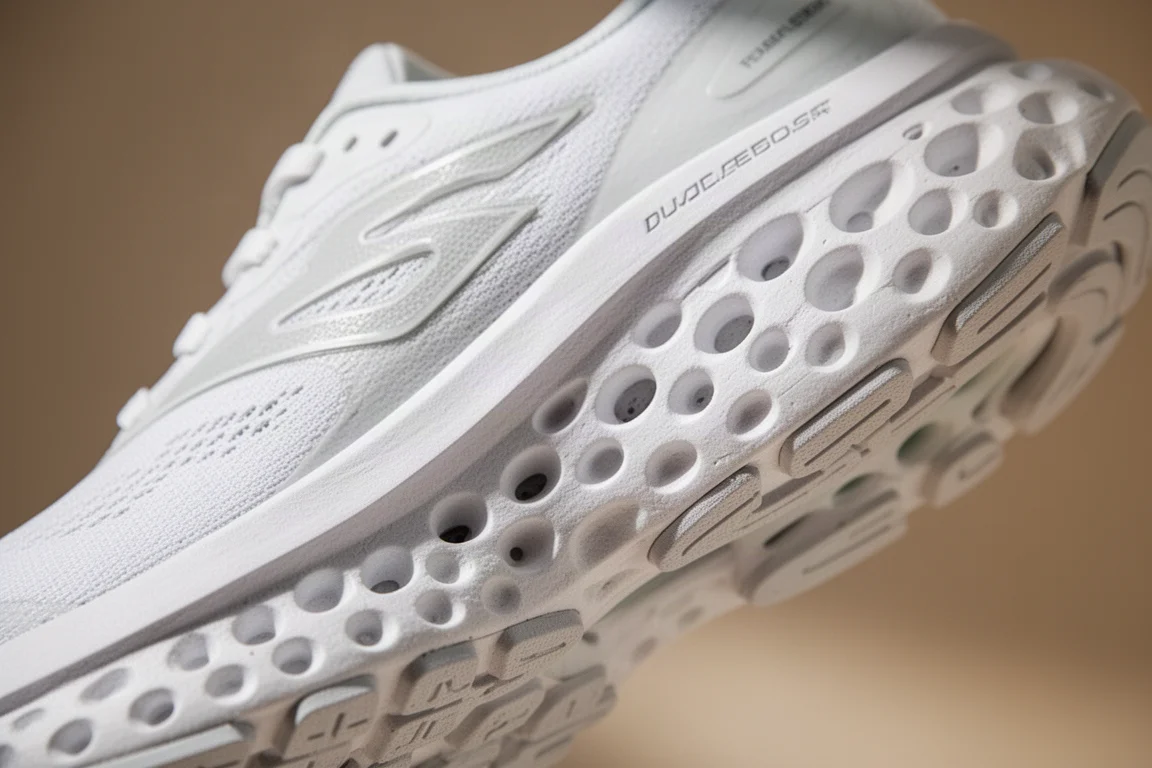
The biggest change sits underfoot. The dual-size-cell DNA tuned foam places larger cells in the heel for plush landings for heel strikers, and smaller cells in the forefoot for a more responsive feel. Above the midsole, a new double jacquard upper provides plenty of padding, including more around the heel collar for additional support and comfort.
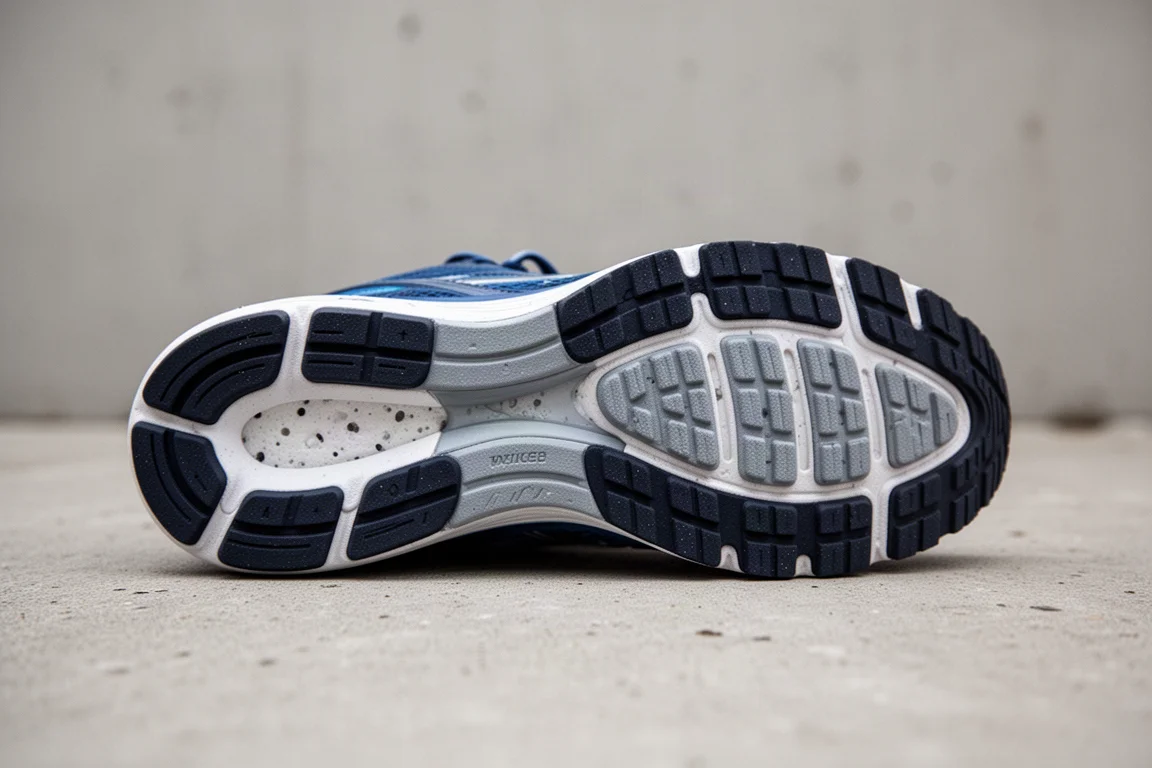
Brooks has also added more rubber to the outsole, with notably more coverage at the forefoot to boost durability, ensuring the Glycerin 22 is fit to clock up plenty of running mileage. Brooks has kept the 10mm drop and the same stack heights as before.
Price and Weight
Brooks is sticking to the same £165 and $165 price as the Glycerin 21, positioning the Glycerin 22 below the Glycerin Max and above the Ghost Max 2 in terms of pricing.
Weight is the less welcome change. A UK size 8 came in at 292g, making it heavier than the Glycerin 21 in the same size. The added weight is easy to explain: there is more padding in the upper and more rubber on the outsole, but it is worth noting for anyone who found the 21 already substantial. This is still a big shoe, and you are reminded of it throughout a run.
Fit and Sizing
The fit carries over very closely from previous versions of the Glycerin. In a UK size 8, there is plenty of space in the forefoot, room for the big toe, and good space around the sides of the front of the shoe, so toes have room to move. The midfoot is about average, so it is not the widest shoe out there, but it is designed to be accessible, and runners with fairly average-width feet should find it very comfortable.
There is loads of padding around the ankle collar, and the extra padding in the 22 is noticeable, particularly on the inside of the heel collar, adding a further level of support and comfort compared with the 21. There is also a bit more padding in the tongue.
For sizing, staying true to size worked well, and we would not look to size up or down. Anyone who used the wider fit options on the Glycerin 21 should expect similar alternatives to be replicated here. Sticking with the same size as the Glycerin 21 is likely the right call for most people.
Ride Impressions: 15K at Easy Pace
The DNA tuned midsole does not drastically change the experience. Compared with the Glycerin 21, the ride is very similar: balanced, stable, and comfortable, without feeling really soft or delivering a huge amount of energy return. It is a very solid, comfortable, reliable shoe designed to tick off the miles.
That said, there is a noticeable improvement in rebound. There is a little more bounce and a slightly higher rebound than the 21, which makes the ride feel a little more memorable. You roll through the gait a bit nicer, still in a very smooth fashion. It is not as soft and plush as the Glycerin Max, and it does not have that shoe’s level of versatility, but the qualities of the Glycerin line are very much intact: very stable, very controlled, and easy to live with.

This is not a shoe for picking up the pace. There is a lot of shoe here, and it is wider than the Glycerin Max, which counts against it for tempo work or faster paces. It is best suited to easy runs, recovery runs, and long runs at a comfortable pace. If you are building marathon mileage and want comfortable, controlled, reliable time on your feet, the Glycerin 22 handles that well.
Durability and Outsole
The outsole looks built for the long haul. The rubber is really thick, and even with quite a bit of exposed midsole, there were no signs of wear or tear after early running. The midsole itself also seems relatively durable and does not feel like a delicate foam, so you should get good life out of this shoe. Grip was fine in dry conditions, though wet-weather performance is something to watch as testing continues.
Early Verdict
The Brooks Glycerin 22 is very much what you would expect from the Glycerin range: solid, sturdy, stable, comfortable, and nicely balanced. The new midsole foam is not a major detraction from the Glycerin 21 experience, maybe a tiny bit softer, but you are getting a very similar ride with a slightly more pronounced bounce. It does not push you forward or give a lot of energy back, and it has no real performance elements, but it is a great shoe for eating up the miles in comfort, with a bit of cushioning and a bit of stability.
The added weight is the main reservation, alongside the fact that Brooks’ own Glycerin Max arguably remains the more exciting pick from the cushioned range. The price holding steady at the Glycerin 21 level softens that blow, and the changes here look positive overall without detracting from what the Glycerin stands for.
Buying Advice
Buy the Glycerin 22 if you want a reliable daily trainer for easy runs, recovery runs, and long runs, and you value comfort, stability, and durability over speed. If you want a softer, more versatile ride and are happy to spend more, the Glycerin Max may be the better pick in Brooks’ cushioned range. If you are upgrading from the Glycerin 21, expect a familiar fit and ride with a touch more bounce, more padding, and slightly more weight on the scales.
Conclusion
The Brooks Glycerin 22 keeps the fundamentals that made the line popular and refreshes the midsole with dual-size-cell DNA tuned foam, a plusher upper, and a more durable outsole. It is heavier than its predecessor, but the ride is a little more memorable and the fit remains accommodating and true to size. For runners after a balanced, comfortable everyday trainer, it delivers exactly what the Glycerin name promises.
Product link
View more details for Brooks Glycerin 22
This product is mentioned in the review. Check the specifications, options, and compatibility before buying.
View more details for Brooks Glycerin 22Further reading
Related Reviews

Running Shoes
Best Road-to-Trail Running Shoes: Three Versatile Options for Mixed Terrain
A practical guide to three road-to-trail running shoes that handle both pavement and mild trails, with clear strengths and trade-offs for different runner types.

Running Shoes
Best Running Shoes for Achilles Tendonitis: Three Options Explained
Three running shoes with different heel drops and support features designed to help reduce Achilles tendon pain during walking and running.

Running Shoes
Best Running Shoes for Women: Five Top Choices Ranked
A ranked guide to five women's running shoes, from versatile daily trainers to high-performance racing options, with real strengths and trade-offs for each.