Running Shoes
Brooks Glycerin 21 vs Saucony Triumph 22: Which Premium Cushion Trainer Wins?
Two premium cushion daily trainers go head to head. One stays a well-balanced versatile cruiser, the other moves firmly into max-cushion territory. Here is how they compare.
Introduction
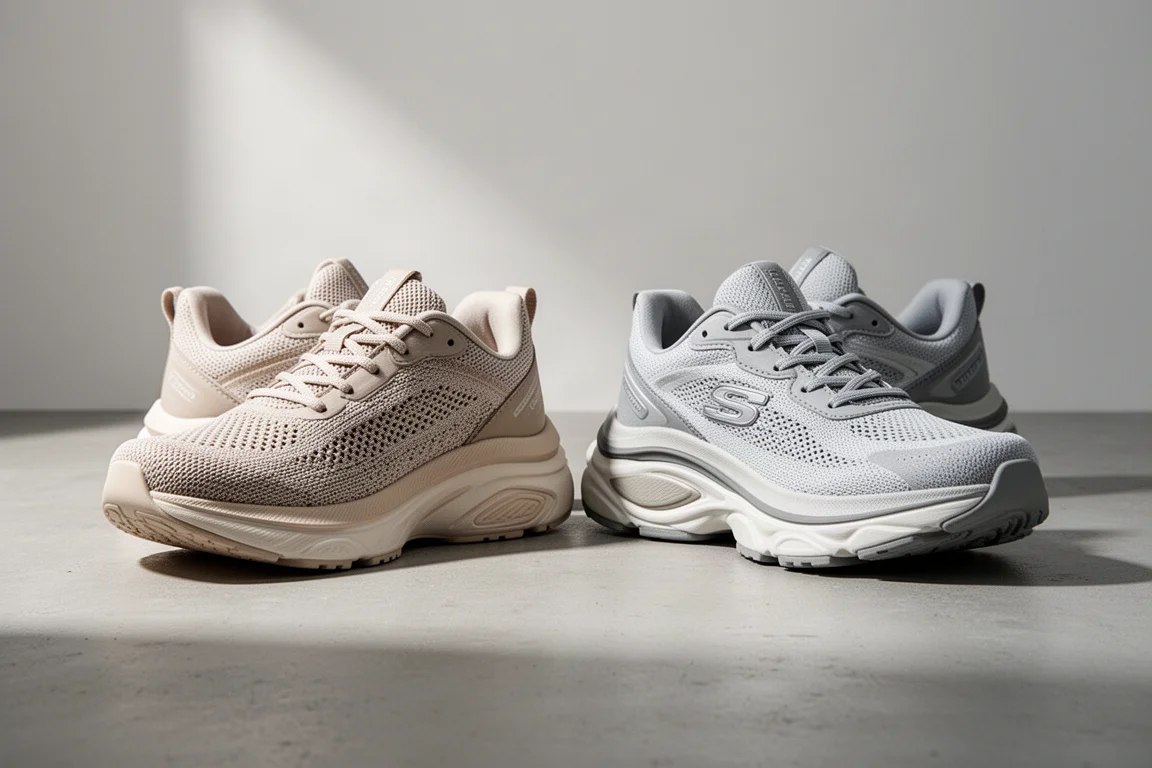
The Brooks Glycerin 21 and the Saucony Triumph 22 sit at the top of their respective brand line-ups. Both are premium cushion daily trainers, and both carry correspondingly high price tags: the Triumph 22 retails at £170 or $160, while the Glycerin 21 comes in at £165 or $160.
On paper they look like near-identical shoes. In practice, this generation has pushed them in noticeably different directions. The Glycerin 21 refines an already well-balanced cushion trainer, while the Triumph 22 leans hard into a wider, more protective, max-cushion feel. That difference in character is what ultimately separates them.
Specs and Construction at a Glance
Both shoes use a 10 mm heel-to-toe drop and near-identical stack heights. The Triumph 22 measures 37 mm at the heel and 27 mm at the forefoot, while the Glycerin 21 measures 36 mm at the heel and 26 mm at the forefoot. Weight is where they diverge: in a UK size 9, the Triumph 22 comes in at 322 g (11.4 oz) and the Glycerin 21 at 290 g (10.2 oz), a 30 g difference in the same size.
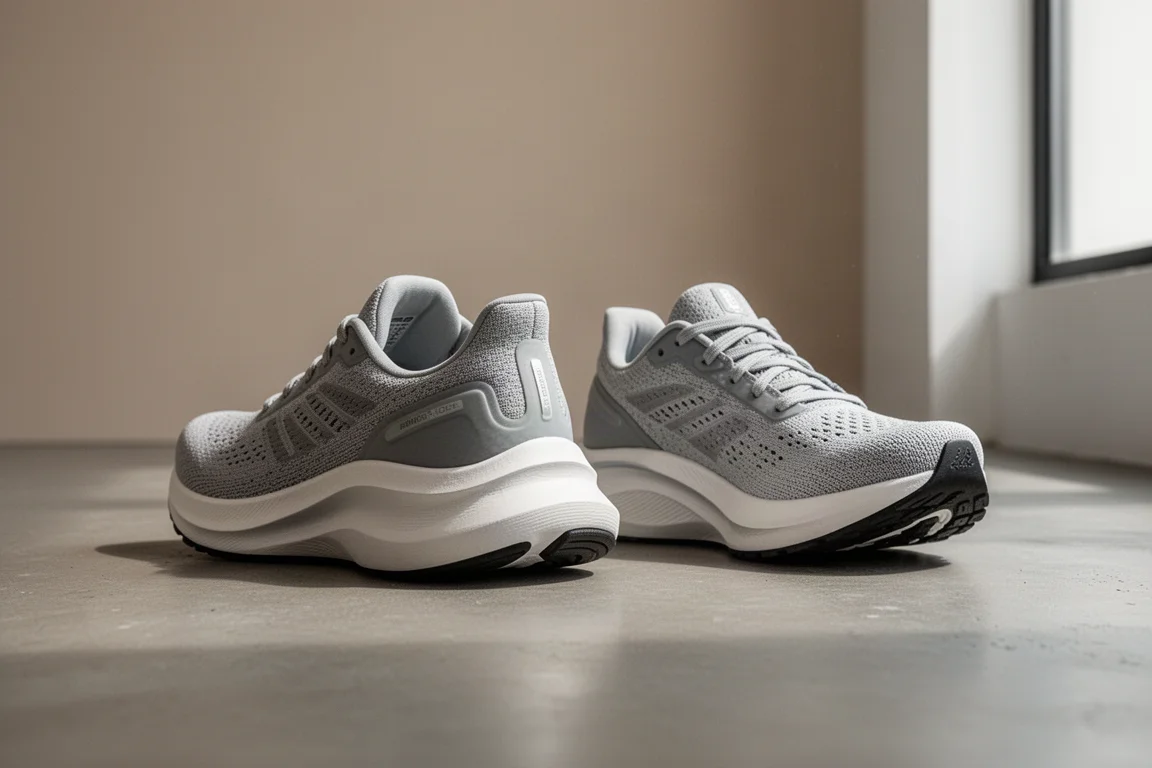
Construction tells a similar story of quality across the board. The Triumph 22’s headline update is a PWRRUN PB-based midsole, a foam family previously used in Saucony’s Endorphin range, paired with a very wide base and sidewalls of foam for stability, a firmer OrthoLite sockliner, an engineered mesh upper with structure at the rear, a stiff internal heel counter, and a rubber outsole with solid coverage apart from two strips of exposed foam. The Glycerin 21 uses a nitrogen-infused DNA Loft v3 EVA midsole introduced with the Glycerin 20, an engineered mesh upper, generous padding at the tongue and collar, a very stiff heel counter, and a RoadTac rubber outsole with good coverage in the key impact zones, though slightly less full coverage than the Triumph.
Fit and Sizing
Fit is similar between the two shoes, and both run comfortably roomy. Testers in UK size 9 (US 10) and UK size 8 found plenty of forefoot width, generous padding, and no reason to size up or down. Both shoes suit runners with slightly wider feet as well.
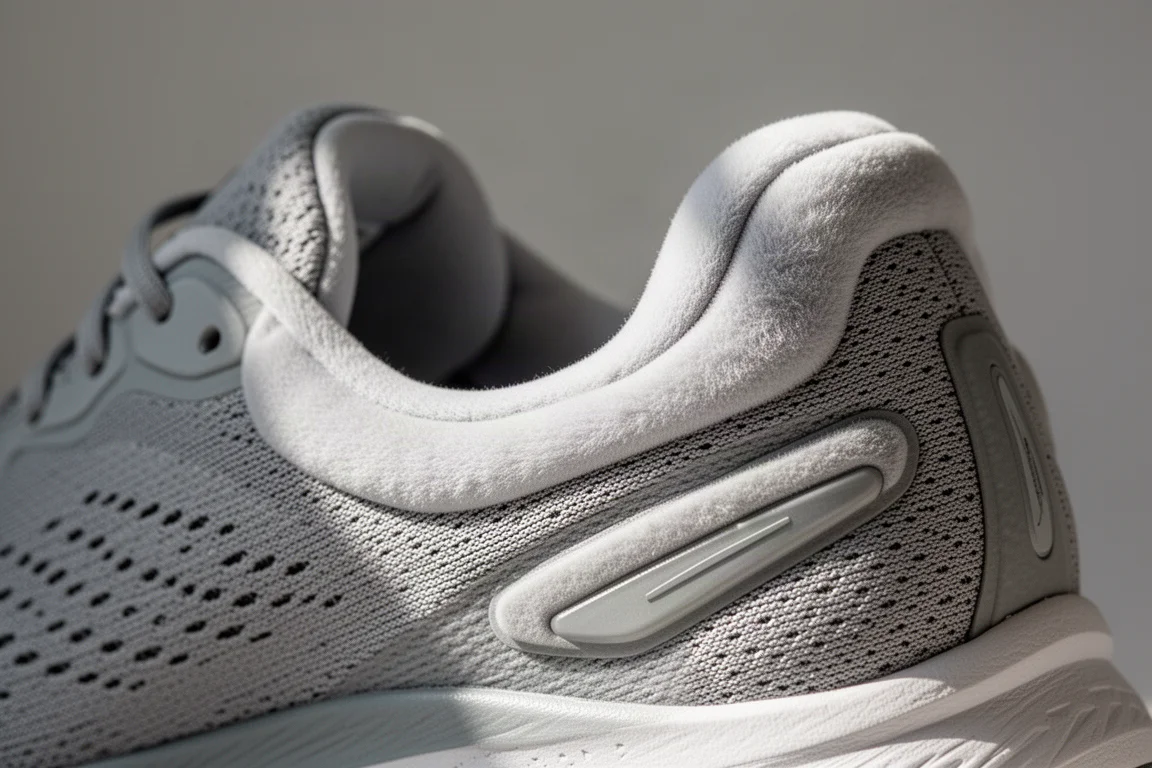
The Glycerin 21 offers a slightly more dialled-in overall fit, helped by its very stiff internal heel counter and a marginally less roomy forefoot. One thing to watch in both shoes is the built-up padding at the heel: combined with the stiff counters, this can irritate sensitive Achilles areas, though it was not a real problem during testing. If heel irritation is a known issue for you, keep it in mind.
Saucony Triumph 22: A Shift Toward Max Cushion
The previous Triumph 21 was a versatile, comfortable cushion trainer that stopped short of the max-cushion category. The Triumph 22 changes that. The stack height is unchanged, but the shoe feels bigger, wider and more stable, and it is now built primarily for easy cruising in the mould of shoes like the ASICS Nimbus or Nike Invincible.
That focus comes at a cost. Despite the new PWRRUN PB midsole, the shoe does not deliver much bounce or pop. It feels soft, comfortable and protective at slow paces, but not responsive or lively. Testers also noted it feels big and chunky on foot, with no real rolling action or rocker sensation; some found themselves working harder to hold a fluid, consistent pace compared with other cushion options.

As a very stable, protective max-cushion cruiser, the Triumph 22 does what it sets out to do, and it may appeal to heel strikers looking for a soft landing. But runners who liked the versatility of the Triumph 21 should expect a noticeably different shoe, with less of the daily-trainer character of previous models.
Brooks Glycerin 21: The Balanced Daily Workhorse
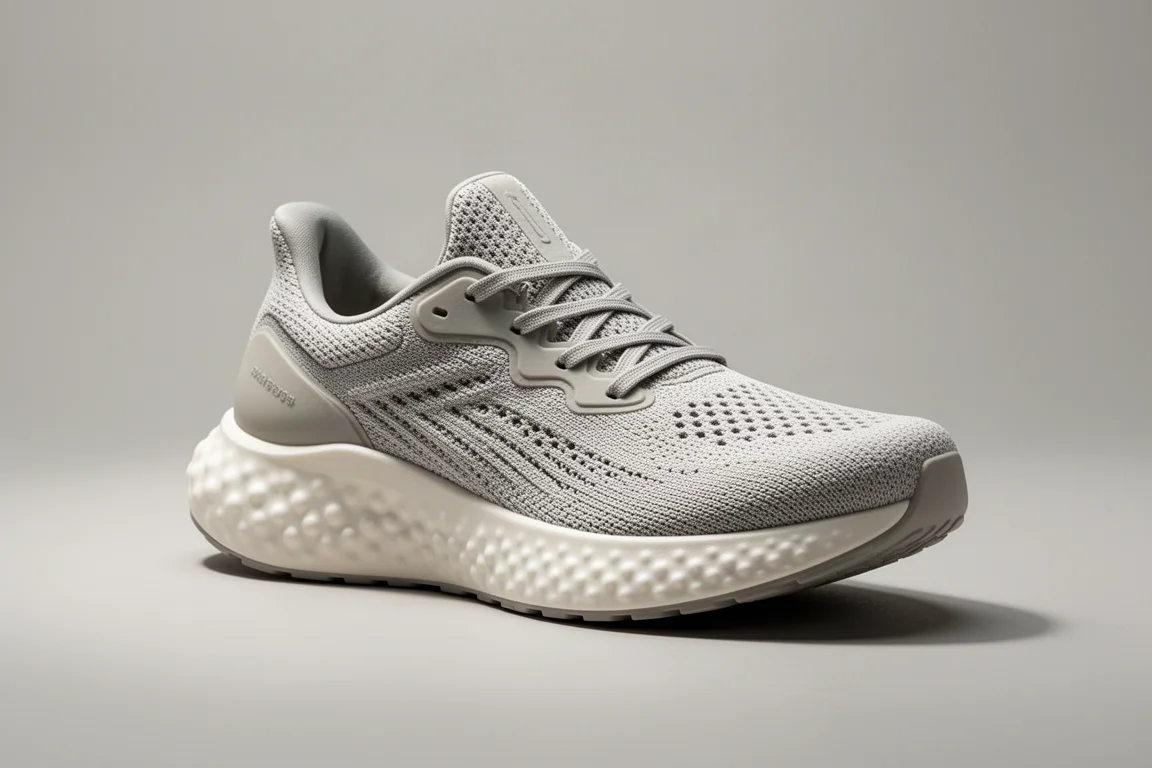
The Glycerin 21 adds a little stack height over the Glycerin 20 while coming in lighter, and it stays true to the cushion daily trainer formula. The DNA Loft v3 foam is firmer than many cushion shoe foams, but it is well balanced: comfortable and protective on long runs and easy days, with a nice bit of resilience and pop off the forefoot when you want to run at a mix of paces.
A standout quality is how the foam behaves over distance. It never bottoms out, and the shoe reportedly feels just as fresh at the end of a long run as it did at the start. That stable platform gives you something to push against, which helps with turnover at the end of long runs and keeps easy days from feeling mushy.
The Glycerin 21 is not a fast shoe, and it is not the pick for intervals or hard workouts. But as a comfortable, stable, all-round easy-day workhorse, it is a solid, refined package and a slight improvement on an already well-liked predecessor.
Overall Buying Advice
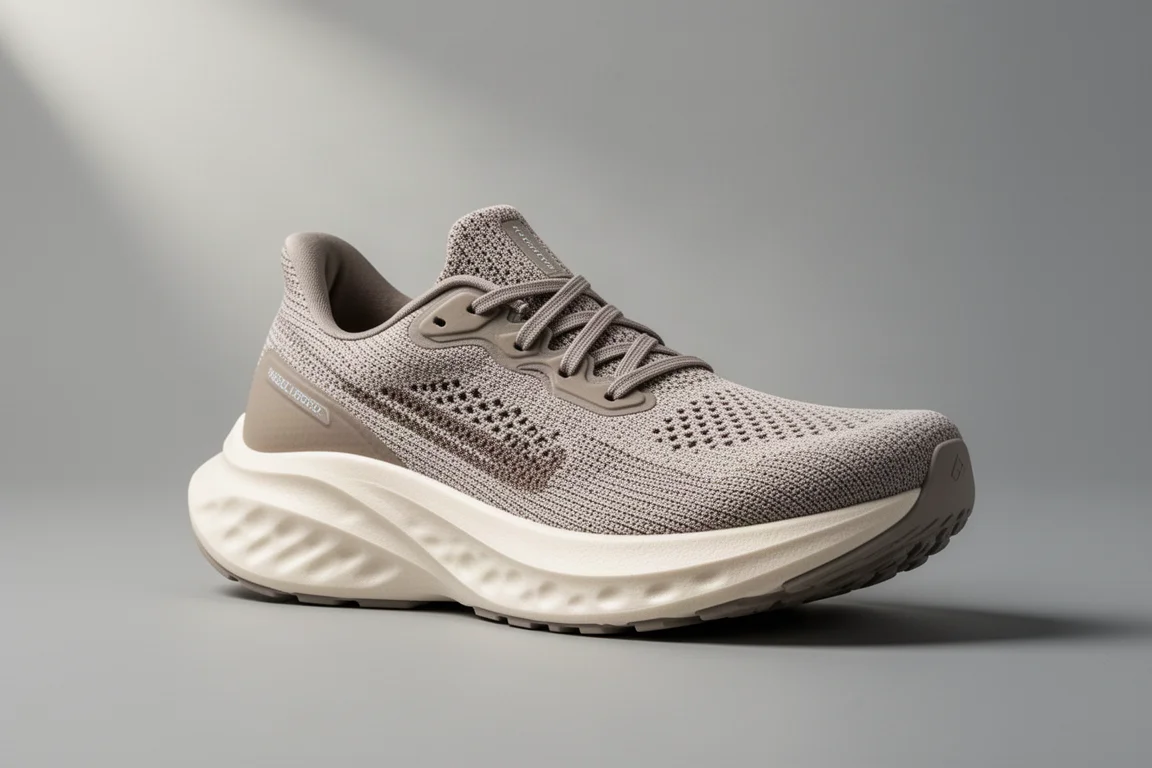
Both shoes occupy the same role: cushion daily trainers for easy running, neither built for speedwork. The deciding factor is the midsole feel. The Glycerin 21’s firmer, more balanced platform keeps a natural turnover and allows you to move a bit faster when you want to, while the Triumph 22 prioritises width, stability and protection above all else.
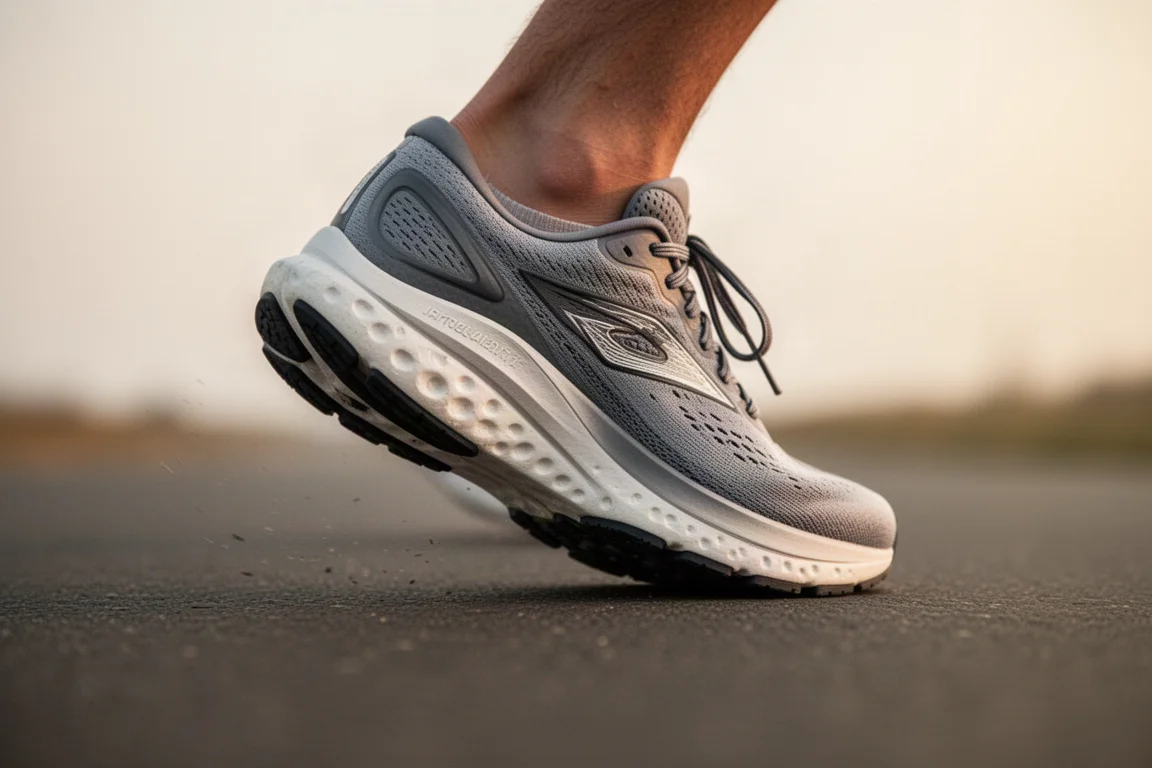
If you want a well-rounded cushion trainer that still feels natural to run in and holds up over long distances, the Glycerin 21 is the stronger all-rounder. If you specifically want a stable, protective max-cushion cruiser and do not mind losing some versatility, the Triumph 22 fits that brief. Runners upgrading from the Triumph 21 should be aware that the geometry has changed significantly and this generation feels like a different shoe.
Conclusion
Between these two premium cushion trainers, the Brooks Glycerin 21 earns the overall nod thanks to its better-balanced midsole, lighter weight and greater versatility within its category. The Saucony Triumph 22 remains a valid choice for runners who want maximum comfort and stability for easy cruising, but it trades away much of the daily-trainer flexibility that made earlier Triumphs appealing. Choose the Glycerin for a balanced workhorse; choose the Triumph if max cushion and stability are your priorities.
Further reading
Related Reviews

Running Shoes
Best Road-to-Trail Running Shoes: Three Versatile Options for Mixed Terrain
A practical guide to three road-to-trail running shoes that handle both pavement and mild trails, with clear strengths and trade-offs for different runner types.

Running Shoes
Best Running Shoes for Achilles Tendonitis: Three Options Explained
Three running shoes with different heel drops and support features designed to help reduce Achilles tendon pain during walking and running.

Running Shoes
Best Running Shoes for Women: Five Top Choices Ranked
A ranked guide to five women's running shoes, from versatile daily trainers to high-performance racing options, with real strengths and trade-offs for each.