Running Shoes
Brooks Glycerin 21 vs Brooks Ghost Max: Which Cushioned Trainer Should You Buy?
Two cushioned Brooks daily trainers built for the same kind of running, but tuned differently. Here is how they compare on fit, ride, stability and value.

Introduction
Brooks has two very good cushioned trainers in its lineup, and they sit closer together than their labels suggest. The Glycerin 21 is the brand’s cushioned daily trainer, all about plush comfort and protection over all distances. The Ghost Max is Brooks’s max cushion shoe, protecting your legs in a slightly different fashion with a rocker-assisted ride.
Both are built for the same core job: easy miles, recovery runs and longer slow efforts. The question is which one suits you better, and the answer depends on how you value fit, ride feel and price. Available in medium and wide fits, the Ghost Max is the cheaper of the two shoes, while the Glycerin 21 commands a premium. After running in both across a mix of paces and durations, here is how they stack up.
At a Glance: Specs and Positioning
The Glycerin 21 costs £145 in the UK or $160 in the US, while the Ghost Max comes in cheaper. On weight, the Ghost Max is the heavier of the two at around 324g, compared to 280g on the Glycerin 21 in the same UK 8 size. Drop differs too: the Ghost Max has a 6mm drop versus the 10mm on the Glycerin 21, with the Max putting more foam under your foot.
That extra foam in the Ghost Max is Brooks’s DNA Loft v2, compared to the softer-feeling DNA Loft v3 in the Glycerin 21. The Ghost Max also adds the GlideRoll rocker to assist the transition from heel to toe. Within Brooks’s range, the Ghost Max is the max cushion option for maximal protection when you run a lot, while the Glycerin 21 is a cushion shoe with a softer-feeling midsole.

Fit and Sizing
Both shoes were tested in a regular running shoe size, a UK 8.5, the size normally worn in Brooks. Overall, the Ghost Max holds a little tighter and feels more snug, while there is noticeably more airiness and roominess in the toe box of the Glycerin 21, to the point where it can feel bordering on too loose.
The Ghost Max is spacious enough with plenty of toe clearance and wiggle room, but if you like things a little more dialed in, the Glycerin’s generous volume may change the dynamism of the ride. Going half a size down in the Glycerin could make it feel more snug and energetic on the foot. That extra room may well suit you if the shoe is destined for ultra distances and very long miles.
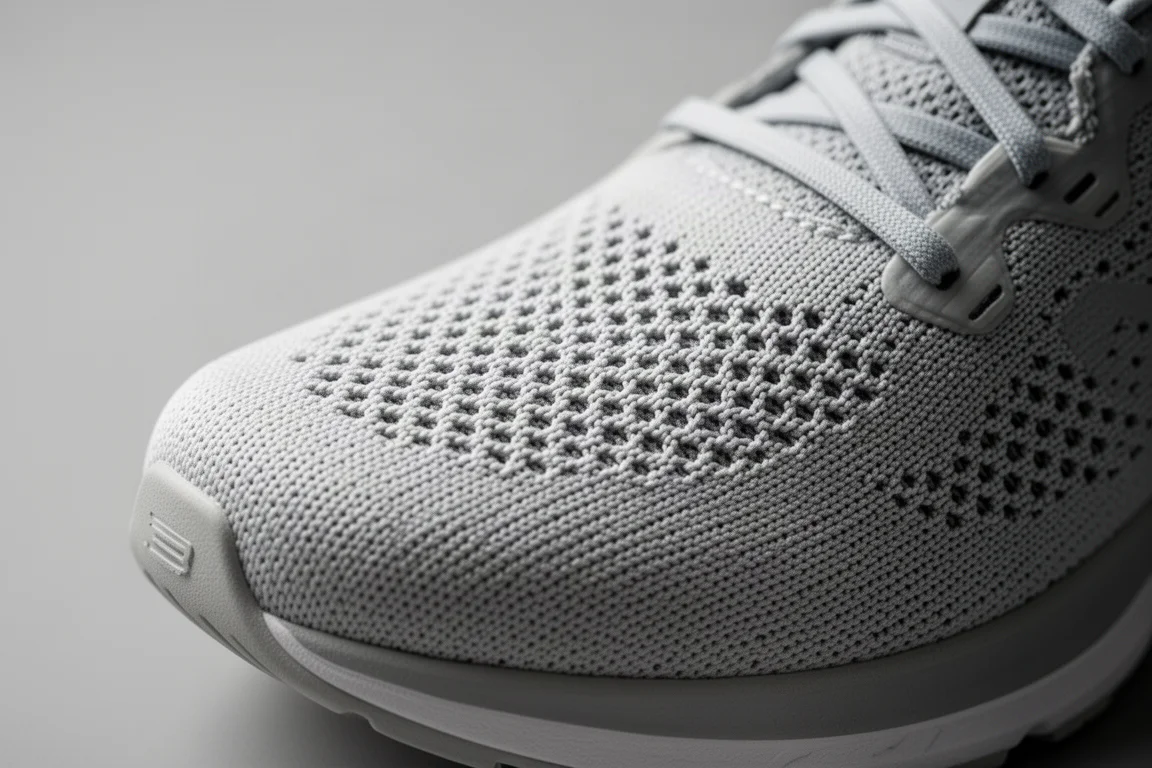
From heel hold to midfoot lockdown, there is not much to choose between them. Both deliver good lockdown and hold, and true to size is a solid recommendation for most runners. There is a bit more padding in the heel on the Glycerin 21, though the Ghost Max still offers a good level of collar comfort, and both share similar spongy laces and tongue padding.
Ride and Performance
In testing, around 50 miles went into the Glycerin 21 and north of that in the Ghost Max, at a mix of paces and durations including slower easy miles up to 90 minutes on foot, plus some faster efforts to test versatility. Most of that was on road, with some river paths mixed in as a good test of grip, stability and durability.
Put them side by side and the similarities are striking: both are very comfortable, both take the edge off the road and deliver plenty of impact protection. The main difference is tuning. The Ghost Max feels slightly softer, while the Glycerin 21’s DNA Loft v3 foam responds a little more, with more immediacy, pop and energy coming out of the midsole. It is not a huge margin.
The Glycerin 21 handles slow, easy miles with sufficient comfort and protection but has more potential for faster efforts, thanks to that snappier, slightly livelier foam. It would not be the first pick for dedicated tempo sessions, but it copes with mid-tempo and up-tempo running better than the Ghost Max, which is more at home plotting out longer, slower efforts. The Ghost Max does have the more notable rocker, and that GlideRoll geometry makes picking the pace up in places feel more natural than its big-cushion label suggests, which partially makes up for its firmer-feeling midsole.

Stability is a strong point on both. The Glycerin is designed with a wide base to balance out midsole bounce, while the Ghost Max uses a broad base and heel counter for added support. The Ghost Max edges it slightly on stability, which is worth factoring in if that matters to you. The Glycerin is also marginally lighter, though that difference is not decisive.
Outsoles, Grip and Durability
Both shoes pack plenty of rubber on the outsole, signalling they are well equipped for dry and wet conditions and built to soak up a lot of running time. The Ghost Max has a more consistent outsole design, while the Glycerin 21 takes a more unique approach across the different sections of the foot.
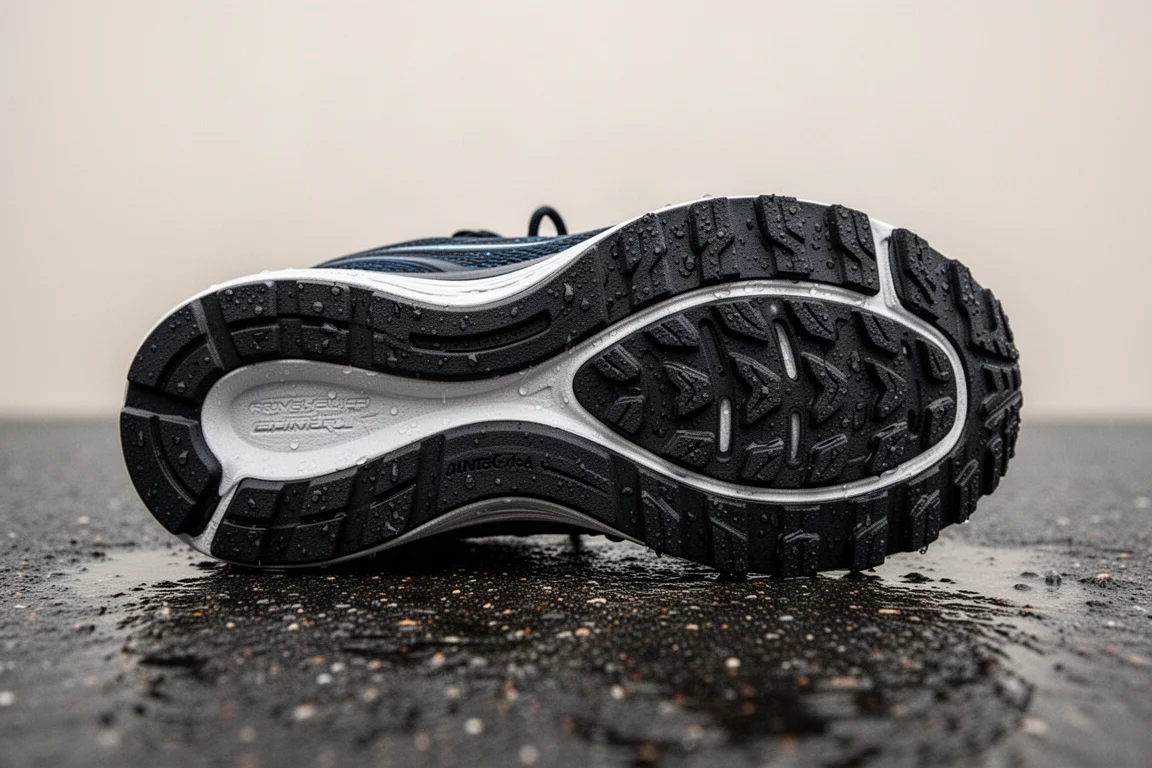
Either way, the experience is very good. The outsoles clearly scream durability, promising plenty of rubber to last a long time while gripping well and adding to the stable, planted nature of both shoes.
Which One Should You Buy?
Both are very capable shoes with solid credentials, particularly at the easier end of everyday daily miles. If you want a shoe tuned primarily for soft cushioned comfort over easy recovery miles, the Ghost Max does that job well and saves you money in the process. If you want a shoe that covers more range, handling the slow and easy miles while offering noticeably more for faster paces, the Glycerin 21 is the more versatile pick despite the higher price.
For runners who value a snugger, more dynamic fit, the Ghost Max feels more dialed in. For those after maximum toe box space, especially for ultra distances, the Glycerin 21 offers that ample room. And if stability is a priority, the Ghost Max is marginally more stable.
Conclusion
These are two good cushioned Brooks shoes designed for the same types of runs, delivering that experience slightly differently. The Glycerin 21 is softer and livelier, making it the more versatile all-rounder, while the Ghost Max counters with a more engaging rocker, a slightly firmer but protective ride, a snugger fit and a lower price. If easy and recovery miles are your priority, the Ghost Max is the smart value pick. If you want one shoe that can stretch further across your training week, the Glycerin 21 justifies the spend.
Product link
View more details for Brooks Glycerin 21
This product is mentioned in the review. Check the specifications, options, and compatibility before buying.
View more details for Brooks Glycerin 21Further reading
Related Reviews

Running Shoes
Best Road-to-Trail Running Shoes: Three Versatile Options for Mixed Terrain
A practical guide to three road-to-trail running shoes that handle both pavement and mild trails, with clear strengths and trade-offs for different runner types.

Running Shoes
Best Running Shoes for Achilles Tendonitis: Three Options Explained
Three running shoes with different heel drops and support features designed to help reduce Achilles tendon pain during walking and running.

Running Shoes
Best Running Shoes for Women: Five Top Choices Ranked
A ranked guide to five women's running shoes, from versatile daily trainers to high-performance racing options, with real strengths and trade-offs for each.