Running Shoes
Brooks Glycerin 21 Review: A Smoother Max Cushion Daily Trainer, Plus Shoes to Pair and Compare
The Glycerin 21 finally gets nitro-infused DNA Loft v3. Here is how it runs, which shoes complete a rotation around it, and how it stacks up against the Saucony Triumph RFG and Brooks Ghost Max.
Introduction
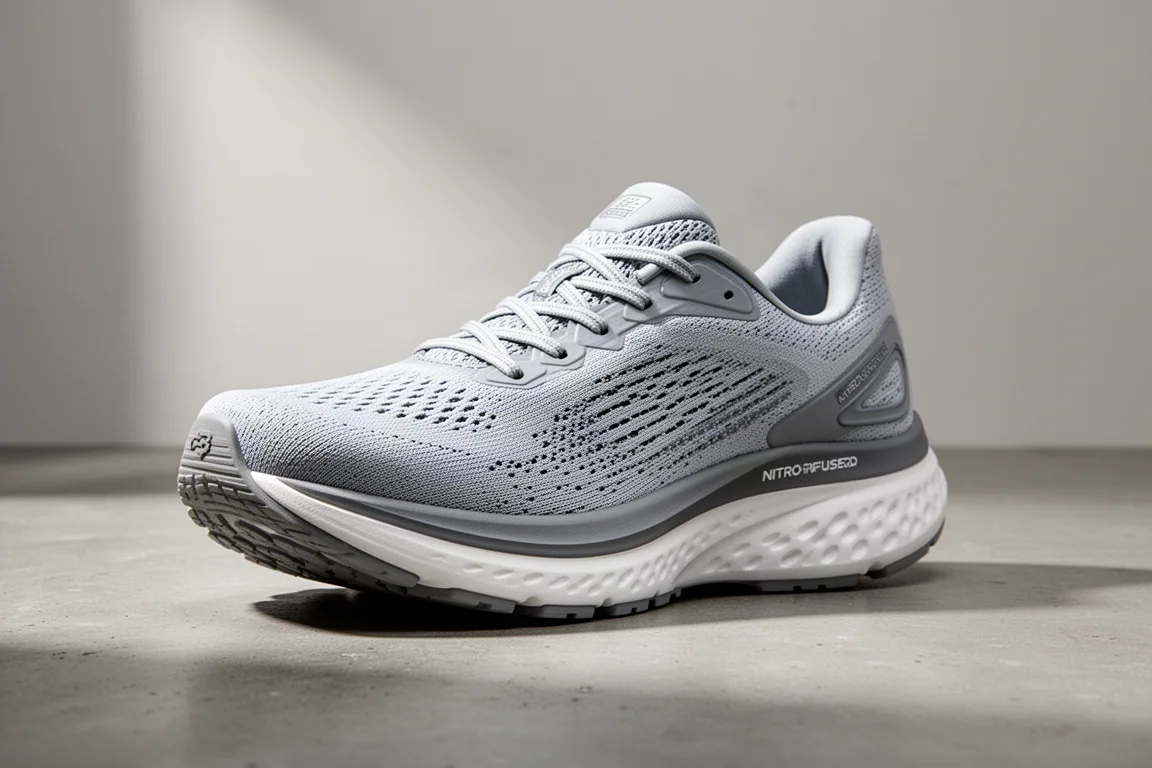
For a while, the Brooks Glycerin has been a shoe that many runners respected but only some truly enjoyed. The Glycerin 21 changes that conversation by bringing a new nitro-infused midsole foam to Brooks’s flagship max cushion trainer. The result is a shoe that keeps the familiar Glycerin character but adds a bit more softness and a bit more spring.
This article covers what the Glycerin 21 does well, what to check before buying, and which shoes pair with it or compete against it, including the Brooks Hyperion Max, Saucony Endorphin Pro 3, Saucony Triumph RFG, and Brooks Ghost Max.
Specs and Fit: What Brooks Changed
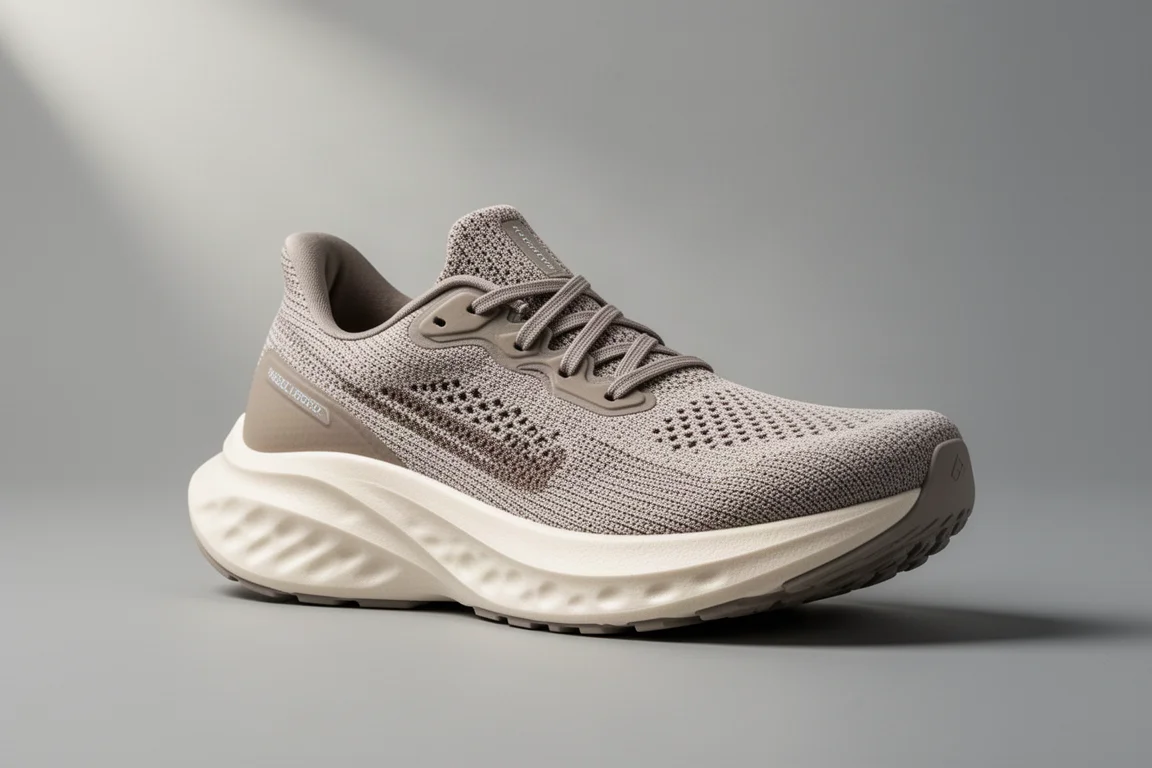
The Glycerin 21 is a 28 mm stack shoe with a 10 mm drop, leaving 18 mm of foam under the forefoot. The headline update is DNA Loft version 3, a nitro foam, replacing the older compound. Protecting that midsole is Brooks’s Road Tack outsole, a rubber and silica blend with nearly full coverage, which should translate into plenty of durable miles.
The upper uses what Brooks calls a warp knit. It is not the sock-like traditional knit you find in the Glycerin Stealth Fit, but it is soft and stretchy. Sizing true to size worked well, and the fit feels consistent with other recent Brooks models. There is generous padding throughout: a plush tongue, puffy laces, and a well-padded heel cup reinforced with internal and external plastic pieces so it does not feel floppy. All of this brings the shoe to 9.8 oz (277 g).
How the Glycerin 21 Runs
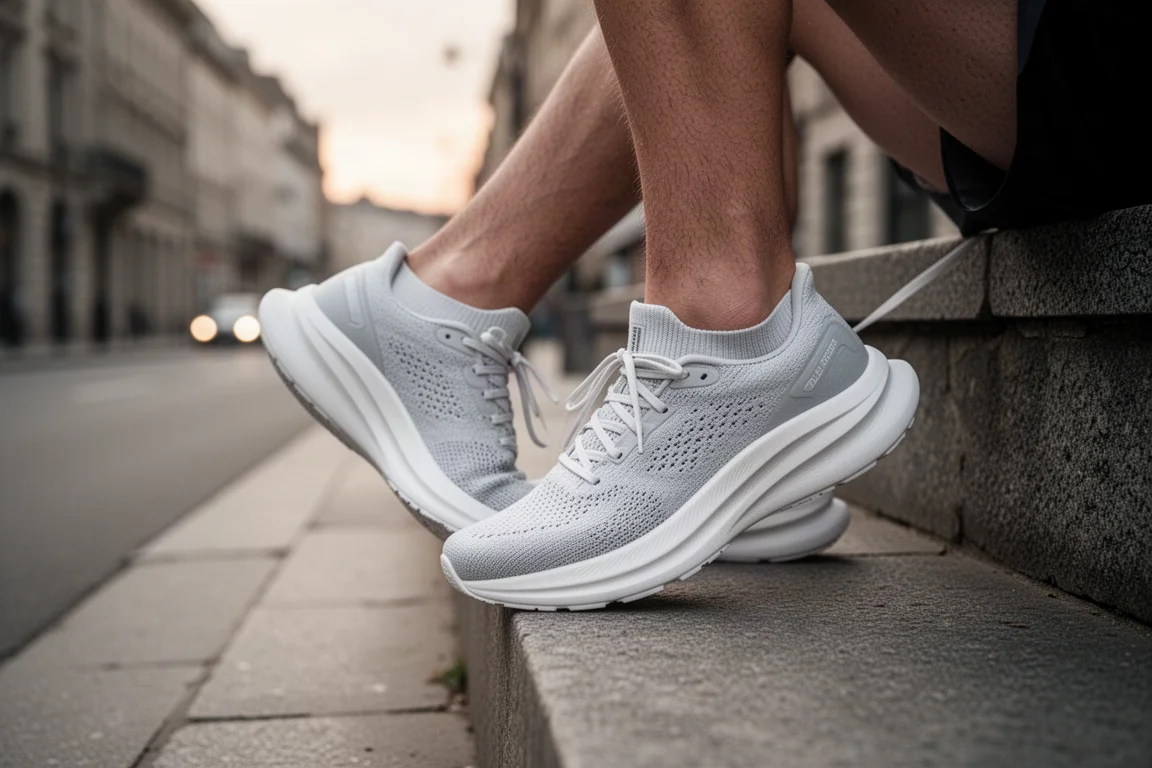
This is the version of the Glycerin that finally clicks. The DNA Loft v3 midsole keeps the traditional Glycerin feel but adds softness and a little bounce, so you get more cushion and more pep at the same time. Overall it is still a relatively firm shoe, and fans of previous Glycerins should feel right at home, but the ride is noticeably smoother this year.
It even handles short bursts of speed reasonably well, such as strides in the middle of an easy run. Where it truly belongs, though, is daily training: easy miles, high weekly volume, and frequent use several times per week. It is also comfortable enough to wear casually.
Building a Rotation Around the Glycerin 21
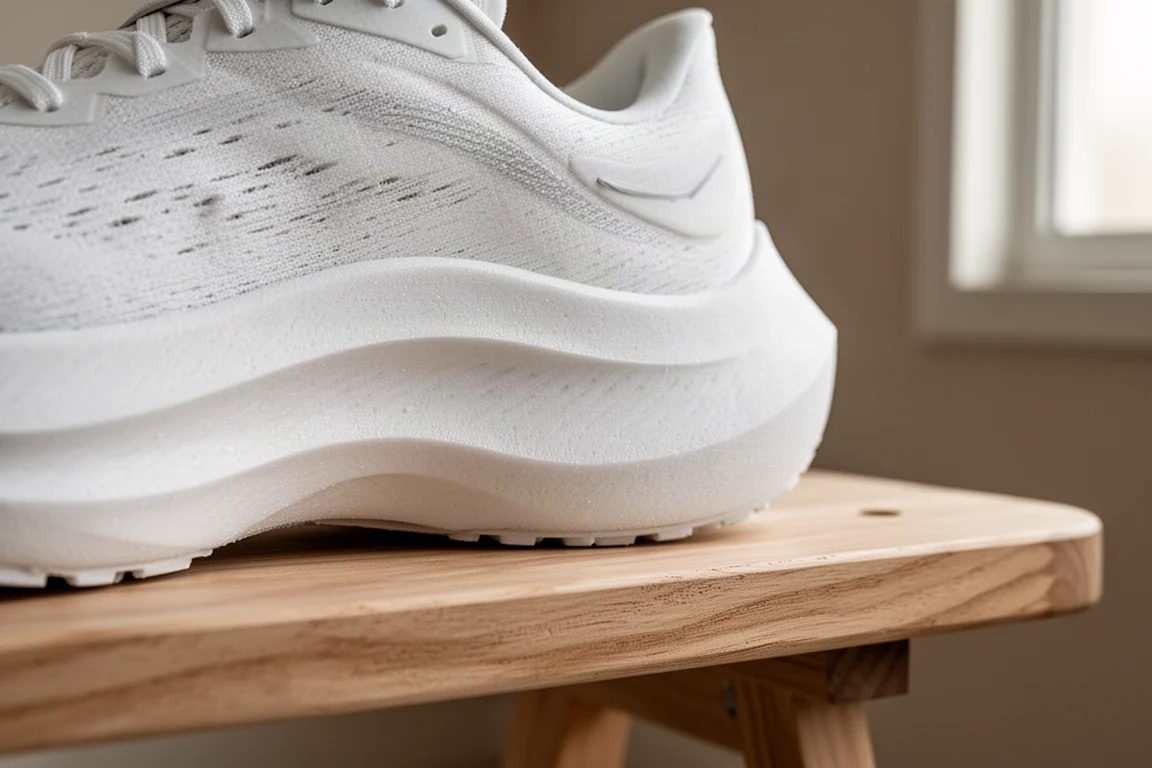
Think of the Glycerin 21 as your recovery run, easy run, and slow long run shoe. To round out a rotation, you want one speed-oriented trainer and one race shoe.
Speed Days: Brooks Hyperion Max
The Hyperion Max uses DNA Flash, a sibling nitro foam to the Glycerin’s DNA Loft v3. It runs slightly firmer and is designed for picking up the pace, which makes it a fun option for faster days in a Glycerin-based rotation.
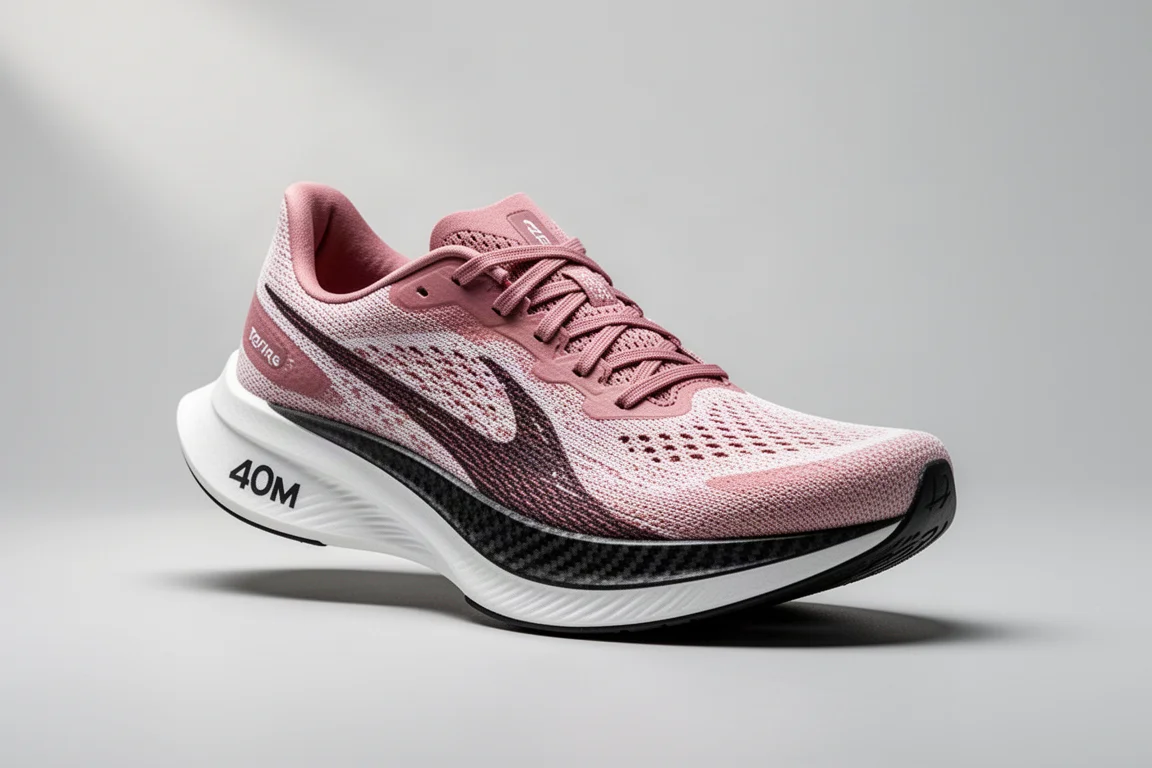
Race Day: Saucony Endorphin Pro 3
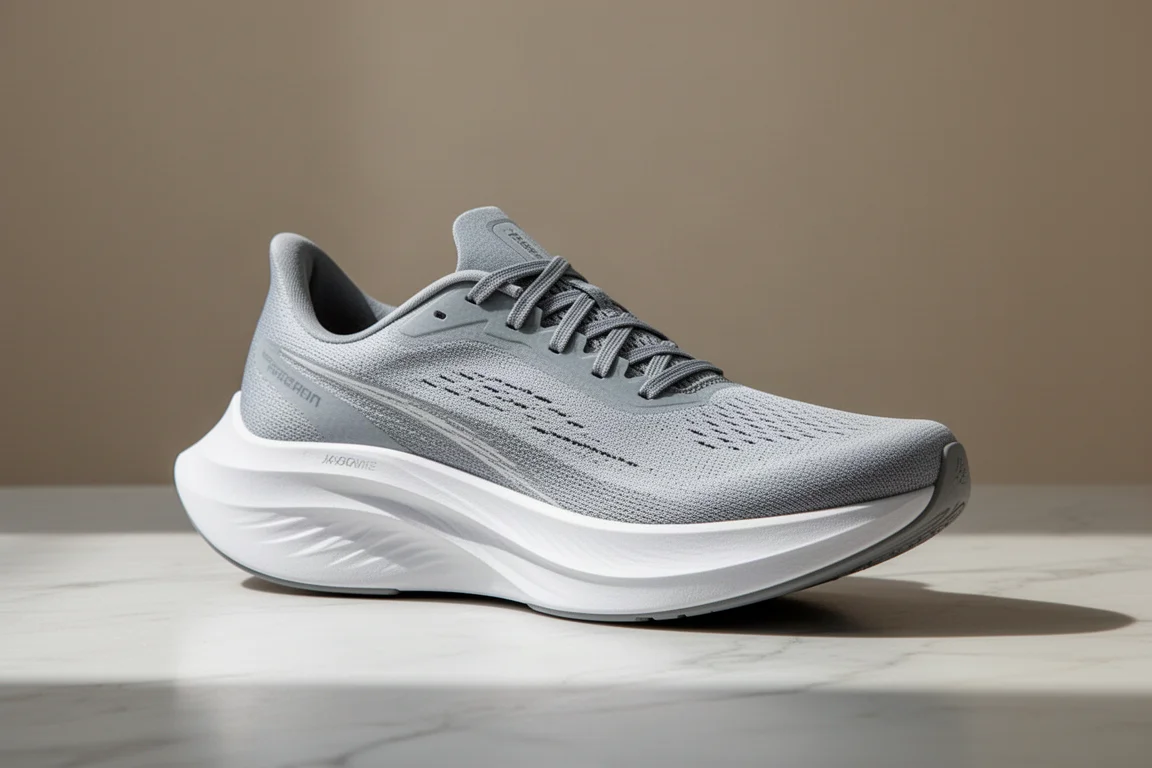
For race day, the Endorphin Pro 3 is an approachable pick that suits Glycerin fans. It offers a good amount of cushion plus real springiness, and the carbon fiber plate keeps it snappy and stable. Many runners will be able to run well in it straight away.

Buying Guide: How the Glycerin 21 Compares
The Glycerin 21 costs $160, which has become the going rate for premium max cushion daily trainers. With that in mind, here are the closest alternatives.
Closest Rival: Saucony Triumph RFG
The Triumph RFG is the most direct comparison from Saucony. Both shoes occupy the max cushion premium daily trainer slot: lots of stack height with decent firmness and stability, plus the ability to pick up the pace in short bursts. The Triumph RFG’s midsole feels a touch more cushioned and more lively, which makes it the preference here, though both come in at $160.
Brooks’ Own Rival: Brooks Ghost Max
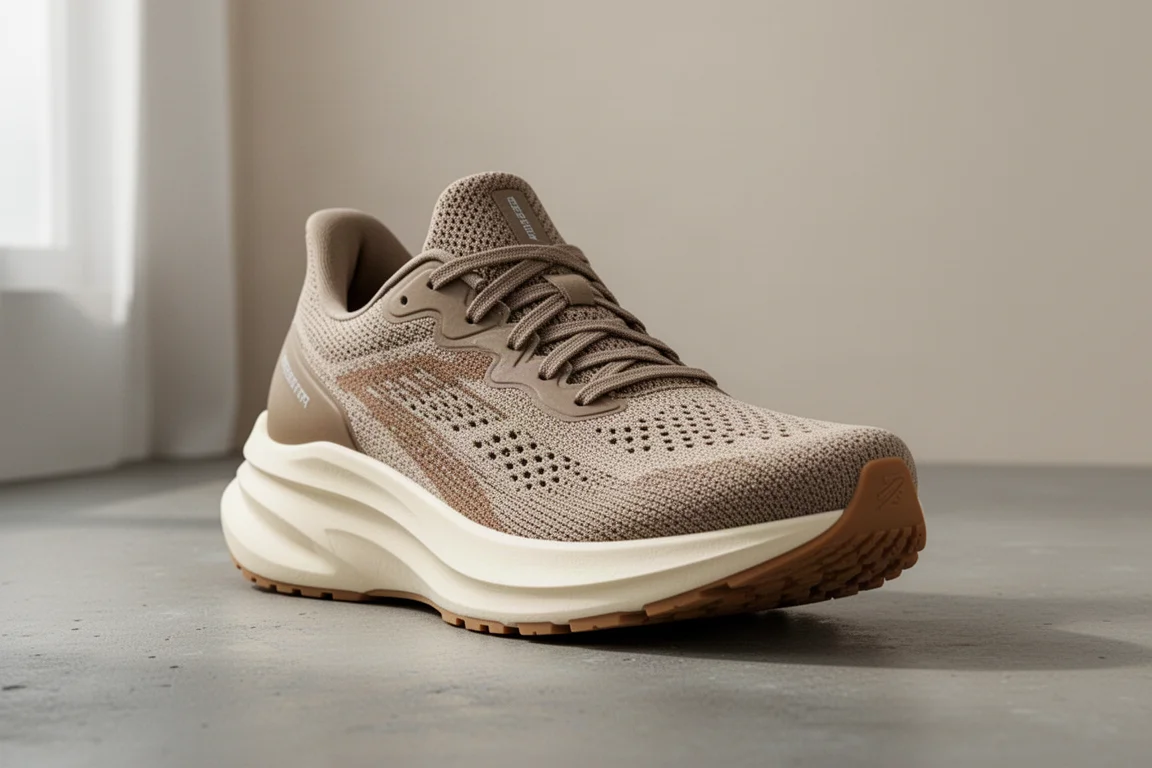
Ironically, the Glycerin 21’s stiffest competition comes from Brooks itself in the form of the Ghost Max, a taller, squishier take on the regular Ghost. It uses last-generation DNA Loft v2, but in an airier, spongier tune. It is a little less lively on treadmill miles or tempo efforts, but for simply soaking up everyday miles and logging high weeks, its more relaxed attitude is appealing. At $150 it also undercuts the Glycerin by $10.
Conclusion
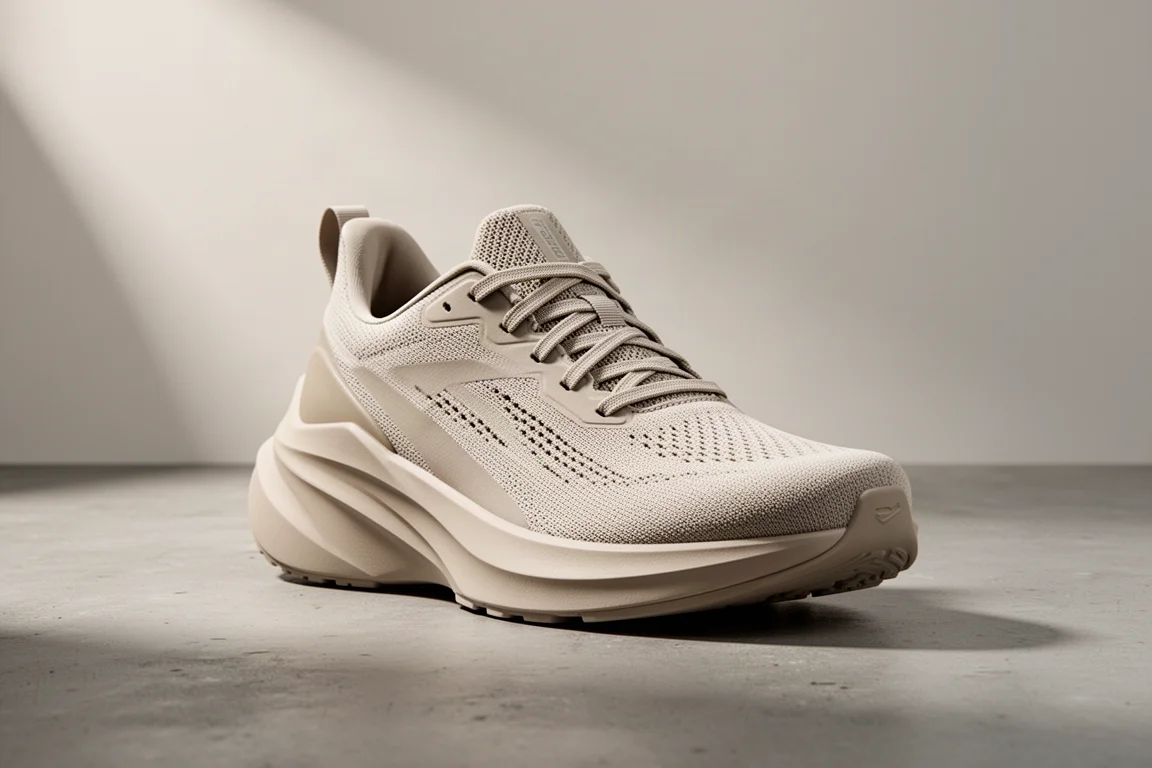
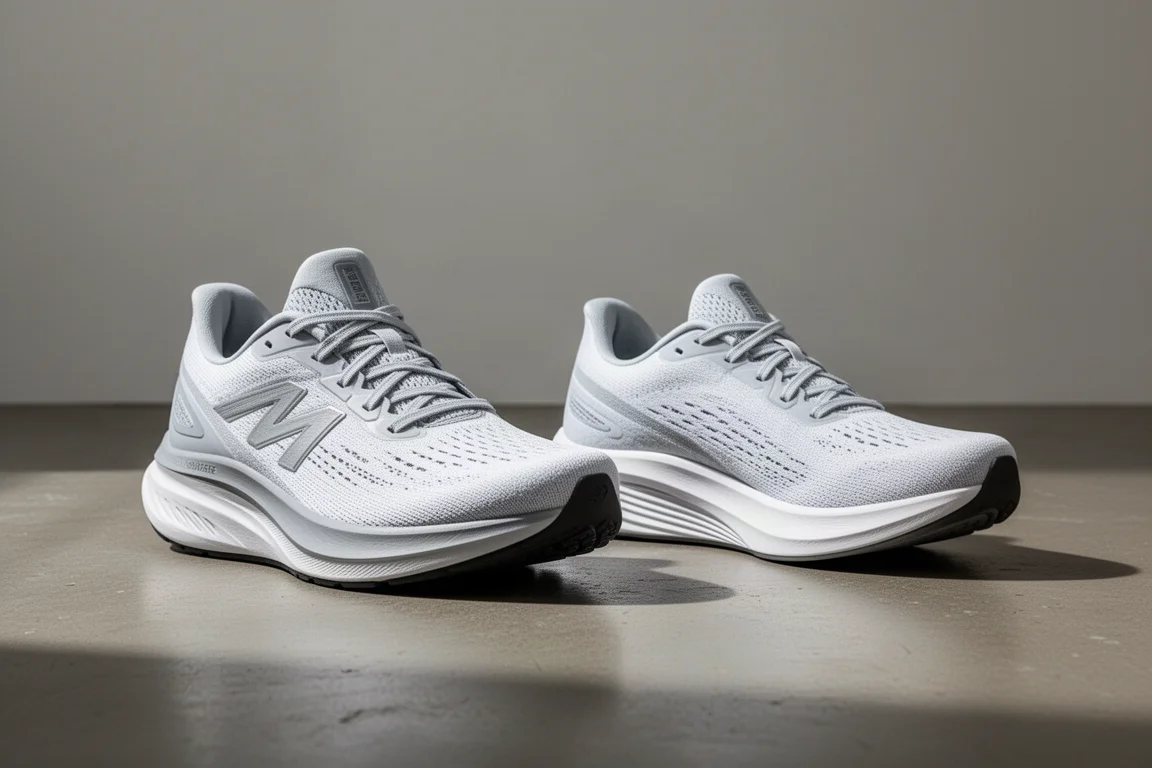
The Glycerin 21 finally earns its place as a max cushion daily trainer, with new DNA Loft v3 foam delivering a smoother, slightly springier ride while keeping the familiar firm-but-plush Glycerin feel. Pair it with the Hyperion Max for speed days and the Endorphin Pro 3 for race day, or weigh it against the Saucony Triumph RFG and the $150 Brooks Ghost Max if you want a different flavor of the same category. Any of these four can anchor a comfortable high-mileage routine; the right choice comes down to whether you prefer a touch more spring, a more relaxed ride, or the most balanced option of the bunch.
Further reading
Related Reviews

Running Shoes
Best Road-to-Trail Running Shoes: Three Versatile Options for Mixed Terrain
A practical guide to three road-to-trail running shoes that handle both pavement and mild trails, with clear strengths and trade-offs for different runner types.

Running Shoes
Best Running Shoes for Achilles Tendonitis: Three Options Explained
Three running shoes with different heel drops and support features designed to help reduce Achilles tendon pain during walking and running.

Running Shoes
Best Running Shoes for Women: Five Top Choices Ranked
A ranked guide to five women's running shoes, from versatile daily trainers to high-performance racing options, with real strengths and trade-offs for each.