Running Shoes
Brooks Glycerin 21 Review: The Dependable Max-Cushion Daily Trainer
A 10-mile test of the Brooks Glycerin 21, the simple, bouncy, traditional-feeling max-cushion cruiser that quietly gets the job done.
Introduction
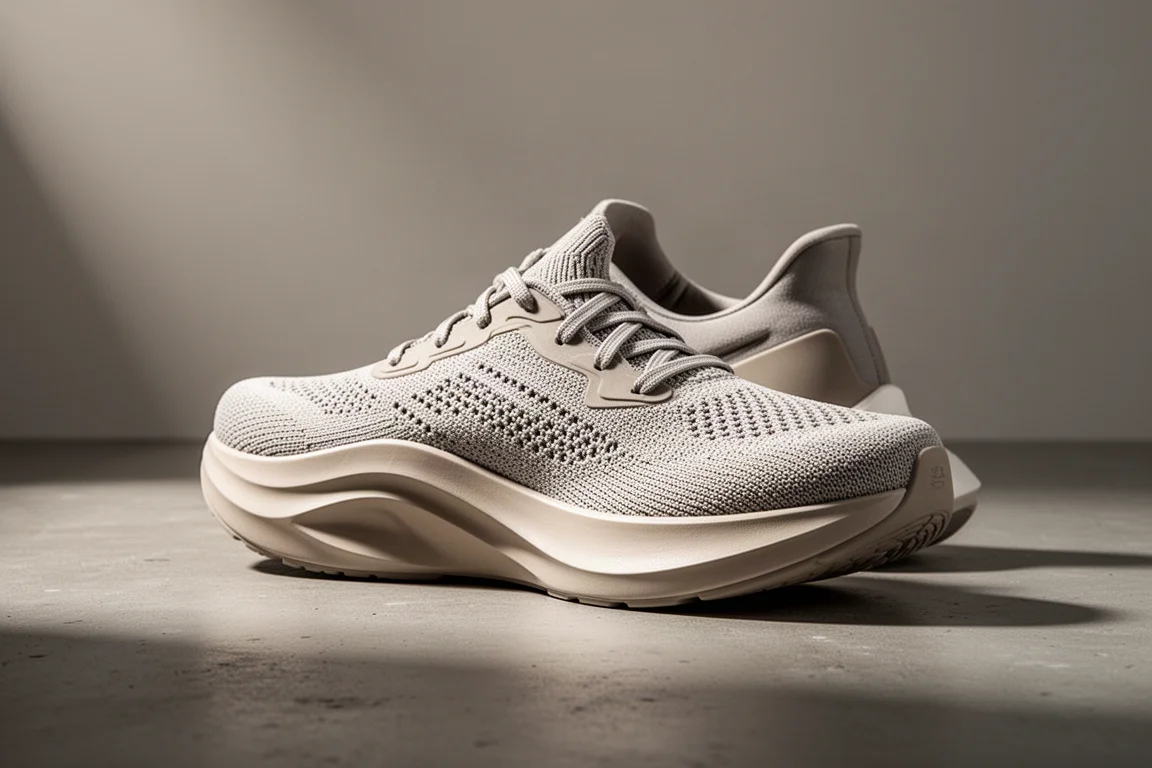
The Brooks Glycerin 21 is the latest version of one of the longest-running names in running shoes. It uses the same DNA Loft v3 supercritical foam found in the Brooks Ghost 16, a big slab of it, wrapped in a structured upper with a 10 mm drop. On the scale it comes in at around 299.5 g, which is solid for a daily trainer and genuinely lightweight for a max-cushion shoe.
The clear appeal here is versatility. Yes, you can put serious miles into it, but with so many plated, performance-oriented max-cushion shoes now on the market, the Glycerin works just as well for relaxed miles, recovery runs, and walking around town. It is not trying to be the softest, bounciest, or most exciting shoe. It is trying to be the one you reach for every day.
Who This Product Is For
This is the classic pick for bigger runners who want extra support and comfort underfoot, and it has been that shoe for years. The foam is dense and squishy rather than deep and sinky, so it holds up under power instead of bottoming out.
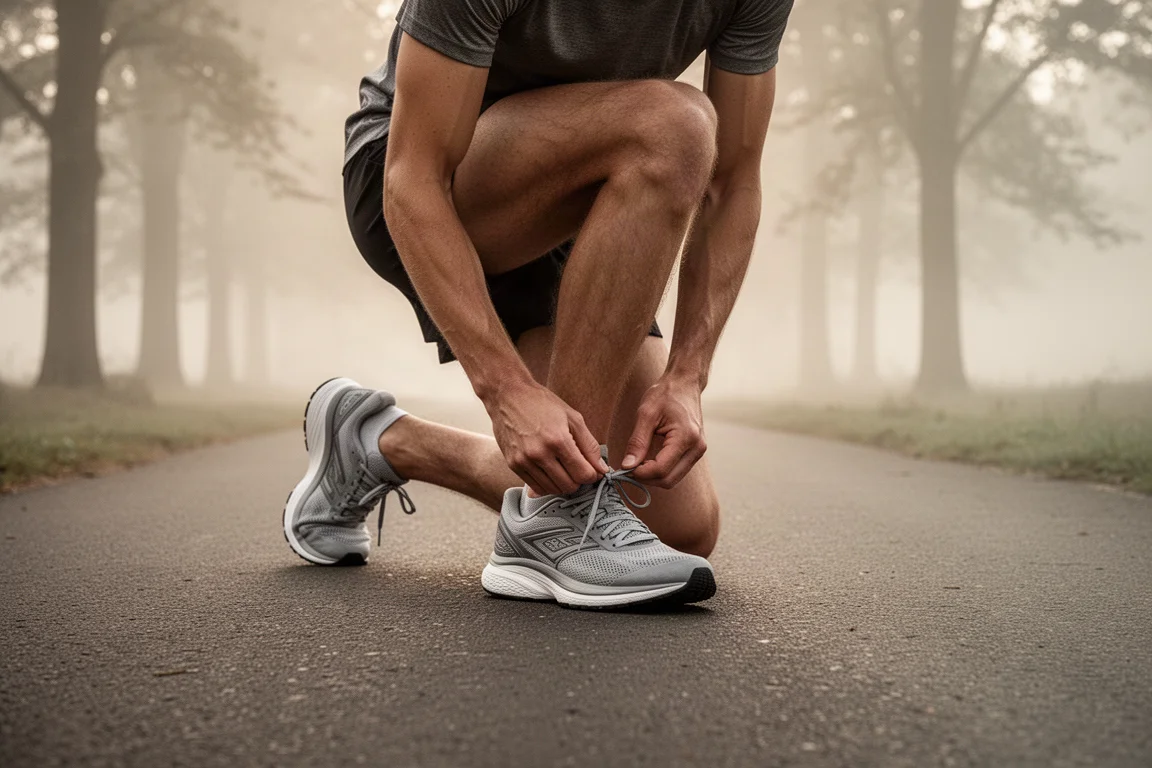
If you love a 10 mm drop with a big chunk of foam at the heel, this shoe delivers that feeling in spades. The heel stack looks enormous, and heel strikers get a very forgiving landing zone. If you do not love 10 mm drops, the Ghost Max, with its lower 4 mm drop and smoother walking roll, may suit you better, and the upcoming Ghost Max 2 is expected to use a similar foam to the Glycerin.
Main Strengths
The midsole is the story. DNA Loft v3 is a supercritical foam, meaning gas is injected during manufacturing to make it airier, lighter, and bouncier than standard EVA. In practice it sits on the softer side of the spectrum without being the softest, and it is bouncier than it is soft. It is one of the best traditional-feeling everyday foams available: good impact absorption with a genuinely pleasant bounce.
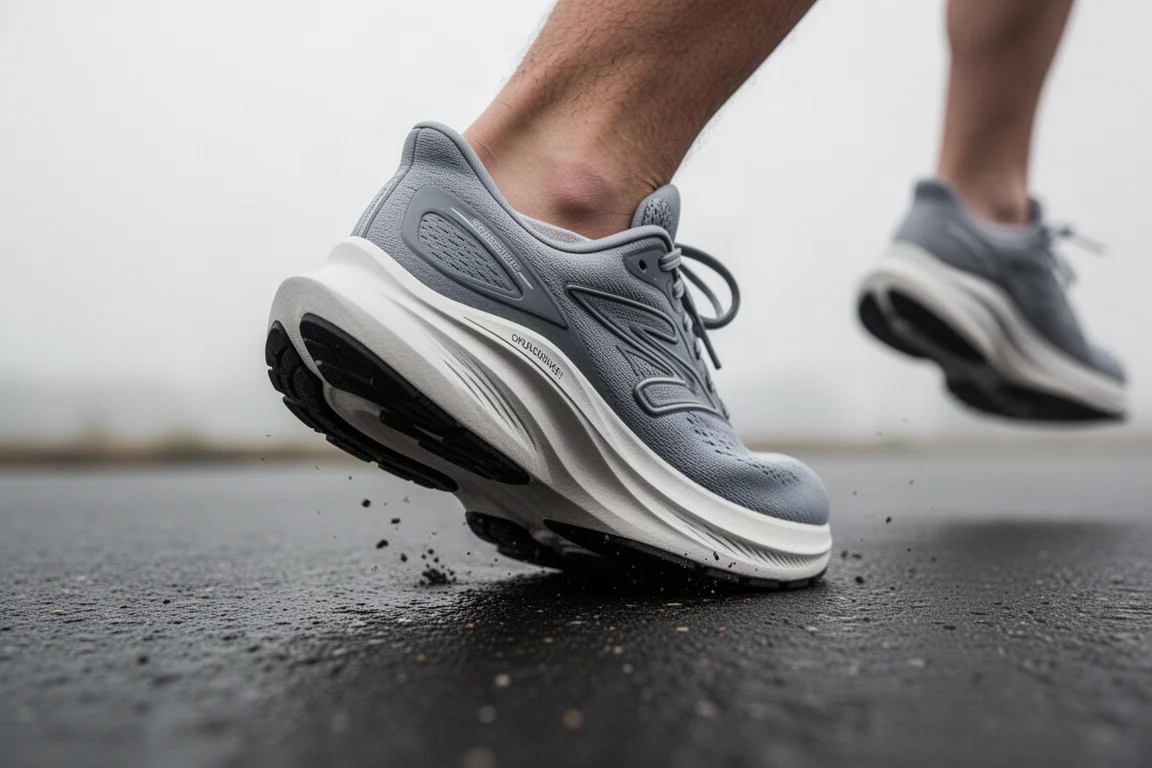
Durability is another strength. Brooks runs a gigantic chunk of rubber on the outsole, which protects the big foam slab underneath. The base is decently wide, especially at the heel, and stability feels solid. There is also a GTS (Go-To Support) version with a more prescriptive stability setup if you need it.
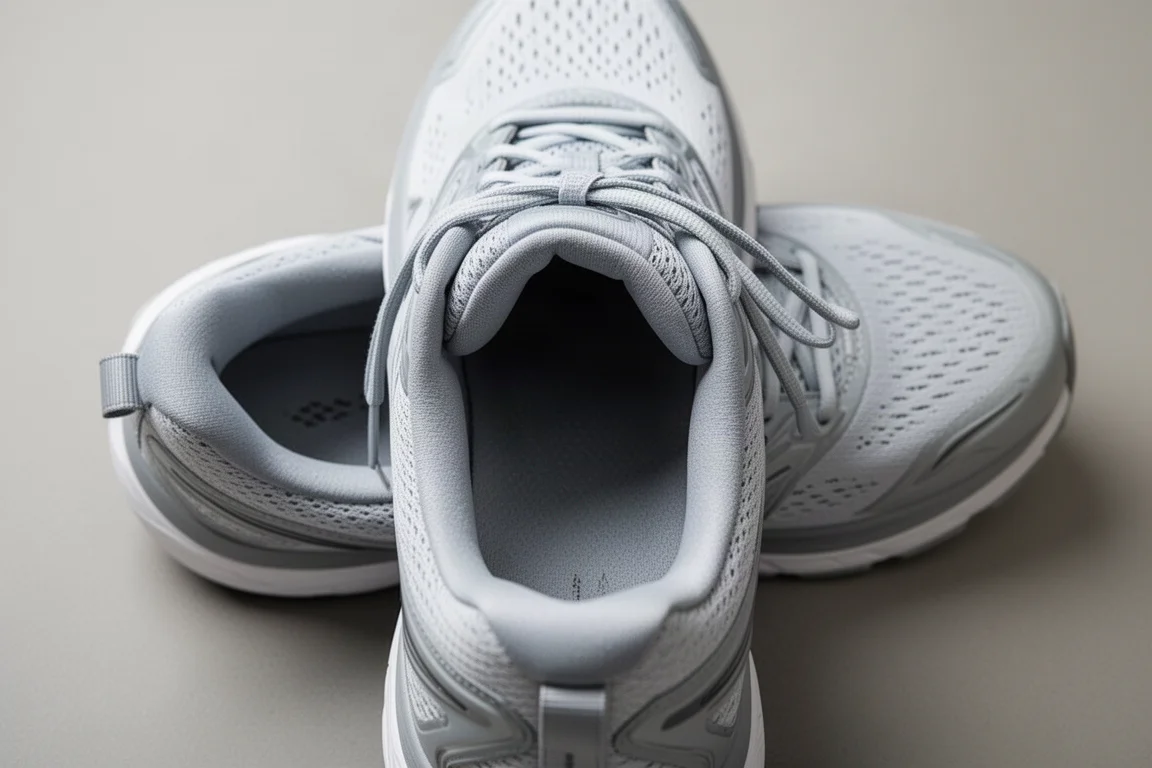
Fit is true to form: the upper is structured, especially at the heel counter, the padding is comfortable, and the tongue is well cushioned. Breathability is average, but that is expected for a comfort-oriented trainer rather than a race shoe. The shoe also comes in multiple widths, including wide, and the standard fit runs a little narrow, so wide-footed runners should consider the wide option.
Things to Consider Before Buying
The 10 mm drop is the main consideration. It is great for heel striking, but higher-drop shoes can alter some runners’ stride in ways they do not enjoy. The rocker is also more aggressive than the Ghost Max, angling you forward through toe-off, which some will love and others will not.
At $160, it sits above the traditional $140 daily trainer category and competes with shoes like the Nimbus and the 1080. It is not the softest, most stable, or most exciting in that group. What it offers instead is balance: enough cushion, enough bounce, and nothing that gets in the way. The toe box runs narrow, so sizing up in width is worth checking. The all-white colorway reviewed here looks fantastic but demands careful treatment if you plan to use it as a travel or road-trip shoe.
How It Performs on the Run
Over a 10-mile run that started relaxed and built to around 7:30 to 7:40 pace, the Glycerin 21 did everything asked of it. Early impressions: there is nothing objectionable about this shoe, and that is the highest compliment for this category. The foam came alive more when the pace picked up, suggesting the shoe rewards runners who put real power through it.
By mile 7 the shoe had essentially disappeared on foot. It provides exactly what you need and nothing you do not want. Throwing in strides down to 5:20 pace at the end, it performed well, which speaks to versatility beyond easy miles. For long efforts, it is easier to trust over 90 minutes than something like the 1080, and it projects comfortably toward 20-plus mile days. Marathoners regularly train in it for a reason.
Compared with the Ghost Max, the Glycerin feels significantly higher underfoot, with more pep from the foam. Compared with the Invincible 3, it is less squishy and far more normal-feeling, without the bouncy lack of control.
Buying Advice
If you want a simple, traditional-feeling shoe with modern cushioning, this is one of the best options available. It fills the role the Pegasus and Ride once held, with more stack, more balance, and a touch more excitement. For relaxed running, daily mileage, marathon training, and even casual wear, it is a genuine do-it-all option.
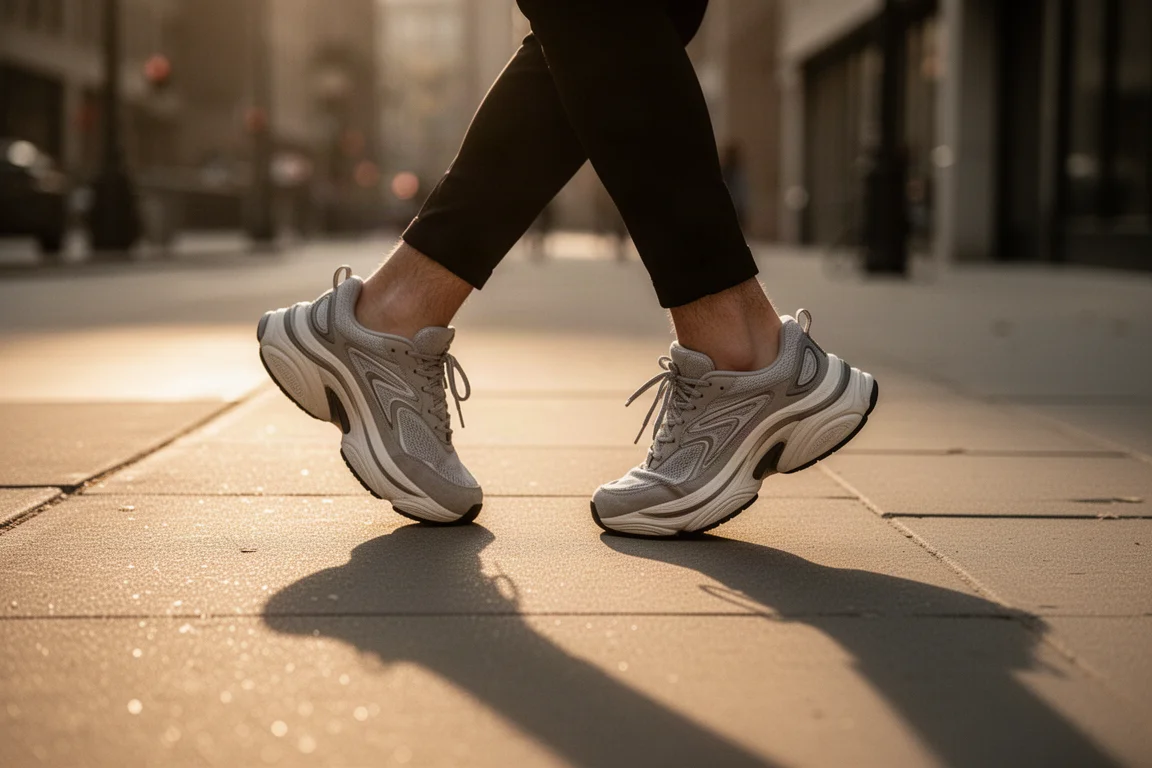
One note after the first run: fine creases already show in the foam, and it will likely soften slightly over the first several miles. That is normal for supercritical foams and should only improve the ride. If you need more room up front, go wide. If you want the same comfort with a smoother walking roll and lower drop, look at the Ghost Max instead.
Conclusion
The Brooks Glycerin 21 is a quiet overachiever. It has no superlatives unless “most normal” counts, and that is precisely why it works. It melts into the background, handles easy miles, marathon training, strides, and errands without complaint, and its dense DNA Loft v3 foam makes it especially friendly for bigger runners. If you have been hunting for a reliable, comfortable, traditional-feeling daily trainer with modern cushioning, the Glycerin 21 belongs near the top of your list.
Product link
View more details for Brooks Glycerin 21
This product is mentioned in the review. Check the specifications, options, and compatibility before buying.
View more details for Brooks Glycerin 21Further reading
Related Reviews

Running Shoes
Best Road-to-Trail Running Shoes: Three Versatile Options for Mixed Terrain
A practical guide to three road-to-trail running shoes that handle both pavement and mild trails, with clear strengths and trade-offs for different runner types.

Running Shoes
Best Running Shoes for Achilles Tendonitis: Three Options Explained
Three running shoes with different heel drops and support features designed to help reduce Achilles tendon pain during walking and running.

Running Shoes
Best Running Shoes for Women: Five Top Choices Ranked
A ranked guide to five women's running shoes, from versatile daily trainers to high-performance racing options, with real strengths and trade-offs for each.