Running Shoes
Brooks Glycerin 20 vs New Balance Fresh Foam 1080 v12: Which Cushioned Trainer Fits Your Running?
Two premium cushioned daily trainers compared for fit, comfort, versatility and grip, plus the alternatives worth a look.
Introduction
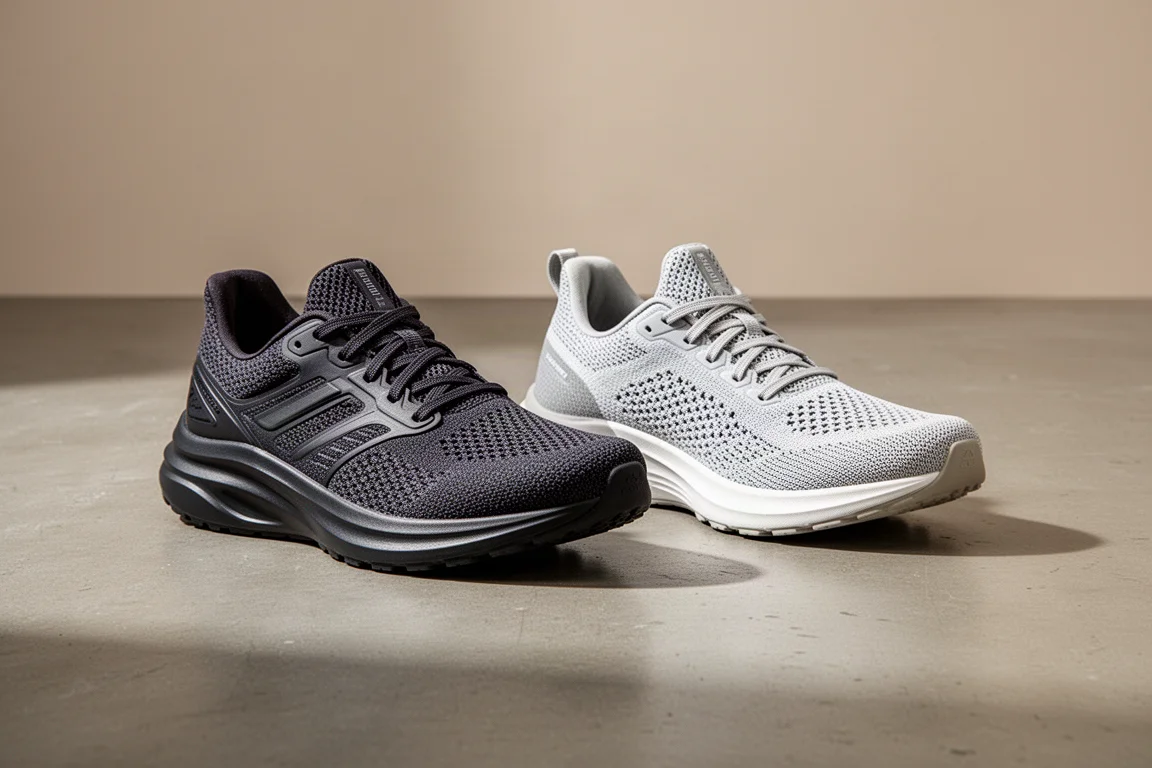
If you are shopping for a cushioned daily trainer, two shoes are almost always at the top of the shortlist: the Brooks Glycerin 20 and the New Balance Fresh Foam 1080 v12. Both sit at the premium end of the cushioning market, both are built for easy and daily miles, and both cost roughly the same. The real question is not which one is better overall, but which one matches the type of running you actually do.
Quick Specs and Fit
The Brooks Glycerin 20 costs £150 (no US price given), weighs 298g (10.5 oz) for men in a size 8, and has a 10mm drop. The New Balance Fresh Foam 1080 v12 costs £145 or $159.99, weighs 283g (9.9 oz) in the same size, and has an 8mm drop.
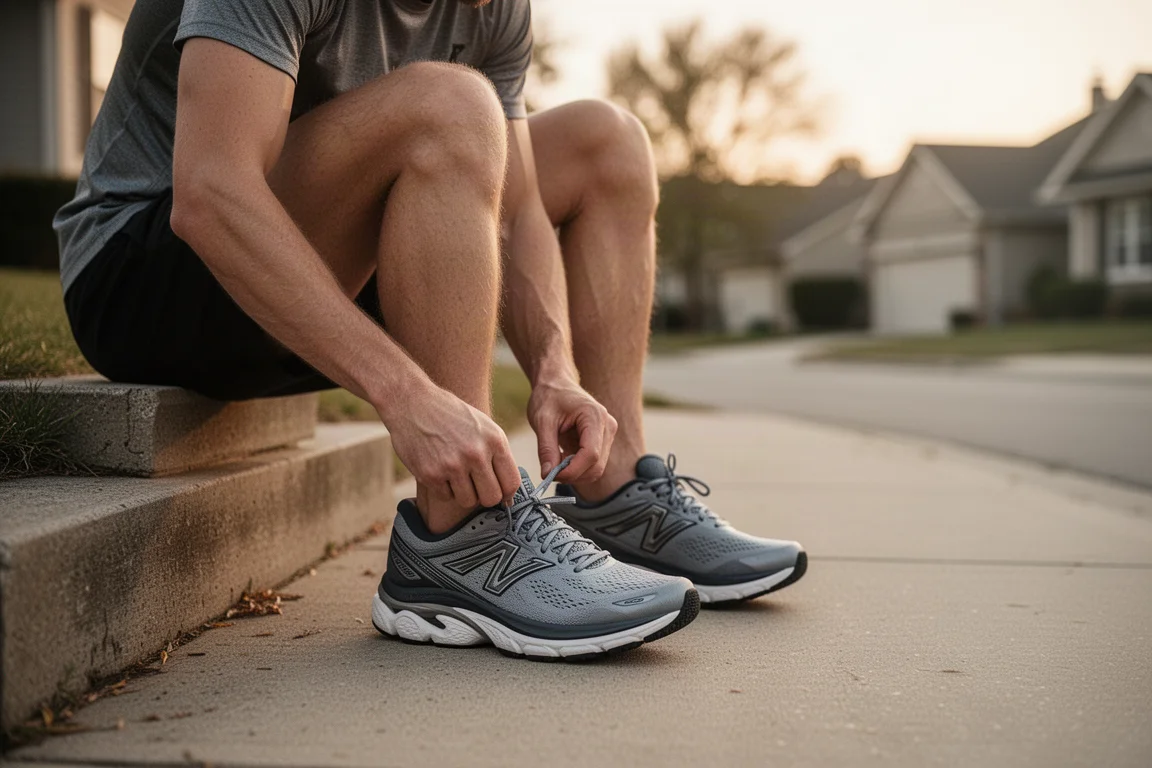
Fit is where the two diverge. The Glycerin 20 runs true to size with a relaxed, plush upper and plenty of room in the forefoot and midfoot. The 1080 v12 is the opposite story: an updated heel collar with more foam padding moves the foot back in the shoe, leaving extra room at the front. Sizing down by half a size is the safer bet there.
Brooks Glycerin 20: Comfort First
The Glycerin 20 brings one of the biggest design changes in the line’s history: a nitrogen-infused DNA Loft v3 midsole that is lighter, softer and more responsive than before. It feels bouncier and more engaging than the previous version, and the engineered mesh upper with generous padding around the collar and tongue cradles the foot on every run.
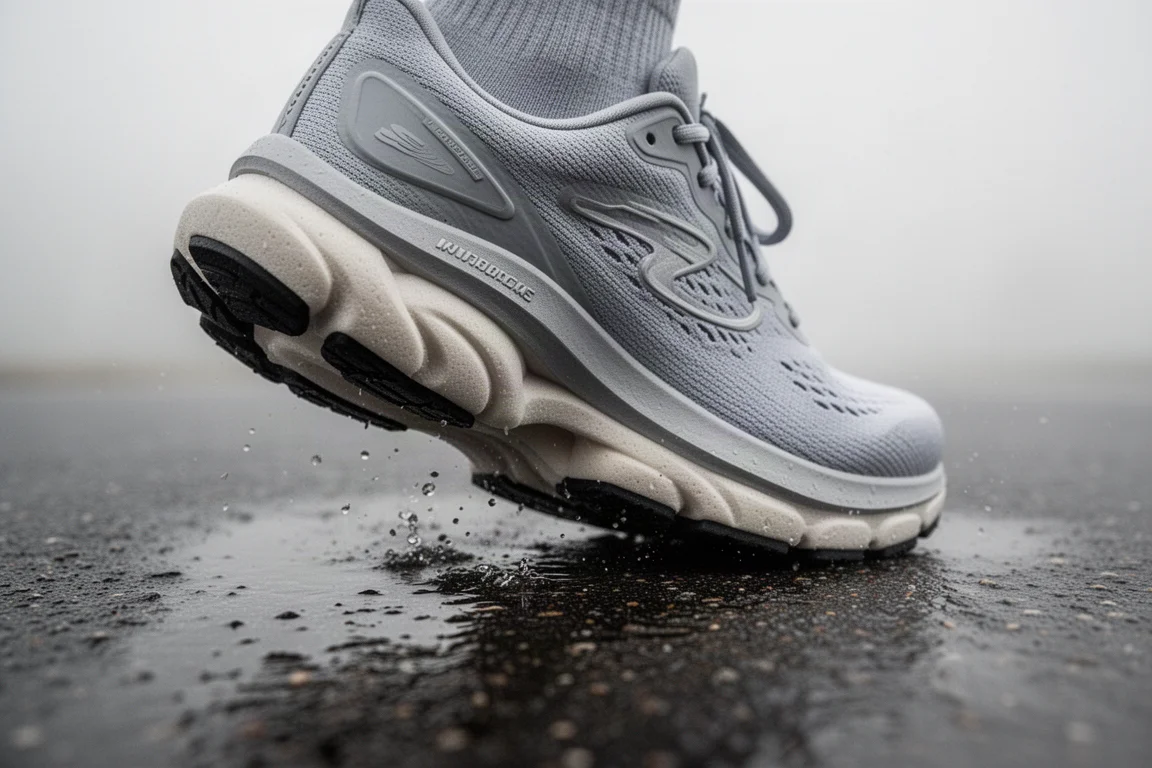
This is a shoe that shines on easy miles. It is not built for speed; over the first stretch of a longer race it can feel sluggish, though it settles into a steadier rhythm later on and handles a consistent pace over distance better than expected. If your priority is comfortable, enjoyable running and building mileage without worrying about tempo work, the Glycerin 20 is hard to beat.
New Balance Fresh Foam 1080 v12: The Versatile All-Rounder
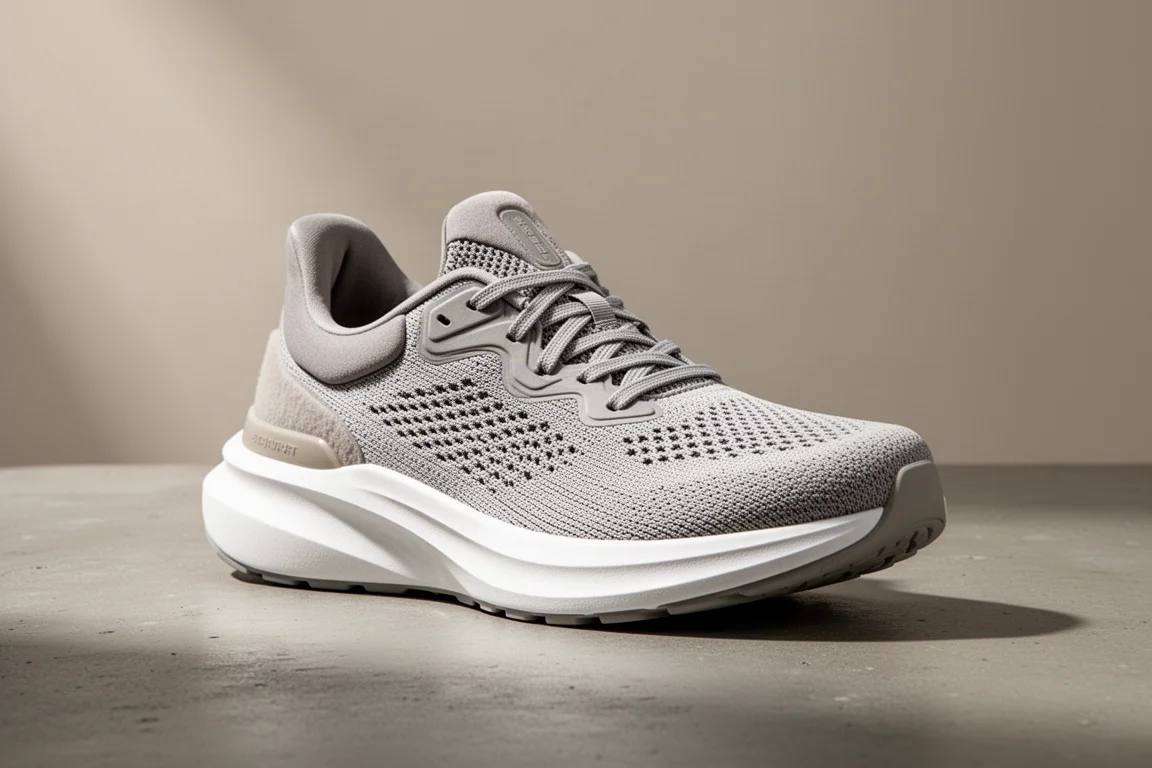
New Balance calls the 1080 its best running shoe, and in practice that mostly means it is the most versatile. The Fresh Foam X midsole sits almost perfectly between soft and firm, so it never feels sluggish on easy runs but still has enough responsiveness for faster training days. It is comparable in cushioning to the Glycerin 20, just slightly firmer.

Where the 1080 v12 pulls ahead is range. It can cover easy miles, daily training, tempo sessions and even race day in one pair, which is why so many runners training for a first marathon choose it. The heel collar update over the v11 is a real improvement too, fixing the earlier heel slippage complaints with a plusher, more secure fit. Just remember to size down half a size.
Grip and Outsole Durability
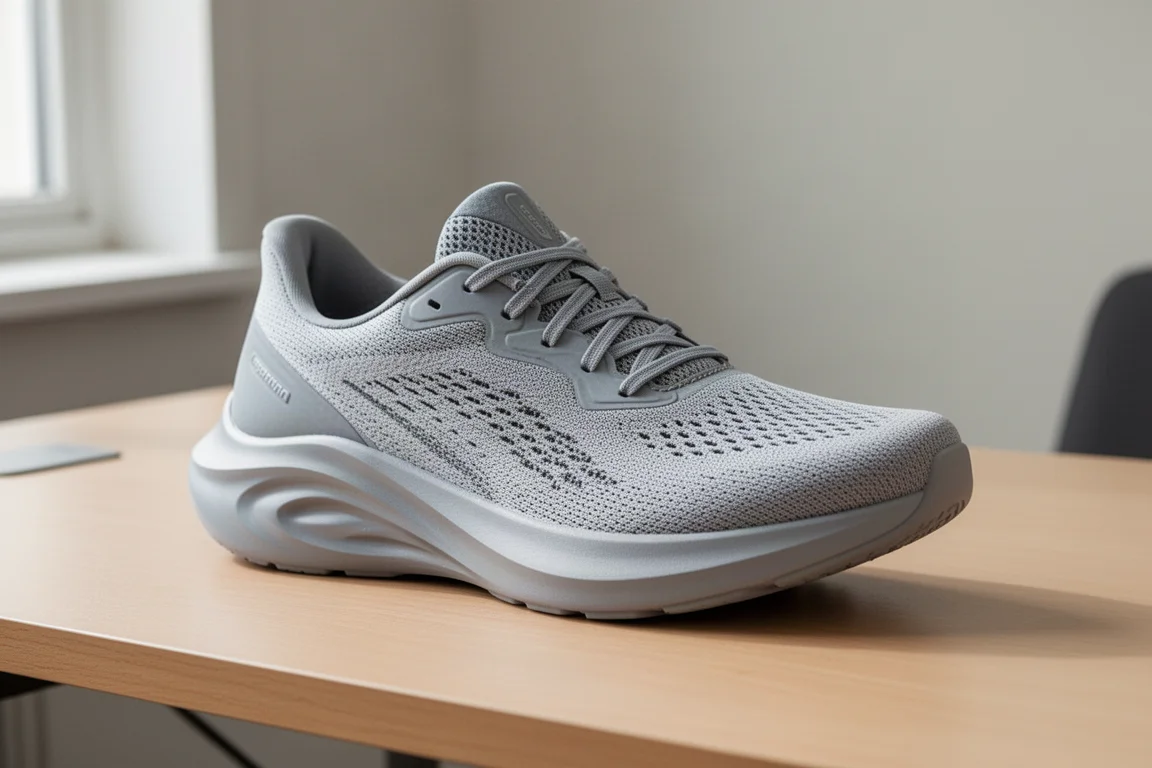
Both shoes carry a healthy covering of outsole rubber, with only small exposed patches of midsole. The Glycerin 20 uses a particularly sticky rubber that performs well across varied terrain, and it is the stronger of the two for pure grip. The 1080 v12 is not far off, though, and both should hold up well over consistent daily use.
Alternatives Worth Considering
If neither of the two headliners is quite right, two alternatives deserve a look. The New Balance Fresh Foam More v3 is the more cushioned sibling of the 1080: thicker, heavier and noticeably softer, but far less versatile. If maximum comfort is all you want, it is arguably the best cushioned shoe of this whole group.
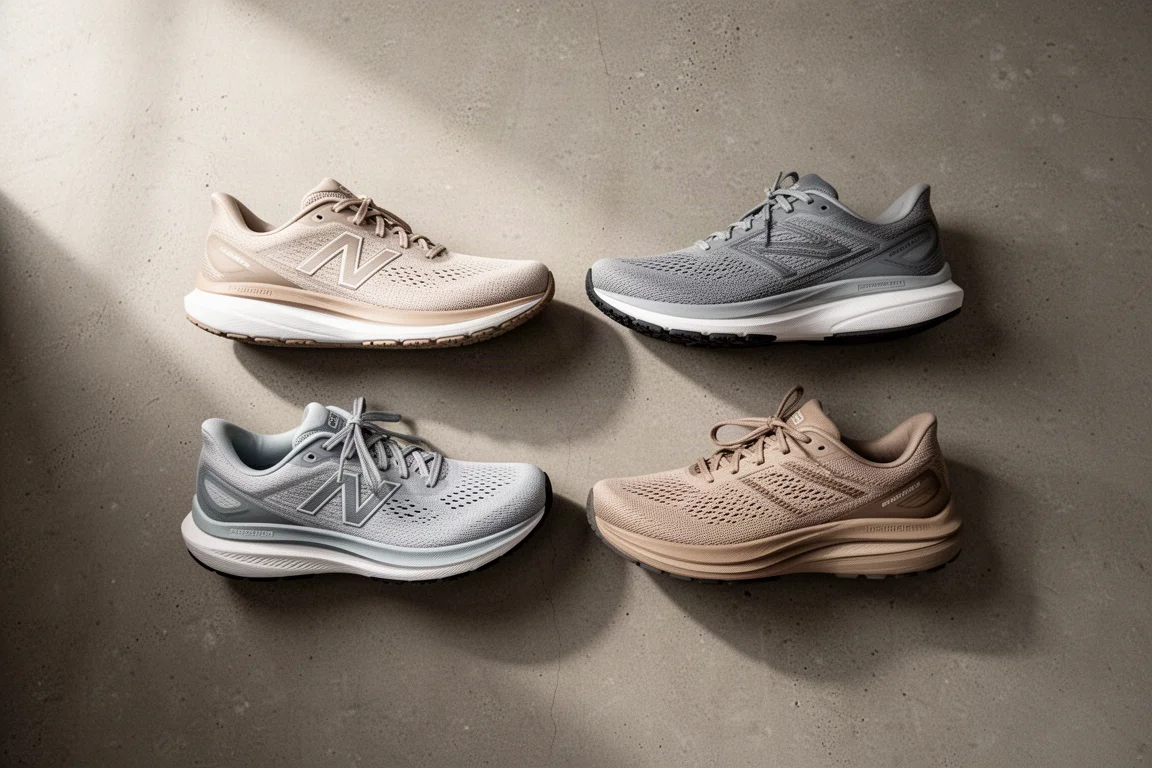
For value-focused runners, the Puma Velocity Nitro 2 is a compelling daily trainer option. It is typically cheaper than the 1080 v12 while delivering many of the same benefits, and it has been a consistent favourite among everyday runners in both of its versions.
Which One Should You Buy?
Both shoes cost around the £150 mark, so price is not the deciding factor. If you want one shoe that can genuinely do everything, from easy miles through to a faster-paced marathon, the Fresh Foam 1080 v12 is the pick. If you simply want maximum comfort and cushioning to enjoy your runs and stack up miles, the Glycerin 20 is the better match.
Conclusion
The Glycerin 20 and the 1080 v12 are excellent cushioned trainers that differ mainly in focus: comfort-first versus versatility-first. Match the shoe to your running style, and consider the More v3 or Velocity Nitro 2 if your priorities lean further towards plushness or value.
Further reading
Related Reviews

Running Shoes
Best Road-to-Trail Running Shoes: Three Versatile Options for Mixed Terrain
A practical guide to three road-to-trail running shoes that handle both pavement and mild trails, with clear strengths and trade-offs for different runner types.

Running Shoes
Best Running Shoes for Achilles Tendonitis: Three Options Explained
Three running shoes with different heel drops and support features designed to help reduce Achilles tendon pain during walking and running.

Running Shoes
Best Running Shoes for Women: Five Top Choices Ranked
A ranked guide to five women's running shoes, from versatile daily trainers to high-performance racing options, with real strengths and trade-offs for each.