Running Shoes
Brooks Glycerin 20 Race Test: Comfort-First Cushioning Over Race-Day Speed
We took the Brooks Glycerin 20 to an 11.2-mile local road race to see how its nitrogen-infused midsole holds up at pace, and whether it suits runners who want comfort rather than a personal best.
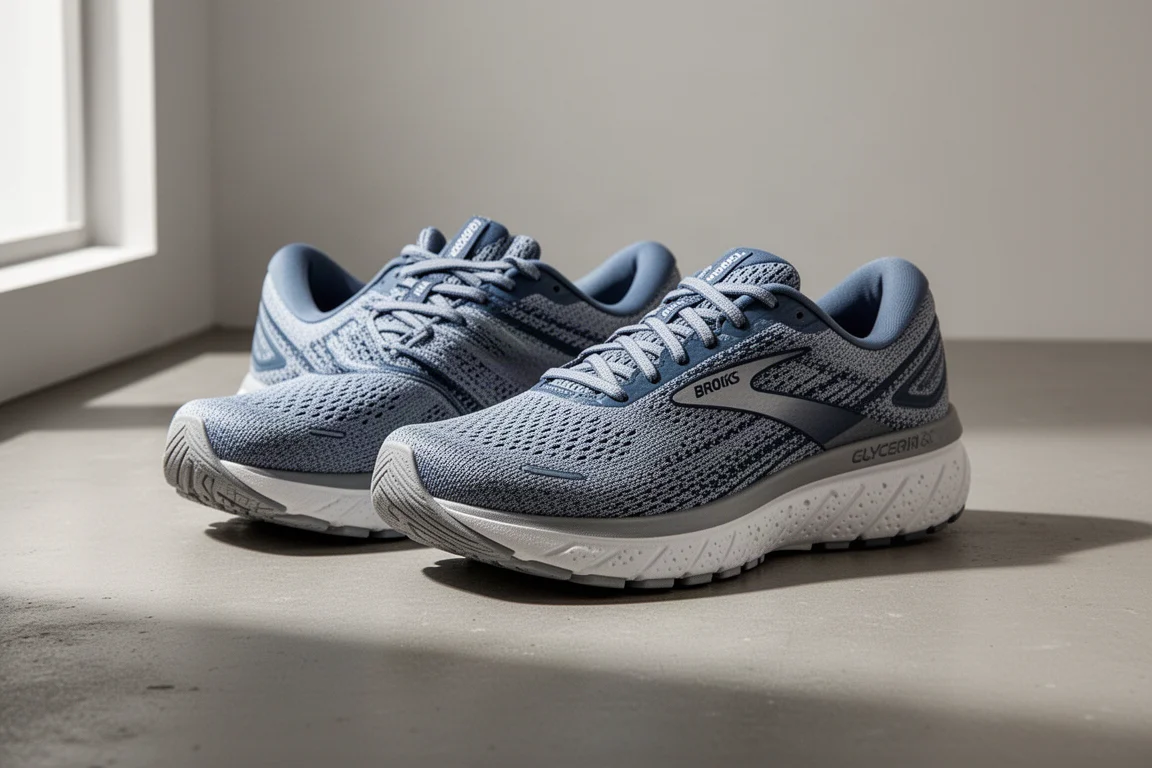
Introduction
Most race tests focus on carbon-plated shoes and the fastest options on the market. This test is deliberately different. With a calf injury still recovering, the Brooks Glycerin 20 got the race-day call instead, with two goals in mind: see how a max-cushion trainer behaves at faster paces, and see whether it could hold a steady speed over a longer distance without tempting the legs into pushing too hard.
The race in question was an 11.2-mile local road race through country lanes, run at roughly 4:40 to 4:15 per kilometre, which is well below the typical race pace for a carbon-plated tester but still far quicker than an easy run. Here is how the shoe behaved.
Who the Glycerin 20 Is For
The Glycerin line has been a favourite for a while. The previous two versions were excellent cushioned, comfortable trainers for easy days, with just enough extra to pick up the pace a little when needed. The Glycerin 20 continues that idea with a notable update: a nitrogen-infused midsole foam.
In easy training runs, the shoe is very comfortable, arguably surpassing earlier versions for cushioning over slower miles. That makes it a strong fit for runners who are not chasing personal bests and simply want something comfortable and supportive to carry them through a distance, whether that is a half marathon or a marathon.

Main Strengths
Comfort is the headline. The soft, cushioned ride over easy miles is the best the line has felt, and it never felt harsh over the full race distance. By the end of the 11.2 miles, the feet were in good shape and the shoe felt supportive throughout.
There is also a steadying quality that turned out to be genuinely useful. The shoe naturally discourages overexuberant pace increases, which makes it a smart choice for runners returning from injury or anyone who tends to start races too fast and pay for it later.
Things to Consider Before Buying
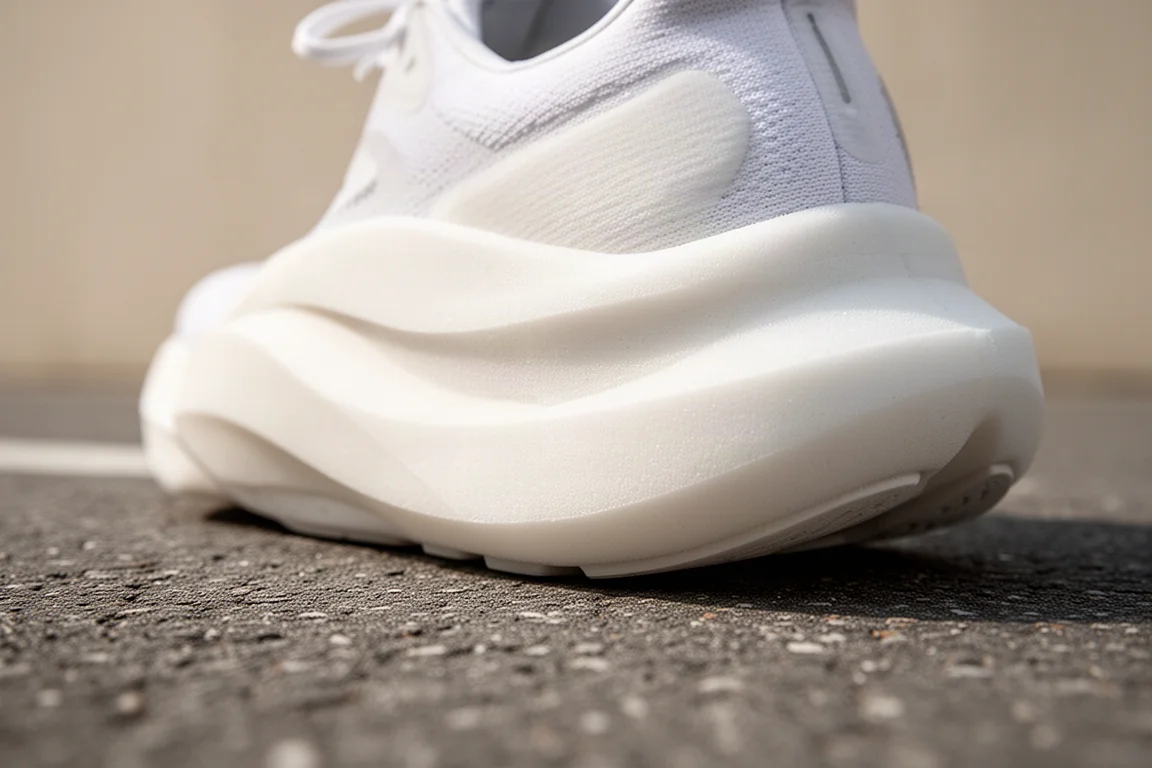
This is not a shoe designed for fast running. From the first miles of the race, there was no efficient turnover, and the ride felt like it was deadening speed rather than helping it. The midsole also felt noticeably firmer at pace than during easy miles, losing much of the softness that makes it so good on slow runs.
There is no rocker smoothness or forward propulsion either. It does not roll you along or assist the pace in any way. And despite its comfort, it is a chunky, hefty shoe, and that weight is noticeable when running in it.
One interesting note: it got better as the race went on. Holding a consistent pace eventually produced a more fluid motion, and the last few miles at around 4:15 per kilometre felt surprisingly good. Getting to that point took time, though, so pace consistency matters more than bursts of speed in this shoe.

Buying Advice
If you are racing purely for speed and a fast time, look elsewhere. The Glycerin 20 will never compete with carbon-plated racers and is not a lightweight option.
But if you want a cushioned, supportive shoe to comfortably complete a half marathon, a marathon, or any longer distance without desperately chasing a PB, it does the job well. It is a good, solid choice for runners who value comfort and protection over those distances and are happy to accept a slower, steadier pace in exchange.
Conclusion
The Glycerin 20 turned out to be a successful test at race distance, as long as your goal is comfort rather than speed. It is superbly cushioned on easy runs, supportive over long miles, and steady rather than fast at pace. For the right kind of runner, that is exactly the trade-off worth making.
Product link
View more details for Brooks Glycerin 20
This product is mentioned in the review. Check the specifications, options, and compatibility before buying.
View more details for Brooks Glycerin 20Further reading
Related Reviews

Running Shoes
Best Road-to-Trail Running Shoes: Three Versatile Options for Mixed Terrain
A practical guide to three road-to-trail running shoes that handle both pavement and mild trails, with clear strengths and trade-offs for different runner types.

Running Shoes
Best Running Shoes for Achilles Tendonitis: Three Options Explained
Three running shoes with different heel drops and support features designed to help reduce Achilles tendon pain during walking and running.

Running Shoes
Best Running Shoes for Women: Five Top Choices Ranked
A ranked guide to five women's running shoes, from versatile daily trainers to high-performance racing options, with real strengths and trade-offs for each.