Running Shoes
Brooks Glycerin 20 and Glycerin GTS 20: Two Versions of One Cushioned Trainer
Brooks now offers the Glycerin 20 in neutral and stability form, sharing the same DNA Loft v3 midsole. Here is how the two differ and who each version suits.
Introduction
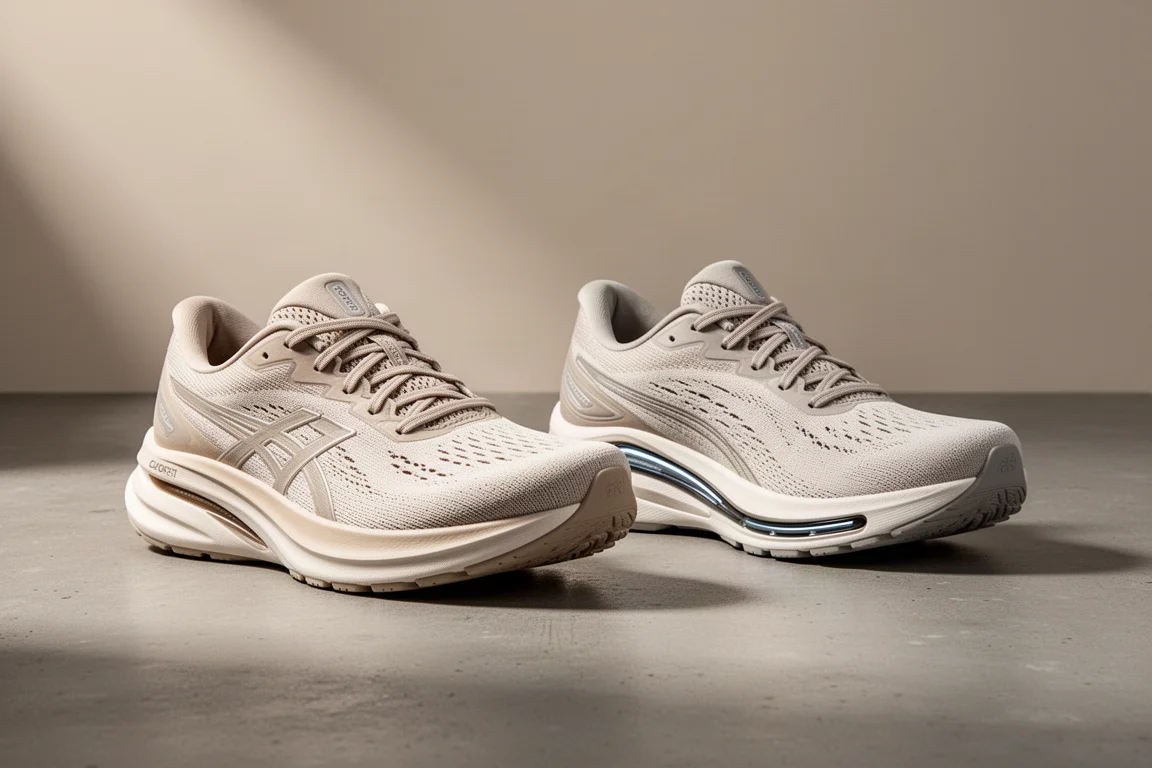
The Brooks Glycerin line has long been the brand’s plush, max-cushion neutral trainer. With the Glycerin 20 generation, Brooks does something increasingly sensible: it takes one shoe and offers it in four versions. There is the standard Glycerin 20, a Stealth Fit edition, the stability-focused Glycerin GTS 20 with guide rails, and a Stealth Fit GTS. Both shoes reviewed here share the same platform, the same midsole foam, and nearly the same feel, with the GTS adding guide rails and a slightly firmer ride.
The Same Shoe, Two Flavors
The core idea is simple. The Glycerin 20 and the GTS 20 use the same DNA Loft v3 midsole, a nitrogen-infused foam, and both carry a 10 millimeter drop. The only meaningful difference is the guide rail system on the GTS, which adds a small amount of structure and makes the ride a touch firmer than the neutral version.
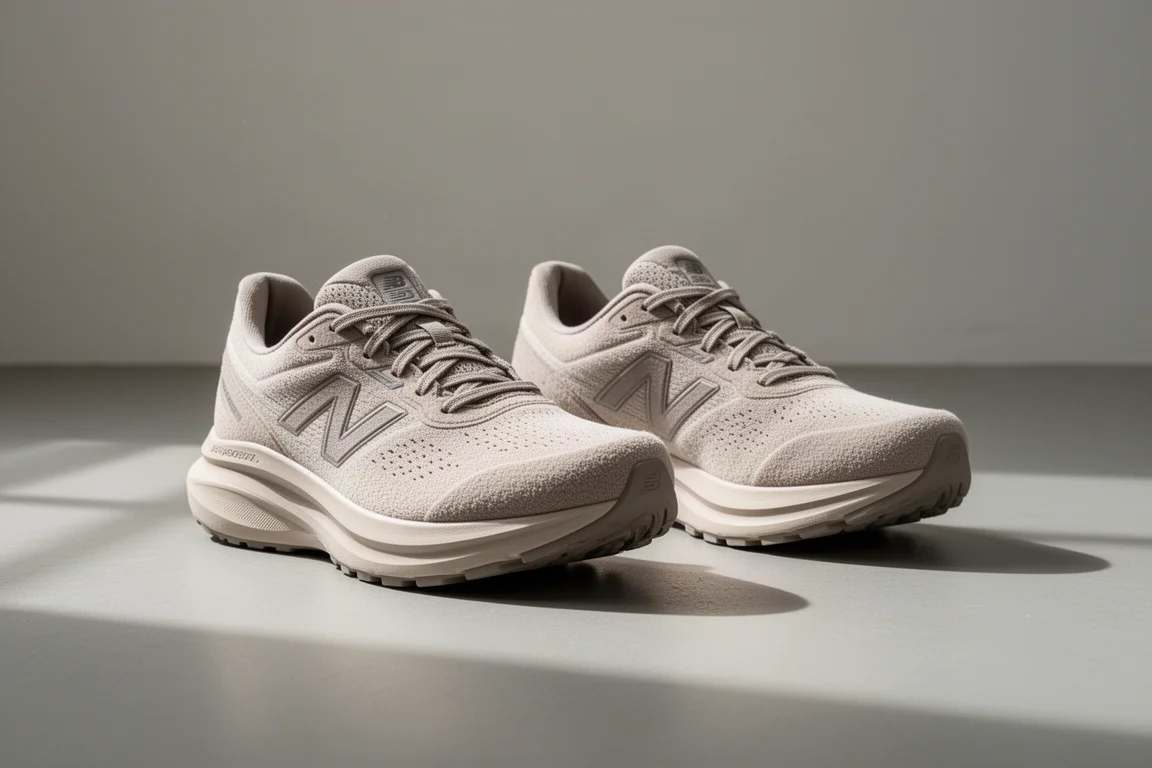
That consistency is the real story here. If you have heard good things about the Glycerin, you can be confident the GTS version will feel similar, with the guide rails addressing stability needs. It removes a lot of the guesswork that usually comes with comparing a neutral shoe to its stability sibling.
Ride and Midsole
DNA Loft v3 delivers a cushioned ride, but it is not as soft as its plush reputation suggests. Expect a protective, well-cushioned feel rather than a pillowy sink-in experience. The foam lacks noticeable bounce; it compresses and returns in a fairly flat, dense way that could benefit from a slightly lower density.
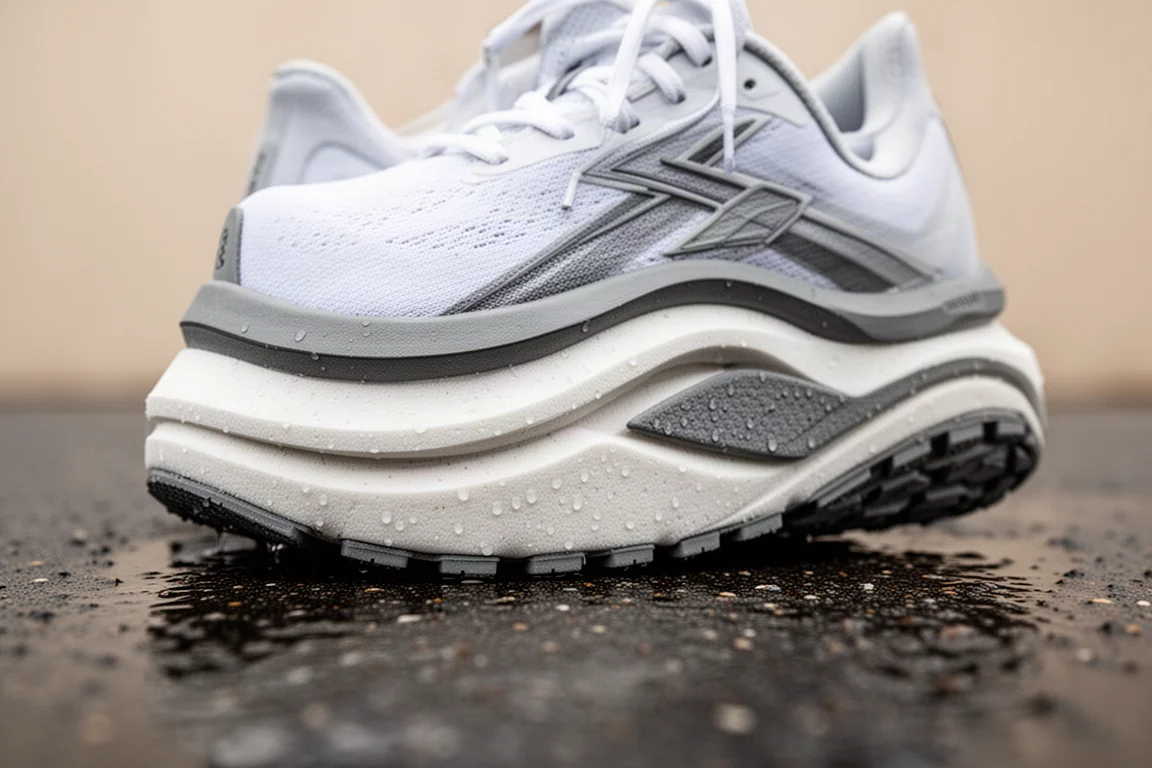
Toe-off is smooth in both shoes, with only mild stiffness. The rearfoot is where things get less polished. Both shoes carry a posterior heel flare that, combined with the firmness of the foam, creates a somewhat abrupt and clunky heel strike for heel strikers. Runners who land farther forward will get a decently cushioned ride without that issue.
Fit and Upper
Both shoes weigh roughly ten and a half ounces in the tested size range. The uppers offer a nice, secure fit that still stretches a bit where needed. The toe box feels a little more snug than expected out of the box, but on the run that snugness translates into a locked-in, comfortable feel rather than discomfort.
Glycerin 20 vs GTS 20: Which One?
The neutral Glycerin 20 is slightly softer and lighter, since it carries less material in the midsole. The GTS 20 adds guide rails and a medial post, which firms up the ride slightly but gives overpronating runners genuine stability support in a shoe they might already like.
If you have stability needs, the GTS is the smarter pick. If you simply want maximum cushioning without guidance, the standard Glycerin makes more sense. Both are solid everyday trainers for easy miles and recovery runs.
Simplified Lineup, Clearer Choices
Brooks deserves credit for the structure of this lineup. Rather than developing a separate stability shoe from scratch, the brand builds the GTS directly on the neutral platform. That means more development effort flows into both versions instead of the stability model feeling like an afterthought, which has historically been a problem across the industry.
It also keeps the range easier to understand. Brooks offers the Glycerin, Ghost, Launch, Levitate, and Hyperion lines, and each can now exist in neutral and GTS form without inventing entirely new models. For shoppers, that means fewer confusing one-off designs and more confidence that the shoe on the shelf matches expectations.

Things to Consider Before Buying
The clunky heel strike is the main reservation. If Brooks beveled the posterior heel flare and softened the midsole slightly, these would be much stronger shoes. As they stand, they are competent, cushioned daily trainers rather than exciting ones, and runners sensitive to a firm rearfoot may want to try them on first.
Conclusion
The Glycerin 20 and GTS 20 are decent, dependable trainers with a well-executed concept: one good shoe, offered in neutral and stability form, with predictable differences between them. The ride needs refinement, particularly at the heel, but the direction is right. If you want variety with confidence about what you are getting, this pair delivers exactly that.
Product link
View more details for Brooks Glycerin 20
This product is mentioned in the review. Check the specifications, options, and compatibility before buying.
View more details for Brooks Glycerin 20Further reading
Related Reviews

Running Shoes
Best Road-to-Trail Running Shoes: Three Versatile Options for Mixed Terrain
A practical guide to three road-to-trail running shoes that handle both pavement and mild trails, with clear strengths and trade-offs for different runner types.

Running Shoes
Best Running Shoes for Achilles Tendonitis: Three Options Explained
Three running shoes with different heel drops and support features designed to help reduce Achilles tendon pain during walking and running.

Running Shoes
Best Running Shoes for Women: Five Top Choices Ranked
A ranked guide to five women's running shoes, from versatile daily trainers to high-performance racing options, with real strengths and trade-offs for each.