Running Shoes
Should You Upgrade? Brooks Ghost 16 vs 17, Ghost Max 2 vs 3, and Saucony Hurricane 24 vs 25
Three of the most popular daily trainer lines just got updates. Here is how each generation compares so you can decide whether to buy the new version or stick with the old one.
Introduction
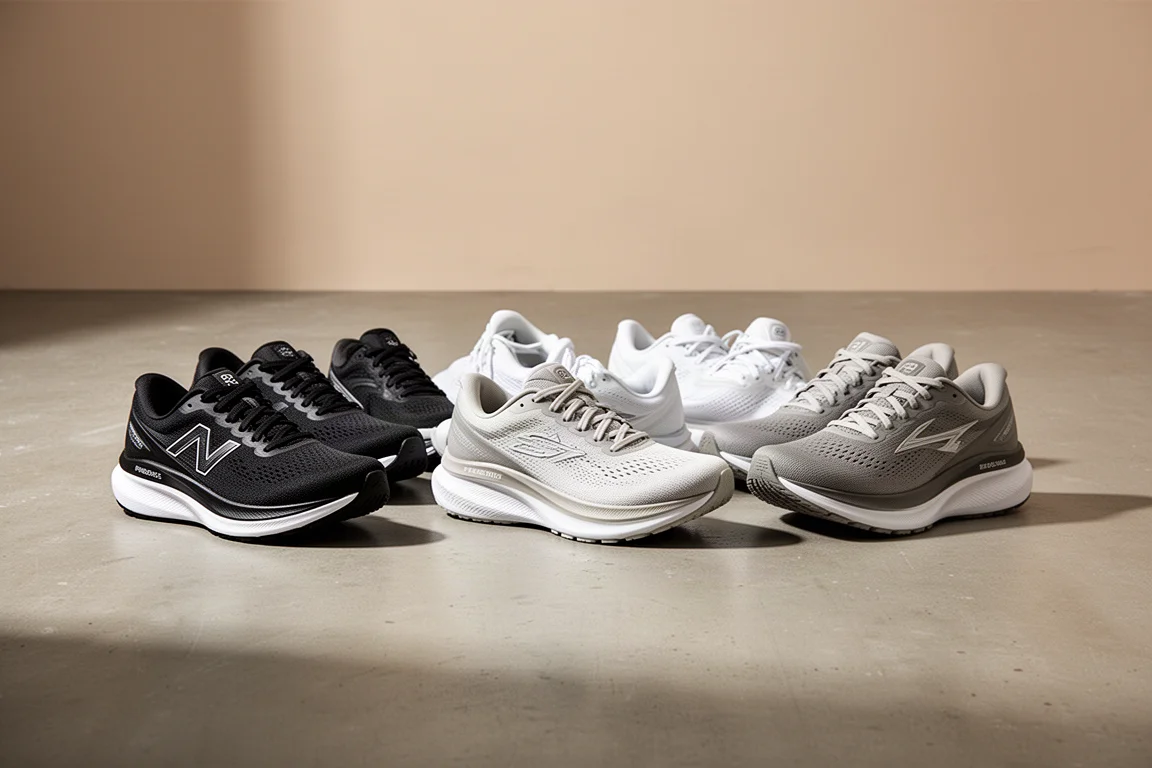
Few running shoe lines get refreshed as consistently as the Brooks Ghost, Brooks Ghost Max, and Saucony Hurricane. This season brings three head-to-head comparisons: the Ghost 16 versus the completely redesigned Ghost 17, the Ghost Max 2 versus the Ghost Max 3, and the Hurricane 24 versus the new Hurricane 25. Each update changes the formula in a very different way, and in several cases the older version may still be the smarter buy. Here is how they stack up.
Brooks Ghost 16
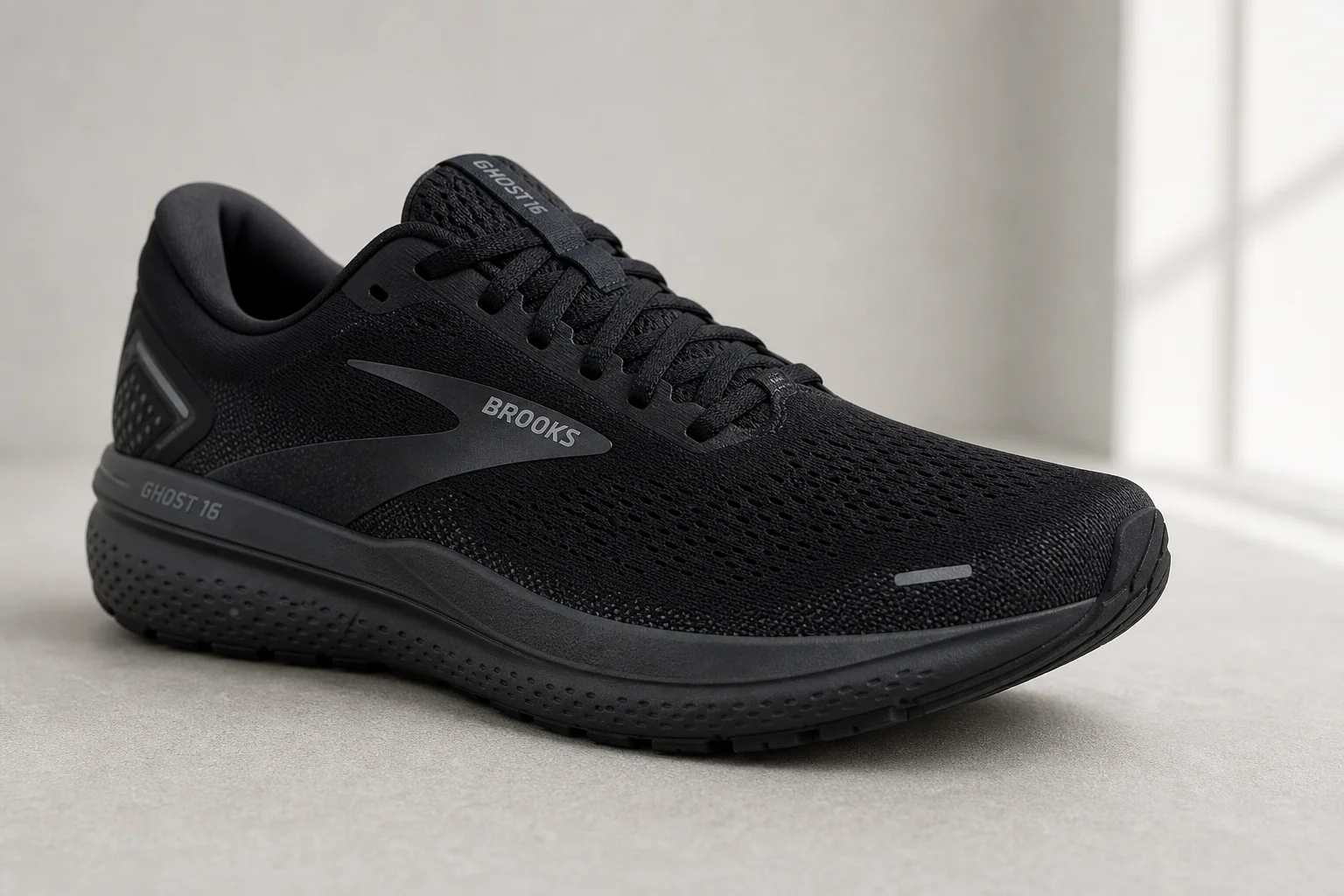
The Ghost has long been the standard daily neutral trainer in the Brooks lineup: not fast, not exciting, but a shoe many people can lace up for walking miles and easy running. Version 16 carries that tradition forward with a 12 mm heel drop, 36 mm in the heel and 24 mm in the forefoot, and a weight of about 9.8 oz or 276 g in a men’s size 10.
The ride is slightly softer without being bouncy, with good forefoot flexibility and a decently clunky heel that can get in the way for some runners. People who land further forward tend not to notice it. The fit is rounded in the forefoot with a touch more room than average, runs a tiny bit short like many Brooks shoes, and breaks in nicely with a secure upper and no slippage. If you want a high-drop, traditional, consistent easy-day shoe, this remains a solid choice, particularly on sale.
Brooks Ghost 17
Version 17 is a totally different shoe. The heel stack stays at 36 mm but the forefoot grows to 26 mm, making this the first Ghost with a 10 mm drop, and it honestly feels even lower than that. Weight rises to about 10.6 oz or 300 g in size 10, yet it is ironically the faster, more aggressive Ghost.
The midsole is far snappier than the 16 despite both nominally using DNA Loft v3, stiffer through the forefoot, and much better suited to daily miles, long runs, and even some workouts. The heel transition is the smoothest of any Ghost, thanks in part to a posterolateral bevel, though the shoe is a little laterally biased. The midsole also rises into sidewalls along the medial and lateral heel and midfoot with a slightly wider midfoot, making this a borderline stable neutral shoe that suits runners with mild stability needs.
Brooks Ghost Max 2
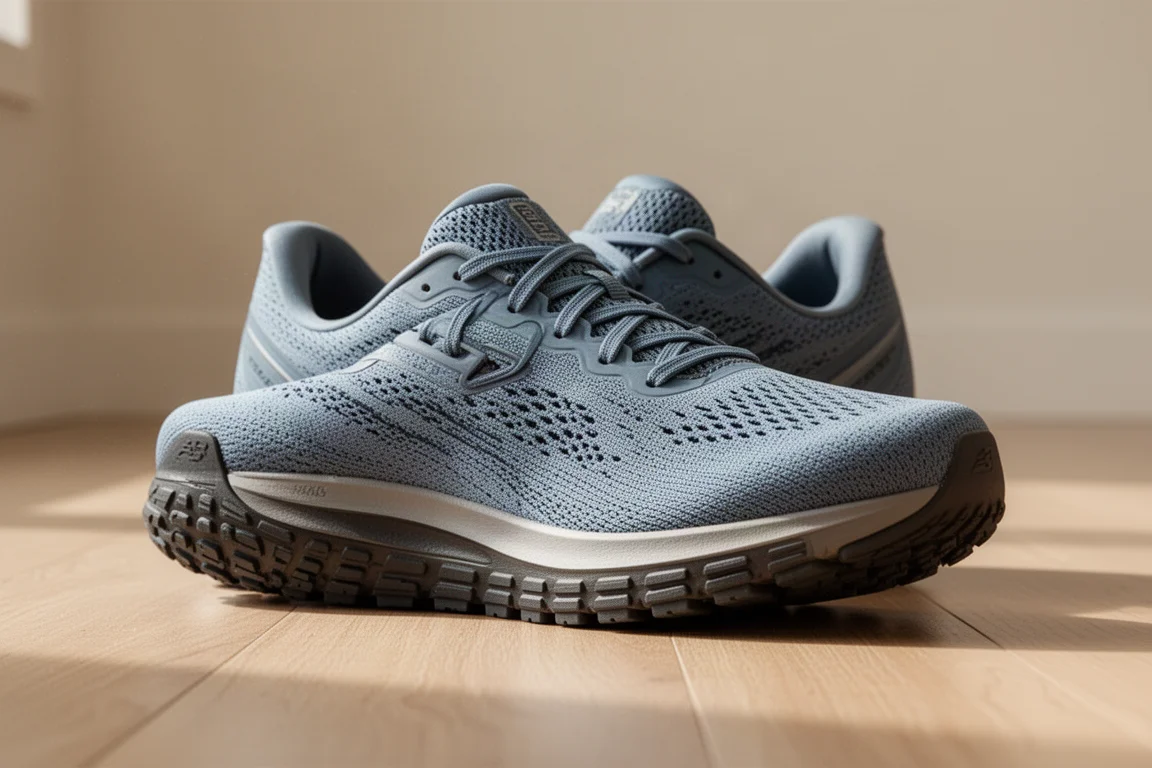
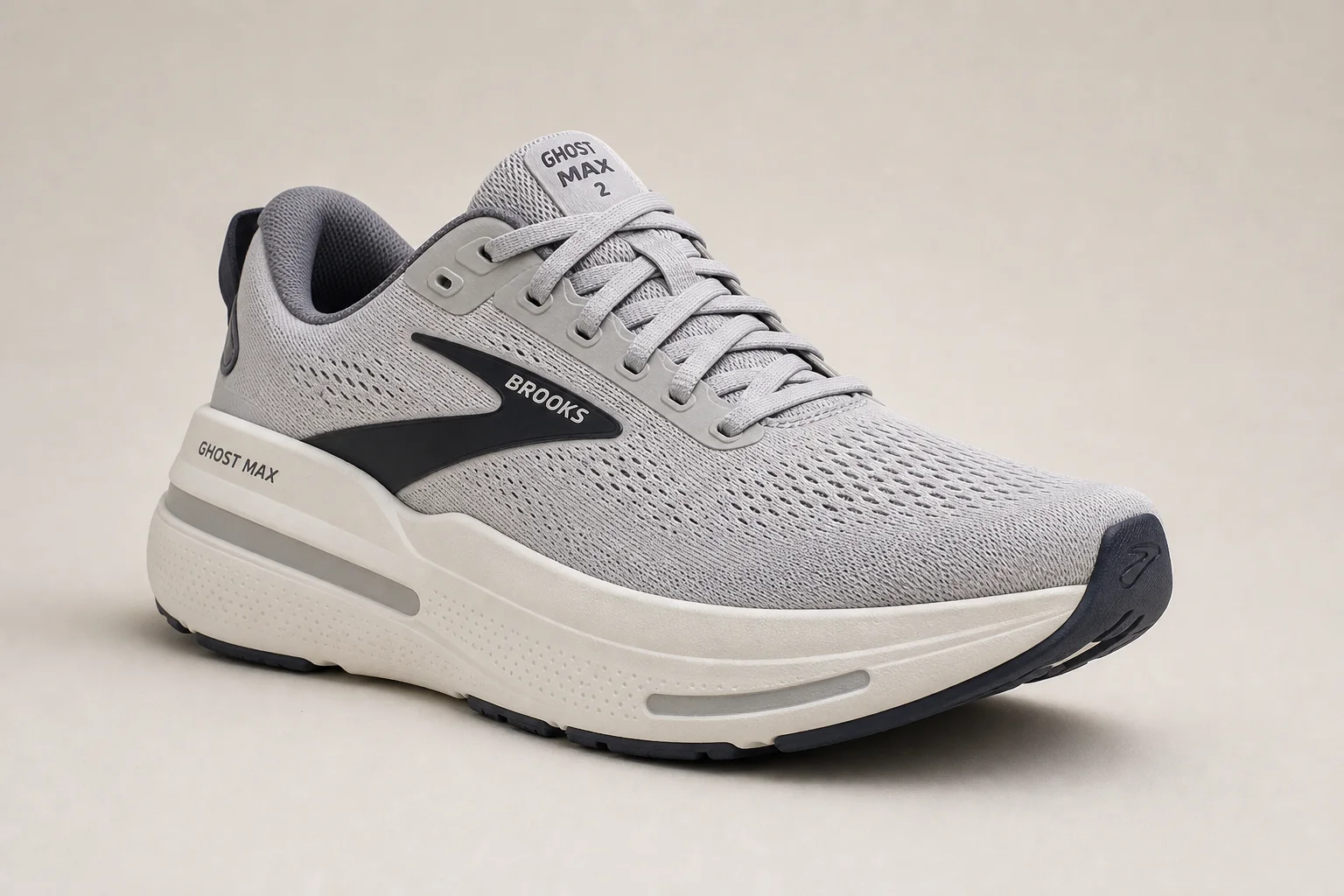
The Ghost Max series replaced the clunky but well-loved Dyad as Brooks’ orthotic-friendly daily trainer, and version 2 leaned back toward that Dyad character. In a men’s size 10 it weighs about 324 g or 11.4 oz, with a 39 mm heel and 33 mm forefoot for a 6 mm drop, shared with version 3.
The ride is stiffer and more walking-friendly, with only a very tiny heel bevel. For a rearfoot striker that transition feels awkward and clunky, which can place extra stress on the anterior shin and knee. The forefoot is fine, and the shoe is not unstable, but the ride is firmer than the soft Ghost Max 1 despite using the same DNA Loft v3 foam. It fits about a half size short with a tapered toe box and lower volume, so runners with normal to narrow feet may actually prefer it, while others should consider going up a half size. Both Ghost Max versions have very thick insoles, making them genuinely orthotic-friendly with a low arch.
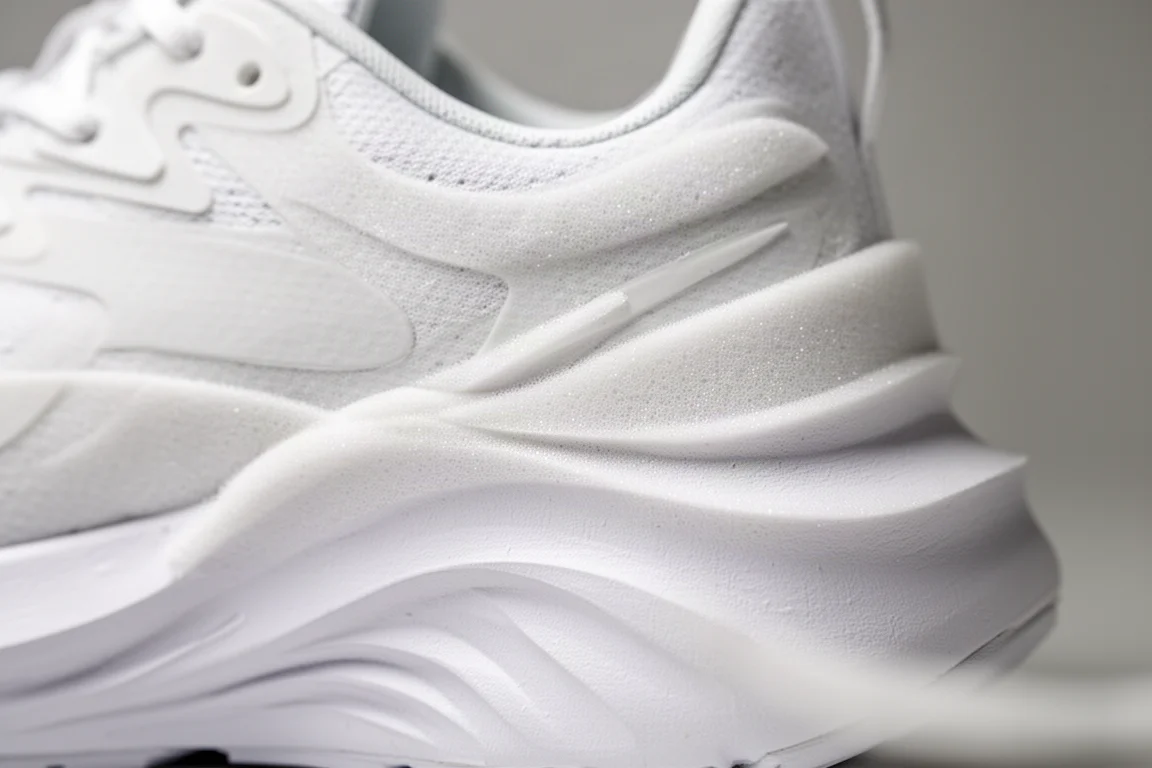
Brooks Ghost Max 3
The Ghost Max 3 is a touch lighter at about 320 g or 11.2 oz in size 10 and goes back in the direction of the Ghost Max 1. The heel bevel is much better, transitioning smoothly through heel, midfoot, and forefoot, and it feels softer and more cushioned underfoot with a slightly earlier forefoot rocker.
Both shoes are very stiff, so they suit anyone with toe mobility limitations, and both are inherently stable neutral thanks to wide midfoots. The Ghost Max 3 extends that stability further, with longer sidewalls on both sides and a mild top line or bucket continuing into the medial forefoot, adding gentle guidance for mild medial needs. The fit offers noticeably more width and volume in the forefoot, a normal-volume midfoot, and a plush yet slightly more flexible heel. Neither shoe is responsive, so think walking and slower running, but the outsoles are extremely durable and both are worth their roughly $160 price depending on fit. The Ghost Max 3 simply goes in the better direction for most people.
Saucony Hurricane 24
The Hurricane is the premium stability shoe in the Saucony lineup, sitting above the more standard Guide. After a stretch where the line was feared discontinued, the Hurricane 24 returned as a revitalized model and the first premium stability shoe with a super foam midsole: full-length PWRRUN PB encased in PWRRUN for a guided ride.
In a men’s size 10 it weighs about 316 g or 11.2 oz. The ride has genuine bounce from the super foam but feels heavy, and the heel is a little clunky because the bevel faces medially, which can throw lateral strikers toward that side. Stability is well balanced and centered, similar in character to the Tempest, without feeling pushy or unstable. Runners who liked the Guide but wanted a heavier, more cushioned shoe worked really well with this version. The fit is lower volume with a semi-knit upper that stretches and breaks in, though the forefoot is tapered enough to press on the big and little toes and cause some chafing.
Saucony Hurricane 25
Version 25 drops weight significantly to about 300 g or 10.6 oz in size 10 and softens the PWRRUN PB considerably, delivering the softest and bounciest ride in the premium stability category. More of the super foam sits on the lateral side, and the heel bevel has been corrected to lean more lateral, so it compresses nicely for runners who land on the outside of the foot.

The trade-off is stability character. A post-like PWRRUN structure rises higher on the medial midfoot and heel, and there is more medial heel flare, making the 25 much more laterally biased and a little more similar to the Guide. The softer sole also means hip and ankle stability demands more work, so runners sensitive to very soft platforms may prefer the firmer, slightly more stable 24. Fit is largely shared: lower volume, low on the toes, a little more forefoot wiggle room in the 25, and a slightly snugger, more secure heel that barely needs lace tension. Both should be worn with socks, especially the 25.
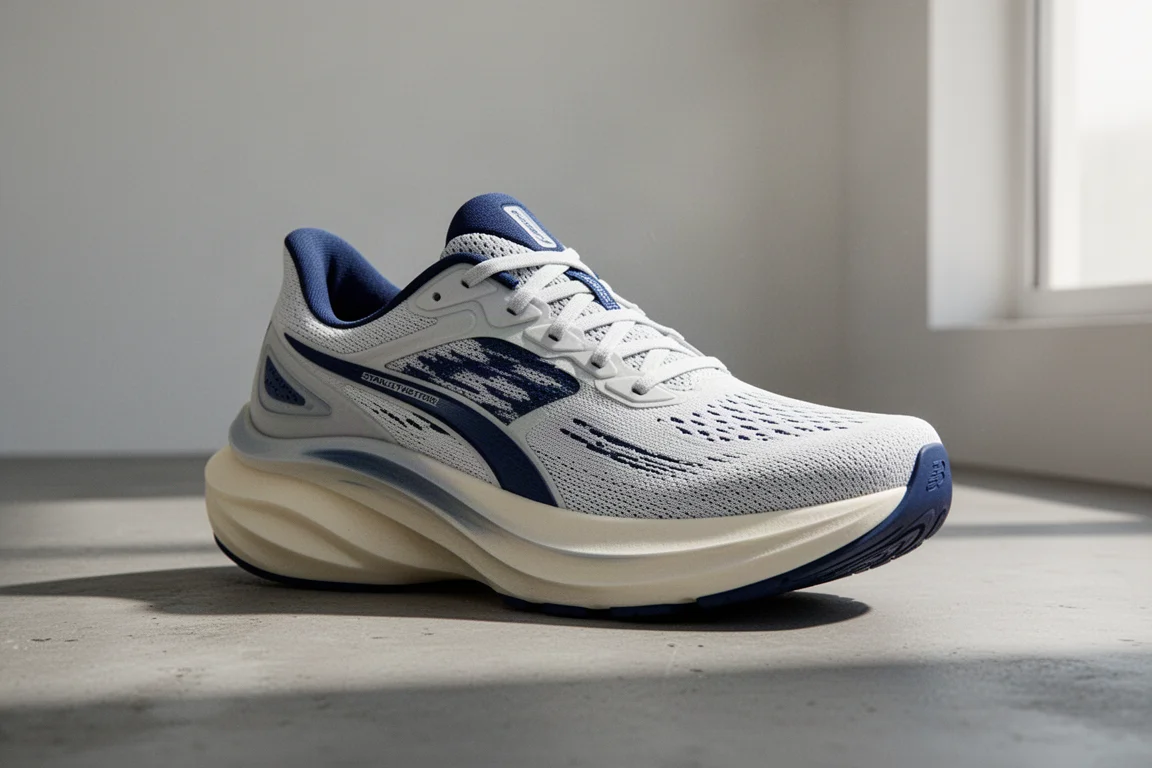
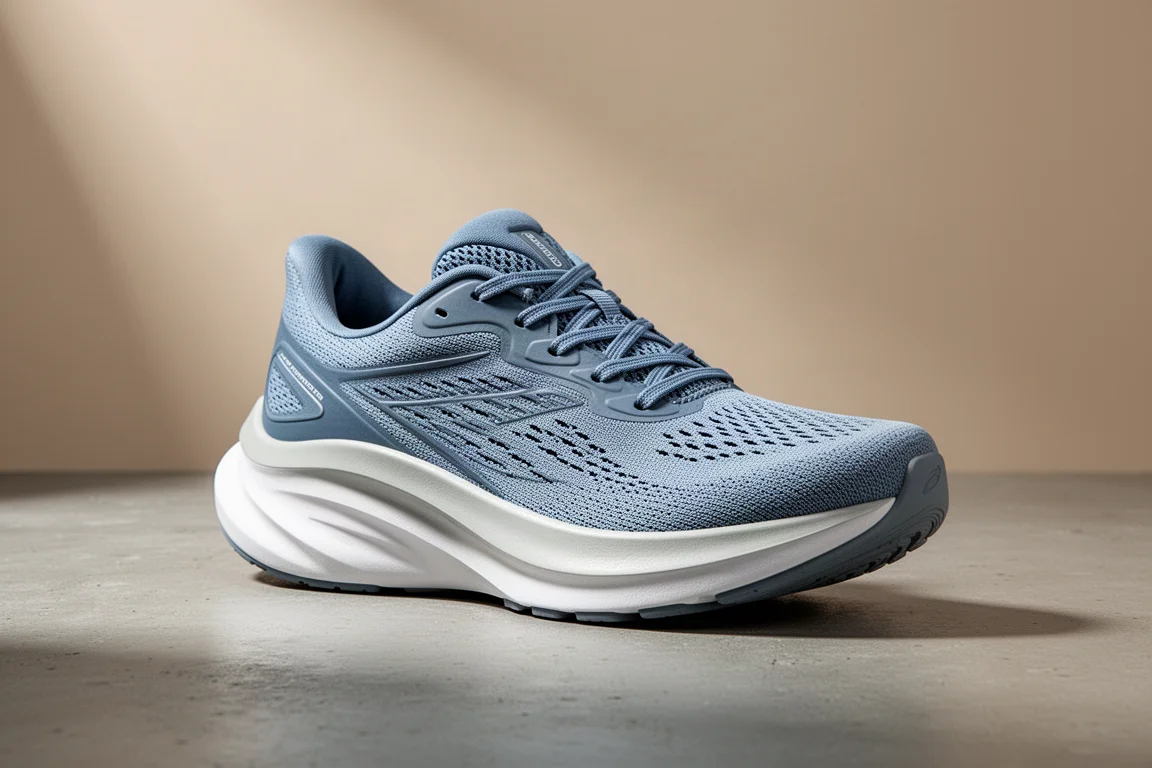
Which Should You Buy?
If you loved the classic Ghost, the Ghost 16 remains the better high-drop, traditional easy-day option, and it may be available at a discount. If you want a snappier, more performance-leaning, borderline stable neutral Ghost, the 17 is the clear pick despite the extra weight. In the Ghost Max family, the 3 is the stronger all-round shoe with a much better heel transition and roomier fit, while the 2 suits firmer-ride fans and normal-to-narrow feet. For the Hurricane, the 24 fits runners who want a centered, firmer premium stability shoe, while the 25 rewards those who want maximum softness and bounce and can handle a laterally biased, more Guide-like platform.
Conclusion
None of these updates are simple increments. The Ghost 17 and Ghost Max 3 are genuine redesigns, and the Hurricane 25 changes both the ride and the stability geometry. Match the shoe to your mechanics and fit preferences rather than assuming the newer number is automatically better, and you will end up with the right daily trainer either way.
Further reading
Related Reviews

Running Shoes
Best Road-to-Trail Running Shoes: Three Versatile Options for Mixed Terrain
A practical guide to three road-to-trail running shoes that handle both pavement and mild trails, with clear strengths and trade-offs for different runner types.

Running Shoes
Best Running Shoes for Achilles Tendonitis: Three Options Explained
Three running shoes with different heel drops and support features designed to help reduce Achilles tendon pain during walking and running.

Running Shoes
Best Running Shoes for Women: Five Top Choices Ranked
A ranked guide to five women's running shoes, from versatile daily trainers to high-performance racing options, with real strengths and trade-offs for each.