Running Shoes
Brooks Ghost Max vs Hoka Clifton 9: Which Cushioned Everyday Shoe Fits Your Life?
After roughly 100 combined running and walking miles in the Brooks Ghost Max and fresh time in the Hoka Clifton 9, here is how these two comfortable trainers compare.
Introduction
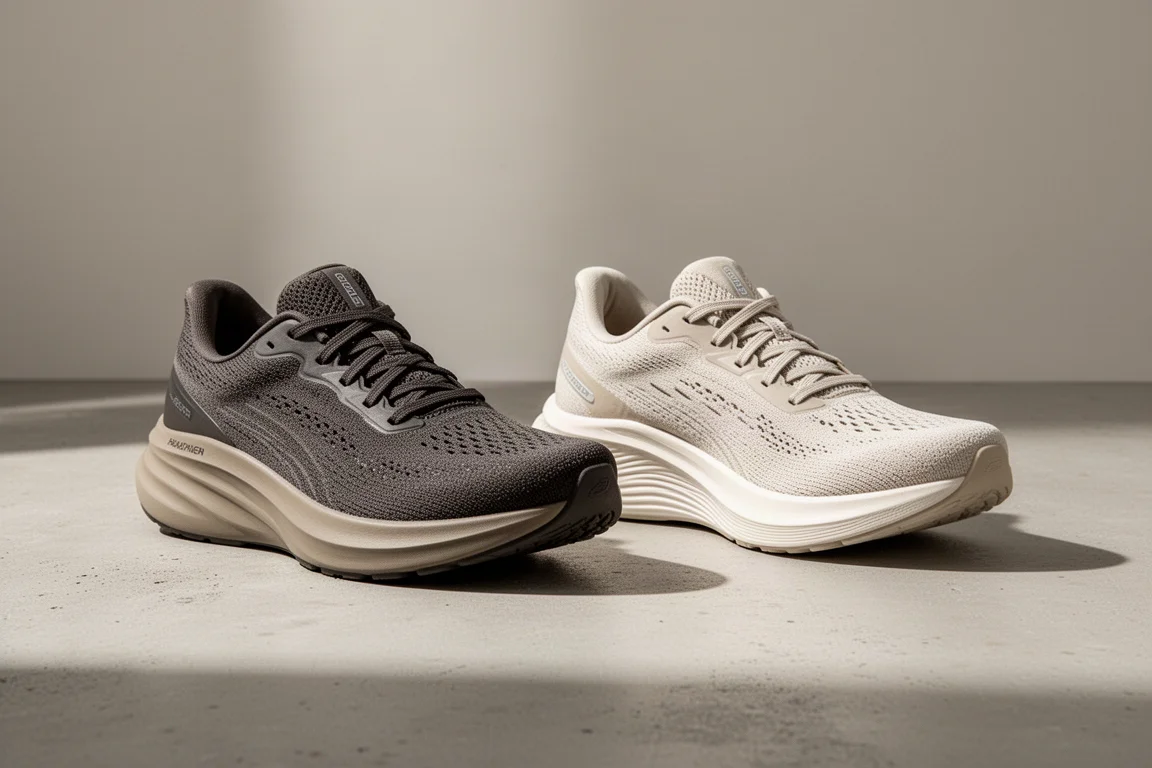
Some shoes are built to win races, and some are built to make being on your feet feel effortless. Both shoes in this comparison belong firmly in the second group, and that is exactly why people cross-shop them. One is the Brooks Ghost Max, a max-cushion shoe that has quietly become a favorite for long days of walking and everyday running. The other is the Hoka Clifton 9, one of the most popular cushioned trainers on the market right now.
This comparison comes from roughly 100 combined miles in the Ghost Max, split between about 50 logged running miles and well over 50 miles of walking, errands, and travel, plus several days of running and all-day walking in the Clifton 9. If you are choosing between the two, or just trying to pick the most comfortable everyday shoe for your budget, this breakdown should make the decision easier.
Brooks Ghost Max: Comfort First, Everything Else Second
The Ghost Max sits in Brooks’ lineup as a max-cushion option alongside the Glycerin. The main difference is the drop: the Ghost Max runs a 4mm drop from heel to forefoot, compared to 10mm on the Glycerin. That lower, more moderate drop gives it a flatter, more level stance, while the Glycerin’s higher heel can push you slightly onto your toes.
The first thing to know is that this foam needs time. On the very first run it did not click, and even after early use it never became a favorite for relaxed running paces. But as a walking shoe, something shifted. The foam softened with use and turned into one of the best impact-absorbing midsoles available, soft and squishy without the deep sinking-in feeling you get in something like the New Balance 1080. There is no bottoming out, and you can genuinely stand in it all day.

The wide platform is a big part of that comfort. Both heel and forefoot get a broad, stable base that spreads pressure across the foot instead of concentrating it in the heel or forefoot. That makes it a sensible pick for anyone who deals with foot aches from long hours standing, and it also leaves room for a custom insole if you want more support. The padded tongue, breathable upper, and smooth satin-like interior lining all add to the comfort-first feel.
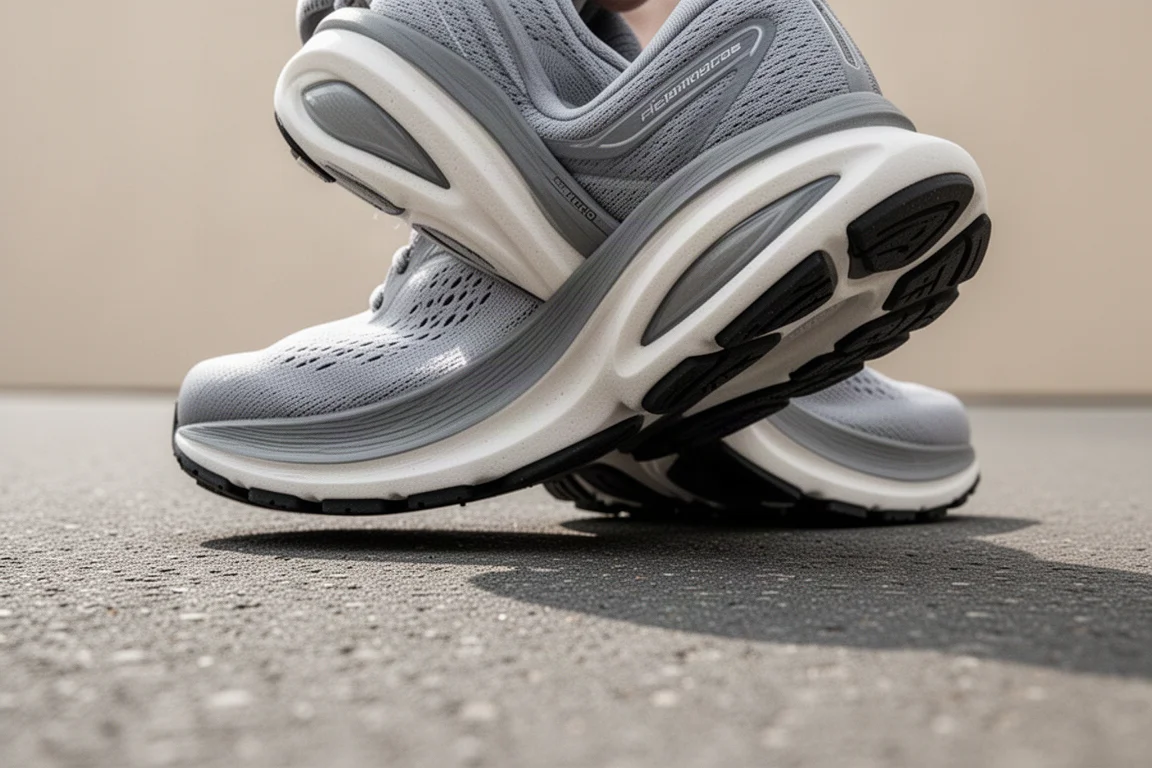
Durability is another strong point. After roughly six months of mixed use, the rubber outsole looked nearly untouched, with only minor foam wear under the forefoot, which had become the highest-wear zone because of all the walking. Reports from other runners running 300 to 400 miles in these suggest it holds a consistent ride well past the point where livelier foams lose their pop.
As a running shoe, the honest assessment is that it is good but not exceptional at anything. It has a pleasant rolling rocker in the forefoot and soft, protective cushioning, but the foam is not bouncy or lively. It needs real force through the midsole to feel activated, which is why heavier runners tend to love it as a daily trainer, while lighter runners at recovery paces may not get much out of it. If you want a protective everyday trainer with a more traditional, non-superbouncy foam, it works well. If you want a plush recovery cruiser, there are softer, higher-stacked options out there.
Hoka Clifton 9: Planted, Stable, and Roll-forward
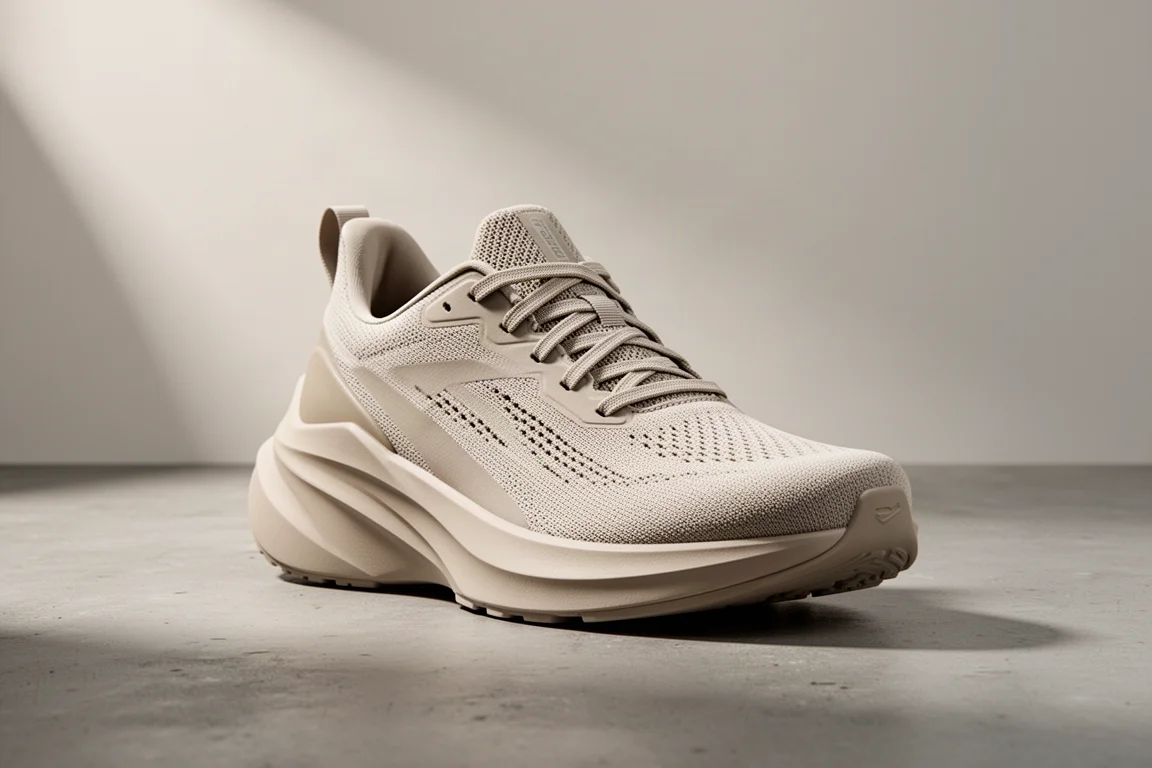
The Clifton 9 is the trendy one, and it is easy to see why it is everywhere. Straight out of the box it feels firmer than the Ghost Max, with a clear roll-forward sensation that tips you along each stride. Where the Ghost Max leans on soft foam and flexibility, the Clifton leans on that rolling geometry.
The fit is similar in width to the Ghost Max, though the upper volume runs slightly snugger and lower. Both shoes have padded tongues, and the Clifton adds a raised collar detail at the heel that is more noticeable than problematic. On foot, the firmer foam creates a distinctly planted, stable feeling, and many people interpret it as arch support because the arch of the foot feels held up. It also slants your weight slightly forward, toward the ball of the foot.
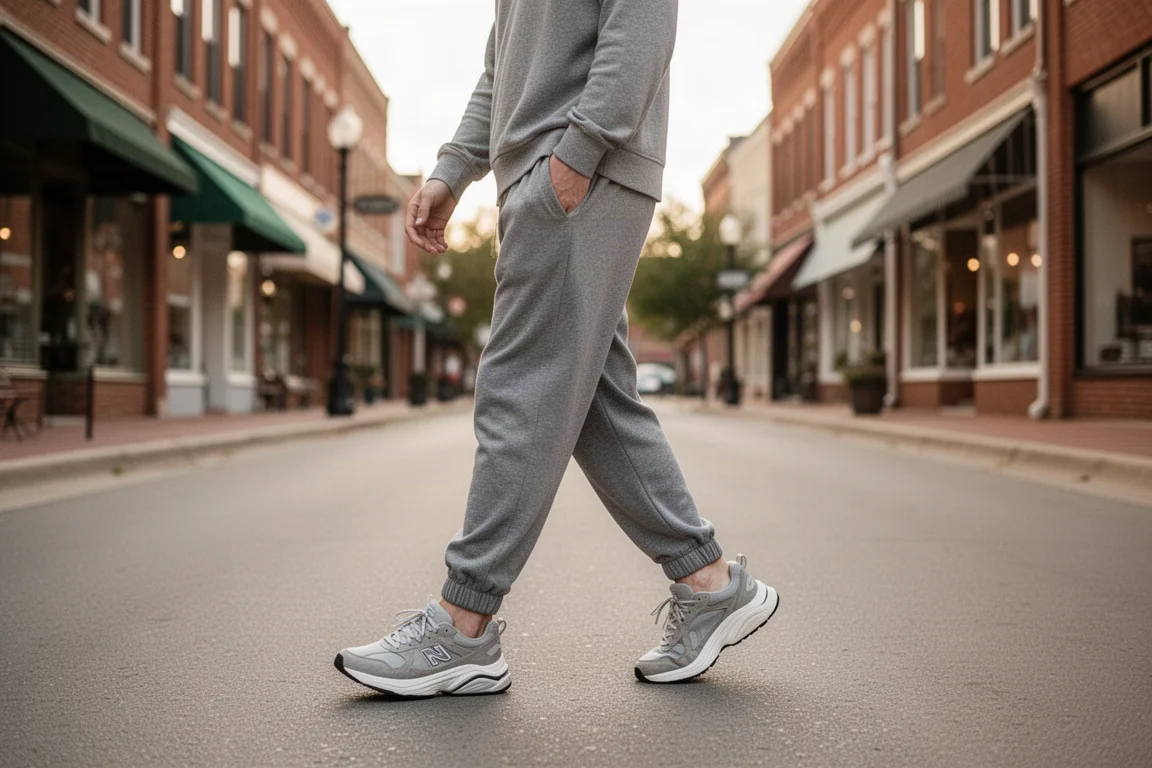
For all-day wear, the Clifton delivered a floating, pressure-free sensation early in the day. But over a full five-hour stretch of walking, the foam started to feel firmer and more ground-like, losing some of that initial cushioned softness. It is a very comfortable shoe, but the comfort shows up differently: more about the roll and the stable platform than deep, lasting softness.
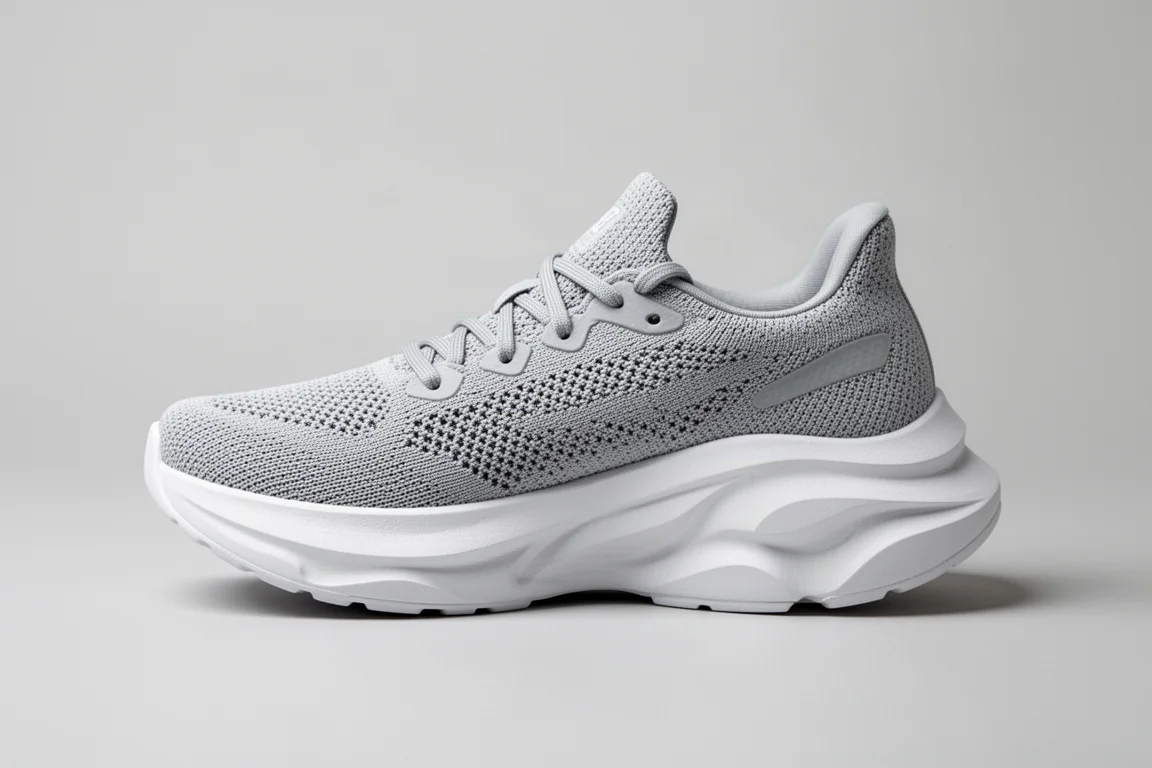
Head to Head: The Key Differences
The clearest way to separate them is by feel. The Ghost Max is softer and squishier, especially once broken in, and its character is relaxed and easygoing. The Clifton 9 is firmer, more stable, and more about the roll-forward ride. Width is roughly equivalent between the two, and both have padded tongues, so fit comes down to upper volume preference.
For walking, the Ghost Max wins. Even after a full day in the Clifton, the Ghost Max remained the preferred shoe for walking and errands. The comparison that emerged is roughly this: Ghost Max better for active walking, Clifton better for standing, with the Clifton’s forward-lean easing heel pressure but fading over long hours.
For running, neither is the liveliest option at its price, and both are better everyday trainers than dedicated recovery cruisers. If your goal is a plush, sink-in recovery shoe, softer and higher-stacked alternatives like the New Balance 1080v5, Nike Invincible 3, Asics Nimbus, or Asics Novablast 4 will serve you better. The Ghost Max does have the edge in softness over the Clifton, and its rocker comes alive at faster paces and on soft surfaces like gravel.
Buying Advice: Which One Should You Get?
Choose the Brooks Ghost Max if your priority is an all-day walking shoe, if you are on your feet 10 to 15 hours a day for work, or if you are a bigger runner looking for a protective daily trainer with a lower 4mm drop and a traditional, non-bouncy foam. It is also a strong pick if you want a shoe that lasts, since the outsole wears slowly and the ride stays consistent as it does. One practical note: there is some forefoot rubbing on narrower feet for at least one wearer, so consider the wide version if you are between sizes or need extra room.
Choose the Hoka Clifton 9 if you want a firmer, more planted feel with a smooth roll-forward ride and a bit of that arch-supported sensation. It is the better match for runners who find max-cushion shoes too soft or disconnected for running, and its snugger upper volume suits narrower feet.

It is also worth knowing that the Ghost Max is expected to be discounted as a successor model arrives on a notably fast timeline, which could make the original a genuinely good buy for anyone shopping primarily for a walking shoe.
Conclusion
Both of these shoes do the same job with different personalities. The Brooks Ghost Max is the softer, more protective option that shines as a walking shoe and works as a traditional-feeling daily trainer for the right runner. The Hoka Clifton 9 is the firmer, more planted, roll-forward alternative that feels great for standing and smooth running miles. If walking comfort is the priority, the Ghost Max is the pick. If you want stability and a rolling ride, the Clifton 9 earns its reputation.
Further reading
Related Reviews

Running Shoes
Best Road-to-Trail Running Shoes: Three Versatile Options for Mixed Terrain
A practical guide to three road-to-trail running shoes that handle both pavement and mild trails, with clear strengths and trade-offs for different runner types.

Running Shoes
Best Running Shoes for Achilles Tendonitis: Three Options Explained
Three running shoes with different heel drops and support features designed to help reduce Achilles tendon pain during walking and running.

Running Shoes
Best Running Shoes for Women: Five Top Choices Ranked
A ranked guide to five women's running shoes, from versatile daily trainers to high-performance racing options, with real strengths and trade-offs for each.