Running Shoes
Brooks Ghost Max vs Brooks Ghost 16: Which Daily Trainer Should You Buy?
Two cushioned Brooks workhorses with very different rides. We compare stack, foam, fit and durability to help you pick the right daily trainer.
Introduction
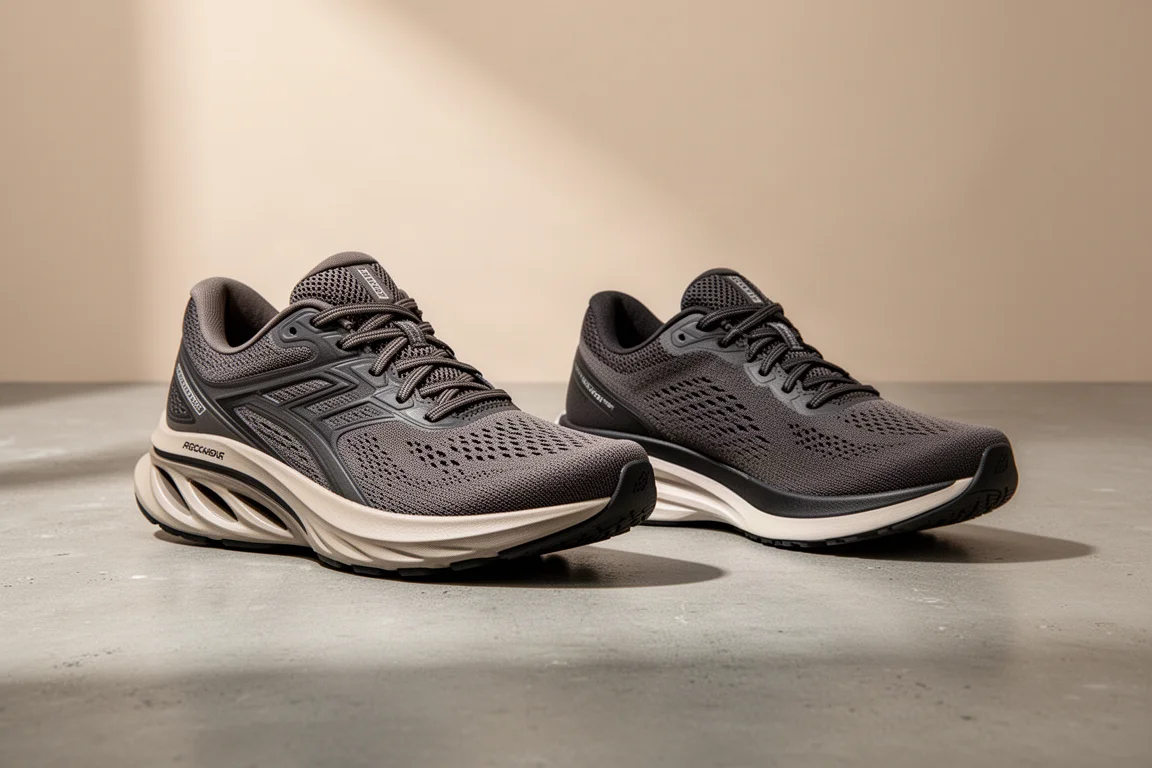
Brooks has two daily trainers that look related on paper but run very differently. The Ghost Max arrived as the brand’s first truly max-cushion daily trainer, bringing a big stack of foam and a rocker-based ride. The Ghost 16 is the latest update to the reliable Ghost line, with a new punchier DNA Loft V3 midsole. Both are built for the same core job: comfortable, cushioned mileage day after day. This head-to-head covers the specs, the fit, the ride and which shoe makes more sense for your training.

Key Specs Compared
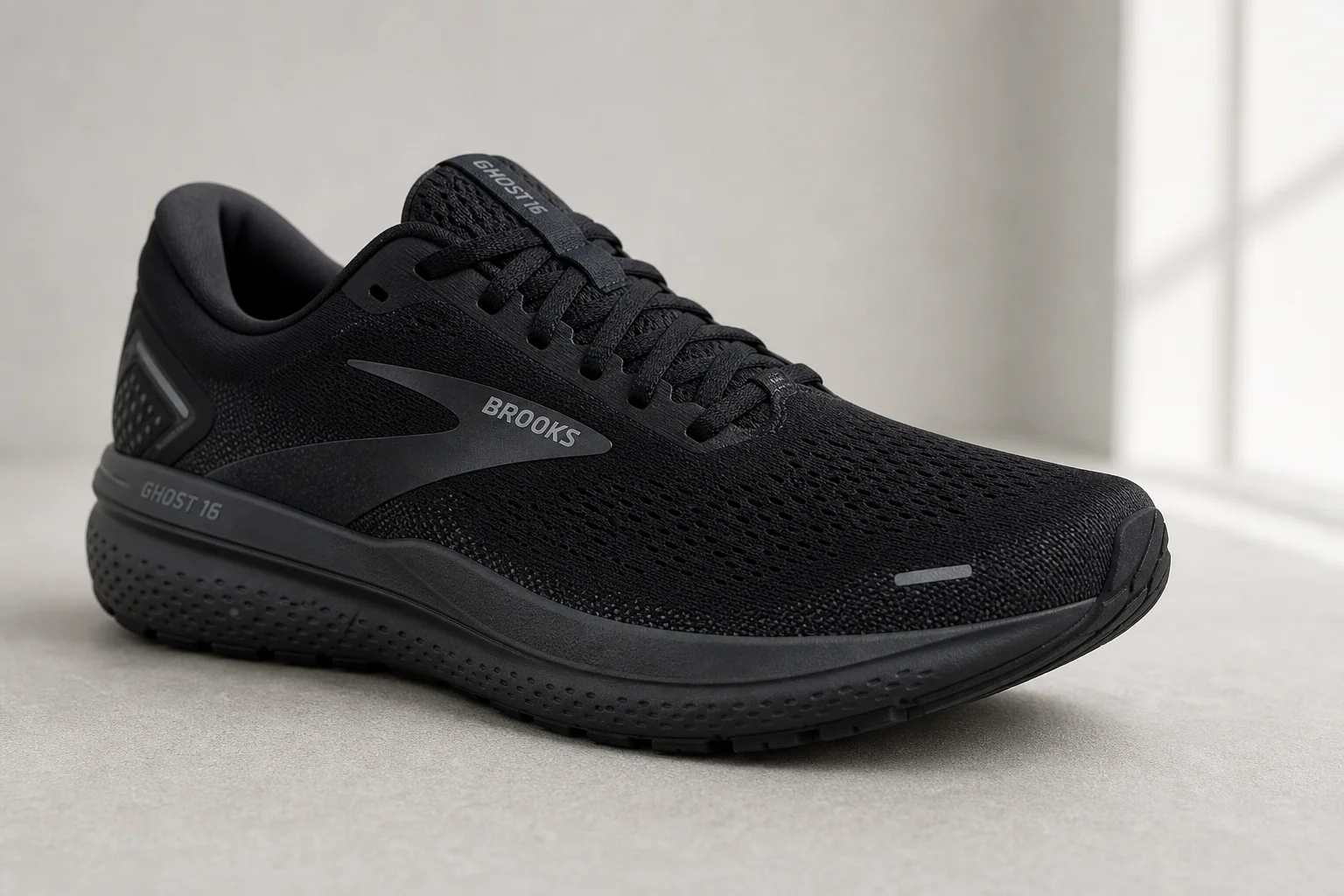
The numbers tell the first part of the story. The Ghost 16 uses a 12mm drop with 35mm of foam at the heel and 23mm at the forefoot, and weighs 9.7oz (277g) in a UK 8.5. It costs $140 or £130.
The Ghost Max packs a bigger wedge of foam overall with a lower drop: 39mm at the heel and 33mm at the forefoot for a 6mm offset. It is the heavier shoe at 10.3oz (293g) in a UK 8.5, and priced at $150 or £140.
Ride and Feel: Rocker vs Flatter Ride
The Ghost Max is tuned medium-soft to soft, with a rocker geometry that smooths transitions. Its high stack is balanced by a broad, wide cushion platform that creates a genuinely stable base. In a side-by-side run, the bigger stack and rolling feel were obvious: the bowl of foam under the midfoot into the heel rolls you forward, and the extra forefoot cushion adds comfort, especially for heel strikers who snap through quickly.
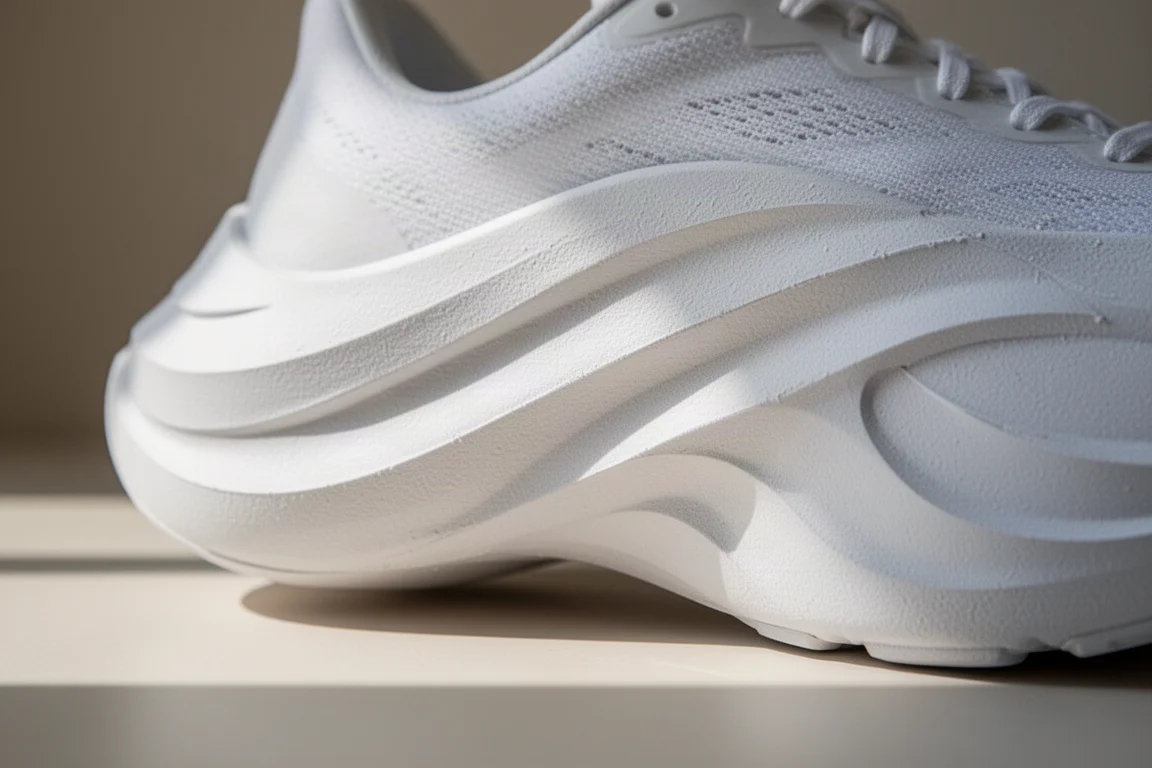
The Ghost 16 runs flatter. Its nitrogen-infused DNA Loft V3 foam, the same as in the Glycerin 21, offers more spring and resilience, and it keeps its bounce well over long runs. In a lighter shoe, it delivers cushioning and protection with a touch more agility and energy, which makes it better when you pick the pace up.
Fit and Comfort
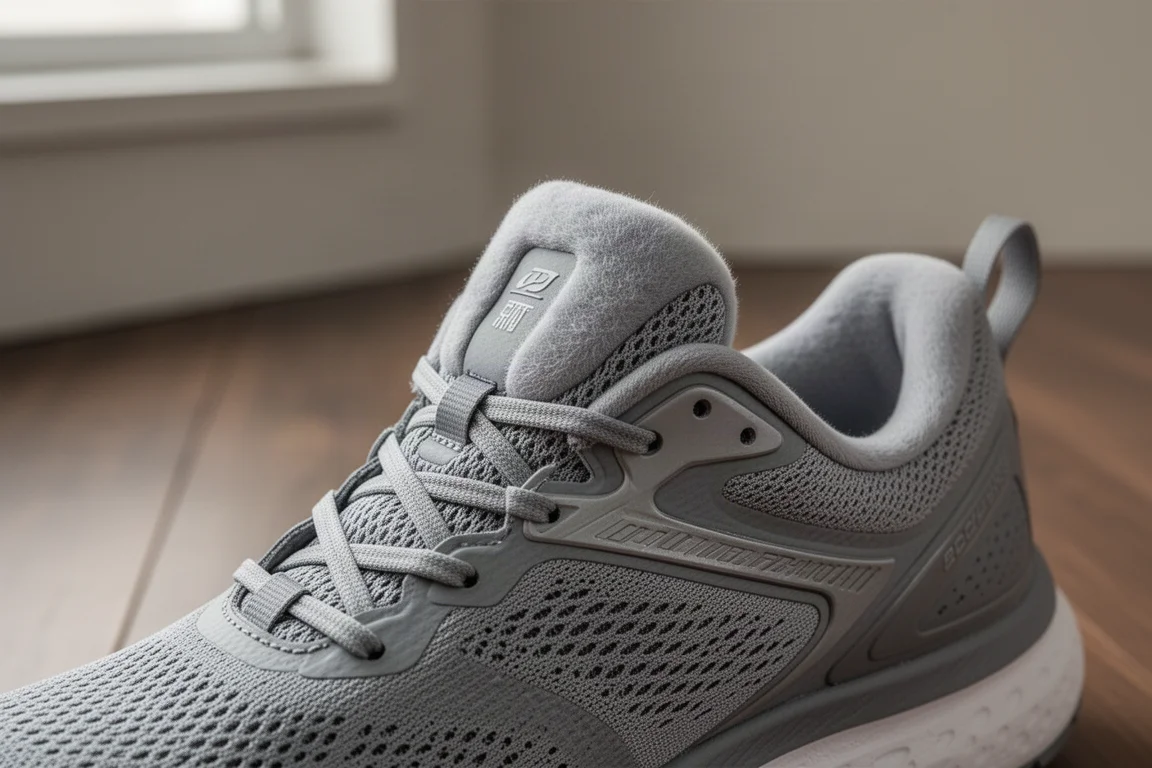
Both shoes use engineered mesh uppers with similar flex and breathability, big padded heel collars, and well-padded non-gusseted tongues. Both are true to size, with roughly a thumb’s width of toe room.
The Ghost 16’s upper is slightly more flexy and the toe box a touch more spacious, though somewhat shallower than the Ghost Max. Its lace lockdown is secure, if not quite as firm as the Ghost Max. One thing to watch: the Ghost 16 has an unusually stiff heel counter with a pronounced top roll, which caused Achilles irritation for one of our testers. The Ghost Max is structured at the back too, but softer and more comfortable there.
The Ghost Max comes in two width options, the Ghost 16 in more. Both held the heel firmly with no slipping.
Durability and Grip
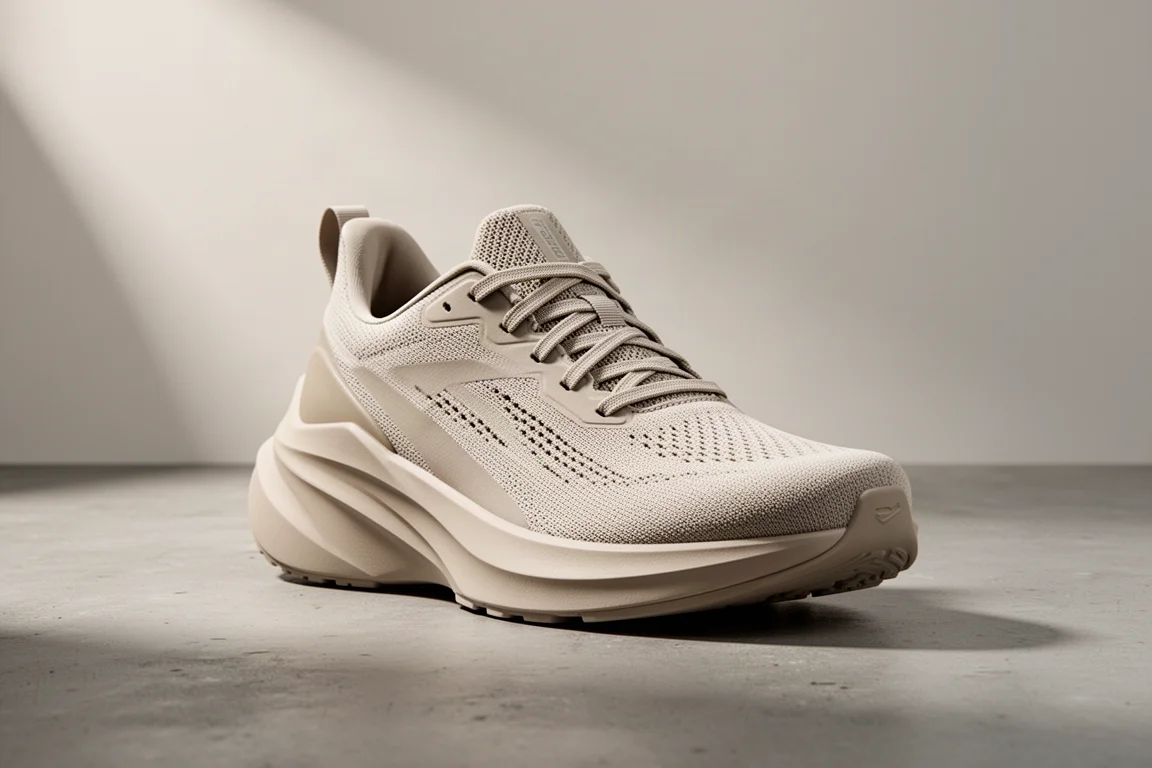
Both shoes wear generous coverings of durable, grippy outsole rubber, and both are built to last. Testers handled light trail paths and park running without feeling out of place, and traction has been very good on the road.
Which One Should You Choose?
The Ghost Max brings a shade more protection with a smoother, more rolling rocker ride. It is best suited to easy runs and shines as a long-run shoe, though the weight works against it when you try to pick the pace up.

The Ghost 16 is lighter, more agile and better at faster paces, with a bit more range. With its better DNA Loft V3 foam, lower price and more versatile ride, it edges the comparison for most runners. The main caveat is that stiff heel counter: if you are sensitive to Achilles pressure, the Ghost Max is the safer pick. Both are comfortable, capable workhorses, and it really comes down to whether you prefer the snappier high-drop Ghost 16 or the smoother rocker of the Ghost Max.
Conclusion
These are two of the best Ghost-line shoes yet, and neither is a bad choice. Pick the Ghost 16 for a lighter, livelier and more versatile ride at a slightly lower price. Pick the Ghost Max for maximum protection and a smooth, rolling ride over long miles.
Further reading
Related Reviews

Running Shoes
Best Road-to-Trail Running Shoes: Three Versatile Options for Mixed Terrain
A practical guide to three road-to-trail running shoes that handle both pavement and mild trails, with clear strengths and trade-offs for different runner types.

Running Shoes
Best Running Shoes for Achilles Tendonitis: Three Options Explained
Three running shoes with different heel drops and support features designed to help reduce Achilles tendon pain during walking and running.

Running Shoes
Best Running Shoes for Women: Five Top Choices Ranked
A ranked guide to five women's running shoes, from versatile daily trainers to high-performance racing options, with real strengths and trade-offs for each.