Running Shoes
Brooks Ghost Max 4 Review: A Return to What Made the Ghost Max Special
The Ghost Max 4 trims rubber, stiffness, and puffy padding to get closer to the original Ghost Max formula. Here's how it compares to the Ghost Max 3, Ghost 18, Ghost 17, New Balance 880 v15, and Hoka Skyflow.
Introduction
The original Ghost Max was exciting because it delivered a different take on the Ghost formula: a taller, softer, more expressive version of Brooks’ most familiar daily trainer. Since then, the line drifted back toward a stiffer, stuffier Ghost. The Ghost Max 4 sets out to reverse that trend, and this review covers how well it succeeds, plus the alternatives worth considering if you want to spend less.
Specs and Design
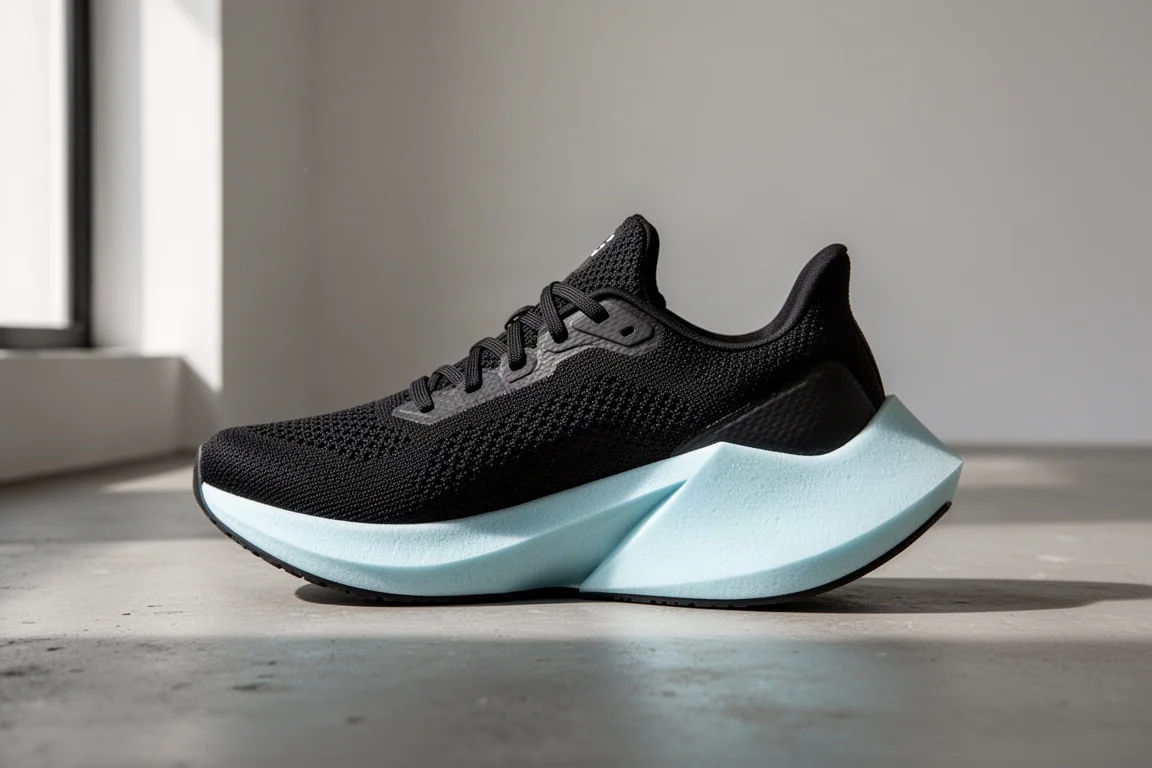
On paper, the Ghost Max 4 is a 40 mm stack height shoe with a 6 mm drop, giving 34 mm of foam in the forefoot. The entire ride comes from a single component: Brooks DNA Loft v3, the same foam used in the Ghost 18. The key difference is geometry. The Ghost 18 starts shorter at 36 mm in the heel with a 10 mm drop, leaving only 26 mm in the forefoot, which creates the biggest ride difference between the two shoes.
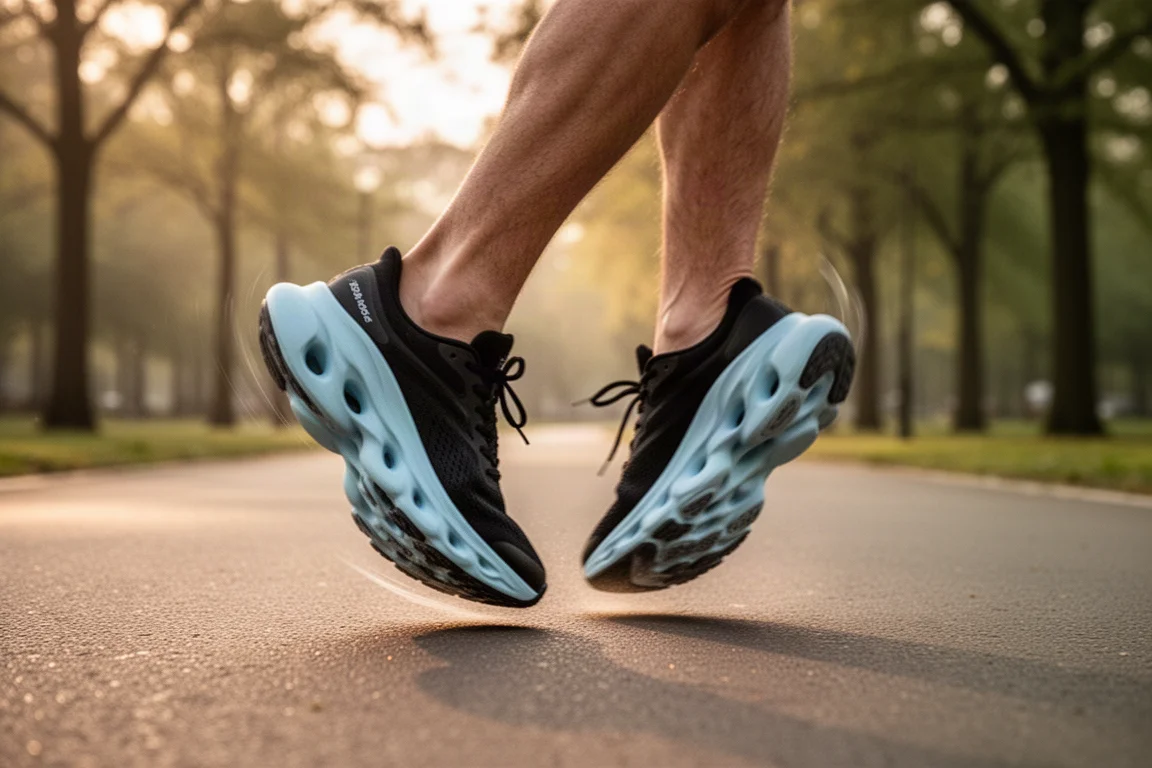
The design language this year borrows heavily from the Glycerin Max, with hashed foam in the midsole and a triangular wedge geometry that starts large in the heel and tapers to a point in the forefoot. The Ghost Max has always had a very wide footprint, and that remains the main source of stability here: there are no traditional stability elements, but the wide landing area keeps the shoe from feeling wobbly no matter how your foot first contacts the ground.
The upper uses a comfortable dual layer of mesh with a moderately padded tongue and generous padding through the heel cup, including coverage over the Achilles flare, which ends in an unusual flourish combining an Achilles flare with a pull tab. Compared to the double-stuffed puffy approach of the Ghost Max 3, everything has been toned down slightly, and the fit benefits: a regular running shoe size works well without the snug, warm-weather tightness of last year’s version. Weight comes in at 10.1 oz (286 g) for a US men’s size 9.
On the Road
This is a genuinely satisfying update. The 6 mm drop feels like a 6 mm drop, and the shoe feels soft, if still a little dense for a daily trainer. Compared to the Ghost 18, it feels noticeably softer, thanks partly to the lower drop and partly to significantly less rubber on the outsole. Brooks thinned the rubber out considerably, and the difference is feelable: less rubber lets the DNA Loft v3 foam and the midsole geometry do their job instead of being caged in by an unnecessarily thick outsole. Durability should still be solid, since Brooks knows how to make a long-lasting outsole, so this reads as a smart compromise.
The reduced rubber also makes the Ghost Max 4 feel more neutral than both the Ghost and especially the Ghost Max 3. Riders worried about a shoe being too neutral need not worry: the wide footprint still provides inherent stability. The result is a foam that is slightly dense but pleasantly soft, with a geometry that makes it easy to settle into a rhythm. The upper looks underwhelming in hand but works well on foot, and the black upper with the ice-blue midsole gives it a look reminiscent of the old Hyperion Tempo.
Overall, this shoe has less rubber, less stiffness, and less puffy padding than both the previous Ghost and the previous Ghost Max. It is, in effect, the Ghost many runners have been asking for.
Budget-Friendly Alternative: Brooks Ghost Max 3
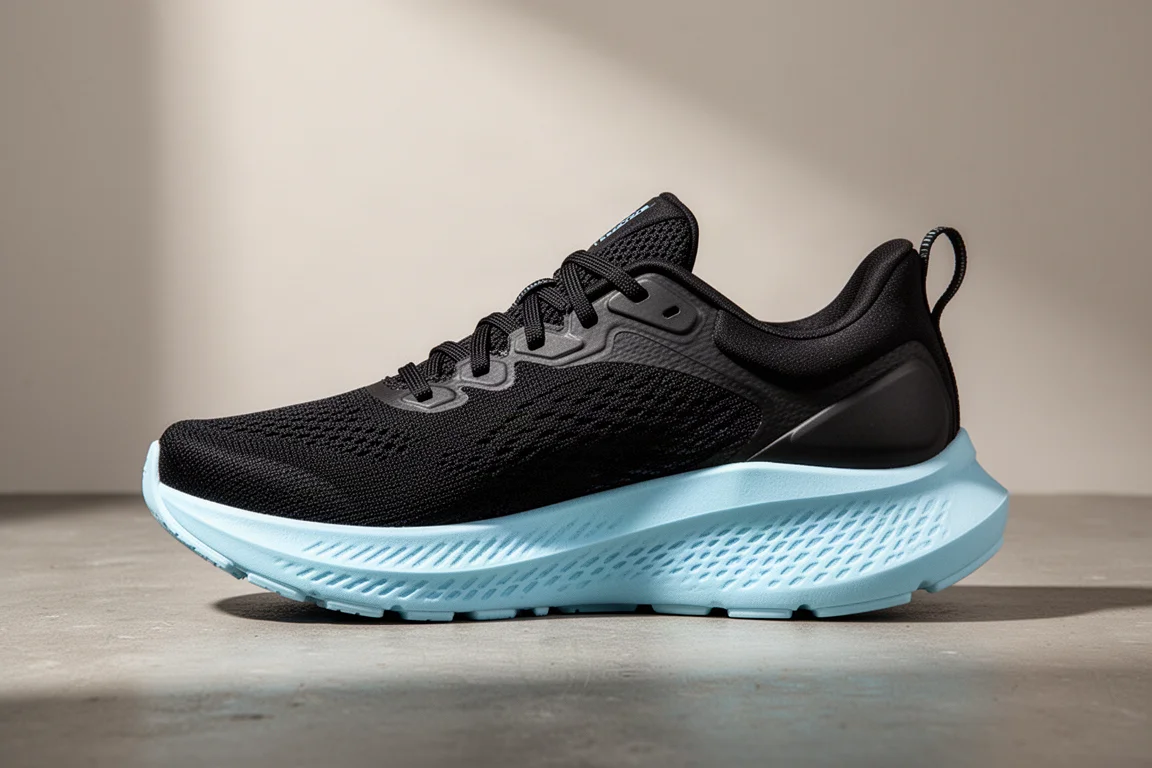
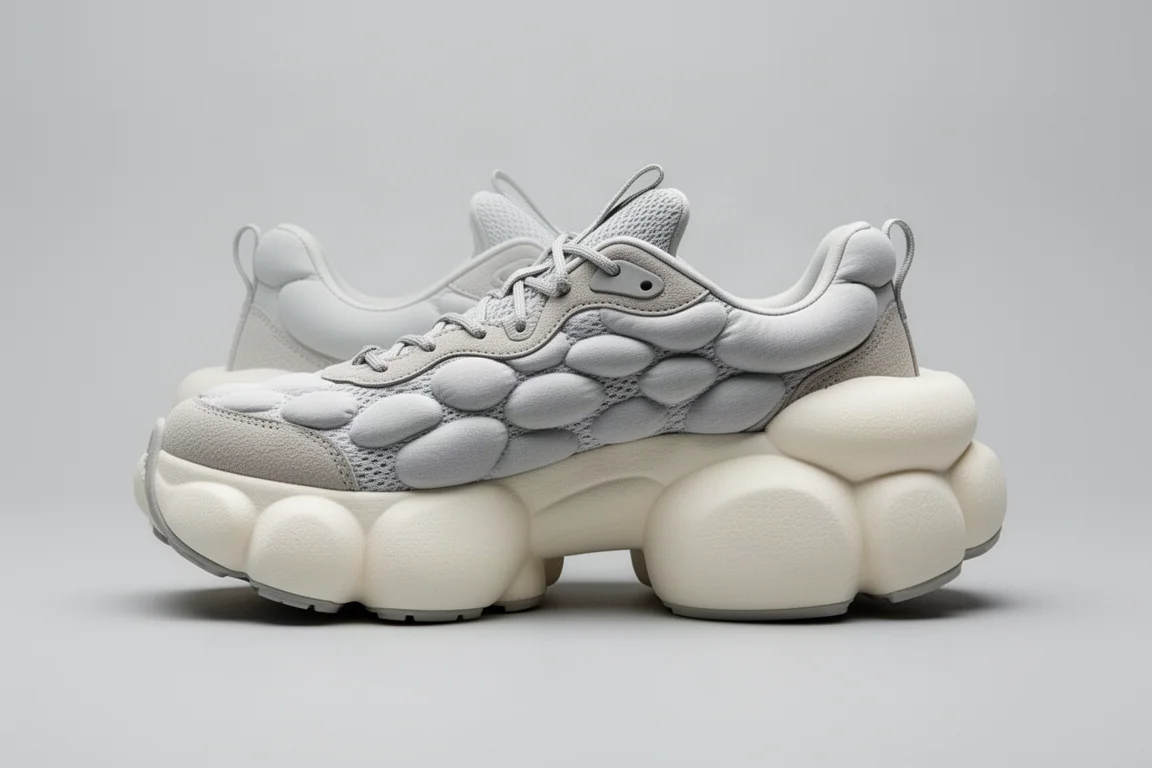
If the Ghost Max 4’s $165 price feels steep, the Ghost Max 3 is now discounted to $120 from its original $160. It is much puffier, blockier, and more stable, almost a max-cushion stability Ghost, and it keeps the same 6 mm drop. If that heavier, more stabilized character appeals to you, it is a solid way to save money.
Classic Option: Brooks Ghost 18 and Ghost 17
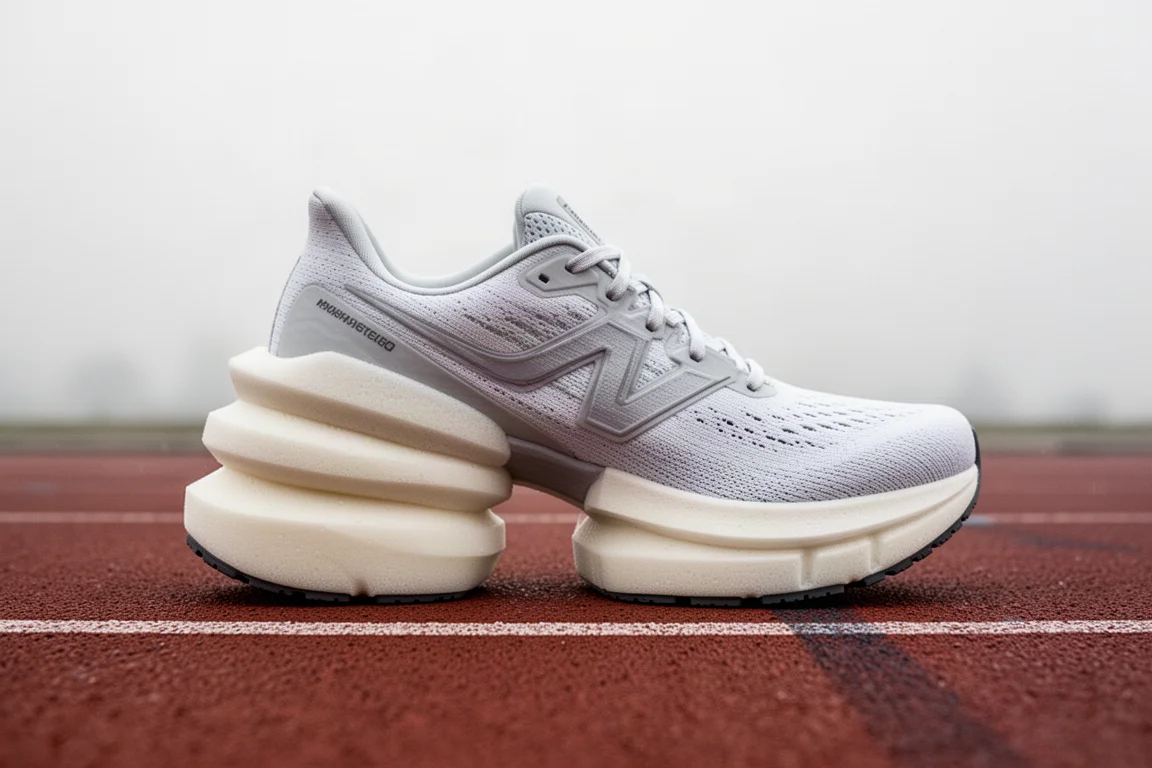
Loyal Ghost fans may be better served sticking with the regular Ghost. The Ghost 18 retails at $150 and differs from the Ghost Max 4 in a few key ways: a 10 mm drop, a shorter stack, and an extra-thick layer of rubber on the outsole. The regular Ghost suits heel strikers especially well, while the Ghost Max strikes as more of a midfoot-striker shoe, so the two lines are aimed at slightly different running styles.
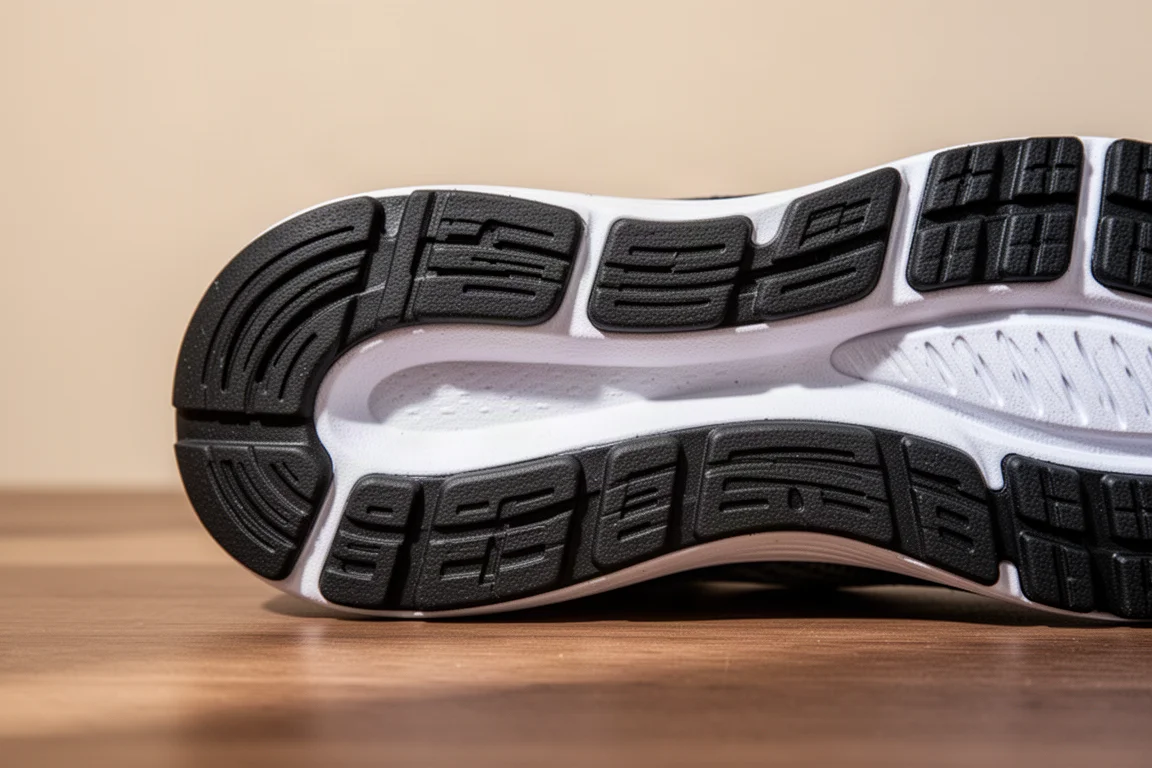
For an even better deal, the Ghost 17 is essentially the same shoe as the Ghost 18, with the tongue being the only real difference, and it is currently on sale for $110. That is very good value for a Ghost.
Wider Market: New Balance 880 v15
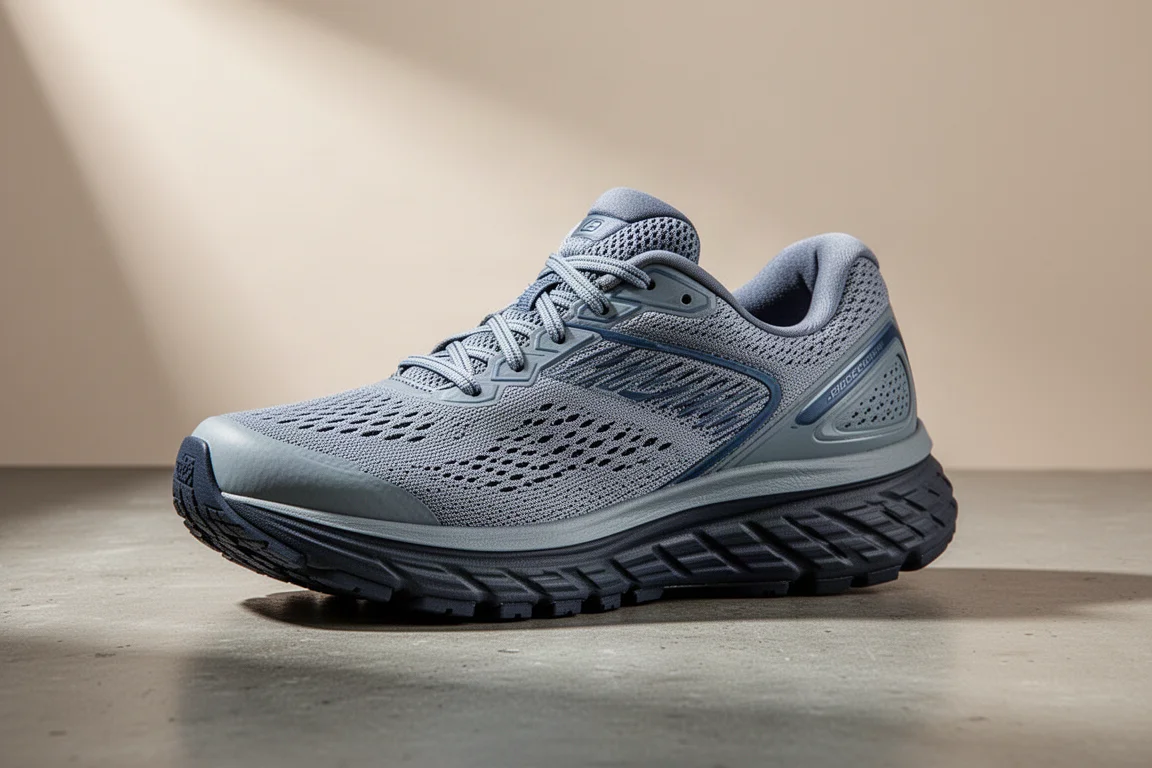
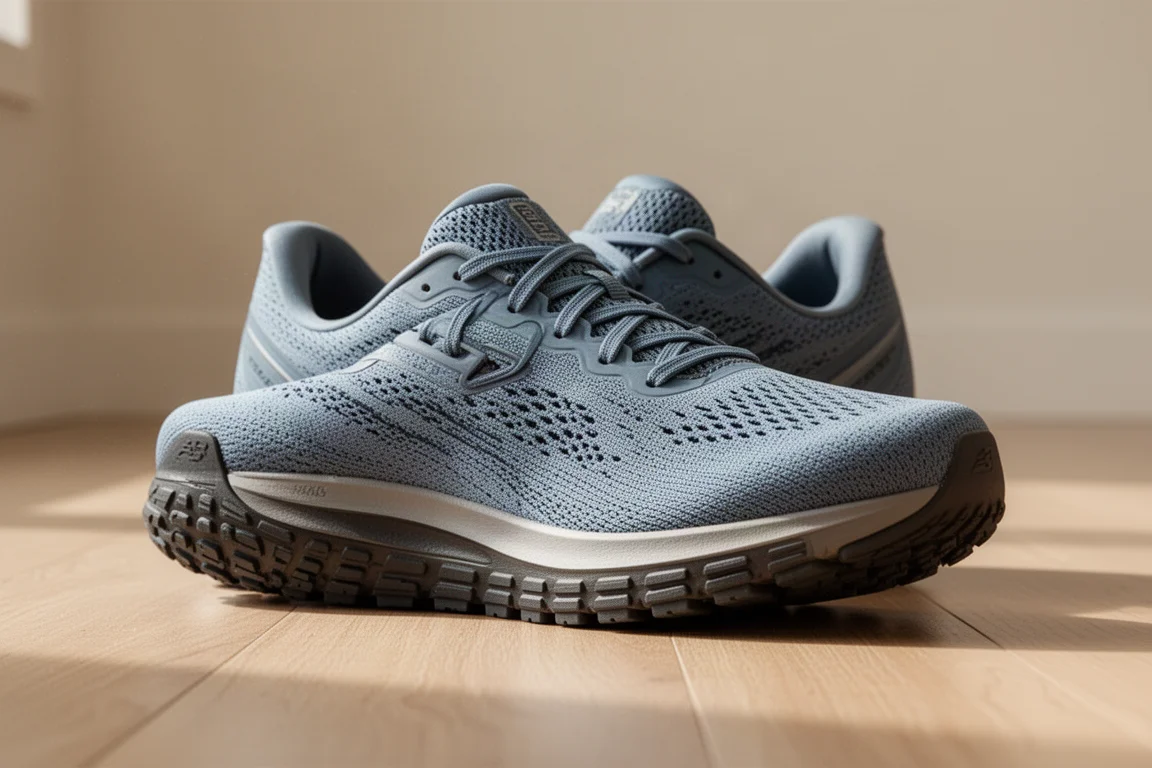
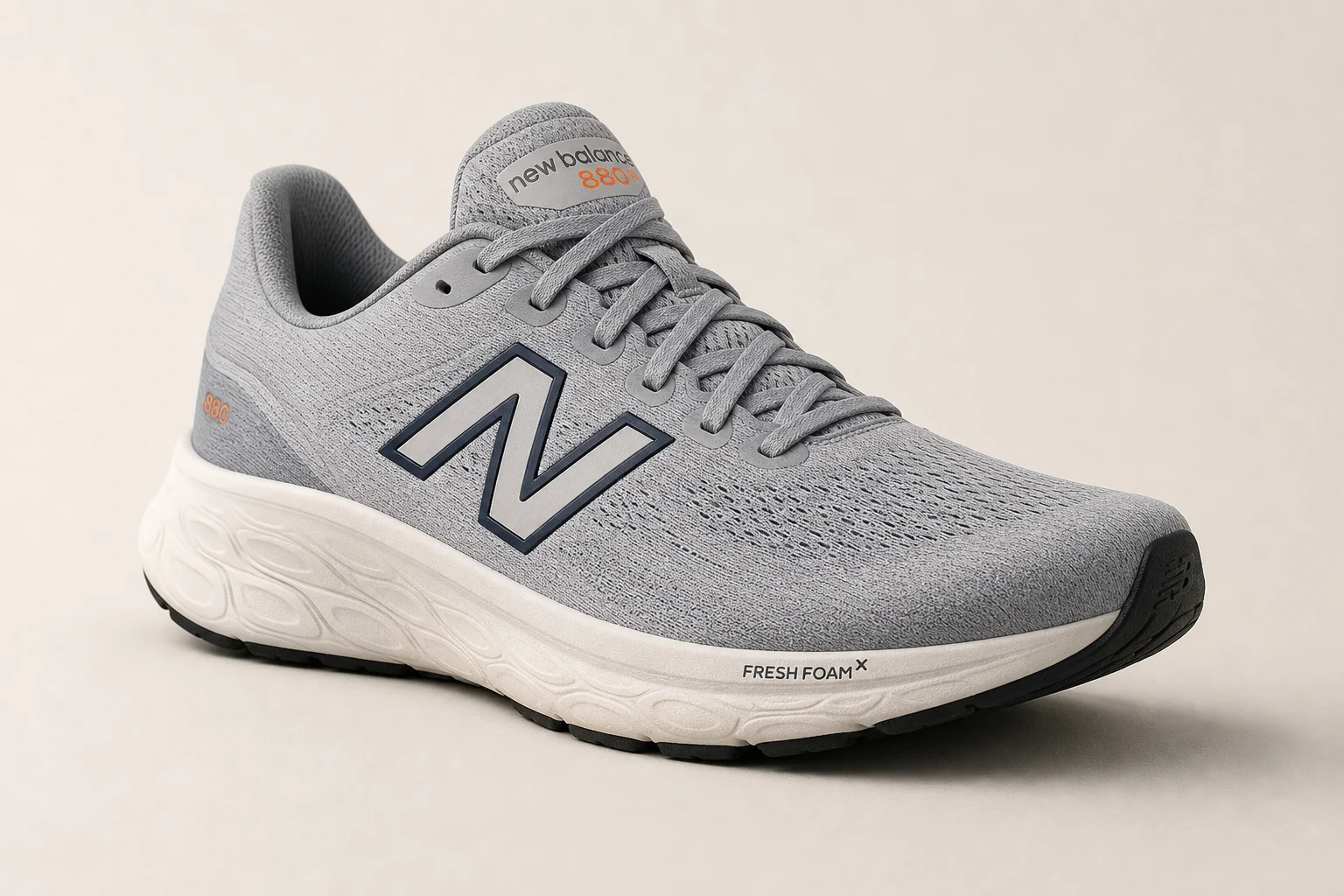
Looking at how $165 stacks up across the market, the New Balance 880 v15 is another 6 mm drop shoe that leans slightly stabilized and runs denser than its Fresh Foam X formulation could potentially feel. The trade-off goes the other way in comfort, though: the 880 is softer and feels wider in the forefoot, and it saves you $15 at a $150 retail price.
Nimble Contender: Hoka Skyflow
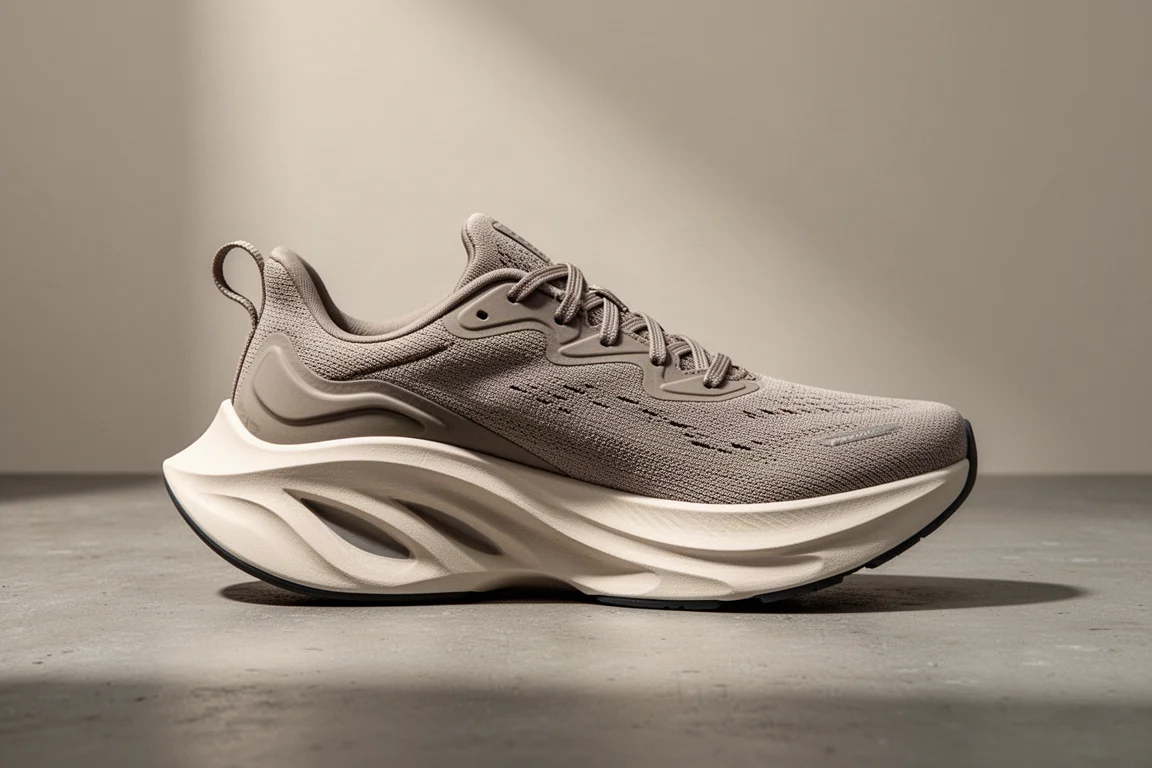
The Hoka Skyflow is a 5 mm drop shoe that shares some interesting traits with the Ghost Max 4, including both an Achilles flare and a heel tab, plus light stability elements built into the heel that Hoka pairs with a neutral label. Both shoes run a little denser than ideal, but both make it easy to find a rhythm at daily training paces.

The Skyflow feels lighter on foot and has a narrower footprint than the Ghost Max, so it feels a bit more nimble. It originally retailed for $160 and is now on sale for $128, making it an appealing pickup if you want a mid-range drop, lightly stabilized daily trainer.
Buying Advice
The Ghost Max 4 is a daily trainer that returns to the original promise of the Ghost Max: pushing the boundaries of what a Ghost can be for runners the standard Ghost was not speaking to. Brooks could have pushed farther, but given the backsliding of the last two iterations, the end result is genuinely welcome. It launches on August 1st at $165, which is a little expensive for what you get. Choose the Ghost Max 3 at $120 if you want more puff and stability, the Ghost 18 or Ghost 17 if you are a Ghost traditionalist or heel striker, the New Balance 880 v15 for a softer, wider forefoot, or the Hoka Skyflow if you prefer something lighter and more nimble.
Conclusion
The Ghost Max 4 is the most convincing Ghost Max in generations: softer underfoot, more neutral, and better fitting than its immediate predecessor, with a design that finally honors the “max” name. It is not the cheapest option on this list, but for midfoot-striking daily mileage in a stable, comfortable package, it earns its place at the top of the Ghost family.
Further reading
Related Reviews

Running Shoes
Best Road-to-Trail Running Shoes: Three Versatile Options for Mixed Terrain
A practical guide to three road-to-trail running shoes that handle both pavement and mild trails, with clear strengths and trade-offs for different runner types.

Running Shoes
Best Running Shoes for Achilles Tendonitis: Three Options Explained
Three running shoes with different heel drops and support features designed to help reduce Achilles tendon pain during walking and running.

Running Shoes
Best Running Shoes for Women: Five Top Choices Ranked
A ranked guide to five women's running shoes, from versatile daily trainers to high-performance racing options, with real strengths and trade-offs for each.