Running Shoes
Brooks Ghost Max 2 vs New Balance Fresh Foam X 1080 v13: Two Max Cushion Trainers Compared
Two plush, protective daily trainers go head-to-head. One is softer and slower, the other more versatile. Here is which one suits your running.
Introduction
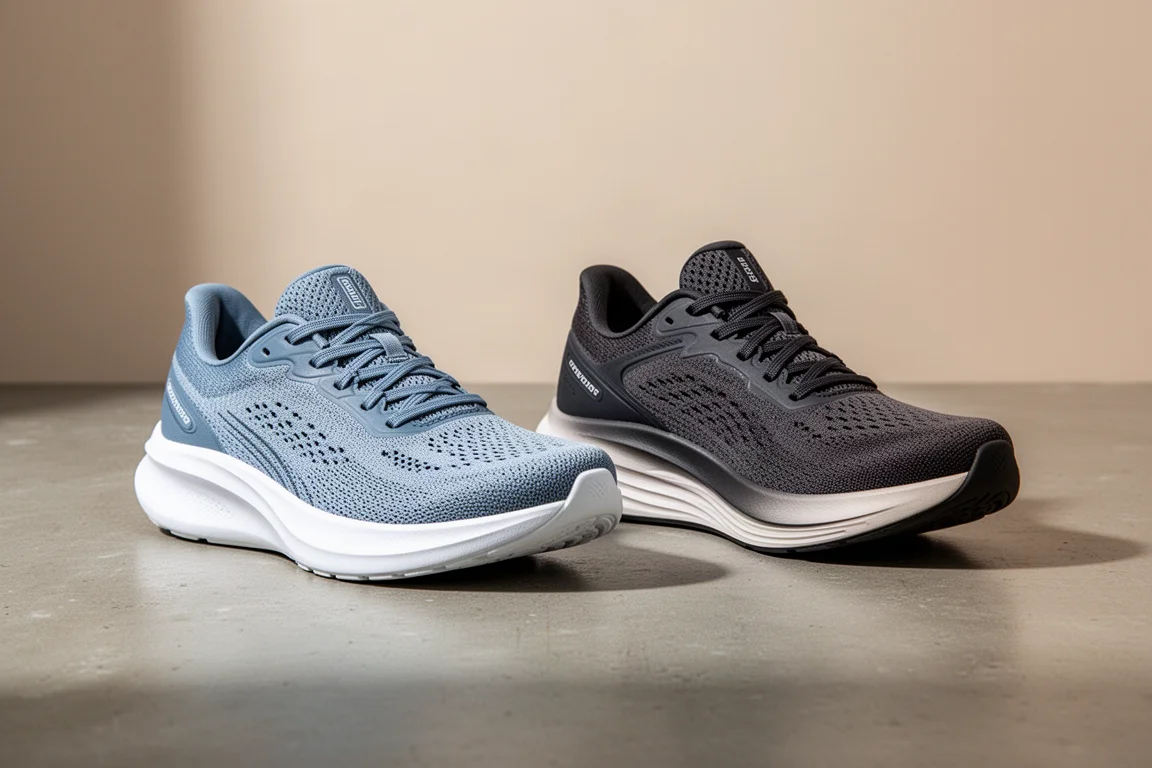
Max cushion trainers have become the comfort default for easy miles, and two of the most popular options are the Brooks Ghost Max 2 and the New Balance Fresh Foam X 1080 v13. Both are built around plush, protective midsoles designed for eating up easy everyday miles in comfort.
But they are not the same shoe. The New Balance leans fully into softness and slipper-like comfort, while the Brooks adds a firmer, more responsive edge that makes it the more versatile daily trainer. This head-to-head breaks down where each one wins.
At a Glance: Stack, Weight and Price
On paper the two shoes are close. The New Balance 1080 v13 packs a 38mm heel and 32mm forefoot for a 6mm drop. The Ghost Max 2 is marginally bigger, with 39mm in the heel and 33mm in the forefoot, also a 6mm drop.
Weight is the clearer separator. In testing, the 1080 v13 came in at 9.2oz (260g), while the Ghost Max 2 tipped the scales at 11oz (313g). The Brooks also launched cheaper, at £140/$150 versus the 1080 v13’s £160/$165, and the older New Balance is now often found discounted.
Build and Midsole Technology
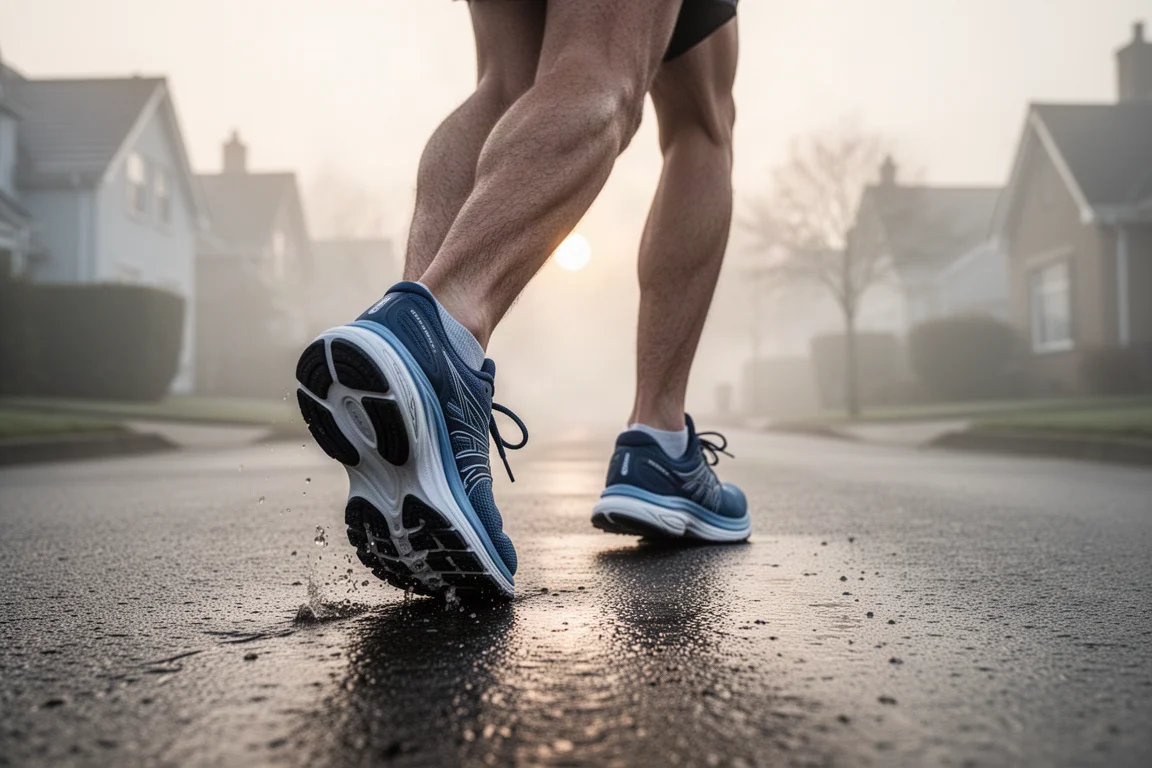
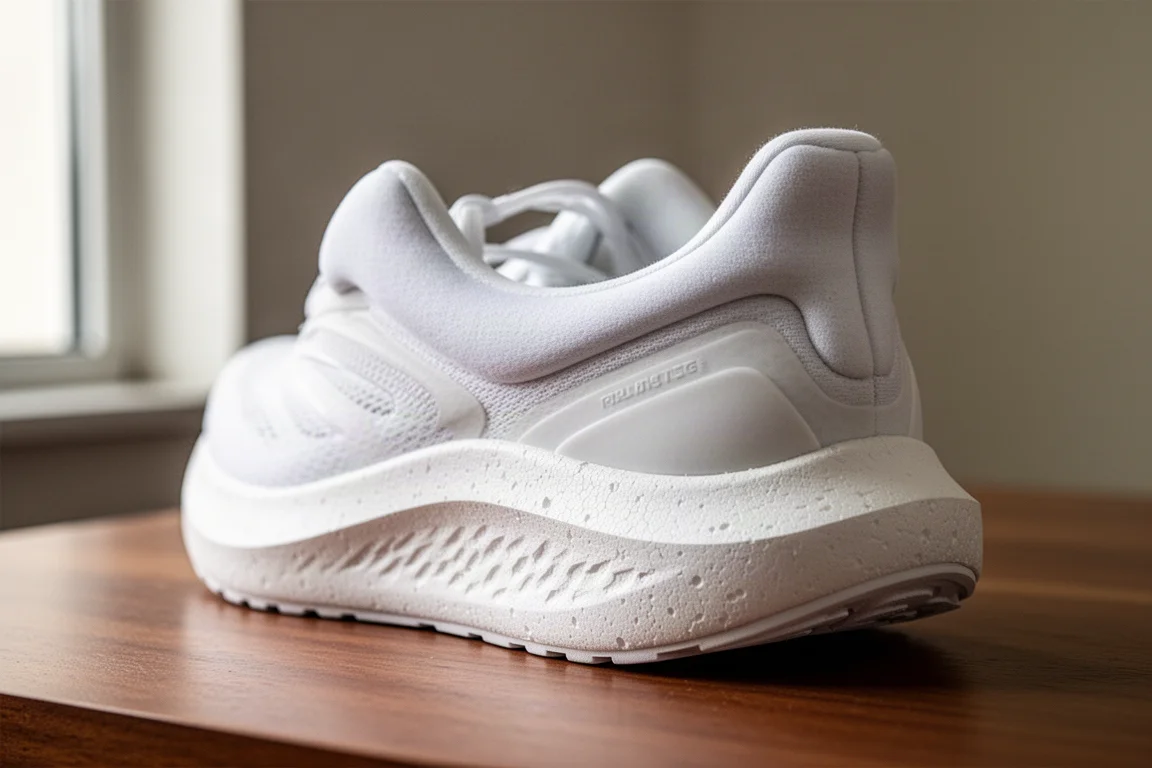
The 1080 v13 uses a lighter Fresh Foam X midsole compared with the previous version, and it shows in the ride: it is noticeably softer and more pliable. The Ghost Max 2 features the softer-but-more-responsive DNA Loft v3 foam seen in Brooks’ higher-end racing shoes, and it is a touch softer than the original Ghost Max.
Both shoes have a rocker, though the Ghost Max 2’s upward toe sweep is more pronounced. Up top, both use relatively thick mesh uppers that balance structure, support, flexibility and breathability, with heavily padded heel collars and tongues. Both have big, rigid heel counters, and the Ghost Max 2 adds an obvious external heel clip plus higher sidewalls for extra stability.
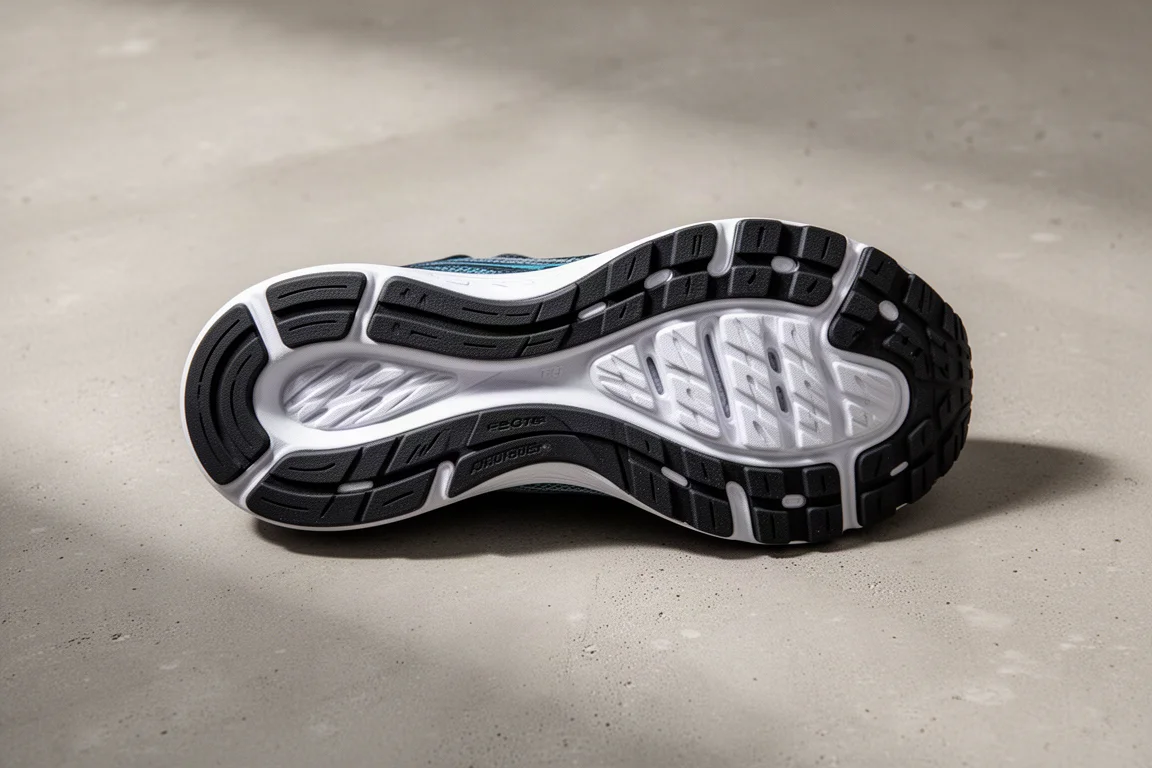
Outsoles differ in approach. The Ghost Max 2 has a more generous covering of rubber that adds grip, durability and a bit of stiffness to the roll. The New Balance’s rubber covering is more sparse, with a lengthways groove design that allows more flex while still aiming for grip and durability.
Fit and Sizing
Both shoes fit true to regular running shoe size in testing, with reliable heel hold and lockdown. The 1080 v13 offers a roomy, slipper-like fit with plenty of forefoot space and a well-padded tongue that avoids lace pinch. The Ghost Max 2 fits somewhat more snugly, hugging rather than roomy, particularly around the little toes, though the upper flexes enough that it never becomes restrictive.
One sizing quirk worth noting: UK-to-US size conversions differ between the two brands, so check carefully when ordering outside your usual region. Either way, sticking to your normal running shoe size is the sensible move for both.
Ride Feel: Softness vs Responsiveness
A side-by-side run reveals the core difference. The 1080 v13 is the softer shoe: a genuine pillow underfoot with maximum cushioning and road protection, and a lower, more cradled feel. That Fresh Foam X midsole gives slightly underfoot movement, making for a slightly less stable but wonderfully comfortable ride.
The Ghost Max 2 still puts a comfortable wedge between you and the road, but it is ever so slightly firmer with a snappier response. The stiffer outsole rubber and firmer foam clasp create a more guided, controlled roll-through, helped by that well-designed rocker that tips you forward and moves you along without noticeable bounce.

In practice, that makes the Ghost Max 2 the more versatile of the two. It copes with a wider range of paces, delivers well over longer runs, and maintains a consistent feel that comes into play in the second half of a long effort. The 1080 v13, by contrast, is best limited to easy and recovery runs. On longer efforts, some testers found themselves getting slightly lost in the foam, wading through it rather than working with it.
Verdict: Which Shoe Should You Buy?
Both shoes are well built, durable and excellent at their core mission: reliable comfort and protection for slower miles. They are both strong choices for the cushioned shoe slot in a rotation, particularly for bigger runners who want more underfoot, or beginners who want guaranteed comfort.
If you want maximum softness above all else, the New Balance 1080 v13 is the better pick for easy day comfort and recovery runs. But if you want one cushioned shoe that can handle easy miles, long runs and a steadier-than-easy pace, the Brooks Ghost Max 2 wins on versatility and value for money, especially with the New Balance’s softer ride limiting its use to slower efforts. The Ghost Max 2 is our pick of the two as the more accomplished all-round trainer, though the original Ghost Max is also worth a look on deals since the ride difference between the two versions is not huge.
Conclusion
These two max cushion trainers are designed for slightly different runners. The 1080 v13 is the softer, more comfortable slipper for easy and recovery miles, while the Ghost Max 2 trades a touch of that softness for a more controlled, resilient ride that works across a wider range of runs. Choose the New Balance for pure easy-day comfort, or the Brooks if you want one cushioned shoe to do more of the work in your rotation.
Product link
View more details for Brooks Ghost Max 2
This product is mentioned in the review. Check the specifications, options, and compatibility before buying.
View more details for Brooks Ghost Max 2Further reading
Related Reviews

Running Shoes
Best Road-to-Trail Running Shoes: Three Versatile Options for Mixed Terrain
A practical guide to three road-to-trail running shoes that handle both pavement and mild trails, with clear strengths and trade-offs for different runner types.

Running Shoes
Best Running Shoes for Achilles Tendonitis: Three Options Explained
Three running shoes with different heel drops and support features designed to help reduce Achilles tendon pain during walking and running.

Running Shoes
Best Running Shoes for Women: Five Top Choices Ranked
A ranked guide to five women's running shoes, from versatile daily trainers to high-performance racing options, with real strengths and trade-offs for each.