Running Shoes
Brooks Ghost Amp vs Ghost 18: Which Brooks Daily Trainer Makes More Sense?
The new Ghost Amp brings a bouncy DNA Hype midsole and a lighter build, while the Ghost 18 stays true to the classic stable neutral formula. Here's how they compare.
Introduction
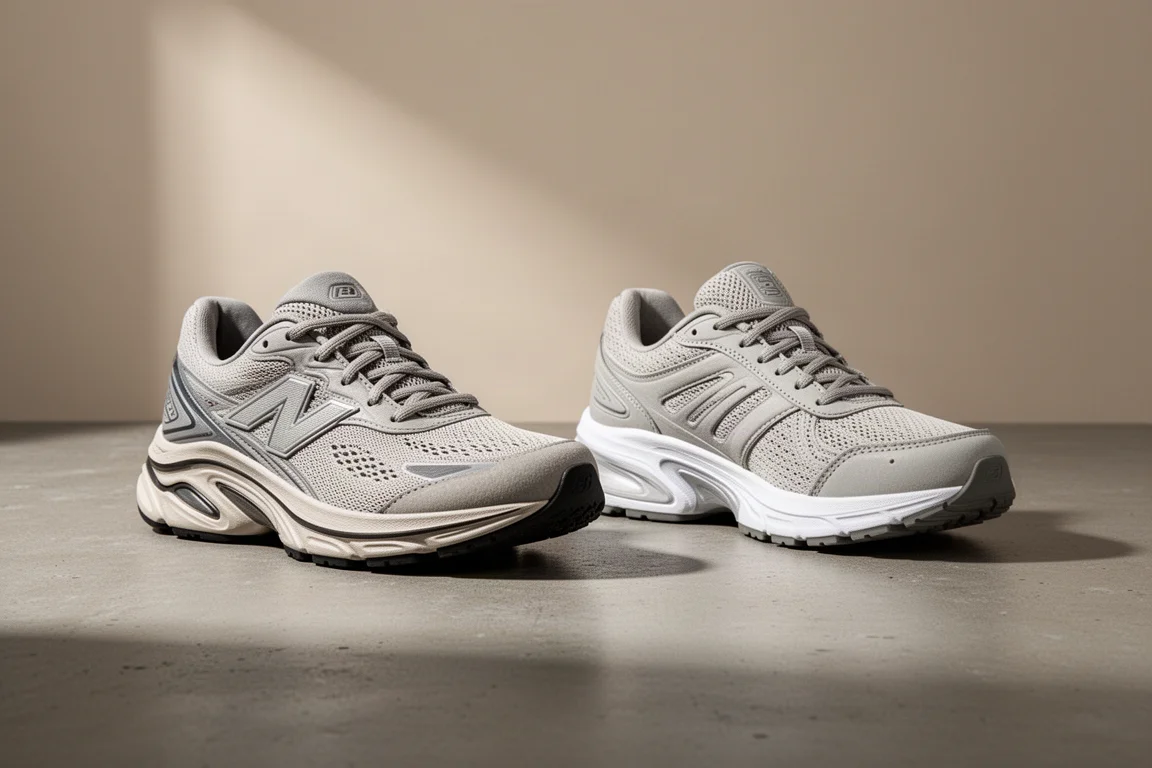
Brooks has spent years building shoes that excel at easy miles, walking, and comfortable daily wear, but the Ghost Amp signals a genuine change of direction. It debuts a new midsole foam called DNA Hype, a PEBA and EVA blend that brings real bounce to a line that has traditionally leaned firm and stable. Surprisingly, it launches at the same price as the inline Ghost 18.
That combination raises an obvious question: if the newer shoe is lighter, bouncier, and costs the same, is there still a reason to buy the classic Ghost? We ran extensively in both to find out.
What Makes the Ghost Amp Different
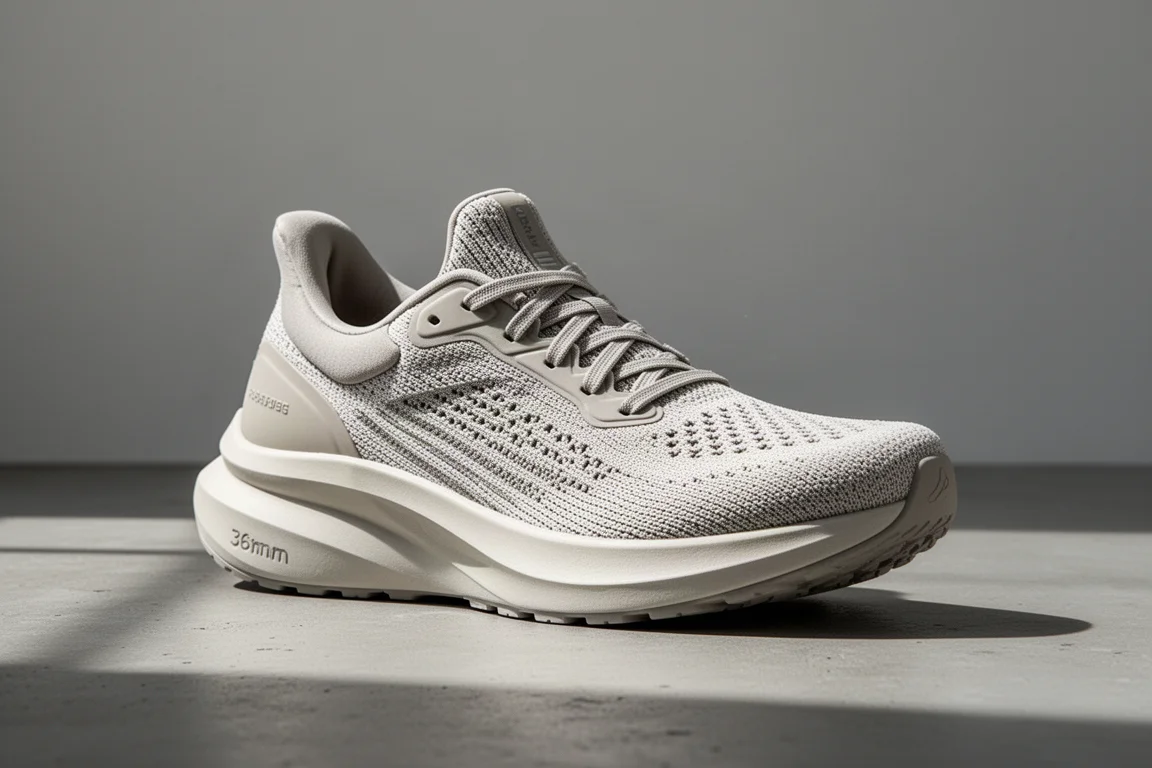
The Ghost Amp is Brooks’ lightweight performance trainer, and the headline is the DNA Hype midsole. It is not a full PEBA super foam, but the PEBA and EVA blend is noticeably more responsive and resilient than the compliant foams Brooks has typically used, where you sink into the shoe without getting much pop back out.
At 10 oz (283 g) in a men’s 10.5, it is meaningfully lighter than the inline Ghost’s 10.9 oz (310 g), and that difference is noticeable on the run. The stack sits at 36 mm in the heel and 30 mm in the forefoot for a 6 mm drop, half of what older Ghost models carried.
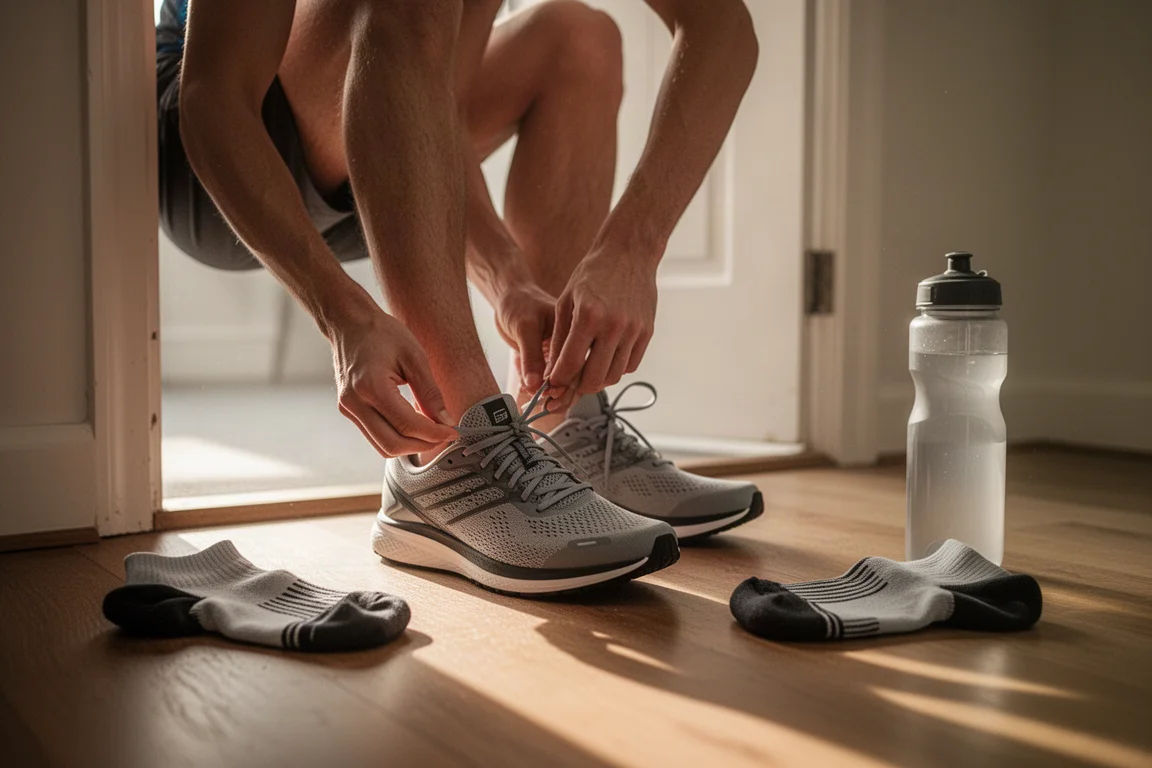
It is worth knowing that sizing runs consistent with other Brooks models: the tester went up a half size, which initially feels slightly long before that sensation settles.
Ride and Midsole: DNA Hype Changes the Story
The Ghost Amp is not the fastest performance trainer on the market, and it is honest to say so. In tempo runs, strides, easy runs, and long runs, it performs well and feels genuinely fun. For shorter, faster intervals, it does not respond quite as quickly as dedicated speed shoes.
What it retains is the classic Ghost trait of being a very stable neutral shoe. Prominent sidewalls at the heel on both the lateral and medial sides support runners who land either direction, and the midfoot is not overly narrow. The transition is good, though slightly stiff out of the box.
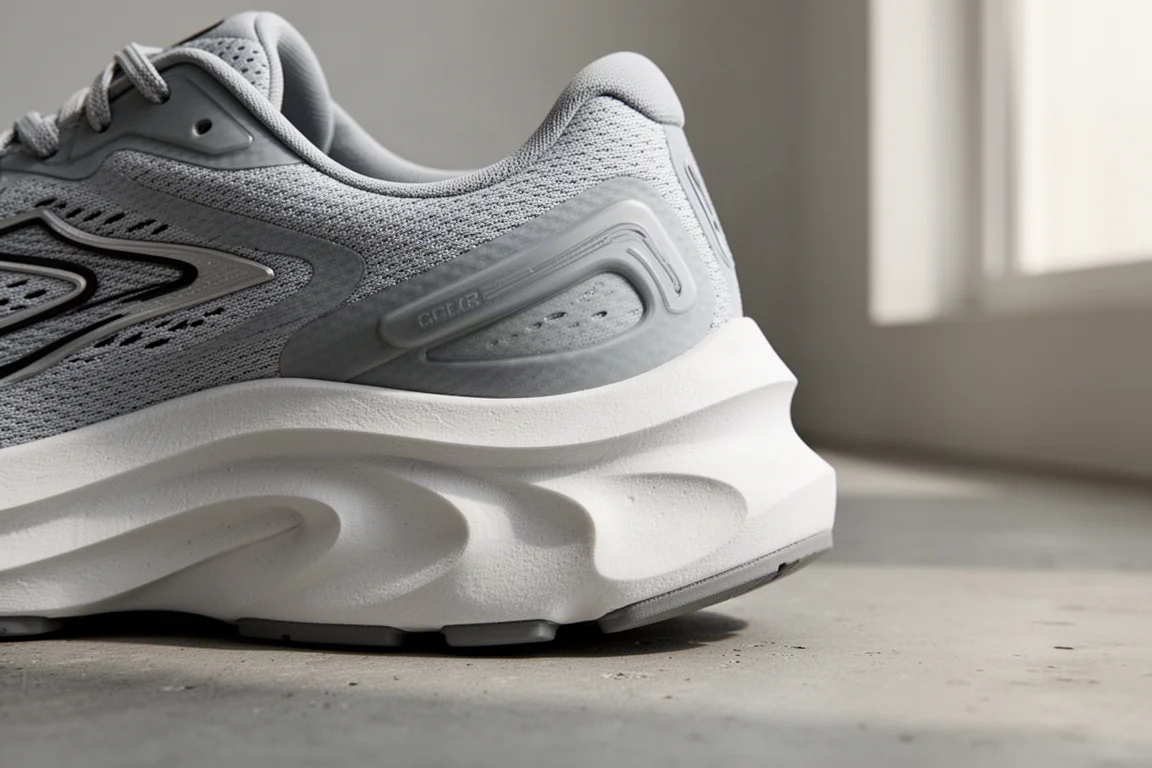
That stiffness fades quickly. The Ghost Amp broke in over just one or two runs, and once the midsole compresses and the slight bevel at the lateral heel starts working, landings feel much smoother. It also carries a forefoot rocker and generous outsole setup that Brooks markets as “Spring Amp,” delivering a subtle snap at toe-off without a plate. Runners with very mild guidance needs get a surprising amount of stability here, and long runs have been comfortable without the usual post-tibial soreness.
How the Ghost 18 Compares
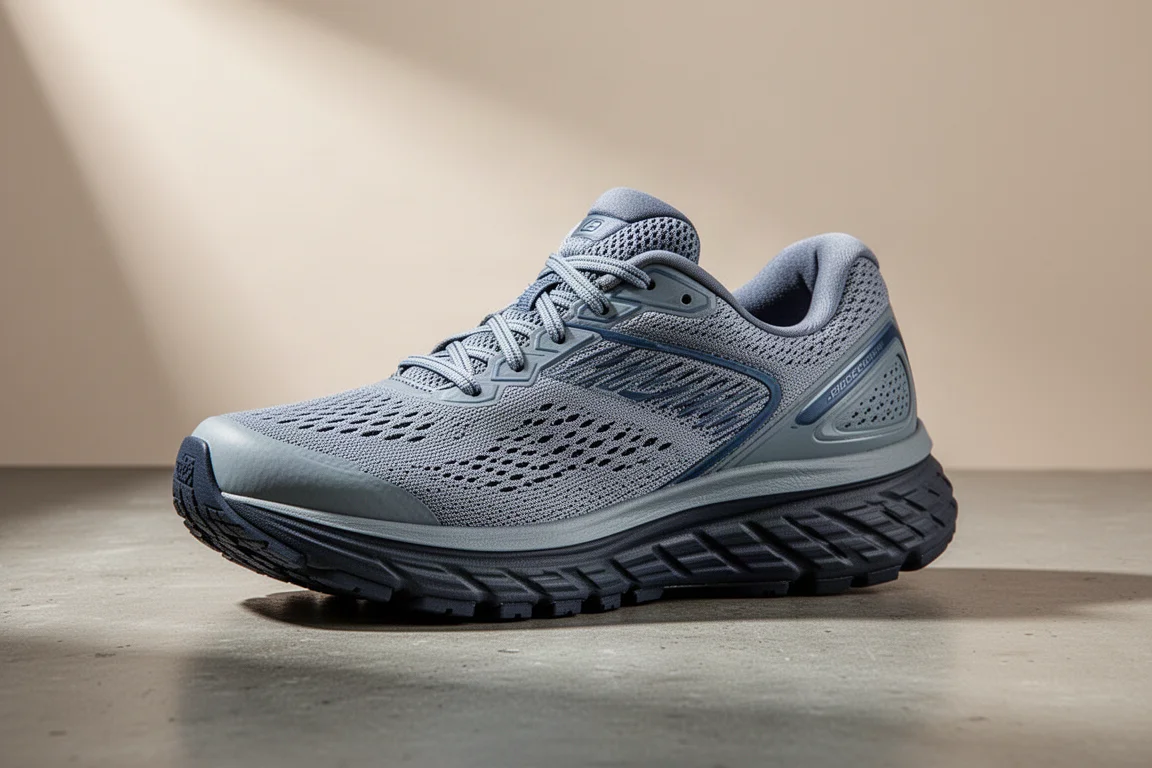
The inline Ghost 18 remains a very basic, stable neutral daily trainer, and for new runners or people who walk and run at slower paces, it does that job well. Its DNA Loft midsole is more compliant, firmer underfoot, and lacks bounce. It transitions through the forefoot more slowly than the Amp.
It is also stiffer, so stiff that one tester found it uncomfortable to run in for the first stretch of miles, with the stability actually bothering the lateral heel and midfoot until roughly 20 miles of break-in. The Ghost Amp needed only one or two runs to reach the same comfort level.
Upper, Fit, and Comfort
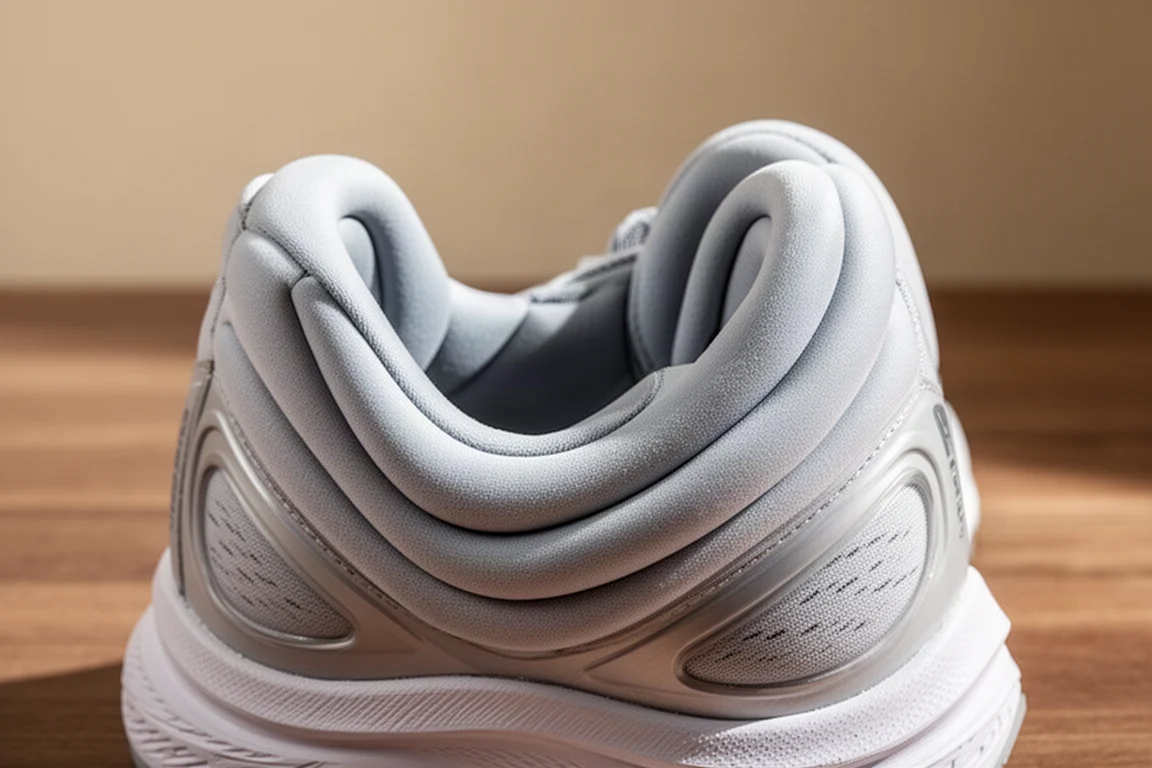
Here the two shoes diverge in interesting ways. The Ghost Amp’s upper is slightly wider but lower volume in feel while also being thicker and more plush, sitting softer against the foot with more padding at the tongue. That extra thickness was welcome for anyone whose previous Brooks irritated the Achilles insertion, and there was no need to cinch the laces down hard.
The trade-offs are real: the thicker upper runs warm and does not breathe especially well on hot days. The heel counter is stiff and hard, though more rounded and better padded than the inline version, which makes it friendlier overall, though runners with acute heel sensitivity should still be cautious. The inline Ghost 18’s upper is lighter but thinner and less padded at the collar.
Durability and Who Should Buy Which
The Ghost Amp’s outsole has held up phenomenally well, and the midsole is retaining its bounce nicely. PEBA and EVA blends often outlast some of the more aggressive super foams, which can lose their bounce after the 90 to 100 mile mark. Early mileage supports the idea that this blend may keep its character longer.
For high school and college runners, or anyone who wants one versatile shoe that can handle easy days, long runs, and the occasional up-tempo session, the Ghost Amp is the more exciting pick. It is arguably what a Ghost in 2026 should be. For walkers, recreational slower runners, and anyone who values the traditional firm, ultra-stable Brooks feel, the Ghost 18 remains a perfectly good choice, and some will simply prefer less bounce.

Conclusion
The Ghost Amp is a major step forward for Brooks: bouncier, lighter, and more versatile than the inline Ghost at the same price. It is not the best performance trainer of the year, but it is one of the better ones, and for runners who have found recent Brooks shoes a little dull, it restores some genuine fun to the daily run. Unless you specifically want the classic firm-and-stable formula, the Ghost Amp is the shoe we would reach for first.
Further reading
Related Reviews

Running Shoes
Best Road-to-Trail Running Shoes: Three Versatile Options for Mixed Terrain
A practical guide to three road-to-trail running shoes that handle both pavement and mild trails, with clear strengths and trade-offs for different runner types.

Running Shoes
Best Running Shoes for Achilles Tendonitis: Three Options Explained
Three running shoes with different heel drops and support features designed to help reduce Achilles tendon pain during walking and running.

Running Shoes
Best Running Shoes for Women: Five Top Choices Ranked
A ranked guide to five women's running shoes, from versatile daily trainers to high-performance racing options, with real strengths and trade-offs for each.