Running Shoes
Brooks Ghost 18 vs Nike Pegasus 42: Two Reliable Daily Trainers Head to Head
The latest versions of two of the most popular daily trainers on the market go head to head on price, ride, fit, and durability.
Introduction
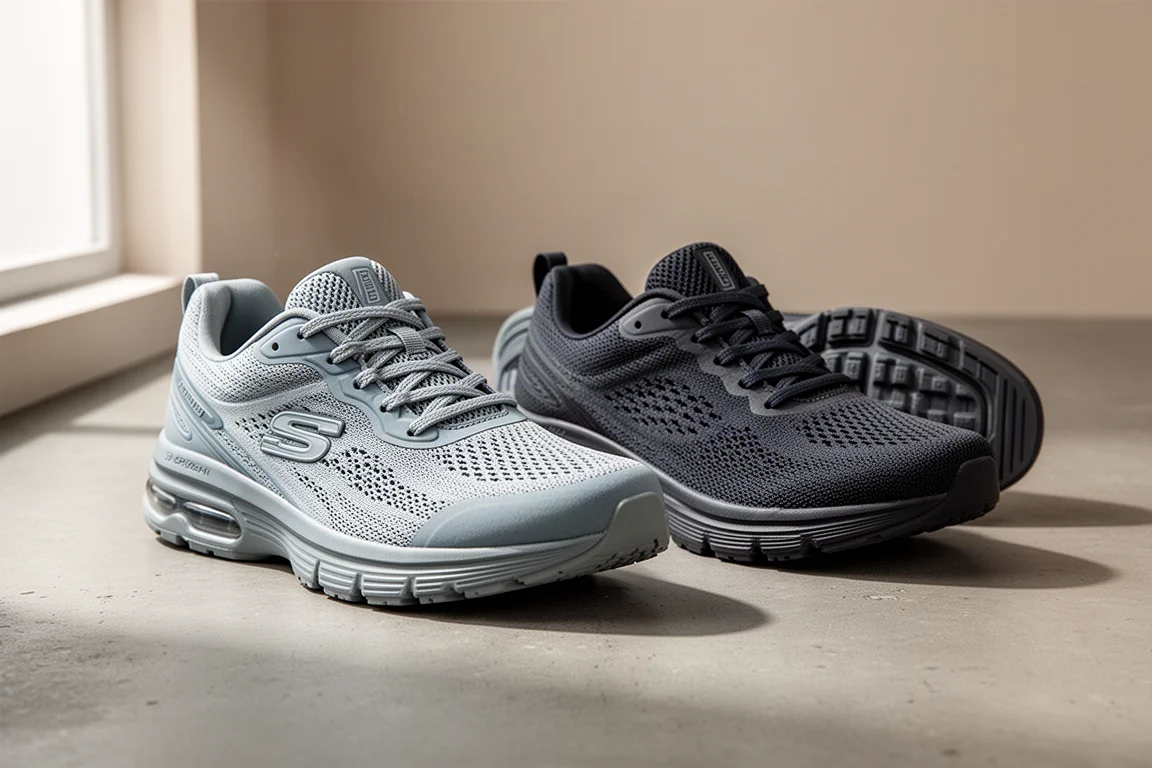
The Brooks Ghost 18 and Nike Pegasus 42 are the latest versions of two of the most popular running shoes on the market. Almost every runner has probably worn a Pegasus or a Ghost at some point, and while neither is necessarily the most exciting shoe you can buy, both are consistently near the top of the daily trainer shortlist.
That is exactly why comparing them makes sense. They are extremely similar in style, price, and weight, so if you are picking between the two for your everyday running, the differences that matter are subtle. After running roughly 50 km in the Ghost 18 and 60 km in the Pegasus 42 across the same kinds of runs, here is how they stack up.
At a Glance: Price, Weight, and Stack
On paper, these two are almost twins. The Ghost 18 costs £135 or $150, while the Pegasus is slightly cheaper at £130 or $145. Weight is essentially identical too: the Brooks comes in at 303 g (10.7 oz) in a UK 9 / US 10, and the Nike at 305 g (10.8 oz) in the same size.
Both use a 10 mm drop, which is a little higher than much of the current market. The Nike has a slightly higher stack: 37 mm at the heel dropping to 27 mm at the forefoot, versus 36 mm to 26 mm on the Brooks. In short, there is very little separating them on stats and price.

Design and Construction
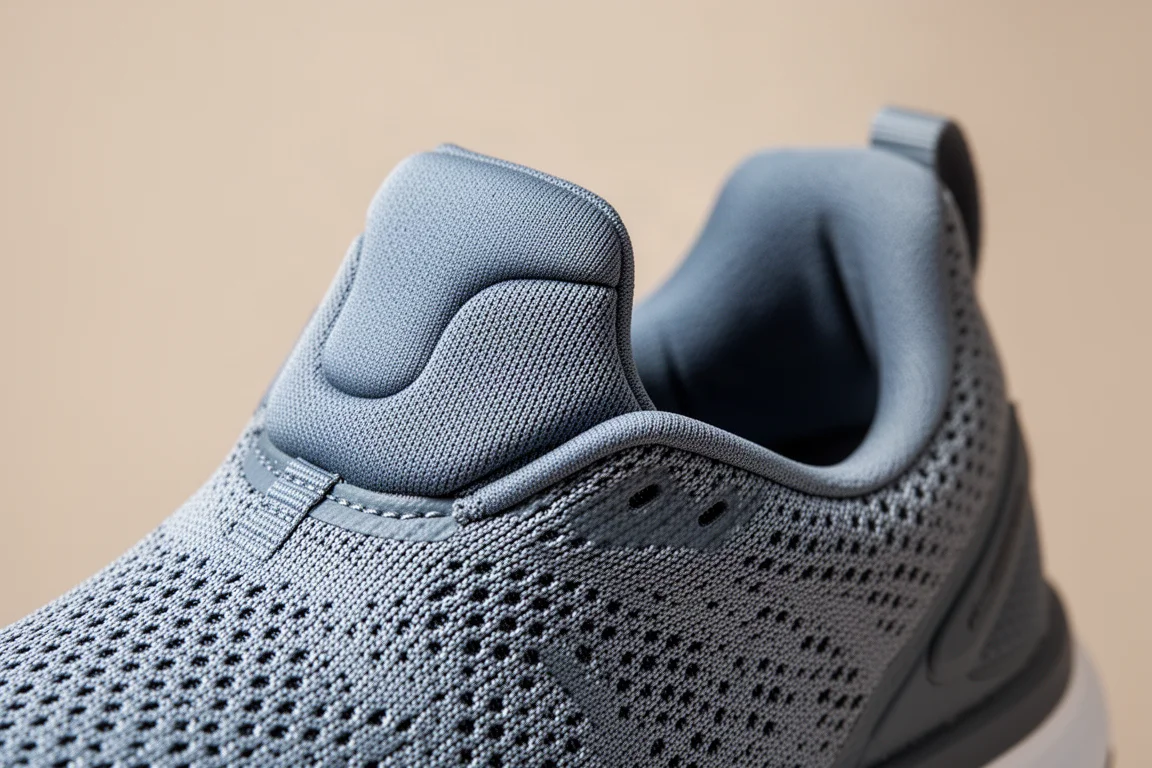
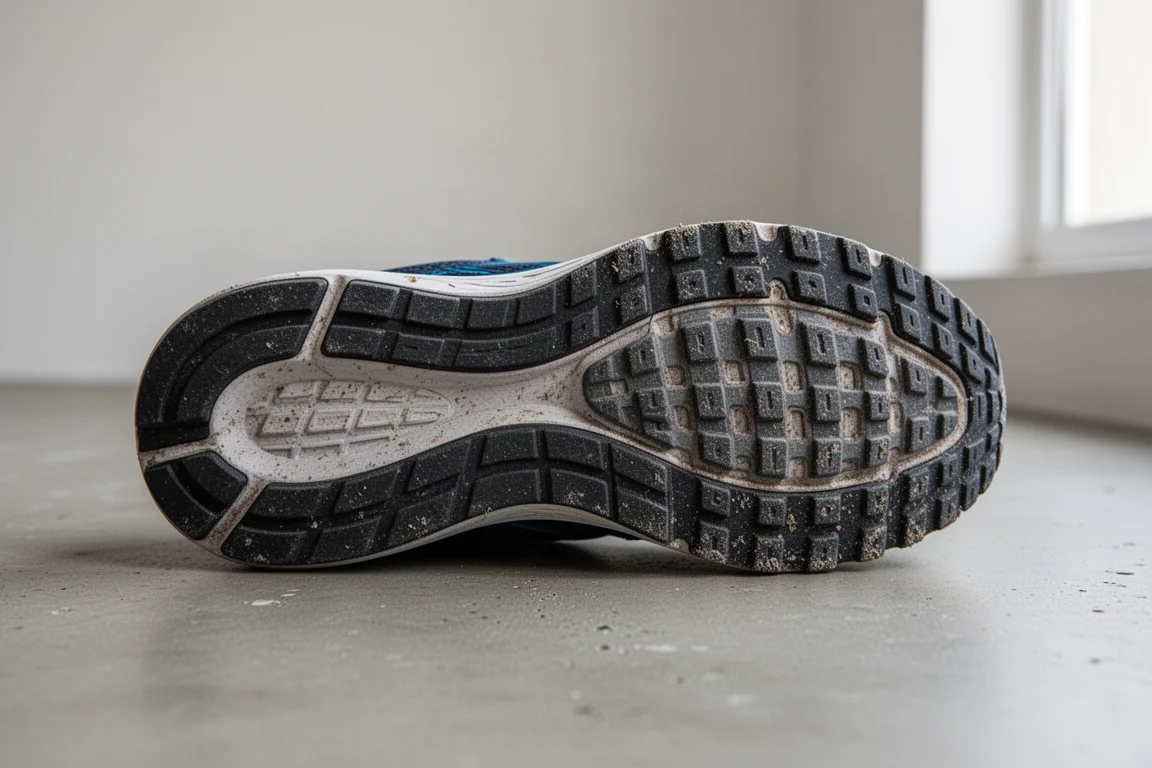
The Ghost 18 uses an air mesh upper with a tongue that is padded but not overly plump, plus fair cushioning around the back. A large, stiff internal heel counter, a common Brooks feature, adds support at the rear of the shoe. The midsole is DNA Loft v3, a nitrogen-infused EVA. It is not Brooks’ best foam, that distinction goes to the DNA Tune in the pricier Glycerin, but it is a responsive, well-balanced compound. Underneath sits a Road Tack rubber outsole in a really thick layer covering nearly the entire bottom of the shoe, which should score well for durability.
The Pegasus 42 has a mesh upper with more padding on the tongue and collar, which makes it comfortable but not the most breathable. It also has an internal heel counter, though it is not as large or stiff as the Brooks unit. The midsole combines Nike’s ReactX foam with a full-length Air Zoom unit running through it, which almost acts like a more flexible plate, adding responsiveness and energy return. The outsole is Nike’s familiar waffle tread: coverage is not quite as extensive as on the Brooks, but it is still generous and should hold up well.
Fit and Comfort
Both shoes were tested in a normal running shoe size, a UK 9 / US 10, which has worked across previous models of both lines. The fit is good in both: a nice amount of room around the toes and a secure hold around the heel and midfoot.
Both uppers are built up, padded, and fairly stiff at the back, which will not suit everyone. If you prefer something more stripped back and flexible around the heel, neither is ideal. The Brooks is slightly more breathable, while the Nike feels a bit more spacious around the back and less oppressive around the Achilles, though its tongue is heavily padded. Both are comfortable uppers, but they might run a little warm in the heat, with the Brooks having a slight edge there.
Ride and Performance
Both shoes retain the familiar feel of their lines: a traditional, snappy ride rather than a soft or springy one. Neither has the softest foams or the highest stack, and the 10 mm drop gives both a snappy character compared with lower-drop shoes.
The Nike feels a little smoother, likely thanks to the full-length Air Zoom unit, which connects the heel-to-toe transition nicely. It is still a snappy shoe first and foremost, but transitions are more fluid than on the Brooks. Neither shoe feels particularly rockered. There is a caveat, though: despite the Air Zoom pod, the Pegasus does not deliver much energy return off the toes. It is cushioned and protective at the heel, but there is not a lot of lift through the forefoot, and at steady or faster paces the heel striker tester noticed some forefoot discomfort. It also feels somewhat labored and heavy at faster paces, given the weight relative to its relatively low stack.

The Brooks shares many of these traits: a snappy ride, a big cushy heel, a naturally stable platform, and limited responsiveness off the toes. But it has a bit more pop off the toes than the Nike. The DNA Loft v3 foam feels slightly less dense and lighter underfoot than the ReactX setup, and when pushing the pace, the Brooks has a bit more edge. Neither shoe is especially versatile, and neither is thrilling at faster paces, but the Brooks handles them slightly better.
Durability and Value
Both shoes have very good outsoles, and a big rubber layer does help the midsole foam keep its feel over time. The Brooks has an even more considerable outsole than the Nike, which could make it the more durable of the two, but you should expect plenty of miles from either.
There is also good value here. Neither shoe is particularly expensive, both should last a long time through daily training, and both tend to appear in sales fairly quickly. The Pegasus in particular is more often discounted than the Ghost, which may sway the decision.
Which Should You Buy?
It is genuinely hard to pick between these shoes because they do the same job at a similar price and a similar level. Both are great for grinding out lots of miles, and both are stable, supportive, and comfortable. What they are not is bouncy or thrilling; compared with something like the ASICS Novablast 6, they are less cushy, light, and fun. But they will reliably tick off your daily training and last a very long time.
If you are looking at previous models, the Ghost 17 is very similar to the Ghost 18, so saving money there is a sensible move. Likewise, the Pegasus 41 does much the same job as the 42; the full-length Air Zoom unit makes the 42 slightly more fun underfoot, but the update is not huge.
Conclusion
The slight overall nod goes to the Brooks Ghost 18, mainly because the DNA Loft v3 foam feels a little more poppy, lively, and fun than the setup in the Nike. There is not a lot in it, though, and if the Pegasus 42 is available for meaningfully less, it would be the smarter buy. Either way, you are getting a dependable, comfortable daily trainer that will rack up the miles.
Further reading
Related Reviews

Running Shoes
Best Road-to-Trail Running Shoes: Three Versatile Options for Mixed Terrain
A practical guide to three road-to-trail running shoes that handle both pavement and mild trails, with clear strengths and trade-offs for different runner types.

Running Shoes
Best Running Shoes for Achilles Tendonitis: Three Options Explained
Three running shoes with different heel drops and support features designed to help reduce Achilles tendon pain during walking and running.

Running Shoes
Best Running Shoes for Women: Five Top Choices Ranked
A ranked guide to five women's running shoes, from versatile daily trainers to high-performance racing options, with real strengths and trade-offs for each.