Running Shoes
Brooks Ghost 17 Review: The Market Standard Daily Trainer Gets a Price Hike
The Brooks Ghost 17 pairs a proven DNA Loft V3 midsole with a durable, no-nonsense build, but a jump to $150 and a 10 mm drop shape who should buy it.
Introduction
The Brooks Ghost is the vanilla ice cream of running shoes. It is the default shoe many people walk out of a running store with, and it sits near the top of the US sales charts alongside staples like the Clifton, Glycerin, and Bondi. That mainstream status makes it easy for shoe enthusiasts to dismiss, which is exactly why a proper look at the Ghost 17 matters: it is the baseline every other daily trainer is measured against.
The 17th version arrives with two notable changes. The stack height is taller, the drop has come down from 12 mm to 10 mm, and the price has gone up from $140 to $150. That price bump is a real talking point, because almost nobody else in this category made a similar jump, and it forces the Ghost 17 to compete with more cushioned shoes like the Nike Vomero 18, which actually dropped in price. The good news: after a 12-mile first run and a 16-mile double day, the Ghost 17 turned out to be far better than its plain reputation suggests.
Who This Shoe Is For
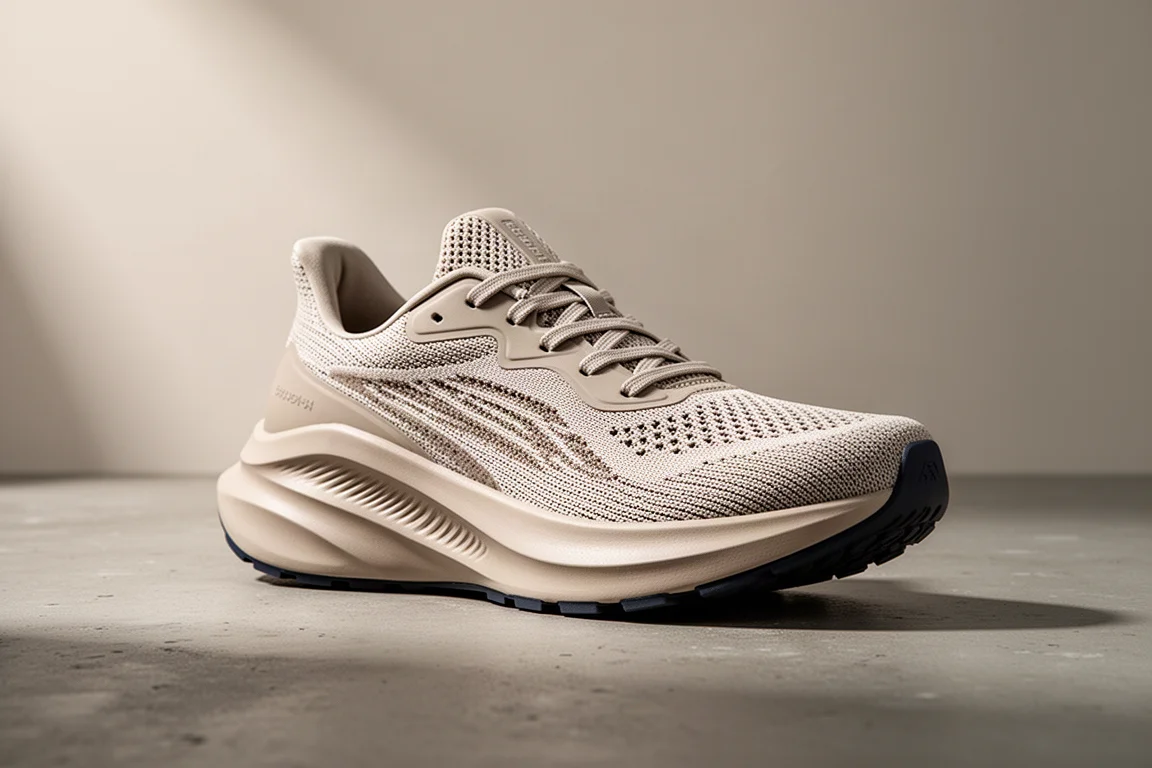
The Ghost 17 is built for one job: being a durable, versatile, everyday trainer that works for nearly everyone. It suits runners who want to put the shoe on, not think about it, and simply stack miles. It also works well as an everything shoe for walking, heading to the park, or taking the dog out, because there is no weirdness in how it rides.
{{image:1}}
If you are a new runner, a bigger runner, or someone training for a half or full marathon who wants reliable cushion for aerobic development runs, this is squarely in your wheelhouse. If you are a shoe enthusiast chasing excitement above all else, there are alternatives worth reading about further down.
Main Strengths
The headline feature is the DNA Loft V3 midsole foam. This supercritical EVA compound is one of the best training foams on the market: it delivers real impact absorption, comfort over long miles, and a noticeable bounce, all while retaining a denser protective feel that never bottoms out. On the road, the Ghost 17 runs far lighter than its on-paper weight suggests, feeling closer to a 280 g shoe than the 310 g the scale reads. The bounce even makes it feel closer in character to the Asics Novablast 5 than to flatter shoes in its class.
{{image:2}}
Other strengths add up to a shoe that is genuinely well put together. Rubber coverage on the outsole is thick and extensive, protecting the foam for long-term durability. The upper is a solid, nothing-fancy design with good padding on the tongue and around the heel, a plastic heel clip for structure, and an average toe box. Measured stack height comes in at 37.5 mm in the heel, with a 10 mm drop. It feels firmer than the Novablast 5 but softer than the Hoka Skyflow, landing in a moderate, broadly appealing tuning for 2025. QA is tidy too, with left and right shoes weighing within about 3 grams of each other.
Things to Consider Before Buying
The 10 mm drop is the main demerit. It is an antiquated platform by modern standards, and most runners today prefer something in the 5 to 8 mm range. A 10 mm drop means a less smooth heel-to-toe transition if you land far back, and it puts the forefoot lower to the ground with less cushion, which forefoot strikers often describe as thin. The Ghost 17 is also heavier than most of its direct competitors, and at 37.5 mm of heel stack it does not offer a great stack-to-weight ratio.
The second consideration is price. At $150, up from $140, the Ghost 17 now competes with more cushioned options like the Ghost Max 2, which shares the same foam, a lower drop, and a more modern rocker profile, and which is regularly discounted to $110 or $120 at major retailers. If drop does not matter to you, that discount route is worth serious thought. Also be aware this is not a max cushion shoe: on very long double days past 16 miles, the forefoot starts to feel the distance and something plusher is preferable.
Buying Advice
Against the standard $140 to $150 daily trainer field, which includes the Saucony Ride 18, New Balance 880 v15, Asics Gel-Cumulus, and Nike Pegasus, the Ghost 17 comes out on top. It has better cushion and better performance than the Pegasus, better bounce than the Ride 18, and far more fun than the Cumulus. Compared to more cushioned $150 to $165 shoes like the Vomero 18, Ghost Max 2, Glycerin 22, Bondi, and Nimbus, it feels lighter and more versatile, though less plush.
{{image:3}}
One practical tip: the most popular shoes in this space, including the Clifton, Bondi, and Pegasus, routinely see older colorways discounted at big retailers throughout the year. If you are flexible on looks, you rarely need to pay full price. If you want the Ghost formula with more excitement, and can find the Novablast 5 at $140, that shoe is lighter at 270 g with bouncier FF Blast Max foam, though its foam durability is a known concern for some runners.
{{image:4}}
Conclusion
The Brooks Ghost 17 is a low-key banger that many people will sleep on. It nails its intended purpose as a versatile everyday trainer, handles 90-minute runs without complaint, and delivers near-perfect cushion tuning for daily miles. The 10 mm drop and the price increase to $150 are the only real knocks, and neither stops this from being one of the best basic daily trainers on the market right now. If you want a reliable shoe that just gets the job done, this is an easy recommendation.
Product link
View more details for Brooks Ghost 17
This product is mentioned in the review. Check the specifications, options, and compatibility before buying.
View more details for Brooks Ghost 17Further reading
Related Reviews
Running Shoes
Best Road-to-Trail Running Shoes: Three Versatile Options for Mixed Terrain
A practical guide to three road-to-trail running shoes that handle both pavement and mild trails, with clear strengths and trade-offs for different runner types.
Running Shoes
Best Running Shoes for Achilles Tendonitis: Three Options Explained
Three running shoes with different heel drops and support features designed to help reduce Achilles tendon pain during walking and running.
Running Shoes
Best Running Shoes for Women: Five Top Choices Ranked
A ranked guide to five women's running shoes, from versatile daily trainers to high-performance racing options, with real strengths and trade-offs for each.