Running Shoes
Brooks Ghost 17 Review: A Real Update, Plus Three Alternatives Worth a Look
The Ghost finally gets a lower drop and softer feel. We break down what changed, whether it justifies the new price, and the alternatives to consider.
Introduction
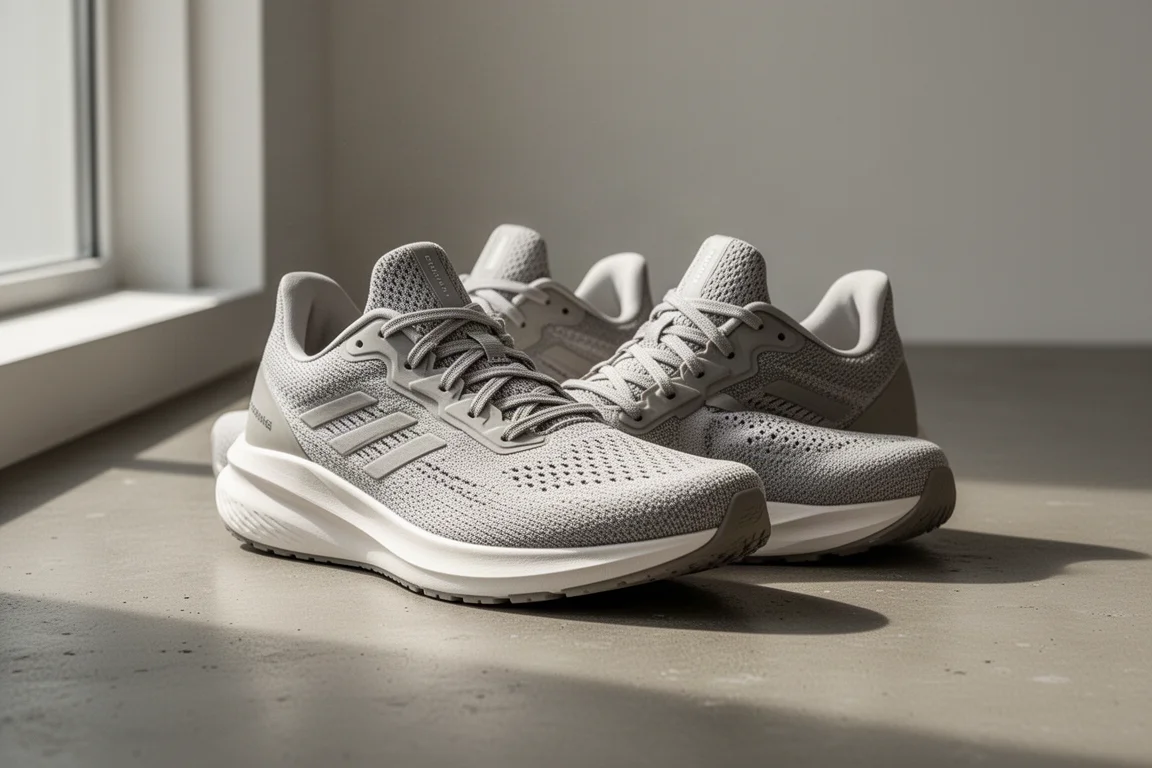
Some running shoes change dramatically year to year. The Brooks Ghost has historically not been one of them. That is exactly why the Ghost 17 is interesting: for the first time in a long while, the formula actually moved. The drop dropped, the forefoot got more cushion, and the foam feels different underfoot. For a shoe line that has long rewarded loyalty with predictability, this counts as a genuine refresh.
This breakdown covers what changed, how the shoe runs, and where it sits against three alternatives: the outgoing Brooks Ghost 16, the Puma ForeverRun Nitro 2, and the Hoka Skyflow.
What Changed in the Ghost 17
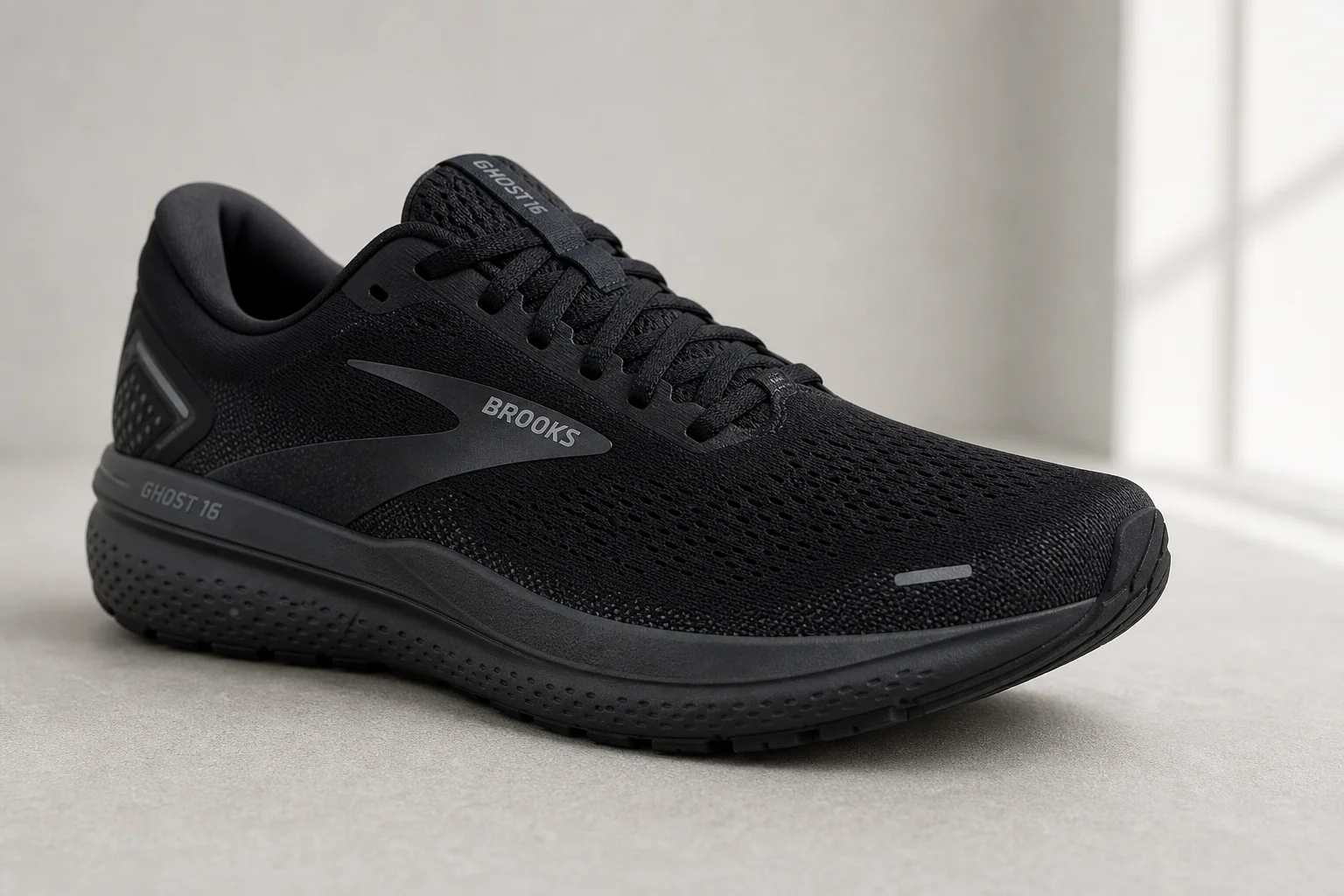
On paper, the headline numbers are a 36.5 mm heel stack with a 10 mm drop, putting 26.5 mm under the forefoot. That drop reduction matters. The Ghost has been a 12 mm drop shoe for as long as most people can remember, and 10 mm finally brings it in line with more modern daily trainers while adding a little more forefoot cushion.
There is only one midsole compound, Brooks DNA Loft v3, the same name as last year’s foam. In practice, though, it feels different: noticeably softer than before, with a touch of pleasant squish that the Ghost previously lacked, while keeping some of the firmness long-time fans expect.
Outsole and Upper Updates
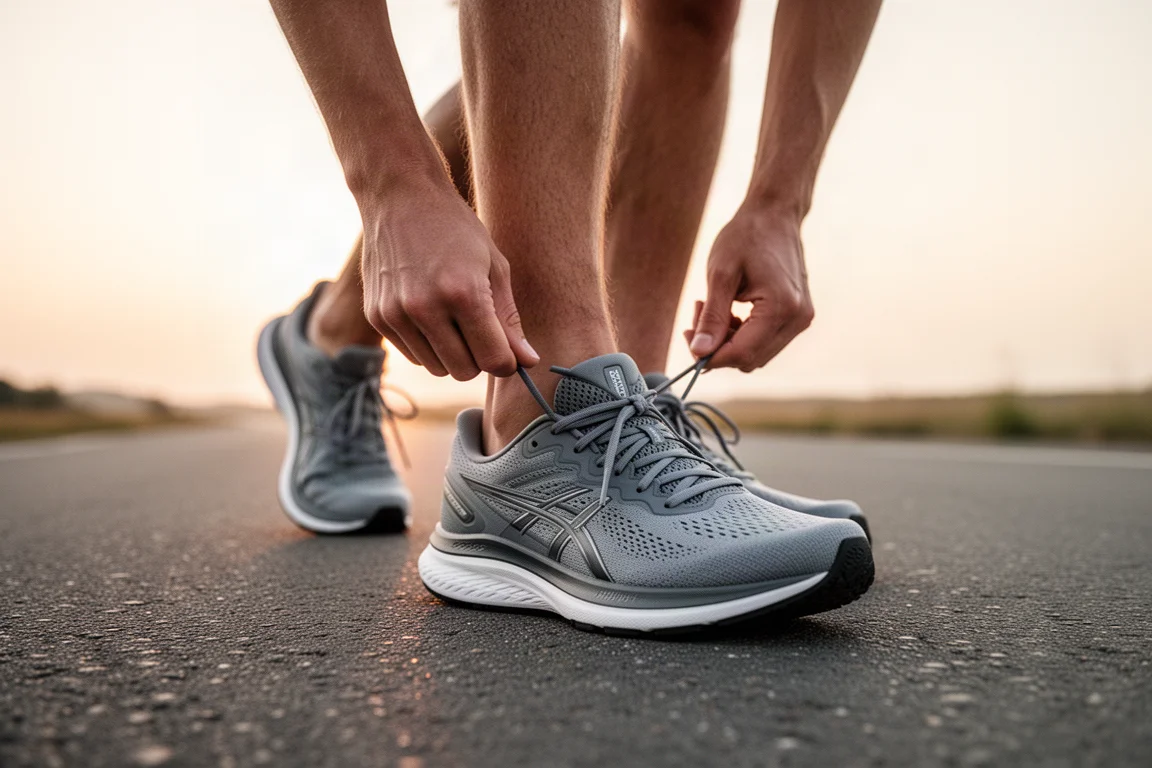
The outsole keeps the generous double-thick rubber layer the Ghost is known for, which has always translated into tank-like durability. New flex grooves cut across the shoe, helping it bend more easily in a platform that otherwise feels stout, flat, and very stable.
The upper gets a styling update with an Achilles flare in the heel cup, reinforced at the top so it does not feel floppy, plus generous padding around the heel. The air mesh is stretchy and comfortable enough for running, walking, or all-day wear. The fit runs true to size, and wide and extra-wide options are available. One quirk: the lightly padded tongue feels a touch on the short side, though it never became an issue while running.
Stated weight is 10.1 oz (286 g), which is on the heavier side for a daily trainer.
On the Road: How the Ghost 17 Feels
This may be the best Ghost in several generations for people who normally do not love the Ghost, and long-time fans should still feel right at home. The foam keeps the predictability, stability, and smooth roll-off of prior versions, just with a little more softness mixed in. It still leans slightly firmer than ideal for a daily trainer.
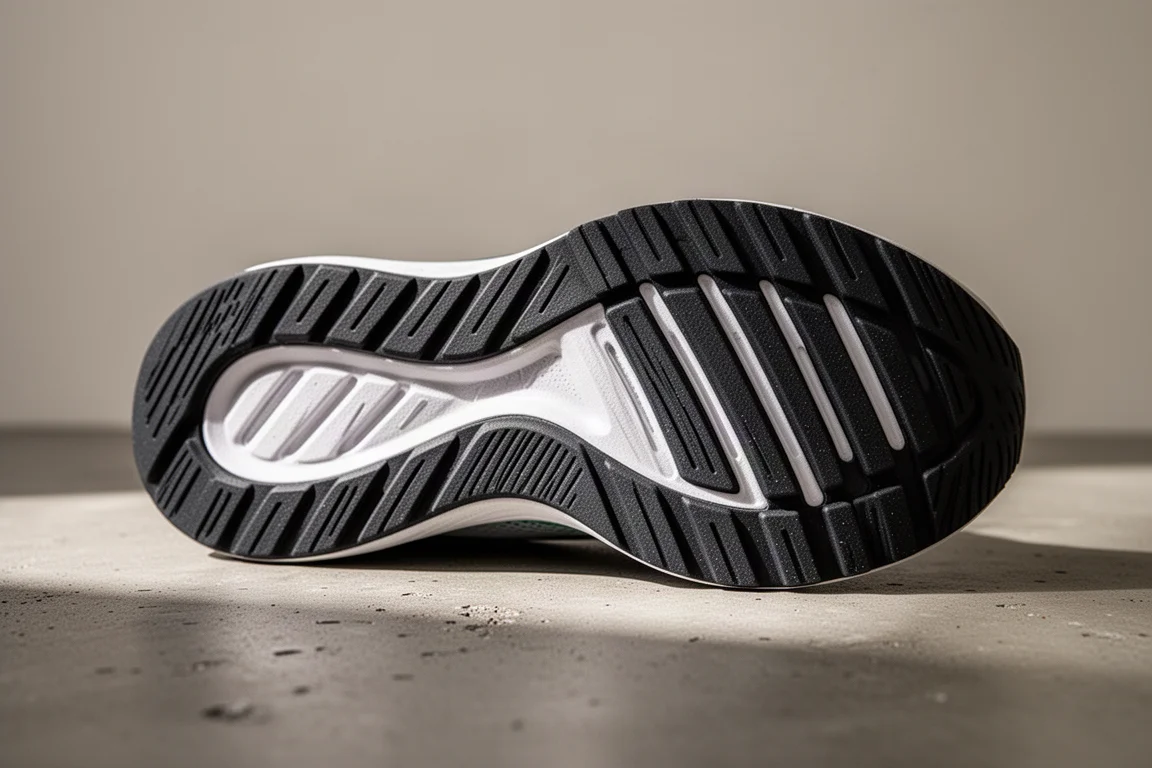
Stability is a quiet theme. There is noticeable structure under the arch, with firmer rubber and sculpting toward the medial heel, cues that suggest support for overpronators. Unlike traditional stability shoes, it never felt painful or obtrusive, just present. The trade-off is that the thick rubber layer is definitely felt underfoot, and less rubber might suit some riders better, but that durability is part of the Ghost’s identity.
Alternative: Brooks Ghost 16
If the Ghost 17’s new $150 retail price stings, the Ghost 16 is the budget-conscious play. It can be found at reputable retailers for around $100, since stock on the official site is largely gone. There are real differences between the two versions, most notably the drop and forefoot cushioning, but die-hard Ghost fans may appreciate the savings and simply move up to the 17 when it goes on sale.
Alternative: Puma ForeverRun Nitro 2
The Puma ForeverRun Nitro 2 is the comparison that comes to mind fastest when wearing the Ghost 17. Marketed as a light stability shoe that neutral runners can also enjoy, it lands in a similar place: a dual-density Nitro midsole with firmer foam where stability matters and softer foam where cushioning counts. Both shoes feel quite similar underfoot, a little firmer than ideal with stability elements that stay out of the way.

The Puma is a touch more neutral and flexible, feels a bit more peppy, and offers styling that some will prefer. It also retails at $150, a price that feels easier to accept given how livable the shoe is both during runs and afterwards.
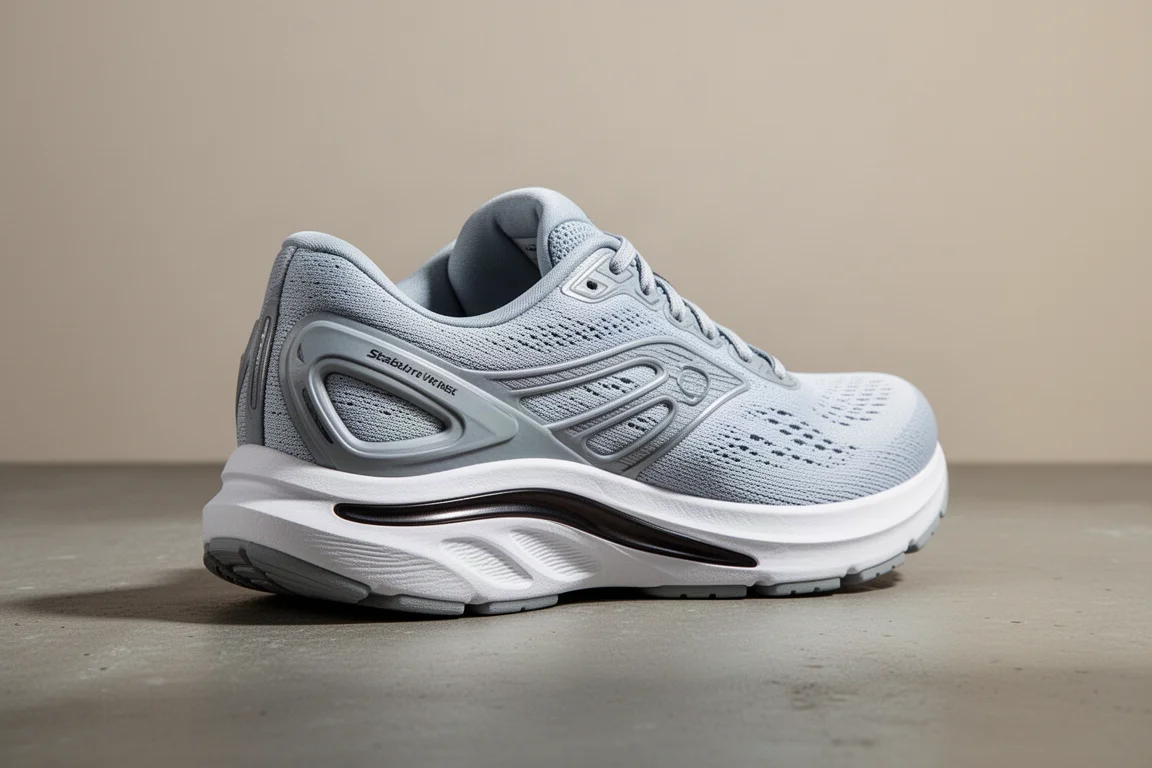
Alternative: Hoka Skyflow
The Hoka Skyflow is something of a cousin to the Clifton: a trainer with light stability features built in. The sculpted foam signals a firmer medial arch side, and the result is a wide, stable stance that neutral runners can still get along with. Like the others here, it runs firmer than some would like for a daily trainer.
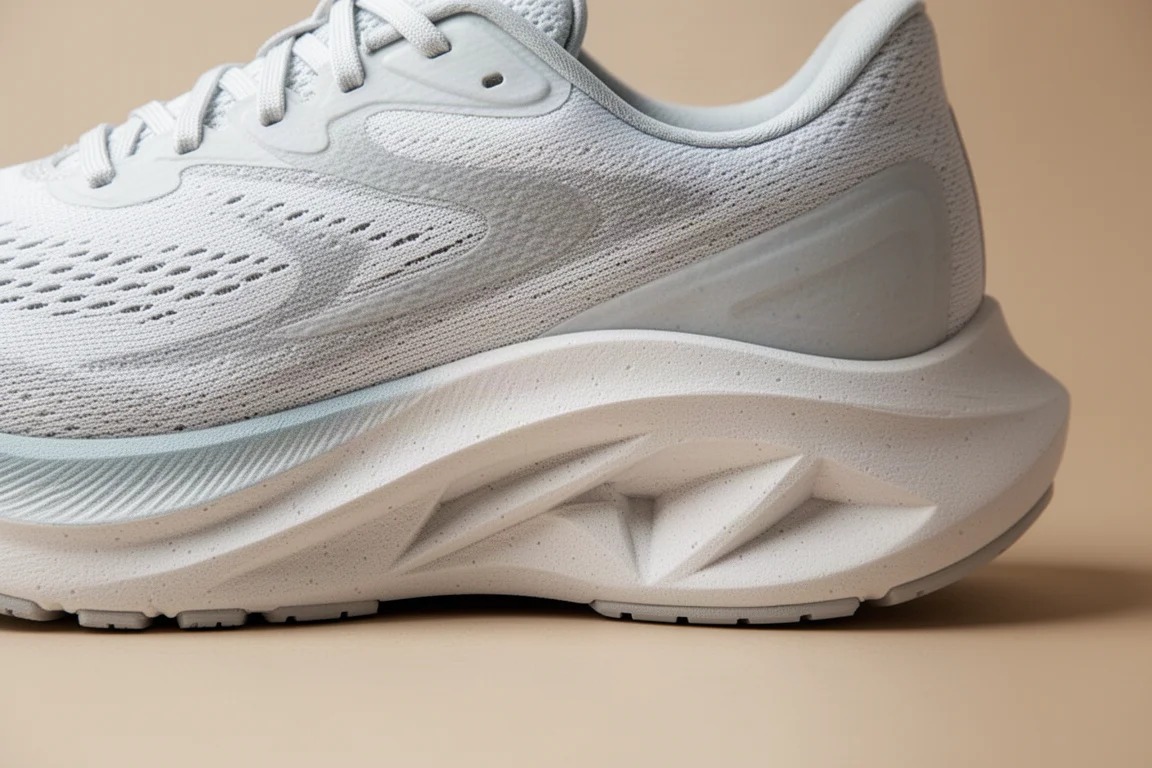
At $160 retail it is expensive for what you get, but current sale pricing around $128 makes it a reasonable pick for Ghost fans who want to try something different.
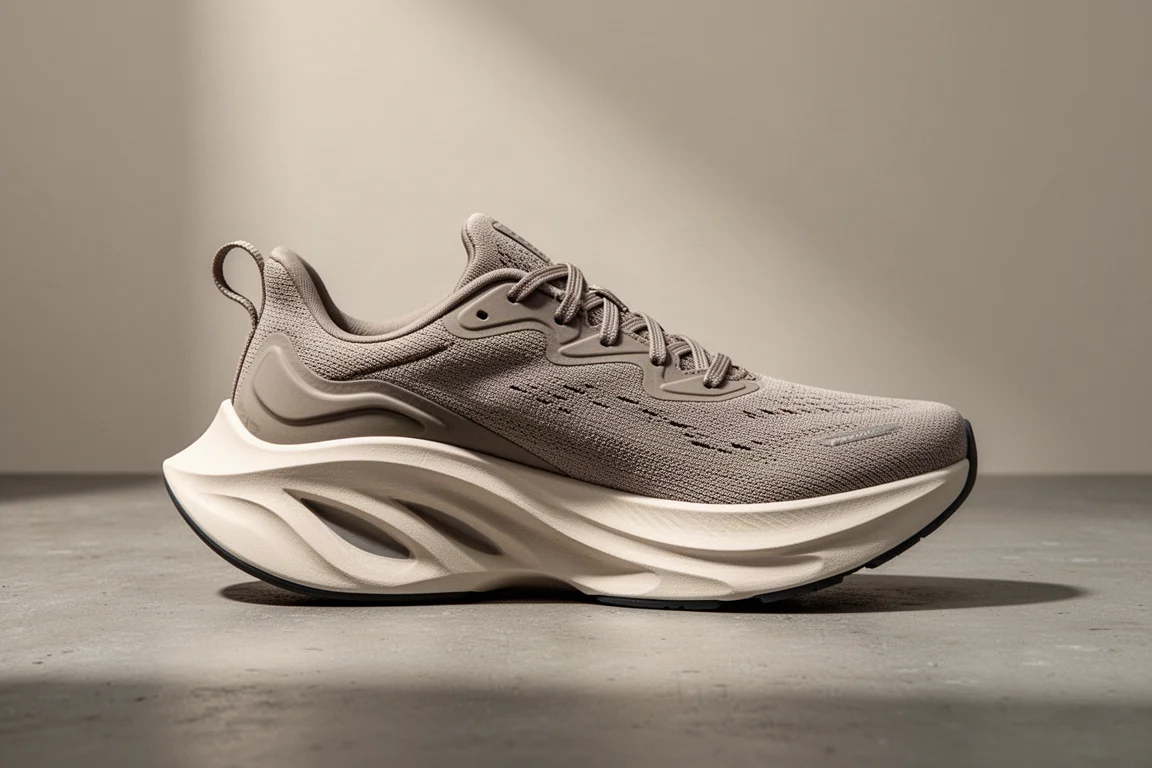
Buying Advice
The Ghost 17 is a welcome update to a shoe that rarely changes, and it may be the year for anyone who has avoided the Ghost in the past to give it another look. At $150, the price is higher than last year’s $140, so bargain hunters have real options: grab the Ghost 16 at around $100, pick up the Skyflow on sale, or go with the ForeverRun Nitro 2 if you prefer a slightly more neutral, peppier ride.
Conclusion
The Ghost 17 does not push the envelope as far as some might like, but the changes it does make, a modern 10 mm drop, more forefoot cushion, and softer-feeling foam, are meaningful for a line built on consistency. Long-time fans get their familiar stable, durable daily trainer with a bit more comfort, and skeptics finally have a reason to revisit it.
Further reading
Related Reviews

Running Shoes
Best Road-to-Trail Running Shoes: Three Versatile Options for Mixed Terrain
A practical guide to three road-to-trail running shoes that handle both pavement and mild trails, with clear strengths and trade-offs for different runner types.

Running Shoes
Best Running Shoes for Achilles Tendonitis: Three Options Explained
Three running shoes with different heel drops and support features designed to help reduce Achilles tendon pain during walking and running.

Running Shoes
Best Running Shoes for Women: Five Top Choices Ranked
A ranked guide to five women's running shoes, from versatile daily trainers to high-performance racing options, with real strengths and trade-offs for each.