Running Shoes
Brooks Ghost 17 Initial Review: A Reliable Daily Trainer That Just Works
An initial look at the Brooks Ghost 17, a balanced daily trainer with consistent cushioning, strong traction, and a fit that stays put. Here is how it performed.
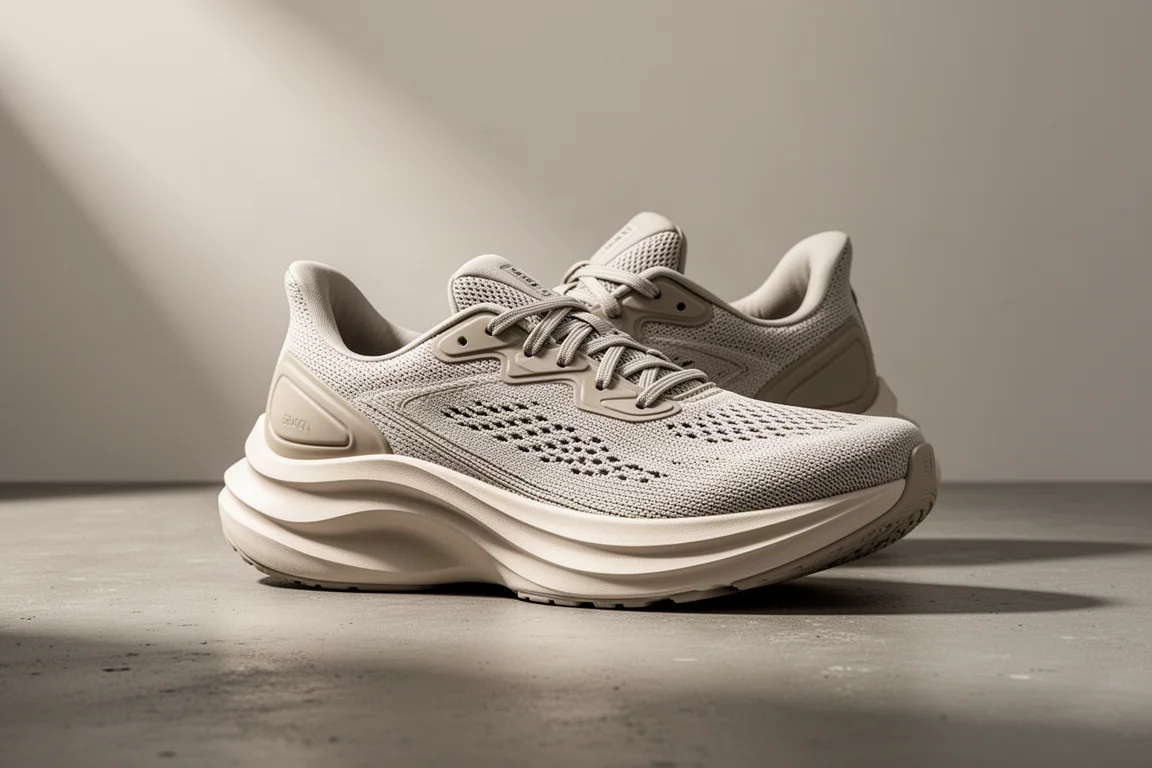
Introduction
The Brooks Ghost line has long been one of the most popular daily trainers around, and the Ghost 17 arrives in a very crowded category of do-it-all shoes. The big question is simple: does it still hold up as the go-to option for bulk mileage?
The short answer after the initial runs is yes, with a few caveats. This is a balanced, consistent, easy-pace trainer that does not chase super-foam drama, and for a lot of runners that is exactly the point.
Specs and Construction
The pair tested here weighs about 335g (11.8 oz) in a UK 11 / US 12, which lines up closely with the expected sample-size figures of around 289g. Stack height measures approximately 39mm at the heel and 30mm at the forefoot, which is essentially spot on with the claimed 36mm heel and 26mm forefoot. That works out to a 10mm drop, which is noticeable and will either suit your stride or it will not.
The midsole is Brooks’ DNA Loft, a nitrogen-injected foam. A durometer reading of 29 Shore A puts it right around average: not too hard, not too soft, and not overtly squishy. The outsole uses two different rubbers, with a softer compound around the forefoot and midfoot measuring about 51 Shore A, and a harder, more durable rubber in the heel at around 68 Shore A.
Upper and Fit
The upper is a fairly thick, double-layered mesh. The tongue is very similar to the Ghost Max 2 and Glycerin Max in material and thickness, though the thinner laces fit better here than the rope-style laces on the Glycerin Max. There is no gusset on the tongue, but none was needed: no tongue slide at all, and the fit was easy to dial in without over-cinching the upper.
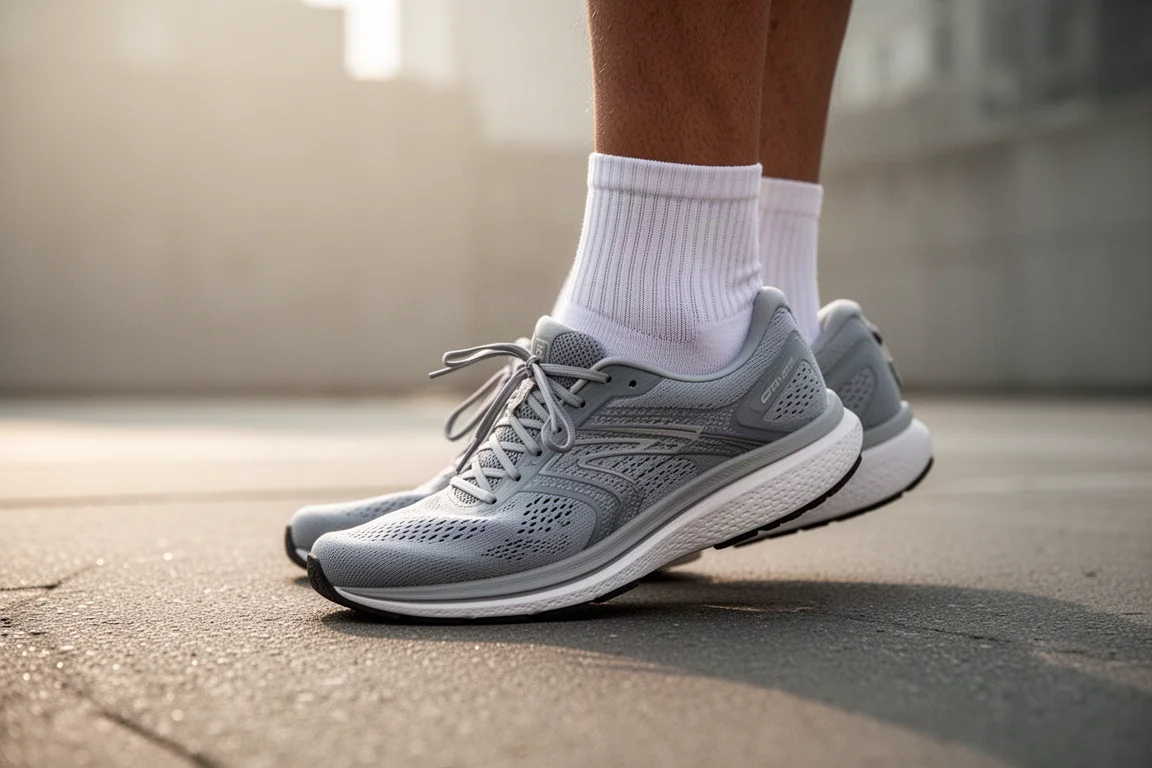
Lockdown was genuinely good for a normal-to-narrow foot, without the swimming-around feeling that some modern daily trainers have. It is not a large or wide shoe, so going true to size is the sensible call. The heel counter is significant, with an external overlay providing real reinforcement around the heel, and it protrudes slightly away from the Achilles area, similar in spirit to what Nike does with the Pegasus.
The only real upper complaint is weight: the thick materials and oversized logos add grams without adding much function. The upper scores a 2.7 out of 3 after the initial runs.
Midsole: Balanced and Consistent
The midsole is very much a balanced affair. Do not go in expecting super squash. This is a shoe for easy-paced running, somewhere in the 8:00 to 8:30 per mile range, and it is not really a versatile pick for fast sessions. Easy and steady pace is where it shines, and you could even run some slow recoveries in it.
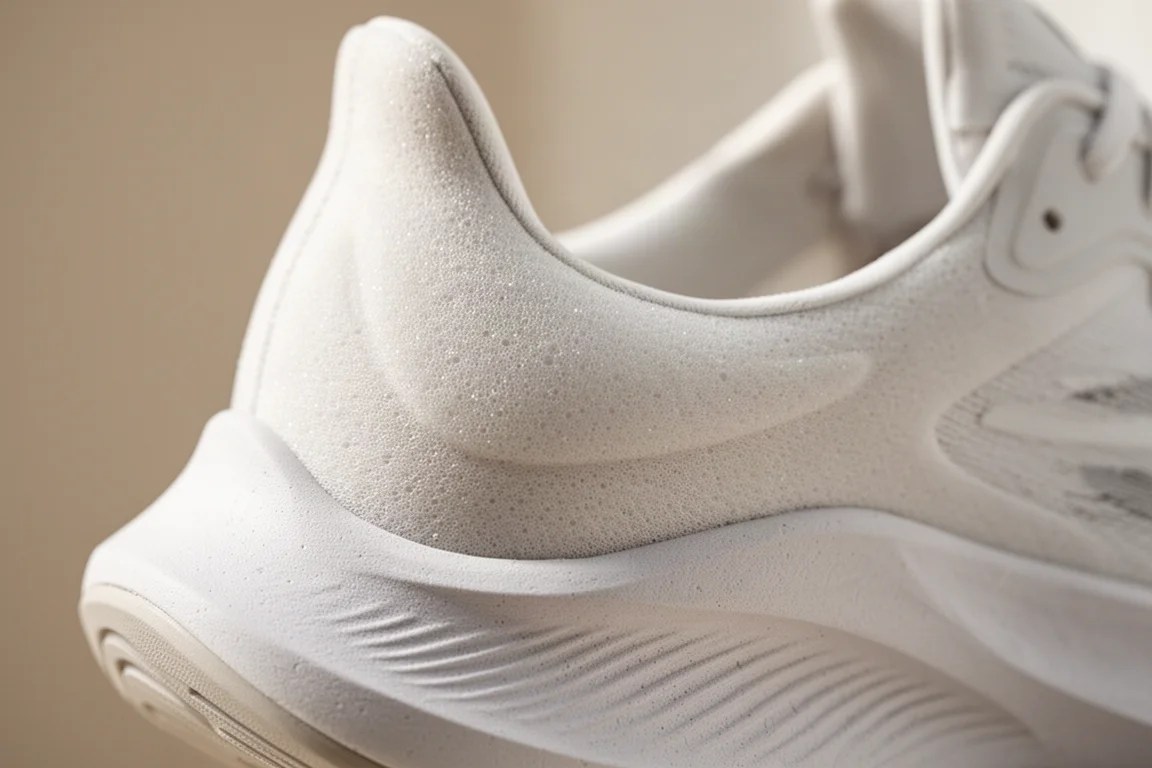
The consistency is the standout trait. Some shoes feel like you are squashing into the heel, but the Ghost 17 offers a nice bit of response across the whole foot. The DNA Loft here is denser than the DNA Flash material Brooks uses in its tempo models, which reinforces its easy-pace orientation.
The 10mm drop is again very noticeable, similar to the Ghost 16, so if you prefer a higher, more aggressive drop, this could suit you well. One quirk: the stock insole has a pronounced heel cup that dug into the back of the foot slightly. Swapping to a lower-cupped insole with good impact protection solved the issue, and that alternative insole may also suit runners with a slightly raised arch. The midsole earns a 2.6 out of 3, mainly because it lacks versatility.
Outsole and Traction
The outsole is functional and grippy, with traction that held up even in wet weather and strong toe-off grip. The rubber is decoupled through the midfoot to forefoot, giving the shoe a nice flex. Durability looks strong too, with no exposed midsole issues and DNA Loft proving resistant to tearing.
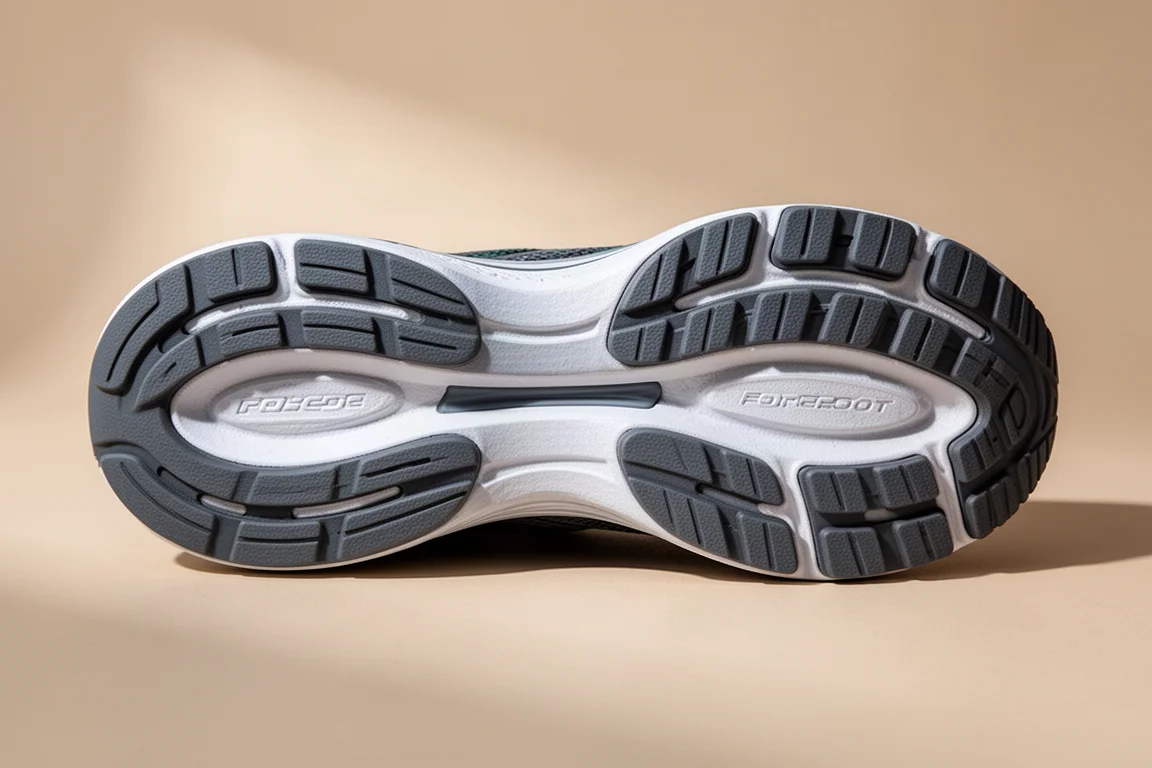
There are two gripes. The rubber cut is thick and clearly contributes to the extra weight, and Brooks could have saved a few grams by trimming it. Worse, the ridges and slats cut into the rear outsole collect small stones on every run, requiring a screwdriver to liberate them at times. It is probably not a light trail option. The outsole scores a 2.6 out of 3.
Durability and Build Quality
Build quality is excellent, with no sloppy glue marks and very minimal midsole creasing. Even after a decent amount of mileage, the shoe still looks close to fresh. On running shoes the outsole rubber is usually the last thing to go; the upper or the midsole will almost always give out first, and so far neither has shown problems here.
Value and How It Compares
At around 135 pounds, the Ghost 17 feels reasonably priced. It offers more stack than something like the Nike Pegasus, with reliable comfort and a fair weight. Compared with the Adidas Evo SL at 130, the Evo SL is lighter and more nimble, but many runners find it too soft for daily use; the Ghost’s DNA Loft is more consistent and arguably more usable for average runners. Traction is also better than the Evo SL, which can feel treacherous in the wet. These are shoes doing different jobs for different people.

The Ghost 17 also works as an alternative to the Saucony Triumph 22 or Huracan 24, and it has a similar bulk to the Nike Vomero 18, though it is a lot less soft and compressive in the heel. Value scores a 2.6 out of 3, bringing the total to 10.5 out of 12 after the initial runs.
Buying Advice
If your running is mostly easy and steady mileage and you want a shoe that behaves the same way every time you lace it up, the Ghost 17 is a very safe bet. It is a bit like a washing machine with few controls: set it, press start, and it just does the job. Not too heavy, nicely cushioned, and dependable.
If you love lower-drop, faster, more nimble shoes, look elsewhere. The 10mm drop and the easy-pace bias will not suit every stride, and it is worth checking the heel-cupped insole early on in case it bothers your foot.
Conclusion
The Brooks Ghost 17 is a reliable, comfortable daily trainer with a consistent midsole, strong wet-weather traction, and excellent build quality. It is not trying to be a speed shoe, and it does not need to be. For bulk mileage at a fair price, it earns its place in the category.
Product link
View more details for Brooks Ghost 17
This product is mentioned in the review. Check the specifications, options, and compatibility before buying.
View more details for Brooks Ghost 17Further reading
Related Reviews

Running Shoes
Best Road-to-Trail Running Shoes: Three Versatile Options for Mixed Terrain
A practical guide to three road-to-trail running shoes that handle both pavement and mild trails, with clear strengths and trade-offs for different runner types.

Running Shoes
Best Running Shoes for Achilles Tendonitis: Three Options Explained
Three running shoes with different heel drops and support features designed to help reduce Achilles tendon pain during walking and running.

Running Shoes
Best Running Shoes for Women: Five Top Choices Ranked
A ranked guide to five women's running shoes, from versatile daily trainers to high-performance racing options, with real strengths and trade-offs for each.