Running Shoes
Brooks Ghost 16 vs Glycerin 21: Which Cushioned Daily Trainer Should You Buy?
Both shoes now share Brooks's DNA Loft V3 foam, but differences in weight, stack, fit options, and heel design still matter. Here is how to choose between them.
Introduction
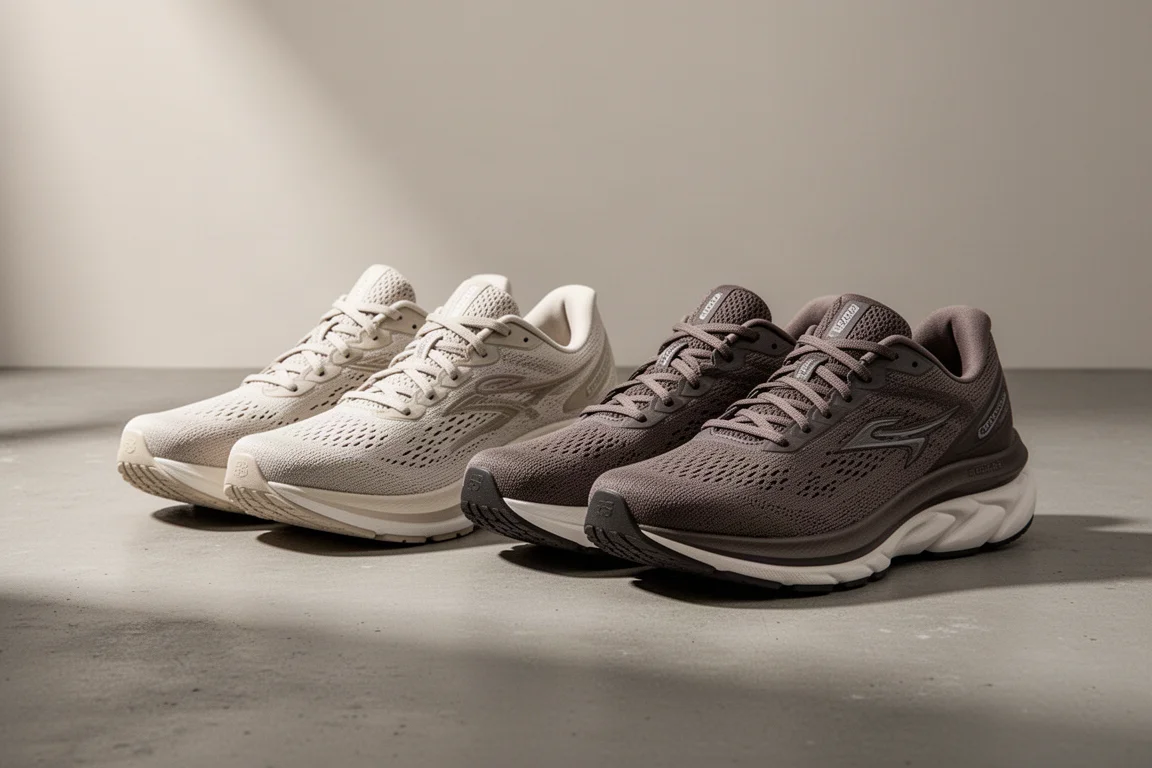
The Brooks Ghost 16 and Brooks Glycerin 21 are two of Brooks’s cushioned daily trainers, and they now share the same cushioning technology. Both use the brand’s nitrogen-infused DNA Loft V3 foam, which raises an obvious question: if the midsole is the same, is the Glycerin worth the extra money, or can you comfortably settle for the Ghost? After putting real running miles into both shoes, the answer comes down to a handful of small but meaningful differences.
Key Differences at a Glance
The Glycerin 21 is the more expensive of the two. Fit options also differ: the Ghost 16 comes in more width and fit configurations, while the Glycerin 21 is limited to medium and wide. In a UK men’s size 8, the Ghost 16 is noticeably lighter, though the Glycerin has the edge in stack height at both the heel and forefoot, and therefore a slightly lower drop. On the uppers, one uses an engineered knit-style material while the other uses a mesh construction.
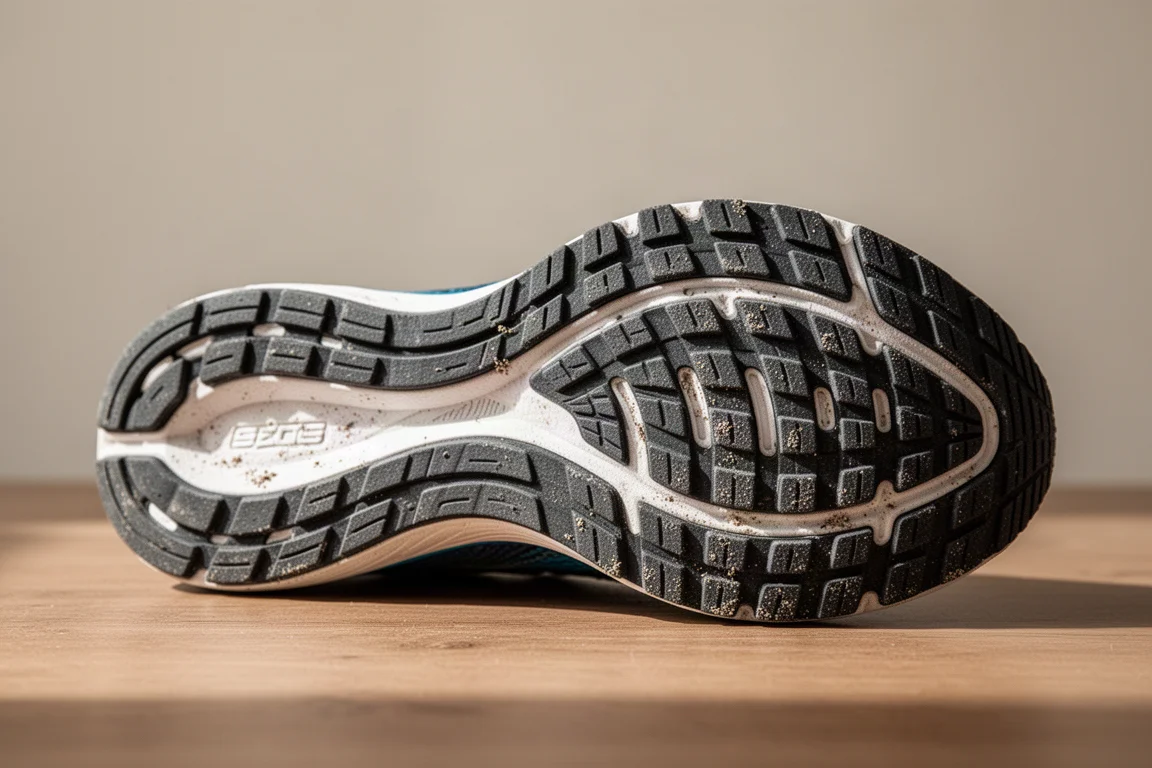
Where they match is the foam and the outsole. Both use DNA Loft V3, and both use Brooks’s newer RoadTack outsole, which combines rubber and silica for grip and durability that should hold up to plenty of running time.

Fit and Sizing
Both shoes fit well at a normal running shoe size, and going true to size is a reasonable recommendation for either. They share similar lacing, generous padded tongues, and plush heel collars built for a snug, comfortable feel.
There are quirks worth knowing about. The Ghost 16 has a very structured and firm heel counter with a lot of padding that rises high and rolls over at the top, and some testers found it irritated the Achilles on longer runs. The Glycerin 21 also has a stiff heel counter, but it does not roll over quite as high, and that small difference made it the more comfortable option for Achilles-sensitive runners. Not everyone experienced this, so it is worth trying both on if you have any sensitivity at the back of the ankle.
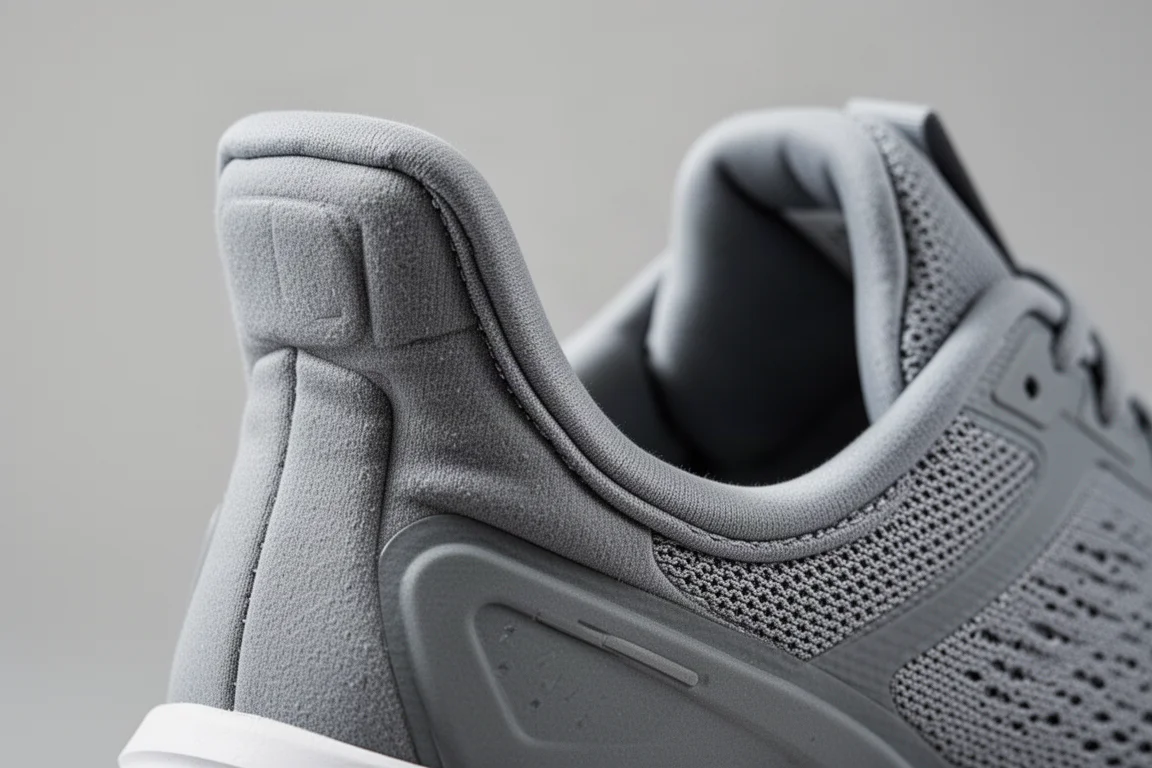
On overall roominess, opinions among testers differed slightly: some found the Glycerin more accommodating in the midfoot and toe box, while others found the Ghost more flexible and roomy up front. In practice, both offer a good thumbs width of toe room, flexible uppers, no pinching, and solid lockdown through the midfoot.
Ride and Feel
This is where the comparison gets interesting. On a side-by-side run with one shoe on each foot, testers frequently forgot they were wearing different shoes. The shared DNA Loft V3 foam gives both a balanced ride: comfortable without being squishy, firm enough to push against on longer or slightly faster runs, and remarkably consistent from the first mile to the last. Neither shoe hardens up or turns mushy at the end of long efforts.

The Glycerin 21 feels slightly softer and smoother, with its taller stack of foam delivering extra cushioning without a huge weight penalty. That said, it is the heavier shoe, and some testers felt that weight when trying to run at moderate to uptempo paces, finding it better suited to very easy efforts and long, protected miles. The Ghost 16, being lighter, handles moderate paces more naturally and retains the classic Ghost qualities of stability, predictability, and a comfortable ride on a reasonably wide base. Neither is built for interval sessions, but both punch up fine for easy to middling paces.
Outsole and Durability
Outsole performance is effectively identical between the two. The RoadTack rubber-silica compound shows plenty of coverage, and testers saw no concerning wear after their running time. Grip and traction are also very similar, and both shoes handled lighter trails and uneven park paths without issue, which makes them versatile enough for mixed daily routes.
Which One Should You Buy?
If you judge purely on ride, comfort, and versatility, the Ghost 16 is good enough that the smaller price tag makes it the pick. It is lighter, more versatile at moderate paces, and now shares the foam that made the Glycerin special, with enough of it to feel noticeably more comfortable and lively than the previous Ghost 15.
Choose the Glycerin 21 if you want maximum plushness for slower, longer, easier paces, or if the Ghost’s higher-rolling heel counter aggravates your Achilles. The Glycerin’s heel design proved friendlier for that specific issue, and its slightly smoother, softer ride earns its premium positioning, especially for runners who want a more protective, max-cushion feel over long distances. Where possible, try both on in a running store, particularly if you have any Achilles sensitivity, since structured heel counters work for some runners and not others.
Conclusion
These two shoes are closer than ever, and neither is a bad choice. The Ghost 16 is the lighter, better-value, more versatile daily trainer, and it now delivers much of the Glycerin’s comfort. The Glycerin 21 remains the plusher, smoother option for long easy miles and for runners who found the Ghost’s heel counter bothersome. Match the shoe to your heel sensitivity, preferred pace, and budget, and you will be happy either way.
Product link
View more details for Brooks Ghost 16
This product is mentioned in the review. Check the specifications, options, and compatibility before buying.
View more details for Brooks Ghost 16Further reading
Related Reviews

Running Shoes
Best Road-to-Trail Running Shoes: Three Versatile Options for Mixed Terrain
A practical guide to three road-to-trail running shoes that handle both pavement and mild trails, with clear strengths and trade-offs for different runner types.

Running Shoes
Best Running Shoes for Achilles Tendonitis: Three Options Explained
Three running shoes with different heel drops and support features designed to help reduce Achilles tendon pain during walking and running.

Running Shoes
Best Running Shoes for Women: Five Top Choices Ranked
A ranked guide to five women's running shoes, from versatile daily trainers to high-performance racing options, with real strengths and trade-offs for each.