Running Shoes
Brooks Ghost 16 Review: A Better Daily Trainer with One Big Caveat
The Ghost 16 finally gets the DNA Loft v3 foam, making it the most comfortable Ghost in years, though a stiff heel counter may bother some runners.
Introduction
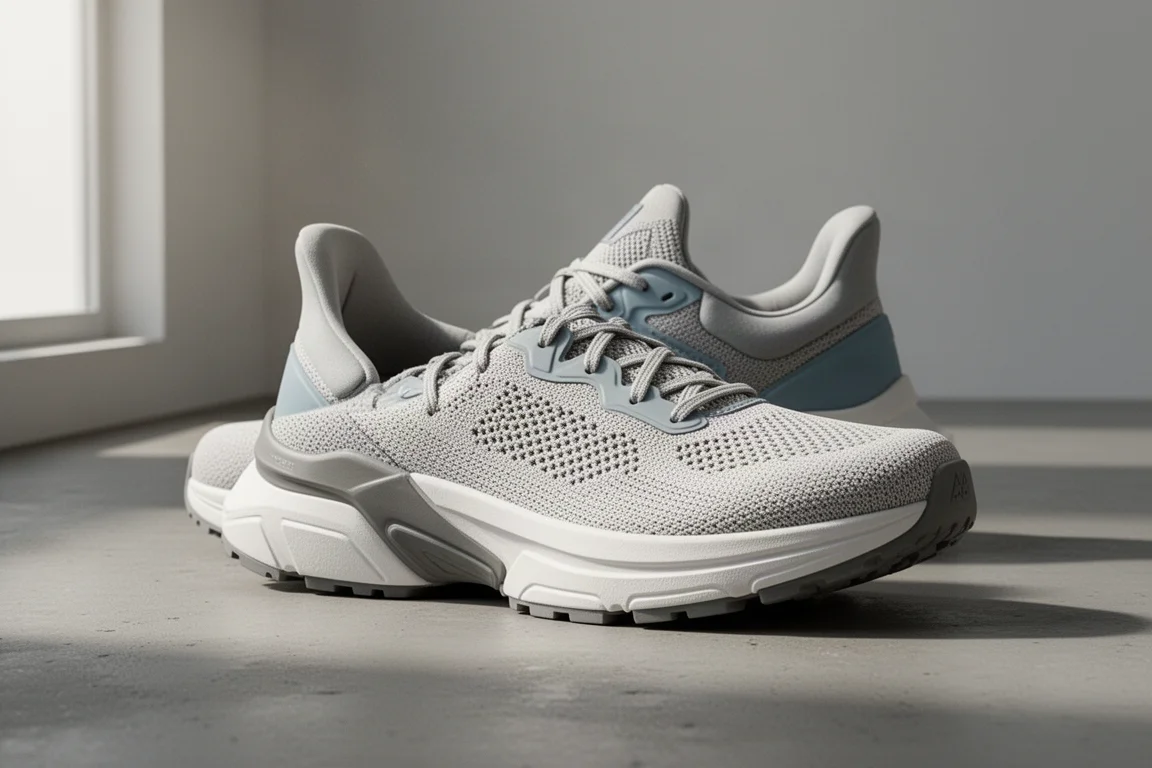
The Brooks Ghost line has long been one of the most popular neutral daily trainers on the market, and the Ghost 16 continues that tradition with an unusually significant update. Instead of the usual minor refresh, Brooks has swapped the midsole entirely, bringing in the nitrogen-injected DNA Loft v3 foam previously used in the Glycerin. The result is a lighter, softer, more responsive shoe than the Ghost 15, and arguably the nicest Ghost in years.
It costs £135 in the UK and $140 in the US, weighs 280g (9.9oz), and keeps the 12mm drop that has always been a signature of the line. It is not the most exciting foam out there, but as a do-it-all daily trainer it is very well balanced. There is, however, one notable caveat with the heel design that some runners will need to consider.
Who the Ghost 16 Is For
This is a shoe for runners who want a reliable workhorse: easy runs, recovery miles, long runs, and the occasional steadier effort. If you are a one-shoe runner, the Ghost 16 can genuinely handle almost anything you throw at it, even if it is not as light and nippy as dedicated lighter options. The generous padding, structured support, and consistent feel make it especially appealing to newer runners logging their first serious mileage.
The Big Change: DNA Loft v3 Midsole
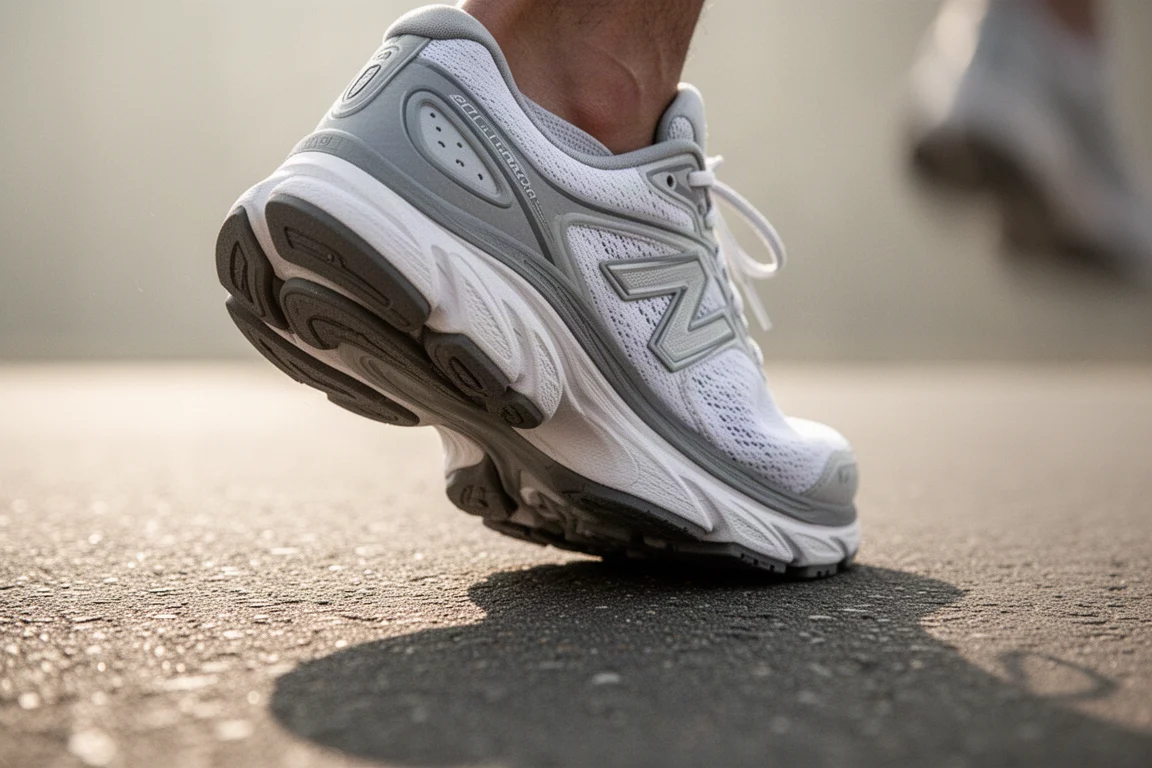
The headline update is the new DNA Loft v3 midsole, a nitrogen-injected EVA foam that replaces the older DNA Loft v2. It is lighter, softer, and offers a bit more energy return, making it an all-around improvement. Brooks describes the Ghost 16 as delivering smooth cushioning, and it does: enough comfort for easy recovery runs without feeling like a heavy, sinky max-stack shoe.
What stands out most is consistency. Some softer, livelier foams tend to bottom out and feel mushy by the end of a run, but DNA Loft v3 feels the same at mile one and mile twenty. A 21k long run in this shoe felt comfortable and supportive throughout, and the firm-ish character also makes it a naturally stable neutral shoe. It is not overly plush underfoot, but it is balanced, resilient, and smooth through transitions, with no forefoot discomfort even on this traditional, non-rockered setup.
Fit and Comfort
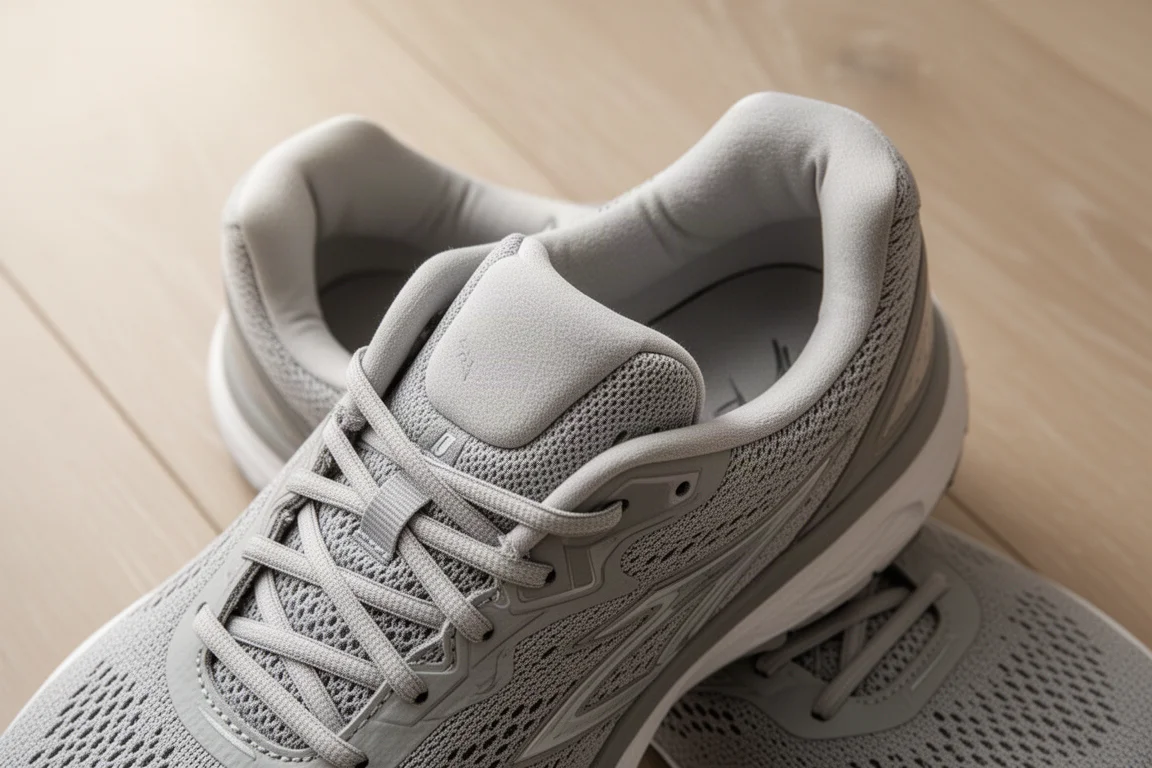
The Ghost 16 fits true to size for most testers in their usual running size, with a good toe box width, nice clearance over the toes, and secure lockdown across the midfoot thanks to a padded tongue and plush collar. Brooks offers the shoe in multiple width options up to extra wide.
Two fit notes deserve attention. First, some testers found the toe box runs slightly short, with limited vertical volume, so going half a size up may be worth considering if you like more room. Second, and more importantly, the shoe has a very stiff, structured heel counter that irritated the Achilles for at least one tester on longer runs. It did not cause heel slippage, but the pressure at the base of the Achilles was enough to make daily use difficult. Runners sensitive to built-up heel counters should try this shoe carefully before committing, as it is a genuinely built-up heel design.
Durability and Grip
Durability looks excellent. The Road-Tack rubber outsole, made from a mix of rubber and recycled silica, offers thick coverage across all the key impact zones. After 50k to 80k of testing, there were no visible signs of wear, and the shoe has all the hallmarks of a long-lasting trainer.

Grip is strong on road and holds up well on light trail, with the only failure coming in deep mud, which is fair enough. This is a shoe built to handle regular, high-mileage use without complaint.
How It Compares to the Alternatives
Within Brooks’ own lineup, the Glycerin 21 offers slightly more foam, a more comfortable overall feel, and a lower drop that smooths the ride, for about $20 more. The Ghost Max is a rockered alternative that is lovely for long runs, though it lacks the Loft v3 foam.
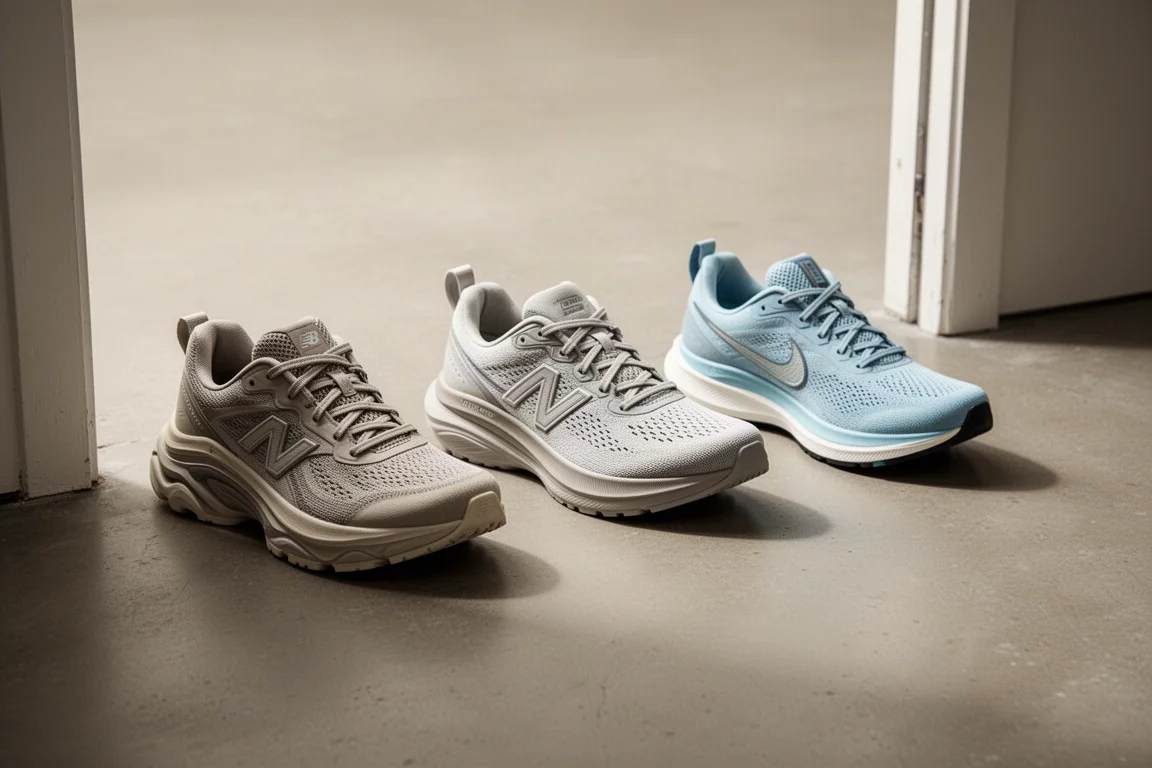
Among other brands, the Puma Velocity Nitro 3 is a standout: a similar feel, a 10mm drop, nitrogen-infused foam, and a lower price, making it the pick for tempo versatility. The Asics Novablast 4 is a bouncier, higher-stack, more versatile option. The Saucony Ride 17, at a similar price, offers an 8mm drop and PWRRUN+ foam. The Hoka Clifton 9 is a good lower-drop choice with a heel design that avoids Achilles irritation entirely.
Buying Advice
At £135 or $140, the Ghost 16 is reasonably priced for a cushioned daily trainer, particularly as prices in this category keep climbing. If you want a no-nonsense workhorse that just gets on with the job, delivering easy comfort with a dash of energy, this is a genuinely good choice and a clear step up from the Ghost 14 and 15. If you are sensitive to stiff heel counters, or you want a shoe with more tempo capability, look at the Velocity Nitro 3, Ride 17, or Clifton 9 instead.
Conclusion
The Brooks Ghost 16 is the best Ghost in years. The move to DNA Loft v3 makes it lighter, more comfortable, and more enjoyable than its predecessors, while keeping everything fans of the line expect: stable, consistent, smooth, and durable. It may not be the most thrilling daily trainer available, but it is one of the most dependable, and that quiet reliability is exactly what a lot of runners want.
Product link
View more details for Brooks Ghost 16
This product is mentioned in the review. Check the specifications, options, and compatibility before buying.
View more details for Brooks Ghost 16Further reading
Related Reviews
Running Shoes
Best Road-to-Trail Running Shoes: Three Versatile Options for Mixed Terrain
A practical guide to three road-to-trail running shoes that handle both pavement and mild trails, with clear strengths and trade-offs for different runner types.
Running Shoes
Best Running Shoes for Achilles Tendonitis: Three Options Explained
Three running shoes with different heel drops and support features designed to help reduce Achilles tendon pain during walking and running.
Running Shoes
Best Running Shoes for Women: Five Top Choices Ranked
A ranked guide to five women's running shoes, from versatile daily trainers to high-performance racing options, with real strengths and trade-offs for each.