Running Shoes
Brooks Ghost 15 vs Brooks Glycerin 20: Which Cushioned Daily Trainer Wins?
Brooks gave both of these popular trainers new midsole foam this year, but the ride is night and day. Here is how the Ghost 15 and Glycerin 20 compare on fit, cushioning, and value.
Introduction
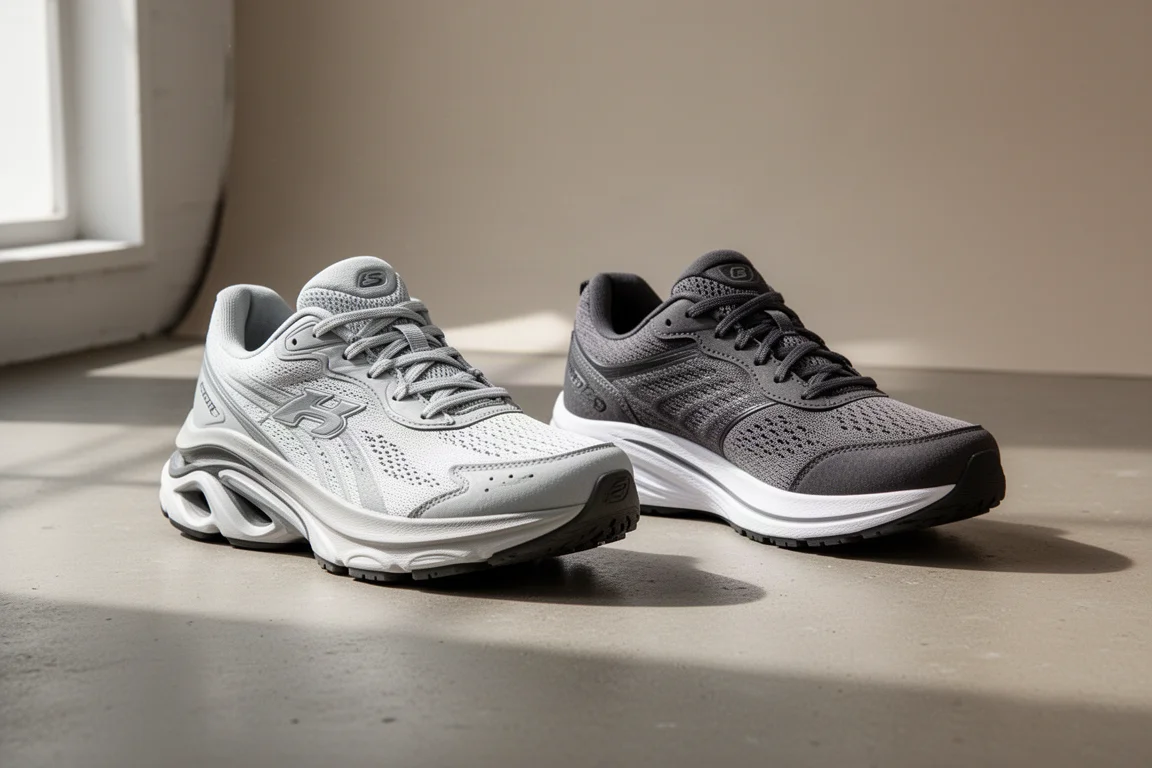
The Brooks Ghost and the Brooks Glycerin are two of the most popular running shoes in the world, the kind of shoes you slip on in a running store and stick with for years. Both received fairly significant updates this generation, which makes now a good time to compare them as daily trainers and cushioned running shoes.
On paper they are close siblings. In practice, the difference on the run is much bigger than the spec sheet suggests.
Price, Weight and Spec Breakdown
The Glycerin 20 is the more expensive shoe: £55 more in the UK at £130 vs £75… actually priced at £130/$160 in the US, while the Ghost sits at £130/$140. The Glycerin is also slightly heavier at 314g (11oz) in a UK size 9, compared to 297g (10.5oz) for the Ghost.
Stack and drop differ too. The Ghost has the higher drop at 12mm, with a 35mm heel stack dropping to 23mm at the forefoot. The Glycerin runs 10mm of drop with a 34mm heel and 24mm forefoot, which gives it a slightly firmer geometry and an unusually low drop by today’s standards for the Ghost.
Fit and Comfort: Nearly Identical Out of the Box
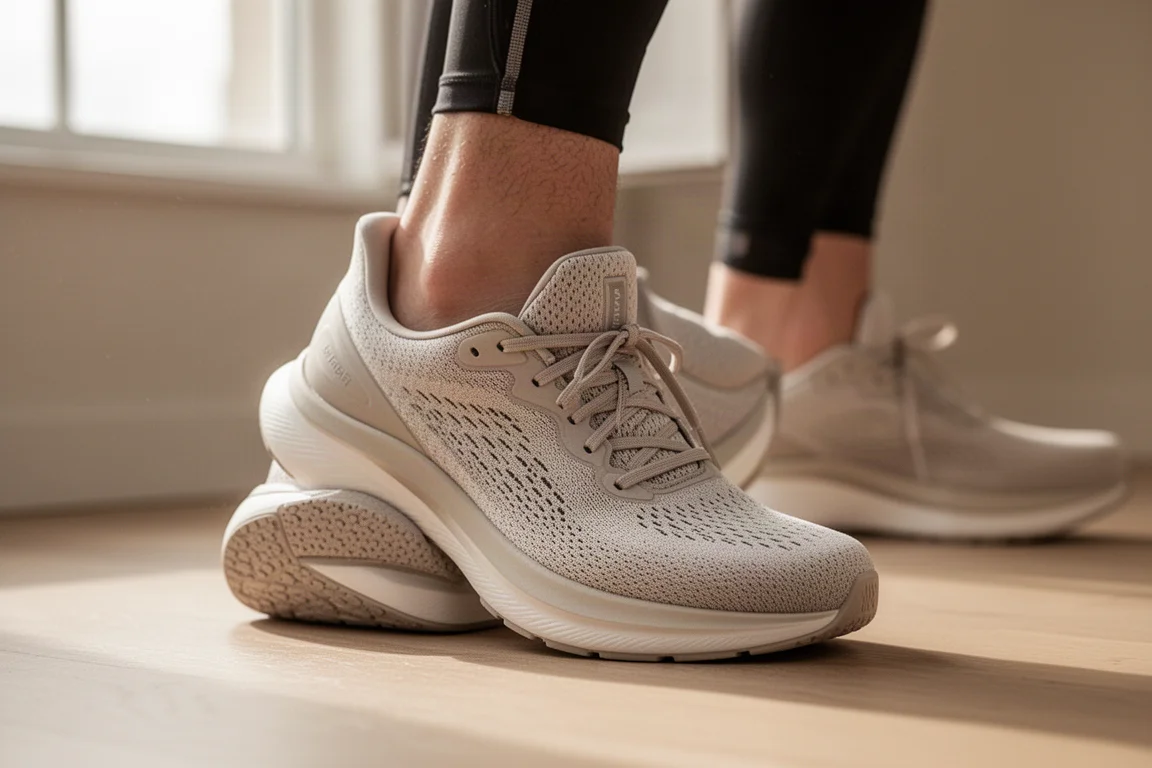
Both shoes fit true to size and share essentially the same fit. Both use an engineered mesh upper with substantial padding around the tongue and collar, that signature Brooks feel when you step in and slip your foot in comfortably. Both also add stability around the heel with plastic heel counters.
If you have a bigger foot, the Ghost 15 offers just a touch more room, though it is by no means a narrow or tight shoe in either case. The heavily padded heel means both feel great the moment you put them on in a shop, which is also why standing still in them makes them hard to tell apart.
Construction and Midsole Differences
The outsoles are very similar, with good rubber coverage and a segmented design at the rear to promote a flowing ride. Interestingly, the Ghost actually carries the thicker rubber, with a real chunk of rubber on the lateral side. Both are durable and grip well in all conditions.
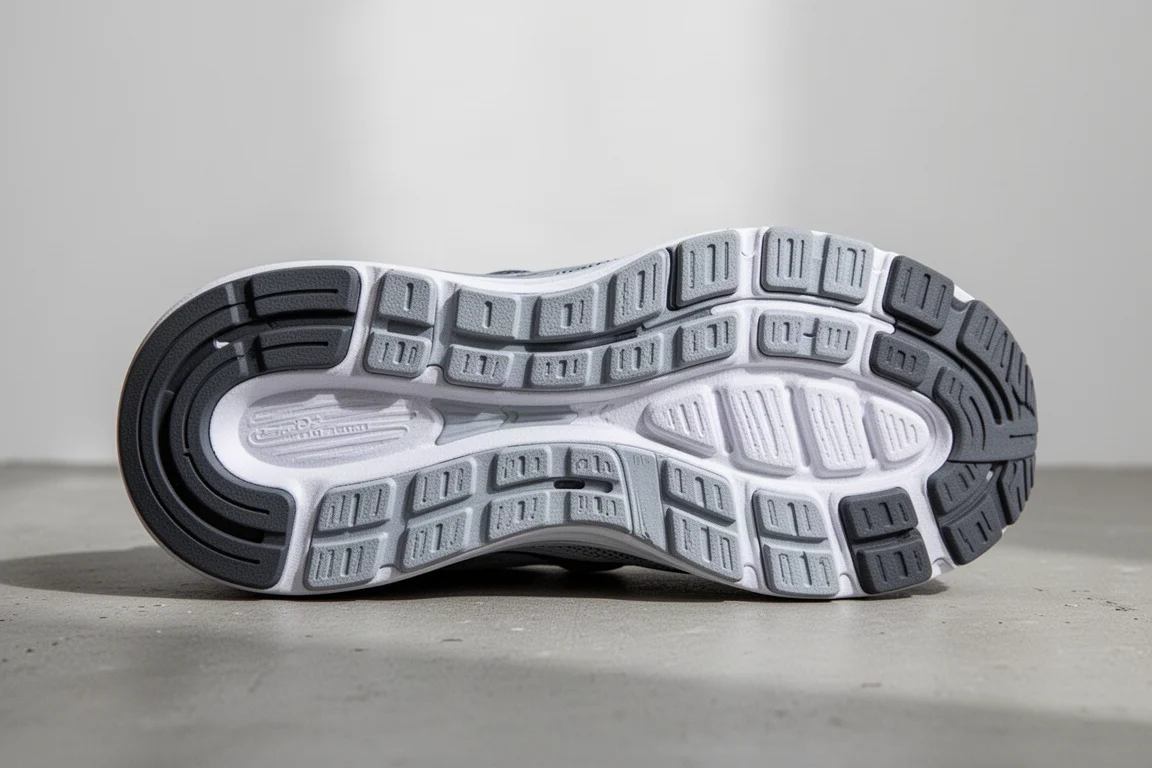
The midsole is where Brooks split the two shoes. The Glycerin 20 gets DNA Loft v3, a supercritical nitrogen-infused foam first seen on the Aurora BL, making it lighter and more responsive than the previous DNA Loft. The Ghost 15 also got a DNA Loft update, but to v2, a blend of rubber, air, and EVA foam aimed at a lighter feel than past versions. That different foam choice is the main reason these two shoes feel so different on the run.
Ride Test: Two Very Different Experiences
The Glycerin 20 is a genuinely impressive cushioned shoe. The nitrogen-infused midsole feels soft but not the softest around, with a nice balance of cushioning and a bit of response back. What stands out most is consistency: the feel stays the same throughout a run, never feeling dead or bottomed out, and it is comfortable enough that you want to keep going at the end of a run. Ticking up from easy to steady paces is easy, and on long runs it remains comfortable and easy even when the pace rises. It is more versatile than most cushioned shoes and than its predecessors, and comfortably ranks among the best cushioned shoes available right now.

The Ghost 15 is a different story. It is nominally the lighter daily trainer, and it will serve fine on easy runs: it protects you, absorbs impact nicely, and has a durable outsole. But picking up the pace in it is unenjoyable. The geometry feels clunky, the ride is a bit slappy, and the midsole gives back very little response or bounce. It is fine, but against a current crop of excellent daily and cushioned shoes, it does not really do anything that stands out.
Both are stable for neutral shoes without aggressive stability elements, though a stability version of the Glycerin with GuideRails is available. One possible point in the Ghost’s favour: its midsole is slightly firmer and denser, which heavier runners may appreciate, and the 12mm drop is unusually high today, which lessens load on the calves if you are coming from zero-drop or low-drop shoes and find your calves getting tired.
Verdict: Which One Should You Buy?
This is a fairly easy call. The Glycerin 20 costs more, but the ride is simply more enjoyable, and it stands up very well in the premium cushioned category. The Ghost has crept up in price over the years, and at its current level it is outclassed by several alternatives, whereas the Glycerin earns its price.

If you are a long-time Ghost fan or a beginner runner, the Ghost 15 will tick the boxes it always has: reliable, durable, good at taking the impact out of running. But there is little reason to choose it over the Glycerin if the budget allows. The Glycerin is the safer, better shoe, and one of the strongest premium cushioned options on the market this year.
Conclusion
Brooks updated both shoes with new midsole foam this generation, but only the Glycerin 20 got the supercritical nitrogen-infused DNA Loft v3, and it shows. If you want a cushioned daily trainer with a comfortable, consistent and versatile ride, the Glycerin 20 is the clear pick of this pair.
Product link
View more details for Brooks Ghost 15
This product is mentioned in the review. Check the specifications, options, and compatibility before buying.
View more details for Brooks Ghost 15Further reading
Related Reviews

Running Shoes
Best Road-to-Trail Running Shoes: Three Versatile Options for Mixed Terrain
A practical guide to three road-to-trail running shoes that handle both pavement and mild trails, with clear strengths and trade-offs for different runner types.

Running Shoes
Best Running Shoes for Achilles Tendonitis: Three Options Explained
Three running shoes with different heel drops and support features designed to help reduce Achilles tendon pain during walking and running.

Running Shoes
Best Running Shoes for Women: Five Top Choices Ranked
A ranked guide to five women's running shoes, from versatile daily trainers to high-performance racing options, with real strengths and trade-offs for each.