Running Shoes
Brooks Ghost 14 Review: A Reliable Daily Trainer With Serious Durability
After 54 miles of testing, the Brooks Ghost 14 proves to be a dense-but-light daily trainer with a standout outsole, a 12mm drop, and a GTX version worth considering for wet weather.
Introduction
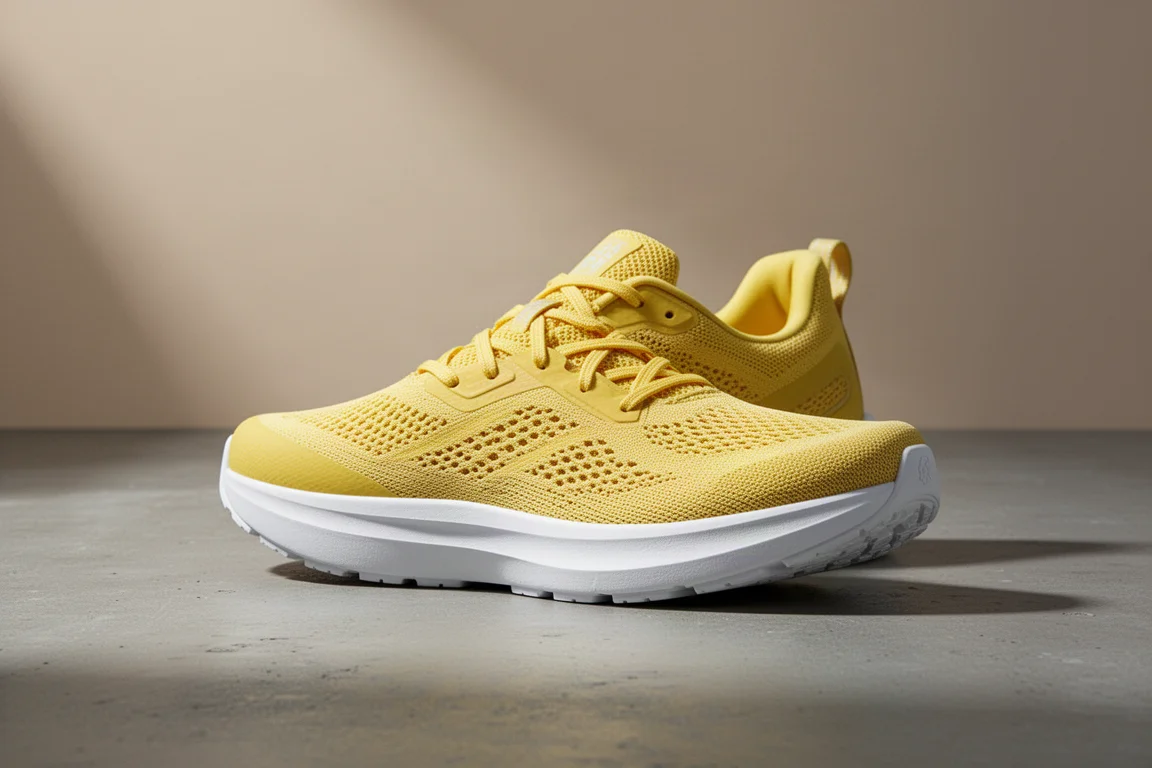
The Brooks Ghost 14 does not shout for attention, but after 54 miles of testing it has earned a reputation as one of the more dependable daily trainers on the road. It scores a 7.33 out of 10 overall, sits at 8.9 ounces in a standard men’s size, and carries a 12mm drop with a 36mm heel and 24mm forefoot. At $140 it is not the cheapest daily trainer, but the durability story goes a long way toward justifying the price.
This review also covers the Ghost 14 GTX, the waterproof Gore-Tex variant that costs roughly $20 more and performed well in mud and rain.
Who This Product Is For
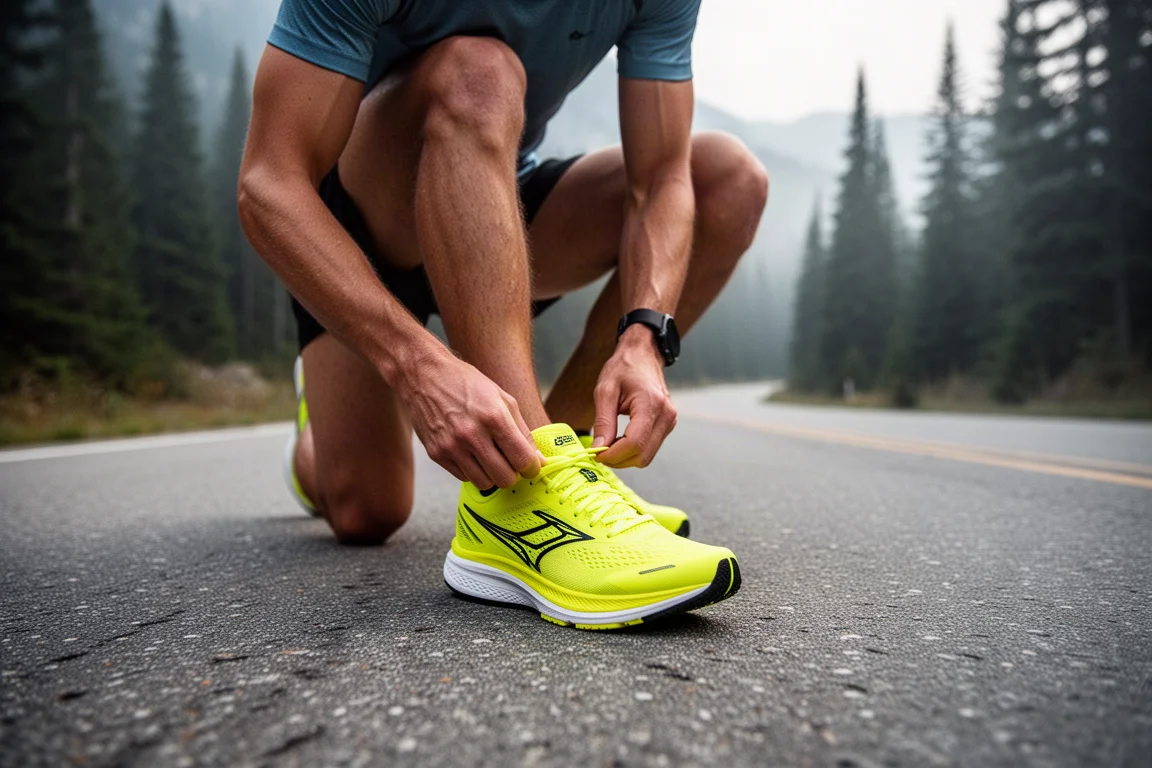
The Ghost 14 is aimed at runners who want a single shoe that does everything surprisingly well: easy miles, steady daily training, and long stretches on pavement. It works especially well for runners who prefer a higher drop, since 12mm is on the aggressive side compared with many modern trainers.
One long-time Ghost wearer put it simply: it is the shoe for someone who just wants one reliable trainer that lasts, and it keeps getting better as the mileage adds up.
Main Strengths
Upper: Engineered Mesh With a Winter Lean
The upper uses engineered mesh with a 3D Fit Print, a screen-print based process that applies structure to the upper without extra weight. Fit notes: there is a little too much room in the toe box for narrower feet, which is actually good news for wider feet. Runners with wider feet should find the toe box works out well.
Worth noting: the tongue is not gusseted or even semi-gusseted, a small miss that would improve lockdown.
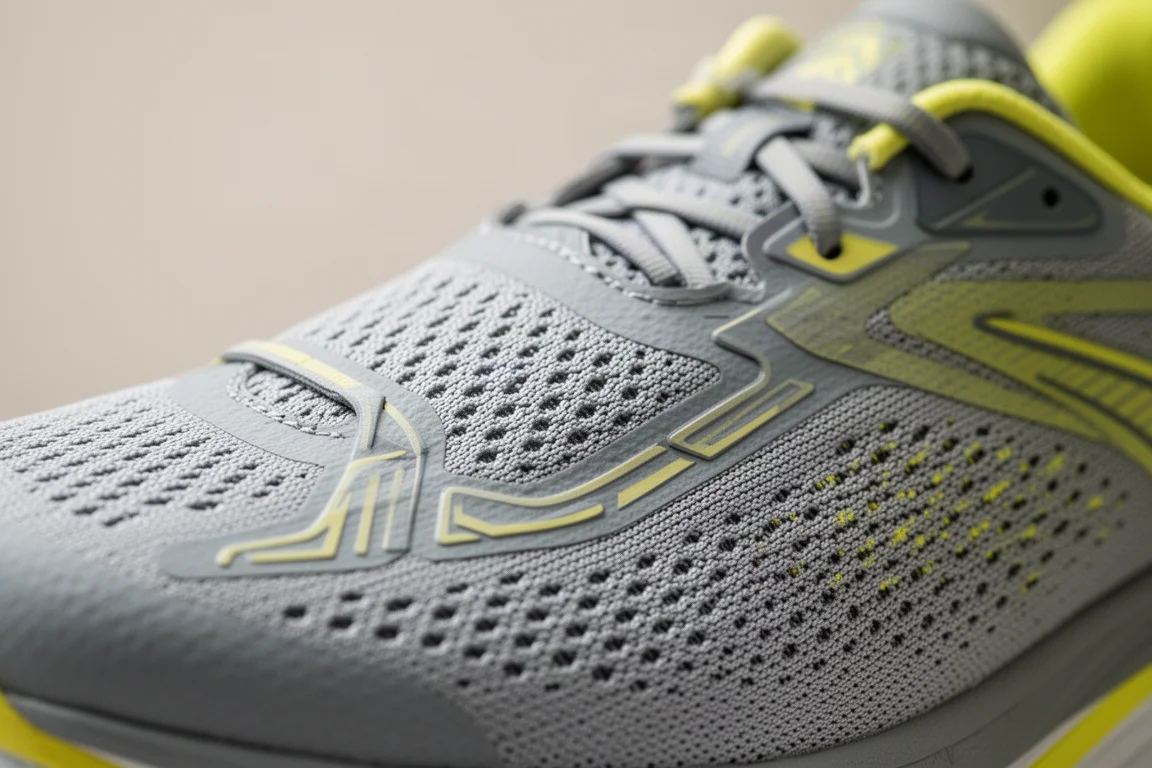
The mesh also leans toward cooler conditions. In cold and snowy running it kept toes comfortable, but this would not be the first pick for hot, humid summer running. It feels like a winter or spring shoe.
Midsole and Outsole: Dense but Not Heavy
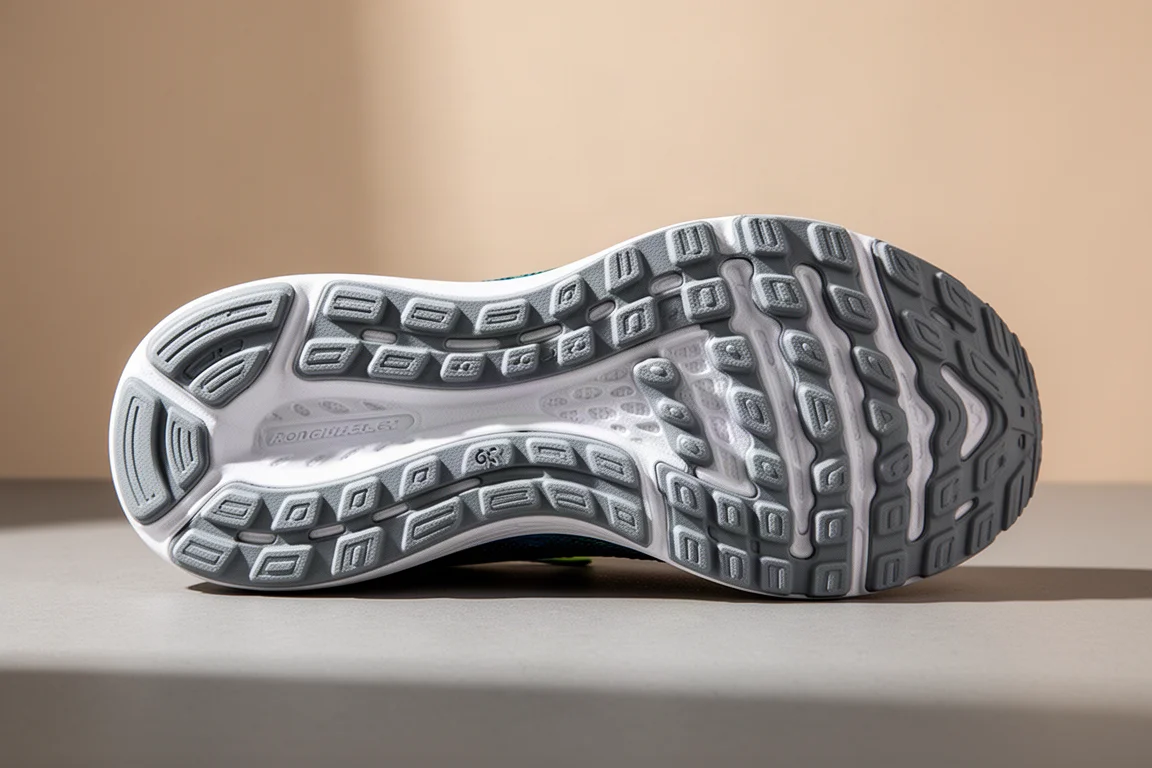
The midsole is DNA Loft foam, a calibrated mix of EVA foam, rubber, and air that runs the full length of the midsole for a softer ride. The best description is dense but not heavy. It should go the distance, and after 54 miles there is absolutely zero creasing in the foam, which is genuinely impressive given the density.
The outsole is where this shoe shines. Full-coverage blown rubber adds durability without feeling firm, and it gives a remarkably connected feel to the road. Durability on the previous Ghost 13 reached 600-plus miles, and that bodes well for the 14 given the shared outsole DNA and midsole density.
Things to Consider Before Buying
The 12mm drop is the headline caveat. It is pretty aggressive, so runners used to lower-drop shoes should keep it in mind. The roomy toe box is the second consideration; it is a strength for wide feet but a mild drawback for anyone who prefers a snug fit.
Price is the third. At $140 it sits above the 115 to 135 dollar range where daily trainers feel like better value, though supply chain pressures may explain some of that. It still scores 7.33 out of 10, and it is a shoe worth buying again.
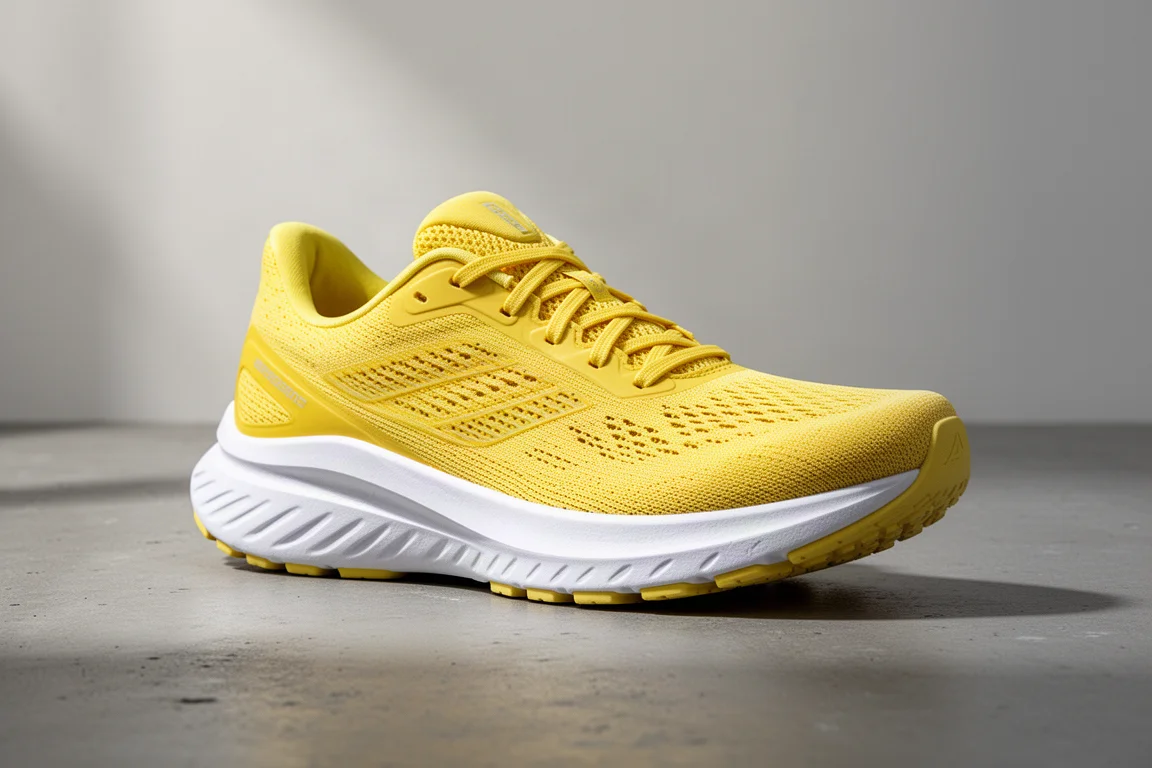
Ghost 14 vs Ghost 14 GTX: Which One Should You Buy?
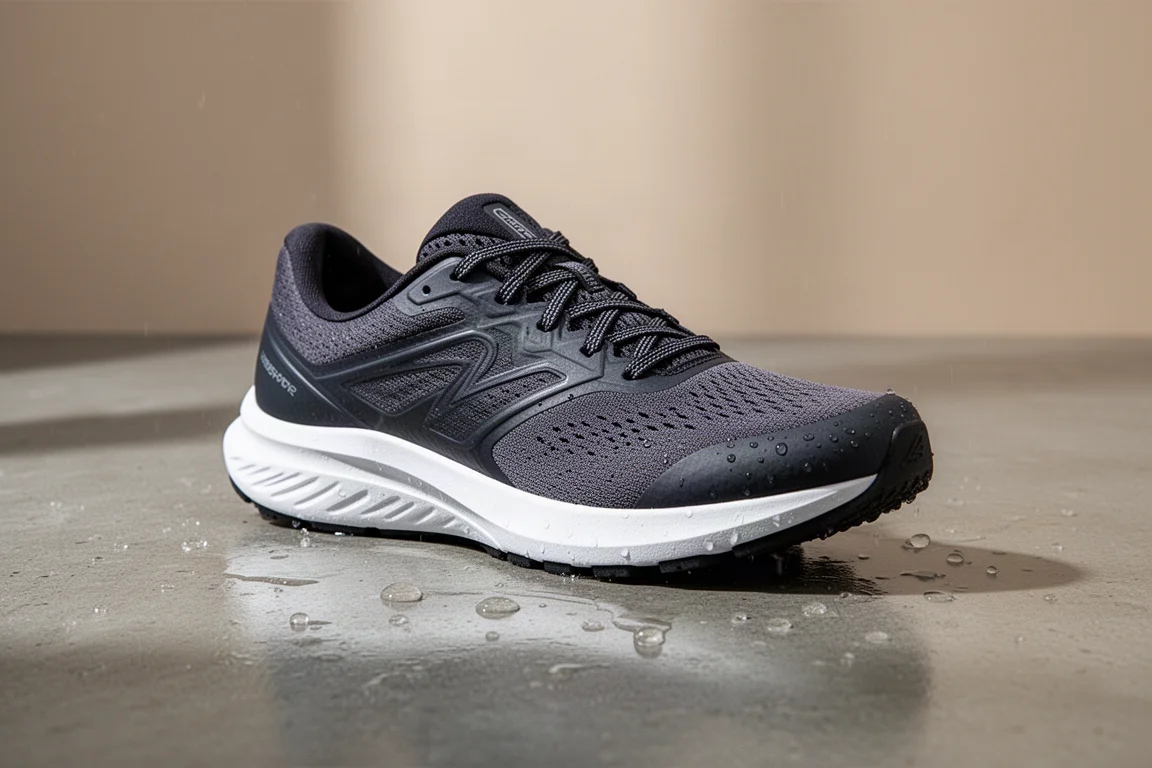
If you live somewhere that gets rain, slush, or snow, the Ghost 14 GTX is the version to investigate. It is the Gore-Tex waterproof option, and it performed quite well in mud and rain over a 50-mile test window. Brooks is based in Seattle, and the GTX version fits that kind of climate.
The GTX costs about $20 more. For runners in wet regions, that premium may well be worth it, especially heading into the snowiest months of the year. In snowy or slushy spring conditions, the GTX is the clear choice.

Buying Advice
If you want a reliable daily trainer that will last a long time, the Ghost 14 is an easy recommendation, with the 12mm drop as the main thing to keep in mind. Choose the standard version for mostly dry conditions and the GTX if wet roads are a regular part of your running.
Conclusion
The Brooks Ghost 14 will not wow you with flashy ride or a stacked spec sheet, but it delivers where daily trainers matter most: durability, a protective dense midsole, and a grippy, long-lasting outsole. At 7.33 out of 10, it is a solid, trustworthy pick, and the GTX version extends its usefulness into genuinely bad weather.
Further reading
Related Reviews

Running Shoes
Best Road-to-Trail Running Shoes: Three Versatile Options for Mixed Terrain
A practical guide to three road-to-trail running shoes that handle both pavement and mild trails, with clear strengths and trade-offs for different runner types.

Running Shoes
Best Running Shoes for Achilles Tendonitis: Three Options Explained
Three running shoes with different heel drops and support features designed to help reduce Achilles tendon pain during walking and running.

Running Shoes
Best Running Shoes for Women: Five Top Choices Ranked
A ranked guide to five women's running shoes, from versatile daily trainers to high-performance racing options, with real strengths and trade-offs for each.