Trail Running Shoes
Brooks Catamount 4 Review: A Versatile Trail Shoe That Wants to Race
The Brooks Catamount 4 adds stack and updated midsole tech while keeping the fit and grip the line is known for. Here's how it holds up on the trail.
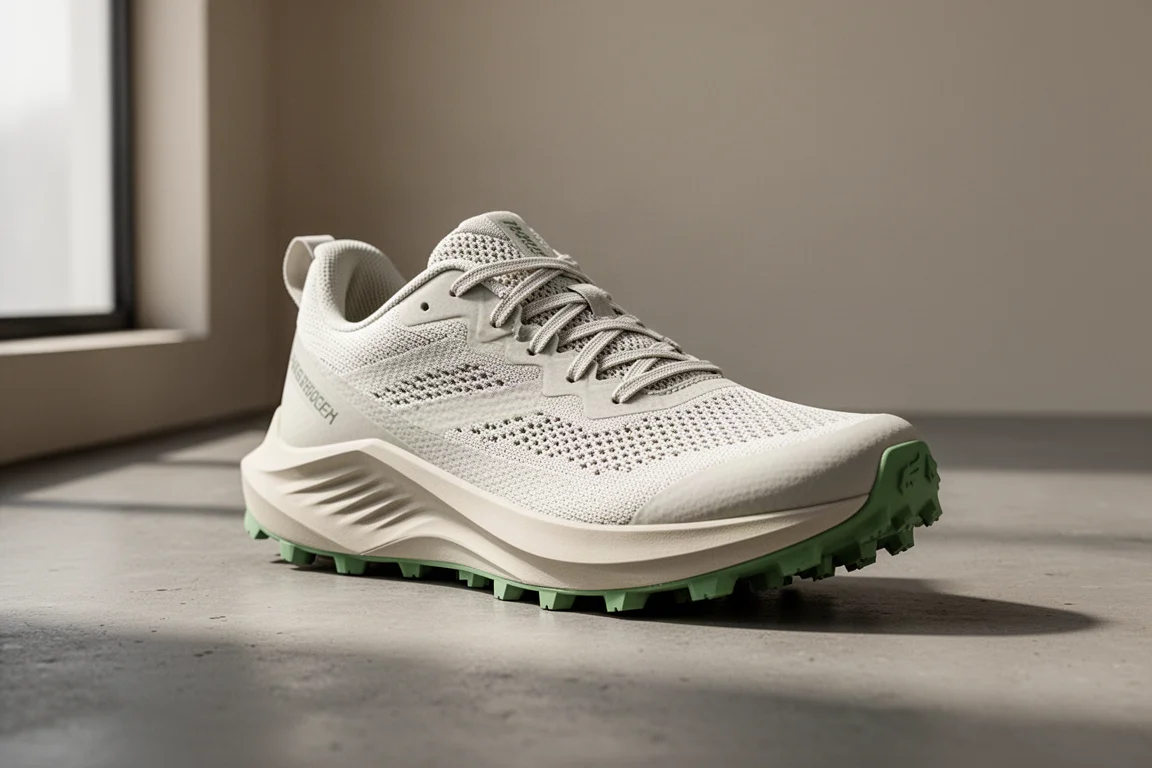
Introduction
The Brooks Catamount 4 arrives with a lot to live up to. The third version of this shoe earned recognition as a best all-around trail shoe, and this update aims to build on that formula and make it faster. The Catamount line debuted back in 2020 with a bold white upper and, notably, a nitrogen-infused midsole. Since then each version has refined the recipe: the second updated the upper and midsole with DNA Flash V1 and a SkyVault plate, and the third adjusted the fit without changing much underfoot.
The Catamount 4 is based on the Hyperion line, so it is meant to be versatile from the start. After plenty of trail miles, the fourth version keeps much of what made the line popular, adds a bit of stack, and updates both the foam and the plate to second-generation versions. The result is a shoe with real strengths and one notable frustration underfoot.
Who This Shoe Is For
The Catamount 4 is for runners who want one trail shoe that can do many jobs: daily miles, tempo sessions on the dirt, summit days, and racing. It remains a moderate-stack trail option that can go many different paces and places. If you loved the fit of the second and third versions, this one carries that foundation forward.

Main Strengths
The upper is a clear highlight. Brooks uses an engineered mesh that maps to the foot well, and it stays light and breathable. Durability has been strong in past versions, and with a similar weave here it should hold up the same way. The fit is secure in the heel and midfoot with a little wiggle room in the forefoot, and it cinches down comfortably. The gusseted tongue lays gently on the foot and stayed secure with no irritation.
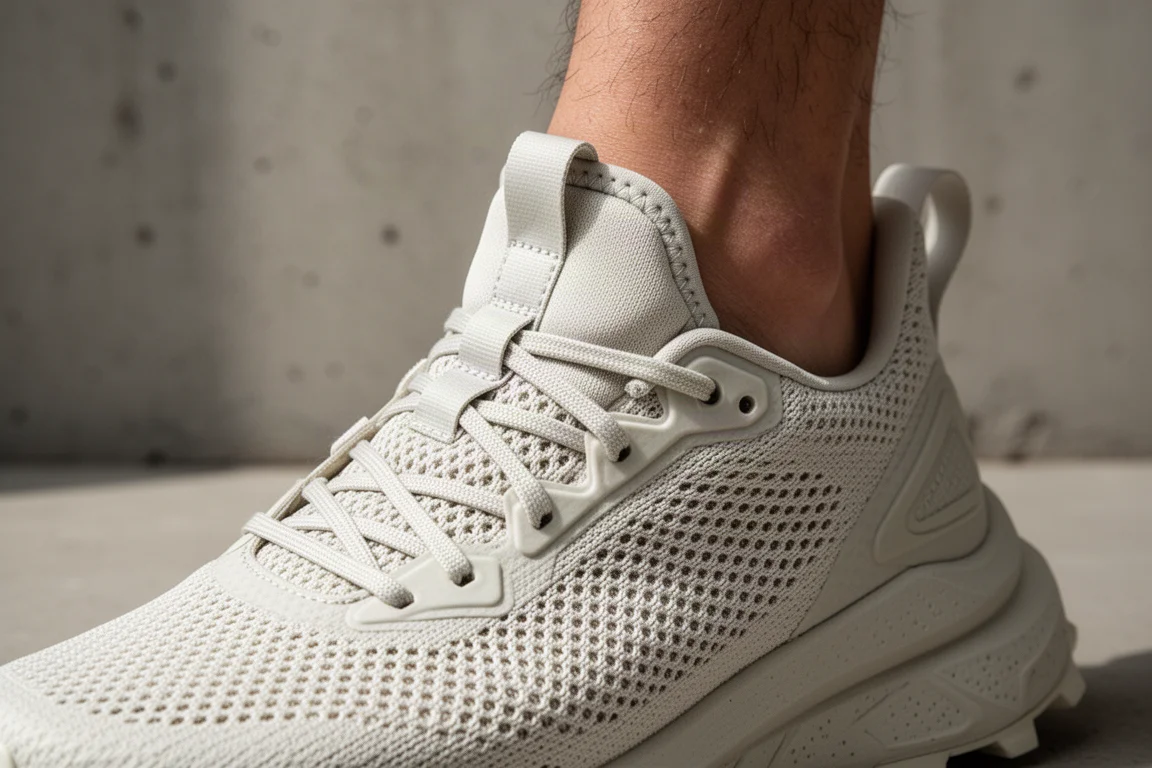
This version also adds more structure and padding in the heel, which should suit runners who want to go farther in the shoe. Comfort genuinely improved the longer the miles went.
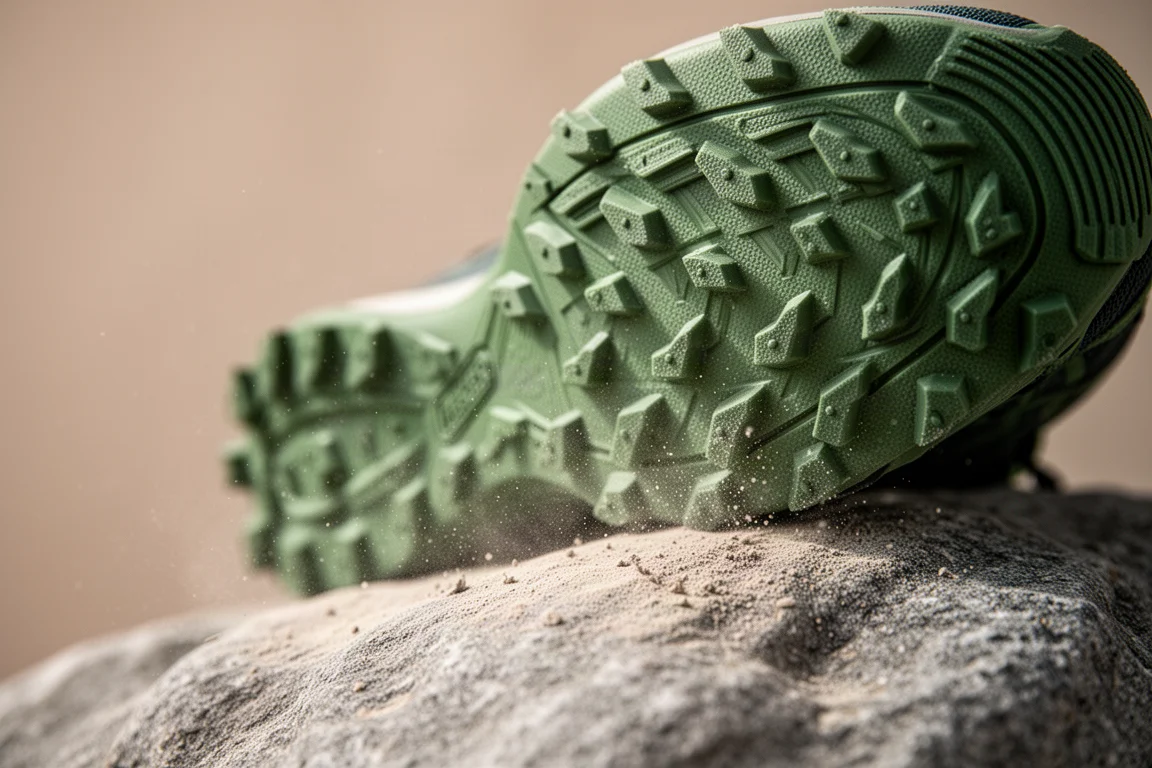
The outsole is another strong point. Brooks’ TrailTac green rubber is made with more recycled materials these days and remains very tacky on any terrain. The 3.5mm lugs are short, among the shortest you will find on a trail shoe, but they performed well on wet, dry, and steep dust-and-dirt surfaces, digging in better than expected.
Things to Consider Before Buying
Underfoot is where opinions split. The midsole and SkyVault plate both moved to version two, with the plate reshaped and repositioned from mid-heel through the forefoot where it forks out. The stack grew by 2mm to 34mm in the heel and 28mm in the forefoot, keeping a 6mm drop, and the weight was maintained despite the extra stack. On paper that suggests a slightly softer, more supple ride with better toe-off.
In practice, the ride stays firm. The plate’s energy and response only really showed on uphills, where planting the foot hard could force the midsole to react. The firmer heel also governed downhill stability and even made itself felt on the flats, which adds security for longer days but takes some control away from the ride. On genuinely wet, muddy ground, the short lugs do only so much, as expected.
A small but real annoyance: there was occasional heel lift on uphills, even after trying different lacing techniques through the upper holes.
Buying Advice
If you liked the Catamount 3 and want a slightly taller, slightly more structured version of it, this is an easy step up. It suits runners who prefer a firmer midsole and want added heel comfort for longer outings. If you were hoping for a softer, more energetic race-day feel that fully leverages the plate, you may find it underdelivers on that promise. Fit runs true to the line: secure midfoot, roomy forefoot, and occasional heel lift on climbs.

Conclusion
The Brooks Catamount 4 is a well-made, versatile trail shoe with an excellent upper, dependable grip, and a fit that carries the line’s reputation forward. The firmer ride and underwhelming plate engagement hold it back from being a standout race-day option, but as an all-around trail shoe it remains a solid choice, especially for runners who like a firm midsole.
Product link
View more details for Brooks Catamount 4
This product is mentioned in the review. Check the specifications, options, and compatibility before buying.
View more details for Brooks Catamount 4Further reading
Related Reviews
Trail Running Shoes
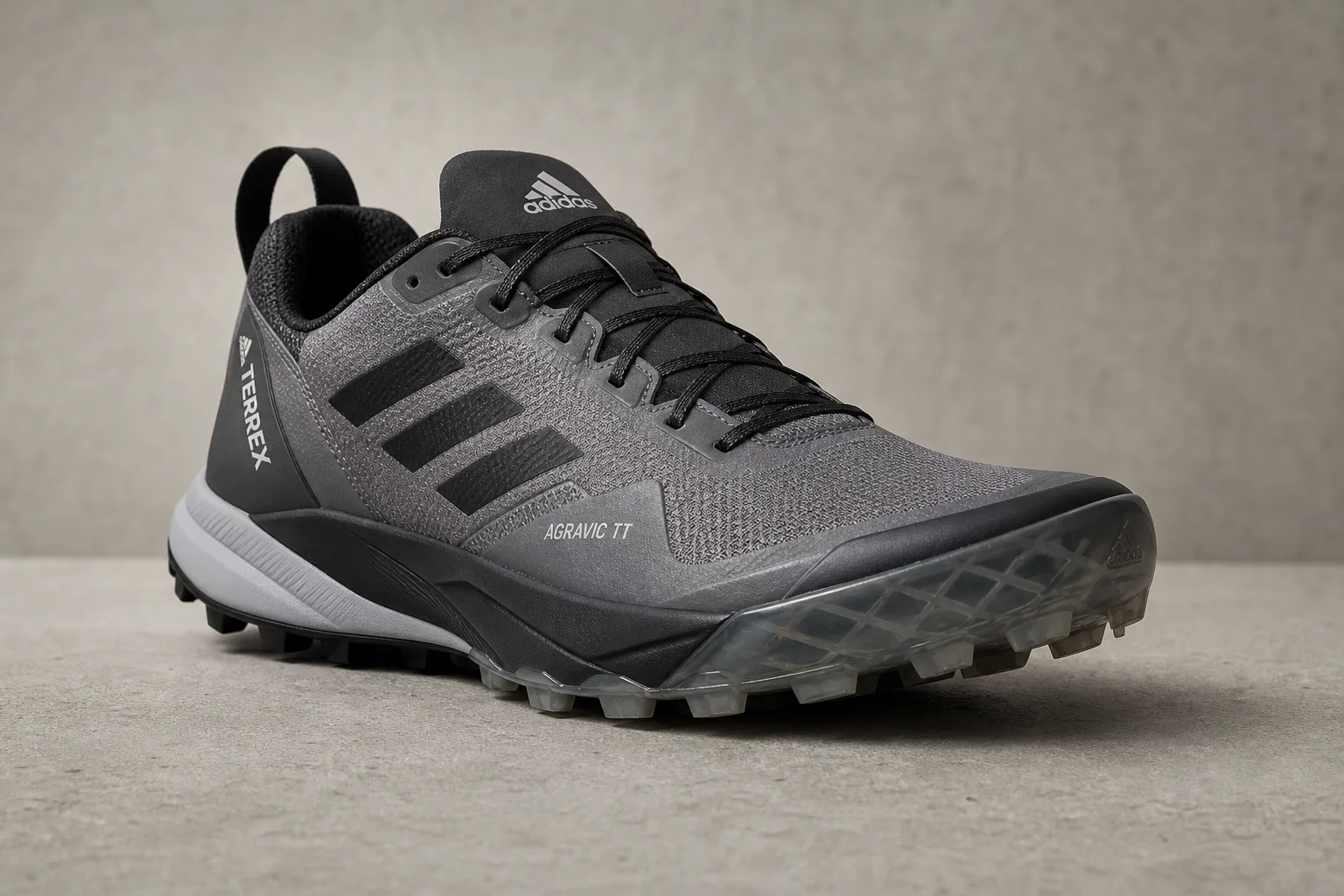
Adidas Terrex Agravic TT Review: A Technical Trail Shoe Built for Rocky Terrain
The Adidas Terrex Agravic TT combines a full-coverage rock plate with a firmer midsole to deliver protection and stability on technical, rocky trails. A capable choice for runners who prioritize underfoot defense over lightweight cushioning.
Trail Running Shoes
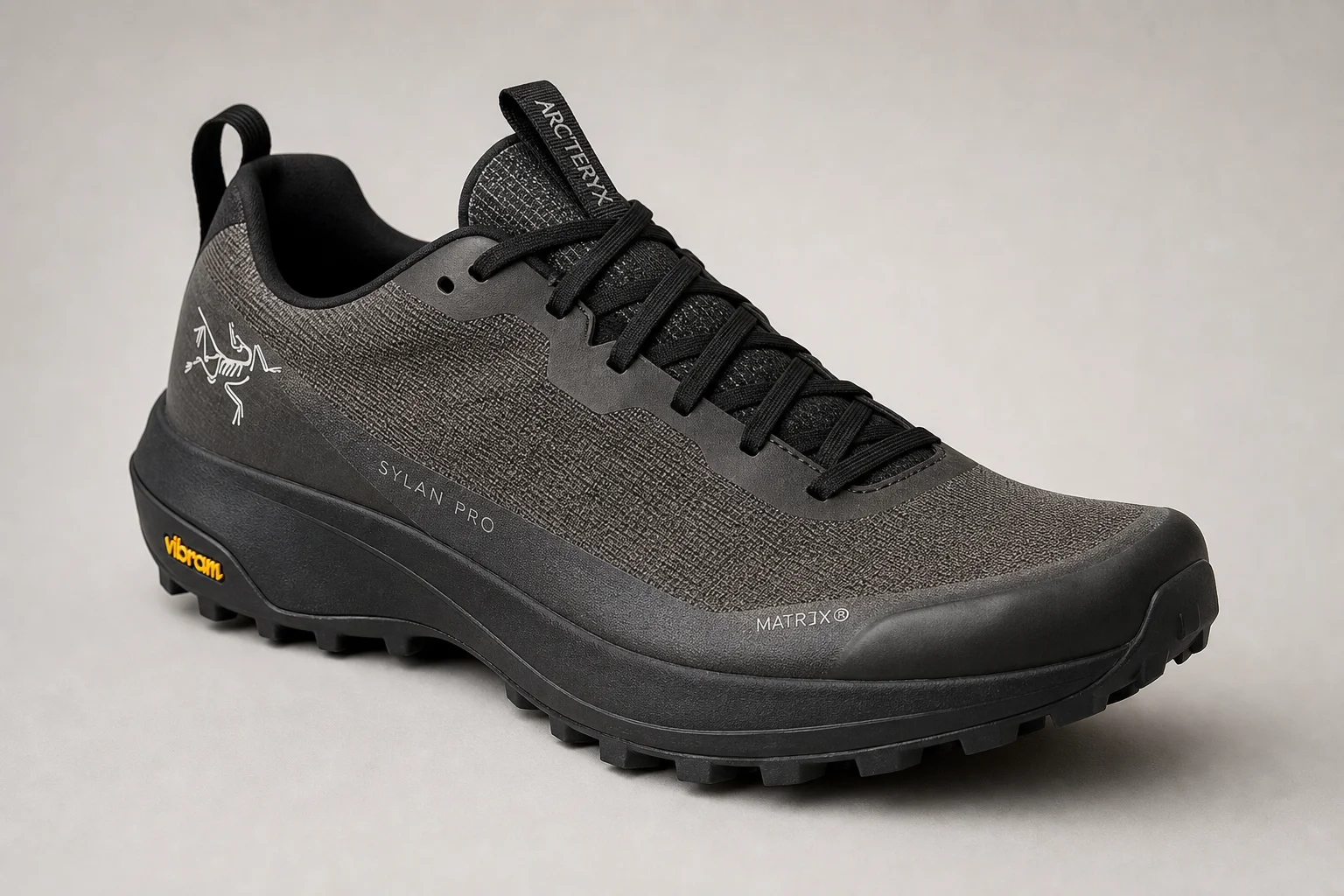
Arc'teryx Sylan Pro Review: A Rocker-Focused Mountain Running Shoe Tested on 20 Miles
The Arc'teryx Sylan Pro brings a pronounced rocker geometry and secure fit to mountain terrain. We tested it on a 20-mile Sawtooth loop to evaluate its climbing efficiency, protection, and handling of technical descents.
Trail Running Shoes
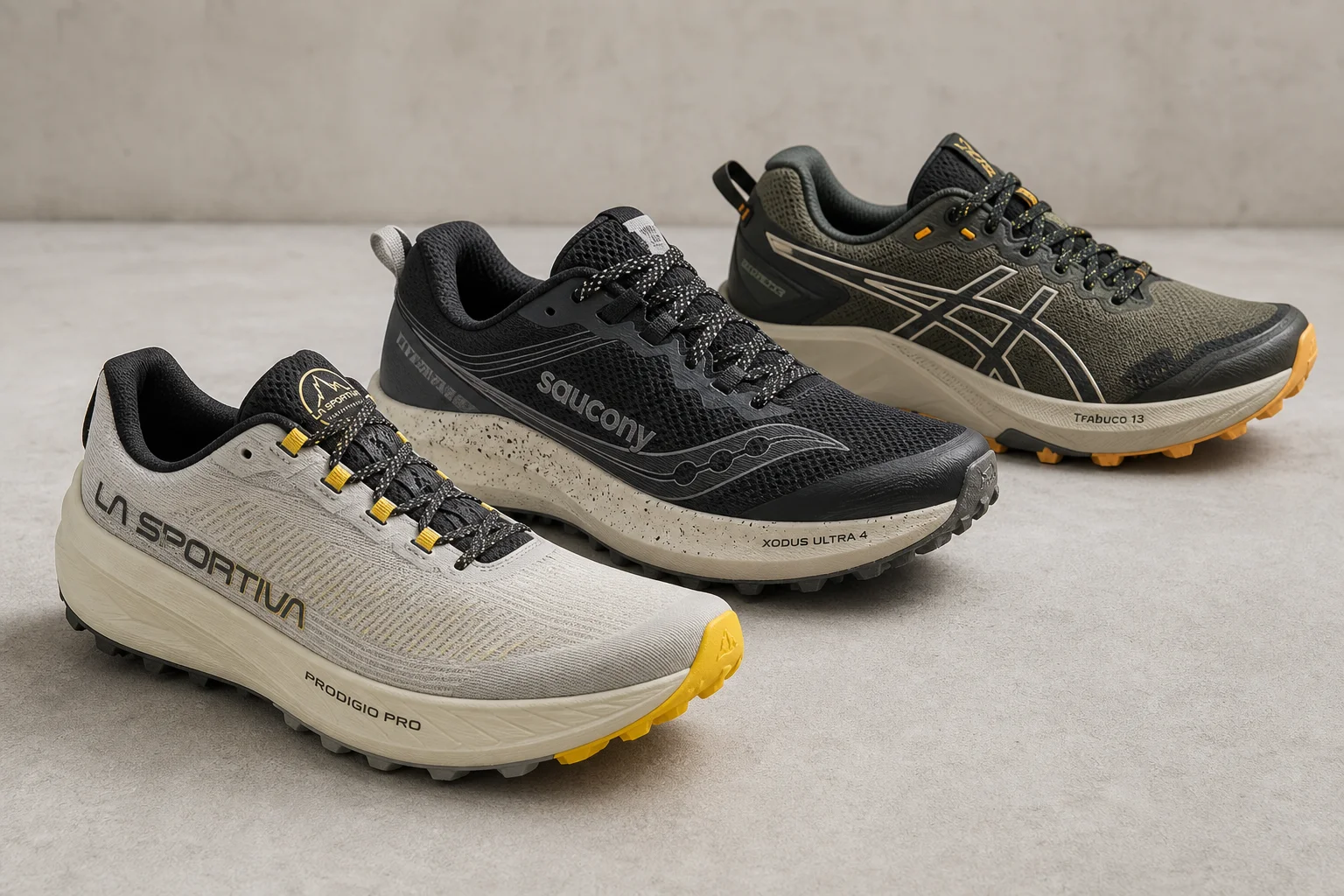
Best All-Mountain Trail Running Shoes: Three Versatile Options for Any Trail
A focused roundup of three all-mountain trail running shoes that handle technical terrain, long distances, and variable conditions with real strengths and practical trade-offs.