Trail Running Shoes
Brooks Catamount 2 Review: A Solid Trail Shoe That Stops Short of Great
The Catamount 2 is lighter than its predecessor and adds a forefoot plate, but rivals offer better grip, more comfort, or more propulsion at similar prices.
Introduction
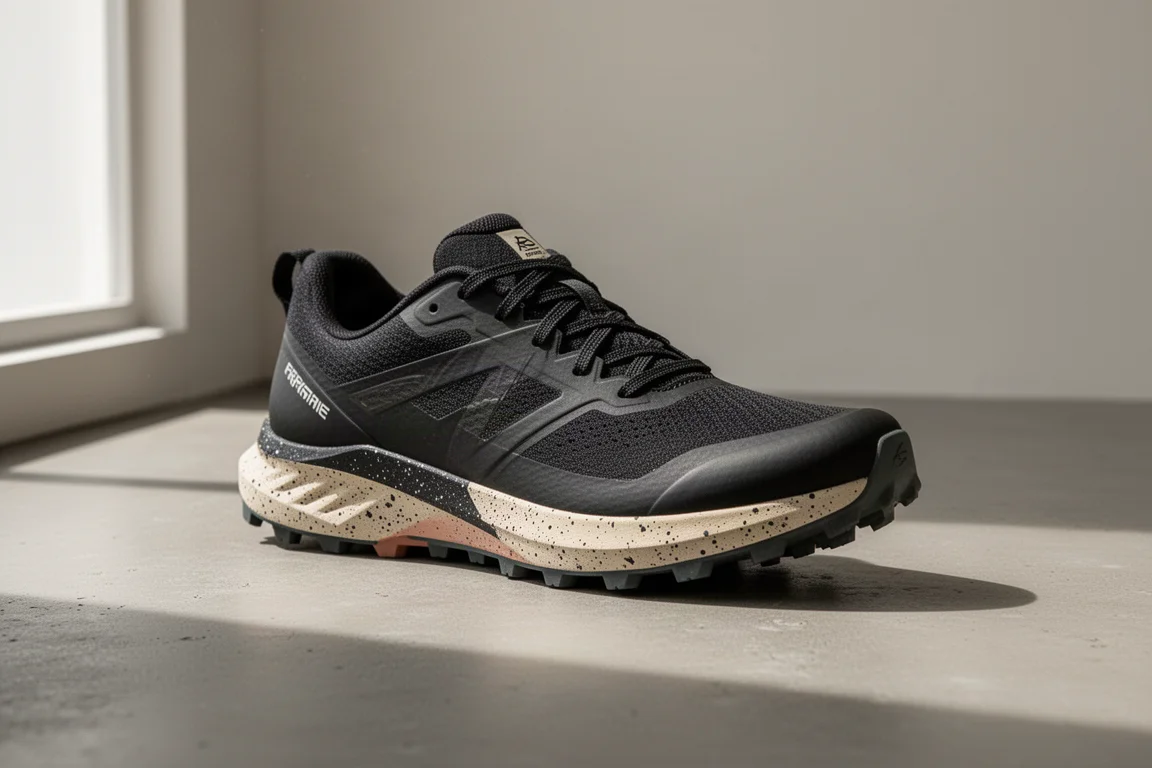
The Brooks Catamount 2 is a trail shoe aimed firmly at hard trails, and Brooks has made some meaningful changes for this second version. There is a new plate in the forefoot, the weight has come down across the board, and the upper has been reworked for a more secure fit. On paper, that reads like a recipe for a top-tier speed shoe.
After extensive testing, though, our impression is more mixed. This is a good, capable trail shoe that does many things well but stops short of excelling at any of them, and at £160 in the UK or $170 in the US, it faces stiff competition.
At a Glance: Specs and Pricing
In a UK size 9, the Catamount 2 weighs 277 g (9.7 oz), which is genuinely light for a trail shoe. The drop is 6 mm from heel to toe, and while Brooks does not publish a stack height, it looks to be around 30 mm at the heel.
The upper has been revamped from the first version, with a toe bumper, decent heel structure for stability, and modest padding around the collar and tongue. It still reads as a lightweight trail shoe rather than a plush one.
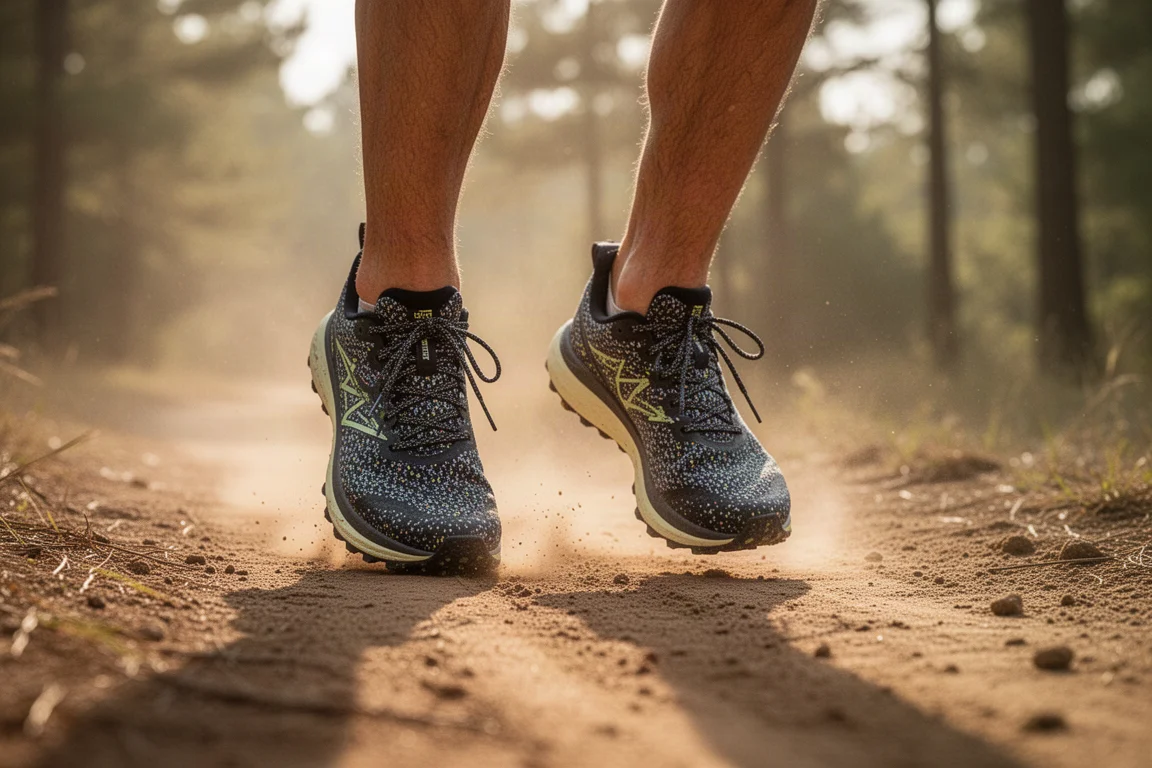
Fit is true to size for both testers. One tester with a narrower foot found no issues, while the other noted the shoe runs slightly narrow, though not problematically so. Heel hold was secure in both cases, and both testers used their normal running shoe sizes across UK, EU, and US sizing.
Midsole: DNA Flash Foam and Sidewall Stability
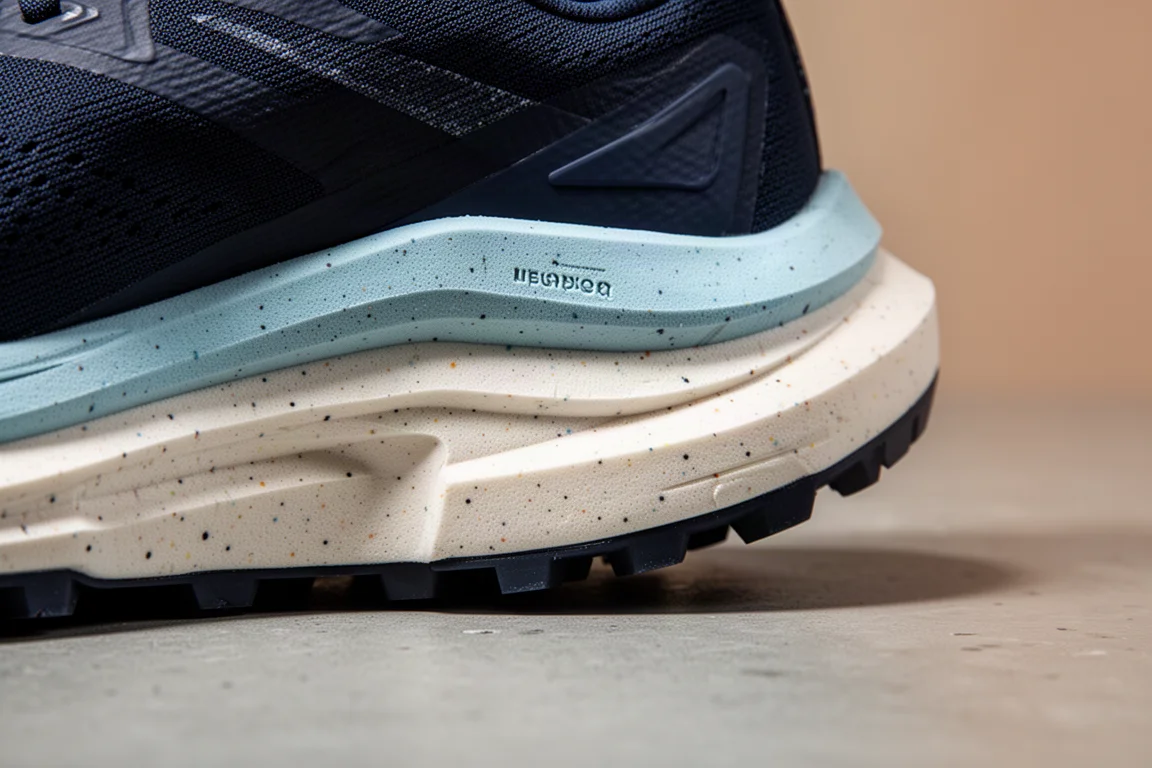
The Catamount 2 uses Brooks’s DNA Flash midsole, the nitrogen-infused EVA foam found in the Hyperion range of road shoes. It is lightweight and responsive without being overly squishy, which keeps the shoe stable on trails.
The foam sits within jagged sidewalls that cradle the foot, adding a meaningful layer of lateral stability. One tester described the DNA Flash ride as firmer than most road shoes but slightly softer than typical trail shoes, and a touch softer than the original Catamount.
The SkyVault Plate: Propulsion or Rock Protection?
Brooks positions the new SkyVault plate in the forefoot as a propulsive aid for climbing. In practice, neither tester felt much pop from it uphill or during faster running.
Both concluded that it functions more like a rock plate: something that protects the foot from rough ground underneath rather than adding bounce or forward drive. On runnable trails at speed, it simply does not deliver the punch that some competitor plates do.
That is not to say the plate hurts the shoe. Protection on hard, rocky trails is valuable, and the plate contributes to a stable, confident base. Just do not buy this shoe expecting a performance boost on climbs.
Grip and Outsole: Built for Hard Ground
The TrailTack rubber outsole features 4 mm lugs that are closely spaced, fairly large, and flat. This is clearly a hard-trail design: the lugs provide good grip and a smooth, comfortable ride on firm surfaces rather than biting into soft ground.
There is just enough lug depth to help you stay upright if you stray briefly into mud, but neither tester would call this a wet-weather shoe. In dry summer conditions, grip raised no concerns over roughly 50 km of testing.
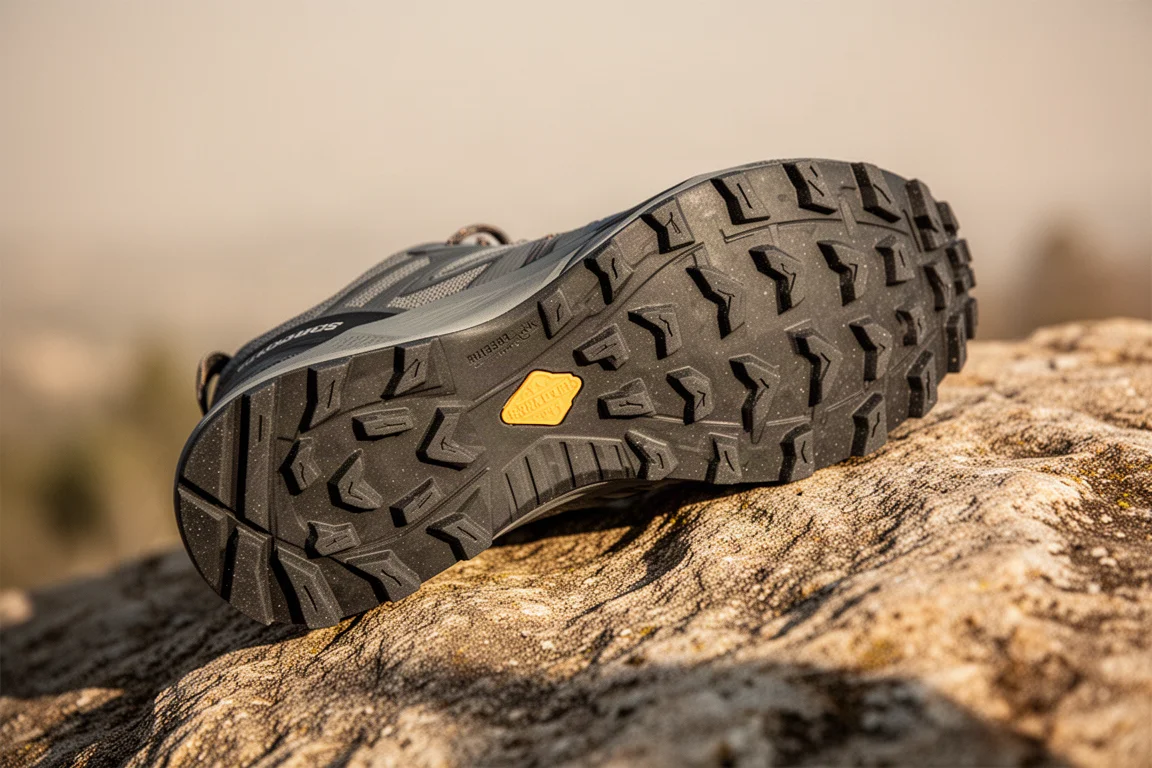
On the road, the smooth flat lugs perform well, which makes the Catamount 2 a genuinely good road-to-trail option. One tester regularly ran about 2.5 km of tarmac to reach park trails and found the shoe handled both surfaces without complaint.
Ride and Real-World Performance
Across roughly 50 km of testing on park trails and bigger hill runs, the Catamount 2 handled everything asked of it. Easy runs, a harder progressing-pace run finishing with sub-6-minute miles on undulating terrain, and mixed road-to-trail outings all went smoothly.
The honest summary from testing: it is a solid shoe that does the job, but nothing stands out. The market has moved on since the original Catamount impressed, and rivals now combine road-shoe foams with stability, comfort, and better grip in packages that frequently cost less.
Should You Buy the Brooks Catamount 2?
The Catamount 2 falls between categories. It is not light enough to be a standout 5K and 10K trail racer, and it is not comfortable enough to be the first choice for long runs on hard ground. Shoes like the Saucony Peregrine line offer better lugs and wet-weather capability, the Saucony Endorphin Edge delivers a plate that actually influences the ride, and the Saucony Xodus 2 offers more comfort and bounce despite being slightly heavier.
If you regularly run dry trails and value a stable, reasonably light shoe, you will not be disappointed. But at the current price, there are alternatives that do more for less. If it drops to a significant discount in sales, it becomes a much easier recommendation.

Conclusion
The Brooks Catamount 2 is a well-made, attractive, reasonably lightweight trail shoe with a stable DNA Flash midsole and a protective forefoot plate. It is a good road-to-trail option for dry conditions. The frustration is that it does not move the game forward: the SkyVault plate behaves more like a rock plate than a propulsion aid, the grip is limited on wet ground, and the ride sits awkwardly between speedy and cushioned. A good shoe, then, but one we hesitate to recommend over cheaper rivals at full price.
Product link
View more details for Brooks Catamount 2
This product is mentioned in the review. Check the specifications, options, and compatibility before buying.
View more details for Brooks Catamount 2Further reading
Related Reviews
Trail Running Shoes
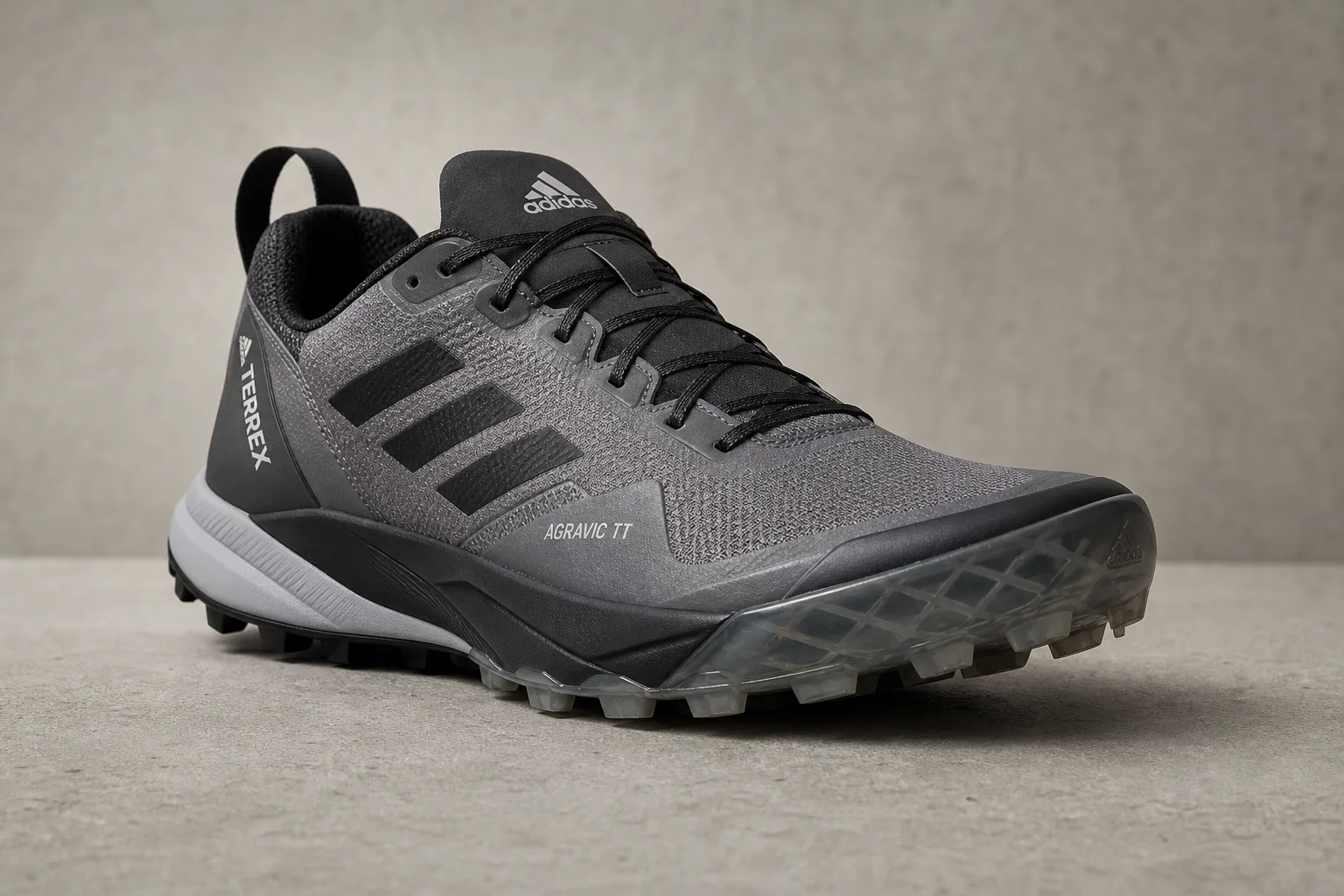
Adidas Terrex Agravic TT Review: A Technical Trail Shoe Built for Rocky Terrain
The Adidas Terrex Agravic TT combines a full-coverage rock plate with a firmer midsole to deliver protection and stability on technical, rocky trails. A capable choice for runners who prioritize underfoot defense over lightweight cushioning.
Trail Running Shoes
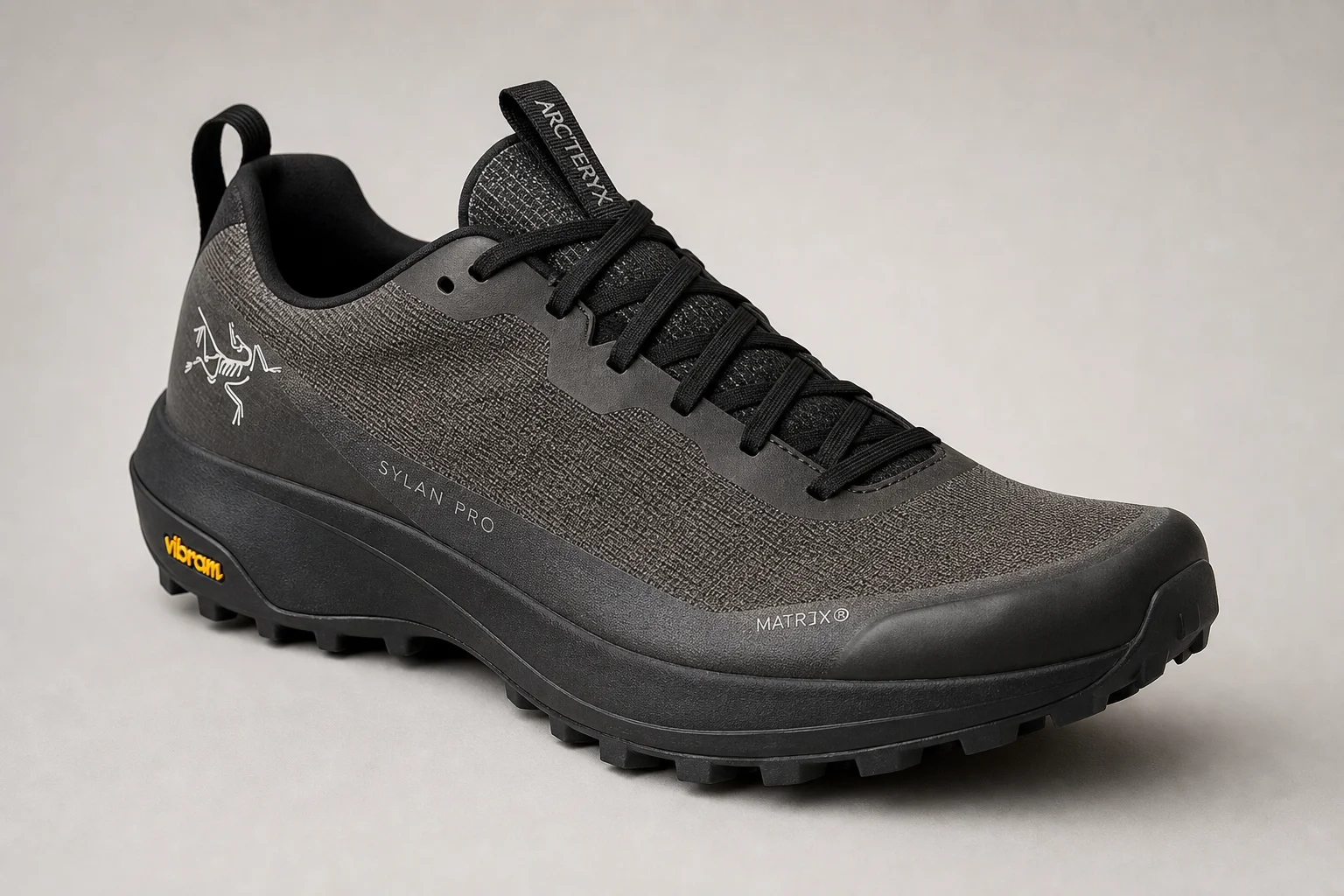
Arc'teryx Sylan Pro Review: A Rocker-Focused Mountain Running Shoe Tested on 20 Miles
The Arc'teryx Sylan Pro brings a pronounced rocker geometry and secure fit to mountain terrain. We tested it on a 20-mile Sawtooth loop to evaluate its climbing efficiency, protection, and handling of technical descents.
Trail Running Shoes
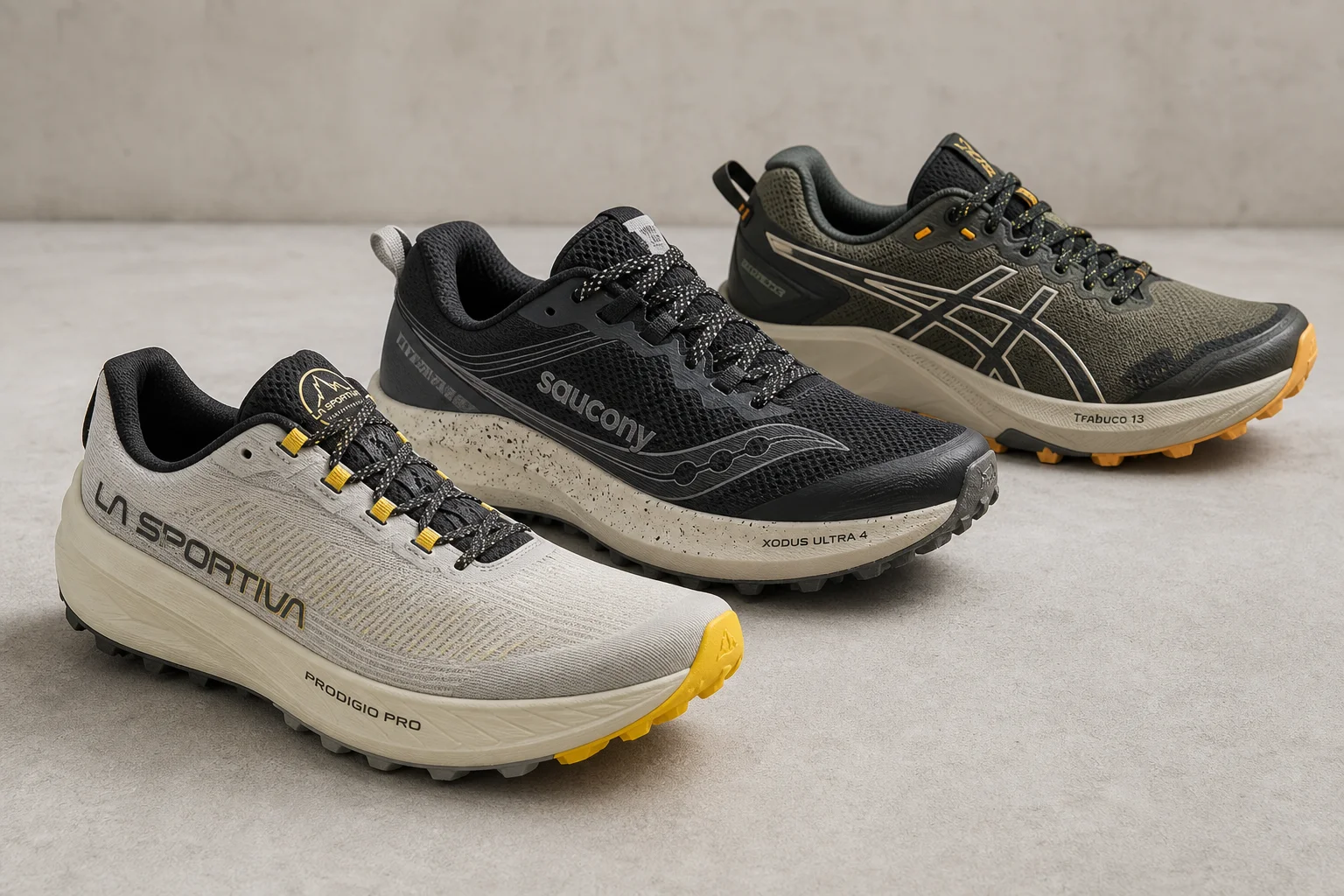
Best All-Mountain Trail Running Shoes: Three Versatile Options for Any Trail
A focused roundup of three all-mountain trail running shoes that handle technical terrain, long distances, and variable conditions with real strengths and practical trade-offs.