Trail Running Shoes
Brooks Catamount 2 First Run Review: A Balanced Trail Shoe for Speed-Oriented Days
A comfortable, well-balanced trail shoe with a Skyvault propulsion plate and DNA Flash midsole, tested over a mixed 12K of road, mud, and footpaths.
Introduction
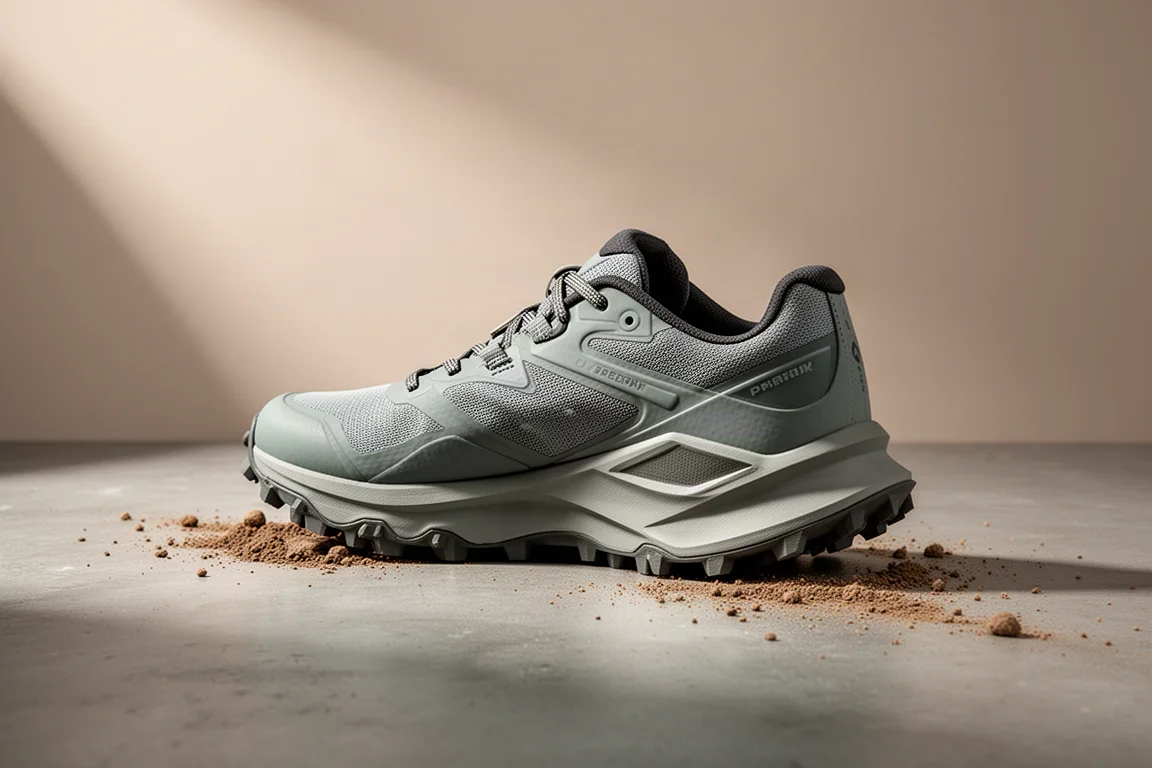
The Brooks Catamount 2 is a trail shoe Brooks says is designed for speed, offering light, responsive cushioning and efficiency when running uphill. It costs £160 or $170, weighs 275 grams (9.7 ounces) for men in a size 8, and has a six-millimetre drop.
Version 2 introduces a new Skyvault propulsion plate, which aims to deliver a responsive experience when training at speed over elevated terrain, protect the foot from rocks, and improve performance on climbs. That was the headline update going into this first run.
First Run Impressions
The test run was a 12K across the South Downs: roughly three kilometres of road, with the rest on muddy trails, public footpaths, and a bit of rock. Nothing technically demanding, but enough variety to put the shoe’s features to work at a steady pace of around five-minute kilometres.
Straight away, the Catamount 2 felt true to size and very comfortable. There were no issues at all over the full distance, and it felt stable and efficient across every surface, from tarmac to fields to mud. It was easy to pick up the pace when needed, and it proved a genuinely enjoyable shoe to run in.

Midsole Feel: DNA Flash
The DNA Flash midsole, a nitrogen-infused compound used across several Brooks shoes, strikes a nice balance for trail use. It is firmer than what you would find in most road shoes, which is actually a good thing here. Very soft midsole foam tends to lose its benefit on soft, muddy ground, where the foam simply sinks into the surface.
On the road sections, the Catamount 2 did not feel quite as cushioned as a dedicated road shoe, but it had enough give to stay comfortable. That makes it a promising road-to-trail option: firm enough to hold up on soft ground, with just enough cushioning to keep road stretches pleasant.
Grip and Outsole
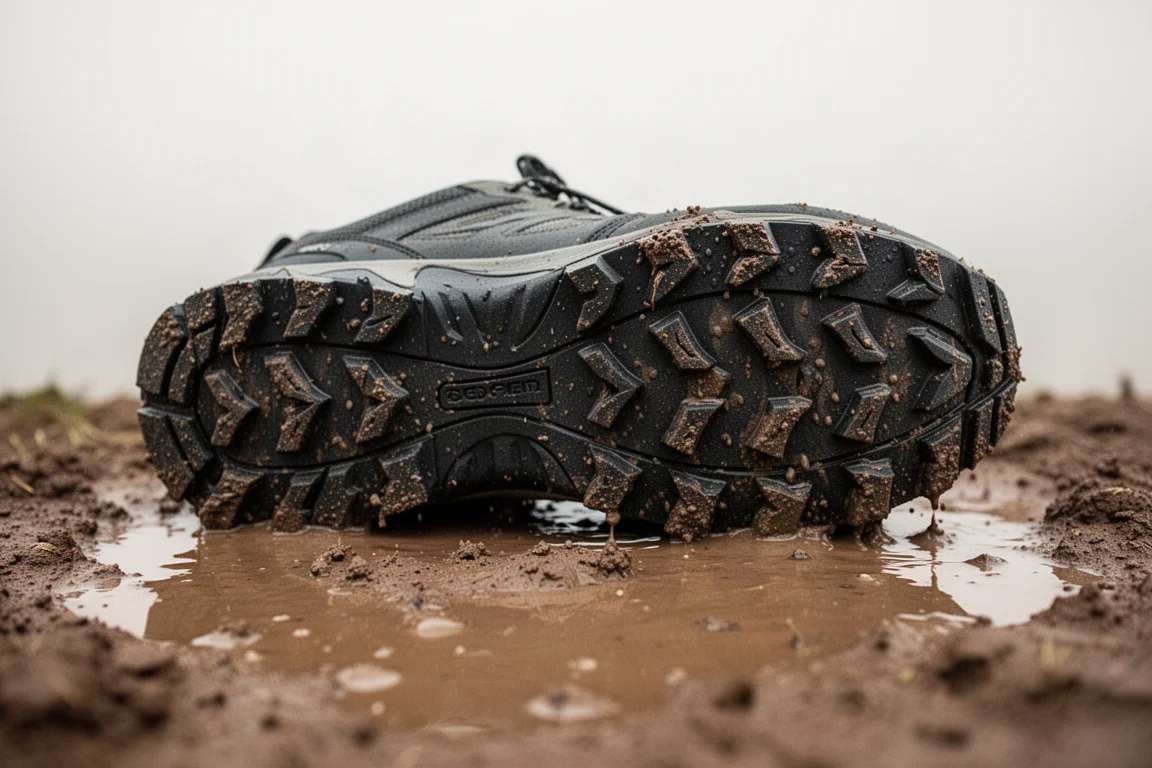
The rugged TrailTack rubber outsole delivered plenty of grip with no issues on the day. The lugs are not oversized, which suited the mixed trails on this run perfectly, and they gripped well on muddy, elevated sections.
Brooks has also added toe and mud guards for extra protection, plus a dual-sided air mesh upper with a water- and abrasion-resistant outer layer. Drainage slits release water in wet conditions, and the upper stayed comfortable even on a warm day, with no overheating.
Is It Really a Speed Shoe?
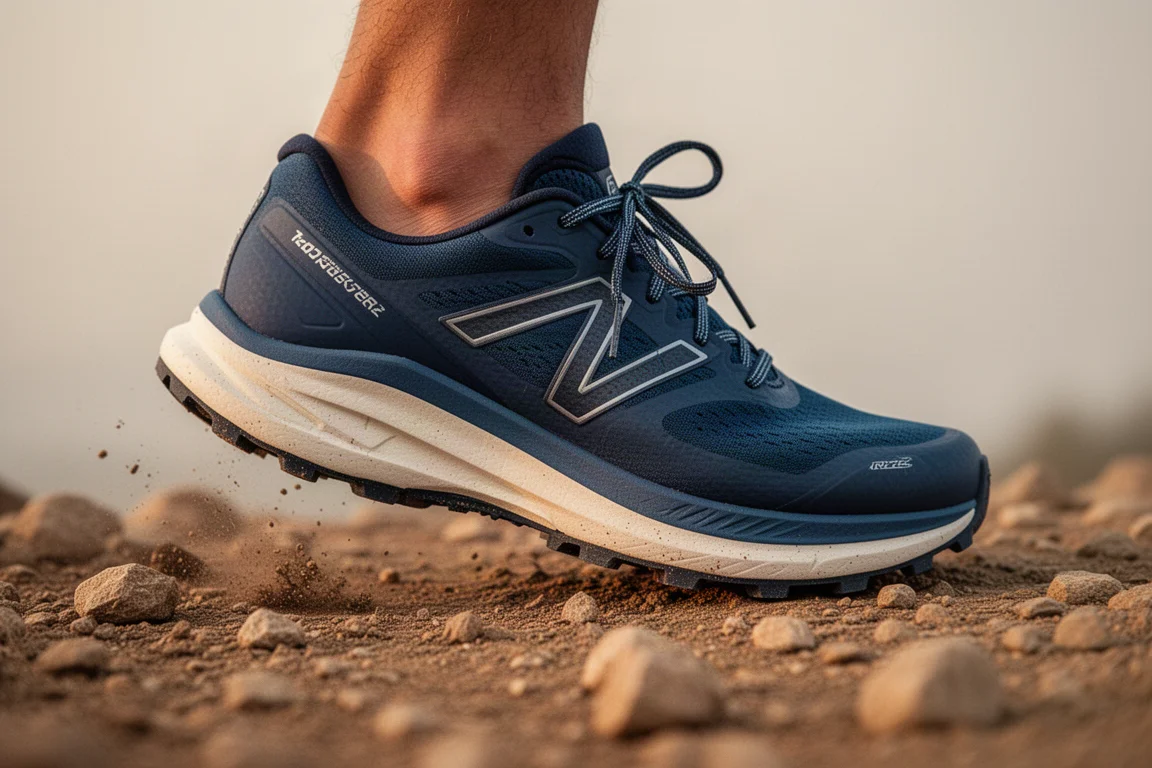
Brooks positions this as a shoe designed for speed, but in practice it does not feel like a lightweight trail racer. It is not the lightest-feeling shoe, though it never feels heavy either. Instead, it comes across as a well-balanced, protective all-rounder with a nice rolling action, sitting closer to protective trail all-rounders than to out-and-out racers.
The same goes for the uphill claims. Brooks talks about efficiency on climbs, presumably a benefit of the Skyvault plate, but it did not feel like a stand-out uphill weapon. It is simply a good, efficient shoe for running in generally, uphills and downhills alike.
Who Should Consider the Catamount 2
This is a solid, comfortable all-round trail shoe for runners who head out on occasional trail runs without tackling really tough terrain. It handled easier paths and mixed trails brilliantly on the first outing, and while the lug pattern suggests it would not be the first choice for deeply boggy, wet conditions, it excelled on everything tested so far.
Buying Advice
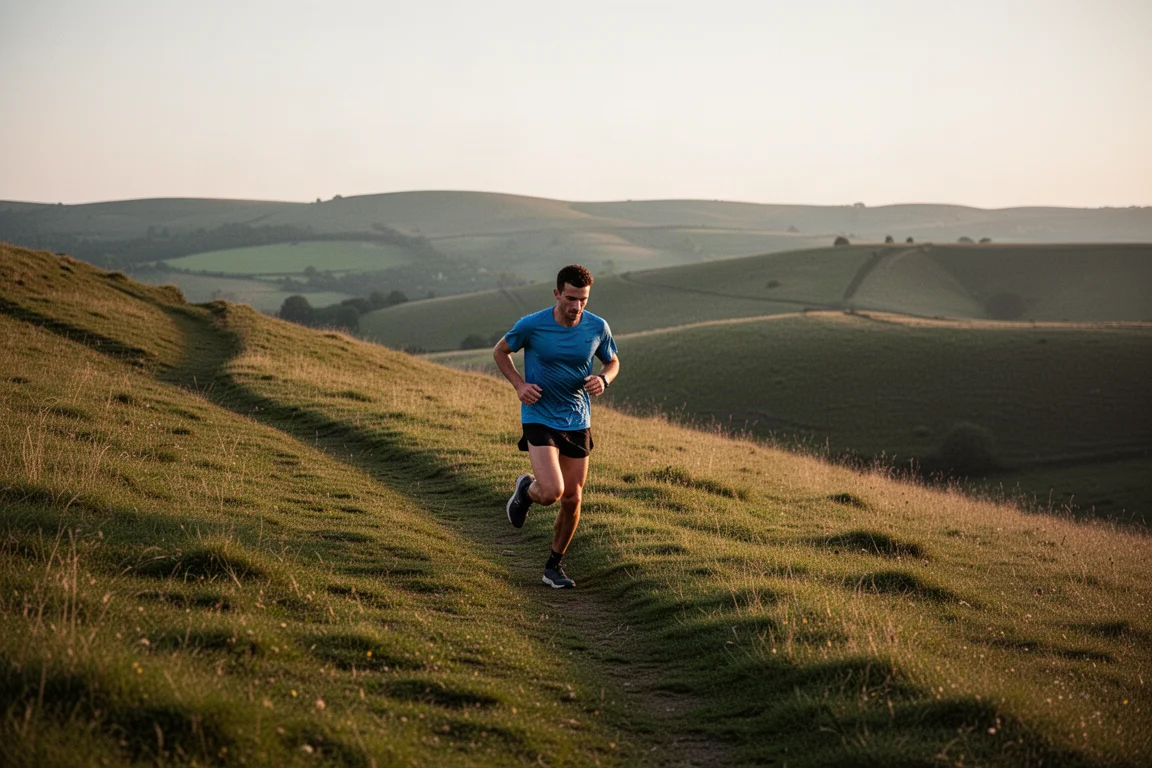
At £160 or $170, the Catamount 2 sits in the upper mid-range of the trail shoe market. If you want a comfortable, protective daily trail shoe that also transitions well onto road sections, it is easy to recommend based on this first run. If you are specifically chasing a featherweight trail racer for racing, this probably is not that shoe.
Conclusion
The verdict so far is very good. The Skyvault plate update has landed well, the ride feels balanced and comfortable, and the shoe inspired confidence across road, mud, rock, and grass. It is one of those shoes that clicks immediately, and it is definitely one worth testing further.
Product link
View more details for Brooks Catamount 2
This product is mentioned in the review. Check the specifications, options, and compatibility before buying.
View more details for Brooks Catamount 2Further reading
Related Reviews
Trail Running Shoes
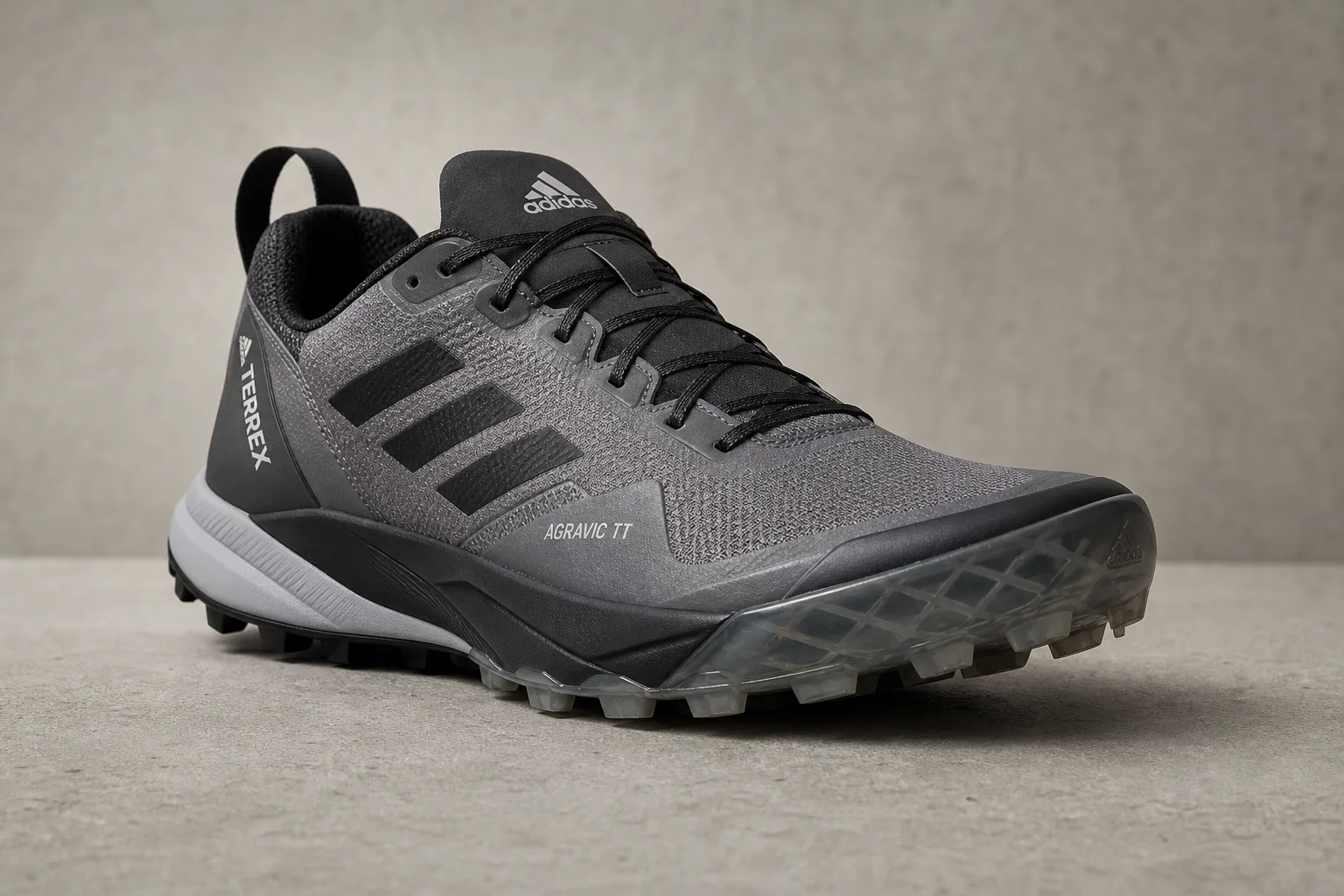
Adidas Terrex Agravic TT Review: A Technical Trail Shoe Built for Rocky Terrain
The Adidas Terrex Agravic TT combines a full-coverage rock plate with a firmer midsole to deliver protection and stability on technical, rocky trails. A capable choice for runners who prioritize underfoot defense over lightweight cushioning.
Trail Running Shoes
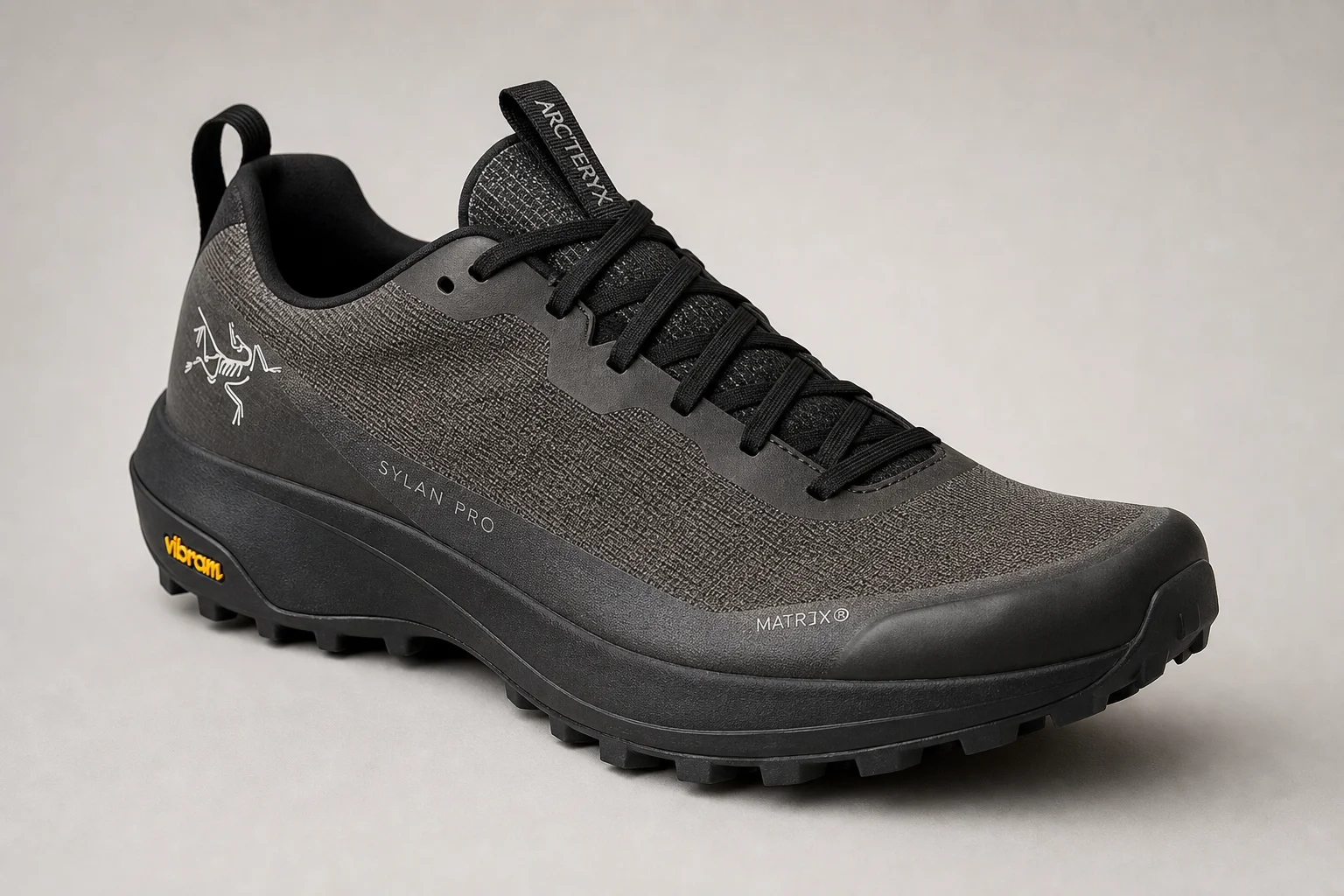
Arc'teryx Sylan Pro Review: A Rocker-Focused Mountain Running Shoe Tested on 20 Miles
The Arc'teryx Sylan Pro brings a pronounced rocker geometry and secure fit to mountain terrain. We tested it on a 20-mile Sawtooth loop to evaluate its climbing efficiency, protection, and handling of technical descents.
Trail Running Shoes
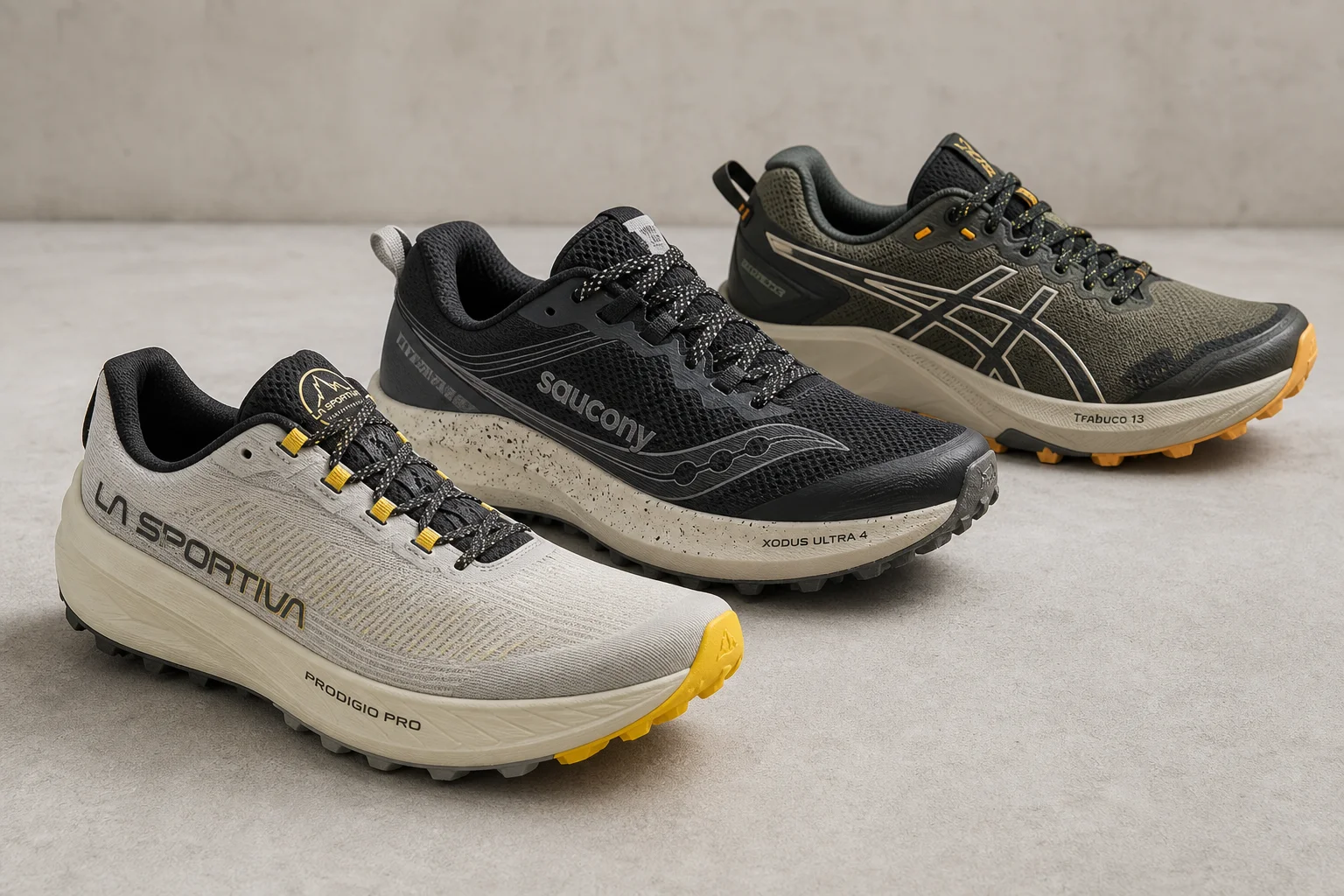
Best All-Mountain Trail Running Shoes: Three Versatile Options for Any Trail
A focused roundup of three all-mountain trail running shoes that handle technical terrain, long distances, and variable conditions with real strengths and practical trade-offs.