Trail Running Shoes
Brooks Cascadia Elite vs Hoka Tecton X3: Which Plated Trail Shoe Deserves Your Money?
Two deeply cushioned plated trail shoes go head to head. We look at where the new Brooks Cascadia Elite shines and how the Hoka Tecton X3 compares.
Introduction
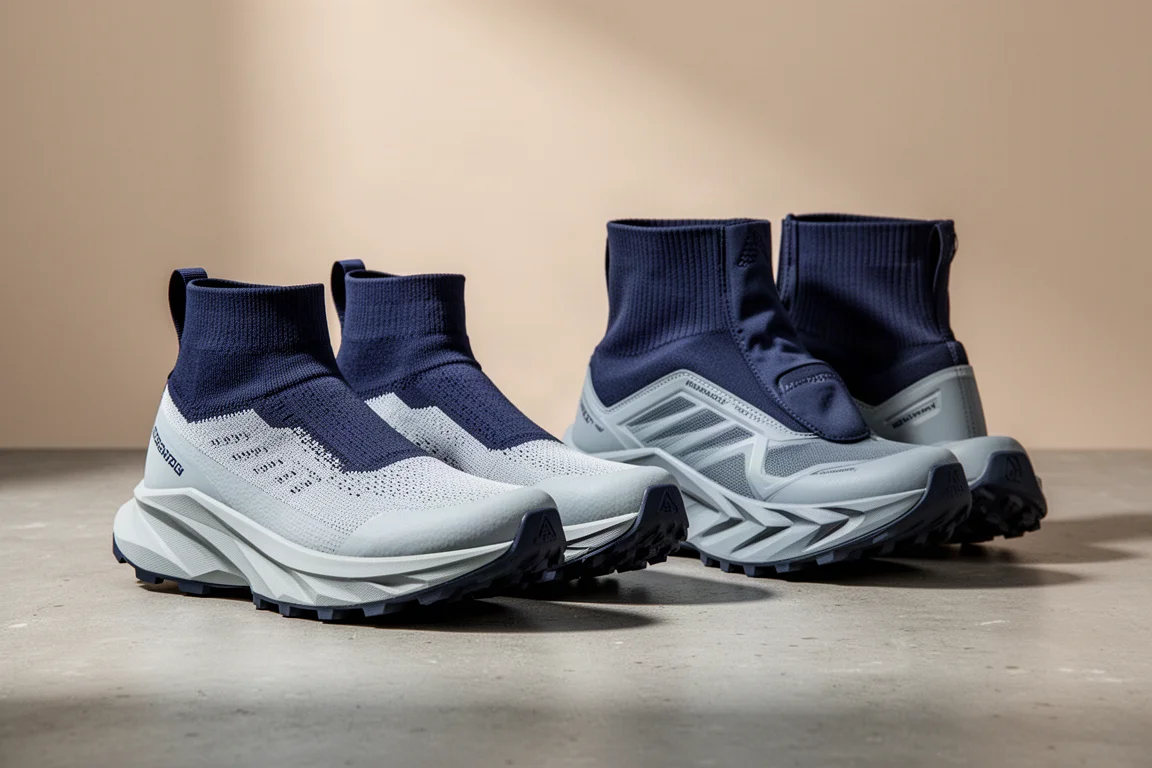
Performance-plated trail shoes have quickly become the most exciting category in off-road running, and two models sit right at the top of that conversation: the newly launched Brooks Cascadia Elite and the Hoka Tecton X3. Both take a familiar formula, a tall stack of soft cushioning, a plate through the midsole and a rocker shape, and apply it to long-distance trail racing.
The Cascadia Elite is arguably the most anticipated trail shoe Brooks has produced in years. The brand’s trail line has traditionally been dependable rather than thrilling, and this looks like its first serious attempt at a race-focused plated shoe built for ultra distances over mixed terrain. The Tecton X3, meanwhile, has already established itself as a benchmark in the same space.
This comparison looks at what each shoe offers, where they differ, and which type of runner each one suits best.
Brooks Cascadia Elite: Built for the Long Stuff
The Cascadia Elite is clearly aimed at racing the long stuff. It uses Brooks’ top-tier DNA Gold 100% PEBA foam, paired with a Speed Vault Plus carbon-infused Pebax plate sandwiched between two layers of that foam. Importantly, this is not an overly stiff carbon plate, which should help on more technical ground where rigid plates can cause problems.
The stack measures 40mm at the heel and 34mm at the forefoot, a 6mm heel offset. Despite the tall numbers, you sink into the midsole, and that sunken cradle wraps around the foot to add a degree of stability. The midsole is also notably wide under the forefoot, midfoot and heel, giving a broad platform on more runnable trails.

The upper is a booty-style, sock-like design with a high ankle gaiter to keep trail debris out. Zonal padding under the laces adds comfort across the top of the foot, an area where booty-style uppers can sometimes cause lace bite. The notched laces hold well, and a small bungee cord halfway down the lace system lets you stow excess lace so nothing snags on the trail.
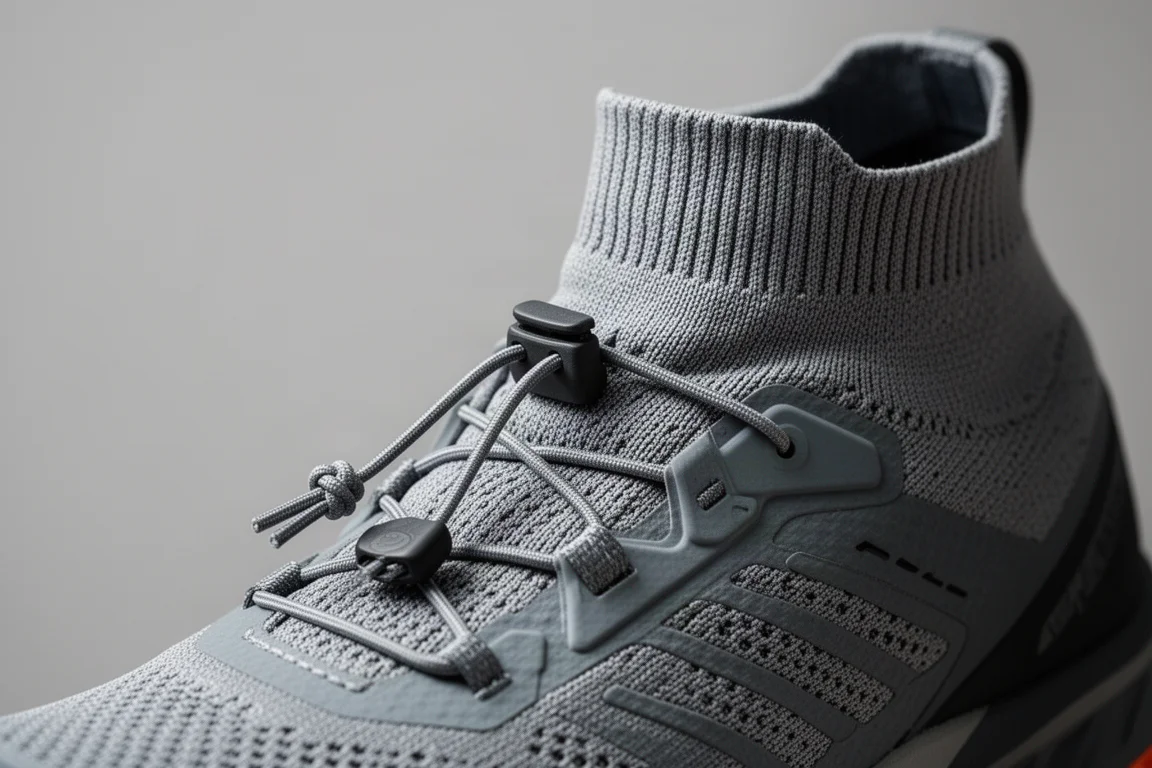
Underfoot, Brooks uses Vibram Megagrip in its Elite version, described as the stickiest and lightest compound to date, with a multi-directional lug pattern at 3 to 4mm deep. That lug depth is the main compromise here; deeper lugs would make the shoe more versatile, particularly on muddy terrain.
Weight comes in at 292g in a UK 9.5, which sounds heavy for a performance shoe but feels well balanced in hand given the sheer amount of cushioning. In actual running, the Cascadia Elite impressed: the DNA Gold midsole combined with the plate and an efficient rocker geometry produced a genuinely fun, propulsive ride that encouraged a quicker cadence. It excels on gravelly compacted trails, towpaths and fire roads, and handles tarmac well too, though it can be a little noisy on hard surfaces. Sizing runs true to size with good width and toe box volume for long days on the trail.
The key caveat is stability. On rockier ground, the deep soft cushioning reduces ground feel and demands more concentration with foot placement. Less confident technical runners, or those with weaker lower-leg strength, may want something more planted.
Hoka Tecton X3: The Closest Rival
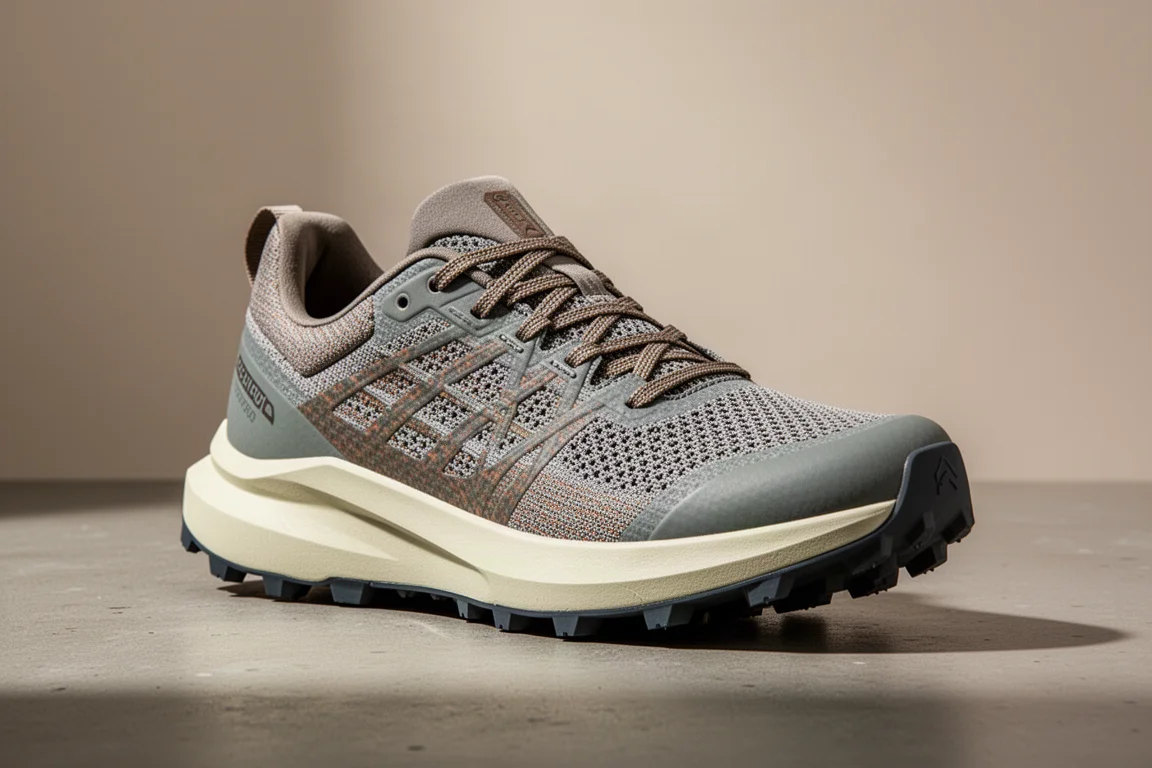
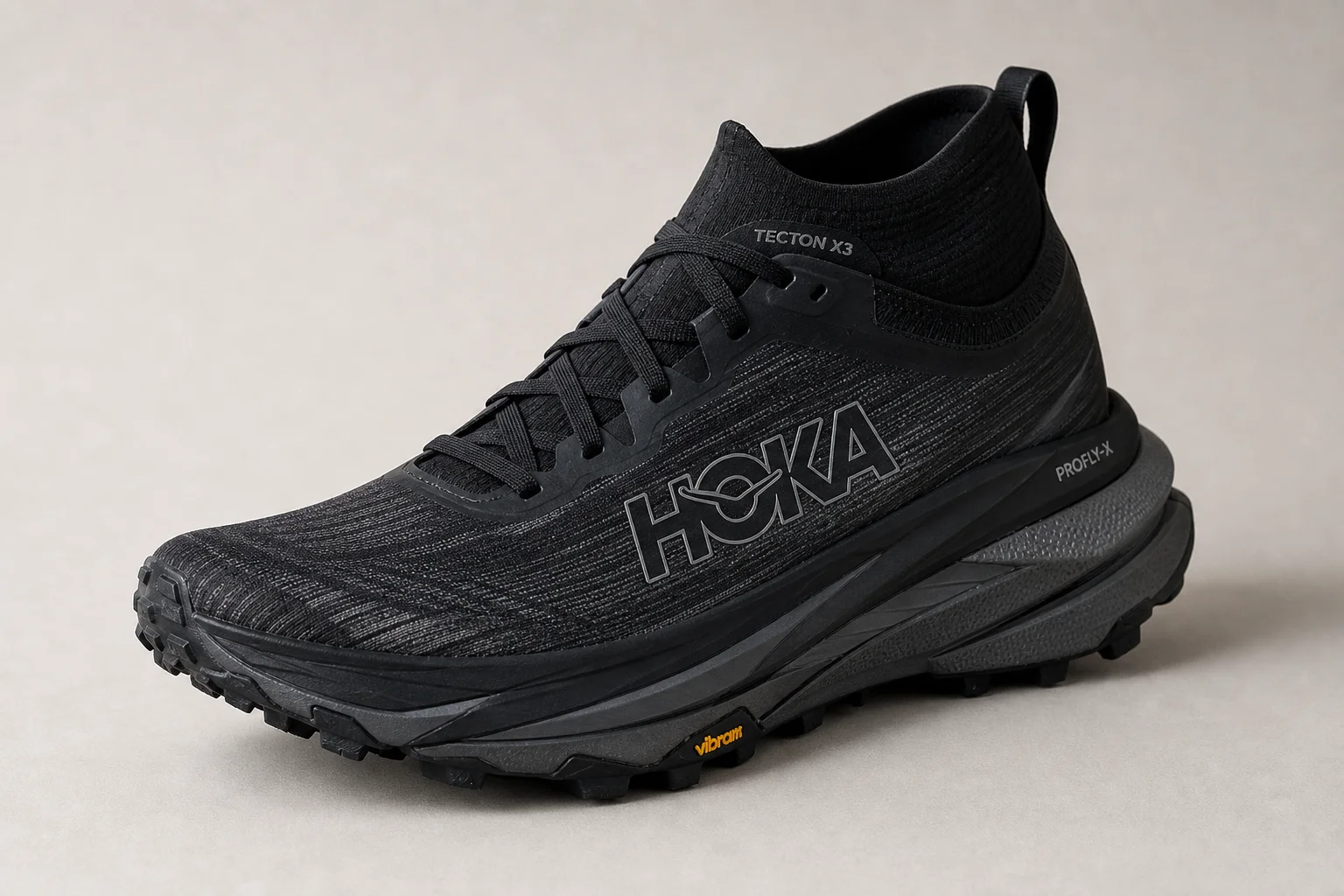
The Tecton X3 shares a remarkable amount of DNA with the Cascadia Elite. It is also a deeply cushioned, plated trail shoe with a rocker midsole, and it uses a similar booty-style upper with a high ankle gaiter collar. On paper and on the trail, the two are close in overall performance.
The most meaningful difference is in feel underfoot. The Hoka’s midfoot is stiffer and more rigid, with a plate setup that reads as less forgiving than the Brooks’ carbon-infused Pebax design. For runners who like a firmer, more propulsive platform, that stiffness can be a plus. For those who prefer a little more compliance through the midfoot on longer efforts, the Brooks takes the edge.
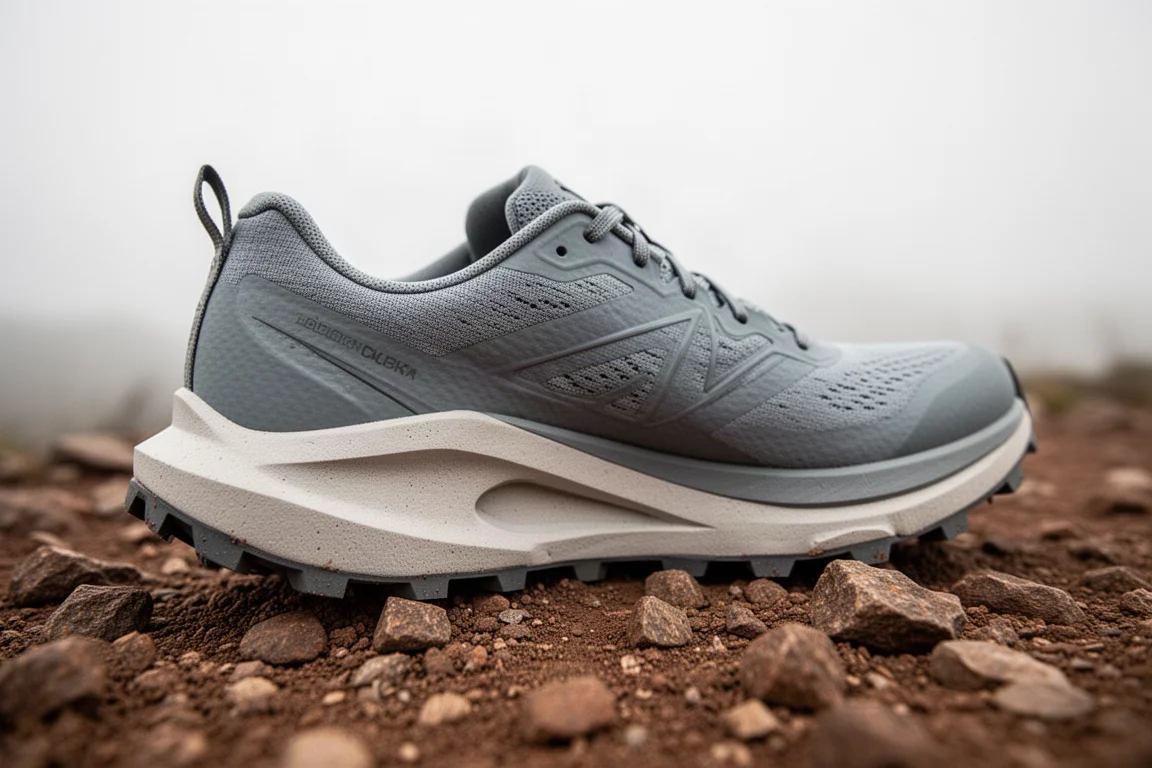
If you already run in and enjoy the Tecton X3, the Cascadia Elite is the natural alternative to compare it against, and vice versa. There is no runaway winner between the two; the choice comes down largely to midfoot feel and ride character.
Buying Advice: Which One Should You Pick?
If your racing and training happens mostly on runnable terrain, gravel, compacted trails, towpaths and fire roads, the Cascadia Elite is the more exciting pick. Its DNA Gold midsole delivers a cushioned, bouncy and efficient ride that genuinely encourages speed, and the more forgiving plate should feel kinder over a full ultra distance. Just be honest about the terrain you run: the shallow 3 to 4mm lugs will struggle in mud, and the tall, soft stack asks for confidence on technical rock.

If you prefer a firmer, more structured ride through the midfoot, the Tecton X3 remains a very strong option and is not far behind in overall performance. The two shoes are close enough that ride character, availability and fit should drive the decision. On price, the Cascadia Elite retails in the UK at £225, expensive but in line with the plated trail shoes it competes against.
Conclusion
The Brooks Cascadia Elite marks a real step forward for Brooks on the trail, delivering the kind of lively, cushioned, propulsive ride the brand has not offered before. Its strengths are the DNA Gold midsole, the forgiving carbon-infused plate, a comfortable booty upper with thoughtful lace details, and strong grip from the Vibram Megagrip Elite outsole. Its limitations are equally clear: shallow lugs, a soft platform that asks for care on technical ground, and a premium price.
The Hoka Tecton X3 stays right in the fight with a stiffer midfoot and a very similar overall package. For most runners choosing between them, the deciding factor will be whether they want the more forgiving, bouncier ride of the Brooks or the firmer, more rigid feel of the Hoka.
Further reading
Related Reviews
Trail Running Shoes
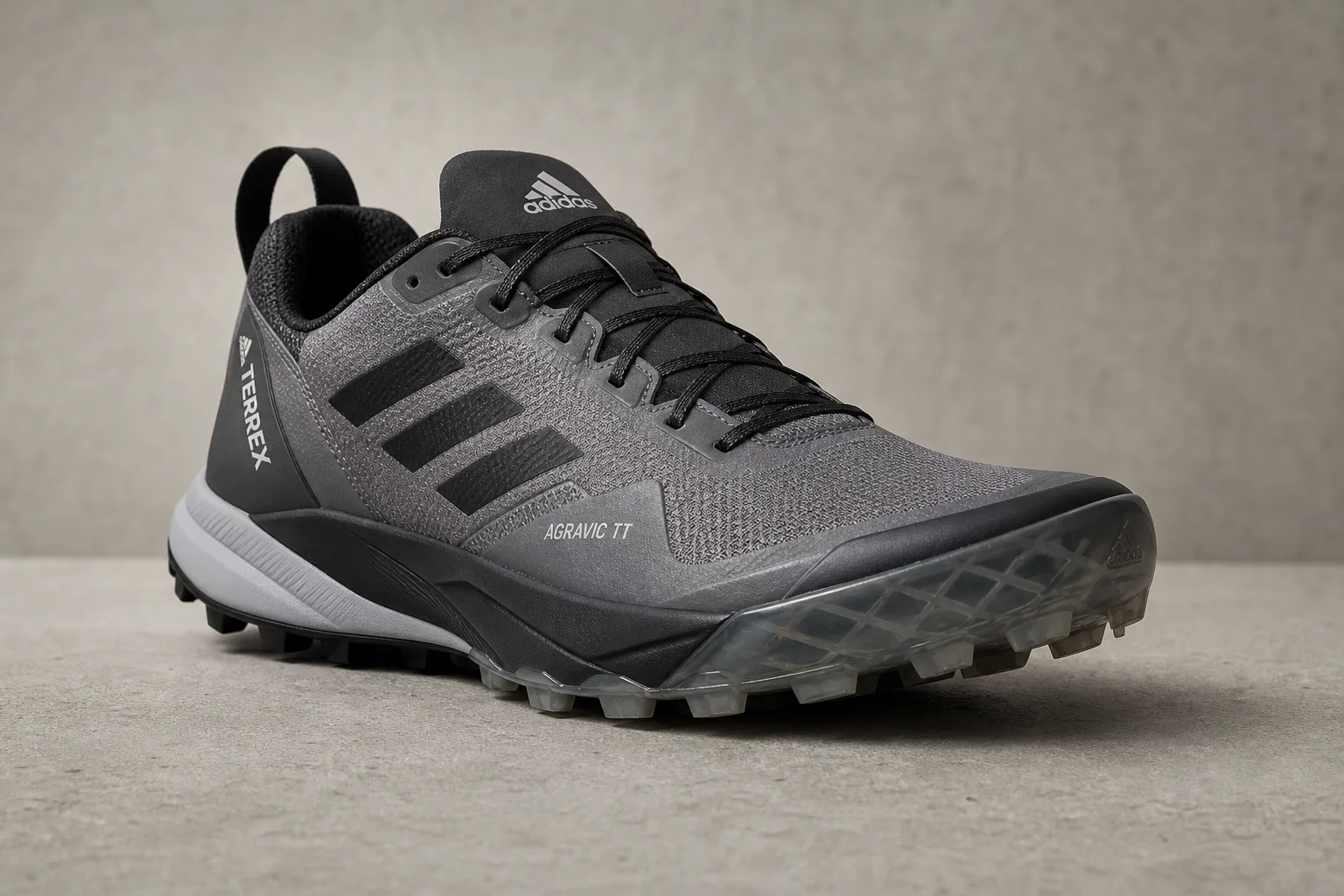
Adidas Terrex Agravic TT Review: A Technical Trail Shoe Built for Rocky Terrain
The Adidas Terrex Agravic TT combines a full-coverage rock plate with a firmer midsole to deliver protection and stability on technical, rocky trails. A capable choice for runners who prioritize underfoot defense over lightweight cushioning.
Trail Running Shoes
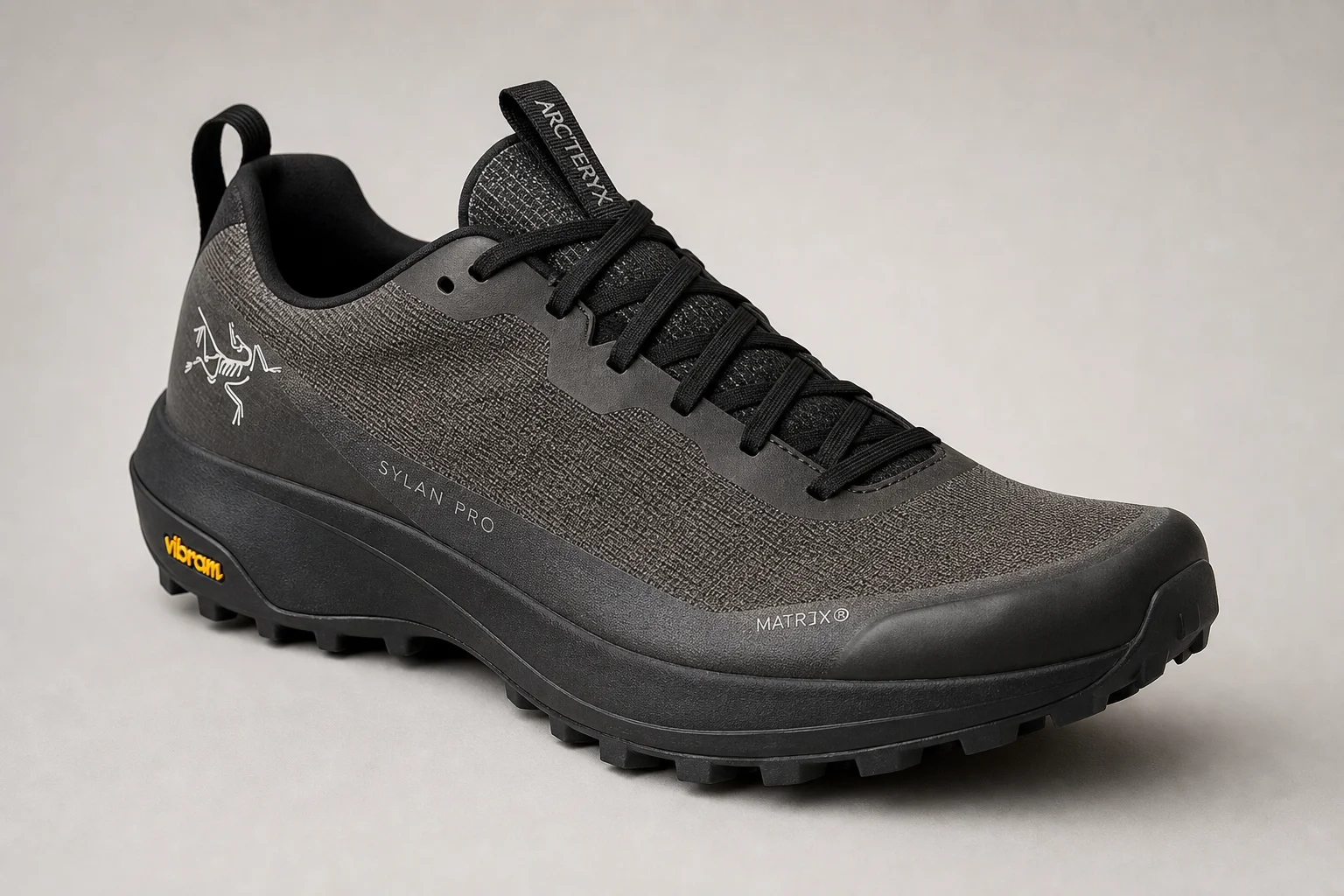
Arc'teryx Sylan Pro Review: A Rocker-Focused Mountain Running Shoe Tested on 20 Miles
The Arc'teryx Sylan Pro brings a pronounced rocker geometry and secure fit to mountain terrain. We tested it on a 20-mile Sawtooth loop to evaluate its climbing efficiency, protection, and handling of technical descents.
Trail Running Shoes
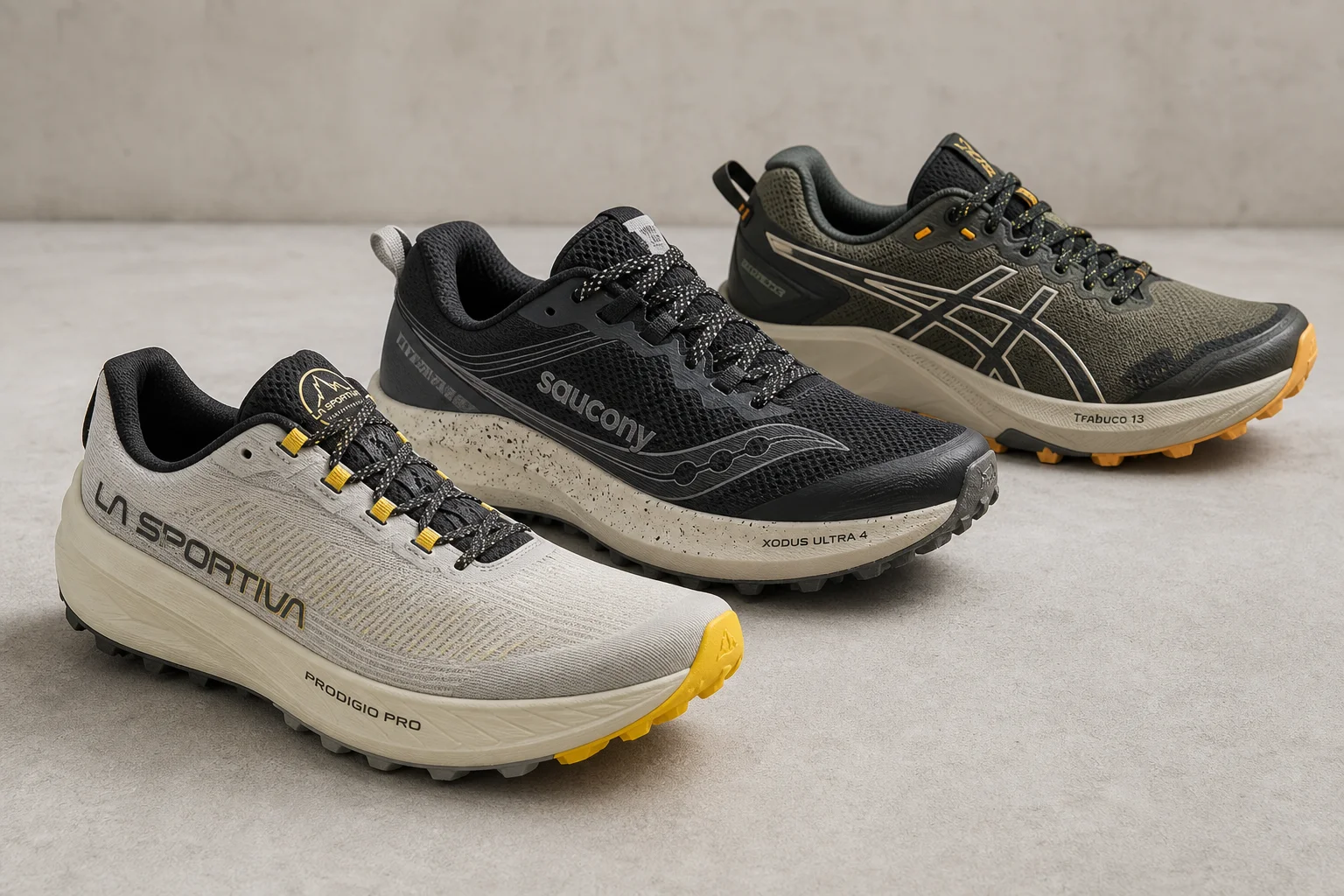
Best All-Mountain Trail Running Shoes: Three Versatile Options for Any Trail
A focused roundup of three all-mountain trail running shoes that handle technical terrain, long distances, and variable conditions with real strengths and practical trade-offs.