Trail Running Shoes
Brooks Cascadia Elite Review: A Trail Super Shoe Built for Ultra Distance
Brooks' debut trail super shoe pairs carbon-infused propulsion with a surprisingly stable ride. Here's how it performed on coastal paths, forest trails, and long runs.
Introduction
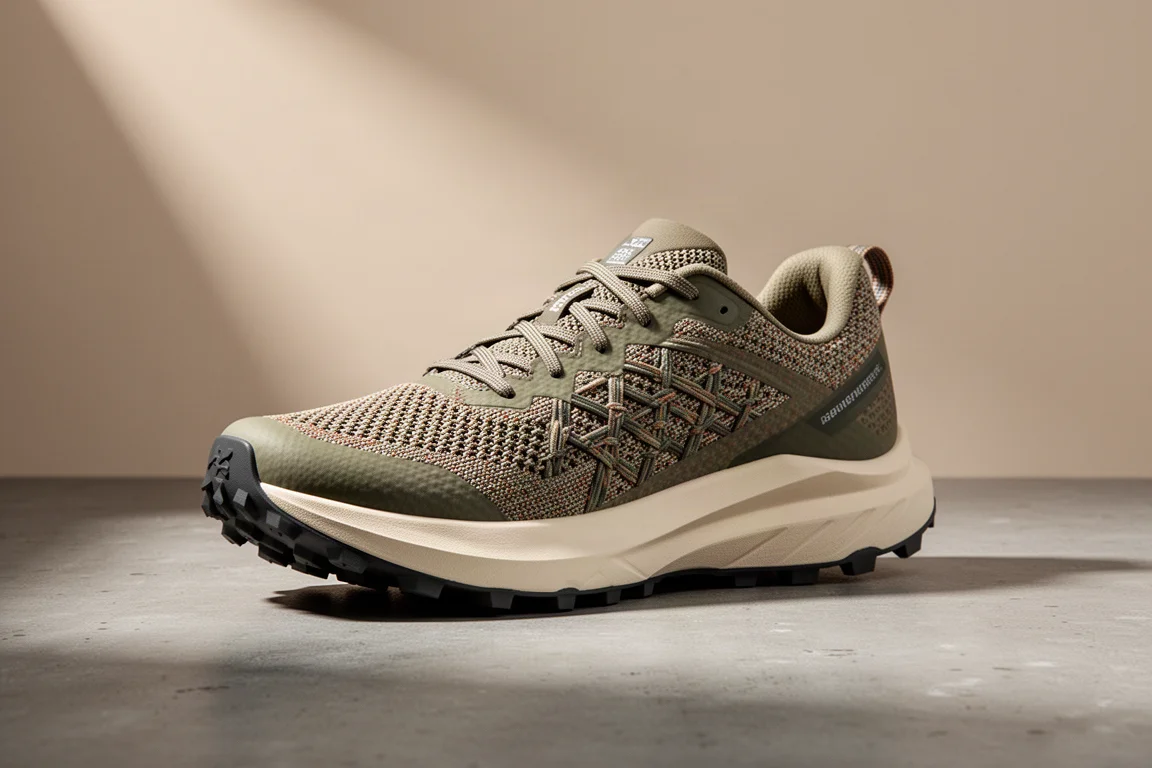
The Brooks Cascadia Elite is the brand’s first real entry into the trail super shoe space, and it arrives with a lot of the ingredients you would expect: a carbon-infused plate, a big stack of springy foam, and a trail-ready upper and outsole. The pitch is simple. Take the energy and cushioning of a road racing shoe and wrap it in enough protection and stability to survive real trails, with ultramarathons and long trail events as the primary use case.
Pricing sits at the top of the trail super shoe market, at £225 in the UK and $275 in the US. The shoe weighs 288g (10.2 oz) in a UK size 9 (US 10), with a 6mm drop and a high stack height of roughly 40mm at the heel.
Who This Shoe Is For
This is a shoe aimed squarely at longer trail events and ultras, particularly on firmer, rockier terrain. If your ultramarathons involve lots of rocks and hardpack, canyon-style courses in the US being the obvious example, the Cascadia Elite is designed to offer comfort and a consistent, balanced ride without ever feeling unruly.

If you mostly race short, wet, muddy trail events, this is probably not your shoe. The shallow 3 to 4mm lugs and broad platform make it feel more like a long-distance tool than a nimble racer, and it is too big and wide to feel genuinely fast over shorter distances.
Design and Specs
The upper is a matrix woven construction with reinforcement around the toes, plus an integrated debris collar, almost a mini gaiter, at the top of the shoe to keep grit out. The midsole uses Brooks’s DNA Gold PEBAX foam, the same foam found in its Hyperion Elite road racing line, and running through it is the Speed Revolt Plus plate, a carbon-infused PEBAX design. Notably, it is not a full plate but a horseshoe shape that forms a rim around the foam, adding stability to that high stack of soft material.
Underfoot is a Vibram Mega Grip Elite outsole with fairly shallow lugs, roughly 3 to 4mm deep. That profile pitches the shoe toward hard and rocky surfaces rather than deep mud.
Fit and Sizing
The fit worked well in the regular Brooks size, with a UK 9 proving comfortable across the range. There is a good amount of room in the toe box, both in height and length, which matters a great deal if you are going long and want to avoid ramming toes into the front of the shoe on descents. On shorter steep descents, there were no problems at all.
The integrated gaiter-style collar hugs the foot and does a good job keeping debris out, though it can make the shoe slightly harder to get on. For runners with higher insteps this kind of bootie setup can be tricky, but here it proved easy enough to slip into, and once running, it faded from attention. The upper feels protected without being restrictive or firm in places that would cause discomfort over long runs.
Main Strengths
The headline strength is the balance of the midsole. DNA Gold foam is not the softest or squishiest of the super foams, which turns out to be a very good thing on trails: landings feel cushioned, but there is genuine spring back that keeps the ride lively compared with more traditional trail shoes. You get a nice turnover without losing control.
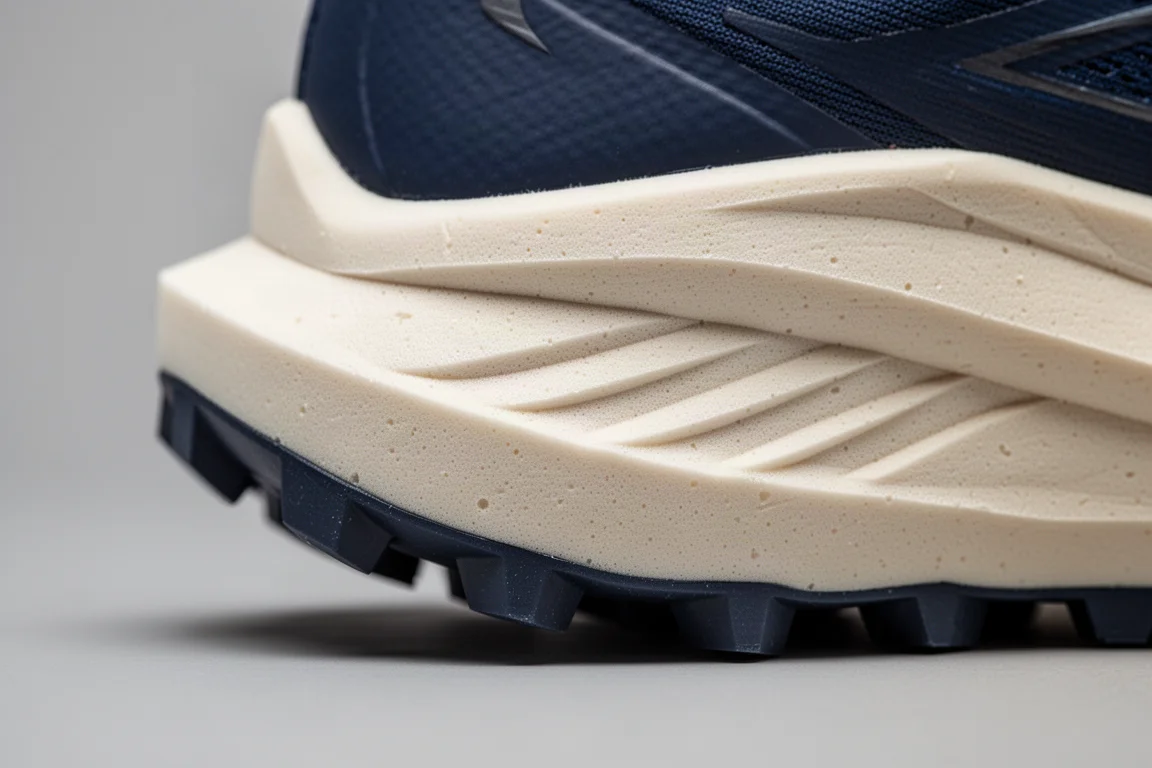
That control is the second major strength. With a wide platform and a horseshoe-shaped plate framing the foam, the Cascadia Elite is surprisingly stable for a super trail shoe. Many high-energy trail foams trade certainty underfoot for excitement; this one largely avoids that trade-off, delivering energy without wildness.
It also performs consistently across the pace range. The shoe gets better the longer a run goes on, and Brooks has a track record of midsoles that retain their bounce over long distances, which matters enormously at ultra length. On runnable sections it responds well when you push the pace, even though it is too big and heavy to be a true short-race shoe. Grip on dry and loose terrain is confident, and the Vibram outsole grips well on wet roads and hard wet surfaces.
Things to Consider Before Buying
The shallow lugs limit the shoe on soft ground. It does not bite well into mud or grass, so if that is your regular terrain, something with 4 to 5mm lugs or deeper will serve you better. The wide platform also has a downside on narrow, twisting tracks: the broad footprint can catch the edges of rocks and roots in ways that make the shoe feel a little less agile.

The integrated gaiter collar is the main practical concern for racing. If you will be taking shoes on and off during an ultra, changing socks, or dealing with sore and tender feet, working through those narrow gaps can become a real challenge late in an event. A non-gaiter version would make this shoe considerably more accessible for longer races.
One tester-specific note: after a few runs, evening foot cramps appeared more often than with other shoes. This is likely uncommon and may not apply to most runners, but it is worth being aware of. Wet-terrain grip also went largely untested, so performance in genuinely tough conditions remains an open question.
Ride Feel and Stability
On the trail, the ride feels balanced rather than explosive. The high stack of DNA Gold foam is soft and responsive, but the foam is not wobbly, the base is wide, and the plate adds a stabilising rim. The result is a shoe that does not grab you immediately with punchy, wild energy, but instead gives you a stable, controlled ride with a good amount of energy return.
For some tastes it leans slightly too far toward control, giving up some of the wild, fun rides offered by shoes like the Adidas Adizero Speed Ultra or ASICS Metaspeed Edge trail models, which have more bounce and are less stable. But over super-long distances, that extra stability and consistent feel is likely the better trade.
Buying Advice
At this price, the Cascadia Elite sits alongside the most premium trail super shoes, such as the Hoka Tecton X, the Nike ACG Ultrafly Trail, and the ASICS Metaspeed trail line. It delivers on its promise and probably earns that price, though since it has been out for a while, the cost may have softened a little.

For many runners, a cheaper utility trail shoe like the Speedgoat may still cover everyday needs better, since it is not as energetic but handles more terrain types. But if you have a big trail race coming up, especially a 100k or longer on firm and rocky trails, the Cascadia Elite could be well worth the investment, and it is good enough that logging training miles in it would be no hardship.
If you want a bit more bounce and are less worried about stability, the Hoka Tecton X4, the ASICS Metaspeed trail shoes, and the Adidas Adizero Speed Ultra all offer slightly springier, more exciting rides. The Tecton X4 in particular sits in the same balanced vein and performs at a similar level overall, perhaps a touch lighter, though the difference is unlikely to be noticeable over very long runs.
Conclusion
The Brooks Cascadia Elite is a confident, fast-leaning trail super shoe that is excellent on smooth and firm trails. Brooks has nailed the midsole balance for a wide range of efforts, the upper is comfortable and well protected, and the whole package feels built for the long haul rather than the short sprint.
As a debut, it impresses. For runners regularly racing ultras on firmer, rockier trails, it offers a rare combination of comfort, stability, and energy return in one package. Just know its limits: mud and soft ground are not its territory, and the gaiter collar adds friction in aid stations. If your big race is on hard, dry terrain, this is one of the strongest options available.
Product link
View more details for Brooks Cascadia Elite
This product is mentioned in the review. Check the specifications, options, and compatibility before buying.
View more details for Brooks Cascadia EliteFurther reading
Related Reviews
Trail Running Shoes
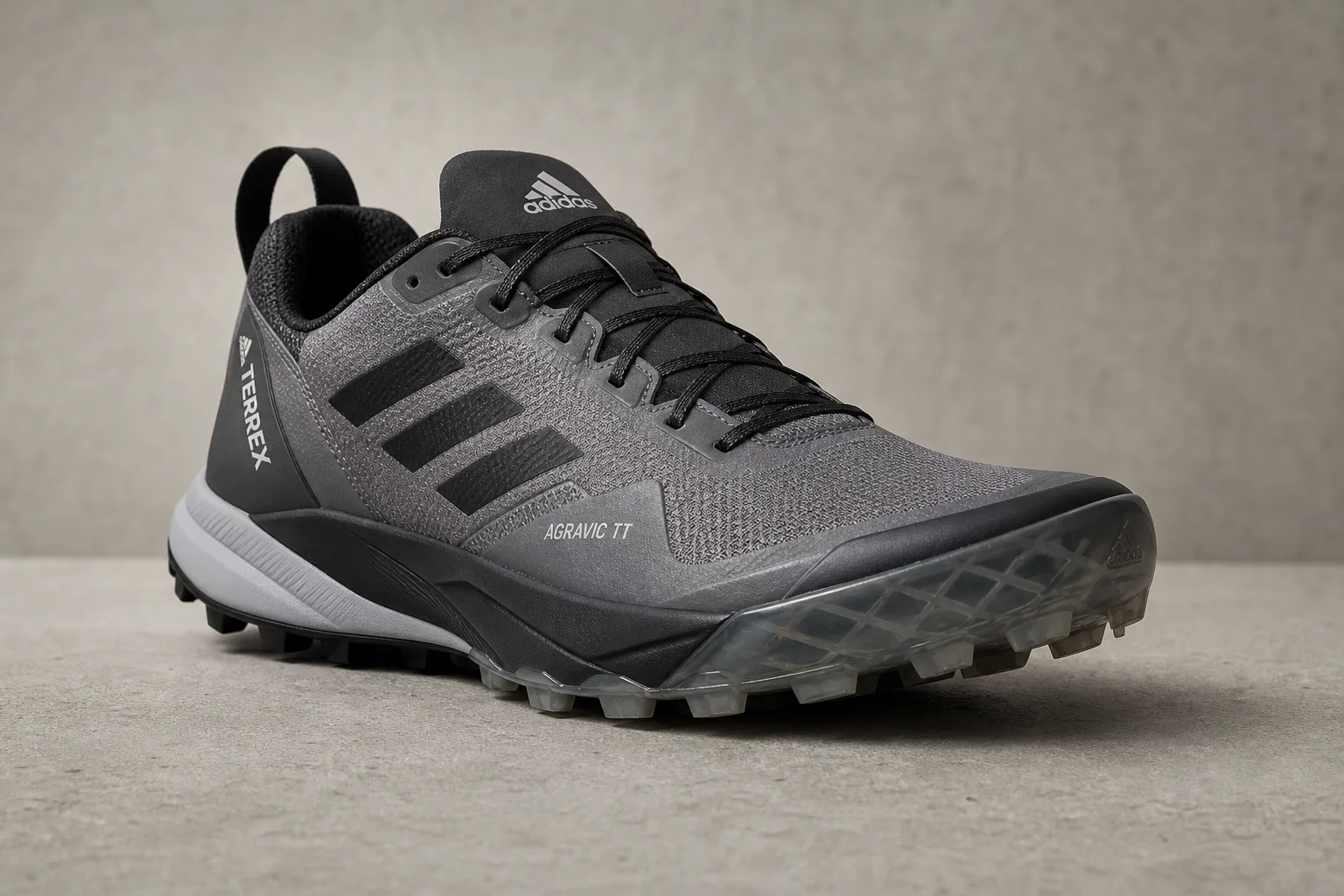
Adidas Terrex Agravic TT Review: A Technical Trail Shoe Built for Rocky Terrain
The Adidas Terrex Agravic TT combines a full-coverage rock plate with a firmer midsole to deliver protection and stability on technical, rocky trails. A capable choice for runners who prioritize underfoot defense over lightweight cushioning.
Trail Running Shoes
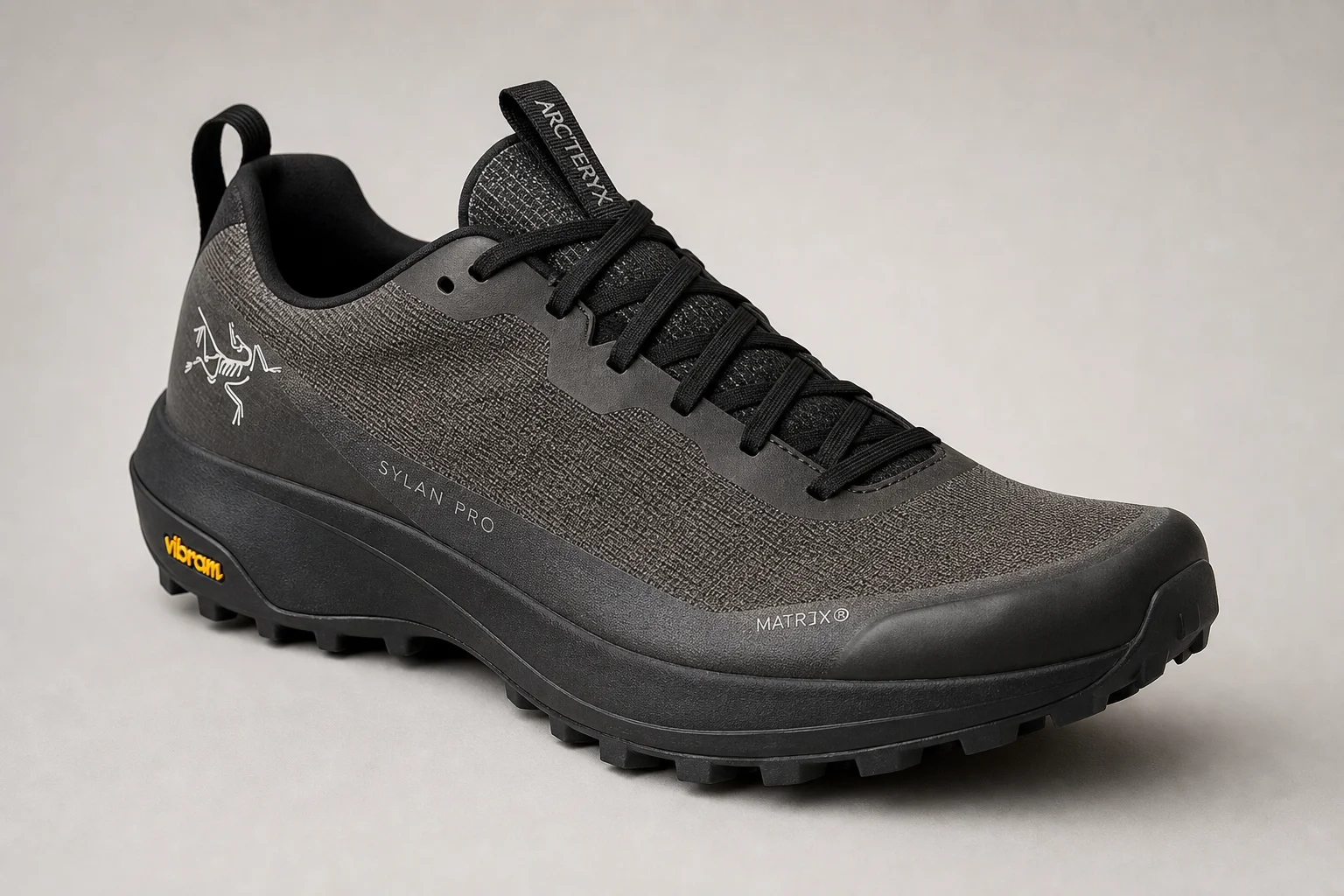
Arc'teryx Sylan Pro Review: A Rocker-Focused Mountain Running Shoe Tested on 20 Miles
The Arc'teryx Sylan Pro brings a pronounced rocker geometry and secure fit to mountain terrain. We tested it on a 20-mile Sawtooth loop to evaluate its climbing efficiency, protection, and handling of technical descents.
Trail Running Shoes
Best All-Mountain Trail Running Shoes: Three Versatile Options for Any Trail
A focused roundup of three all-mountain trail running shoes that handle technical terrain, long distances, and variable conditions with real strengths and practical trade-offs.