Trail Running Shoes
Brooks Cascadia 20 Review: The Dependable Trail Companion Gets a Max-Stack Makeover
More stack, a lighter midsole foam, and Vibram Megagrip give the longest-running trail shoe a fresh identity, but the $160 price tag raises questions.
Introduction
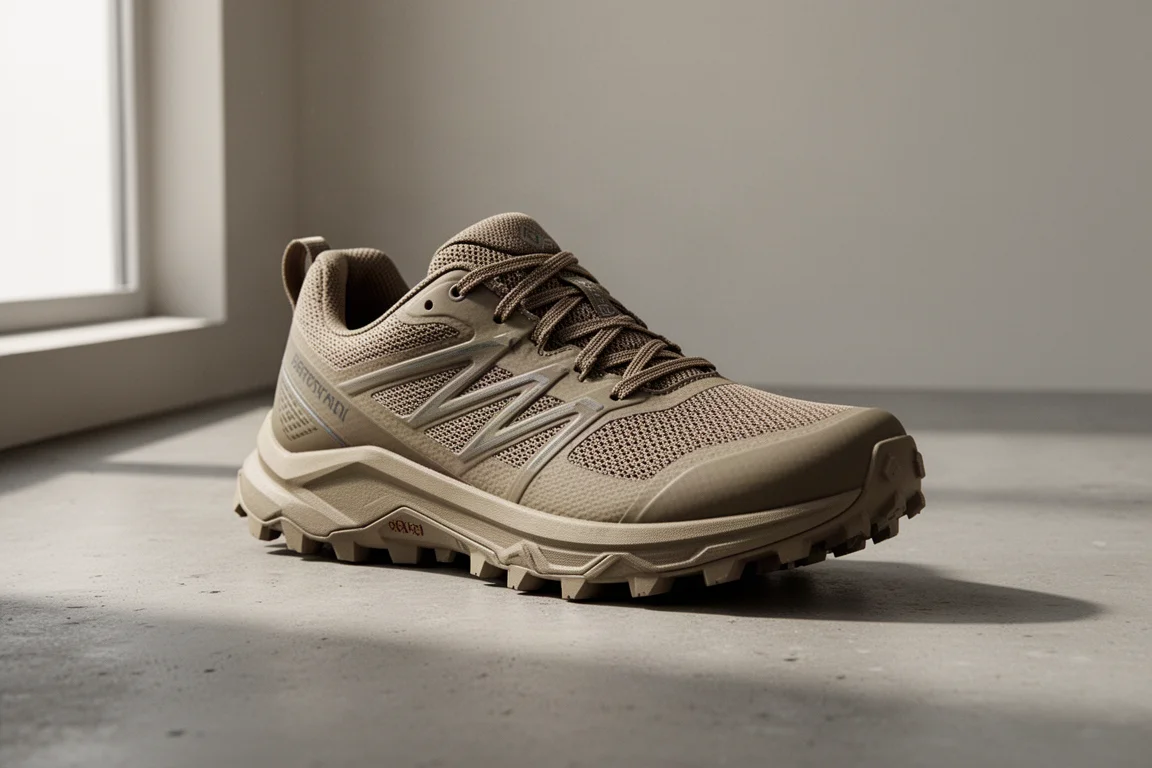
The Brooks Cascadia has heritage that few trail shoes can match. Twenty iterations in, it remains the longest-running trail shoe on the market, and the 20th version makes subtle but meaningful changes that push it toward a new identity. Aesthetically, not much separates it from the Cascadia 19, but the experience underfoot is genuinely different, and the changes are significant enough that this model now absorbs the duties of the Brooks Caldera, the brand’s former max-stack trail option that is not getting updated in the foreseeable future.
Midsole: More Stack, Smarter Foam
The midsole is where the story starts. The Cascadia 20 gains 2 mm of stack and swaps the DNA Flash V3 foam from the previous version for a slightly updated take on DNA Flash V2, a lighter and more bouncy, energetic material that remains durable and sits at a medium density. The new geometry lands at 38 mm in the heel and 32 mm in the forefoot, which puts it firmly in max-stack, high-cushion territory.
That added stack is not just a number. At 38 mm, the shoe commits to technical terrain with the stability, foam density, and flex grooves needed to keep things controlled, and the extra cushioning now covers what the Caldera used to provide. The foam is not the most exciting on the market, but it breaks in nicely and settles into a stable, medium-soft ride that works from daily outings all the way through 100-mile races.

Stability and the Trail Adapt System
Broad footprints are the norm for high-stack trail shoes, and the Cascadia 20 follows that philosophy for natural stability. What makes it interesting is the Trail Adapt system built into the midsole, which brings support to the right spot without feeling overly mechanized. The shoe flexes well despite the tall stack, partly because the outsole is not fully covered, leaving flex grooves built into the Trail Adapt system so the platform can move while still protecting and cushioning the foot.
Upper: Roomier Fit With Serious Protection
The upper is a traditional engineered mesh, nothing fancy, but breathable and effective at keeping debris out. Around the heel there is a lot of cushioning and structure, delivering the comfortable fit Brooks has always been known for. This version is roomier than earlier Cascadias, accommodating a wider range of foot shapes and sizes without sacrificing how securely you can lace the shoe down.
Strategic overlays are kept minimal, but the toe bumper deserves a special callout. It is stout enough to kick rocks without a second thought, a detail multiple testers highlighted as unusual for the category.
Outsole: Vibram Megagrip Steps In
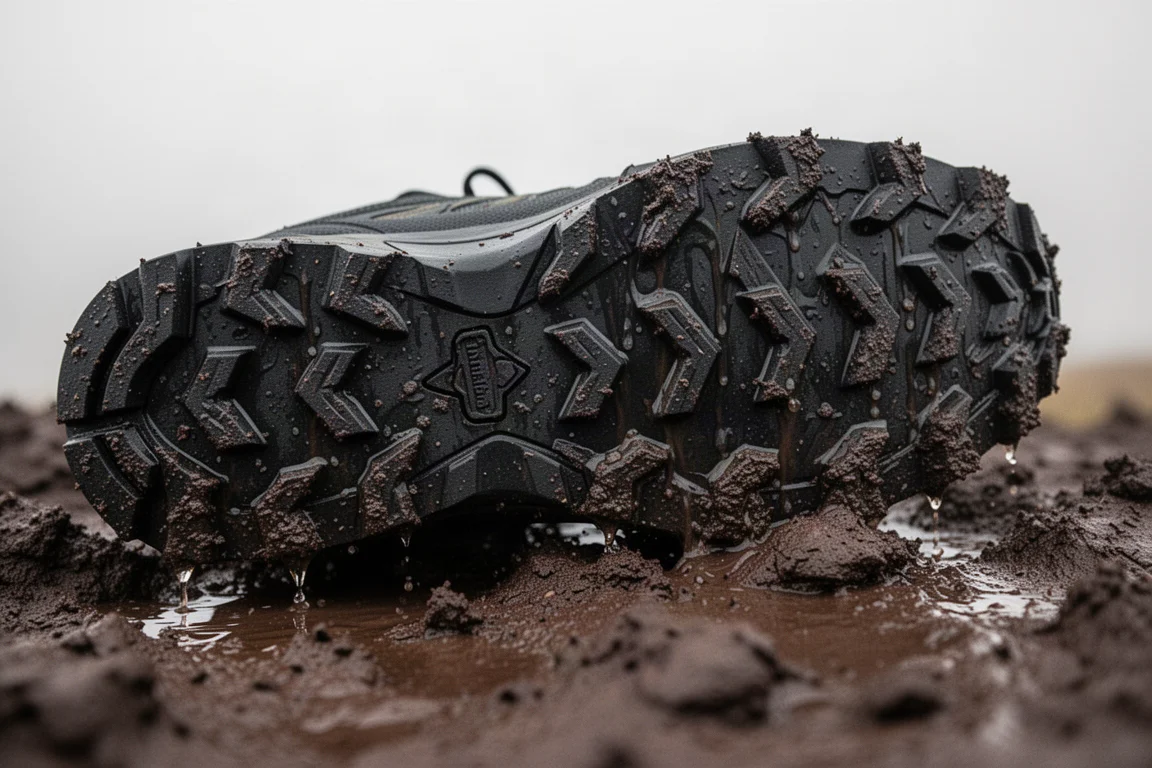
The yellow logo on the outsole carries weight in the trail space: Vibram Megagrip is durable, tacky, and dependable. The 4 mm multidirectional lugs perform well on both gravel roads and technical terrain, with the lug shape adding extra grip on uneven surfaces.
The complaint here is not performance but price. Putting a premium outsole on a standard shoe pushed the price up to $160, where the Cascadia previously sat at $150 or lower. At that new price point, it faces stiffer competition from more fun, all-terrain options in the $160 to $180 range.
Performance: Dependable Across the Board
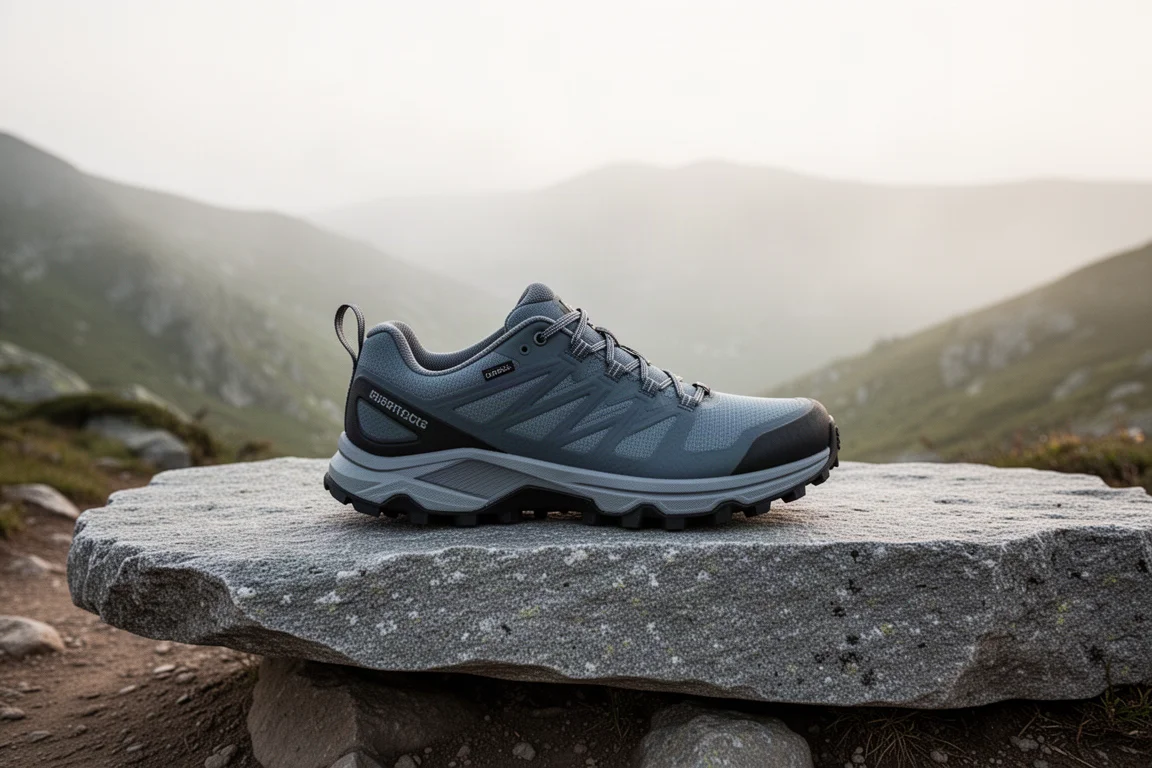
The Cascadia has never been the most exciting shoe in its category, and the 20 is no exception, but that was never the goal. It is a dependable friend: stable, protective, well-fitting, and ready for anything from casual hikes to fairly technical trail work, always bringing you home at the end of the day. In direct comparisons, it holds its own against shoes like The North Face Ultra 300 V2, La Sportiva Prodigio Max, normal Topo Tomir 2.0, and Salomon Ultra Glide 4 in the well-cushioned, stable, all-terrain segment.
Buying Advice
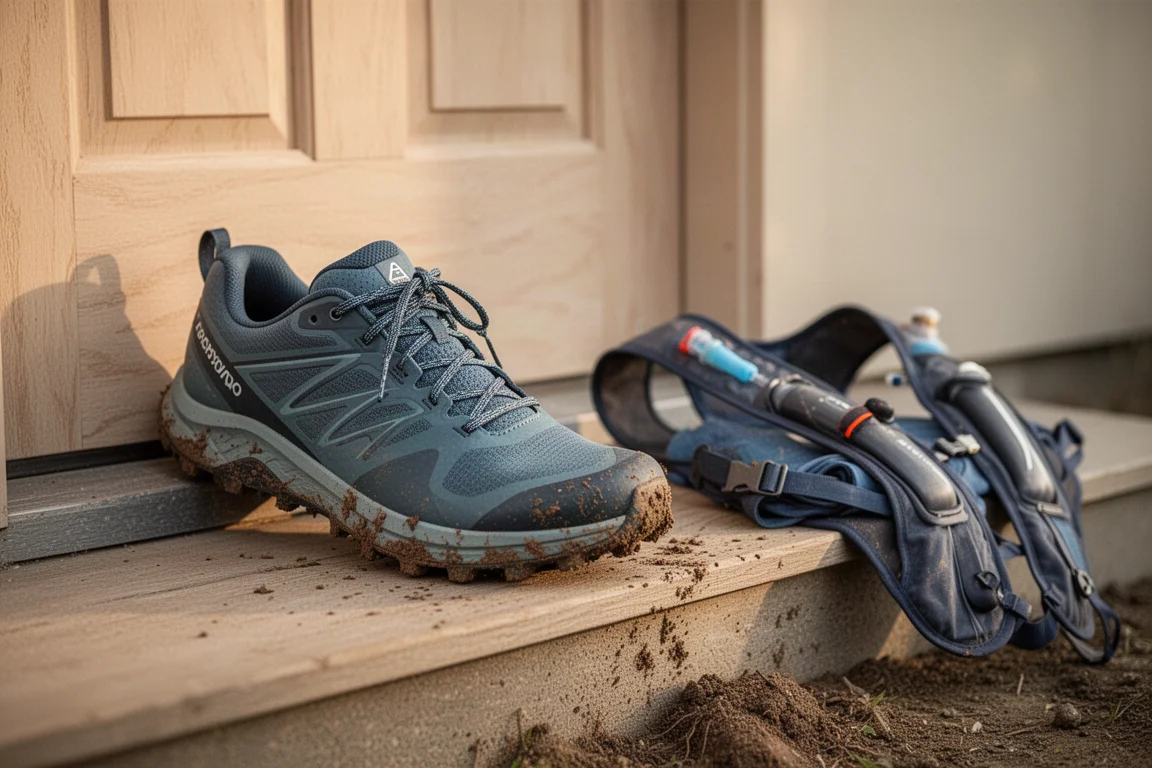
At $160, the Cascadia 20 sits at the upper end of the typical trail shoe price range. If you want a versatile, durable shoe that delivers a lot of dollar-per-mile value and can handle daily training, long ultras, and technical terrain, it earns its keep. If you prioritize excitement and playfulness over dependability, there are alternatives worth exploring, but few shoes are as hard to knock on fundamentals.
Conclusion
The Brooks Cascadia 20 does not reinvent the wheel, but it makes the right moves: a smarter foam swap, more stack to cover the Caldera’s departure, a roomier upper, and Vibram Megagrip underfoot. It scores an overall A as a dependable, versatile trail companion that does nearly everything well, even if it is not the flashiest option on the shelf.
Product link
View more details for Brooks Cascadia 20
This product is mentioned in the review. Check the specifications, options, and compatibility before buying.
View more details for Brooks Cascadia 20Further reading
Related Reviews
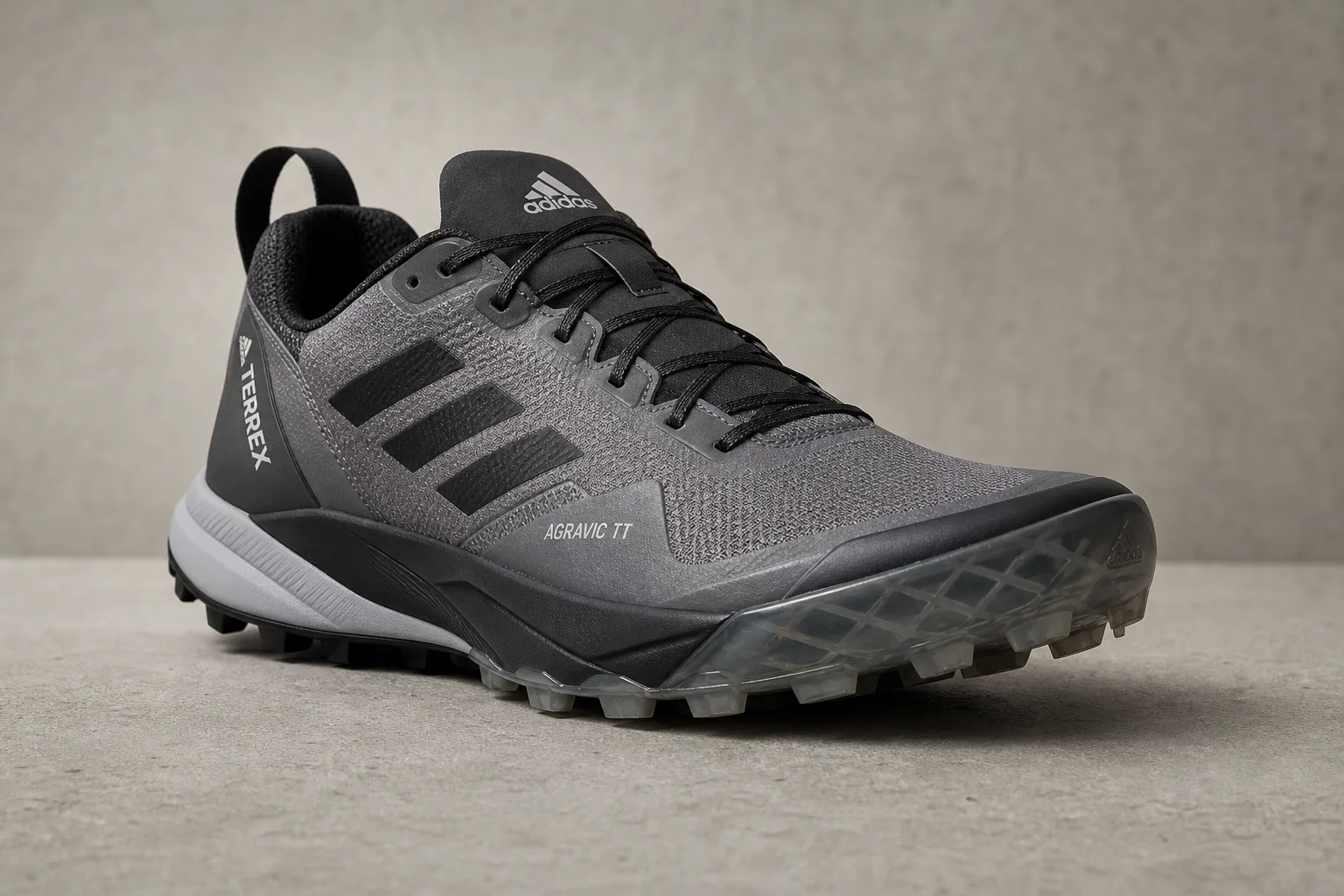
Trail Running Shoes
Adidas Terrex Agravic TT Review: A Technical Trail Shoe Built for Rocky Terrain
The Adidas Terrex Agravic TT combines a full-coverage rock plate with a firmer midsole to deliver protection and stability on technical, rocky trails. A capable choice for runners who prioritize underfoot defense over lightweight cushioning.
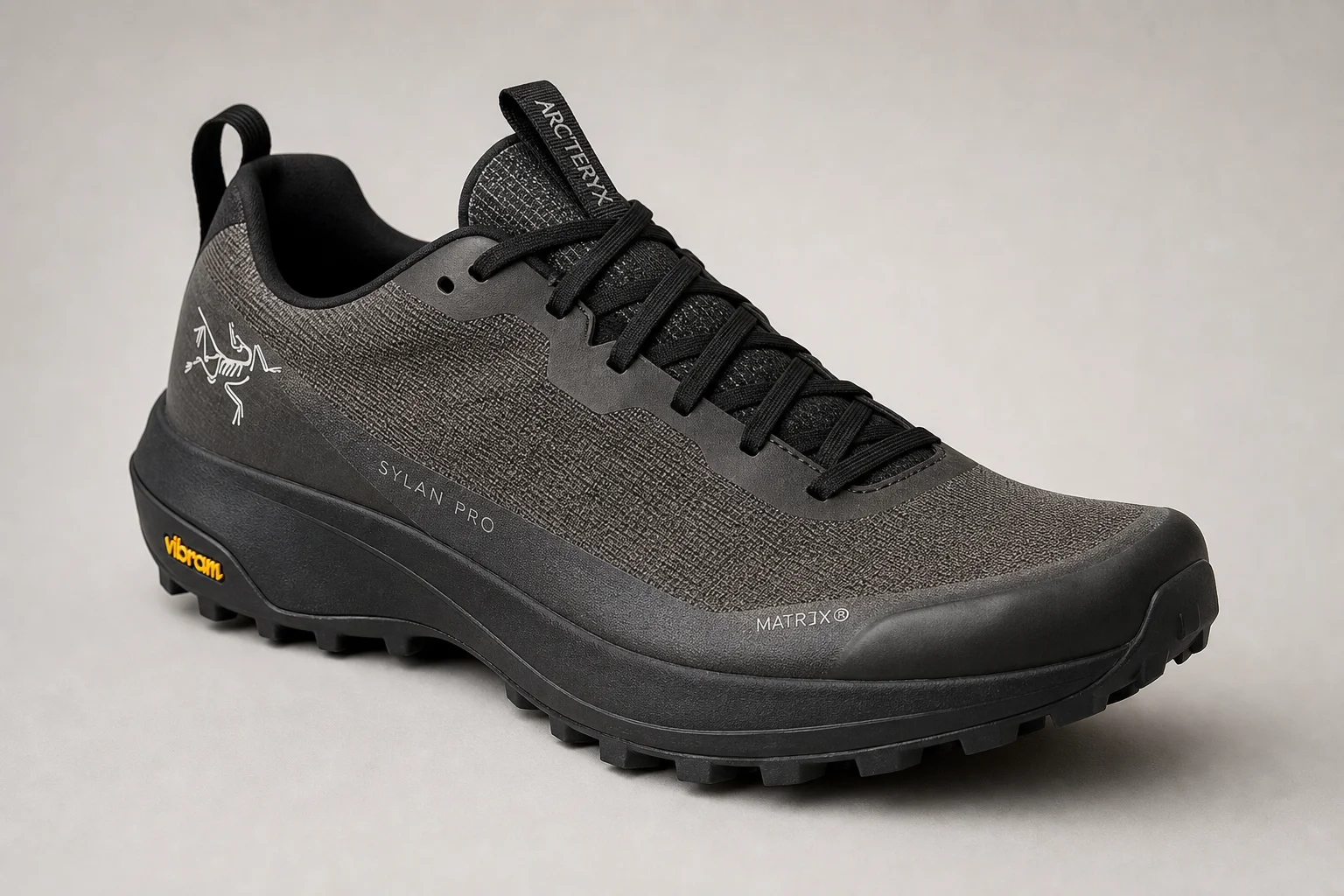
Trail Running Shoes
Arc'teryx Sylan Pro Review: A Rocker-Focused Mountain Running Shoe Tested on 20 Miles
The Arc'teryx Sylan Pro brings a pronounced rocker geometry and secure fit to mountain terrain. We tested it on a 20-mile Sawtooth loop to evaluate its climbing efficiency, protection, and handling of technical descents.
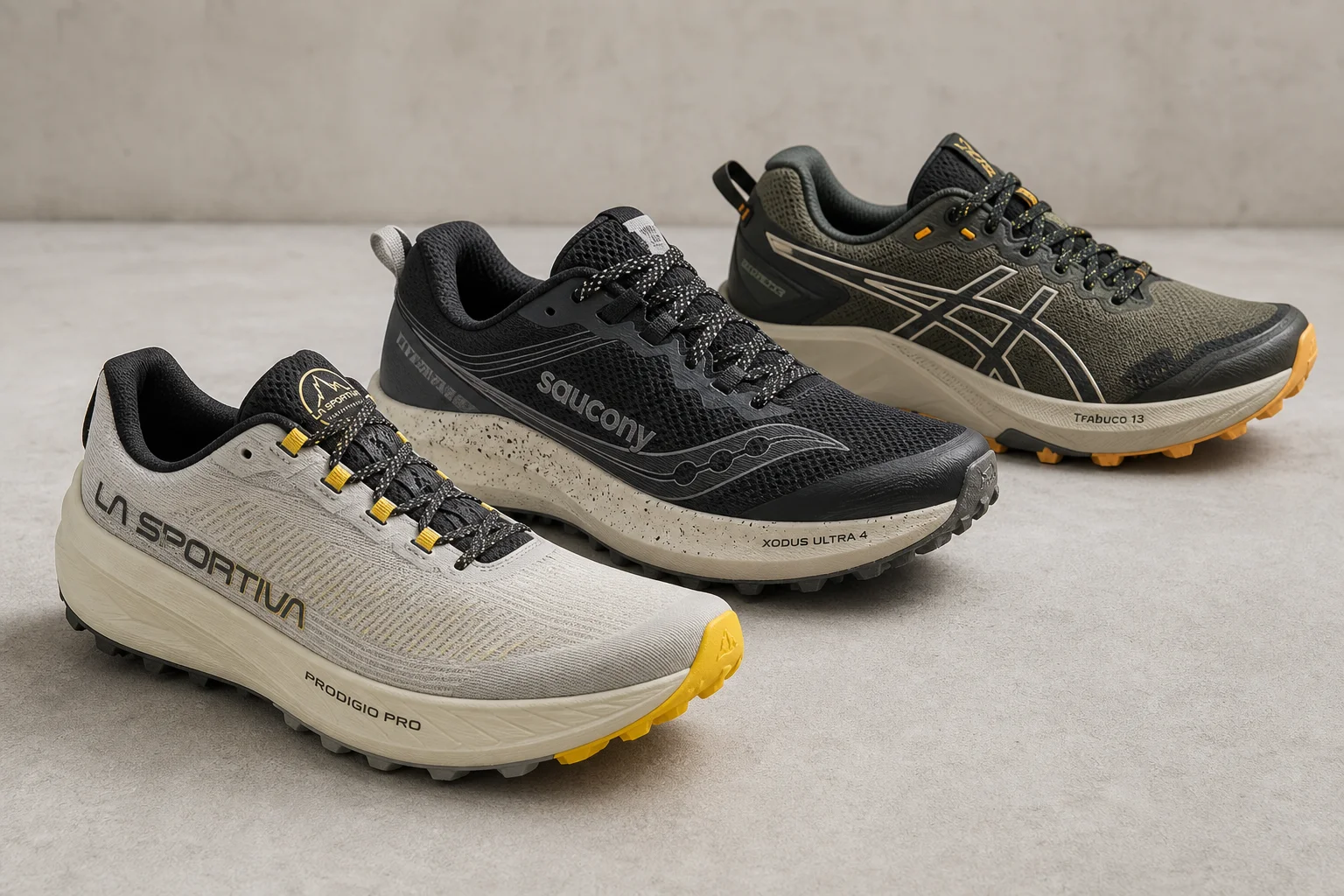
Trail Running Shoes
Best All-Mountain Trail Running Shoes: Three Versatile Options for Any Trail
A focused roundup of three all-mountain trail running shoes that handle technical terrain, long distances, and variable conditions with real strengths and practical trade-offs.