Running Shoes
Brooks Adrenaline GTS 25 Review: A Consistent Stability Shoe With Real Changes
After 100-plus miles, the Adrenaline GTS 25 proves reliable for walking and moderate runs, with a lower drop and smoother heel transition but a flat, non-bouncy midsole.
Introduction
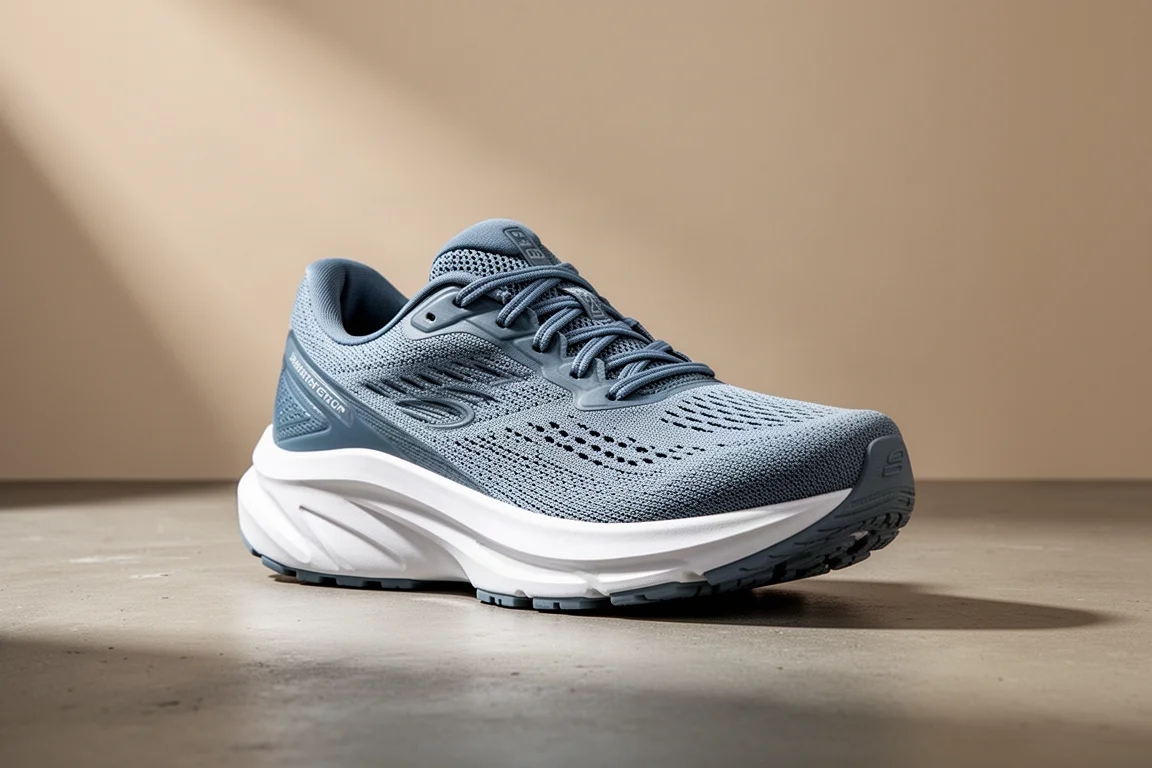
The Brooks Adrenaline GTS 25 is the long-running moderate stability trainer in the Brooks lineup, a position it has held for over 25 years. GTS stands for Go-To Support, and the shoe has earned that name by being one of the more popular selling running shoes on the market for a long time. Plenty of people buy it for running, but it likely sells even better as a walking shoe, and it genuinely performs well in that role.
After 100-plus miles in the GTS 25, the picture is clear: this is a consistent, dependable shoe rather than an exciting one. Version 25 brings some of the biggest changes the line has seen in years, including a lower heel-to-toe drop and a much improved heel transition, but the midsole remains flat and effortful compared to newer foams on the market.
Specs at a Glance
In a men’s size 10, the Adrenaline GTS 25 weighs 10.66 ounces, about 302 grams. It is not the lightest daily trainer, nor the heaviest, but it sits away from the lighter end of the spectrum.
The stack height is 37 mm in the heel and 27 mm in the forefoot, which works out to a 10 mm drop. That drop figure is a first for the Adrenaline line, and it matters more than the numbers suggest.
What Changed in Version 25
The shift from the traditional 12 mm drop to 10 mm is the headline change, and it is noticeable compared to the Adrenaline 24. Anyone who has run in the same shoe for years should not simply jump straight into version 25. The safer approach is to alternate between the old and new versions, one run in each, to let the calf and Achilles tendon gradually adapt. Some runners will notice nothing at all; others risk irritation if they switch abruptly.
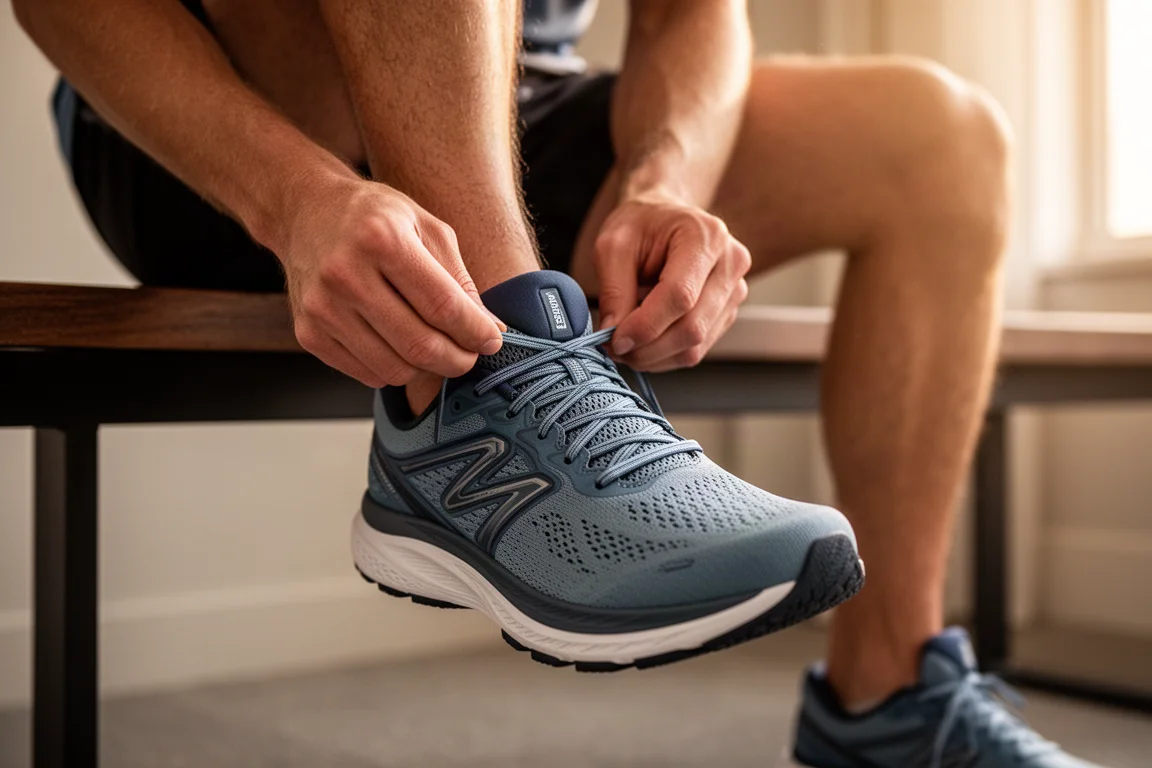
The second major improvement is the heel bevel, described as the best of any Adrenaline tried over roughly 15 years of running in the line. Older versions felt snappy but were difficult for heel striking, often forcing the runner up onto the forefoot. Version 25 delivers a much better heel transition. It is not the smoothest on the market, but it is the smoothest Adrenaline heel in a long time and the first version in years that invited running from the heel.
Ride and Midsole Feel
The Adrenaline GTS 25 uses full-length DNA Loft v3 foam. The ride is a touch on the soft side, but there is essentially no bounce to it. This is not a snappy midsole, and it is not a new-age foam experience. Cushioning is provided over mileage, but propulsion comes entirely from the runner.
Short to moderate runs are where this shoe performs best. On longer efforts, particularly past about seven or eight miles, the forefoot firms up to an uncomfortable level and can cause forefoot aching. For marathon or longer distances, other Brooks options with newer foam are a better fit. This shoe is better suited to longer walks, long periods of standing, and short to moderate runs.
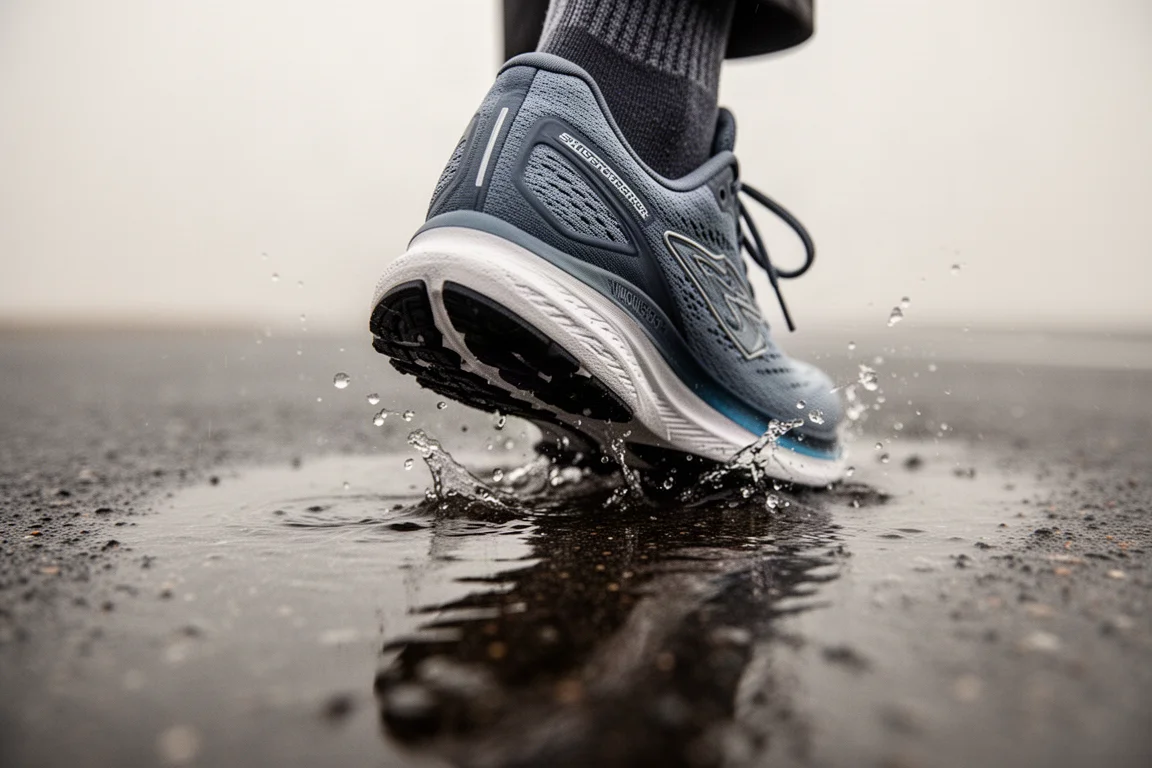
The forefoot also offers real flexibility. That is good news for runners who like toe mobility, but anyone with toe mobility problems, osteoarthritis, or similar issues who needs a stiff forefoot rocker should look elsewhere.
Stability and Support
The stability setup combines sidewalls with a medial post. On first wear, the post feels quite intense, but it breaks in alongside the midsole and softens noticeably. Brooks’ DNA signature guidance keeps the foot centered without pushing excessively unless it is genuinely needed, which made long runs feel secure as fatigue set in.
The support is concentrated in the rearfoot and midfoot, with the post and sidewall most prominent around the posterior midfoot and anterior heel. There is a small sidewall in the forefoot, but this shoe will not provide meaningful forefoot stability.
Important caveats: this is not a shoe for runners with large supination problems, as the lateral aspect of the sole tends to collapse slightly and could push them further in that direction. It is also not ideal for those needing only mild stability or fully neutral mechanics, since it sits at a moderate to slightly higher stability level initially. Note that the stability does lessen as the shoe breaks in, so expect it to change somewhat over its lifetime.
Durability After 100 Miles
At 100 miles, the outsole shows moderate wear. It has chewed through some midsole material and is starting to rip through a little of it, though nothing has come off yet. For a runner who is unusually hard on shoes and has destroyed shoes in as little as 50 miles, this counts as reasonable. The overall verdict on durability is average: not great, not bad, right in the middle, and the shoe is still holding itself together for what will likely be an average number of miles.
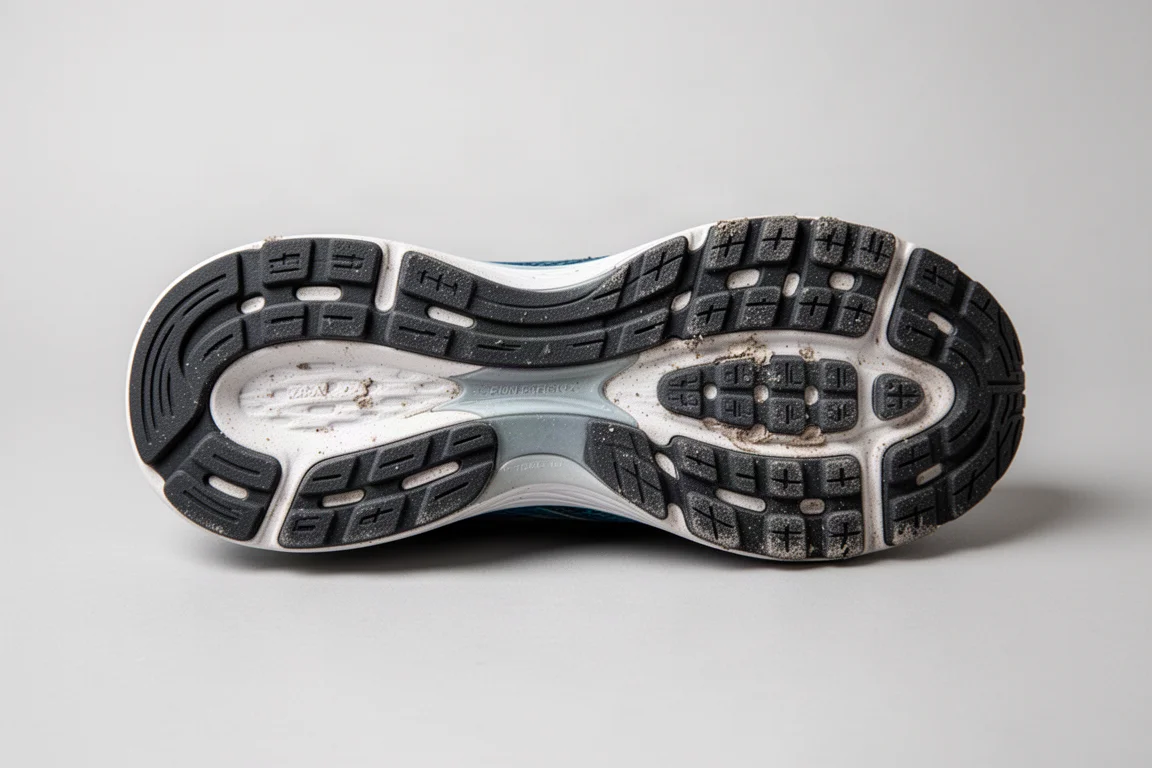
The midsole follows the same pattern, firming up more and more as the miles accumulate. This is not the most durable-feeling shoe on the market, but the wear rate sits within normal expectations.
Upper, Fit, and Comfort
The upper has a little more padding than the previous version and runs slightly warmer. The tongue is thicker, and there is substantial heel padding. That padding helps offset a fairly stiff heel counter, which is good news for runners with heel sensitivities, though the heel does firm out over time. Anyone who dislikes an excessively padded heel should take note, as it can become annoying.
The fit is true to size, neither wide nor narrow, with a wide version available for those who need it. There is some stretch to the upper, but the tongue is not gusseted and did slip, requiring the laces to be locked down to keep it in place.

Who Should Buy the Adrenaline GTS 25
This is not a flashy shoe and it is unlikely to be a first choice for runners chasing speed or a modern, bouncy ride. What it does offer is consistency: an Adrenaline is an Adrenaline, and you know what you are getting. It excels as a walking shoe for anyone who wants a slightly higher drop and a bit of stability, and it has proven comfortable for hours of standing, teaching, and clinic work.
Runners who need moderate stability for heel and midfoot striking, who value a smooth heel transition, and who mostly run short to moderate distances will get the most out of it. Runners wanting bounce, lightness, or long-run comfort should consider other options in Brooks’ lineup or elsewhere.
Conclusion
The Brooks Adrenaline GTS 25 is a solid, consistent stability shoe with genuinely useful updates: a slightly softer ride than before, the best heel transition the line has had in years, and the lowest drop in Adrenaline history at 10 mm. The trade-offs are a flat, boring midsole with no bounce, a forefoot that firms up on long runs, and average durability. If you want a dependable daily shoe for walking and moderate-distance running with moderate support, it remains a safe pick. If you want excitement from your midsole, look elsewhere for now.
Product link
View more details for Brooks Adrenaline GTS 25
This product is mentioned in the review. Check the specifications, options, and compatibility before buying.
View more details for Brooks Adrenaline GTS 25Further reading
Related Reviews

Running Shoes
Best Road-to-Trail Running Shoes: Three Versatile Options for Mixed Terrain
A practical guide to three road-to-trail running shoes that handle both pavement and mild trails, with clear strengths and trade-offs for different runner types.

Running Shoes
Best Running Shoes for Achilles Tendonitis: Three Options Explained
Three running shoes with different heel drops and support features designed to help reduce Achilles tendon pain during walking and running.

Running Shoes
Best Running Shoes for Women: Five Top Choices Ranked
A ranked guide to five women's running shoes, from versatile daily trainers to high-performance racing options, with real strengths and trade-offs for each.