Running Shoes
Brooks Adrenaline GTS 21 Review: A Light, Durable Stability Trainer
A stability road running shoe that keeps weight down and durability high, with serious guide rails and a few trade-offs to weigh before buying.
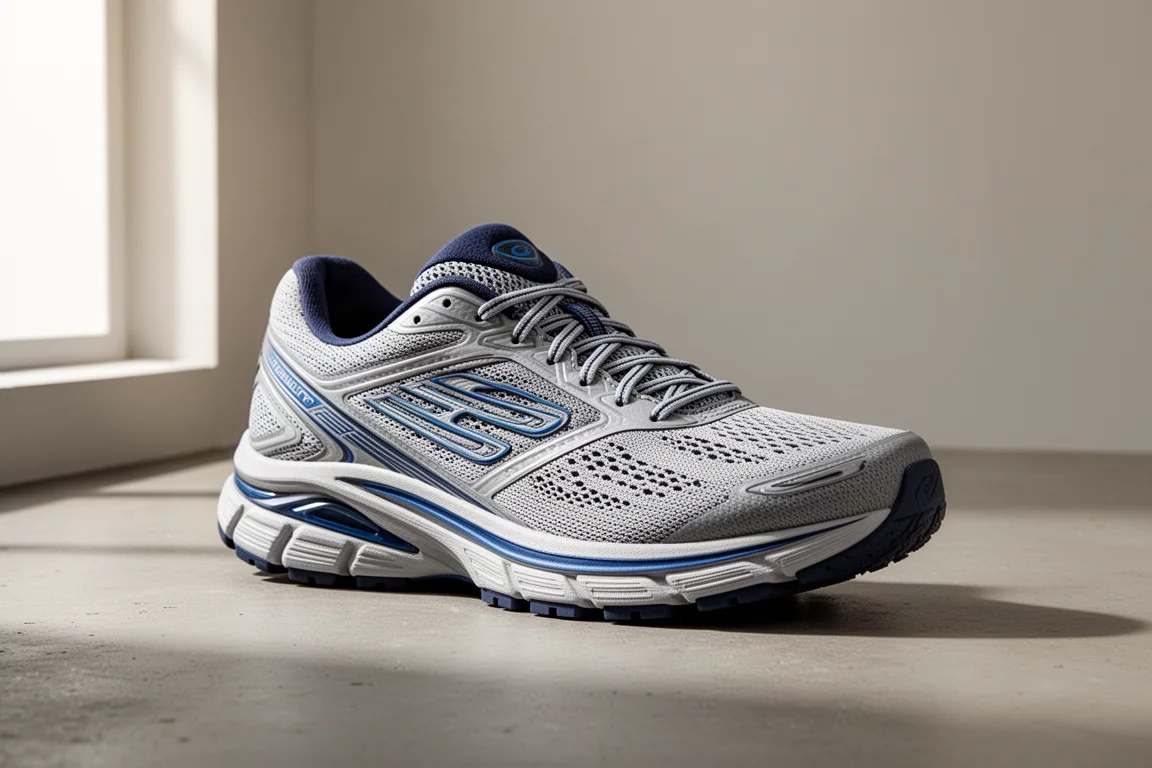
Introduction
The Brooks Adrenaline 21 arrived late to testing here, roughly nine or ten months after it was sent over, which means this is a delayed look at a shoe that has since been succeeded by the Adrenaline 22. That timing actually works in your favor: the older iteration tends to sit at a friendlier price point now, and the fundamentals that made it popular have not changed.
This is a stability road running shoe, and the quick verdict is simple. It scores 7.75 out of 10 overall, earns a 500-mile durability prediction, and stands out by being unusually light for the stability category. If you overpronate and want a shoe that does not feel like a boat, this one deserves a spot on your shortlist.
Who This Shoe Is For
The Adrenaline 21 is built for runners who need real stability help, particularly heel strikers who collapse inward through the foot strike. The guide rails run along both the medial and lateral sides, so the shoe also assists runners who roll outward.
Because it weighs just 8.6 ounces in a men’s size 9, it works as more than a slow-day trainer. Most stability shoes in that size land around nine ounces or more, so this one opens the door to tempo runs and fartlek sessions when you want to pick the pace up a little.

Upper and Fit
The upper is a classic engineered mesh. Breathability through the toe box is not exceptional, but it gets the job done. The tongue is semi-gusseted, and the tongue and collar sit in a borderline-plush zone: comfortable without being overly padded.
Lockdown scores a standard 7.5 out of 10. There is nothing to write home about, but nothing bad either. The heel pocket is a genuine highlight, holding the foot securely through the gait cycle with no slipping. Fit is true to size with no issues.
Midsole and Stability
The midsole uses Brooks’ DNA Loft foam, a finely calibrated mix of EVA foam, rubber, and air. This is where the shoe earns its stability badge: the guide rails on the sides are serious, and you feel them in a big way through your foot strike. If you need a lot of help controlling overpronation, this is the kind of structured support that actually intervenes.
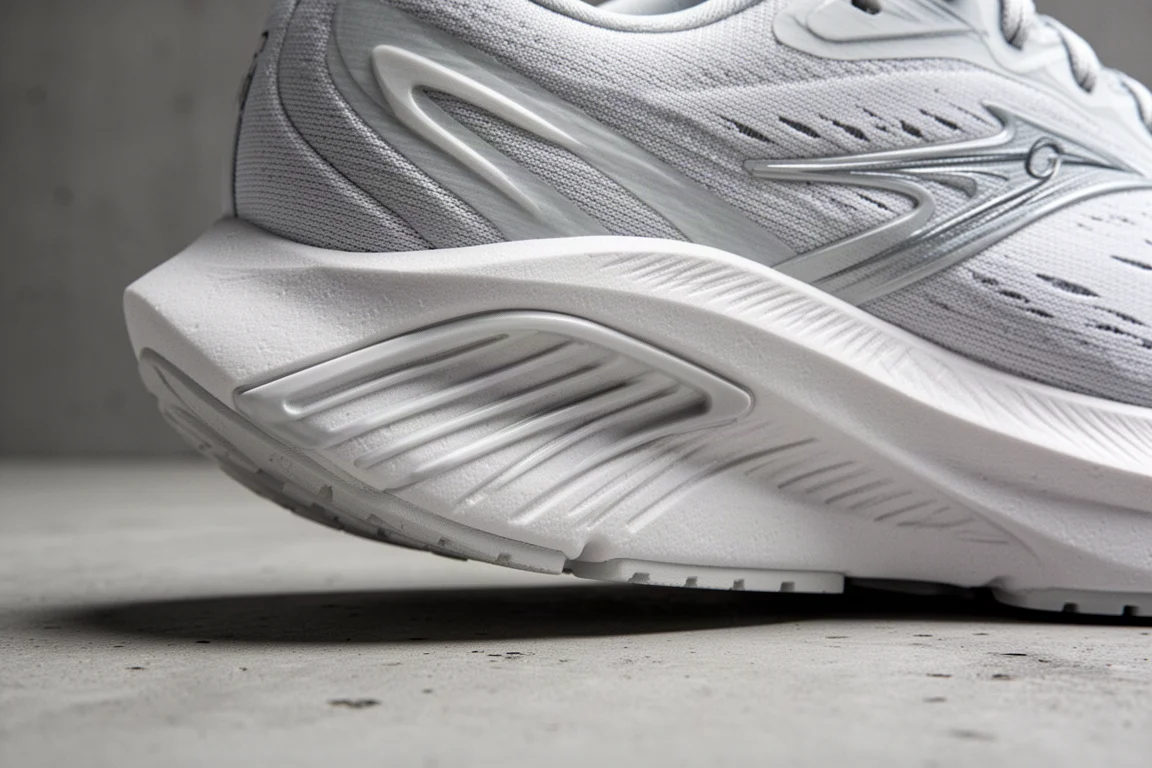
Energy return lands at six out of ten. The reviewer considered a seven, but the 12-millimeter drop may have gotten in the way of a more forefoot-oriented gait. What the ride lacks in bounce, it makes up for in weight: at 8.6 ounces, the shoe feels peppy underfoot for a stability trainer.
One honest caveat: the heel felt a little clunky. If you are a heel striker, that extra midsole material in the heel may work in your favor rather than against you.
Outsole and Durability
The outsole is blown rubber from Brooks, and it is nailed. Blown rubber often feels hard underfoot; here it does not. Flex grooves under the forefoot, similar to the Ghost lineup, score an eight out of ten, and if you like the Ghost lineup you will likely get along with this one too.
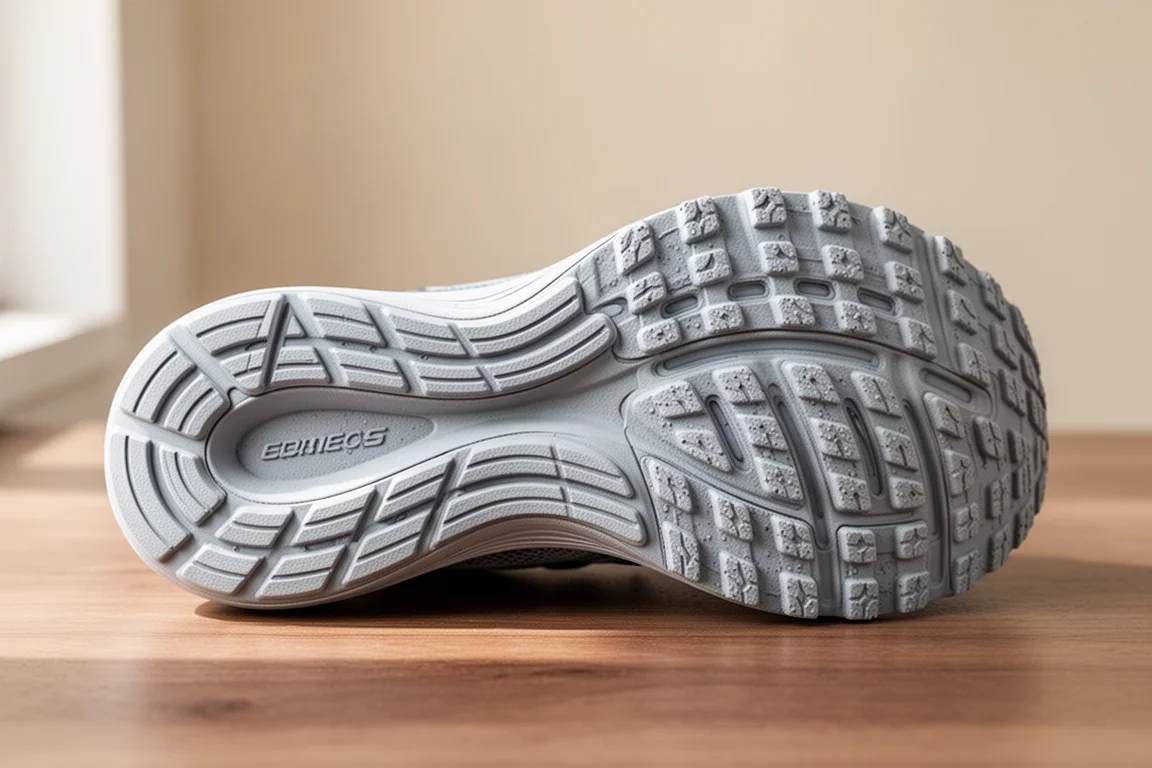
Durability is the reason this shoe scores as high as it does overall. The durometer test shows some forgiveness but not a huge amount, which points to a midsole built to last. The durability prediction sits at 500 miles, and the conservative read is that it could have been bumped even higher. This is a shoe expected to go a long, long time.
Specs at a Glance
- 12mm drop: 36mm in the heel, 24mm in the forefoot
- Weight: 8.6 ounces in a men’s size 9
- Midsole: DNA Loft (EVA foam, rubber, air)
- Stability: dual-sided guide rails
- Outsole: blown rubber with forefoot flex grooves
- Overall score: 7.75 out of 10
- Durability prediction: 500 miles
Things to Consider Before Buying
The 12-millimeter drop is on the high side. A 10mm or 8mm drop might have made the shoe appeal to a broader range of gaits, and if you prefer a lower-drop, more forefoot-driven ride, this is worth thinking about. The lack of deep midsole forgiveness also keeps the comfort score at a solid but standard seven out of 10 rather than higher.
On the positive side of the ledger: the outsole, the flex grooves, the remarkably low weight for a stability shoe, and durability that should outlast most of the category.
Buying Advice
This shoe works best as a daily trainer for stability runners, with enough pep for tempo days or fartlek sessions. Priced around the $135 to $140 mark typical for stability shoes, and often found on sale now that the Adrenaline 22 is available, it represents solid value.

If it does not sound like the right fit, comparable alternatives worth a look include the Saucony Hurricane 23, the Newton Vongo v5, the ASICS Gel Kayano (referred to here as the Gel Cayenne in some listings), the Light 2, and the Saucony Omni XX.
Conclusion
The Brooks Adrenaline 21 is a stability shoe that bucks the category’s weight problem while delivering serious support and long-term durability. The high drop and firmer midsole are the main trade-offs, but for heel strikers who need dependable guidance in a peppy package, it remains an easy recommendation, especially at its current discounted price.
Product link
View more details for Brooks Adrenaline GTS 21
This product is mentioned in the review. Check the specifications, options, and compatibility before buying.
View more details for Brooks Adrenaline GTS 21Further reading
Related Reviews

Running Shoes
Best Road-to-Trail Running Shoes: Three Versatile Options for Mixed Terrain
A practical guide to three road-to-trail running shoes that handle both pavement and mild trails, with clear strengths and trade-offs for different runner types.

Running Shoes
Best Running Shoes for Achilles Tendonitis: Three Options Explained
Three running shoes with different heel drops and support features designed to help reduce Achilles tendon pain during walking and running.

Running Shoes
Best Running Shoes for Women: Five Top Choices Ranked
A ranked guide to five women's running shoes, from versatile daily trainers to high-performance racing options, with real strengths and trade-offs for each.