Bird Feeders
Brome SquirrelBuster Nut Feeder Review: Can It Really Keep Squirrels Out?
A hands-on look at the Brome SquirrelBuster nut feeder, its weight-activated closing mechanism, durability, and how it performed against determined squirrels, raccoons, and opossums.
Introduction
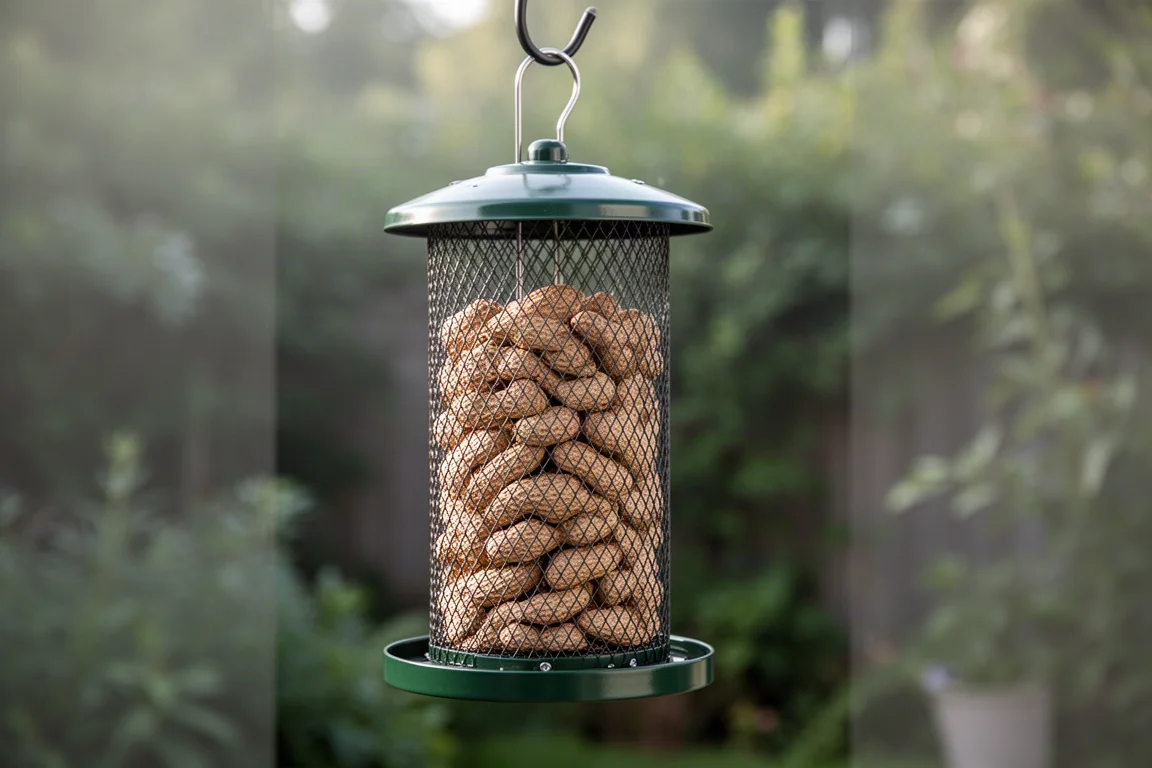
Squirrel-proof feeders promise a lot, and few of them get put through a tougher test than this one: hung in a deliberately bad spot, loaded with peanuts, and left where squirrels, raccoons, and even an opossum could freely try their luck. The Brome SquirrelBuster nut feeder is built around a simple idea, and after weeks of use the results were hard to argue with. Nothing ever figured out how to get to the food, and not a single refill was needed.
What the SquirrelBuster Nut Feeder Is
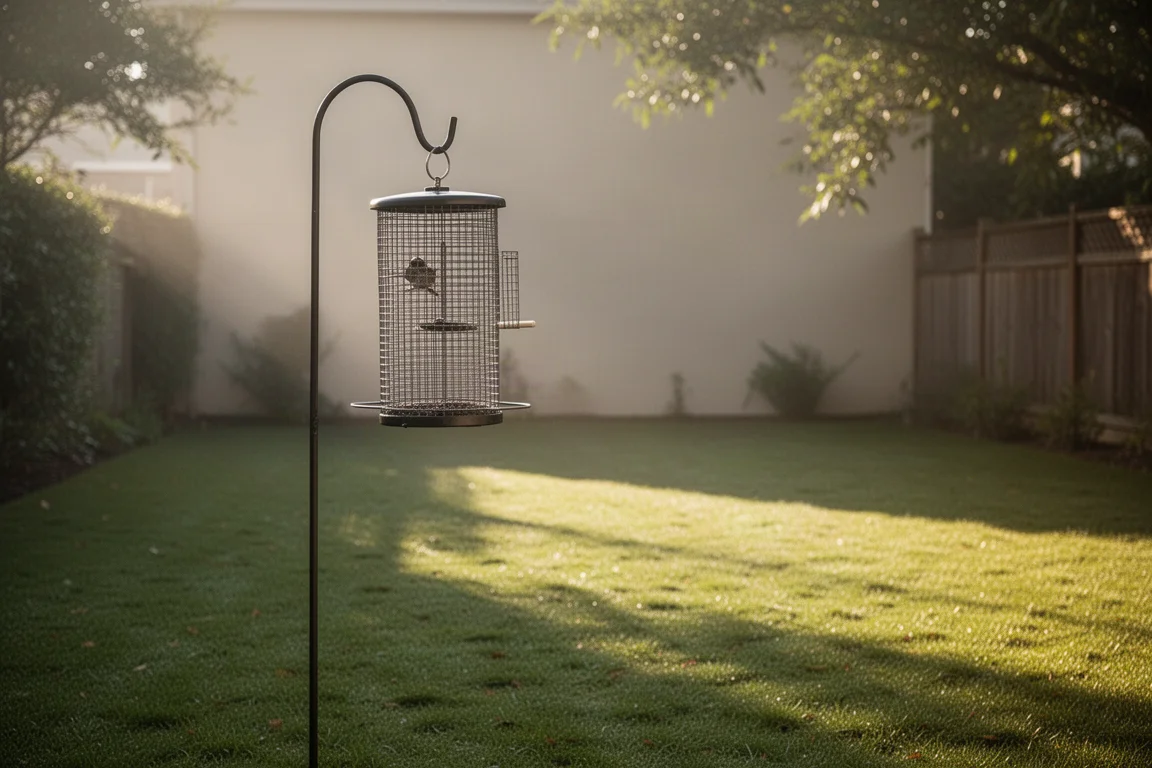
The SquirrelBuster is Brome’s nut-focused feeder, designed to hold shelled peanuts along with other options like pistachios, shelled cashews, or a nut and fruit mix. The design is a two-part system: an inner mesh tube that you fill with food, and an outer shroud that surrounds it. There is plenty of mesh surface for clinging birds like woodpeckers and nuthatches, and the feeder includes two different mesh sizes so you can adapt it to bigger or smaller pieces of food.
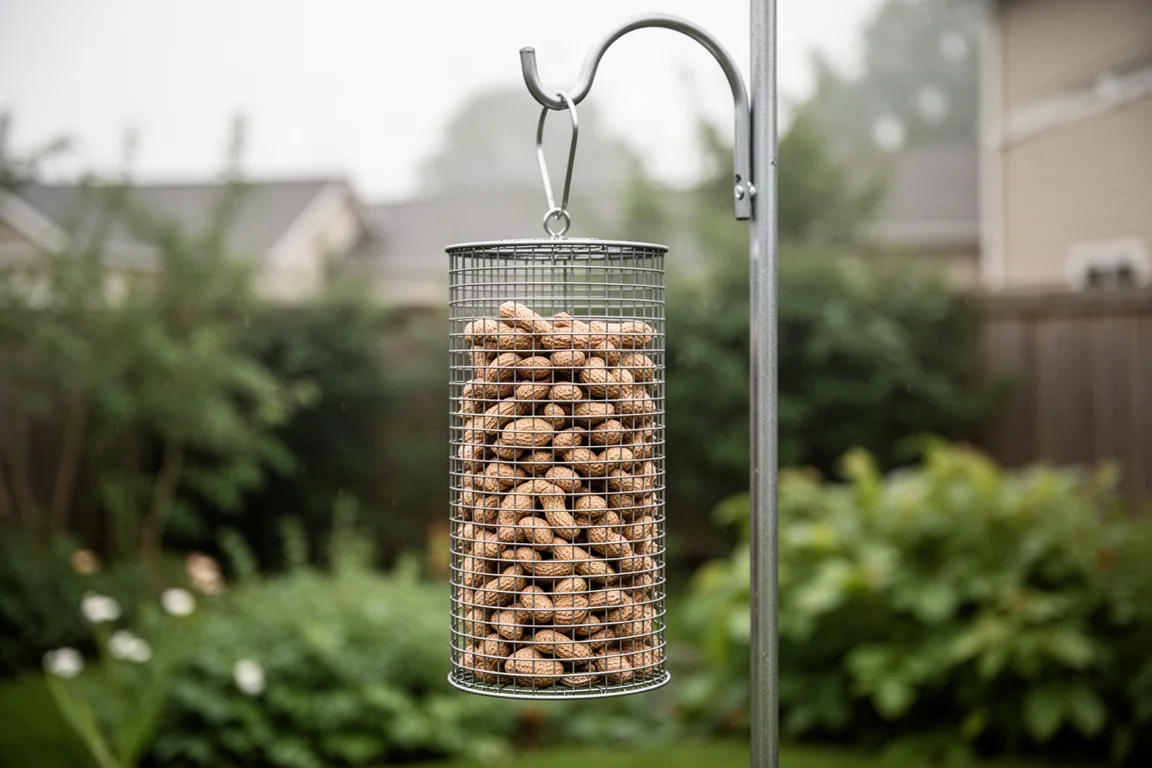
Boxing it up is straightforward. You fill the inner tube, slide the outer shroud around it, and add the included clip over the top. The package also comes with a guide covering backyard bird identification, setup instructions, and what Brome describes as lifetime care, which is a nice layer of support you do not always get with feeders.
How the Squirrel-Proof Mechanism Works
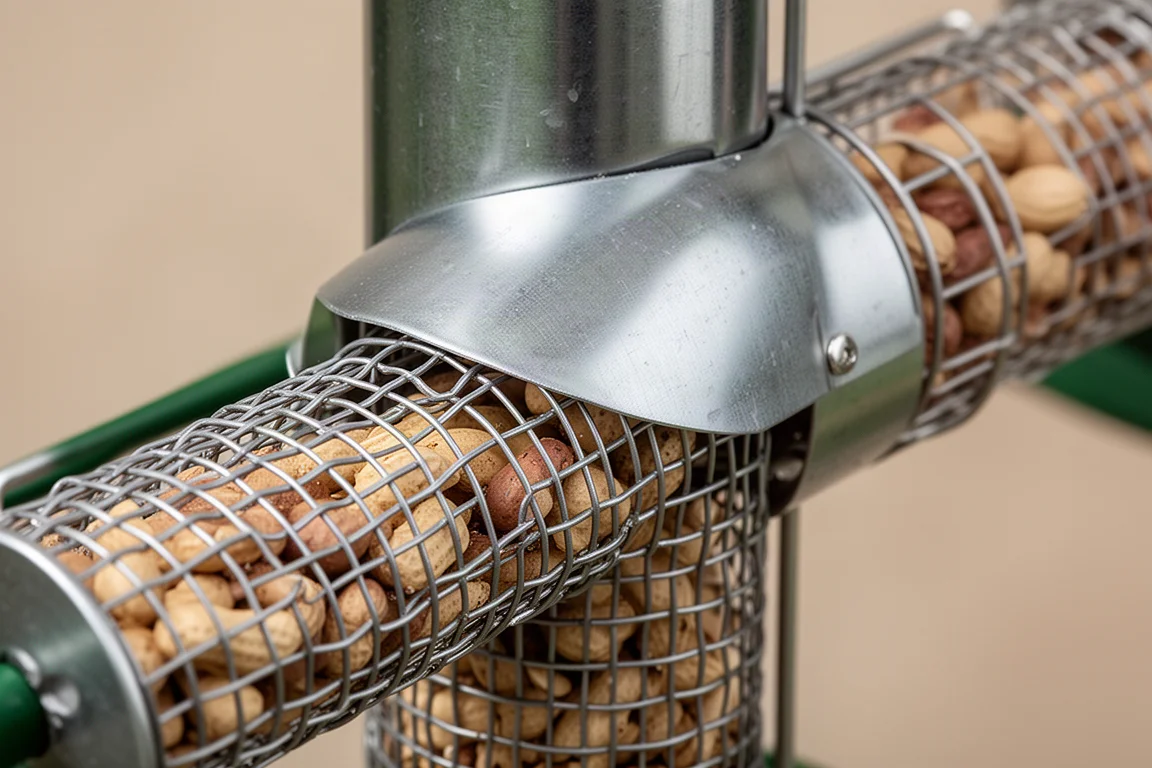
The core mechanism is weight-activated. When something heavy lands on the feeder, its weight pulls the outer shroud down, closing off access to the food. Lighter birds can cling to the mesh and feed normally, but heavier animals trigger the shroud and get shut out. Brome also includes adjustable weight settings, so if a particular animal is triggering it without closing it fully, you can make the mechanism more sensitive so it closes more easily.
One practical tip from testing: even with a squirrel-proof design, it still pays to hang the feeder in a spot that is difficult for squirrels to reach. The instructions include specific guidance on placement to give the feeder its best chance, even though this test deliberately ignored it.
The Backyard Torture Test
To really stress the design, the feeder was mounted in what could only be described as the worst way possible, low and fully accessible, purely so mammals would try it. The results were telling. Raccoons and an opossum pushed down on the shroud and closed it, but never managed to feed. Squirrels pulled at it without ever cracking the system. A chipmunk managed to get on board, but was too light to trigger the mechanism, and it did not make off with the peanuts either.
Nothing managed to damage the feeder either, which speaks to its durability. The shroud did drift slightly to one side over time while the feeder was in the car, leaving the peanuts skewed to one edge, but that was the only quirk worth noting. Once repositioned in a better, properly placed spot, no mammals got on it at all.
Which Birds Showed Up
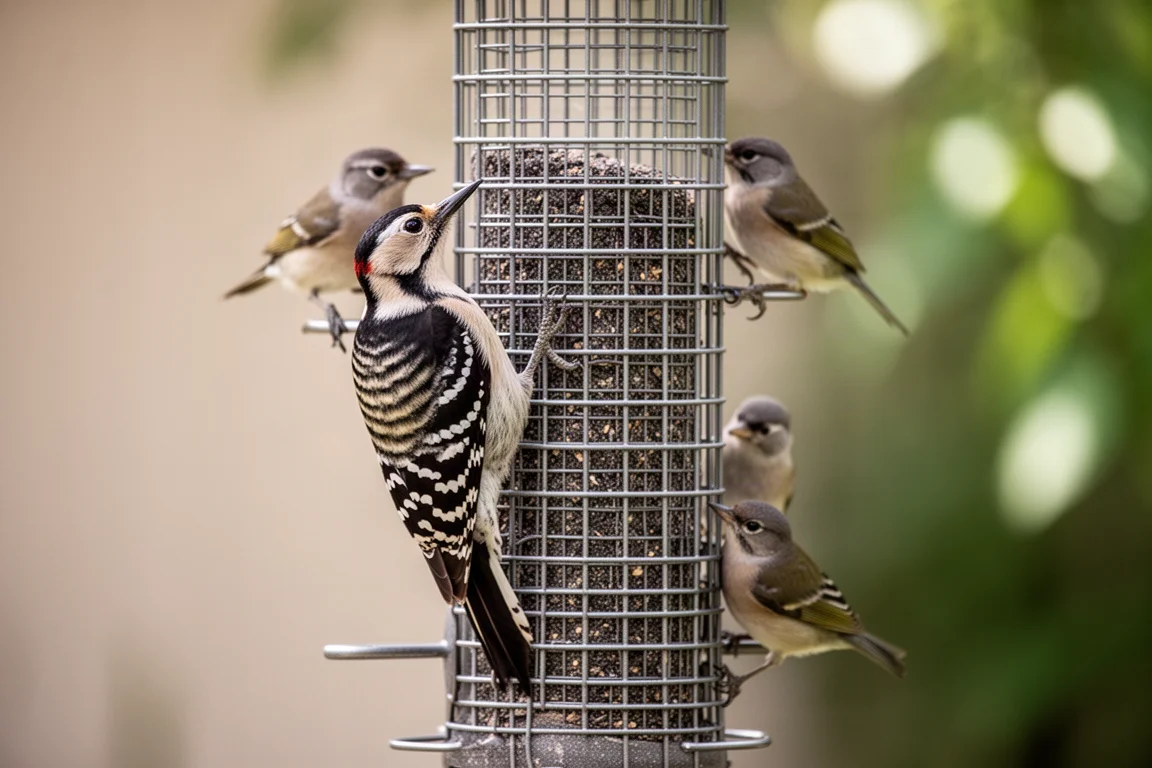
With the feeder out and functioning as designed, the birds did their part. A red-bellied woodpecker was a standout visitor, and chickadees made regular use of it. House sparrows, a non-native species, also checked it out, but the general pattern was clear: the birds the feeder is meant for adapted quickly and fed without issue.
A less obvious benefit is refill frequency. Because squirrels are not raiding the feeder, the food lasts far longer than it would in an unprotected feeder, where a squirrel could strip a full load of peanuts in short order. One fill lasted through the entire test period.
Things to Consider Before Buying
This feeder rewards patience and correct placement. Hung deliberately badly, it held up remarkably well, but the intended setup calls for following Brome’s placement instructions to keep animals off it in the first place. Also worth noting: very light animals like chipmunks will not trigger the weight mechanism, though in practice they did not manage to empty the feeder either. If you want to deter a specific heavier animal, the adjustable weight settings give you a way to tune the sensitivity.
Buying Advice
The SquirrelBuster nut feeder makes the most sense for anyone tired of constantly refilling feeders that squirrels drain in a day. The weight-activated shroud worked exactly as described, survived contact with raccoons and opossums, and kept peanuts available for the birds that should actually be eating them. Hang it properly, use the included setup guidance, and take advantage of the adjustable weight settings if needed.
Conclusion
The Brome SquirrelBuster nut feeder passed a deliberately unfair test with ease. The design is simple, the construction is durable, and the payoff is fewer refills and more of the birds you actually want at your feeder. For backyard birders dealing with persistent squirrels or bolder mammals, it is an easy recommendation.
Product link
View more details for Brome SquirrelBuster Nut Feeder
This product is mentioned in the review. Check the specifications, options, and compatibility before buying.
View more details for Brome SquirrelBuster Nut FeederFurther reading
Related Reviews
Bird Feeders
Kingsyard Dual Bird Feeder Review: Simple, Sturdy, and Built for Two Seed Types
A preassembled hanging dual-seed feeder made mostly of metal, with a weather-shielding plastic top and a design that favors smaller birds.
Smart Bird Feeders
BBP Eco Smart Bird Feeder Review: A Squirrel-Proof Camera Feeder With a Clever Closing Trick
A smart bird feeder with a metal roof, a weight-triggered closing tray, adjustable sensitivity levels, and a camera that syncs with your existing setup.
Binoculars
Move Shoot Move Wide View Binoculars Review: A Compact Pair Built for Backyard Birding
A compact, wide-angle 5x binocular that trades raw zoom for a generous field of view, and why that makes it a great fit for backyard birding.