Bird Feeders
Brome Squirrel Buster Plus Review: Does This Squirrel-Proof Feeder Actually Work?
We put the Squirrel Buster Plus through weeks of real backyard testing, including a deliberate squirrel challenge, to see if the weight-activated seed ports really keep squirrels out.
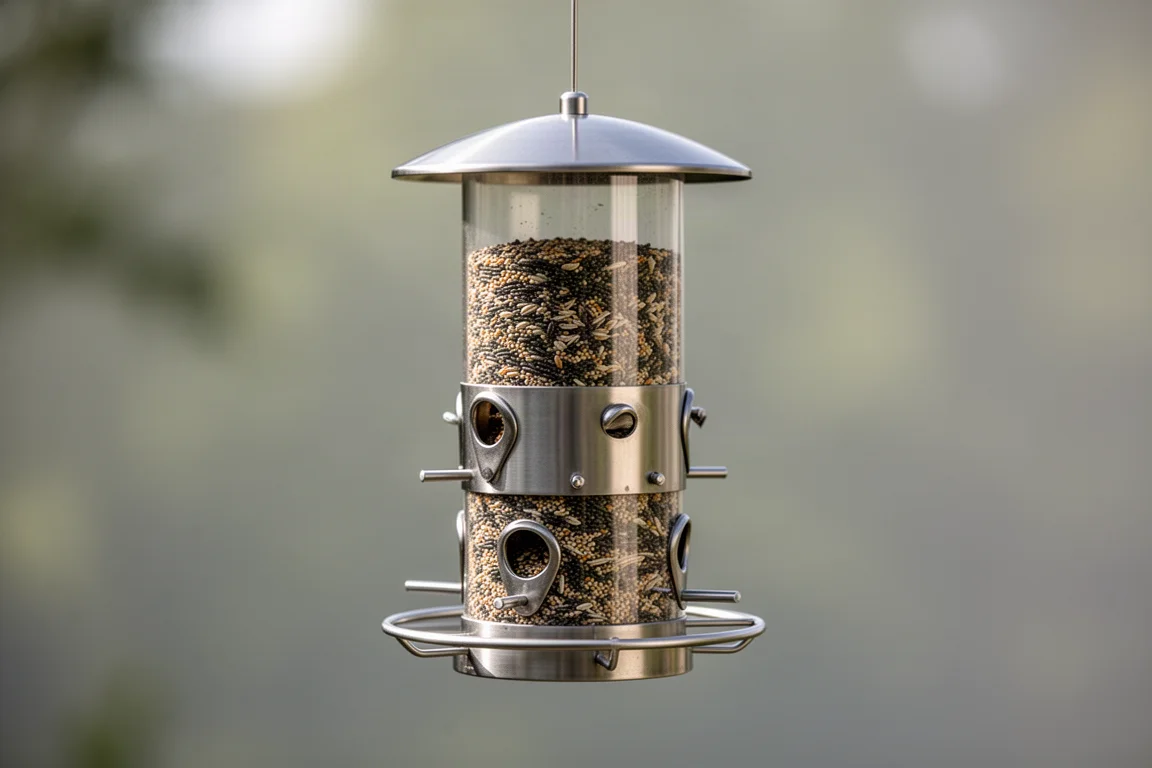
Introduction
Squirrel-proof feeders are one of those products that sound great in the description and often disappoint in practice. So the real question is simple: does the Brome Squirrel Buster Plus actually keep squirrels away, or is it just marketing?
Brome is known for its squirrel-proof feeder designs, and the brand backs them with lifetime care, essentially a lifetime warranty. The Squirrel Buster Plus also claims it pays for itself in saved seed. To find out how it holds up, we filled it, hung it, watched it through a motion camera, and even made things deliberately easy for the squirrels to see whether the design fails under pressure.
First Impressions and Setup
Out of the box, the feeder is labelled as UV stabilized, weight adjusted, chew-proof, and requiring no tools for assembly. The body material initially feels like plastic but is actually a special material called Rox resin, which Brome describes as chew-proof.
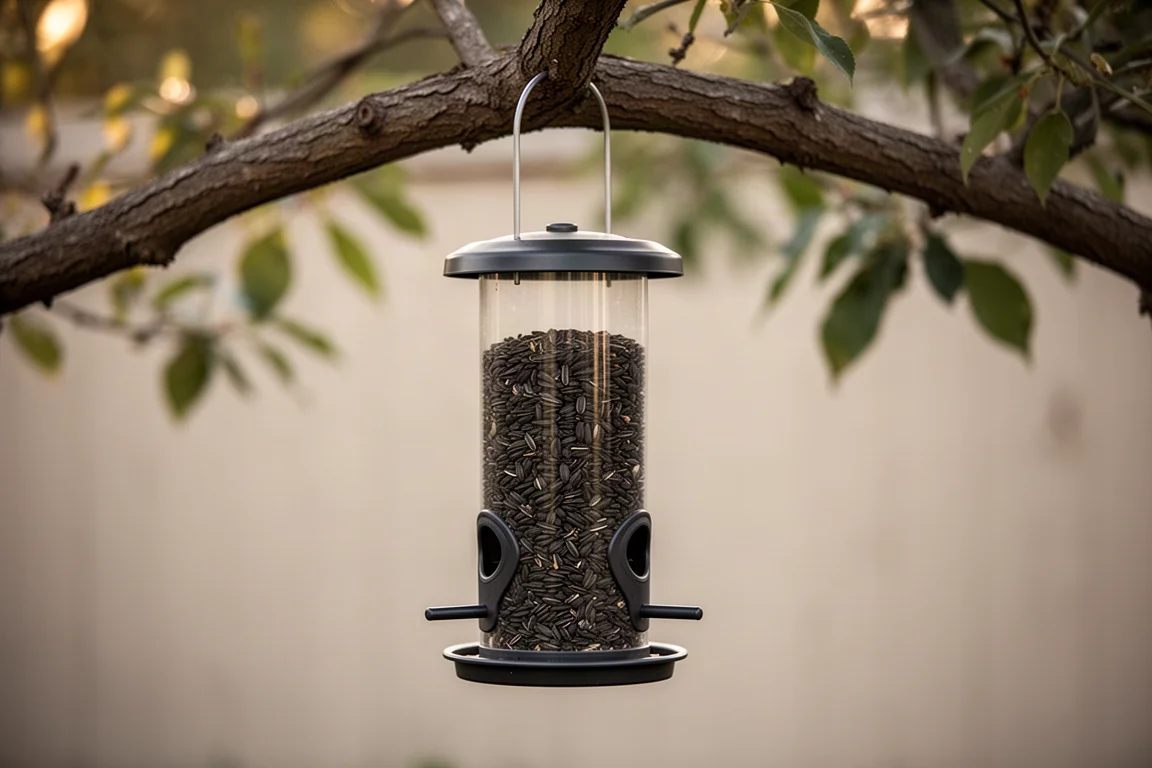
Packaging includes a genuinely useful assembly guide, cleaning instructions, guarantee paperwork, and an optional cardinal perch ring that attaches around the base. There is even a Project FeederWatch insert from Cornell, with Brome listed as a supporter of the project. The reservoir holds a generous amount of seed, so expect fewer refill trips than with small tube feeders.
One thing worth knowing from the start: Brome recommends an 18-inch clearance on all sides of the feeder. That spacing ensures squirrels put their full weight on the feeder, which is what triggers the ports to close. Placement matters more with this feeder than with a basic tube feeder.
Key Features That Set It Apart
The core idea is a weight-activated spring system. When something heavy lands on the feeder, the seed ports close, cutting off access. The adjustable spring tension means you can tune the sensitivity for different sized birds, so larger birds you want to welcome can still feed while heavier visitors cannot.
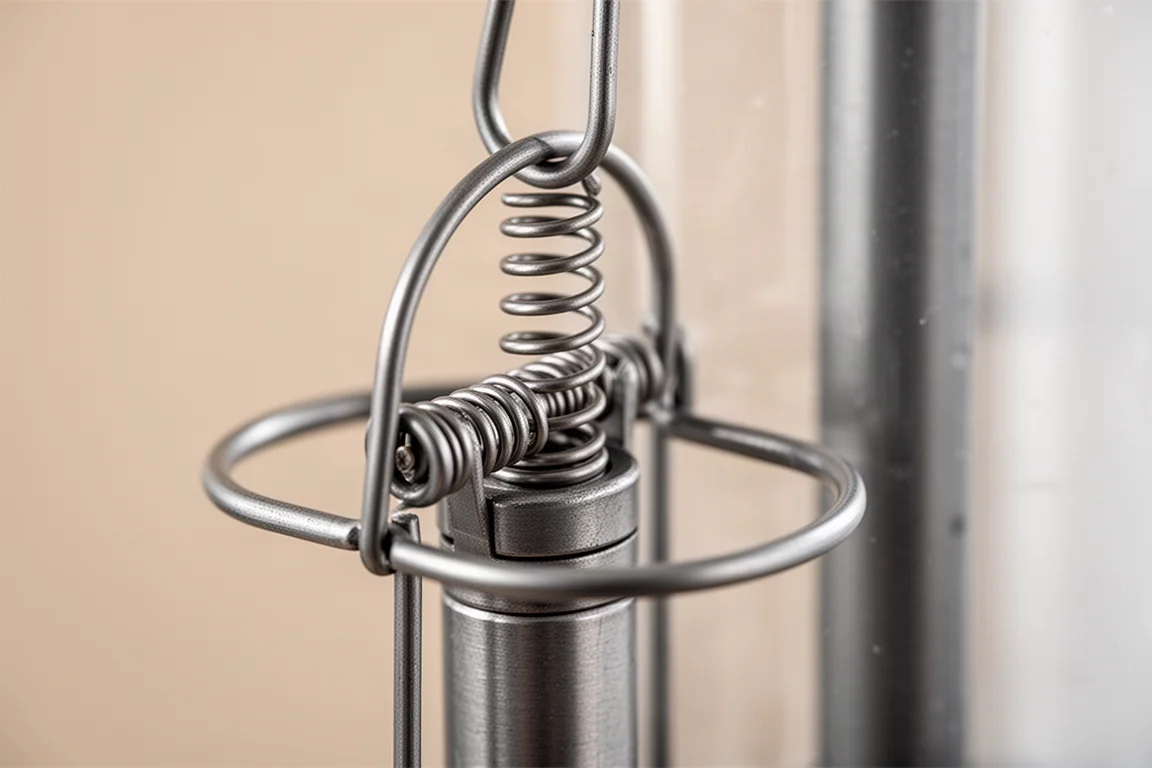
Seed ventilation is another thoughtful touch. Airflow through the feeder helps keep moisture from building up inside the seed, which reduces the chance of mold. That is a small detail that matters a lot if you leave seed in the feeder for days at a time.
How It Performed With Birds
Birds found the feeder almost immediately. House finches took to it right away, and a Baltimore oriole showed up, which is notable because orioles rarely visit seed feeders. A female brown-headed cowbird, similar in size to a cardinal or slightly smaller, fed comfortably without triggering the ports to close.
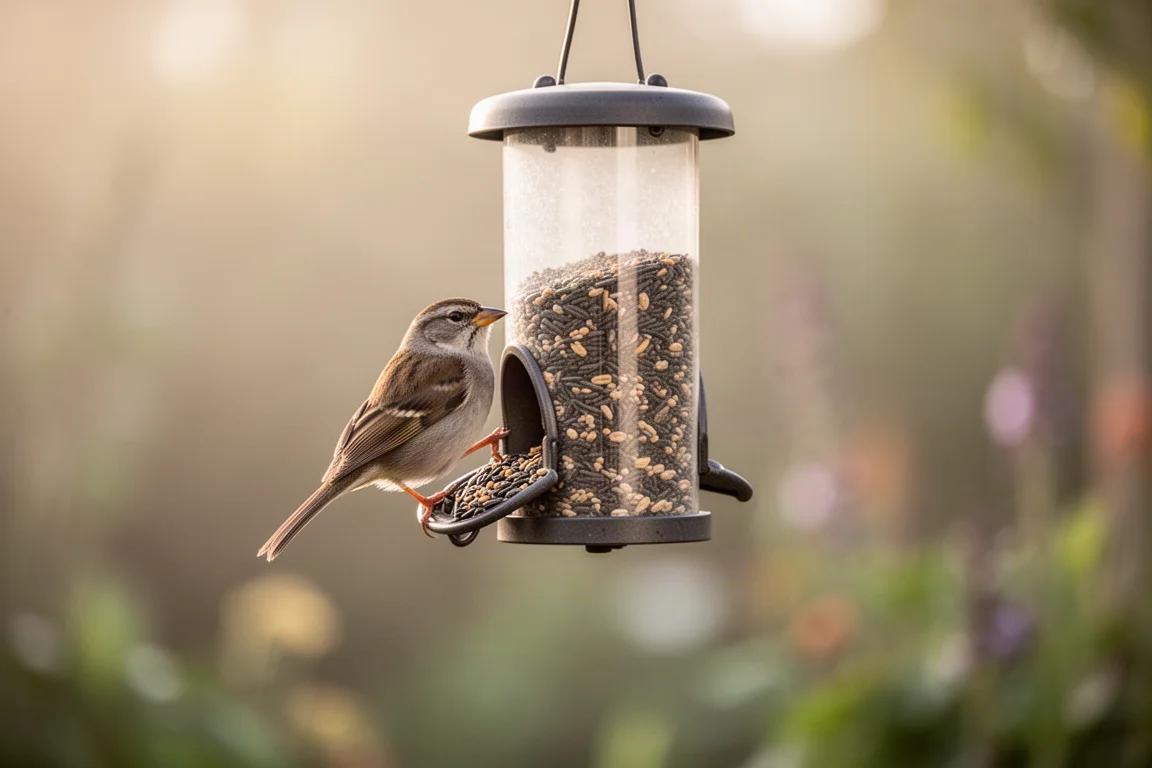
Our initial concern was that the sensitivity might be set too tight, since a light touch seemed enough to move the mechanism. In practice, the birds were lighter than expected, and the default setting worked well for everything that visited. If your local birds are heavier, the adjustable spring lets you loosen the threshold so cardinals and similar-sized birds can feed without issue.
The Squirrel and Raccoon Test
With no squirrel attempts at the normal hanging height, we made the test harder on purpose. We lowered the feeder close to the ground, making it as easy as possible for squirrels and chipmunks to reach, and left a motion-detection camera running. This is not something we would recommend doing with your own feeder, but it is the fairest way to stress-test the design.
A squirrel eventually approached, seemed cautious at first, and then tried to feed. The ports closed under its weight, exactly as designed. The squirrel could not get any seed and moved away. That is precisely the outcome you want.
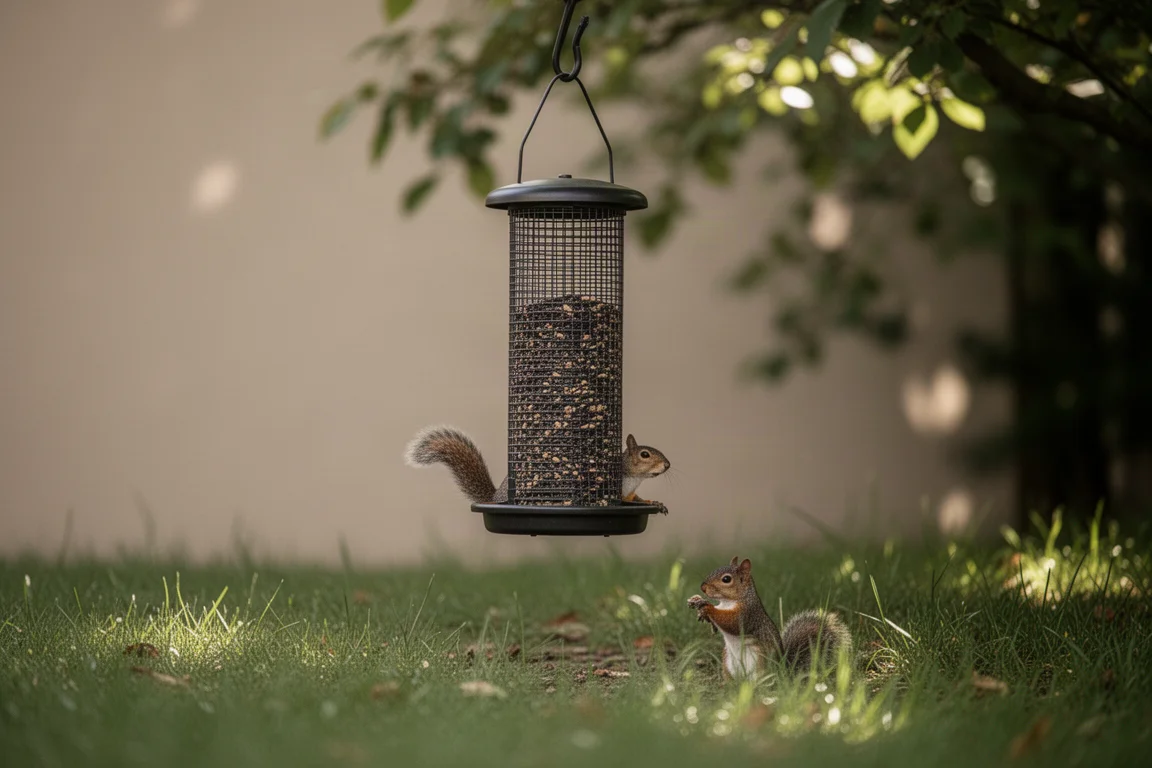
Then came a tougher visitor: a raccoon at night, which is about as bad as it gets for a feeder short of a bear. The raccoon was clever enough to reach in without putting its weight on the perch bar, but it lost interest after a few minutes and caused no damage. Not a perfect seal against a determined raccoon, but no destruction and no lost seed to speak of.
Buying Advice
The Squirrel Buster Plus makes sense for anyone tired of replacing chewed feeders and refilling seed stolen by squirrels. The combination of chew-proof Rox resin construction, weight-adjustable settings, and lifetime care support makes it a long-term purchase rather than a seasonal one.
A few practical tips if you buy one: hang it with the recommended 18-inch clearance on all sides, take a minute to set the spring tension for the birds you actually get, and use the ventilation to your advantage by keeping seed fresh longer. If raccoons are common in your area, expect deterrence rather than a total lockout.
Conclusion
After weeks of use, the verdict is straightforward: the Squirrel Buster Plus works. Birds fed comfortably, the weight-activated ports shut out a squirrel in a deliberate worst-case test, and even a nighttime raccoon visit ended without damage. If you want a feeder that keeps squirrels from stealing seed while remaining welcoming to the birds you actually want, this is a well-engineered option worth serious consideration.
Product link
View more details for Brome Squirrel Buster Plus
This product is mentioned in the review. Check the specifications, options, and compatibility before buying.
View more details for Brome Squirrel Buster PlusFurther reading
Related Reviews
Bird Feeders
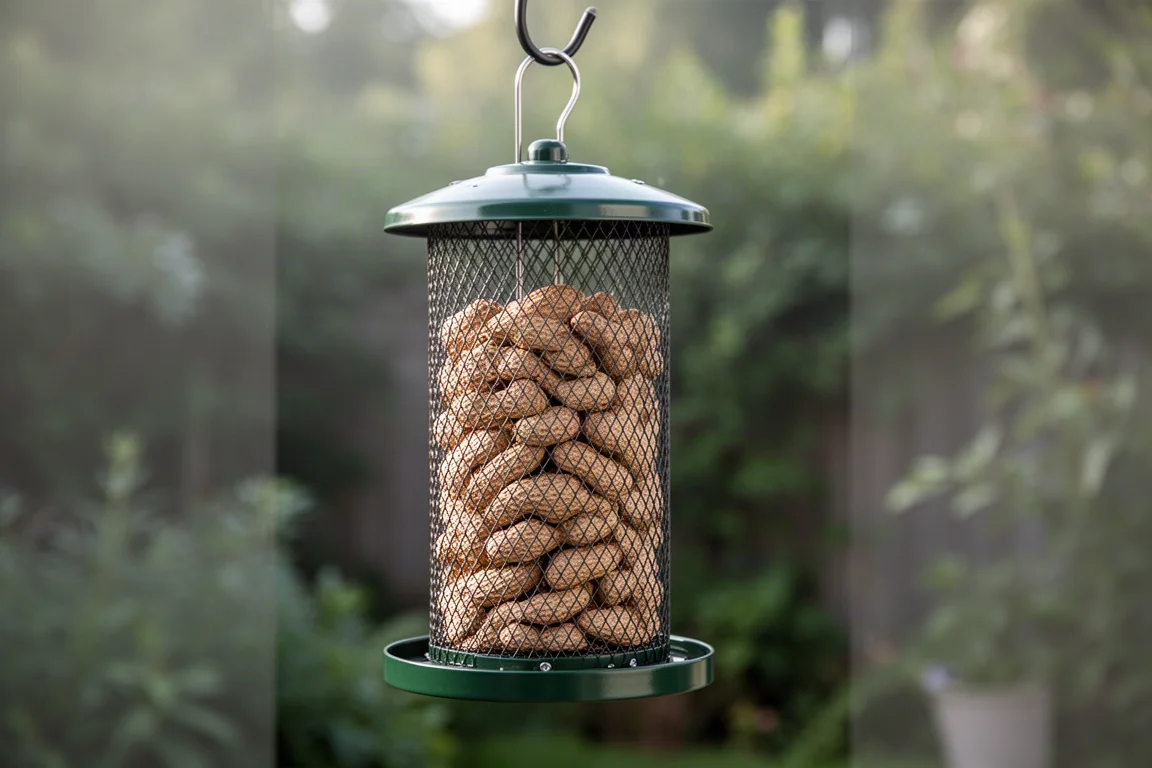
Brome SquirrelBuster Nut Feeder Review: Can It Really Keep Squirrels Out?
A hands-on look at the Brome SquirrelBuster nut feeder, its weight-activated closing mechanism, durability, and how it performed against determined squirrels, raccoons, and opossums.
Bird Feeders
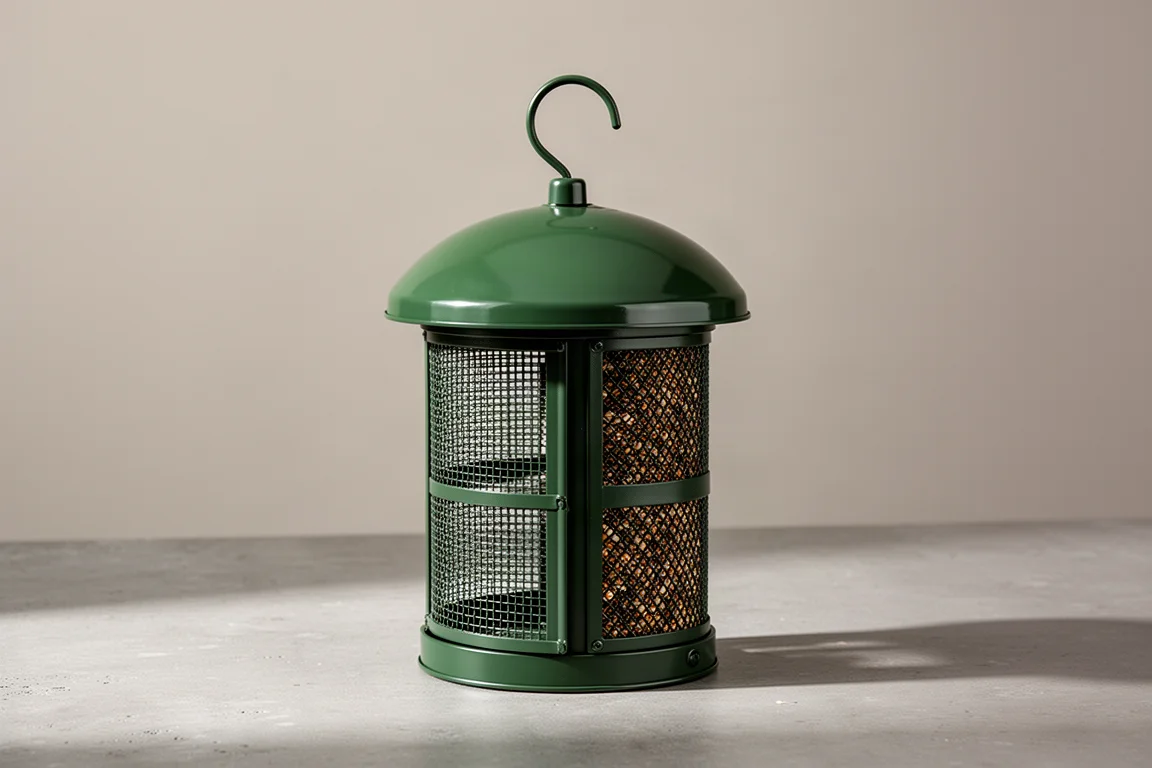
Kingsyard Dual Bird Feeder Review: Simple, Sturdy, and Built for Two Seed Types
A preassembled hanging dual-seed feeder made mostly of metal, with a weather-shielding plastic top and a design that favors smaller birds.
Bird Feeders
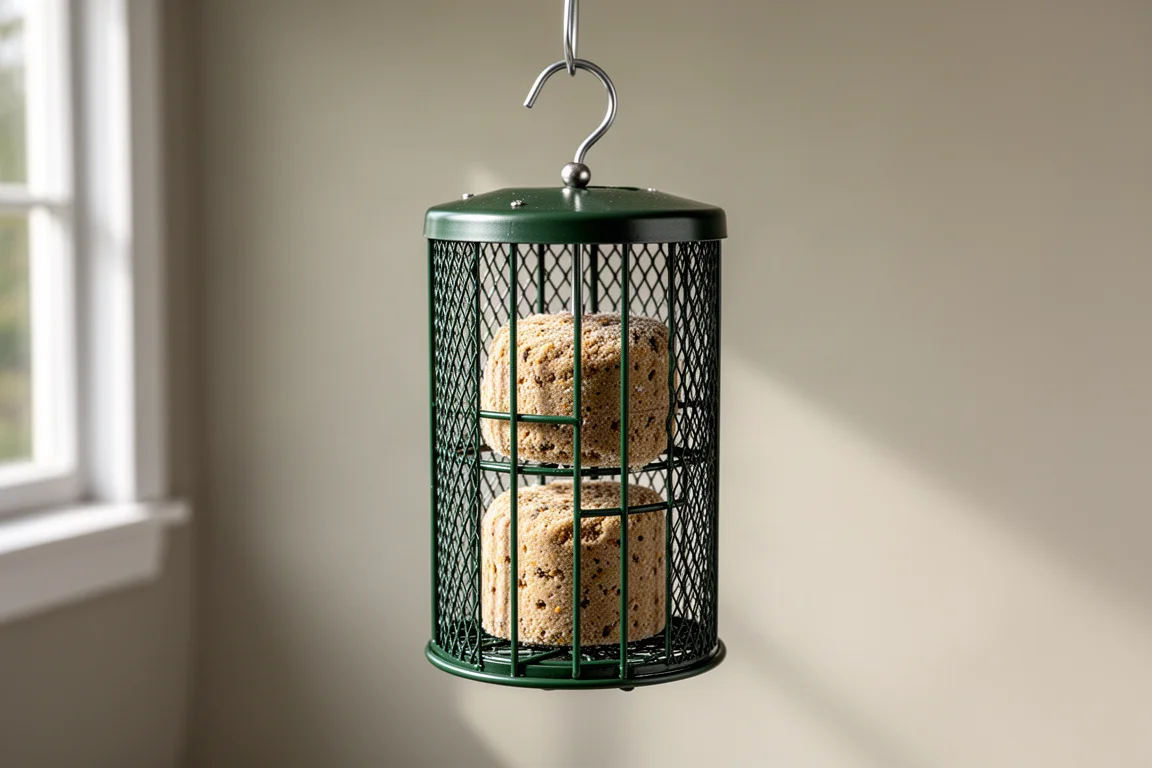
Brome Squirrel Buster Suet Review: A Squirrel-Proof Feeder Worth the Assembly
A solid, all-metal suet feeder with a weight-triggered shroud that shuts out squirrels, a crumb-catching tray, and room for two suet cakes.