Cycling Safety
Bright Guardia R300L vs Garmin Varia RTL515: Which Cycling Radar Taillight Makes Sense?
The Bright Guardia R300L enters a market Garmin has dominated, promising radar awareness at a lower price. Here is how the two compare on detection, features, and battery life.
Introduction
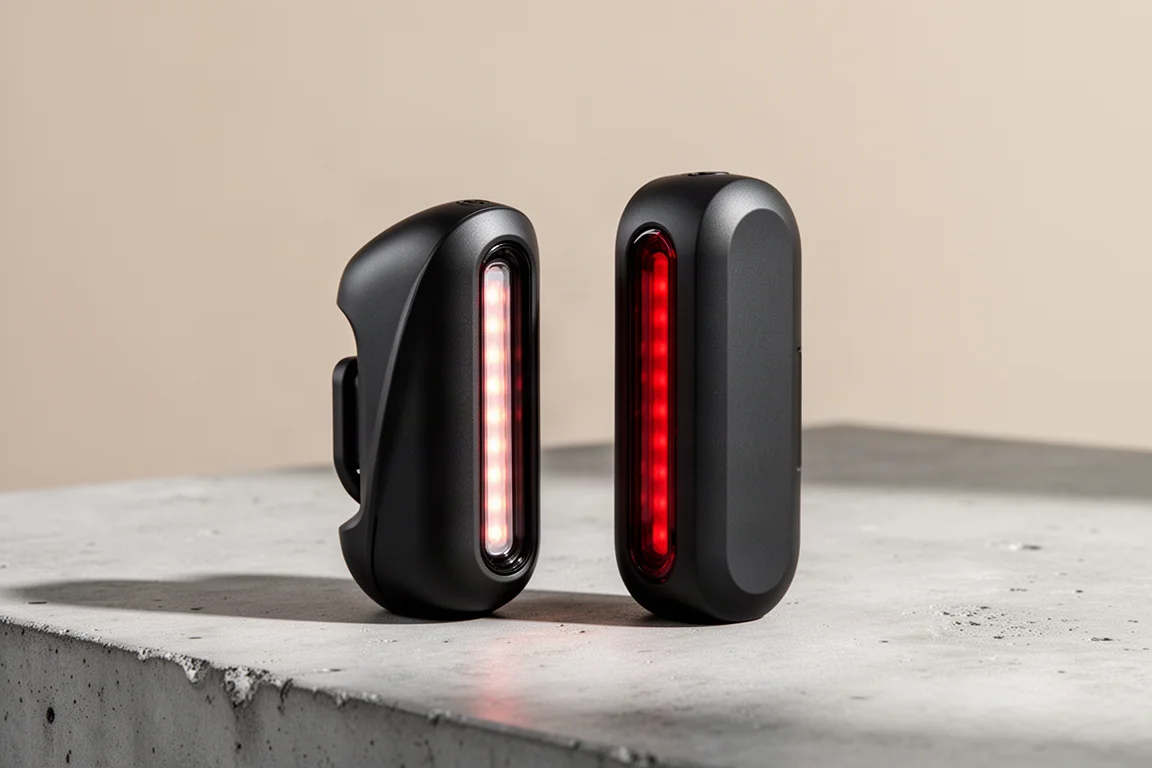
Cycling radar has quietly become one of the most useful safety upgrades a road or gravel rider can add. Until recently, Garmin was essentially the only name in the category with devices like the Varia RTL515, which is why the arrival of the Bright Guardia R300L is notable: a full radar-and-taillight unit with a feature list that reads a lot like Garmin’s, at a price of $129 that undercuts the Varia’s normal pricing.
The question is whether the cheaper option holds up where it matters most, namely detection accuracy and consistency. After spending time with both units, the answer is nuanced, and this comparison breaks down where each one shines.
What a Cycling Radar Actually Does
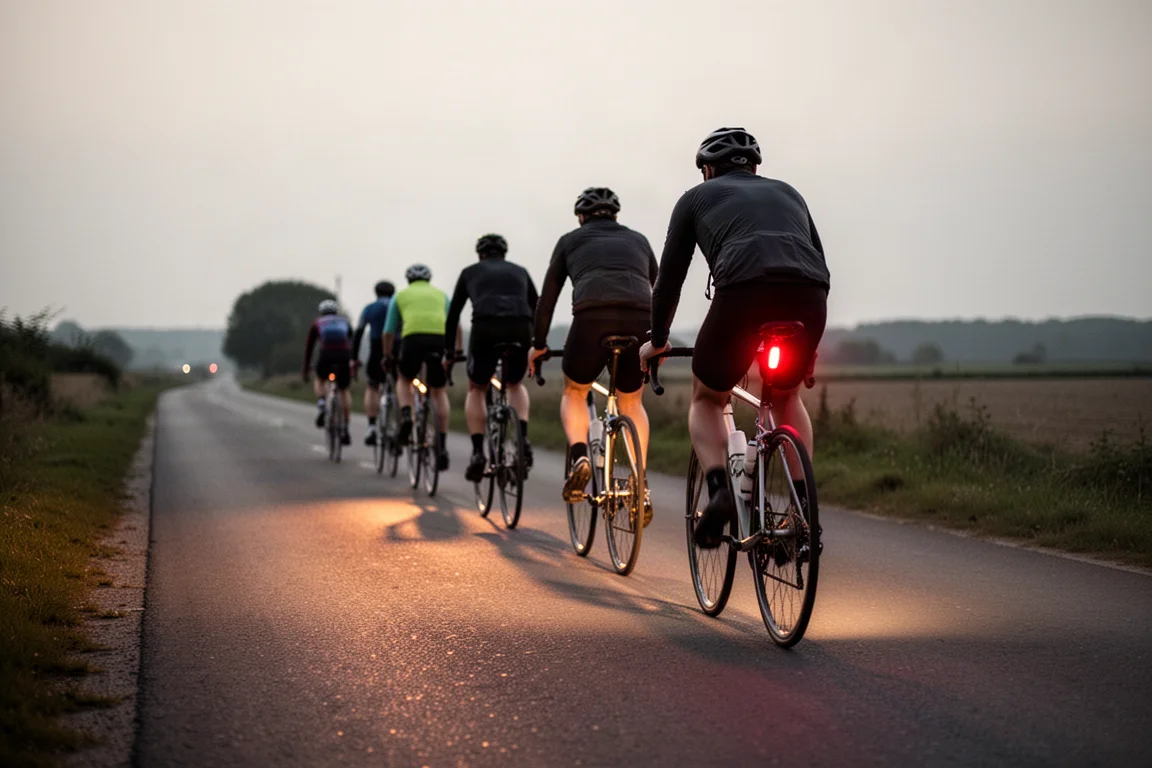
These devices mount on the back of your seatpost and detect vehicles approaching from behind. They alert you not only to a vehicle’s presence but also to its proximity and general approach speed. If you already ride with your ears open, the value may sound marginal, but cars can close in quickly, and the extra seconds of warning give you time to move over or prepare.
There is also the growing reality of near-silent electric vehicles, where tire noise is often the only audible cue. Paired with a compatible bike computer or smartwatch, a radar gives you audible and visual alerts that add a genuine layer of awareness. The integrated taillights are smart too: they change their light pattern when a vehicle is detected to make you more visible to the driver behind you.
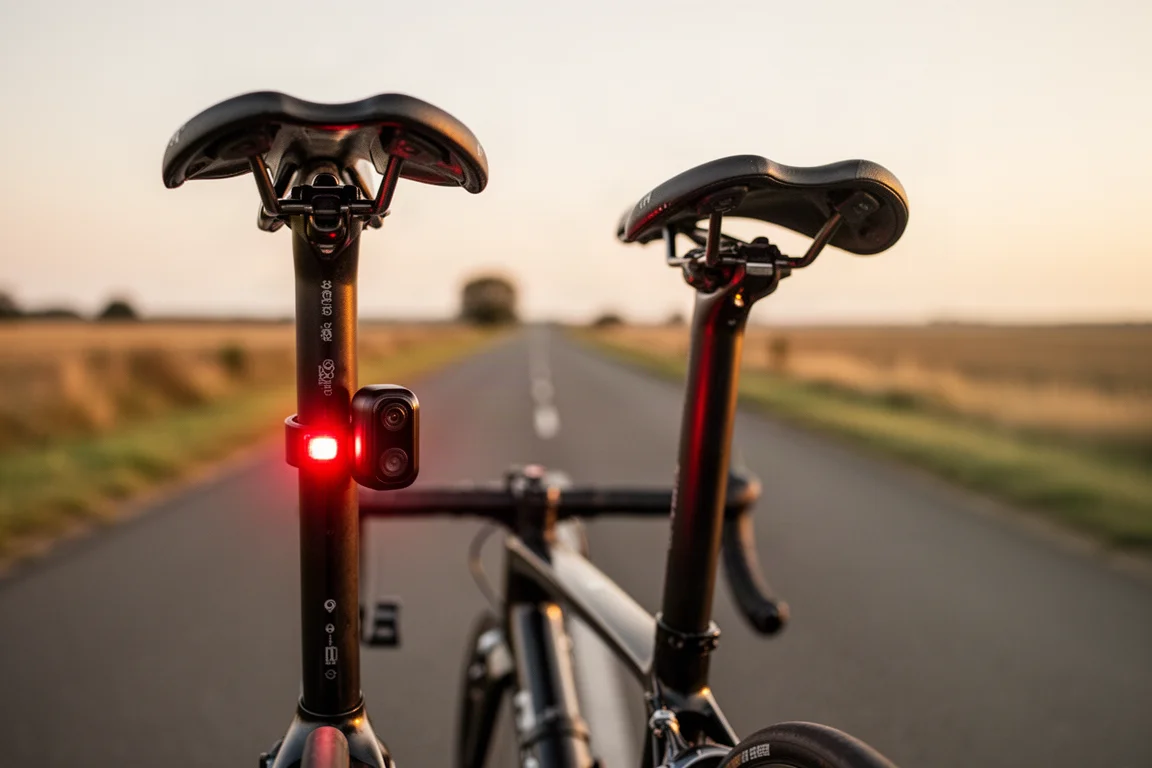
None of this replaces common sense or your own visual checks, but for riders who spend real time on open roads, it is the kind of feature that becomes hard to ride without.
Bright Guardia R300L: Features and Design
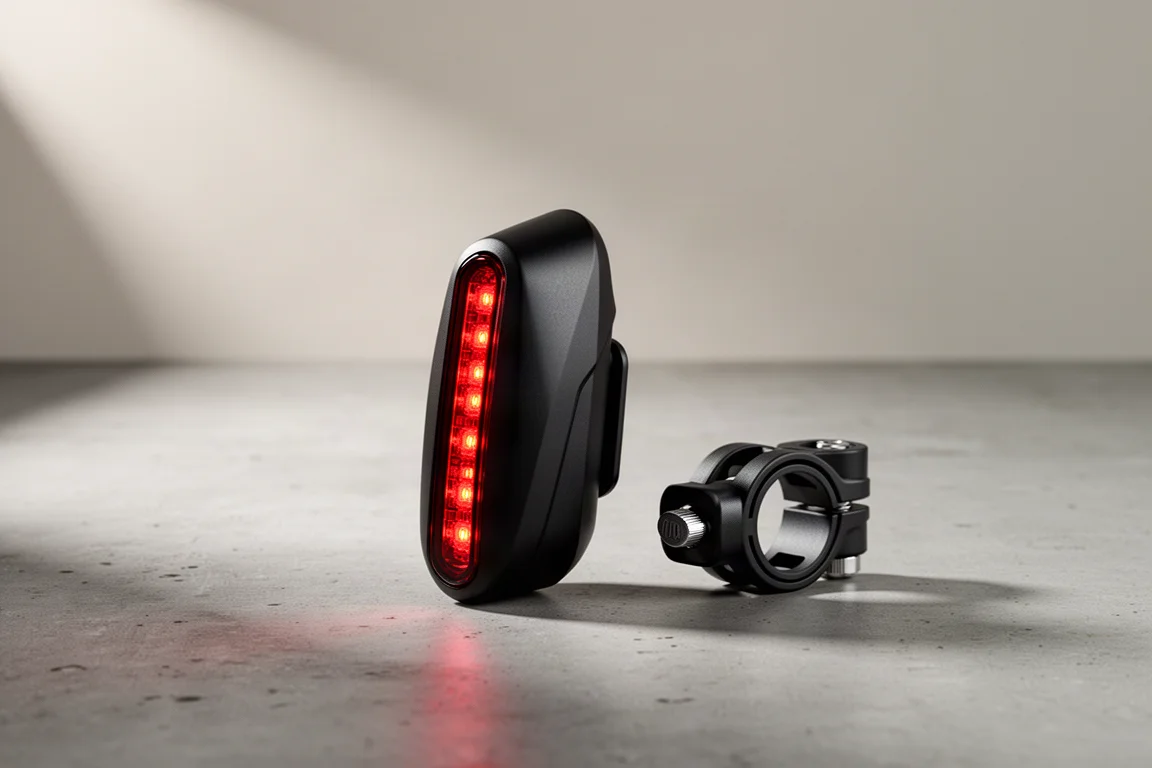
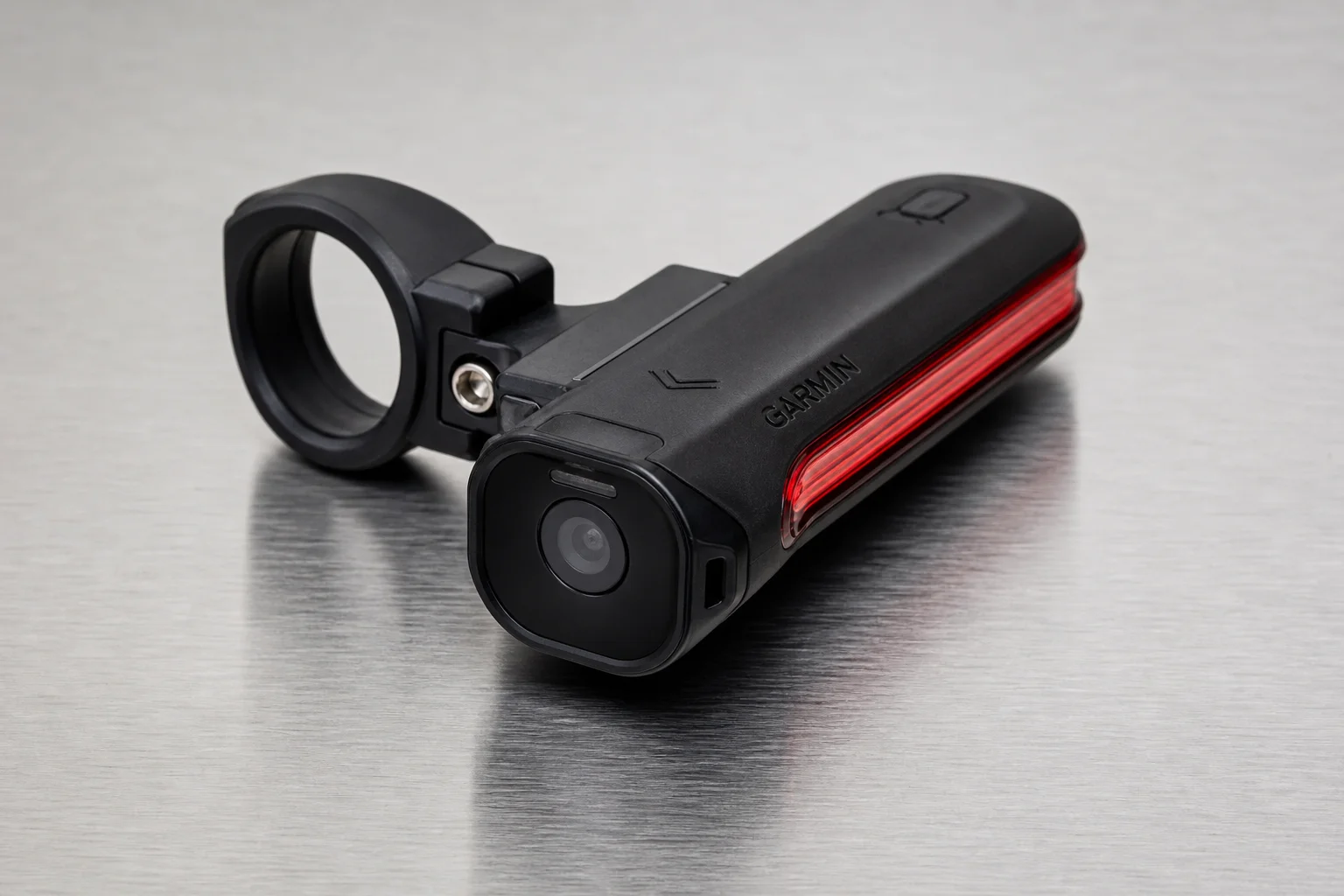
The R300L is an all-in-one taillight and radar that mounts on the seatpost, with interchangeable inserts for round, aero, square-back, and D-shaped posts. The mount uses a quarter-turn style attachment system: rotate 90 degrees and it locks into place. Both the mount and the attachment feel secure in use.
The unit measures 97mm tall, 40mm wide, and 20.9mm deep, which is very close to the Garmin Varia RTL515 in both dimensions and weight, with both units sitting at around 70 grams. It carries an IPX7 water resistance rating, so rain is not a concern.
Pairing, Alerts and the Companion App
The R300L pairs using the Varia ANT+ standard, which means it works with essentially any bike computer or smartwatch that supports that protocol. It connected simultaneously to a Wahoo ELEMNT ROAM V2, a Garmin Edge 1040, a Hammerhead Karoo 2, and a Garmin Fenix 965, since ANT+ allows unlimited sensor pairings. On a compatible display you get a color-coded indicator: green for no vehicles detected, orange or yellow for vehicles approaching at moderate speed, and red for fast-approaching traffic, along with distinct audible tones for each status. If you ride without a head unit, the Guardia app pairs over Bluetooth for alerts on your phone.
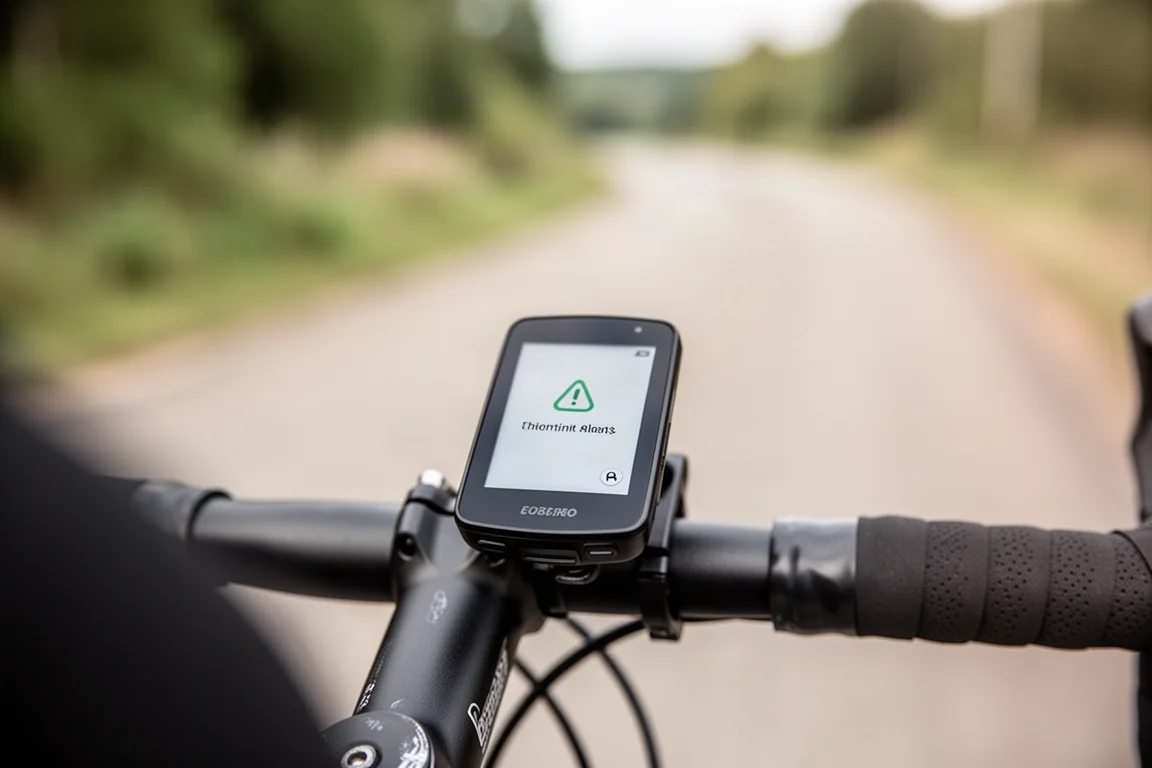
The app is also where you apply firmware updates and change settings. Light modes include high solid (the brightest constant beam), low solid, and a group ride mode that gradually dims and brightens so you are not blinding riders behind you. There are day flash and night flash battery saver modes, and you can switch the light off entirely while keeping the radar active.
One caveat worth knowing: the app’s in-ride display did not always mirror what the bike computer showed, with a delay or inaccurate traffic representation at times. The bike computer generally reflected reality more faithfully, so the app is worth keeping for updates and settings rather than as your primary alert screen.
How Accurate Is the Radar?
Bright Guardia claims vehicle detection from about 190 meters away, roughly 207 yards or a little over a tenth of a mile. In practice, the R300L always detected the first vehicle approaching: there were no complete misses on a single car or the lead car in a group.
Where it struggled was differentiating vehicles within a group. The lead car registered promptly at the detection threshold, but following vehicles often only appeared after the first car had passed. There were also moments where the proximity alert arrived late, with the vehicle already quite close before the warning came through, rather than at the claimed 190-meter mark.
On the positive side, relative speed indications were consistent, with red reliably indicating faster-approaching vehicles and orange slower ones, and no false positives were experienced during testing with no vehicles present. Cross-checking with a Varia RTL515 on a second head unit confirmed the difference was in the radar itself, not the display: the Varia was noticeably more consistent with both proximity and group differentiation.
Battery Life and Charging
Bright Guardia claims up to 8 hours in high solid mode, up to 12 hours in low solid, up to 11 hours in group ride mode, and up to 17 hours in the day flash or night flash battery saver modes. With the light switched off and only the radar running, the claim is up to 24 hours.
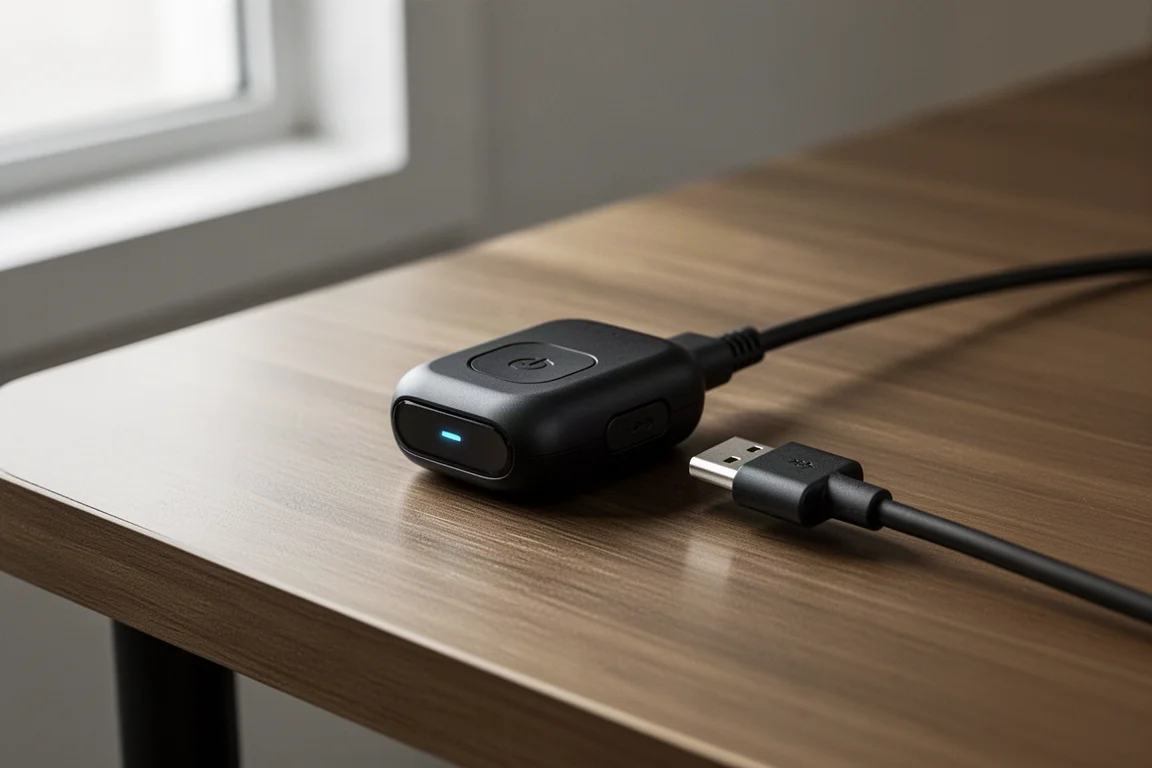
The unit charges over USB-C, and the included cable has a right-angle connector, a small but genuinely useful touch. An LED indicator on the bottom of the unit estimates remaining battery: slow flashing green means at least 50 percent, slow flashing yellow covers roughly 15 to 49 percent, and slow flashing red means below 15 percent, at which point the light automatically dims to a lower brightness so you can limp home without going dark. There is also a sleep mode that kicks in after about 10 minutes of no motion and wakes automatically when movement is detected.
Which One Should You Buy?
The R300L packs a lot of features for $129, a price that sits well below the Varia RTL515’s normal cost, and for many riders that gap alone will make the decision. It has solid mounting options, broad ANT+ compatibility, a useful group ride mode, thoughtful battery management, and no outright detection failures in use.
The trade-off is consistency. Garmin’s radar remains more reliable in how quickly and accurately it reports vehicle proximity and separates cars in a group, and it has long been the benchmark the rest of the category is measured against. If maximum detection confidence is your priority, the Varia is still the safer bet. If you want radar awareness on a budget and can accept occasional late or imprecise proximity alerts, the R300L delivers genuine value, with the hope that firmware updates tighten up the gaps.
Conclusion
The Bright Guardia R300L is a promising first entry into a market Garmin has had largely to itself. It is lighter on the wallet, generous with features, and always catches the first vehicle behind you. It simply is not yet as consistent as the Garmin Varia RTL515 when it comes to proximity accuracy and grouping. Riders who need the most trustworthy alerts should stick with Garmin; riders watching their budget get a genuinely usable radar taillight experience for considerably less.
Further reading
Related Reviews
Cycling Safety
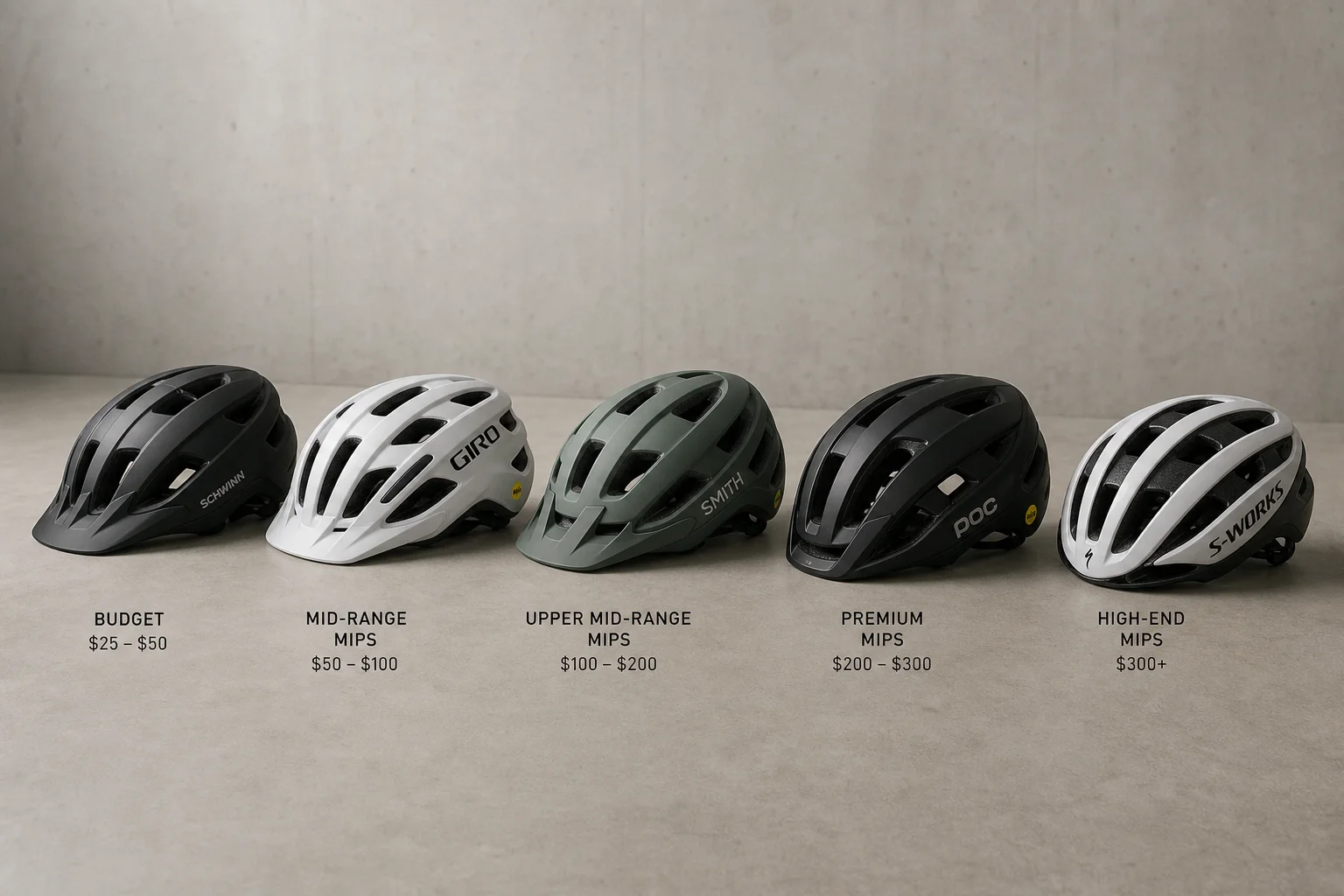
Best Bike Helmets by Safety Rating: What Virginia Tech Testing Reveals
Five helmets tested and ranked by Virginia Tech's independent safety lab, from budget options to premium models. Real safety data beats brand names.
Cycling Safety
Best Bike Helmets: What Virginia Tech Safety Testing Reveals
A deep dive into helmet safety ratings from Virginia Tech's independent testing lab, revealing which helmets offer genuine protection and which price points deliver real value.
Cycling Safety
Best Road Bike Helmets 2026: Five Options for Different Priorities
Five road bike helmets tested and ranked by budget, value, comfort, weight, and overall performance. Find the right fit for your riding style.