Kitchen Appliances
Breville Smart Oven Review: The Toaster Oven Worth the Counter Space
A countertop oven that aced toast, baking, and roasting tests with responsive quartz elements and clearly labeled controls.
Introduction
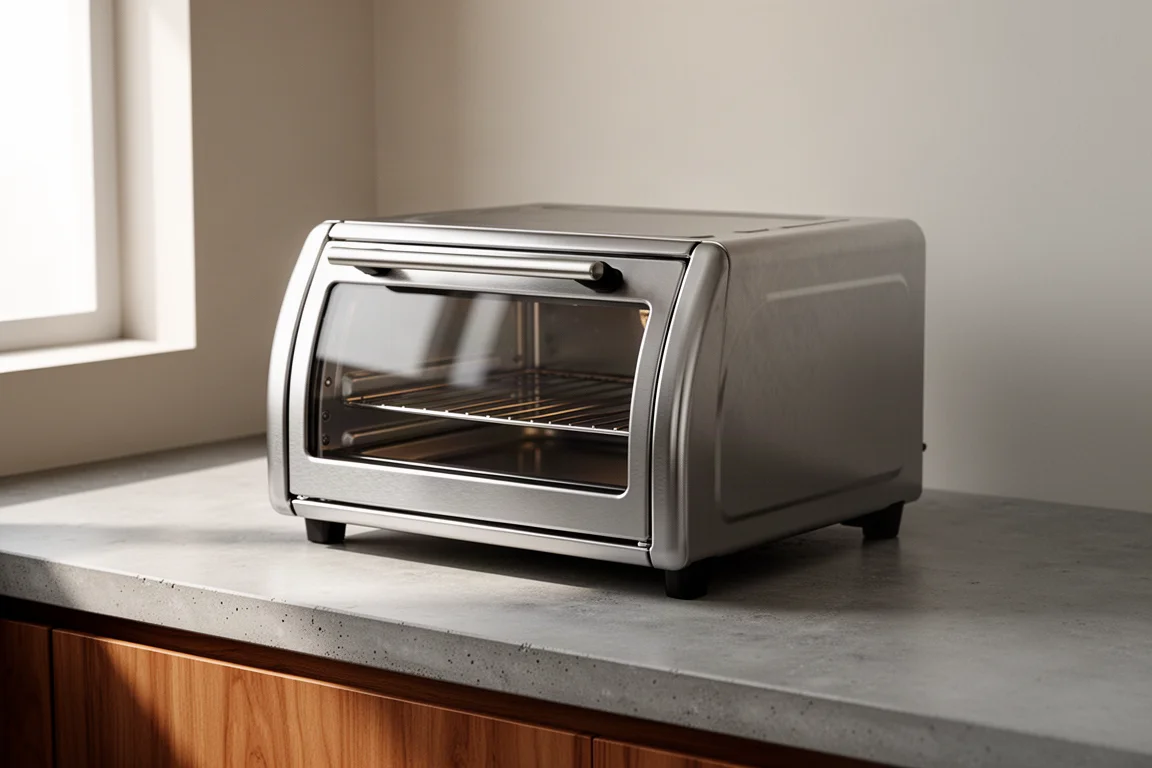
A countertop oven takes up serious kitchen real estate, so it needs to earn its footprint. In a recent comparison of eight toaster ovens priced from $43 to $270, one model stood out as a repeat winner: the Breville Smart Oven, purchased for around $250.
The testing size was chosen deliberately: big enough for six slices of toast or a four-pound chicken. That is the sweet spot for a versatile second oven, and it is where this category either proves itself or falls apart.
Toast Testing: Evenness and Accuracy
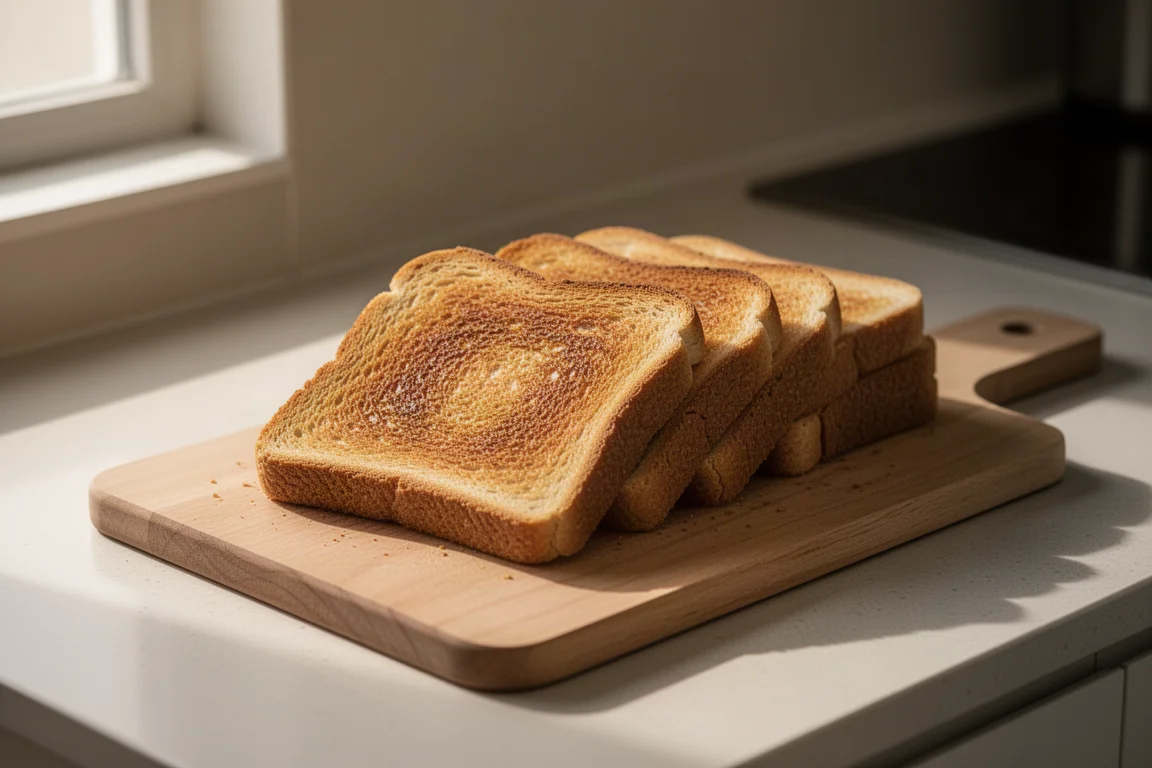
The toast tests came first. Testers made batches of a single slice, four slices, and six slices of white sandwich bread, looking for even browning across every slice and browning that matched the selected setting.
Some ovens struggled badly. One model on its high setting ran for eight or nine minutes and turned bread into charcoal. It also offered only three toast settings, while better ovens offered as many as seven, which made dialing in the right level much easier.
Temperature Accuracy Matters
Baking, broiling, melting cheese on tuna melts, and frozen pizzas rounded out the cooking tests. Some ovens took far longer than recipes specified, so testers wired them with thermocouples and tracked temperature over two hours at 350 degrees.
Every oven cycles its elements on and off to hold an average temperature, so some fluctuation is normal. The best units stayed within a degree or two of the set point and cooked recipes on schedule. The worst drifted as much as 60 degrees below the setting and took up to 30% longer than recipes called for, enough to derail a recipe entirely.
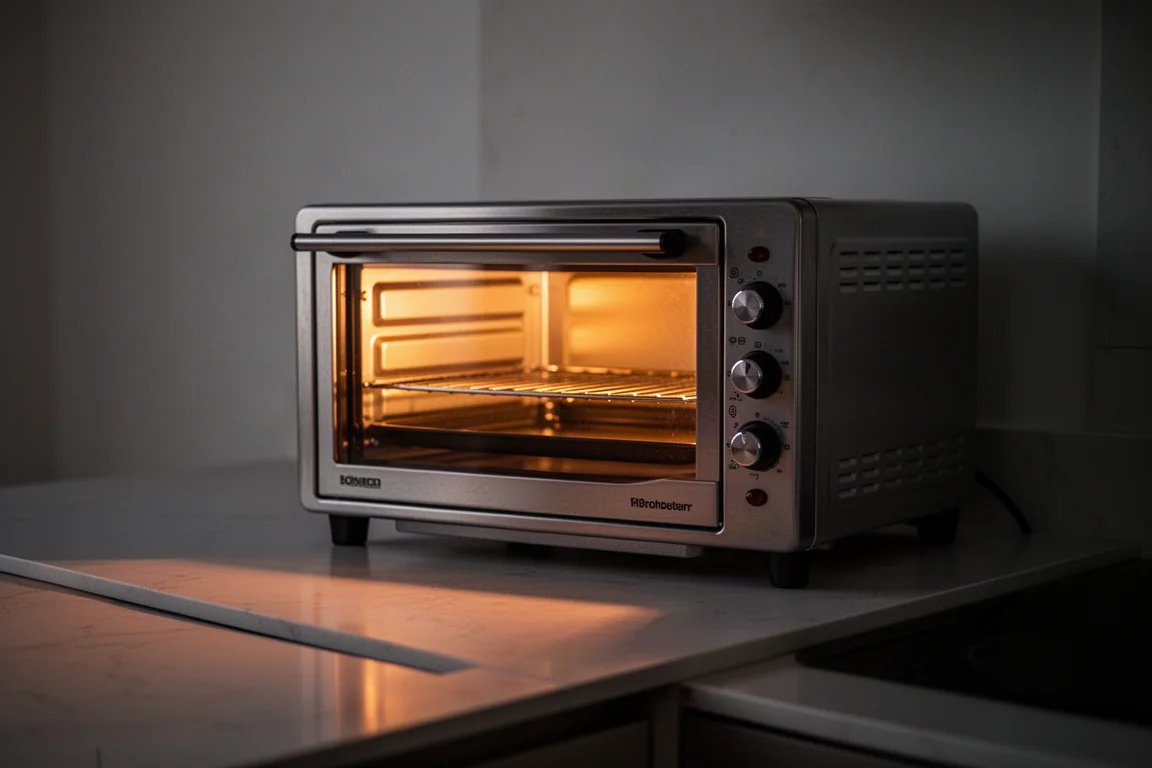
Heating element type explained much of the difference. Many ovens use nichrome elements, a nickel and chromium alloy. The better performers used quartz elements, which heat up and cool down faster, making them more responsive and more consistent at holding temperature.
Capacity and Roasting Performance
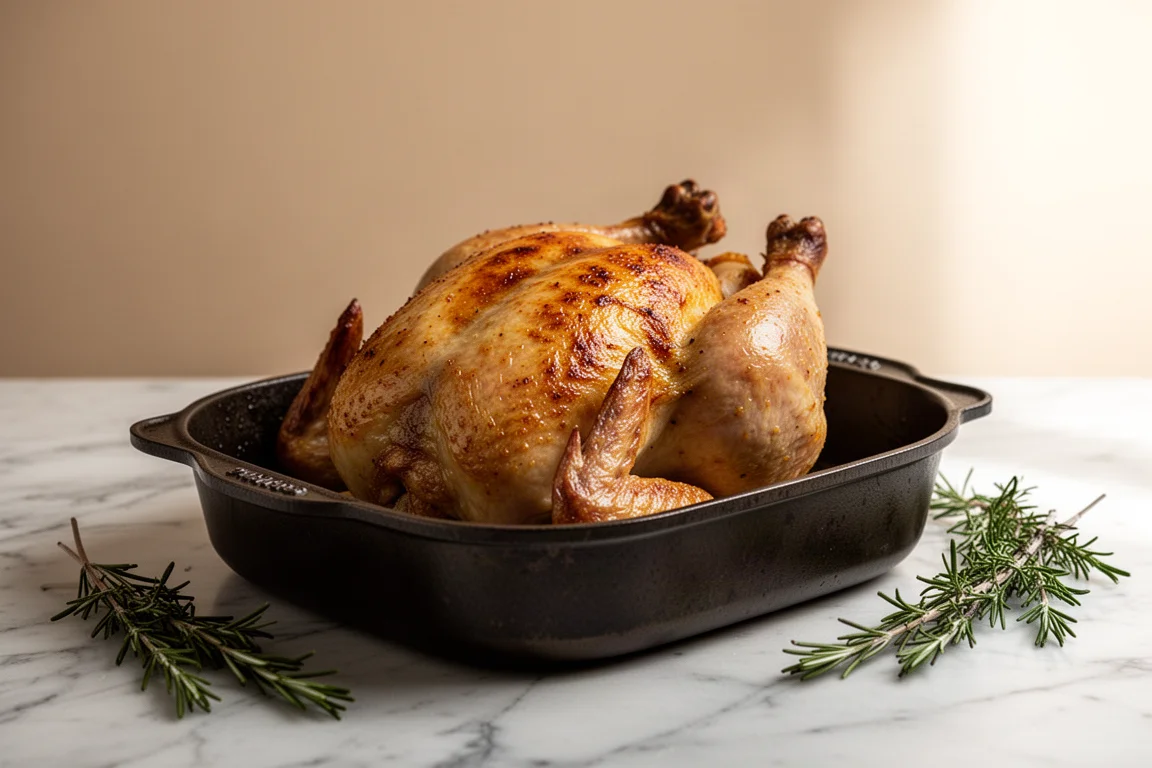
The four-pound chicken roast was the extreme test. It showed that when there is not enough headroom above the bird for air to circulate, the skin simply does not brown. Capacity tests also checked whether each oven could accommodate a 13x9 baking pan and a quarter sheet pan.
Controls That Make Sense
Controls varied widely. One oven replaced clearly labeled buttons with squiggly symbols that testers compared to hieroglyphics. Others offered plainly labeled modes such as bake and broil, intuitive and easy to set.
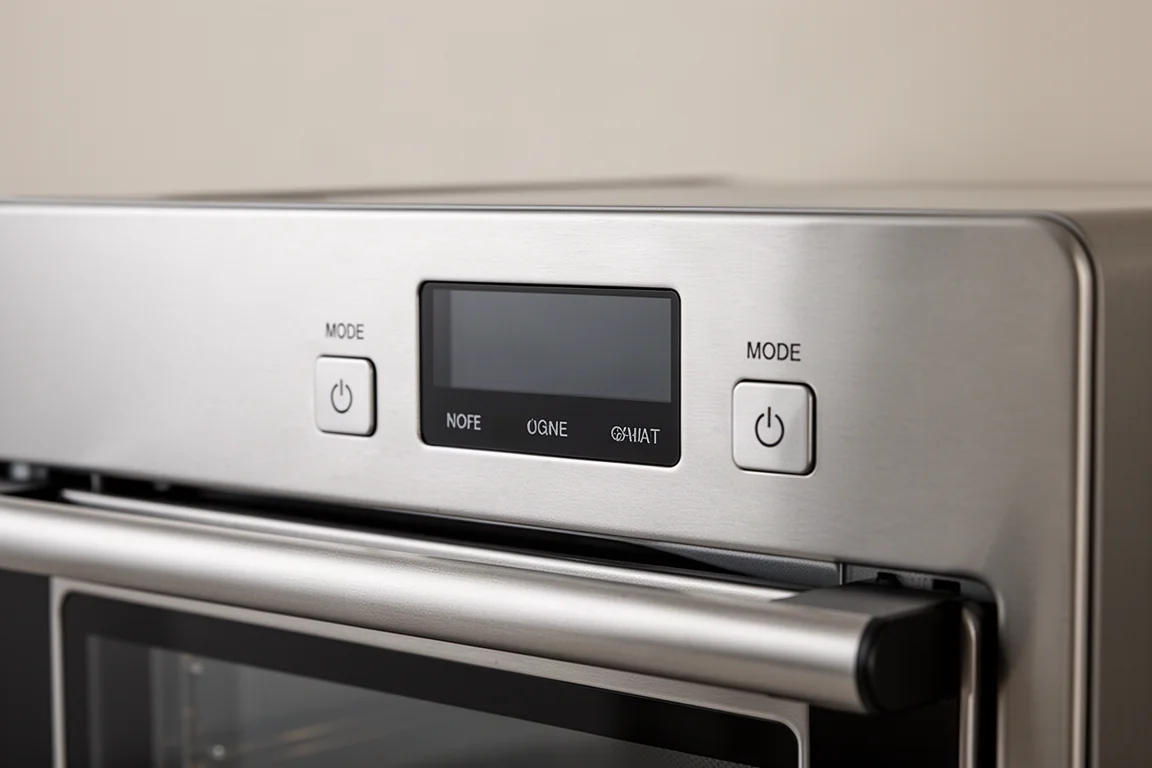
The Breville Smart Oven fell firmly in the second camp. Its clear controls are part of why it won the comparison, and why it has done so before.
Buying Advice
If you have the counter space, a well-built countertop oven is genuinely worth having, and the Smart Oven is the pick to beat. Its quartz elements deliver responsive, consistent temperature, which translates into even toasting, baking that finishes on time, and roasting with properly browned results.
Before buying, check your available clearance for larger jobs like a whole chicken, since headroom matters for browning. At around $250, it sits at the upper end of the category, but it is the model that repeatedly earns the top spot.
Conclusion
The Breville Smart Oven combines responsive quartz heating, accurate temperature control, generous capacity, and refreshingly clear controls. Among the toaster ovens tested, it is the one most worth the space it occupies.
Product link
View more details for Breville Smart Oven
This product is mentioned in the review. Check the specifications, options, and compatibility before buying.
View more details for Breville Smart OvenFurther reading
Related Reviews
Kitchen Appliances
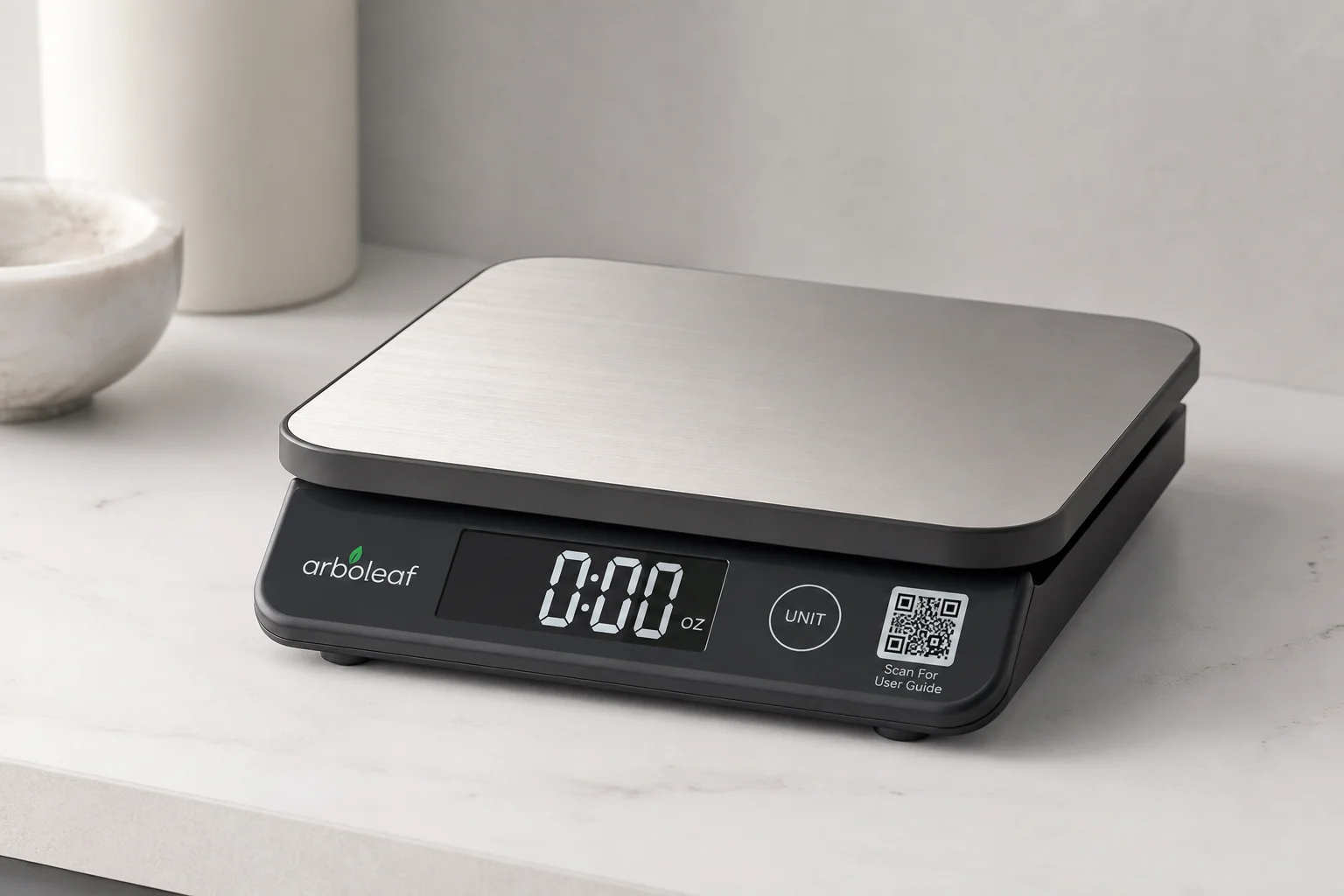
Arboleaf Smart Kitchen Scale Review: Connected Cooking Made Simple
A Bluetooth-enabled kitchen scale that syncs with a nutrition-tracking app, offering real-time weight monitoring and recipe guidance for home cooks.
Kitchen Appliances
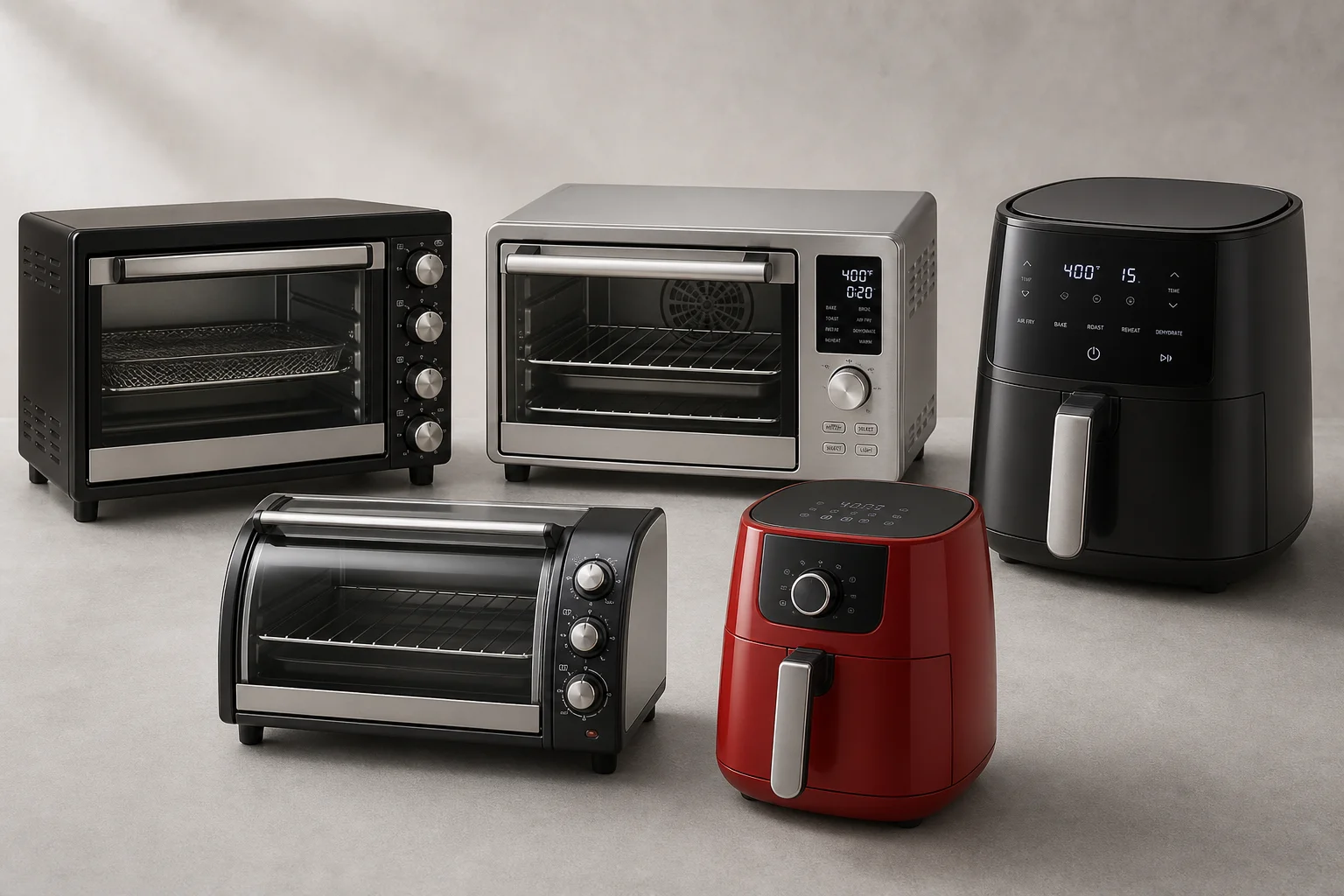
Best Air Fryer Toaster Ovens Under 100: Five Practical Options for Budget-Conscious Kitchens
Five air fryer and toaster oven combinations that deliver real cooking performance without breaking the bank, each with distinct strengths for different kitchen needs.
Kitchen Appliances
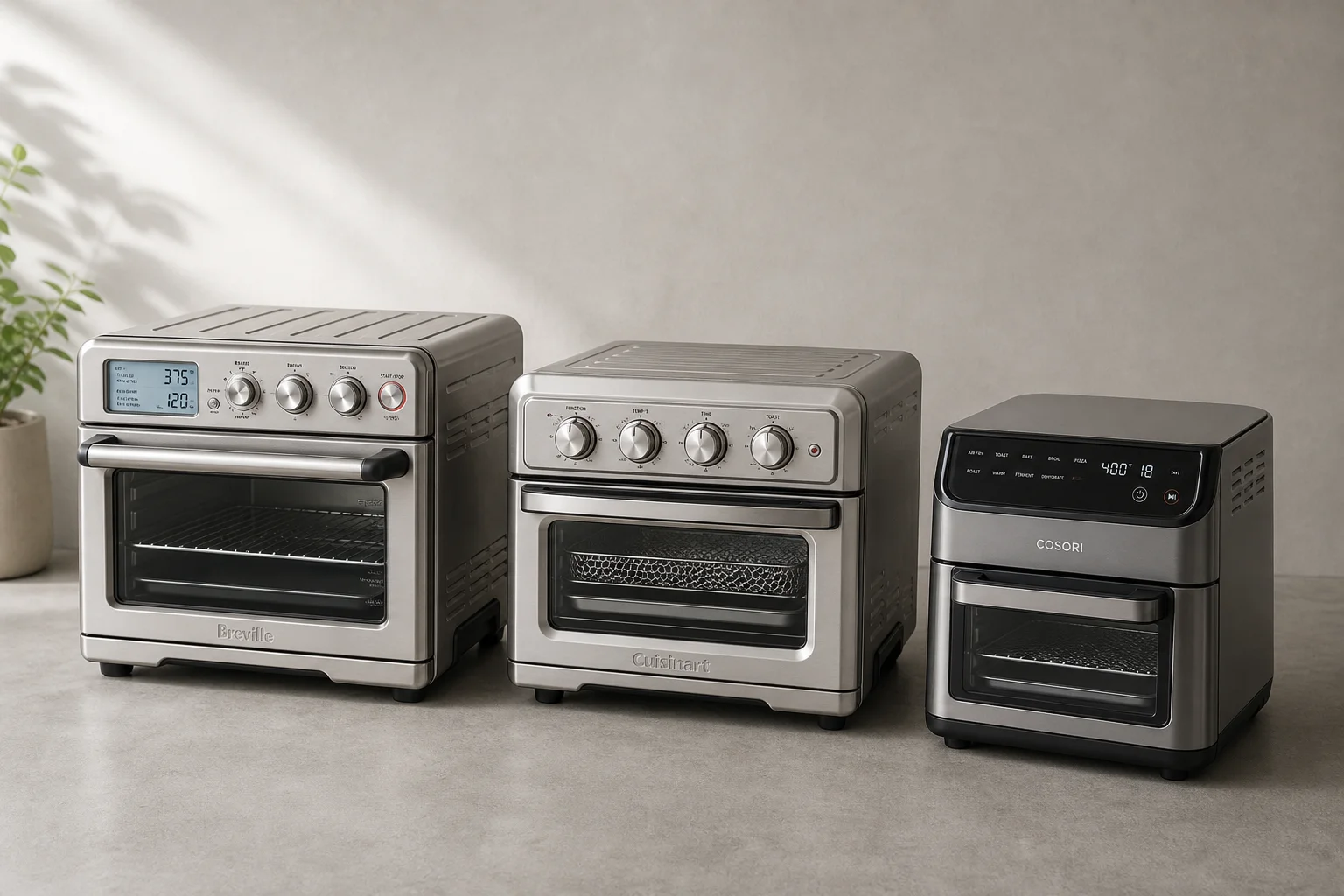
Best Air Fryer Toaster Ovens: Three Top Picks for Multi-Function Cooking
Three high-performing air fryer toaster ovens tested for versatility, ease of use, and real-world cooking results. Find the right fit for your kitchen.