Camping Gear
BougeRV Rocky 40 Review: A Dual-Zone 12V Fridge for Car Camping
A practical look at the BougeRV Rocky 40 dual-zone 12V fridge, covering its cooling performance, battery and solar options, and who should choose one over a cooler.
Introduction
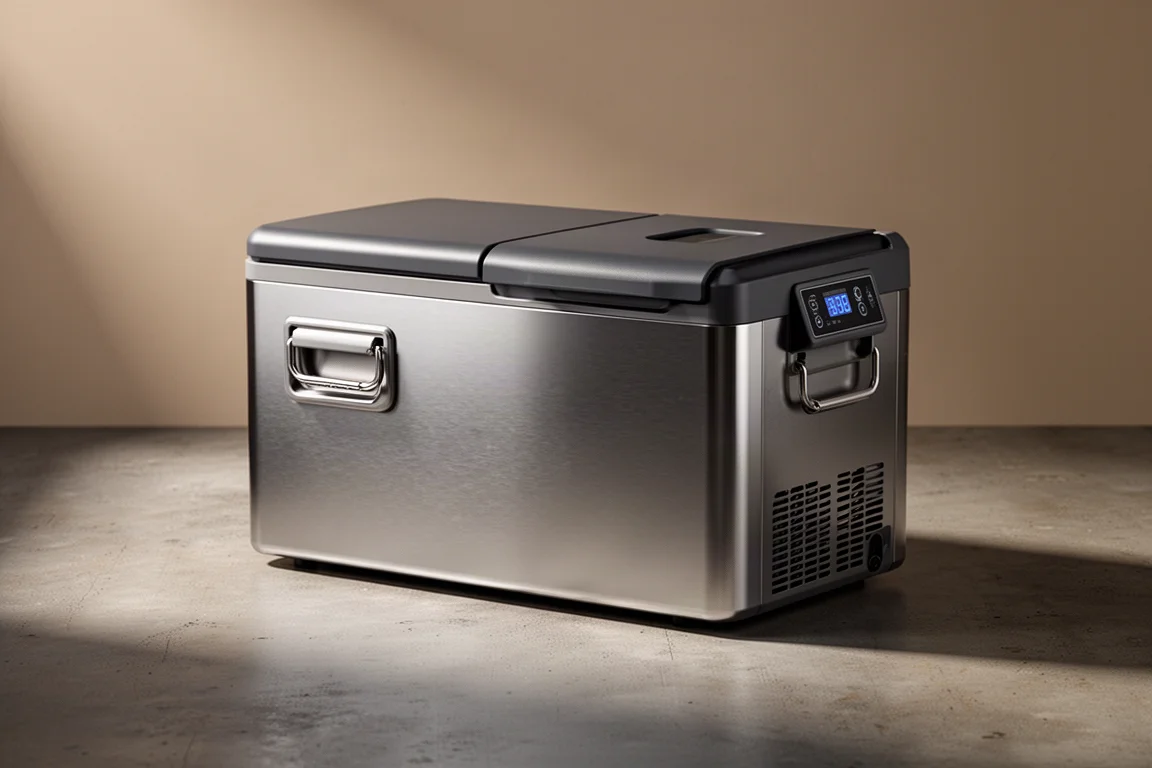
A 12 volt fridge changes the way a camping trip runs. Instead of buying ice, draining meltwater and hoping the cooler holds its temperature, a compressor fridge keeps food at a set temperature for as long as it has power. The BougeRV Rocky 40 is a dual-zone fridge and freezer combo with a 41 quart capacity, a stainless steel body and an optional battery pack that lets it run without being tied to a vehicle outlet or a power station.
It is the smallest model in the Rocky series, priced at $549, with the battery pack sold separately. This review covers what the Rocky 40 does well, where it asks more of you than a cooler would, and who should consider it.
Who the Rocky 40 Is For
The Rocky 40 measures roughly 28 inches long, 18 inches wide and 16 inches tall, which makes it a good fit for small SUVs, small trucks and tight cargo areas. The 41 quart capacity comfortably covered a family of five across five days of continuous use on a car camping trip, with the freezer holding items a cooler simply cannot manage.
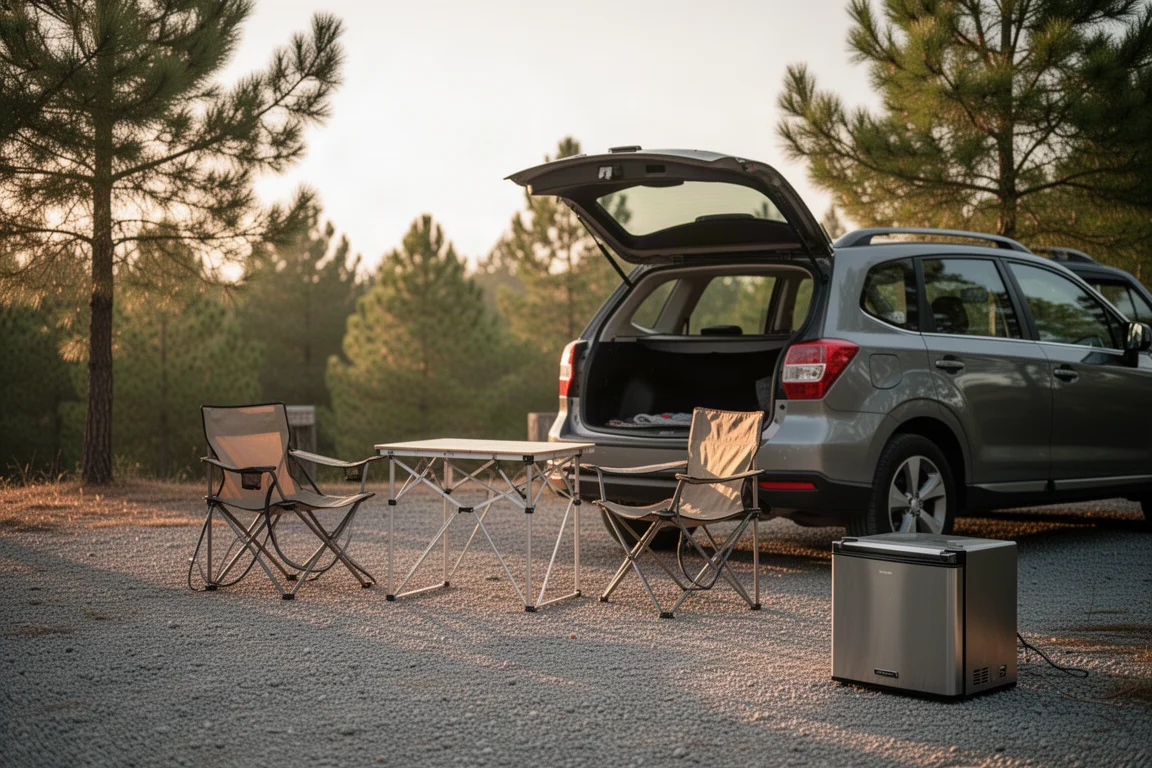
It suits campers who already travel with a power station, or who are willing to add one. It also makes sense for anyone who camps often enough that the cost of ice, and the hassle of managing it, starts to add up over a season. Where it fits less well is on trips built around moving camp every day, or on short weekend outings where a simple cooler already does everything you need.
Dual-Zone Cooling and Consistent Temperature
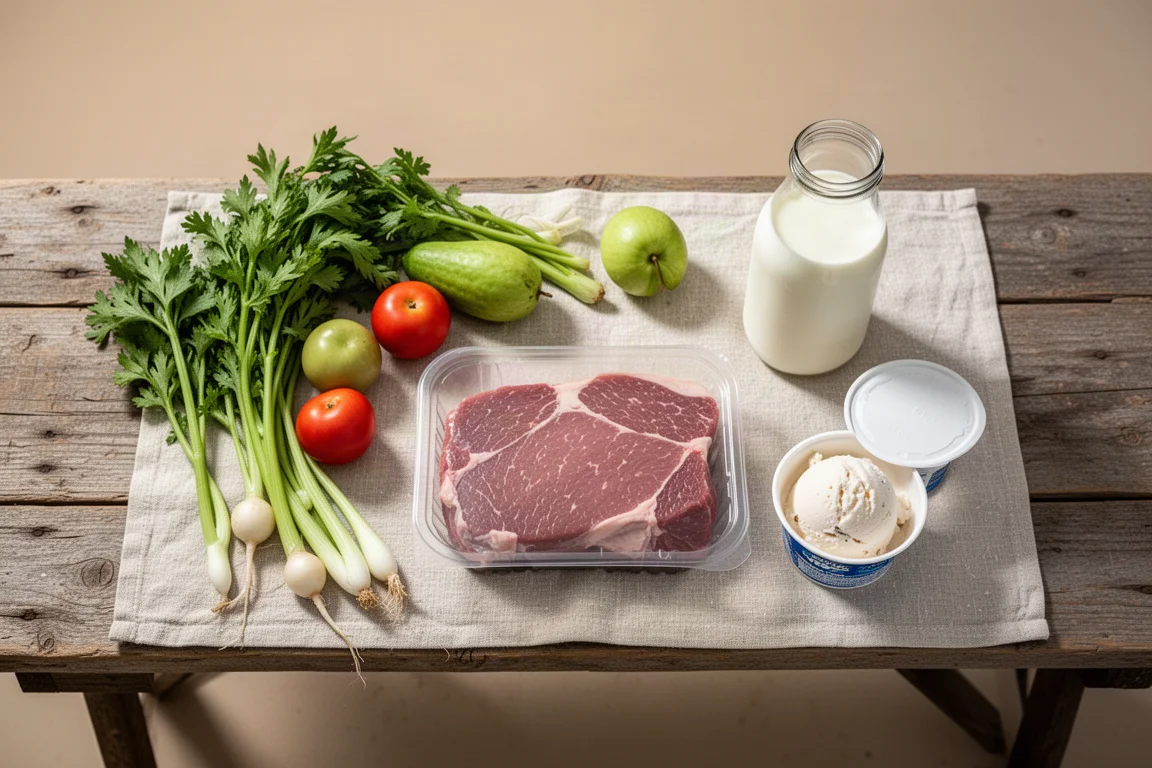
The Rocky 40 includes a divider that splits the interior into two compartments. With the divider in place, one side runs as a freezer at 4°F and the other as a fridge at 28°F, so frozen food and everyday chilled items can travel together. The compressor runs only when needed, brings the interior back to the set temperature and then shuts off, which keeps conditions consistent whether the lid was just opened or the fridge has been sitting closed for hours.
That consistency is the real difference from an ice cooler. Cold air stays where it belongs, food is not sitting in meltwater, and nothing needs to be re-iced partway through a trip. For anyone carrying meat or other items that depend on steady refrigeration, that is a meaningful gain in both safety and convenience.
Removing the divider turns the whole compartment into either a single fridge or a single freezer, which adds flexibility on trips that only need one temperature.
Power Options: Battery Backup and Solar Input
Running a compressor fridge means planning for power. The Rocky 40 can draw from a vehicle’s 12 volt outlet or from a power station, and an optional 173Wh battery pack plugs directly into the side of the unit. That pack keeps the fridge running for roughly five hours on its own, a genuine advantage for anyone who wants to move the fridge away from the car or is parked somewhere without a live outlet.
The battery also includes a solar input that accepts up to 100 watts, so a panel can top the pack up while the fridge is in use. That combination adds real portability without adding much bulk to the unit.
Efficiency is helped by two operating modes. Eco mode keeps the compressor drawing 45 watts or less while it runs, while Max mode pulls the interior down to temperature quickly before you switch back. Across a typical overnight window of around eight hours, the fridge used roughly 25 percent of a 1152Wh power station. Three levels of battery protection, low, medium and high, let you choose how far the fridge may draw down a battery before it shuts off, which helps protect a vehicle battery from being drained too far to start the engine.
Build Quality and Everyday Handling
The body is finished in stainless steel and has proven resistant to fingerprints, though it does pick up light scratches when gear is set on top of it. Three molded cutouts along the top give you a place to rest drinks, and the unit is sturdy enough to sit on. The lid can be removed and reattached to open from the opposite side, and it opens in the direction that leaves more room to reach inside.
The spring-loaded handles sit flush against the sides, so nothing protrudes into your cargo space, and a bottle opener is built into the body. The controls and display are straightforward, with temperature settings that are quick to adjust. The one area worth noting is the interior, which is plastic rather than metal.
Things to Consider Before Buying
A 12 volt fridge asks more of you than a cooler in a few specific ways.
- Power is constant. The fridge needs a live 12 volt source, and many vehicle outlets cut off once the engine is switched off, so a power station or the optional battery pack is often part of the real cost.
- The price gap is real. At $549 for the fridge and about $200 for the battery pack, plus a power station if you do not already own one, the upfront spend sits well above a cooler. A premium cooler in a comparable size often lands in the $250 to $300 range.
- There is more to fail. A cooler is insulation and plastic with latches and hinges. A fridge adds a compressor, controls and electronics, so more components can eventually need attention.
- It is heavier and less portable. Between the compressor, the body and the food inside, the Rocky 40 weighs more than an equivalent cooler, and moving it depends on having power available at the other end.
- The dual-zone layout is fixed. When running two temperatures, the side set colder has to be the freezer, and that is the larger of the two compartments. The fridge side is smaller than some users might prefer, and the two sides cannot be swapped.

None of these are dealbreakers on their own, but they do shape who the fridge suits. If your trips are mostly short, if you move camp constantly, or if you rarely carry food that needs strict refrigeration, a cooler remains the simpler answer. If you camp regularly and already run a power station, the trade-offs shrink considerably.
Buying Advice
The case for the Rocky 40 comes down to frequency and existing gear. Campers who already travel with a power station can add the fridge and start using it straight away, and the optional battery pack makes it useful even when a power station shuts down in cool weather because the compressor is cycling infrequently. That fail-safe behavior removes a common frustration with 12 volt fridges.
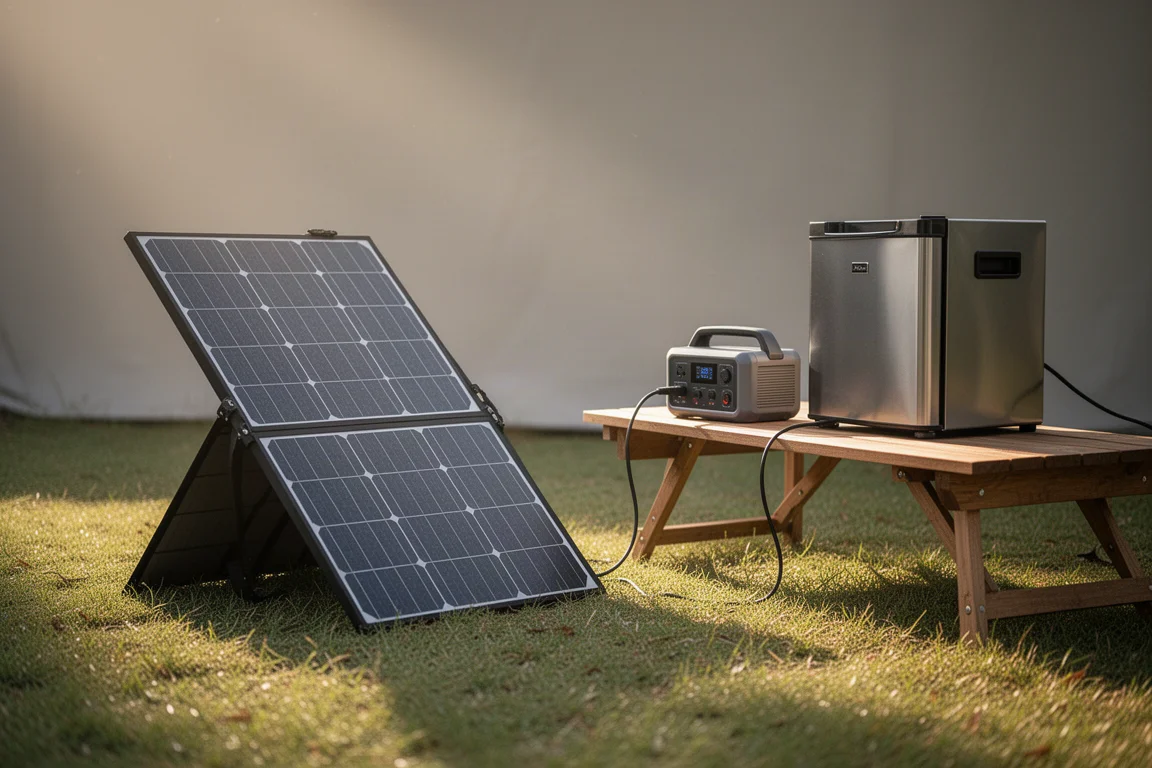
Over a full season, the cost of ice, the food that spoils when a cooler cannot hold temperature, and the extra space a larger cooler occupies all count against the cooler side of the ledger. For anyone camping often, those savings accumulate, and the Rocky 40 is efficient enough in Eco mode to run comfortably from a mid-sized power station. Add the battery pack if you want the fridge to work away from the vehicle or want a backup when your main power source drops out.
Conclusion
The BougeRV Rocky 40 delivers the core benefits of a 12 volt fridge in a compact, well-built package: no ice, consistent temperatures, dual-zone flexibility and a battery option that adds real independence. It is not the cheapest route to cold food and drinks, and it does require a power plan. For regular campers who value convenience and food safety, those requirements are easy to justify.
Product link
View more details for BougeRV Rocky 40
This product is mentioned in the review. Check the specifications, options, and compatibility before buying.
View more details for BougeRV Rocky 40Further reading
Related Reviews
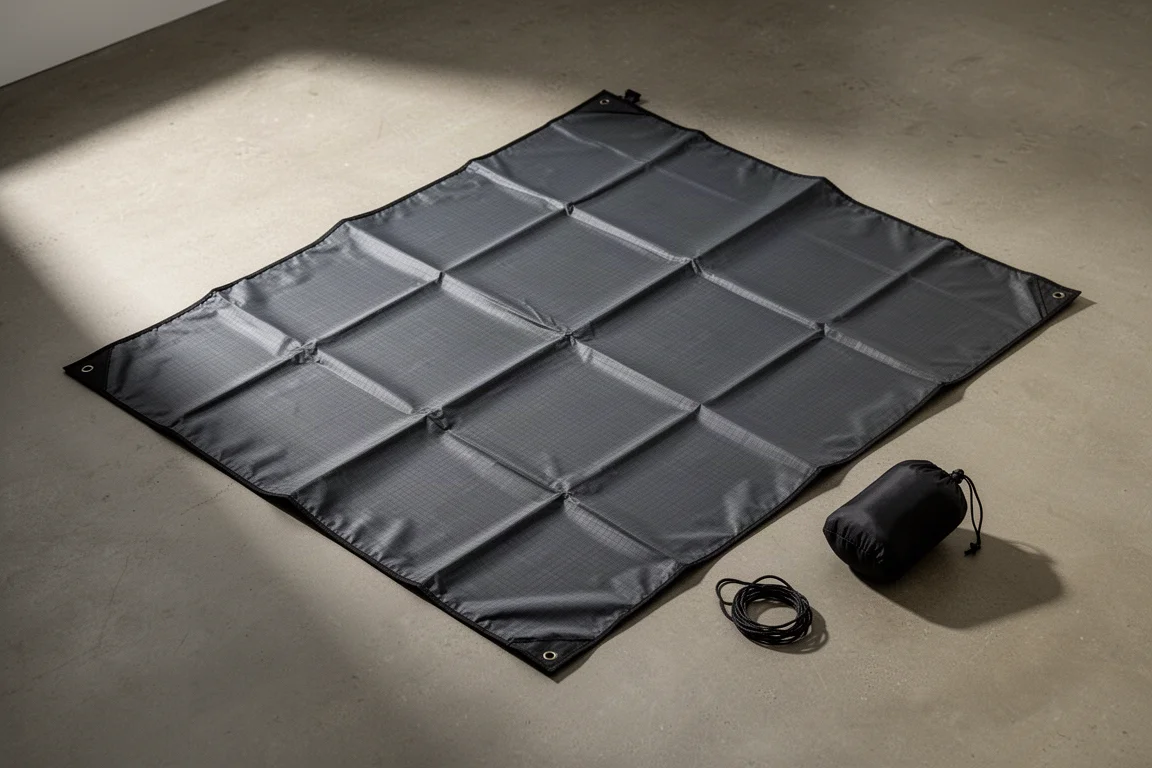
Camping Gear
3FUL Ultralight Ground Sheet Review: A Two-Person Footprint Worth Packing
A 6.7 oz two-person ground sheet in ripstop silnylon, priced around $30. Here is what it protects, what it does not do, and who should pack it.
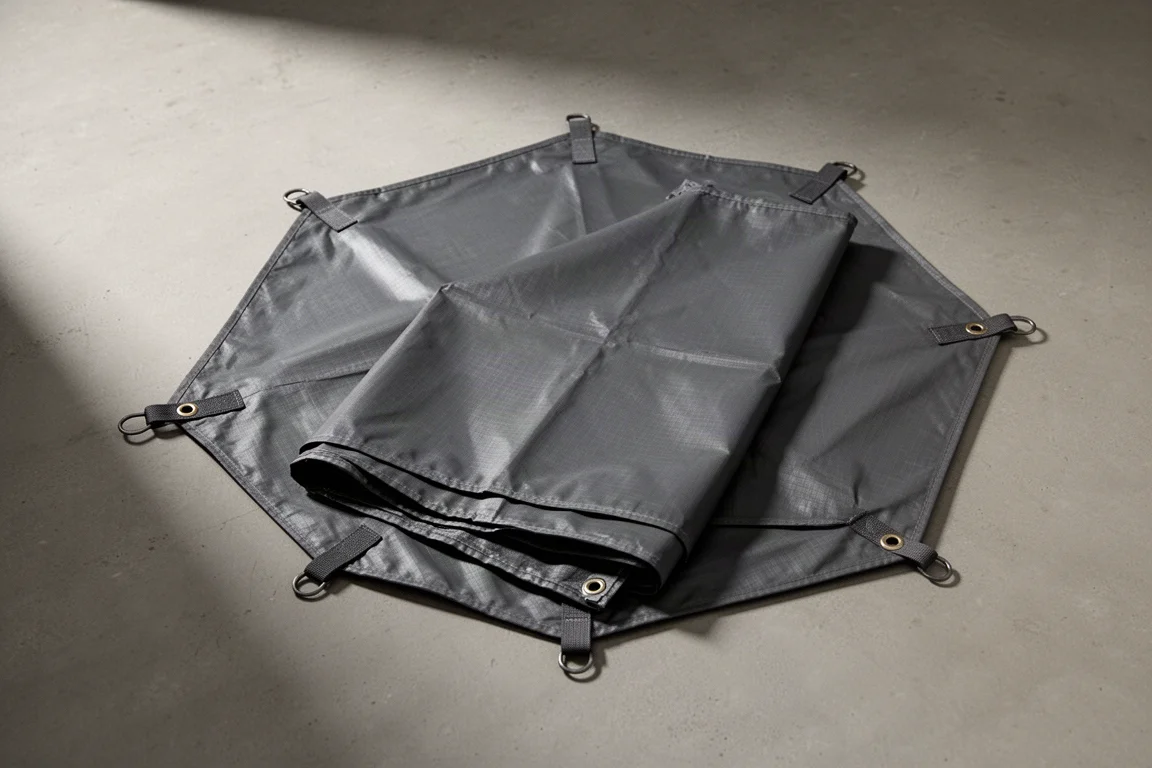
Camping Gear
Backcountry Light Dual-Function Tarp and Floor Review: A Footprint First
A dual-purpose tent floor and tarp that keeps falling rain off you, but cannot block wind. Here is where it works and where it does not.
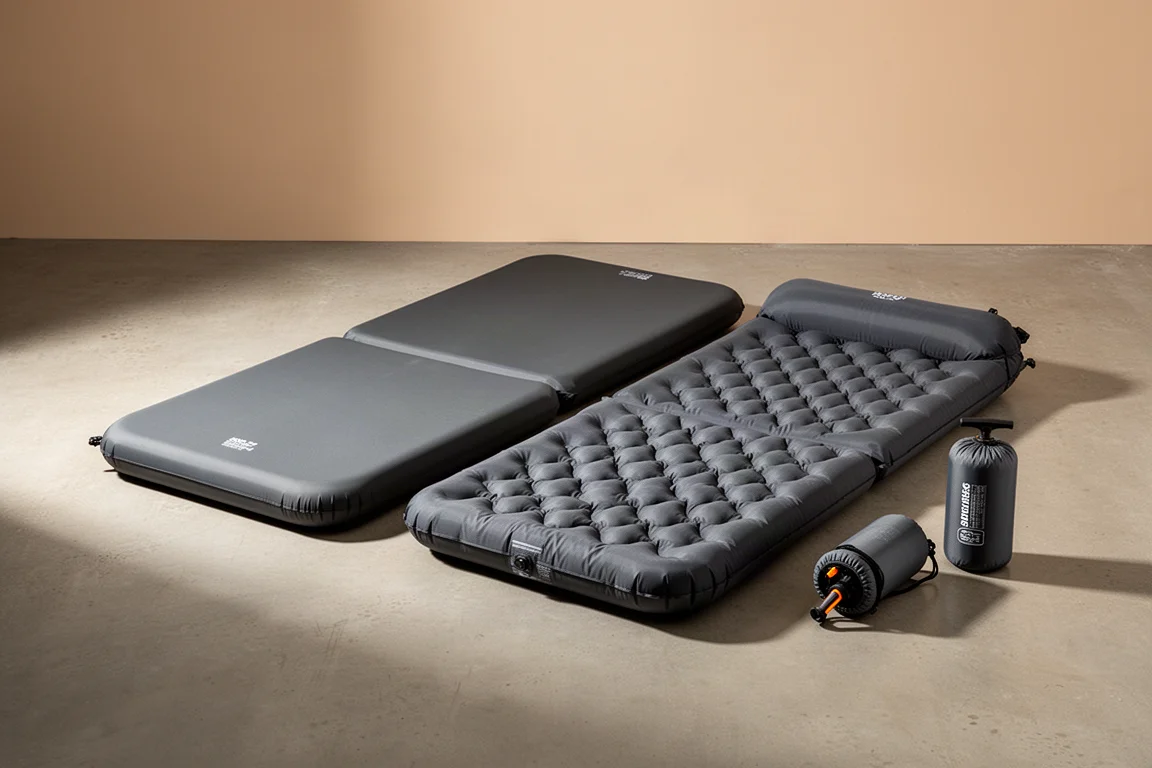
Camping Gear
Best 2-Person Camping Mattresses for Couples: 10 Options Compared
A practical comparison of ten two-person camping mattresses, covering self-inflating pads, air pads and air mattresses for couples.