Running Shoes
Best Plated Training Shoes: Adidas Boston 12 vs Saucony Endorphin Speed 4 and Speed 3
Three plated trainers compared on ride, fit, grip, and durability, with a clear pick for fast marathon work and a budget-friendly alternative.
Introduction
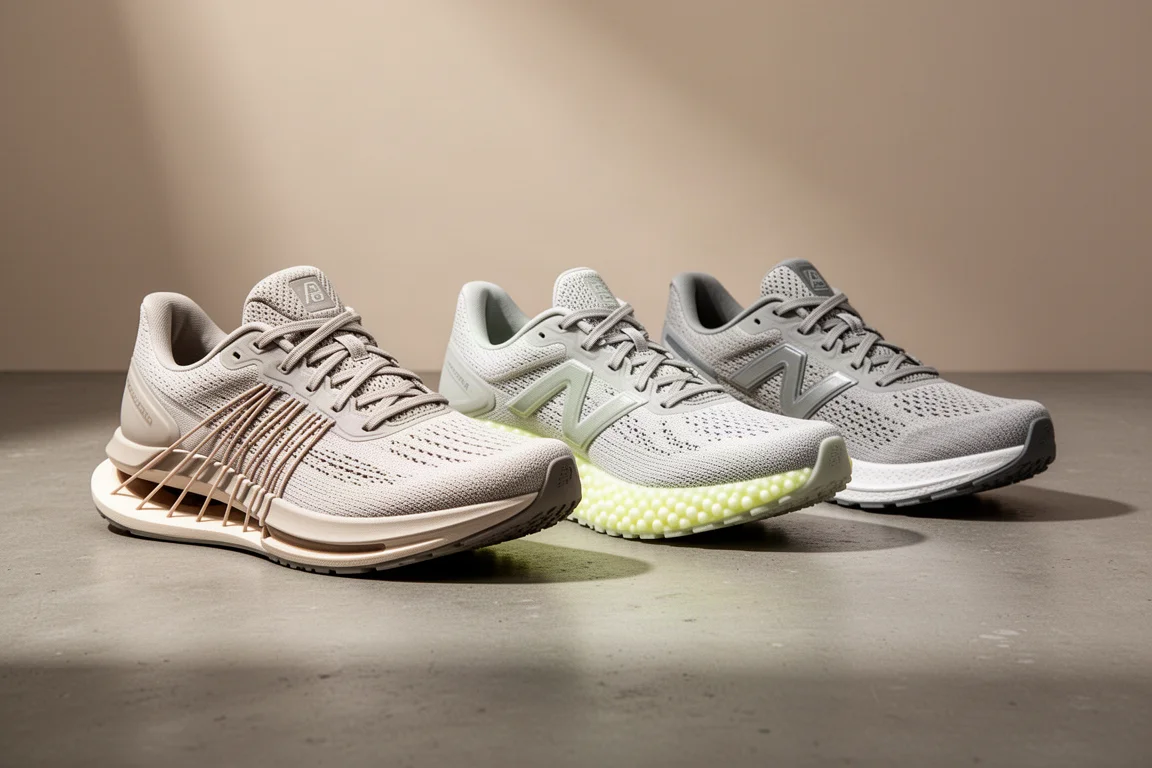
Plated training shoes occupy a sweet spot between daily trainers and super shoes, and two names keep coming up in that conversation: the Adidas Boston 12 and the Saucony Endorphin Speed 4. Both sit around the $160-170 mark, weigh in the nine-ounce range for a US men’s size 10.5, and stack in the mid-to-high 30s with an 8 mm heel drop. The differences are in the details, and they matter more than the spec sheets suggest. The Endorphin Speed 3 also remains in the picture as a discounted alternative, and for many runners it is the smarter buy.
Why Plates Belong in Training Shoes
Brands add plates to training shoes for three reasons: a touch of stability, a bit of pop, and a race-day feel at everyday training pace. Both shoes here follow that formula, but they get there differently.
The Boston 12 leans on firmer construction and a more structured platform, while the Endorphin Speed 4 leans on soft, bouncy foam and a flexible plate. Neither has an aggressive rocker; both roll forward gently at the forefoot in a very similar way.

Midsole and Plate Construction
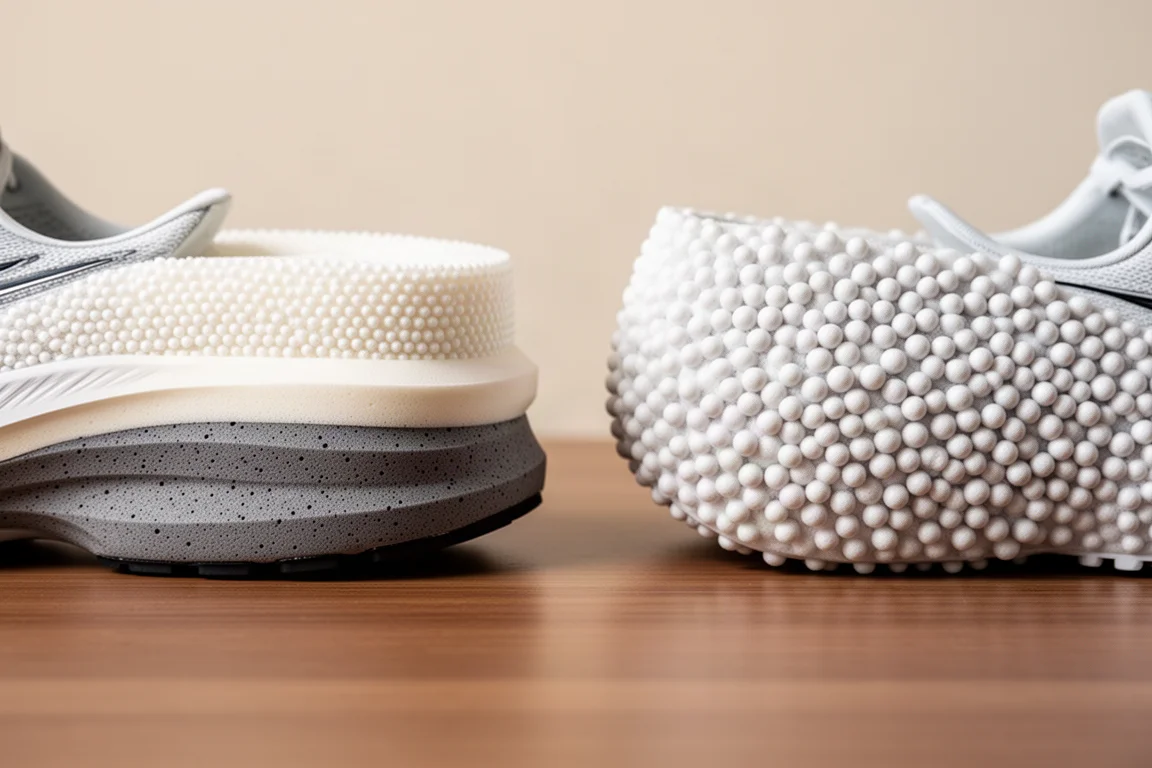
The Boston 12 uses a dual-foam midsole: LightStrike Pro racing foam on top for bounce and speed, with LightStrike 2.0 EVA underneath for stability and durability. In between sit glass-fiber energy rods, which give the shoe rigidity. The firmer bottom layer flares out at the rear and rides up slightly at the sides, locking the foot in and creating a planted landing. One caveat: this midsole needs a break-in of roughly 50 miles before it softens up and reveals its true character.
The Endorphin Speed 4 uses a 100 percent PEBA midsole, PWRRUN PB, a beaded foam known for being among the bounciest and softest compounds available, paired with a nylon plate instead of carbon rods. That plate is more flexible, so the ride is more forgiving, but you give up some rigidity. It also gives the Speed 4 a noticeably wider-feeling but slightly awkward, clunky landing at the rear compared with the Boston 12.
Upper, Fit, and Comfort
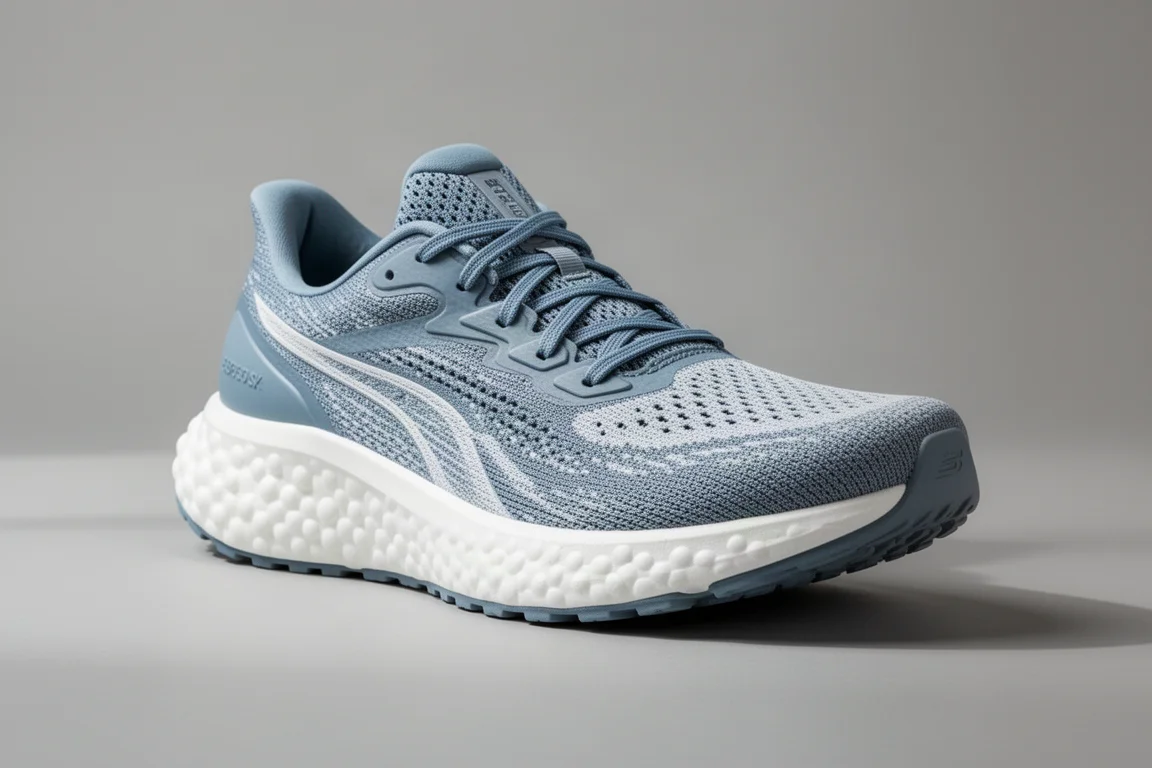
This is where most runners will make or break their decision. The Boston 12 is much wider and more accommodating, with a roomy toe box, but the upper is a bit utilitarian: thin mesh, wiry laces, a very thin tongue, and minimal heel padding. Cranking the laces down can produce some lace bite, and the minimal heel collar means a padded sock is a smart choice to avoid heel rub. The upside is that the upper cleans up beautifully, looking bright even at nearly 300 miles of use.
The Endorphin Speed 4 is much narrower with a tapered toe box, but the materials feel stretchier and more comfortable on foot. It has a padded tongue, some padding around the heel, and a structured heel counter that supports the rear but may irritate runners who dislike stiff heel counters. Go true to size in both; some runners size down half a size in the Boston 12, but the roomier option is the safer bet for most feet.
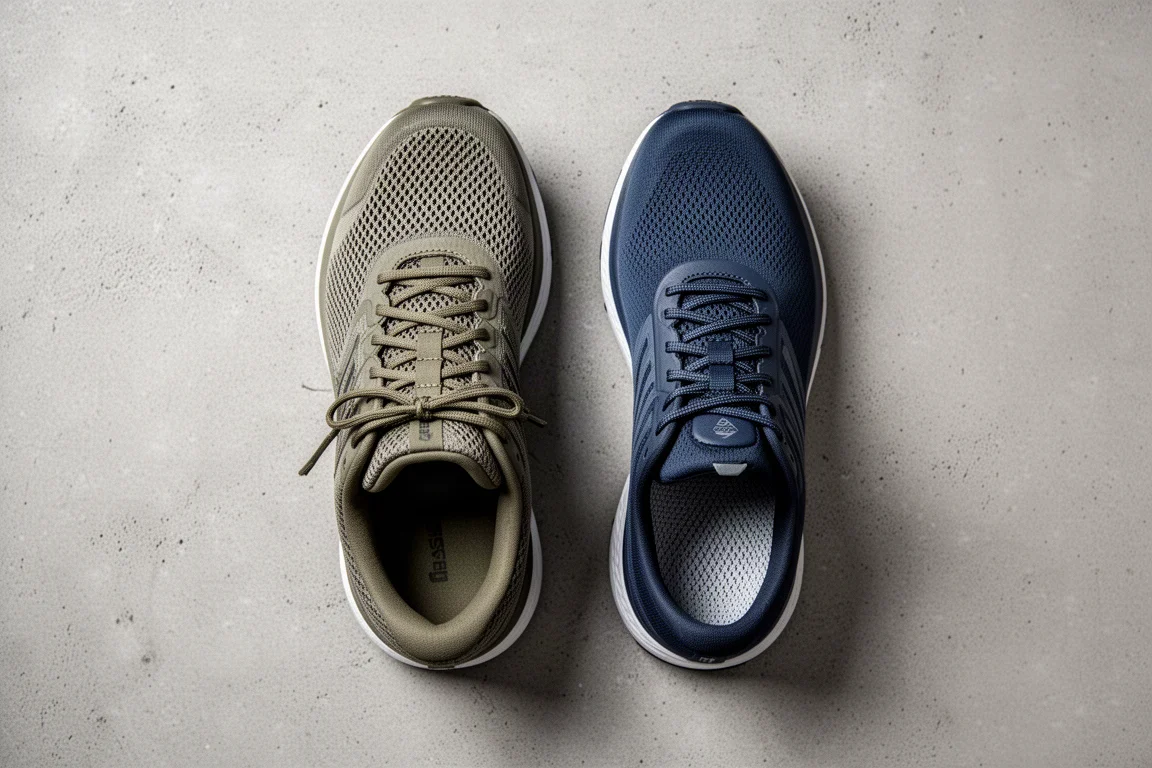
If you have a wide foot, the Speed 4 is a tight squeeze, and the Speed 3 caused real rubbing and discomfort for a wide-footed runner in testing. Wide-footed runners should look at the Boston 12 for something fast and firmer, or the New Balance SC Trainer V2 for something more forgiving, or wait for a wide version of the Speed 4.
Ride Experience and Performance
After extensive miles in both, the Boston 12 delivers a more natural, predictable ride. When you want to run hard, it responds with bounce and snap; it never feels overly soft, squishy, or unstable at any pace. At easy paces it feels planted and direct, almost like a regular daily trainer. It handled everything from fast 5K pace repeats to 20-plus-mile long runs with marathon pace blocks, staying consistent from mile zero to roughly 280.
The Endorphin Speed 4 feels a bit one-note: the same bouncy ride at every pace. For runners with high power output or a lower cadence, it goes slightly flat at faster efforts and does not add snap when you push the pace. It is fun out of the box and forgiving, which suits most runners, but it struggled to stand up to hard long-run efforts at the four-foot strike.
Notably, the Speed 4 feels very similar to the Speed 3; a simple foam hardness test showed the two are nearly identical, so if you found the Speed 3 too soft and lacking bite, the Speed 4 will not change your mind. The Boston 12 has far more bite and works better for aggressive mechanics.
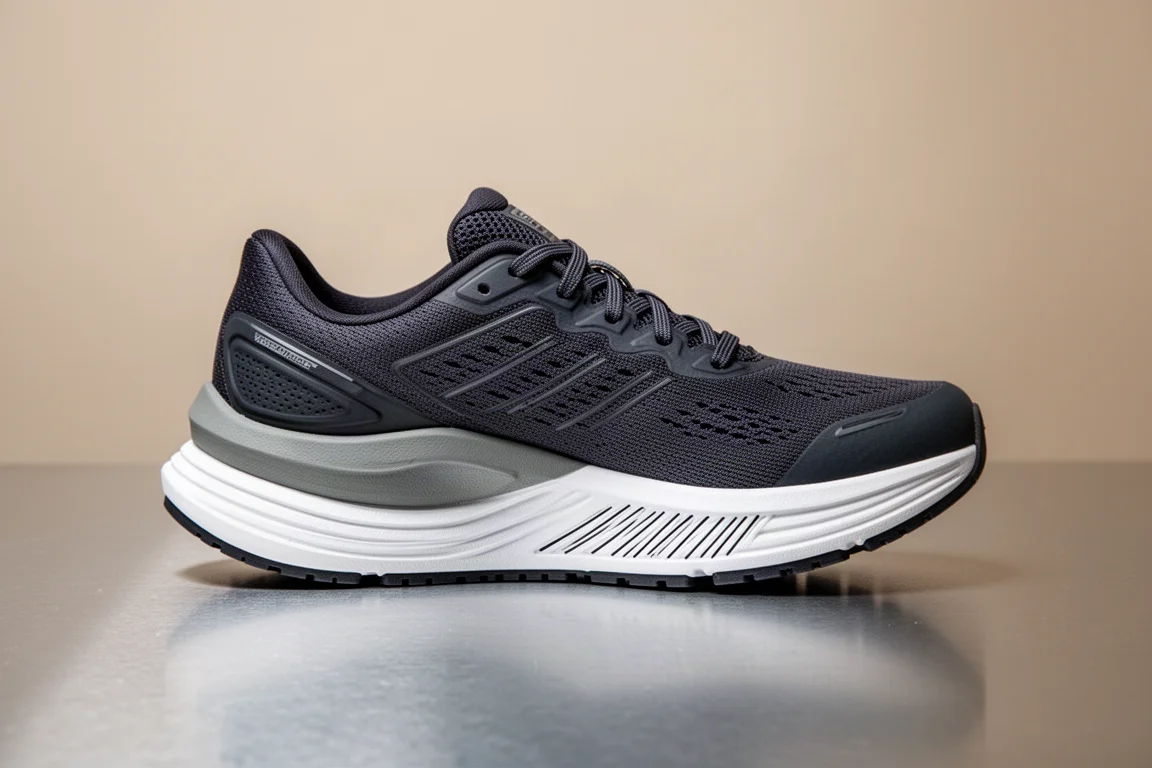
The Endorphin Speed 4 remains a genuinely fun shoe for most pace ranges and is the better pick for runners who want a softer, more forgiving plated trainer out of the box.
Durability and Grip
Durability strongly favors the Boston 12. At nearly 300 miles, its full-coverage Continental rubber outsole is only just starting to wear through in the highest-wear area, and it performs superbly in wet conditions, staying planted even through torrential downpours, second perhaps only to Puma’s grip compound. The Endorphin Speed 4’s PEBA foam wears through more easily when exposed, the rubber coverage is less comprehensive with an open midfoot section, and the rubber texture is flattening at just 100 miles. Based on Speed 3 wear patterns, expect wear-through around 250-270 miles.
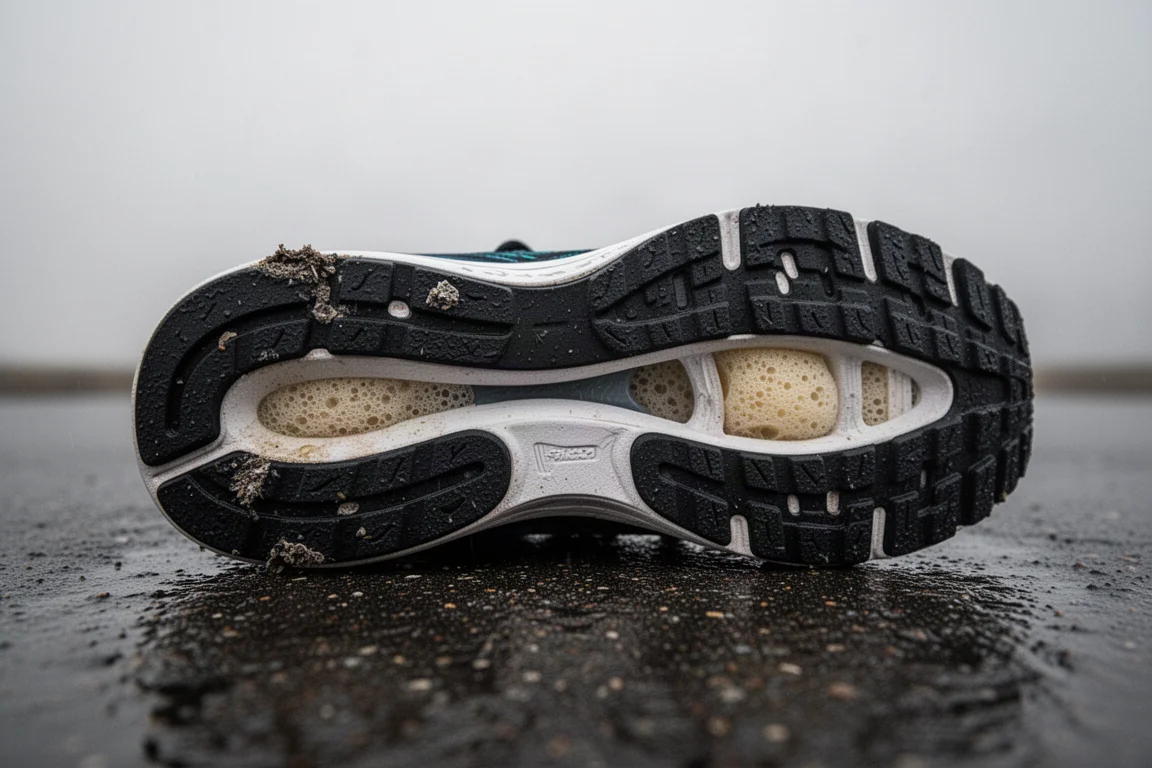
The Speed 4 did improve grip over the Speed 3 with a new lattice rubber layout, so if grip and durability matter most, the Speed 4 is worth the extra money over the Speed 3; otherwise, keep reading.
Which One Should You Buy
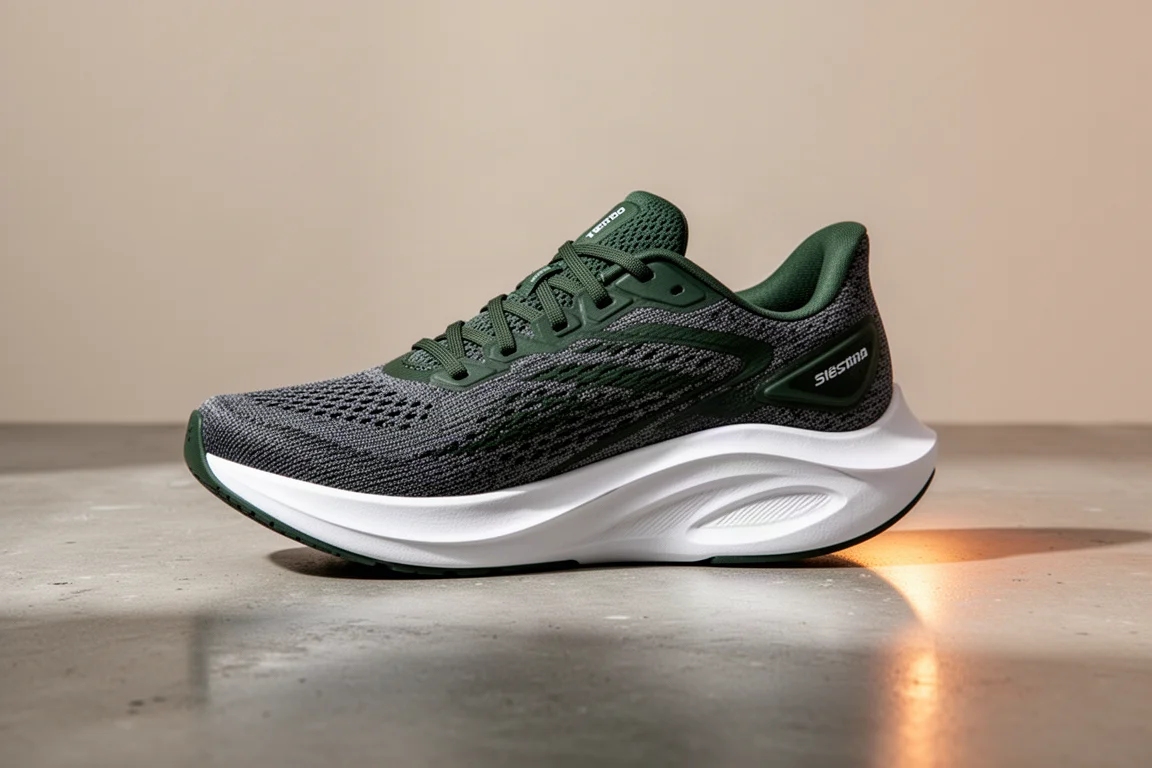
Choose the Boston 12 if you want a shoe for top-end speed, marathon training with long runs at race pace, or simply a rugged, confident plated trainer that survives heavy mileage. It often goes on sale, historically dropping to around $110, making it the value pick as well.
Choose the Endorphin Speed 4 if you prefer a soft, forgiving ride that is fun out of the box, accept softer long-run performance, and can live with weaker outsole durability. Expect to pay $170 in the US for most of its life cycle, with limited discounting.
Choose the Endorphin Speed 3 at its discounted $135 price if the Boston 12’s firmer, structured ride and utilitarian upper do not appeal. It is roughly the same shoe as the Speed 4 for most purposes, with slightly worse durability and grip, but it is the better buy for most runners.
Conclusion
The Boston 12 stands out as the more complete plated trainer: predictable at every pace, stable, durable, and grippy in the worst weather, with a roomy fit for wider feet. The Endorphin Speed 4 is the friendlier, softer option for the majority of runners, while the discounted Speed 3 undercuts it with nearly identical performance. Match the shoe to your foot shape, your preferred ride firmness, and how much durability you need, and the right choice becomes clear.
Further reading
Related Reviews

Running Shoes
Best Road-to-Trail Running Shoes: Three Versatile Options for Mixed Terrain
A practical guide to three road-to-trail running shoes that handle both pavement and mild trails, with clear strengths and trade-offs for different runner types.

Running Shoes
Best Running Shoes for Achilles Tendonitis: Three Options Explained
Three running shoes with different heel drops and support features designed to help reduce Achilles tendon pain during walking and running.

Running Shoes
Best Running Shoes for Women: Five Top Choices Ranked
A ranked guide to five women's running shoes, from versatile daily trainers to high-performance racing options, with real strengths and trade-offs for each.