Snowboards
Borealis Draar Review: A Powder-Hungry Freeride Board With Serious Tail Power
The Borealis Draar pairs a rockered nose with a camber-dominant profile, delivering float in powder and a surprisingly powerful carve on groomers.
Introduction
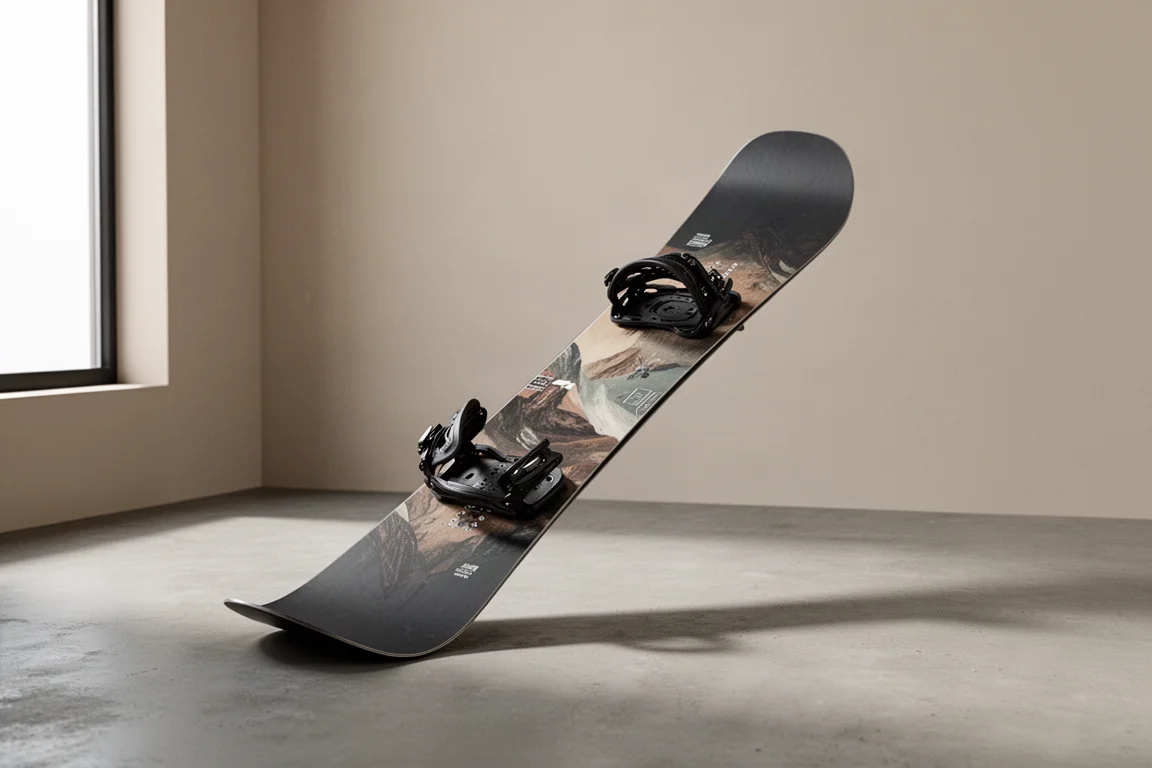
The Borealis Draar is a directional freeride snowboard built around the brand’s powder camber profile: rocker in the nose with camber through the rest of the board. The camber section supplies the load, pop, snap, and drive, while the rockered nose makes turn entry and exit easier and keeps the board floating in powder. If you have been shopping for a board that handles deep days without giving up carve performance, this one deserves a close look.
It is worth noting up front that the Draar is only available in a 158. That single size shapes who this board is for: riders who want a assertive freeride deck rather than a quiver of options. This review draws on riding it at Copper Mountain on a day that was essentially powder on top of powder, from light and fluffy first tracks through heavier afternoon snow.
First Impressions and the Powder Camber Profile
The powder camber layout is the defining feature here. Rocker in the nose gives you ease of entry in and out of turns and more optimal powder float, while the camber that runs through the rest of the board keeps you loaded, planted, and ready to pop. The camber is also slightly set back, which reinforces the directional, powder-first character.
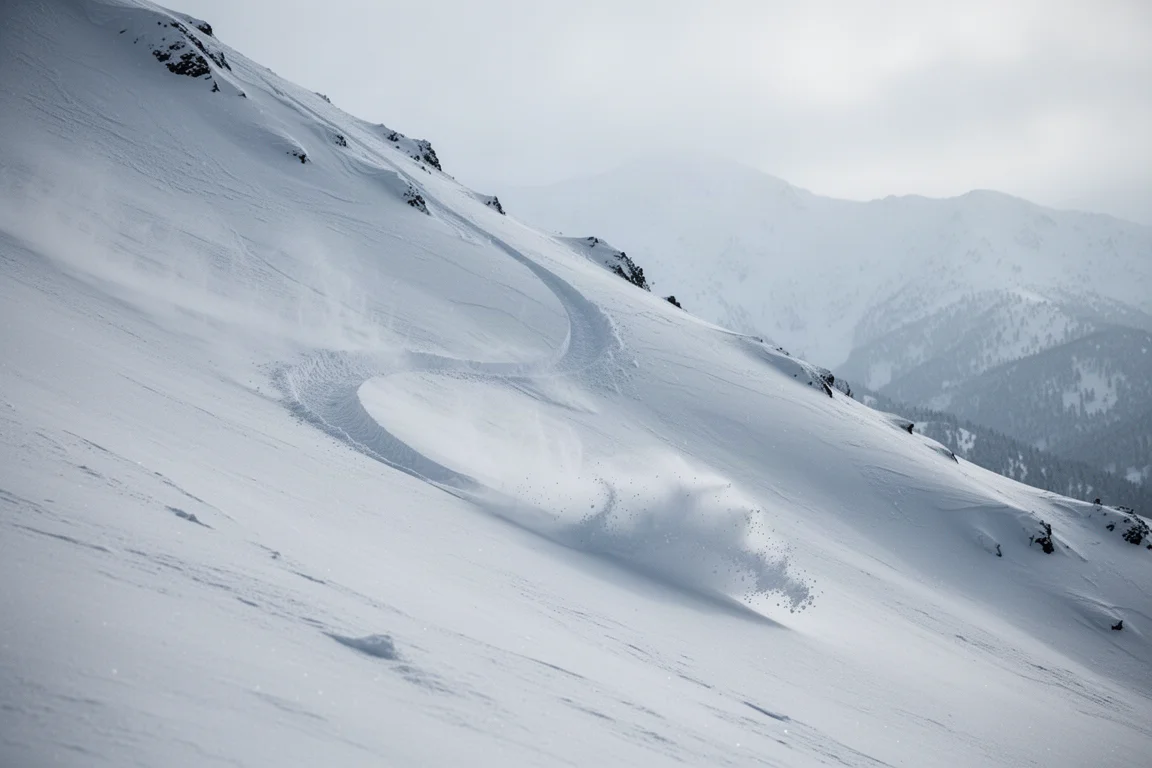
The Draar sits on the stiffer freeride side without being a full-blown plank. It simply takes a bit more effort to drive the board, and that trade-off pays off everywhere else. The flex is directional too: the rockered nose is the softest section, the board progressively stiffens where the rocker meets the camber back, and the area outside the rear insert pack is the stiffest zone. That translates into a lot of power coming out of the tail.
Flex, Stability and Ride Feel
Torsionally, the Draar is very responsive. When you ankle-steer the board, it is quick to rebound, and you feel it working, which adds to overall stability. The result is a board that is smooth at speed: any chatter gets killed off before it reaches your front foot.
In rutted-out terrain, two things happen depending on snow condition. When the snow is a little softer, the board climbs right on top of it and floats. When it is firmer, the board smashes through and keeps going. Despite being lively, it remains very damp, so you do not feel kinetic energy rattling up underfoot.
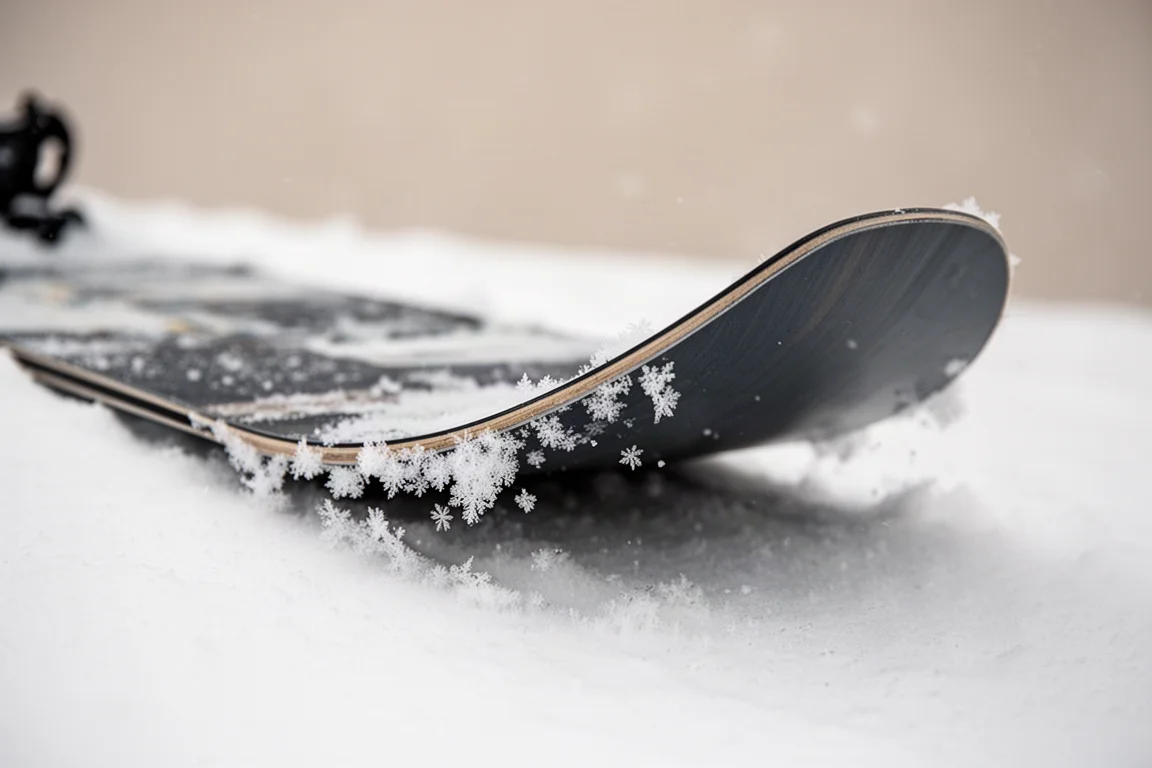
Because the camber is slightly set back with that rockered nose, you do have to load the board up. At speed you barely notice it, but riding slow takes more effort. Roll back on the tail, though, and the carbon X in there engages and rebounds hard. Send it off any roller or pop any pillow and the board will boost you into the air.
Carving and Edge Performance
On groomers, even ones dusted with powder, the Draar locked in and held its carve. You can lay a trench and trust the board to grip and rip. It is nimble edge to edge, yet there is a ton of power behind it: push into the camber, drive off the tail, and you snap out of the turn.
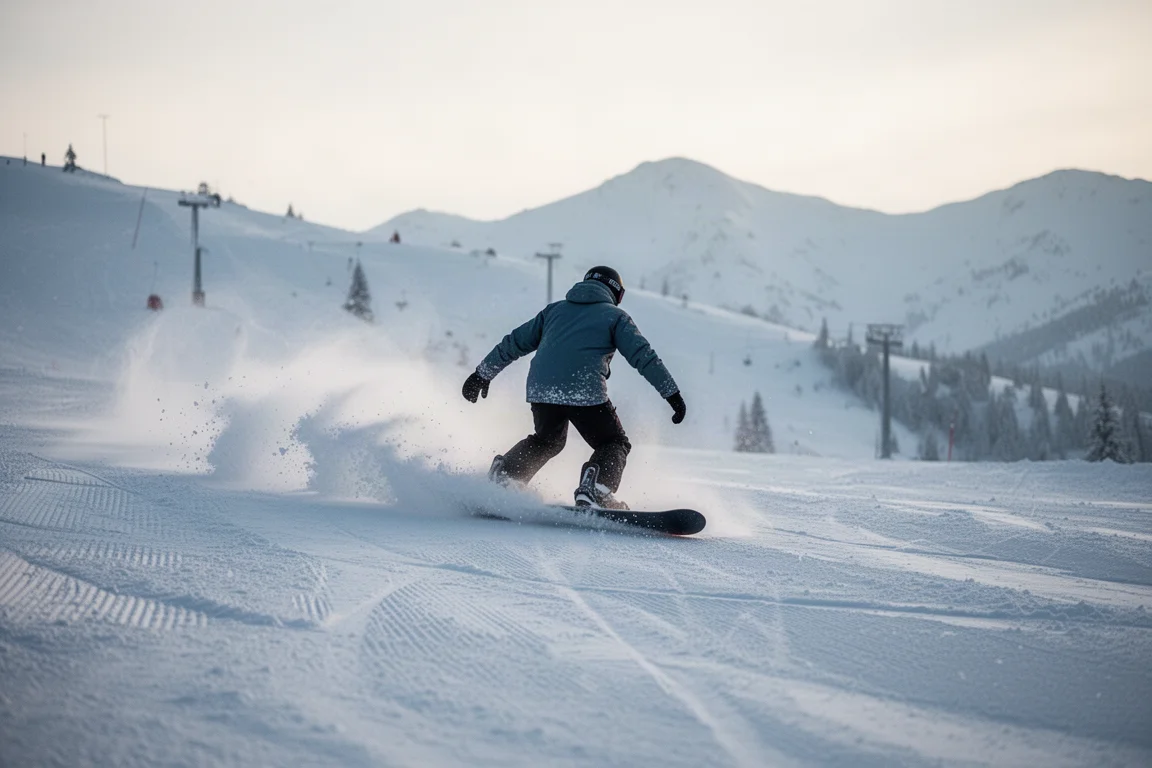
Short, tight, quick carves showcase the torsional flex nicely. In a medium mellow turn the board locks in, holds its line, and gives you power out of it. For a powder-oriented board, the carve performance is genuinely impressive.
Buttering and Pressing: Know Its Limits
Playful freestyle tricks are not this board’s territory. Buttering on the tail? High-speed wheelies, good luck. Pressing the nose? You will pop a 180 hard and press hard, and the nose will still fight you the whole way, leaving you muscling it around. The Draar is simply not designed for that style.
What it is designed for is going fast, leaving trenches, and spraying snow down the fall line. If your ideal day involves charging powder stashes and carving back to the lift, that is exactly what this board was made to do.
Pop, Airs and Riding Style Fit
Loading the tail and letting the carbon X rebound delivers serious boost. The only time popping became an issue was in really heavy flat snow, where keeping speed was a struggle. In light, fluffy snow on a slightly steeper line, popping off rollers and pillows was effortless.
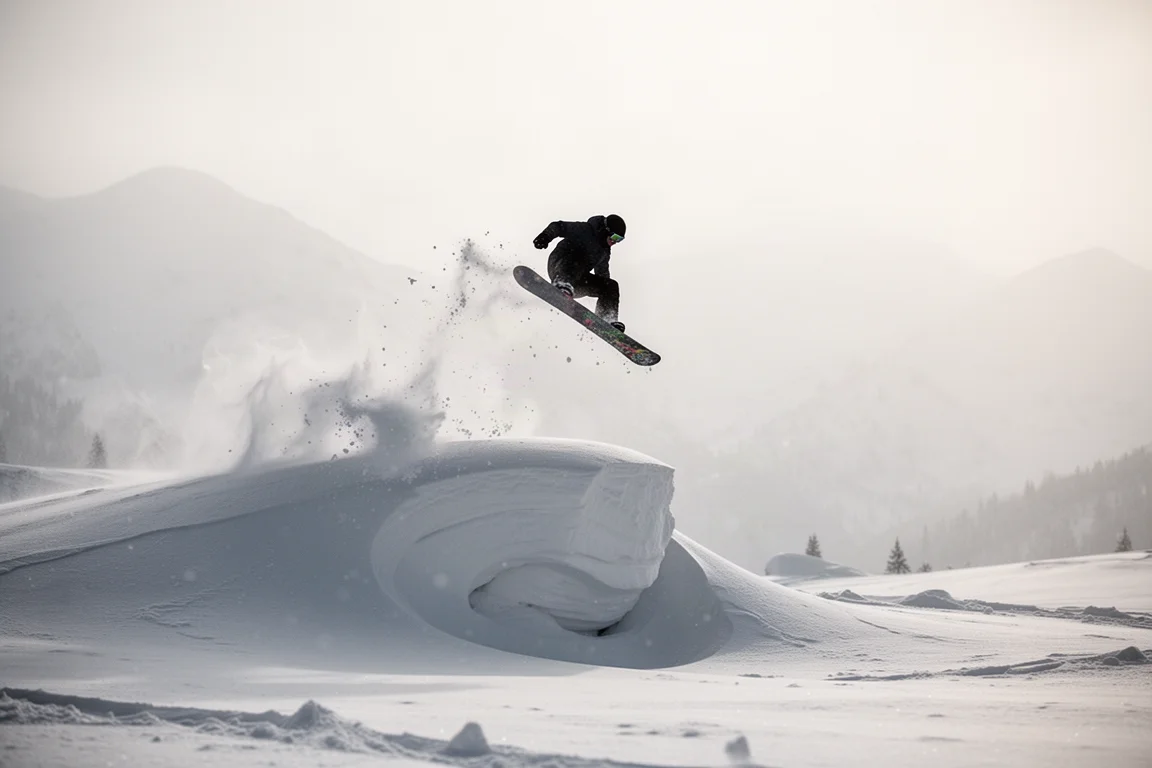
This board is aimed at the resort powder rider who knows they will spend some time on groomers cutting around to their favorite stash, and who wants a board that will carve when they get there. If you ride assertively, the stiffness stops being a burden and starts being an asset.
Comparable Boards and Recommended Bindings
If you want to shop around, comparable boards include the Jones Stormwolf, the Salomon Fast Lane, and the Arbor A-frame. For pairing, recommended bindings are the Rome Katana Full Wrap, the Jones Mercury, and the Ride C-8.
Buying Advice
The Draar rewards riders who commit. Ride it assertively, drive off the tail, and it delivers float, stability, and carve power in return. Ride it timidly, and the stiffness and setback camber will make you work for it. Since it only comes in a 158, make sure that size suits your build before you buy.
Conclusion
The Borealis Draar is a blast: a ton of power out of the tail, effortless pop when the snow is right, and carve performance that holds up even on powder-covered groomers. It is a little stiffer and demands an assertive riding style, but it is very, very good. For the resort powder rider who still wants to grip and rip, it is an easy recommendation.
Product link
View more details for Borealis Draar
This product is mentioned in the review. Check the specifications, options, and compatibility before buying.
View more details for Borealis DraarFurther reading
Related Reviews
Snowboards
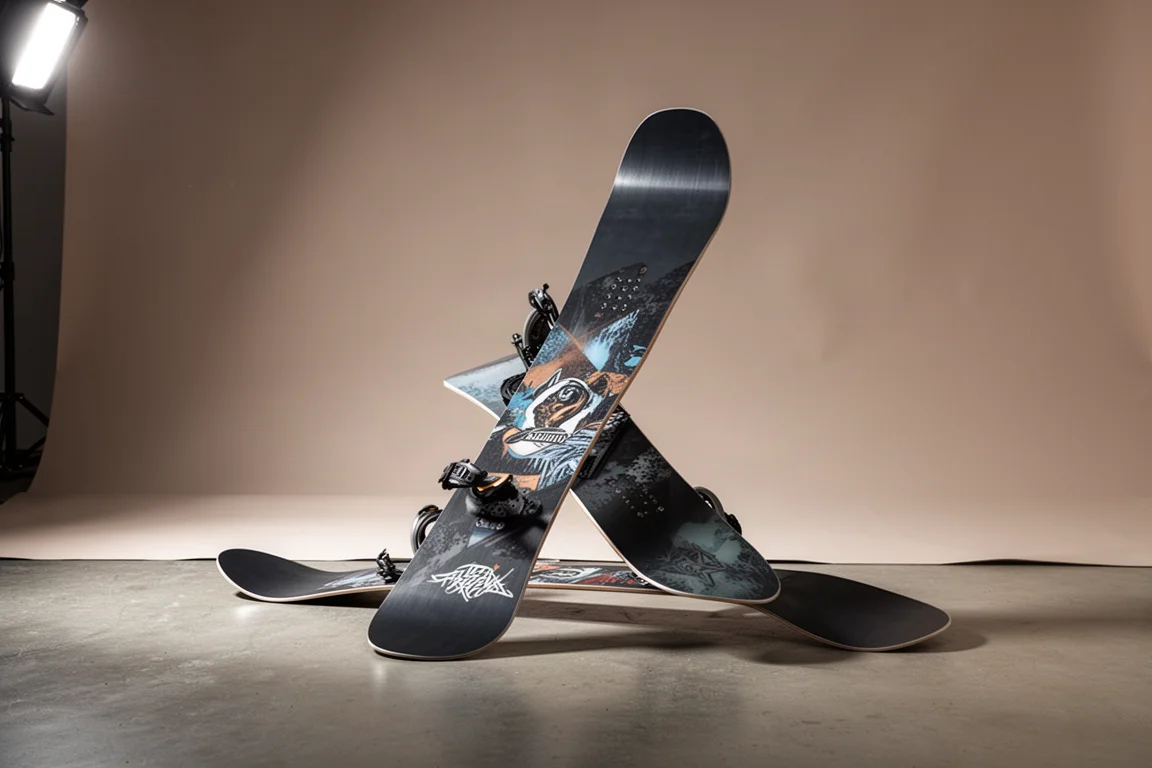
32 Middle Earth Scott Stevens Pro Model Snowboard Review: A Park Board With a Reversed Flex
A medium traditional camber park board with carbon V reinforcement that is stiffer in the tips and more playful between the feet. Here is how it rides and who it suits.
Snowboards
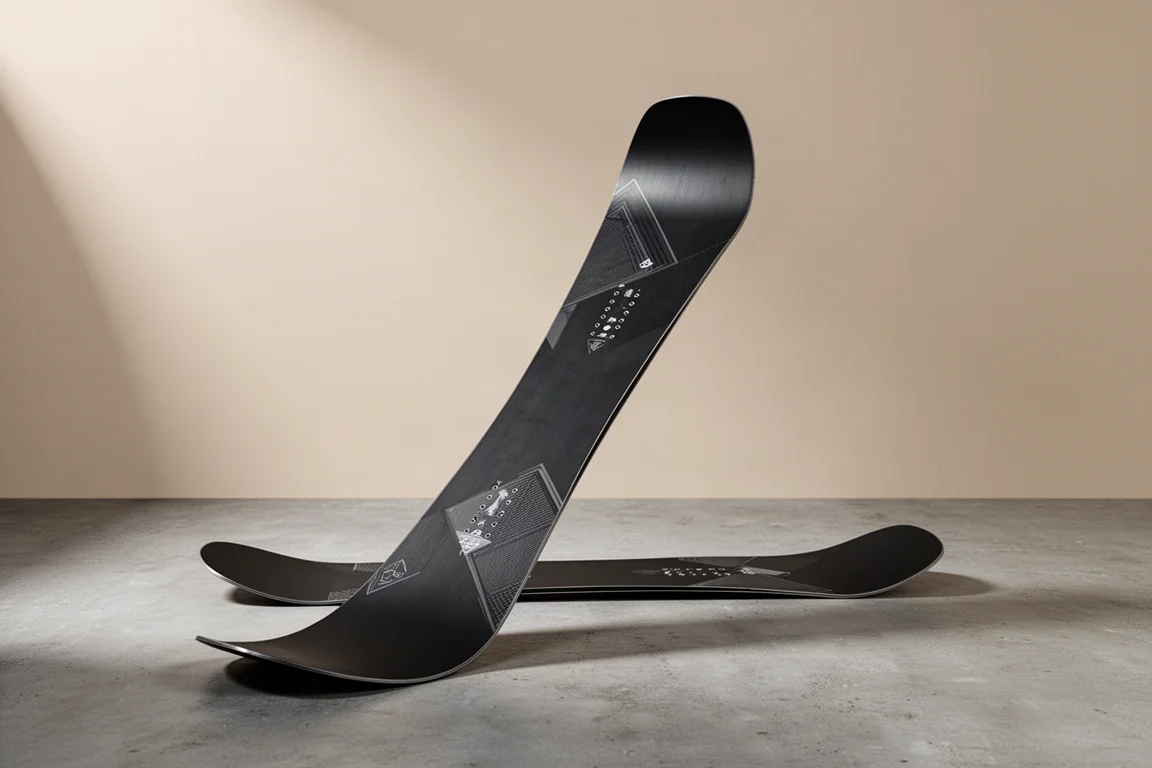
32 Snafu Review: A Directional All-Mountain Freestyle Board with Serious Pop
The 32 Snafu pairs a directional camber-rocker profile with a stiffening tail for powerful carves, big ollies, and a surprisingly damp ride.
Snowboards
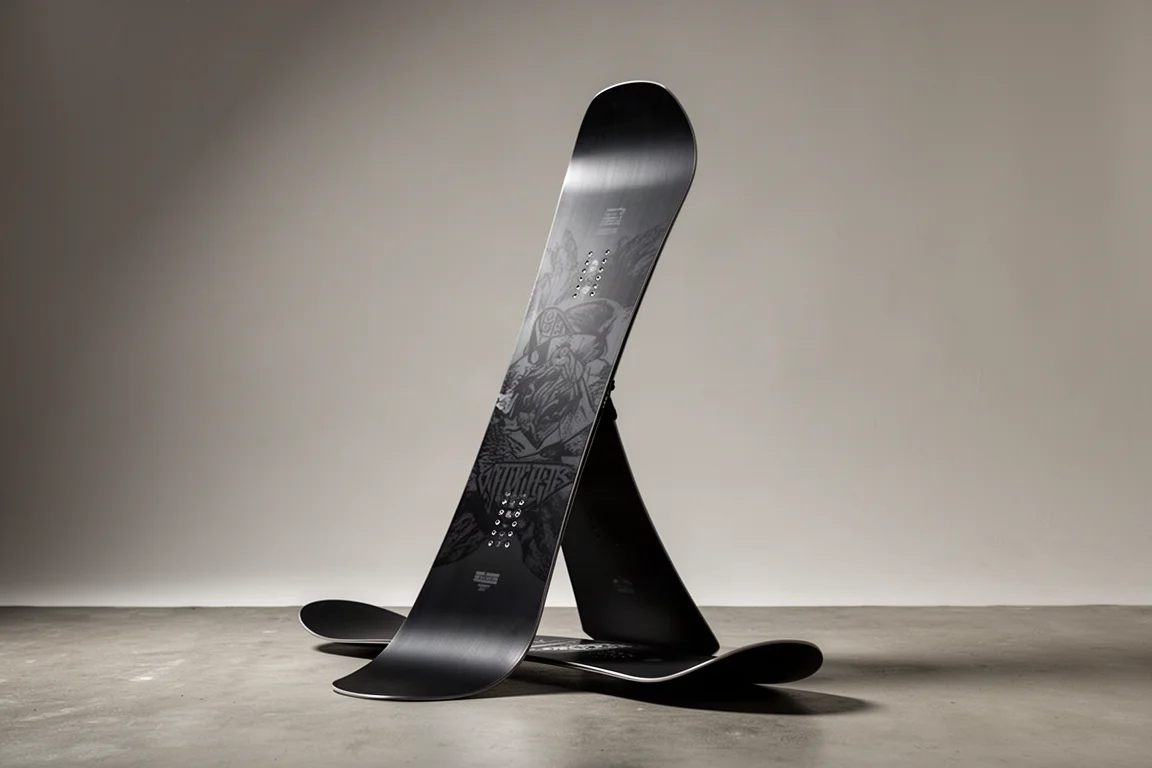
32 XXX Pat Fava Pro Snowboard Review: A Stiff Camber Beast for Hard-Charging Riders
A full-width traditional camber deck that rewards aggression with stability and edge power, but demands effort everywhere else.