Snowboard Bindings
Bone Bindings: The Tilting Snowboard Binding Built for Creativity
A bindings concept that tilts when you shift weight to the nose or tail, unlocking new tweak, press, and bone potential once you adapt to the wobble.
Introduction
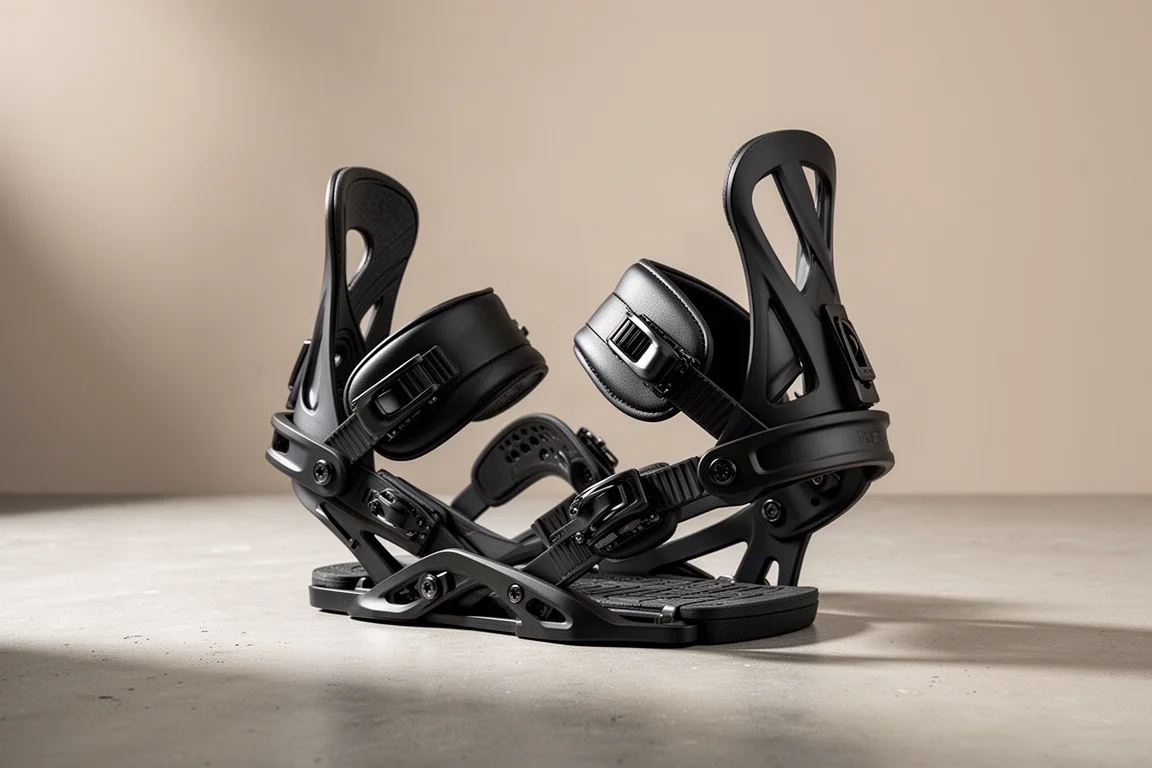
Some snowboard gear arrives with quiet incremental updates. Bone Bindings are not that. This is a genuinely different concept: bindings whose base tilts when you deliberately shift your weight toward the nose or tail of the board. They went viral when first shown in a short clip, and after putting them through studio testing and real mountain laps, one thing is clear: they behave like a normal binding until you ask them not to.
How the Tilting Mechanism Works
The logic is straightforward. While carving with your weight centered over the middle of the binding, you do not feel the tilt at all. You can carve and feel the edge with no problem. The fun begins when you move or shift your weight toward the nose or the tail. That is when the tilting happens, and it opens up a new form of creativity: new tweaking, new boning, and everything you can imagine in between.
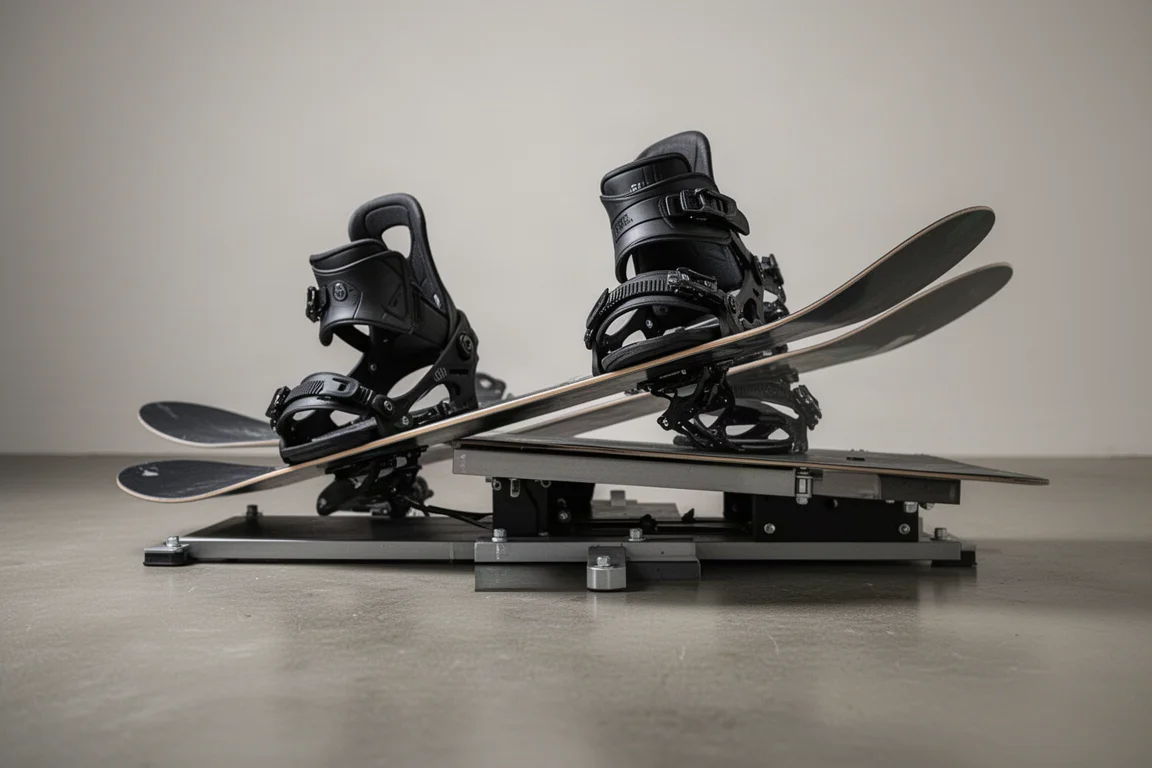
Because that movement is only triggered off-center, the bindings do not fight you during normal riding. They simply wait until you want them to move.
Strapping In and First Impressions
The first contact takes some adjustment. Strapping in involves a little wobble, and getting your feet in is slightly more difficult than with a conventional binding. Once strapped in, though, they feel like a normal binding, with only a small amount of give and a little wobble you notice at a standstill.
That small initial friction is worth knowing about up front, because it is the trade you make for what comes later.
How They Ride on the Slope
On a slope, the picture is consistent with the design intent. When strapped in and standing, they feel normal. As you start riding, there is a slight sense of instability, but you can ride with essentially the same feeling as a normal binding. Turns work to both sides with no problem, as long as you keep your weight centered.
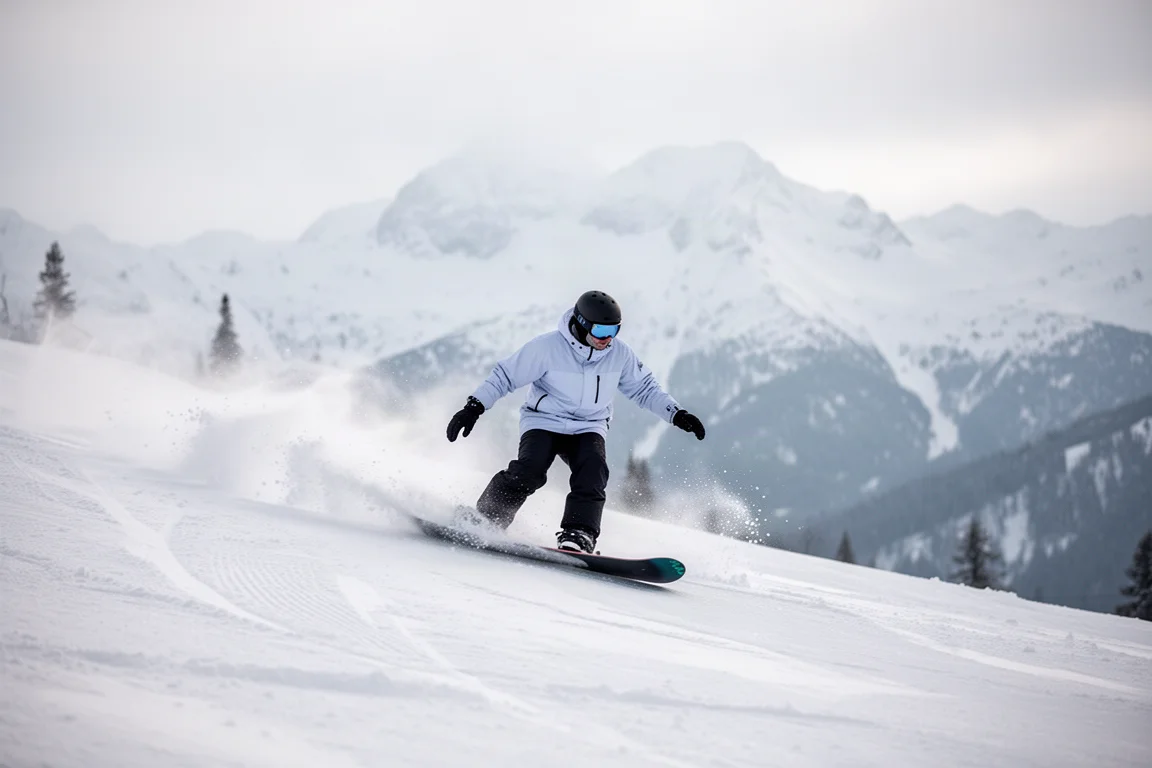
The learning curve showed up immediately in testing. The first attempt at a tail press sent all the weight to the back and ended in a fall, but a productive one. Once you get a hold of the movement and your head wraps around how they behave, they become genuinely fun.
Taking Them to the Park
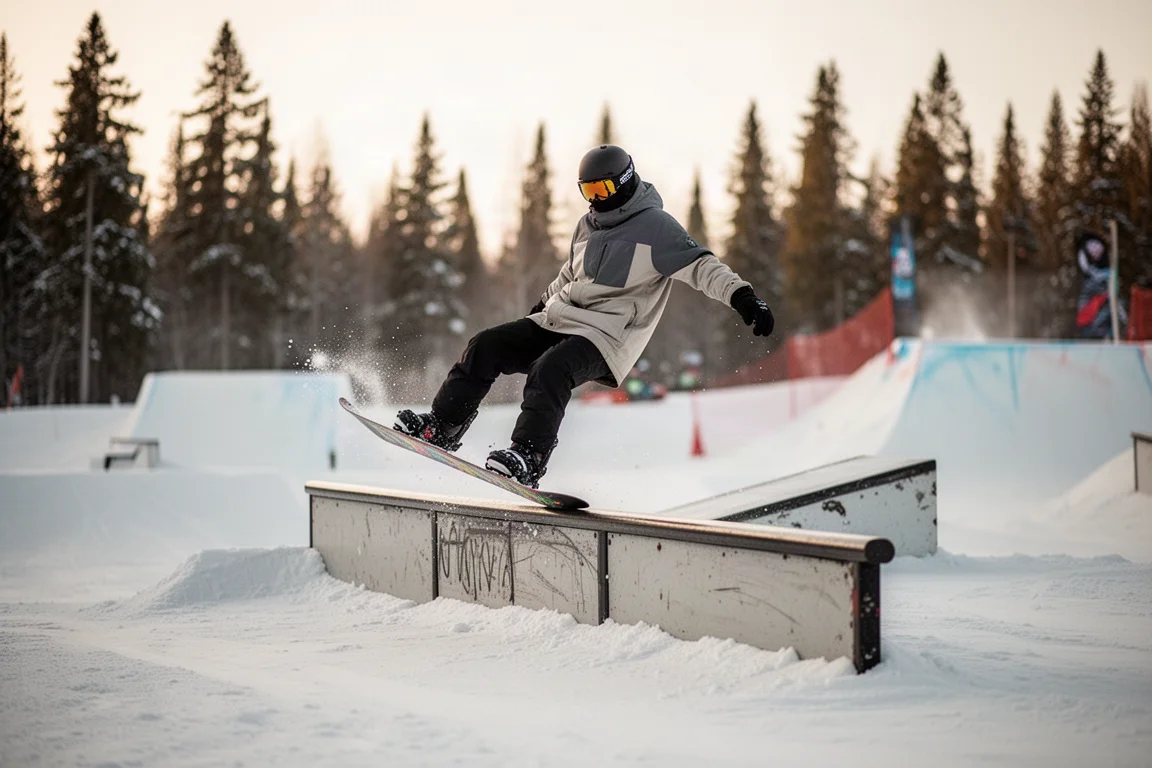
Park laps are where the concept either clicks or does not. The first feeling in the park was described as super weird, with a real sense of instability, and the first attempts on boxes and rails felt genuinely scary because the familiar stability was not there.
With time, that changes. Once you understand the movement, boxes and rails become a playground. One tester even tried laying the whole body down into a slide and called it super fun. Ollies work like a normal binding too, with one extra layer: shift the weight slightly back and you can tweak a bit, then adapt the weight forward again for the landing.
What They Unlock That Normal Bindings Do Not
The standout difference shows up in the air. On jumps, you can tweak far more because the bindings come with you, in a way that is compared to skateboarding. That extra range of tweak is the reason to ride them.
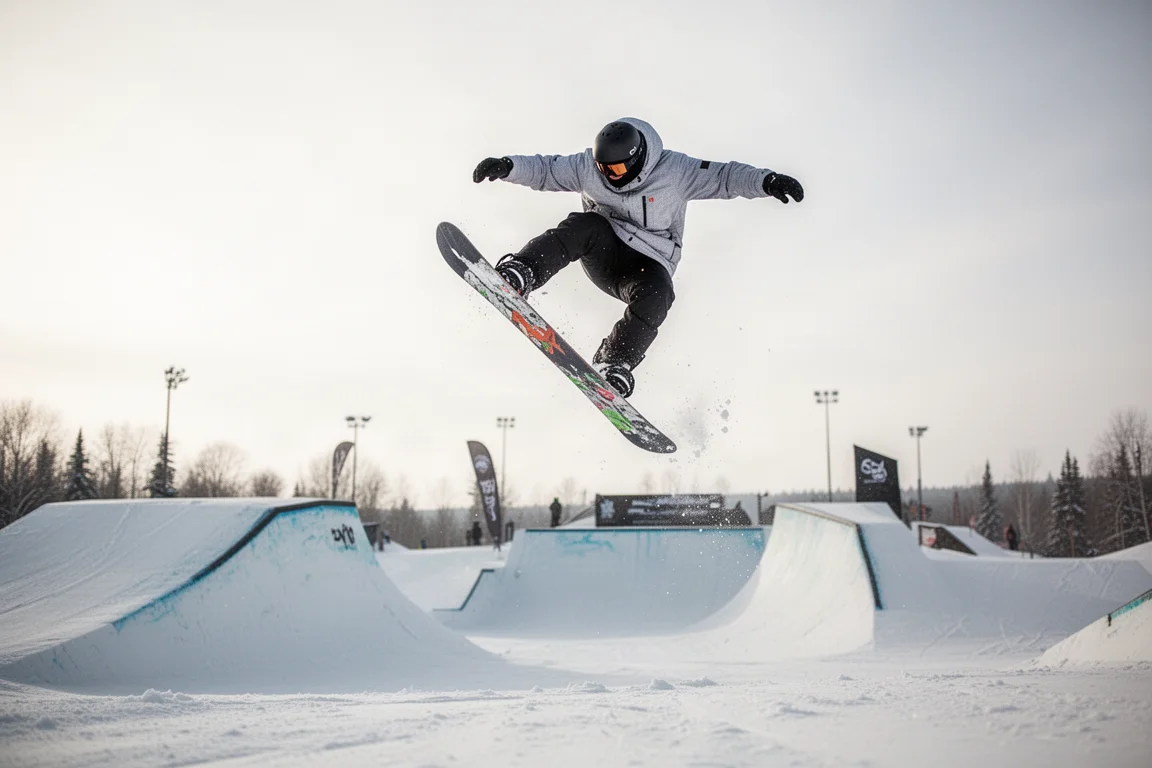
Combined with the press and slide possibilities on boxes and rails, Bone Bindings reward riders who want to expand their trick vocabulary rather than riders chasing maximum stability.
Buying Advice
Bone Bindings make sense for freestyle-minded riders who are willing to accept an adjustment period. Expect a slightly trickier strap-in, a small amount of wobble and give, and a first few sessions that feel unstable, especially on rails. If you ride mostly centered and want a locked-in, predictable feel, a conventional binding remains the safer choice.
If, however, you love presses, tweaks, boning grabs, and creative slides, and you are patient enough to learn how the tilt responds to your weight shifts, this is one of the more interesting concepts to hit snowboarding in a while.
Conclusion
Bone Bindings are a different concept, and one you will have to get used to. But once you crack how they behave, they unlock tweaking and creativity that standard bindings simply do not allow. For park riders who value expression over familiarity, they are well worth a closer look.
Product link
View more details for Bone Bindings
This product is mentioned in the review. Check the specifications, options, and compatibility before buying.
View more details for Bone BindingsFurther reading
Related Reviews
Snowboard Bindings
2024 Union Ultra Snowboard Bindings Review: A Cushy, Freestyle-Focused Favorite
Two seasons on the 2024 Union Ultra: a lightweight, tweakable freestyle binding with standout comfort, a damp molecular bushing, and thoughtful hardware fixes.
Snowboard Bindings
32 Team Phase Binding Review: A Fast Entry Binding Built for Freestyle Laps
The first binding from 32 uses the Phase chassis for quick step-in entry with a softer, freestyle-leaning flex. Here's how it performed on the snow.
Snowboard Bindings
Arbor Cypress Snowboard Binding Review: A Laid-Back Cruiser That Can Charge
A closer look at the Arbor Cypress binding's adjustability, strap feel, and that oddly tall highback before you decide to buy.