Fountain Pens
Number 8 Nibs Compared: Four Oversized Fountain Pen Options Worth Knowing
A closer look at four pens built around oversized number 8 nibs, covering 14k gold, 18k gold, and titanium writing experiences.
Introduction
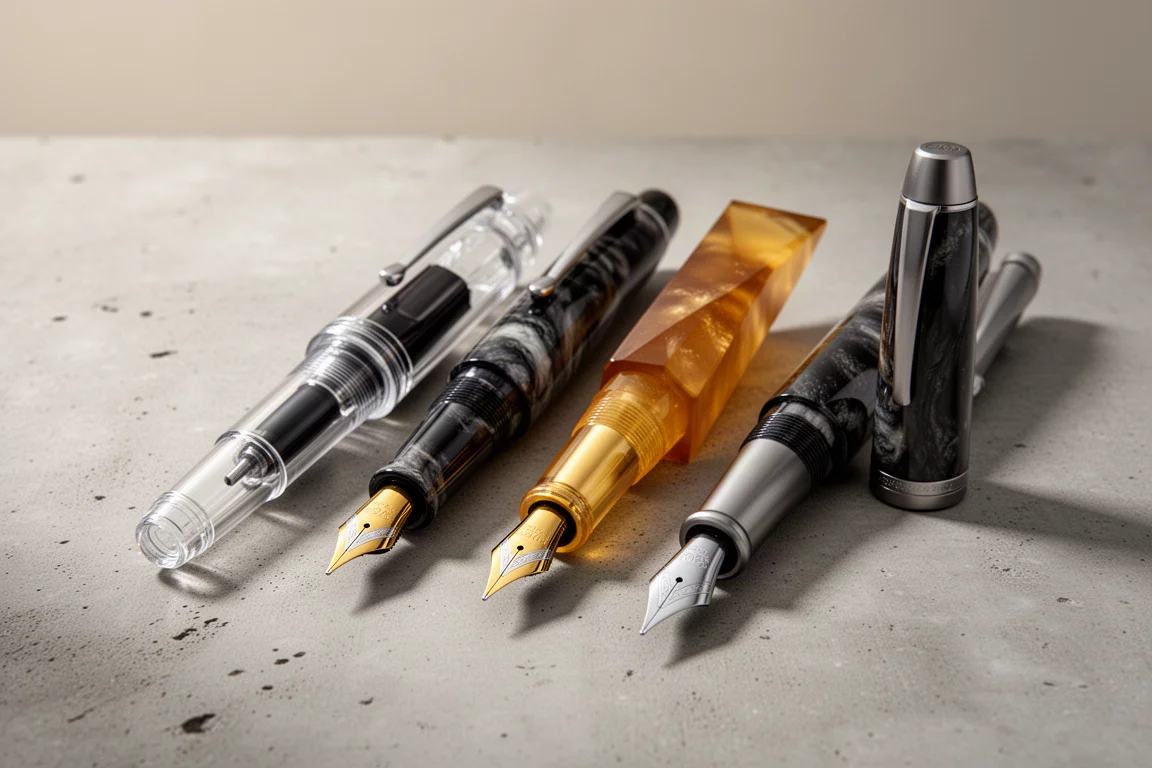
Oversized number 8 nibs are having a moment. The bigger the better, it seems, and with good reason: a wider nib body changes the feel of writing in ways that are hard to appreciate until you have used one. This overview walks through four pens built around number 8 nibs, spanning 14k gold, 18k gold, and titanium, and looks at how each actually writes.
A quick note on scope: this is not a deep review of the pens themselves. The focus is on the nibs, and specifically on what separates a 14k gold number 8 from an 18k, and where titanium fits in. All nibs discussed here are 8 mm at the feed, which is what defines a number 8.
Delta Roma Imperiale
The Delta Roma Imperiale is a large pen from the original Delta, and the demonstrator finish shown here was exclusive to Airline International. It carries a 14k Bock number 8 nib in a fine grade, filled with Waterman Serenity Blue.
What stands out most is the smoothness. For a fine nib, it is remarkably quiet on the page, with almost no feedback as you write, and it runs relatively wet for a fine point. It is also a fairly stiff nib, so it offers little in the way of line variation. That is worth knowing up front: these large nibs are not flex nibs, and pushing down on them to force variation is a bad idea. They are not cheap to replace.
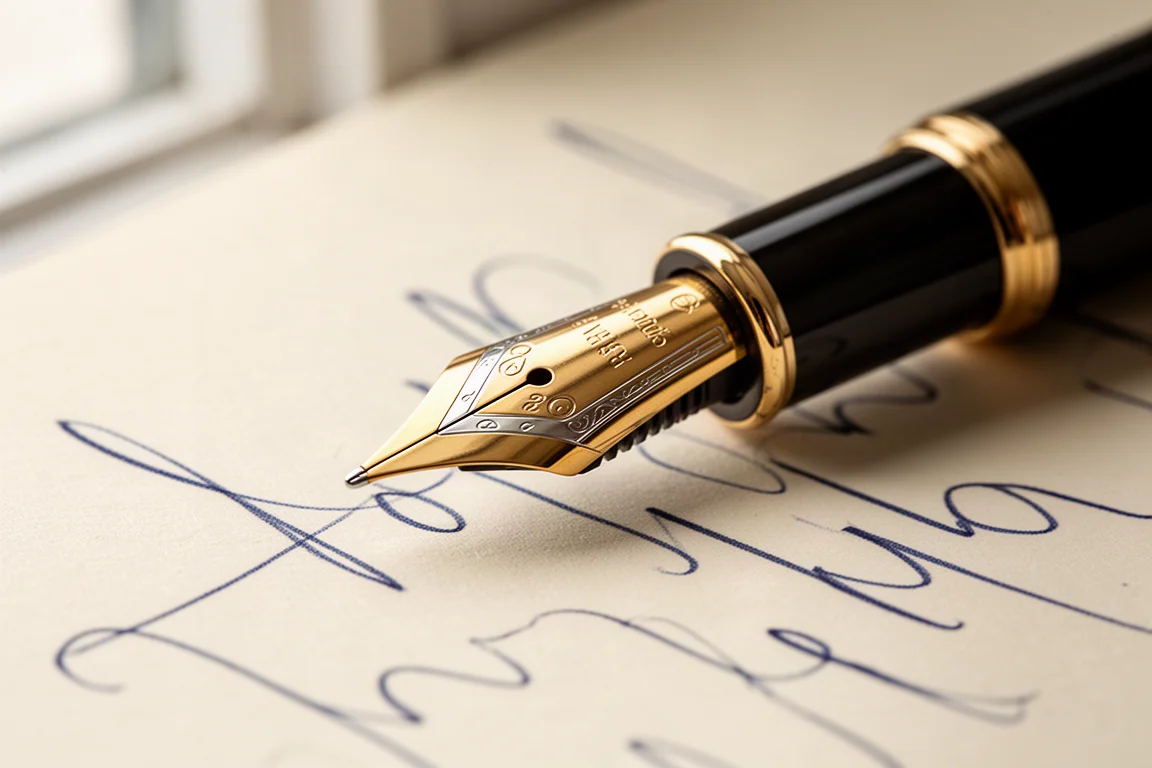
If you want a big nib that writes like a dependable everyday fine point rather than a showpiece, this is the configuration to look at.
Classic Pens LB5
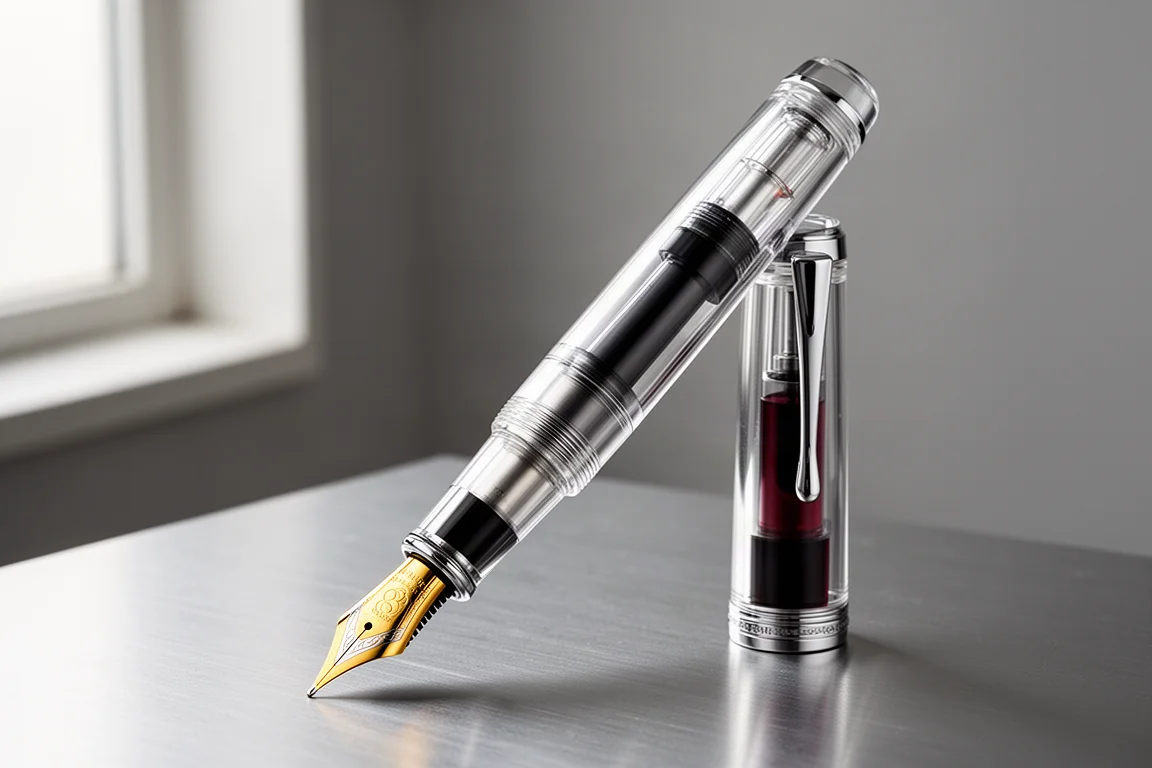
The Classic Pens LB5 here is not wearing the nib you would expect. It originally came with Sailor nibs, but it now houses an 18k Bock number 8 stub, made for Danny Trio, whose nib designs are among the most striking around. Because the 18k Bock is not designed to fit this pen, a custom 3D printed insert with a clear feed was made to adapt it, and the feed takes on the color of the ink, which in this case is a deep red that looks fantastic in a demonstrator body.
Out of the box this nib ran extremely dry, to the point of barely writing without pressure, but it was tuned by a nibmeister and now writes beautifully. The defining characteristic of this 18k versus the 14k above is softness. As a stub, it already gives natural line variation, with broad downstrokes and narrow sidestrokes, but even light pressure opens the tines noticeably more than the 14k did. That is the biggest objective difference between the two gold grades.
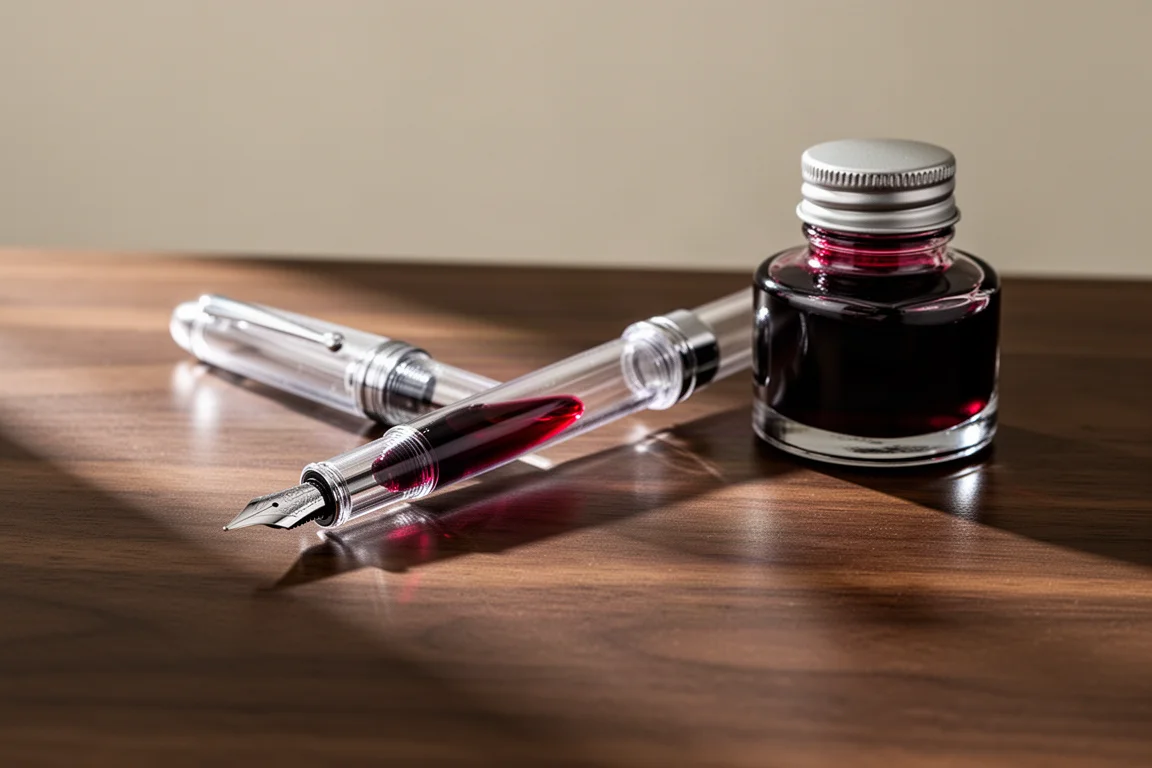
It is an enthusiastic recommendation with a caveat: adapted nibs and tuning are part of this pen’s story, so factor nibmeister work into the total experience.
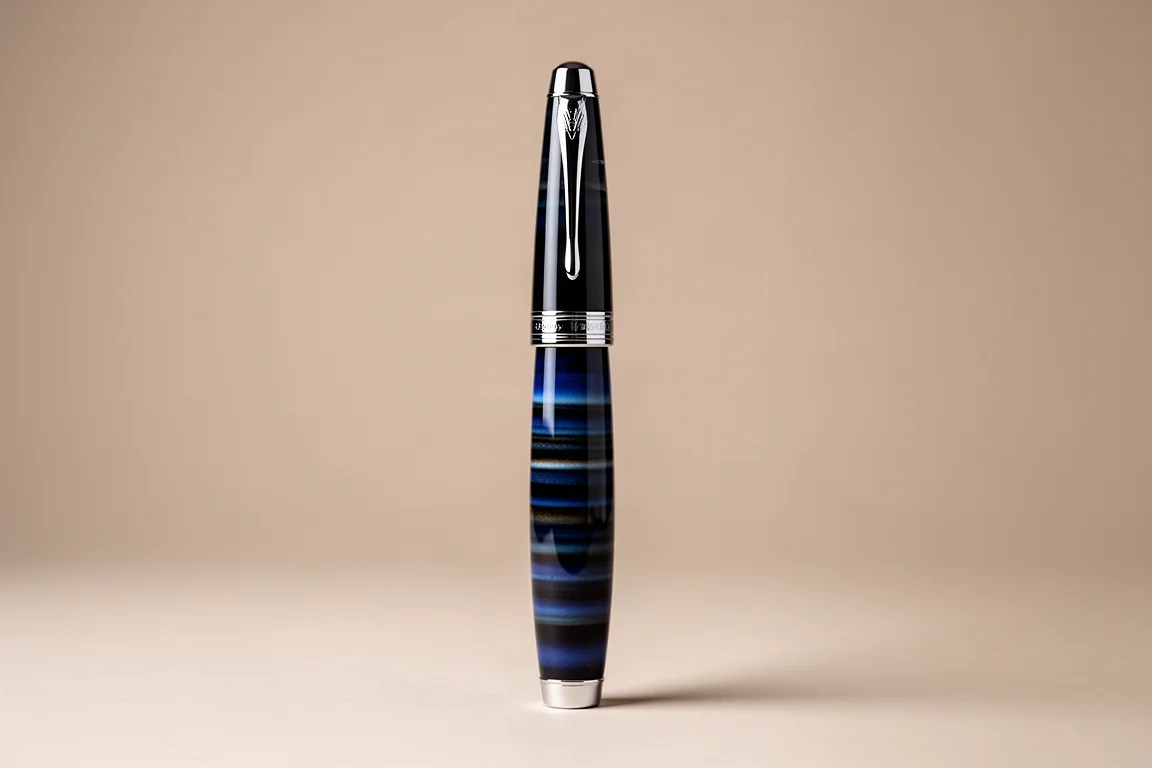
Titanium Nibs: Handle With Care
Titanium number 8 nibs behave differently from gold, and the differences matter. Two titanium Bock number 8 nibs were compared here: a double broad on a very large eyedropper pen that holds around 14 ml of ink (it can also be used as a lever filler), and a fine on a separate pen.
The double broad is a genuinely pleasant nib: super wet, incredibly smooth, and a favorite. The fine tells a more instructive story. Many Bock number 8 nibs come with ebonite feeds, and some of those feeds run dry quickly. A replacement feed made from modern material transformed the fine nib: it is wetter than it has ever been and keeps going even during very fast writing.
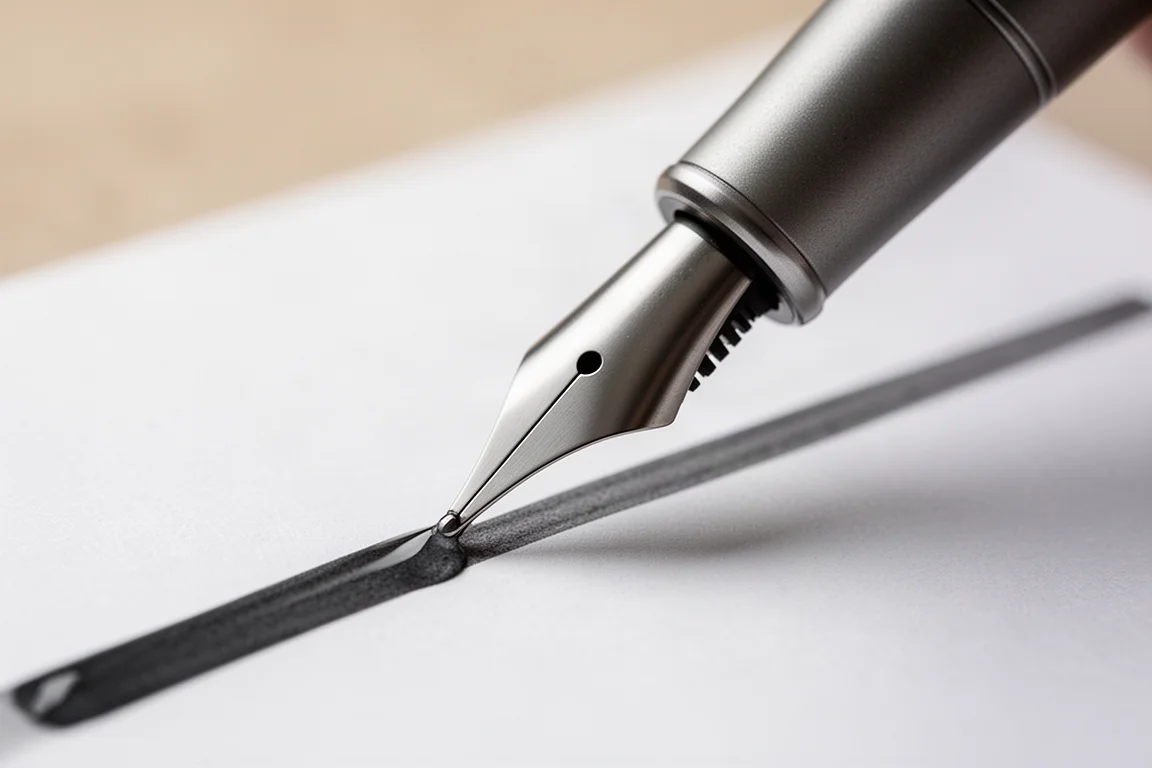
One warning deserves repeating. People often treat titanium nibs as flex nibs, and titanium will give you line variation, but unlike gold it does not give you the warning of how far you can push. Titanium springs quite easily depending on thickness, and once sprung, the nib is done. If you love a titanium nib, resist the urge to lean on it.
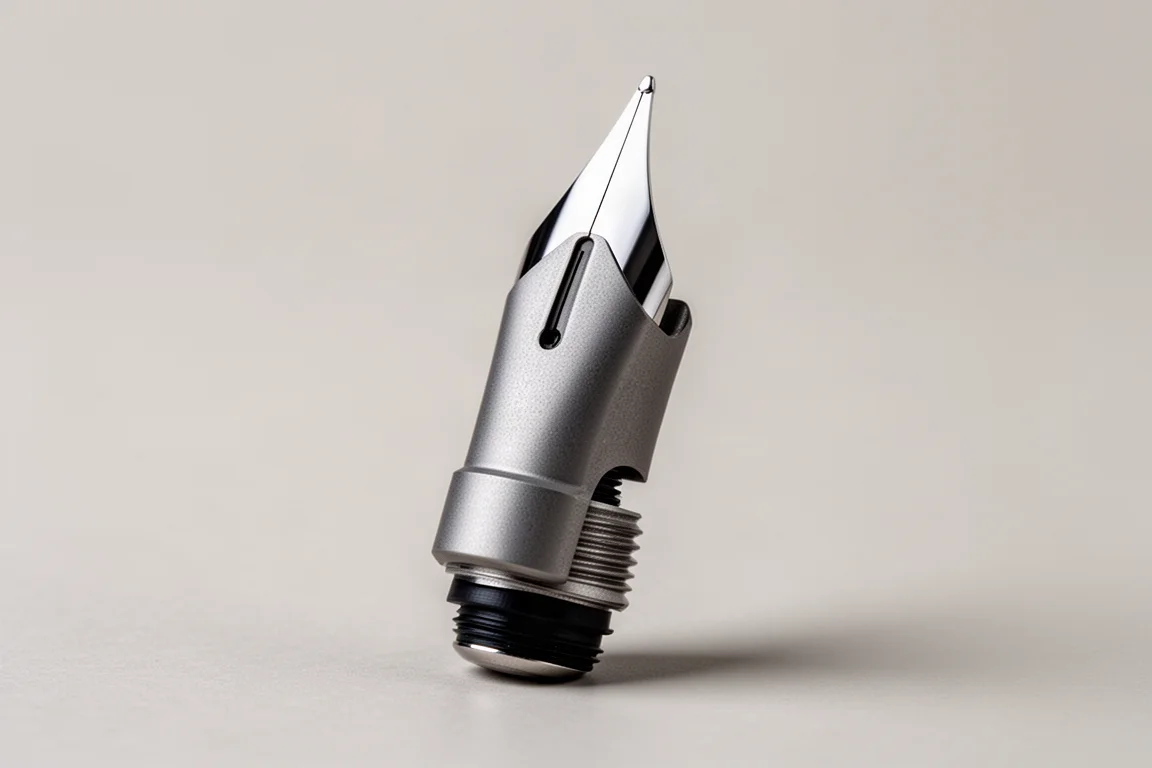
William Shakur Custom Pen
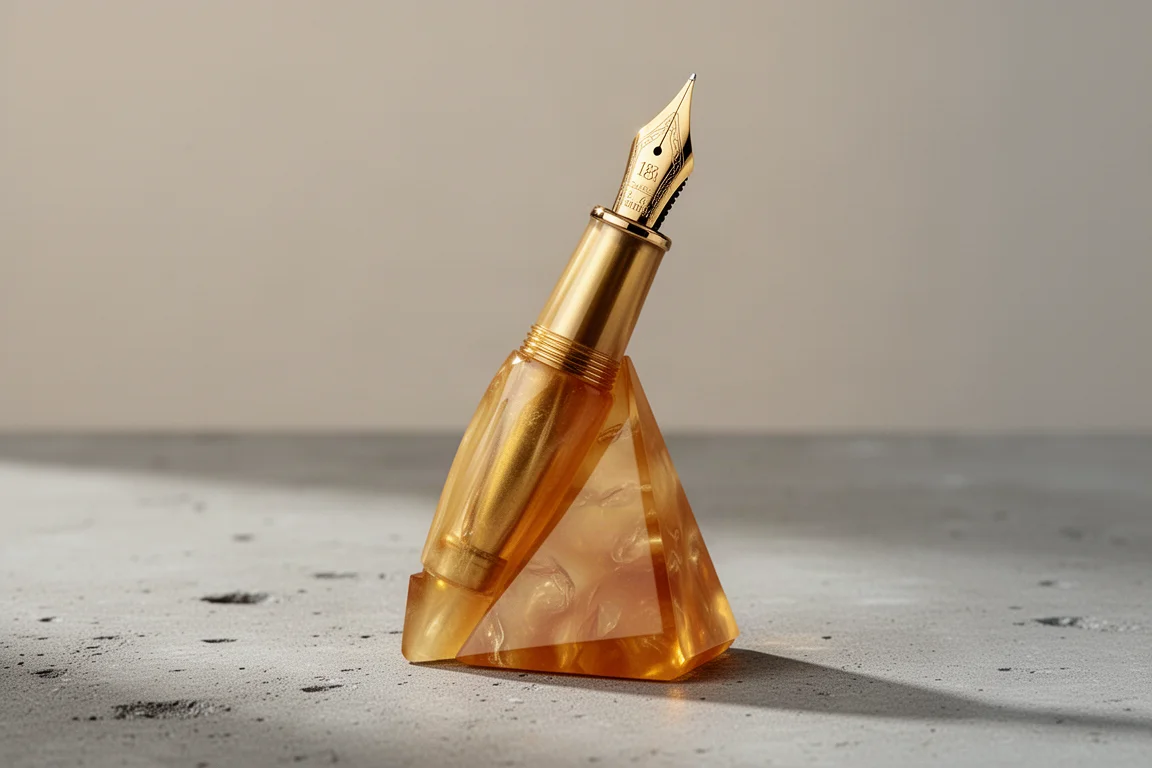
The final pen is a custom triangular-bodied pen with an insanely comfortable grip section, a piston filler with enormous ink capacity, and an 18k Jowo number 8 broad nib. Jowo no longer makes these number 8 nibs as far as known, which makes them a rare find.
Compared to the Bock, the Jowo is a little stubbier and stockier, with wider shoulders that set it apart. This particular nib is very smooth, quite wet, and with very careful pressure offers some line variation. The pen itself is a pleasure to hold, and the builder does sell these pens with other nibs if the Jowo number 8 route is not available to you.
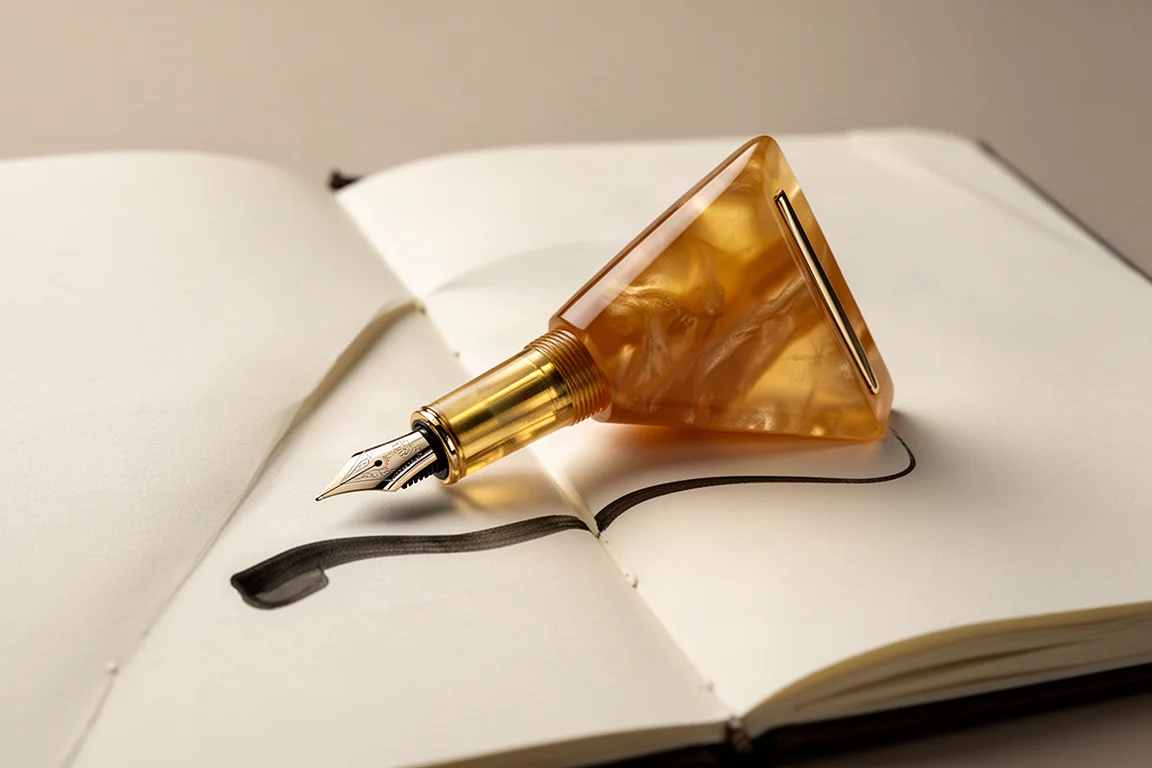
A Bonus Note on the Jowo Number 8
If you ever find yourself with the opportunity to buy one of these number 8 Jowo nibs, it is worth doing. The challenge is finding a pen that fits them; you may need a custom pen maker to build something around the nib. But they are very, very pleasant writers, and for anyone who enjoys a larger pen, the combination of a comfortable triangular section, huge piston capacity, and an 18k broad Jowo number 8 is hard to beat.
Conclusion
The overall picture: the 14k Bock number 8 is smooth and dependable with little line variation, the 18k is noticeably softer with far more natural variation, titanium is wonderfully wet and smooth but fragile under pressure, and the 18k Jowo number 8 is a stockier, delightful rarity worth chasing if one appears. Match the nib material to how you actually write, and any of these oversized nibs can be a genuinely satisfying upgrade.
Further reading
Related Reviews
Fountain Pens
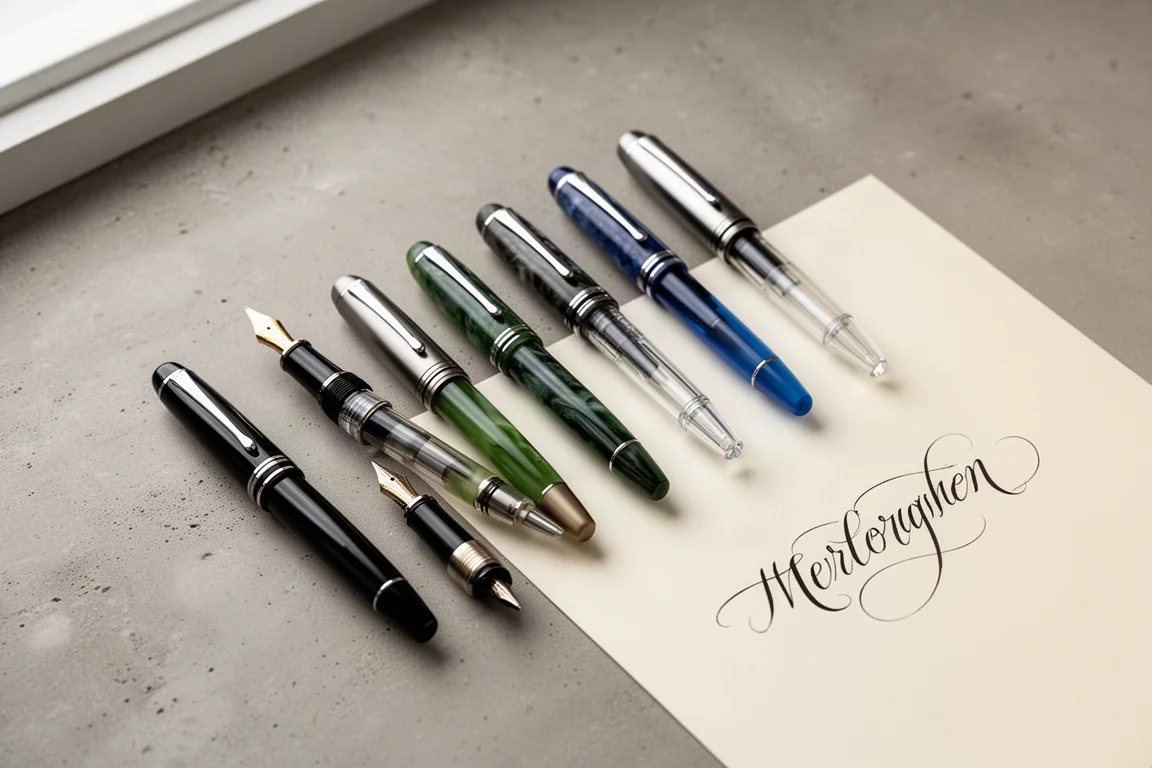
Best Budget Fountain Pens Tested: 9 Pens, One Clear Winner
A hands-on comparison of nine affordable fountain pens for everyday writing, calligraphy, and sketching, with a clear standout for flexible nib fans.
Fountain Pens
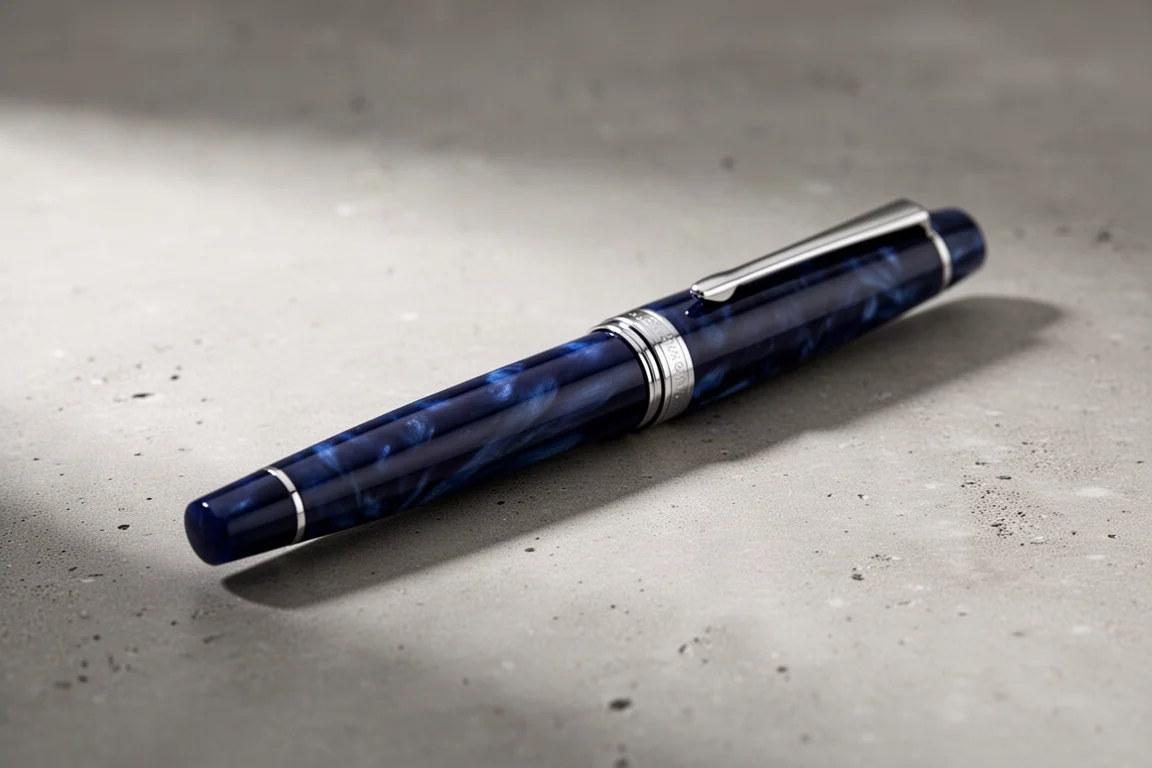
Aurora Optima Review: An Italian Piston Filler That Punches Above Its Price
A 14k gold nib, ebonite feed, and a beautifully deep oraloid body make the Aurora Optima one of the most rewarding piston fillers around.
Fountain Pens
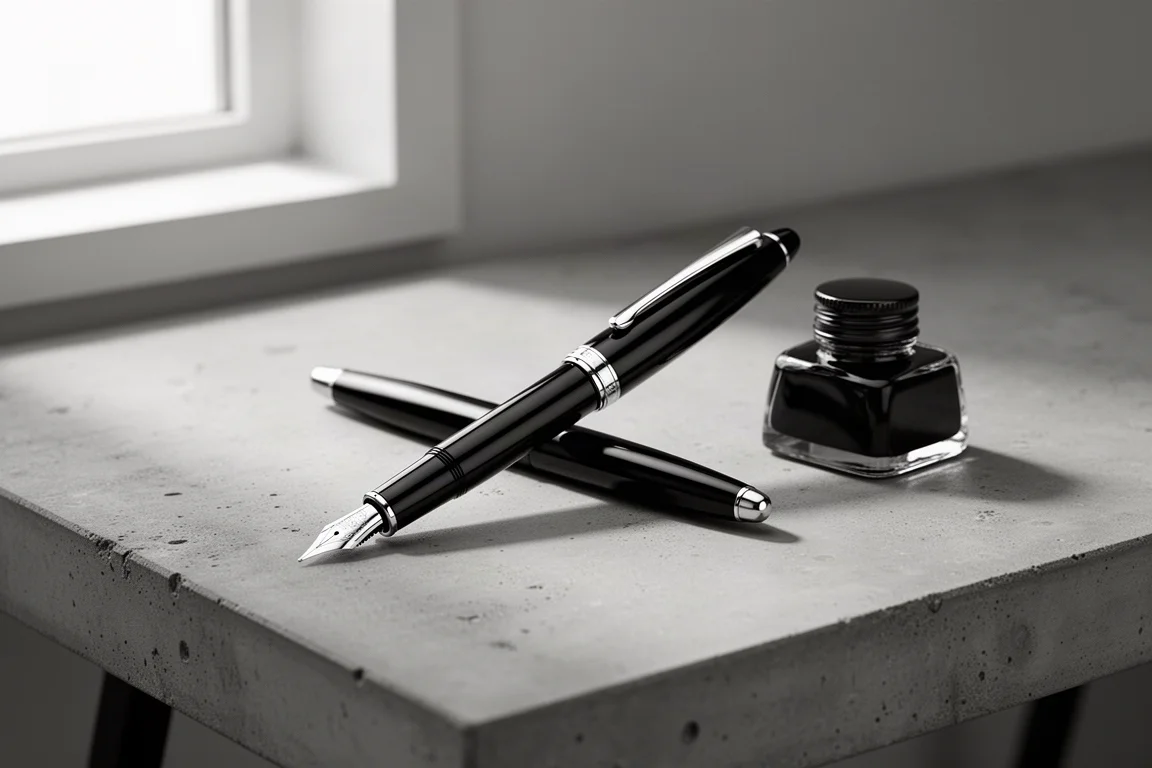
Cross Bailey Light Review: The Entry-Level Fountain Pen Worth Keeping at the Office
A plastic-bodied Cross with a metal clip, snap cap, and famously smooth extra fine steel nib. Around $15, available almost everywhere, and easy to recommend.