Audio
Bob Carver RAM 285 Review: A Tube Amplifier With a Five-Year Tube Warranty
An 85-watt-per-channel KT120 tube power amplifier with nine tubes, a buffered subwoofer output, and a five-year warranty that covers the tubes as well as the amplifier.
Introduction
Bob Carver has spent decades building high-power amplifiers, and that history is part of the story here. In 1970 he launched the Phase Linear 700, a 350-watt-per-channel solid-state amplifier at a time when that much power in a single chassis was rare. The Carver brand followed with designs such as the Carver 400, a 200-watt-per-channel cube amplifier, and Sunfire brought compact subwoofers and open-baffle ribbon speakers. The large silver tube amplifiers from that era belong to the same lineage.
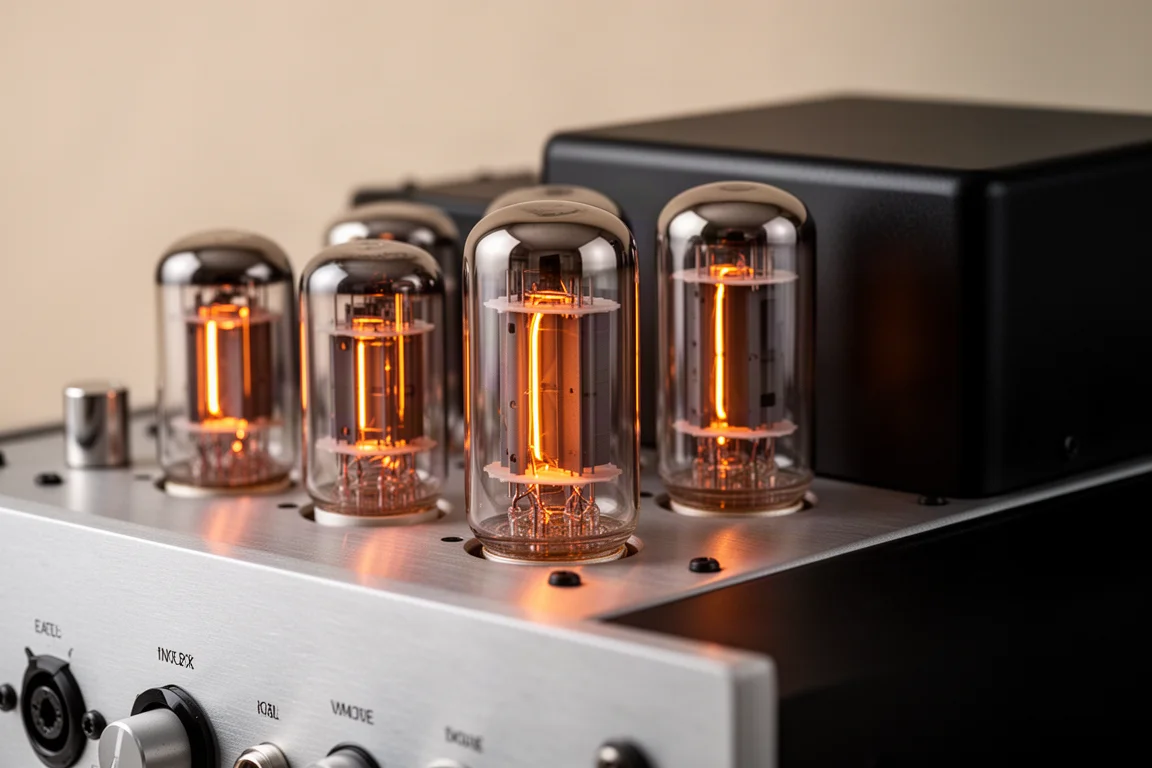
The RAM 285 continues it with a different set of priorities. It is a KT120 tube power amplifier rated at 85 watts per channel into 8 ohms and into 4 ohms, built around nine tubes in total, and it arrives with a five-year warranty that covers the tubes as well as the amplifier itself. That last point deserves a pause. Tube owners normally expect to pay for replacement tubes at some stage, and having all nine covered changes the ownership calculation considerably.
For anyone weighing a first tube amplifier, the RAM 285 is aimed at a specific kind of buyer: someone who wants the tonal character of tubes without the ongoing maintenance overhead, and who would rather spend listening time than tube-rolling time.
Who the Bob Carver RAM 285 Is For
This amplifier suits listeners who want tube character without signing up for constant upkeep. It makes sense for owners of speakers that are reasonably demanding but not punishing, and for anyone who prefers a warm, dimensional presentation over a strictly neutral one.
It is also a good fit for buyers who value a simple, direct purchase with a money-back window and a warranty that removes the usual worry about tube replacement costs. It is less obviously aimed at listeners chasing maximum grip on very difficult loads or the last word in tonal neutrality.
Main Strengths: Tube Character With Real Dimensionality
The RAM 285 sounds like a tube amplifier, and it does not pretend otherwise. Tonally it is beautiful and easy to listen to, with a gentle sweetening of the sound compared with strict neutrality. Its strongest single trait is the size and depth of the soundstage it produces, which is more dimensional than most solid-state amplifiers manage. High frequencies come through clean and effortless.
Paired with the Diptyque DP 140 Mark II planar magnetic ribbon speakers, which are low in sensitivity and not easy to drive, the amplifier stayed composed within its 85-watt limits. Those speakers use a 21.6-inch ribbon tweeter and deliver deep, fast, tight bass, and the RAM 285 kept pace without sounding strained. With the Magnepan LRS Plus, a speaker that can lean cool and thin tonally, the amplifier filled the sound out and added body.
On the Pure Audio Project Duet 15 speakers, which use 15-inch woofers, the amplifier controlled the low end well, particularly when paired with the Holo Audio Serene preamplifier, which had the fastest and cleanest bass of the preamplifiers on hand.
The overall impression is of an amplifier that prioritizes musicality and presence over clinical precision, and it stays consistent across very different speaker designs.
Design Details: Front Panel, Rear Panel, and the DC Restorer Circuit
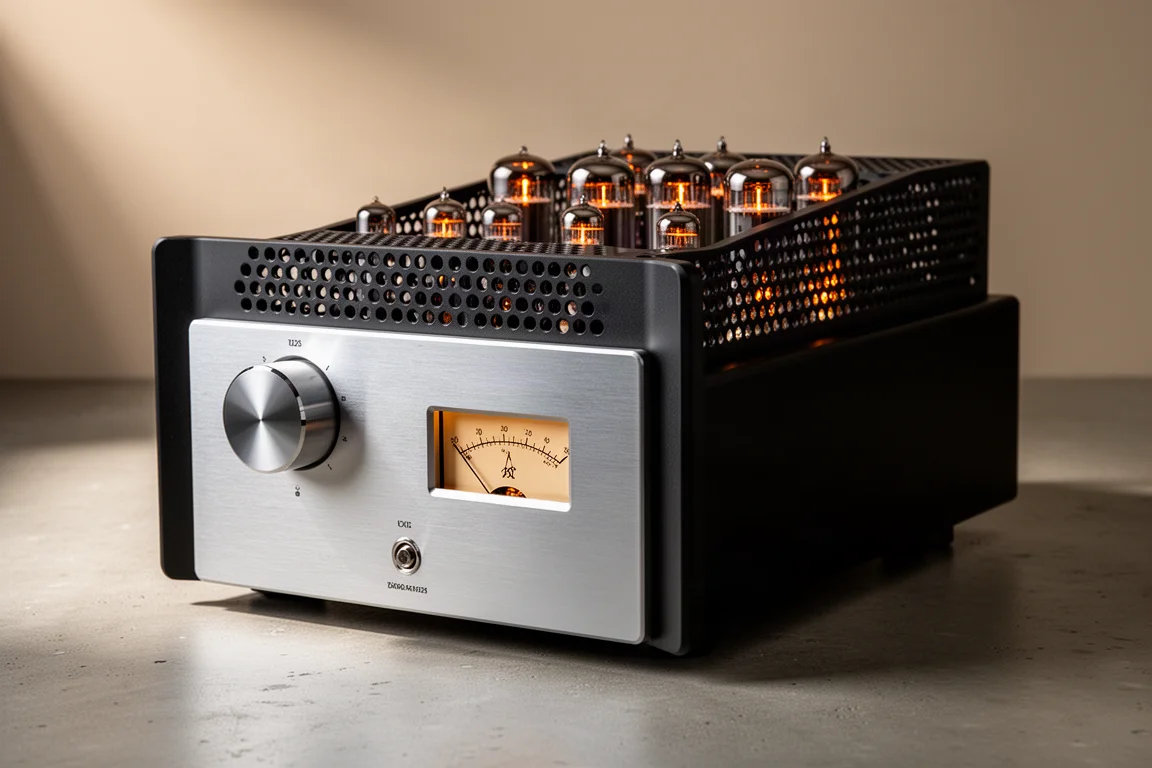
On the top left of the front panel sits an all-metal four-position rotary knob: Sleep, which is effectively off; Standby; On; and Light, which switches off the LED on the top panel. The knob feels substantial in the hand, though moving through its four positions feels slightly clunky. The top-panel LED is extremely bright and can light up a room, so the Light position is genuinely useful. With the LED off, the bias meter on the front panel lights up with a soft glow.
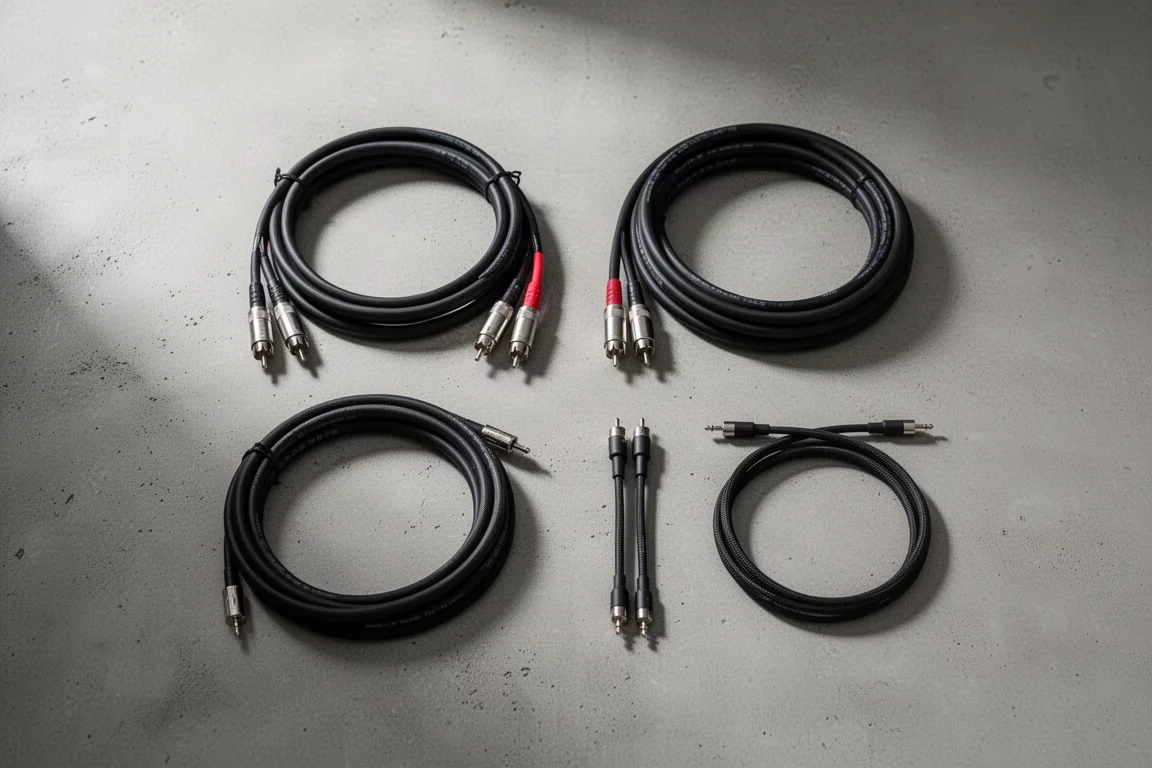
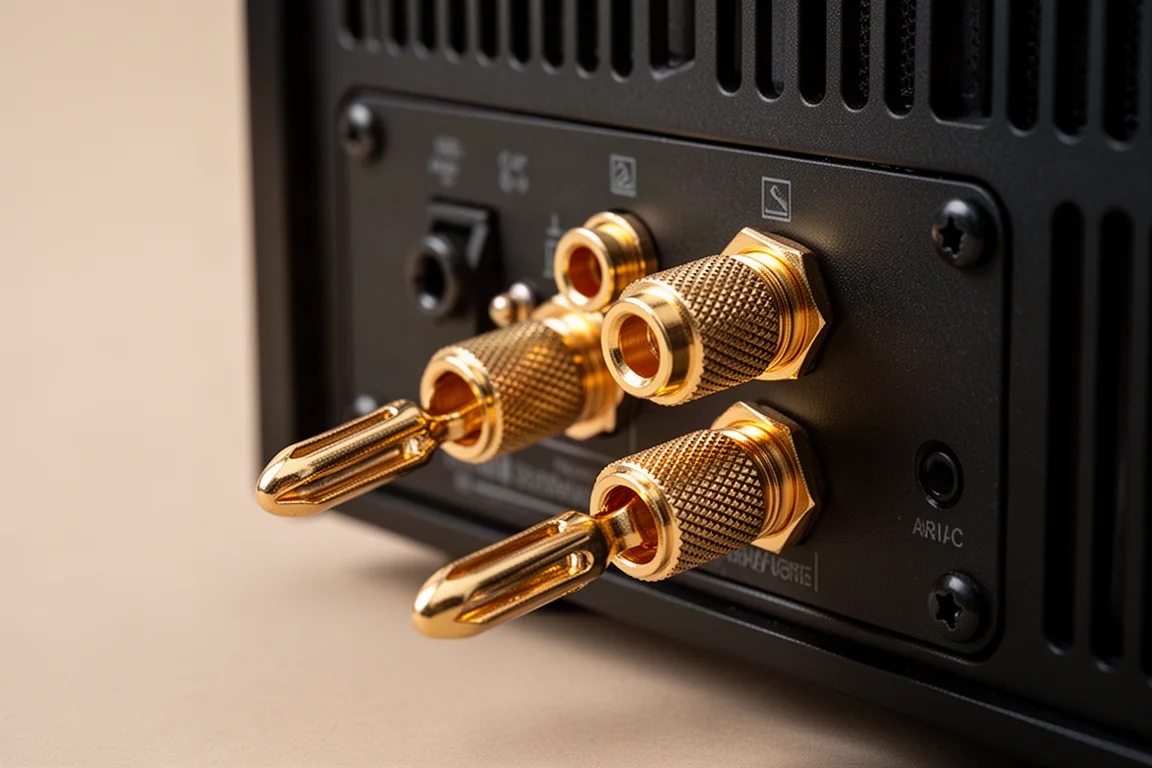
The rear panel uses high-quality parts and provides left and right RCA inputs alongside a subwoofer output. That output is buffered, so running a signal from a preamplifier through the RAM 285 and on to a subwoofer places no extra load on the preamplifier.
Inside, the DC restorer circuit is the most interesting piece of engineering in the design. It works as a dynamic bias system, raising and lowering bias to suit the demands of the moment, which helps extend tube life. Bias adjustment is also simple and safe to perform, with no risk of electric shock.
Things to Consider Before Buying
Rated power is 85 watts per channel into both 8 ohms and 4 ohms, and it does not double into lower impedances, which is typical behaviour for a tube design. With power-hungry speakers the amplifier will not play at neighbour-annoying levels, although it still delivered a full measure of what the Diptyque DP 140 Mark II speakers could give within those limits. Buyers who want maximum control of very large woofers should note that this is not where the RAM 285 concentrates its strengths.
It also sweetens the sound rather than aiming for absolute neutrality. Listeners who want a tube amplifier that imitates solid state will not find that here, and that is a deliberate design choice rather than a shortcoming. The slightly clunky action of the rotary knob and the very bright top-panel LED are small practical details to keep in mind.
None of these points are deal-breakers for the right listener, but they are worth weighing honestly against the amplifier’s strengths before committing.
System Matching Notes and Amplifier Comparisons
The RAM 285 was used with three preamplifiers: the Linear Tube Audio microZOTL, a tube design; the ModWright LS 99, also tube; and the Holo Audio Serene, a solid-state unit. The amplifier made the differences between them easy to hear, which says something about how transparent it is to upstream components.
Against the Pass Labs XA25, a 25-watt-per-channel Class A amplifier rated at 50 watts into 4 ohms and priced at roughly $5,000, the contest was close on cost. The Pass Labs had the edge in control of 15-inch woofers, though not by a wide margin. The RAM 285 answered with a larger, more dimensional soundstage and more body to each instrument and voice.
Against the Linear Tube Audio Ultralinear, a 20-watt-per-channel tube amplifier driving high-sensitivity Pure Audio Project speakers, the Ultralinear sounded cooler, faster and clearer tonally, but it could not match the body and presence the RAM 285 brings.
Buying Advice
The RAM 285 is priced at $4,995 in the United States and is sold direct by Carver, including worldwide sales, so a 220V version is available. The purchase includes a 30-day money-back guarantee with no restocking fee, and the five-year warranty covers both the amplifier and all nine tubes. For a tube amplifier, that combination removes most of the usual ownership anxiety.
Buyers who want tube character without tube management, and who own speakers that do not demand enormous power reserves, will find the value proposition straightforward. The easy, safe bias adjustment also means owners can fine-tune the amplifier without fear.
For anyone who has hesitated over tube ownership because of maintenance and replacement costs, this is one of the more reassuring packages currently available.
Conclusion
The Bob Carver RAM 285 is a memorable design rather than a merely competent one. It delivers unmistakable tube character, a deep and dimensional soundstage, and the kind of body that makes recordings feel alive. The DC restorer circuit, the five-year warranty that includes all nine tubes, and the simple bias adjustment make long-term ownership far less intimidating than tube amplifiers usually are.
For listeners who want tube sound and are willing to accept its limits with power-hungry speakers, the RAM 285 is an easy amplifier to recommend and an easy one to live with.
Product link
View more details for Bob Carver RAM 285
This product is mentioned in the review. Check the specifications, options, and compatibility before buying.
View more details for Bob Carver RAM 285Further reading
Related Reviews

Audio
Apos x Geshelli Merlin DAC Review: A Natural Match for the Gremlin Amp
The Apos x Geshelli Merlin DAC pairs balanced and single-ended outputs with a smooth, natural sound that complements the Gremlin tube amp.

Audio
Audio Gear That Beats Pricier Rivals: Nine Value Picks for 2026
Nine turntables, streamers, speakers, and amplifiers that deliver far more than their price suggests, plus the trade-offs worth checking before you buy.
Audio
Best Amplifiers Under $200: Four Compact Stereo Amps Worth Considering
Four compact amplifiers under $200, from a class AB design with a headphone section to a DAC-equipped integrated amp and a low-cost pick from a US-based brand.