Performance Cars
BMW M3 xDrive vs Rear-Wheel Drive G80: Which One Should You Buy?
The all-wheel drive M3 costs £2,765 more and weighs 55 kg extra, but track testing shows it is half a second quicker. Here is what that means for buyers.
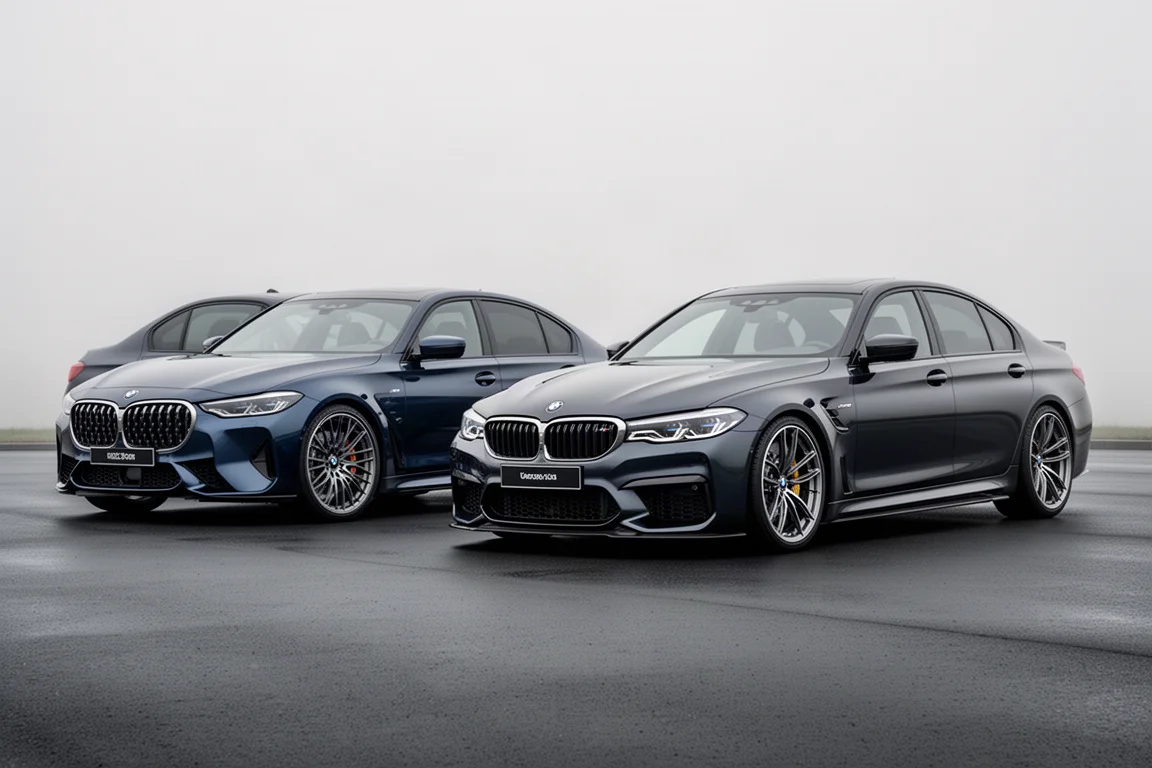
Introduction
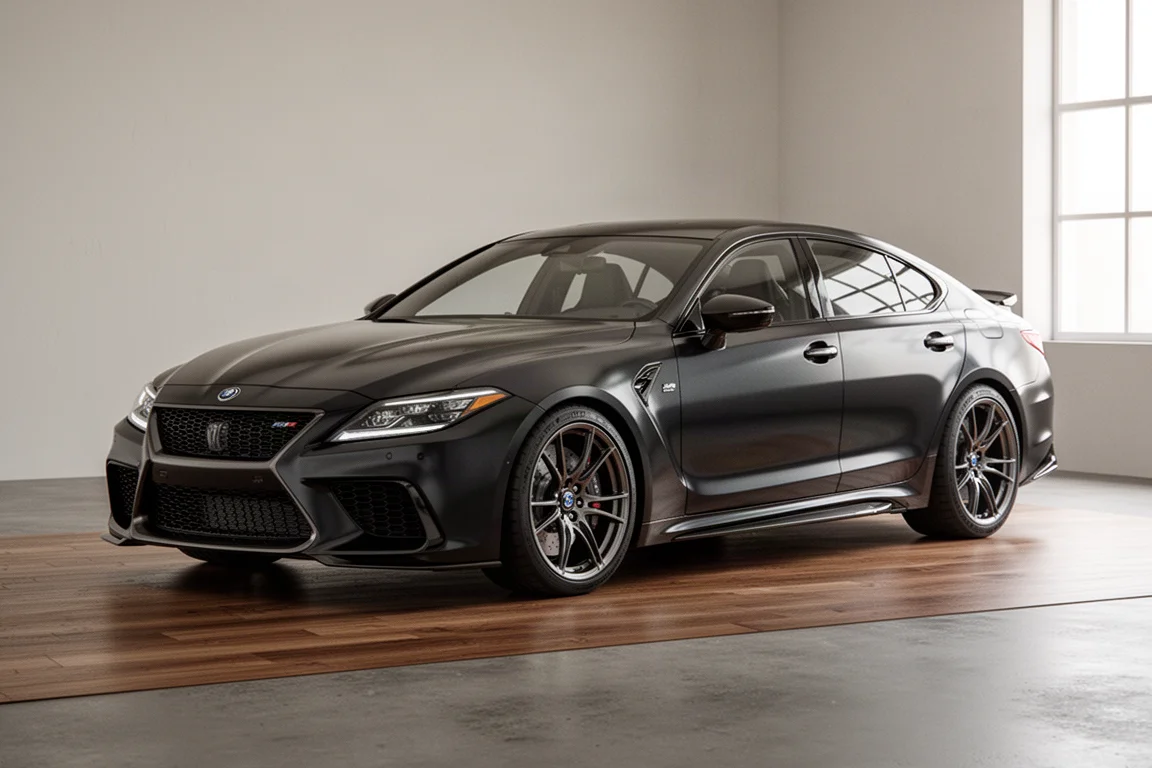
The BMW M3 xDrive and the rear-wheel drive M3 G80 look nearly identical, but they deliver two very different experiences. The all-wheel drive car costs £2,765 more and carries another 55 kilograms, yet on the evidence of a full track test, almost everything beyond the price and weight is good news.
The xDrive version uses a sophisticated all-wheel drive system that varies torque flow constantly between and across the axles, giving it phenomenal traction and grip, especially when paired with factory-fit Pilot Sport Cup 2 tyres. The rear-wheel drive car remains a wild animal and a serious return to form, but it demands more from the driver. This guide breaks down which one makes sense for you.
The Case for the M3 xDrive
The xDrive M3’s biggest strengths show up when the road gets quick and the corners come fast. Because the system continuously shifts torque between the axles, the car stays planted where the rear-drive car needs careful throttle management. In all-wheel drive Sport mode, the system deliberately sends as much torque to the rear as possible, only routing power to the front when it detects the rear tyres are overloaded. That keeps the car feeling like a rear-wheel drive machine while adding a large safety net of traction.
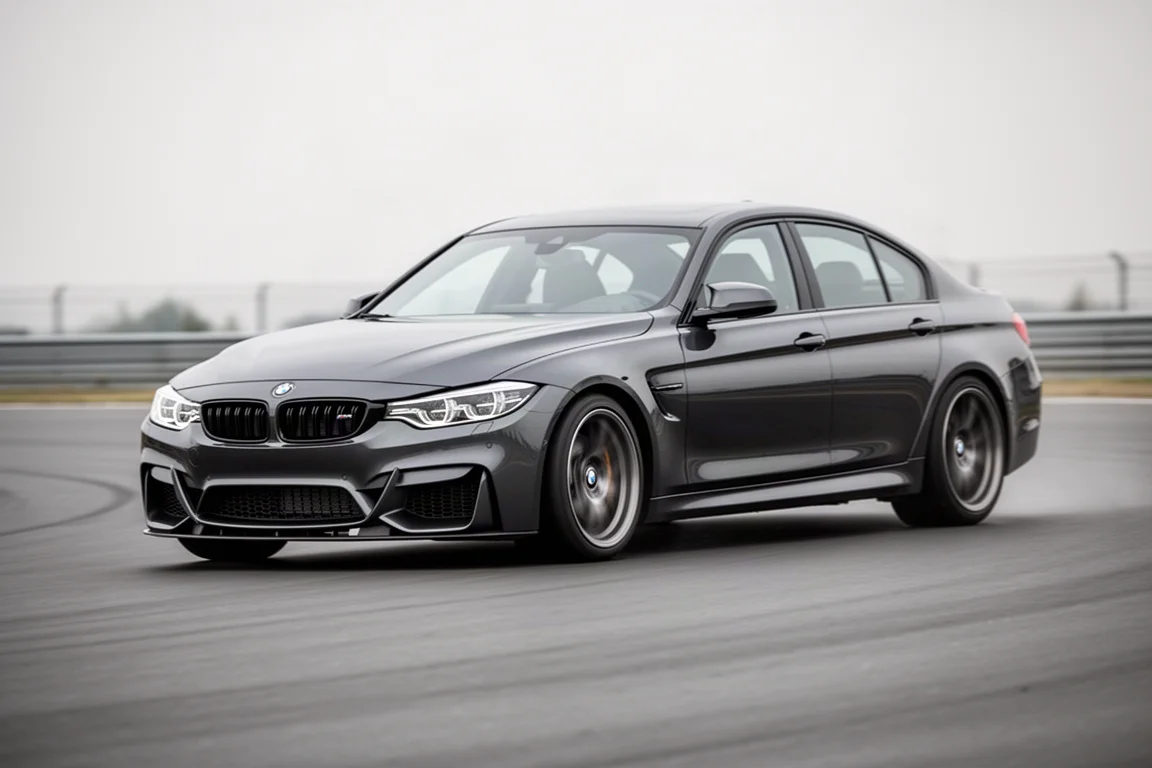
The headline result: on the same day, in the same conditions, on the same Cup 2 tyres, the xDrive car lapped half a second quicker than the rear-drive G80. It also came remarkably close to a Porsche Cayman GT4’s lap time, recording a 1:18.61 despite being a four-door, five-seat car weighing nearly as much as a Caterham more than the GT4.
The Case for the Rear-Wheel Drive M3 G80
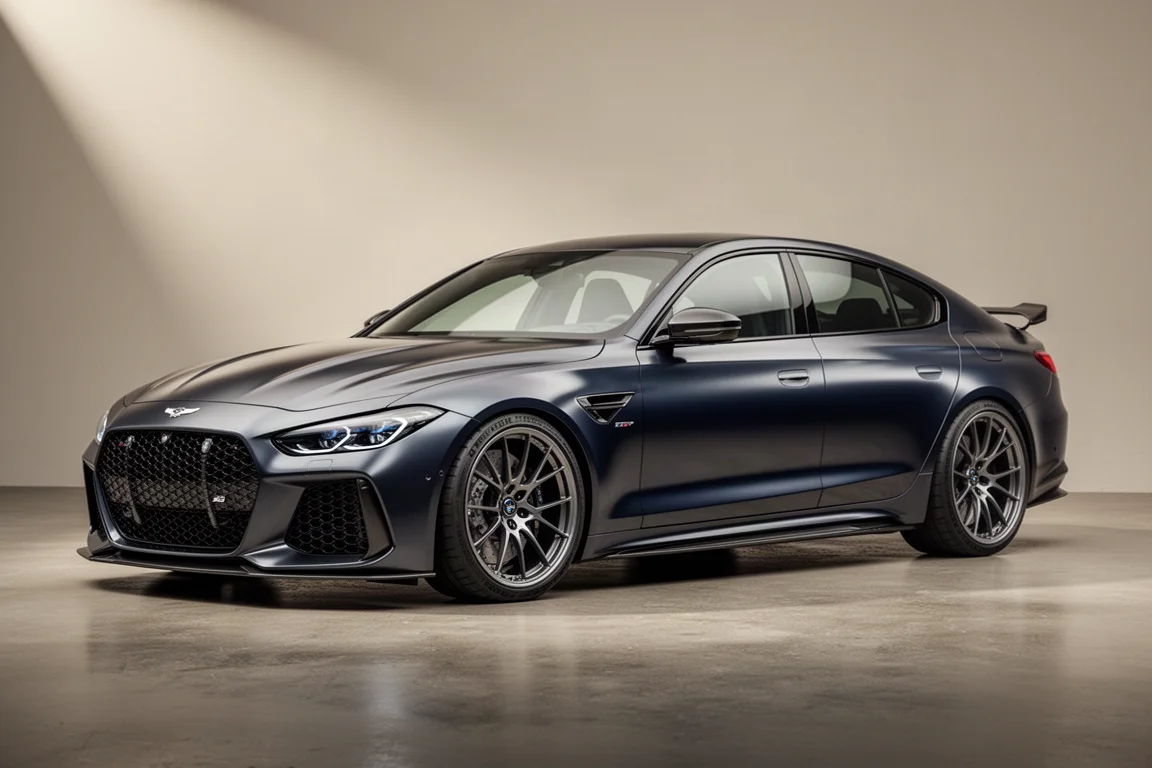
The rear-wheel drive G80 M3 is fabulous in its own right and represents a serious return to form. But it communicates differently. There is a constant impression that you are driving a car with a bit more energy than the rest of it can quite contain, which makes it engaging but also more demanding at the limit.
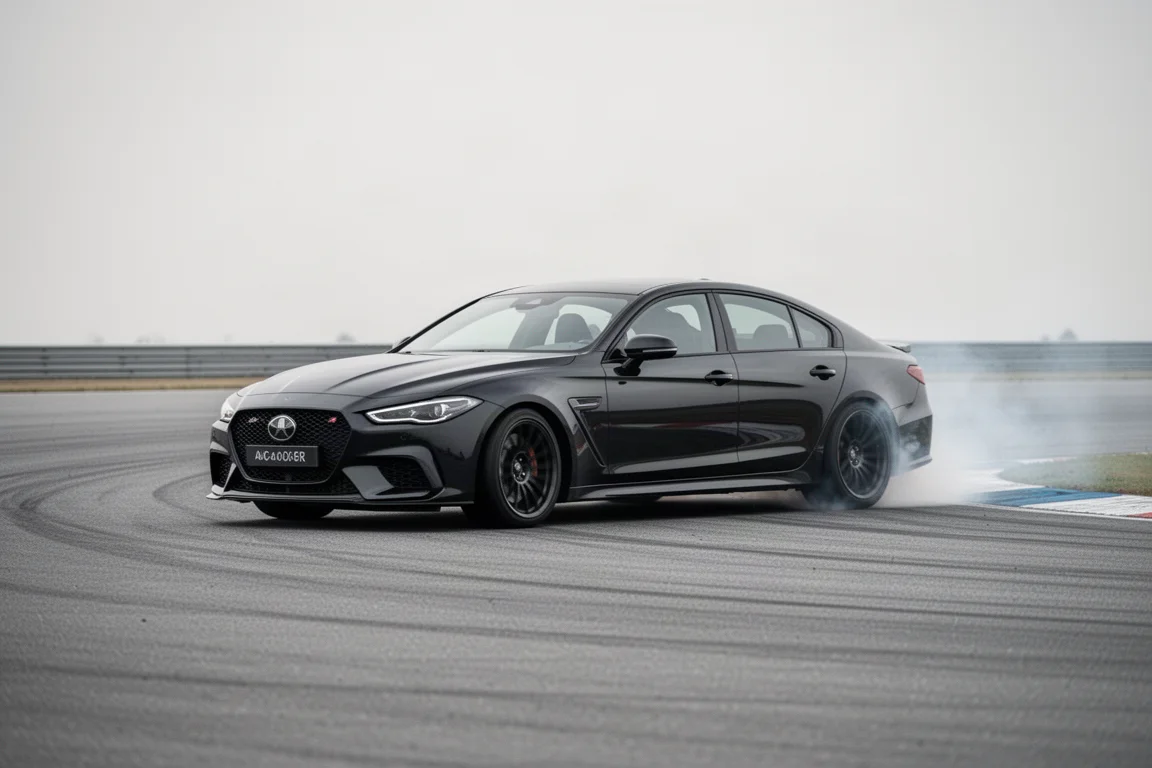
With the rear-drive car, the moment the rear tyres are overwhelmed you have no choice but to come away from the throttle. The xDrive car lets you keep the throttle pinned through situations that would otherwise end in a slide. That is the fundamental trade-off: more purity and engagement versus more usable speed and confidence.
Settings That Unlock the Pace
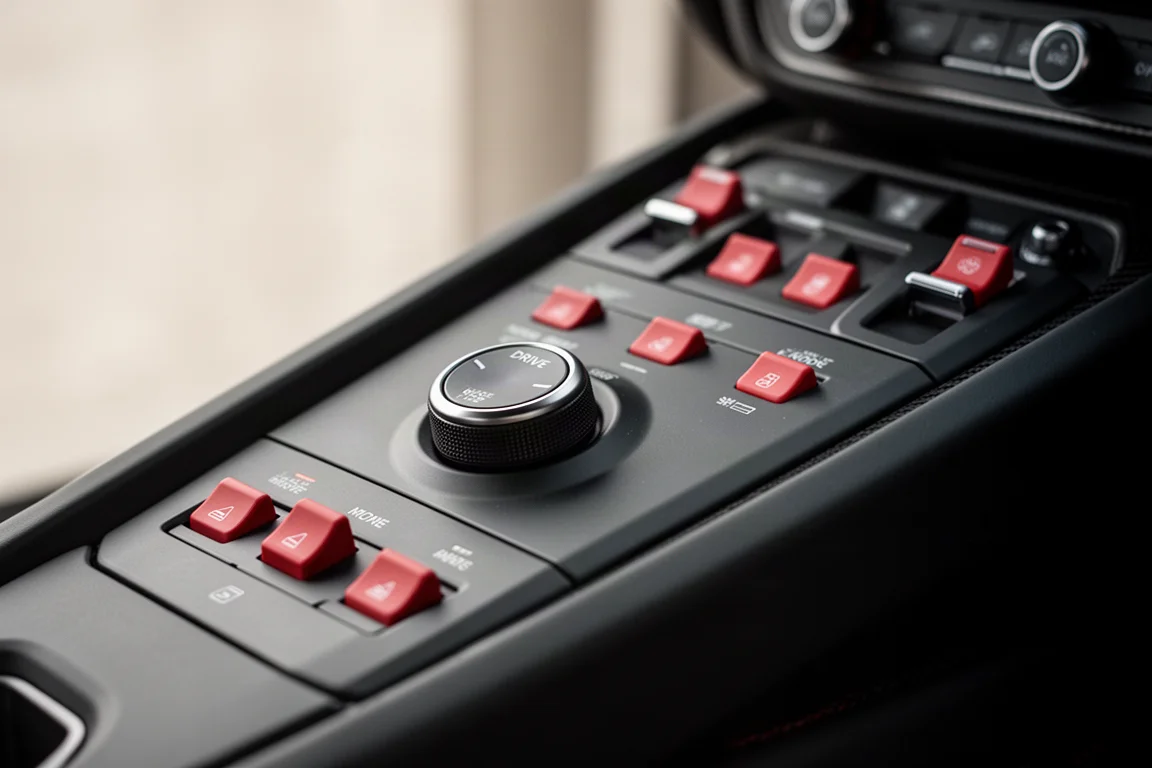
Getting the best lap time from the xDrive car requires the right setup. Everything was dialled to maximum: Sport Plus for the transmission, Sport Plus for the brakes, and every other system dialed up. The drivetrain went into four-wheel drive Sport mode, with ESC and traction control switched fully off.
Four-wheel drive Sport is the key setting. It constantly sends as much torque rearward as possible, only stepping in at the front when the rear tyres have too much energy going through them. The car still rotates and sits like a rear-wheel drive car would, just with far more traction backing it up.
Driving Technique Matters
The M3 rewards calm inputs. Try to muscle it around and it is fun, of course, but with everything switched off it becomes easy to lose the shape of a corner and watch the lap time disappear. Get it right, use the torque of the twin-turbo straight six, keep the line neat, and let the all-wheel drive system work its magic out of corners and down the straights, and the time comes quickly.
The less hard you try to grab it, the easier the time arrives somehow. That is a useful lesson for buyers: the xDrive M3 is fast, but it is not point-and-shoot. It still needs a thoughtful driver.
Which M3 Should You Buy?
If you are going to get yourself an M3, the xDrive is the one to have, and it is the one the tester would personally choose, which was not the expectation going in. The extra cost buys genuinely quicker lap times, earlier throttle application at corner exit and even at the apex, and a calmer, more controllable character from what is otherwise a very wild machine.

Choose the rear-wheel drive G80 if you prioritise that raw, energetic driving character and want to save the £2,765 premium while carrying 55 kg less. Choose the xDrive if you want the fastest, most confident version of the M3 that still behaves like a rear-driven car when you want it to.
Conclusion
The xDrive M3 is half a second quicker around a track, nearly matched a Cayman GT4 lap time, and transforms a wild animal into a serious weapon. For most buyers, the all-wheel drive version is the one worth having.
Further reading
Related Reviews

Performance Cars
From S2 Coupe to B7 RS4: Four Audi Legends That Built the Fast Estate
Four Audis that trace the line from the original Quattro legacy to the ultimate high-revving fast estate: the S2 Coupe, RS2, B5 RS4 and B7 RS4.
Performance Cars
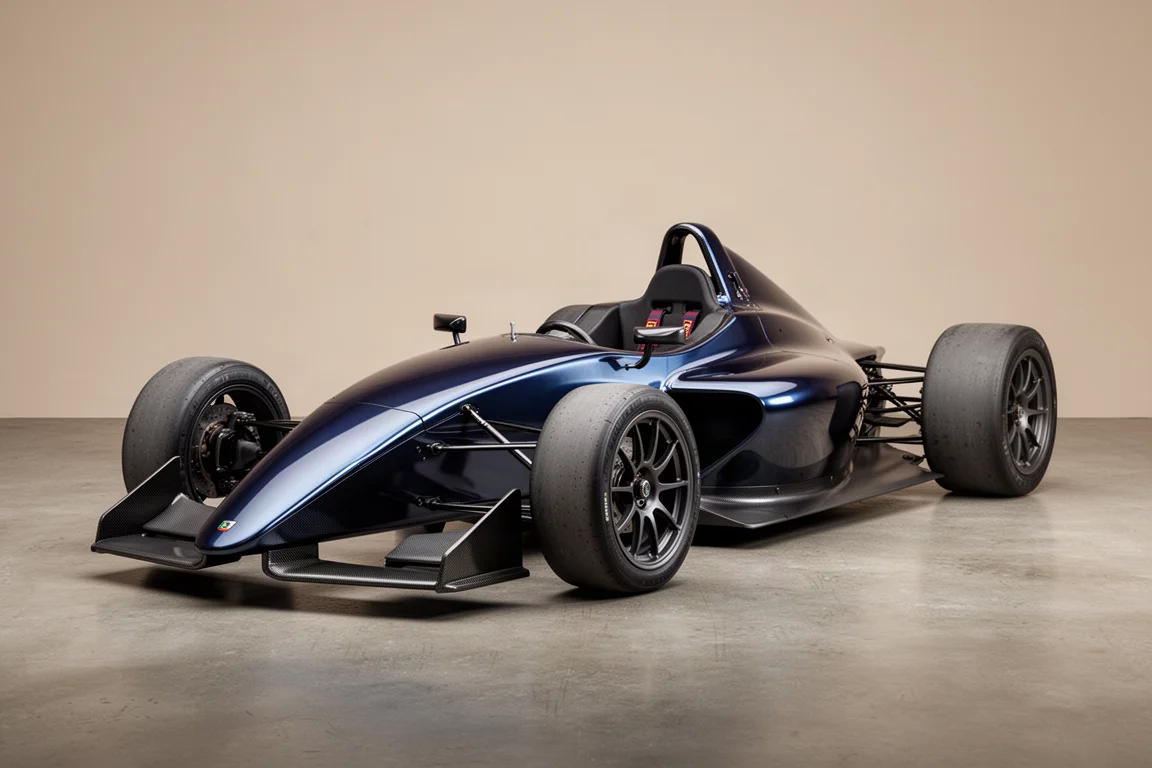
BAC Mono R Review: The Most Focused Road Car Money Can Buy
An open-wheel road car from Liverpool with graphene bodywork, 342 horsepower, and a sub-600kg kerb weight. Here's what makes the Mono R so special.
Performance Cars
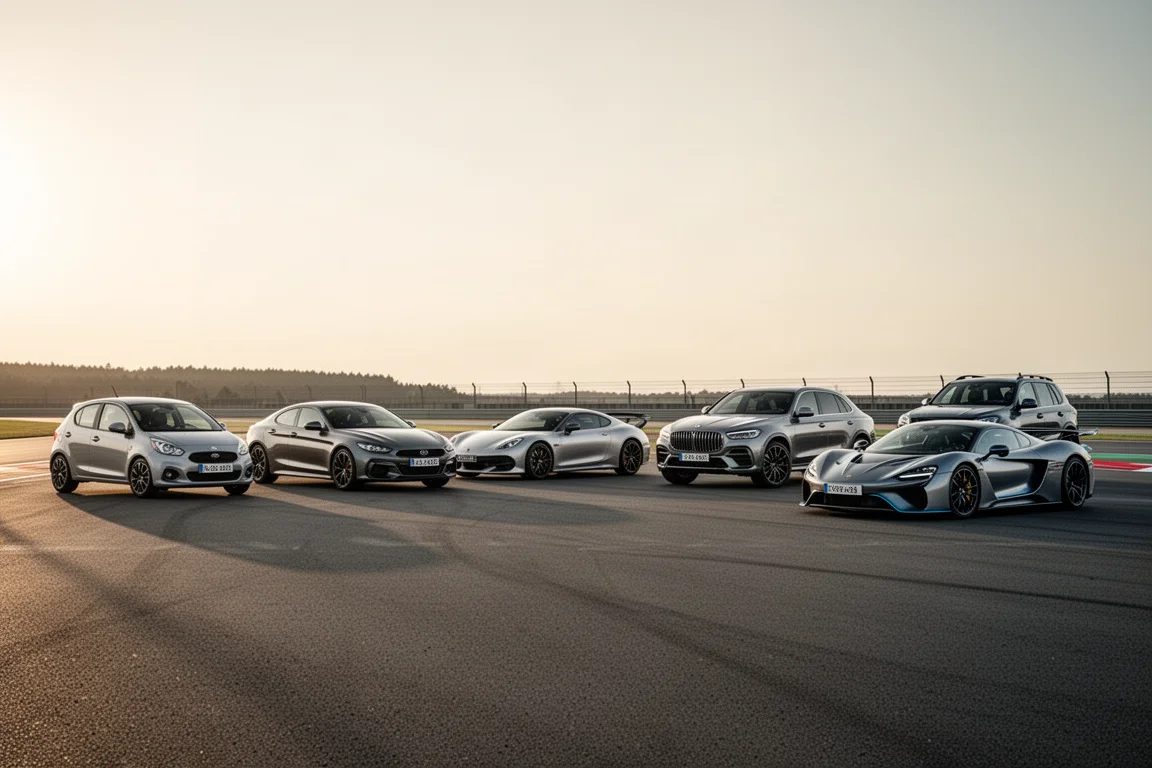
The Best All-Wheel Drive Performance Cars: Seven Cars That Prove AWD Is More Fun Than Ever
From a five-cylinder Audi hatchback to a 1,000-horsepower hybrid Lamborghini, these seven all-wheel drive performance cars show how far traction tech has come.